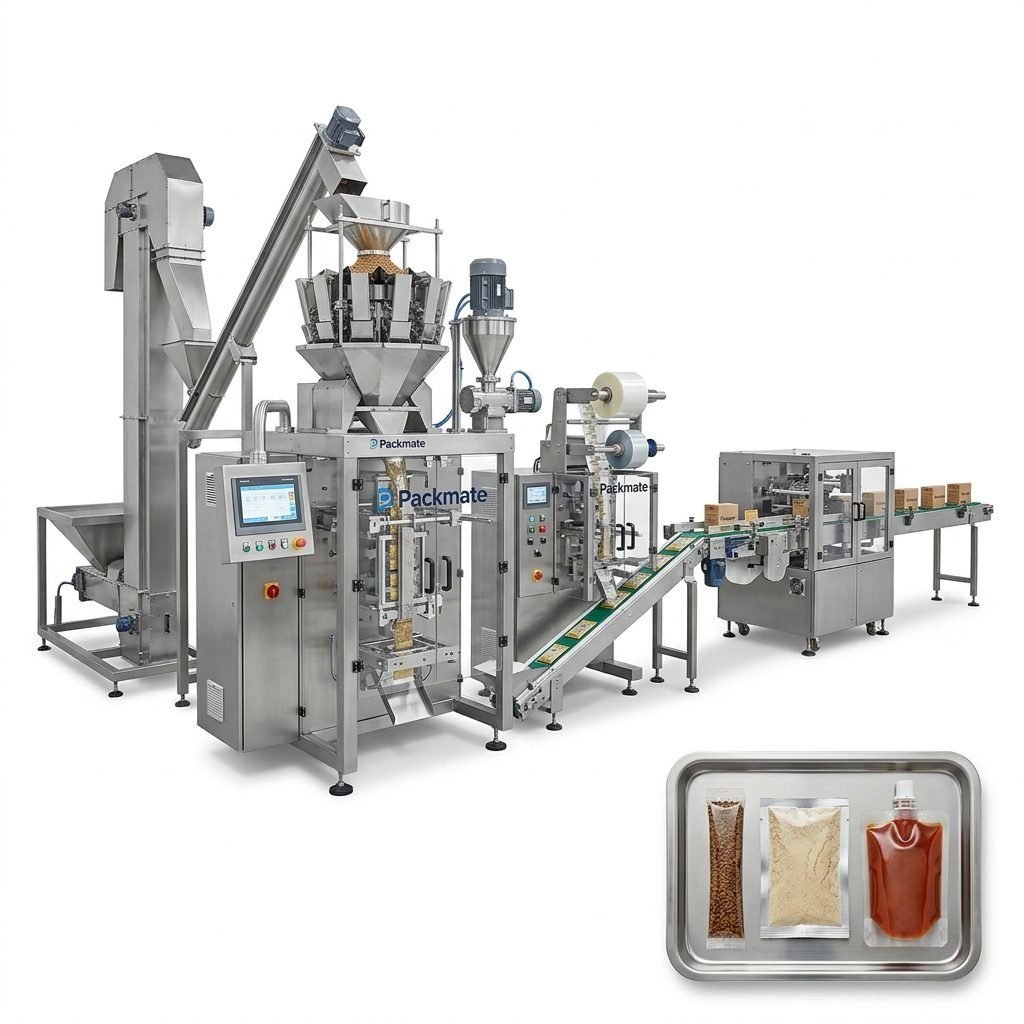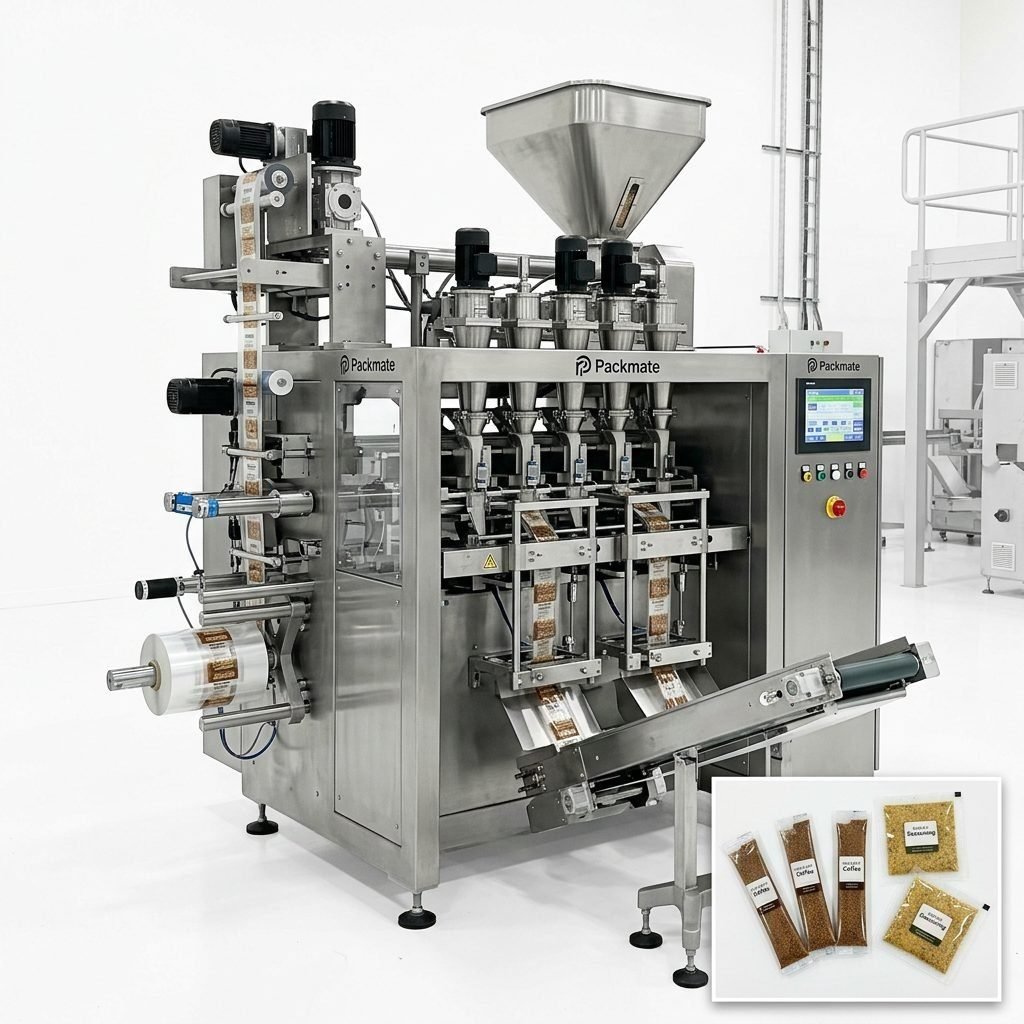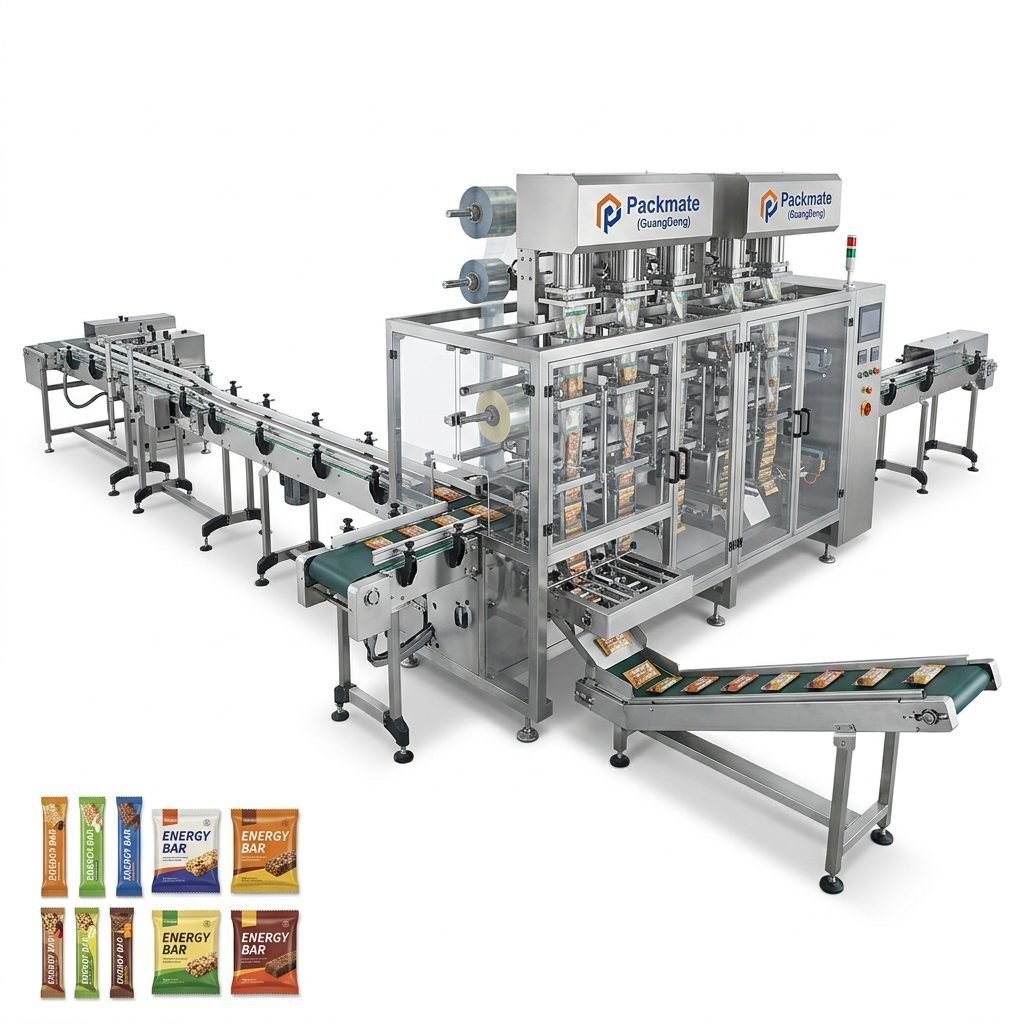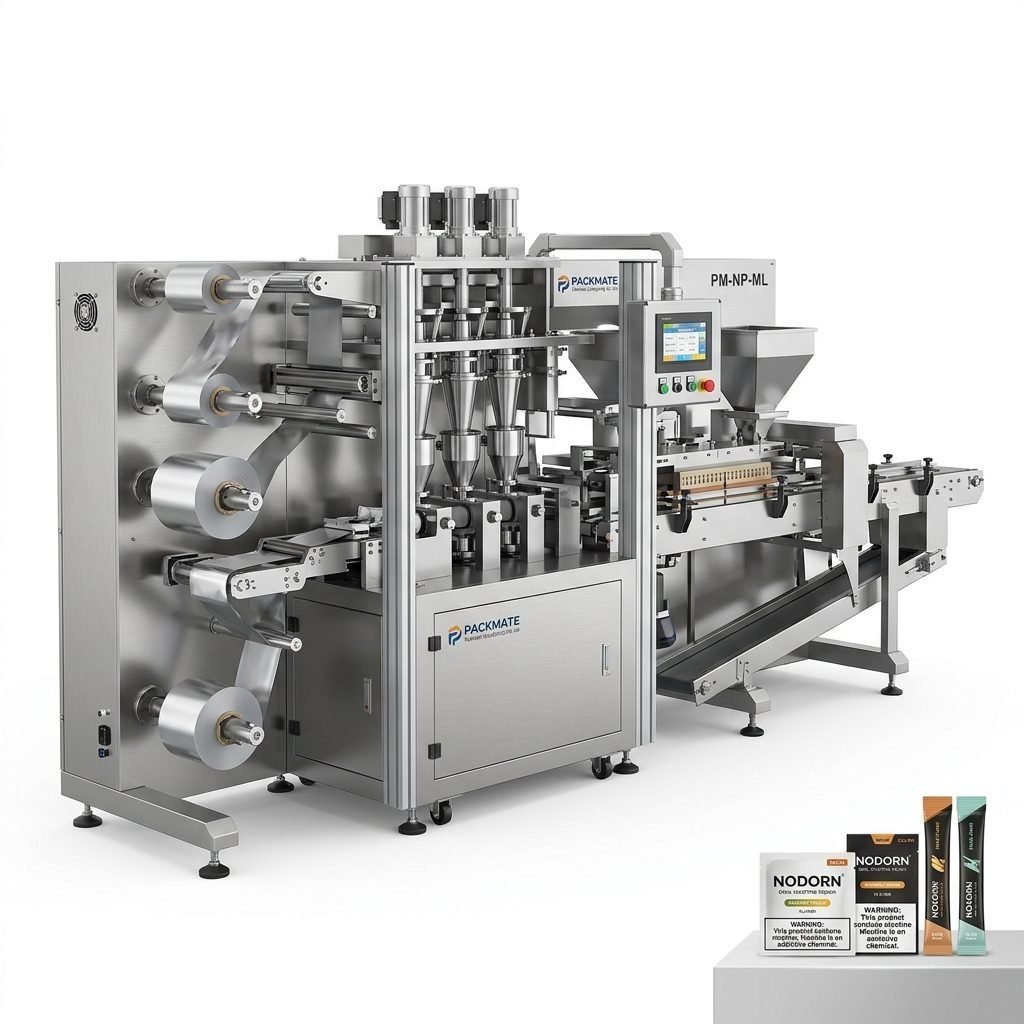
The South American packaging machinery market is diverse, dynamic, and rapidly evolving. For food producers, pharmaceutical companies, and health supplement manufacturers across countries like Brazil, Argentina, Chile, Colombia, and Peru, finding a reliable equipment supplier is crucial for maintaining competitive production lines. The region’s industrial landscape demands robust, efficient, and adaptable solutions capable of handling local product varieties, from coffee and spices to pharmaceuticals and emerging categories like nicotine pouches. This guide provides a practical, step-by-step approach for sourcing trustworthy packaging machinery manufacturers in South America.
Understanding Your Specific Needs in the South American Context
Before beginning your search, clearly define your project requirements. South American production often involves unique considerations:
Product Type: Are you packaging powders (like milk powder, seasonings), granules (coffee, grains), liquids (sauces, oils), or specialized items like nicotine pouches popular in certain markets?
Production Volume: Required output (bags/minute) must match both current demand and projected growth in the regional market.
Packaging Format: Stick packs, sachets, pouches, or bulk bags? Format preference can vary by country and consumer habit.
Level of Automation: From a single machine to a complete turnkey line. Labor costs and skill availability differ across the continent.
After-Sales Support: Given the geographical distance, reliable technical support, spare parts availability, and potential local service partners are non-negotiable.
Key Research Channels for Finding Suppliers
Utilize a mix of international and regional channels to build a comprehensive supplier list:
Industry Trade Shows: Events like Fispal Tecnologia (Brazil) or Expo Pack in major cities are excellent for meeting suppliers and seeing machines in action.
Online B2B Platforms: Global platforms like Alibaba or industry-specific directories. Use filters to identify manufacturers with export experience to South America.
Professional Referrals: Network with local industry associations or other manufacturers in your sector for firsthand recommendations.
Targeted Online Search: Use specific keywords like “packaging machine manufacturer for South America” or “turnkey line supplier for Brazil”.
Evaluating Manufacturer Credentials and Capabilities
Once you have a shortlist, conduct a thorough evaluation. Focus on these critical aspects:
1. Company History and Stability
Prioritize manufacturers with a long operational history (e.g., 20-30+ years). This indicates accumulated experience, technical know-how, and financial stability, which is vital for long-term partnership and spare parts supply. For instance, a company like Ludyway, founded in 1993, brings over three decades of manufacturing expertise to the table.
2. Relevant Industry Experience
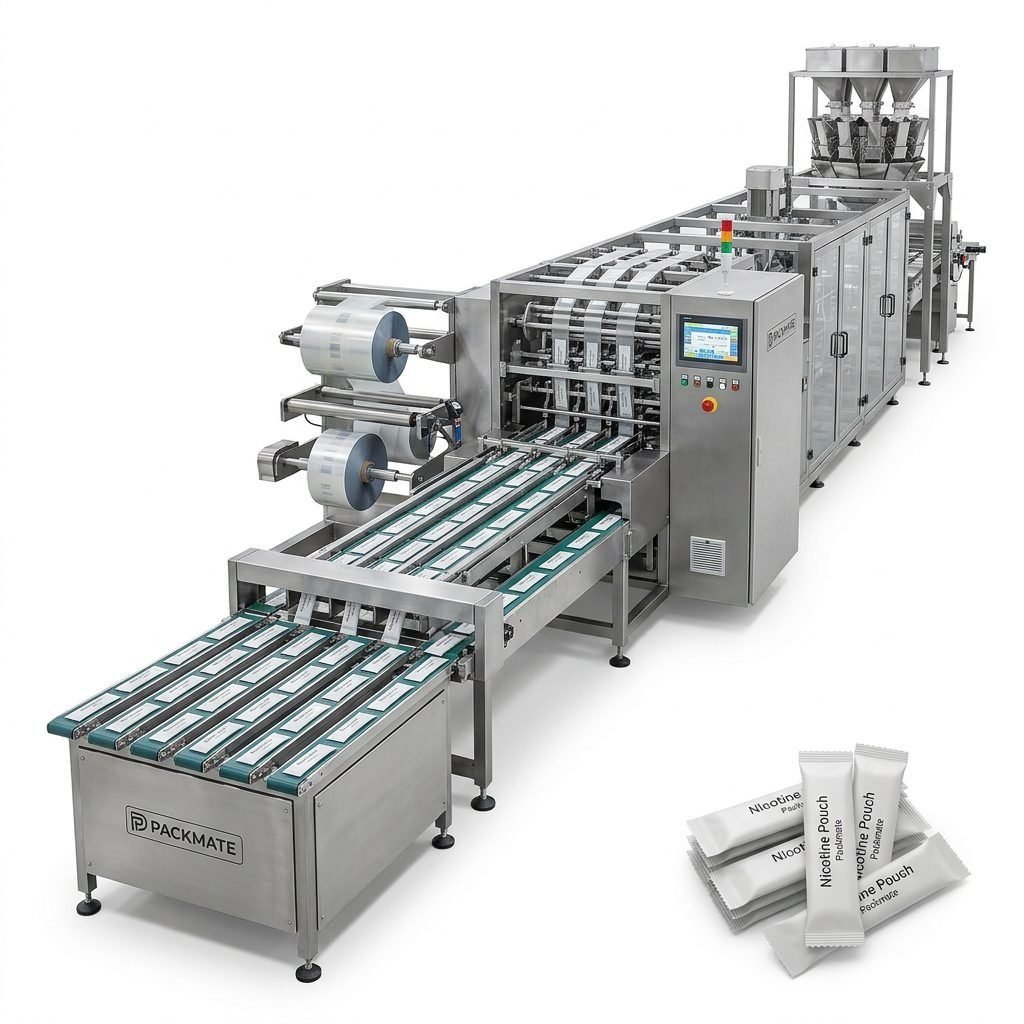
Does the manufacturer have a proven track record in your specific industry? A supplier experienced in food-grade machinery may differ from one specializing in pharmaceutical or niche sectors like nicotine pouches. SnusMachinery, for example, offers specialized expertise for pouch packaging in the smokeless tobacco and nicotine sector, which has specific compliance and precision needs.
3. Technical and Customization Capability
Can they provide standard machines, or do they offer engineering support for customization? South American projects often require adaptation to local raw materials, voltage standards, or factory layouts. Manufacturers like PackingMachineOEM emphasize non-standard and customized solutions, which can be crucial for unique production requirements.
The Importance of Factory Size and Export Experience
A manufacturer’s physical footprint and international reach are strong indicators of capability.
| Manufacturer | Factory Size | Key Export Markets | Relevance for South America |
|---|---|---|---|
| Ludyway | Over 20,000 m² | Europe, North America, South America, Middle East | Proven export channel to the region, broad product range. |
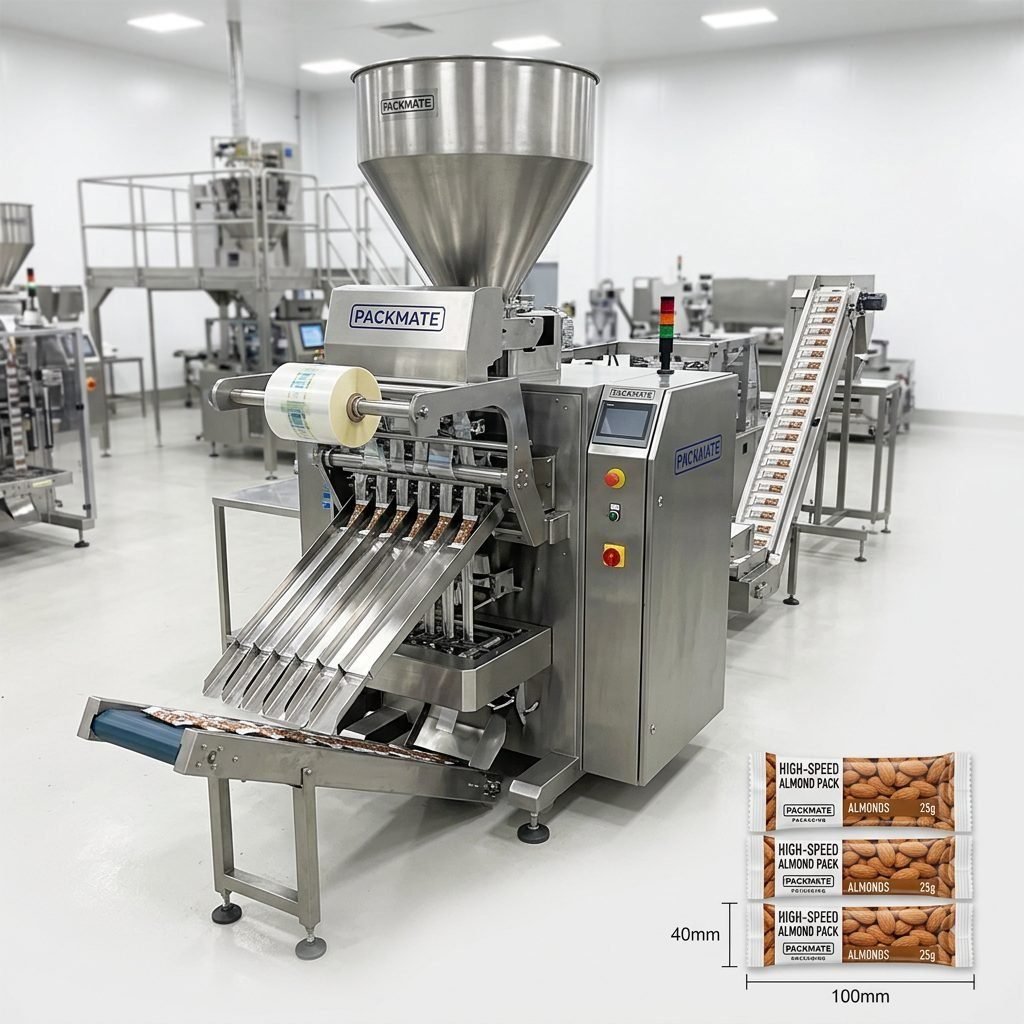
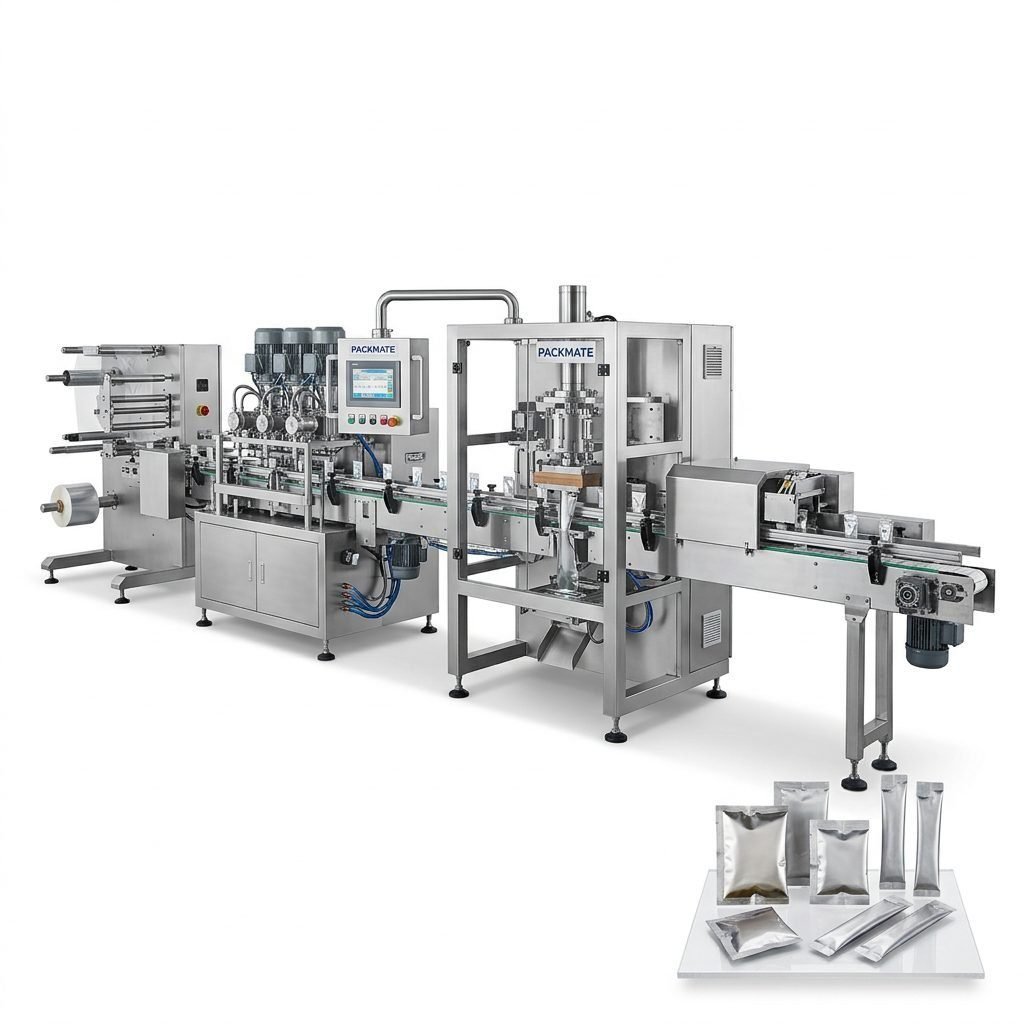
| Packmate Machinery | ~20,000 m² | Europe, North America, South America, Australia | Direct market experience, suitable for medium to large operations. |
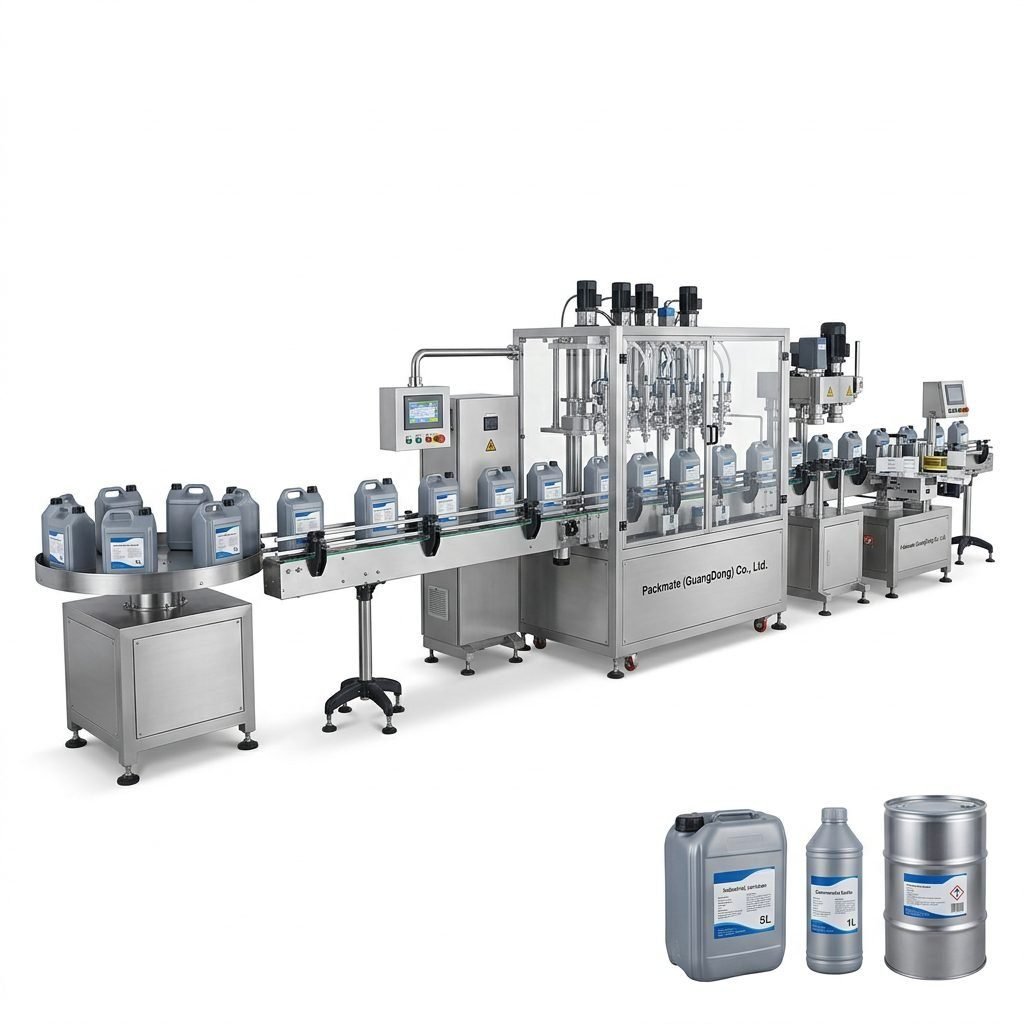
| PacklineOEM | ~20,000 m² | Europe, North America, South America, Middle East | Strong focus on complete turnkey lines, ideal for large-scale automation projects. |
A large factory (e.g., 20,000+ m²) typically signifies serious manufacturing capacity, in-house machining, quality control processes, and the ability to handle larger orders. Explicit mention of South America as a key export market means the supplier likely understands regional logistics, documentation, and has possibly solved common technical challenges faced by local clients.
Due Diligence: Site Visits, Communication, and Samples
Virtual verification is essential, but whenever possible, a factory audit is highly recommended.
Request Factory Tour Videos: If travel isn’t feasible, ask for detailed, recent videos of the production floor, assembly lines, and quality testing areas.
Assess Communication: Gauge their responsiveness, language support (English, Spanish, Portuguese), and technical clarity. A reliable partner communicates proactively and clearly.
Ask for Client References: Request contact information for existing clients, preferably in South America or with similar applications.
Request a Sample Run: Send your actual product material to the manufacturer. A sample run on their machine will demonstrate performance, sealing quality, and dosing accuracy specific to your product.
Companies that are transparent and encourage this level of due diligence are generally more confident in their product quality and processes.
Analyzing the Total Cost of Ownership (TCO)
Look beyond the initial machine price. The Total Cost of Ownership includes:
- Machine Price & Shipping
- Installation & Commissioning (onsite or remote)
- Spare Parts Kit (initial and long-term)
- Energy Consumption
- Expected Maintenance Costs & Downtime
- Technical Support Fees
A slightly higher initial investment in a robust machine from an experienced manufacturer like Packmate Machinery can lead to significantly lower TCO through higher uptime, better efficiency, and reliable support.
After-Sales Support and Service: The Deciding Factor
For South American buyers, after-sales support is arguably the most critical selection criterion. Discuss and get in writing:
- Warranty Terms: Duration, coverage, and response time commitments.
- Spare Parts Policy: Availability, pricing, and guaranteed shipping times to your country.
- Technical Support: Availability of remote support (video call), multilingual manuals, and troubleshooting guides.
- Local Service Partners: Does the manufacturer have authorized service agents or technicians in South America? This can drastically reduce downtime.
Manufacturers with a strong export orientation, such as PacklineOEM, are typically structured to provide this level of international support, understanding that reliable service is key to long-term client relationships across continents.
Finalizing the Partnership
Once you’ve selected a manufacturer, ensure all agreements are detailed in a comprehensive contract. This should cover technical specifications, delivery schedule (FOB, CIF, etc.), payment terms, warranty, acceptance criteria, and support protocols. Clear contracts prevent misunderstandings and protect both parties.
Frequently Asked Questions (FAQs)
Q: What is the lead time for receiving a packaging machine in South America?
A: Lead times vary but typically range from 30 to 90 days after order confirmation, depending on machine complexity (standard vs. custom) and production schedule. Shipping and customs clearance in the destination country add additional time.
Q: How can I verify the quality before shipment?
A: Insist on a Factory Acceptance Test (FAT). You or your representative can witness the machine running at the factory, performing according to agreed specifications, before it is disassembled for shipping.
Q: Are Chinese manufacturers a reliable choice for South America?
A: Many established Chinese manufacturers are highly reliable and have extensive export experience to South America. The key is to vet them thoroughly on the criteria outlined above—focus on export history, factory capability, and proven after-sales support rather than just the lowest price.
Q: What are the main challenges when importing machinery to South America?
A: Common challenges include navigating import regulations and tariffs (which vary by country), ensuring correct documentation, managing logistics, and arranging for qualified local technicians for installation if the supplier does not send an engineer.
Q: Should I choose a single machine or a complete turnkey line?
A: It depends on your budget, automation goals, and in-house expertise. A single machine is suitable for upgrading one step. A turnkey line from a specialist like PacklineOEM offers integrated efficiency but requires a larger investment and is best for new facilities or major capacity expansions.