The food and pharmaceutical industries represent the pinnacle of precision, hygiene, and reliability demands. Packaging within these sectors is far more than just containment; it is a critical process that ensures product integrity, safety, and shelf life. For granules, powders, and liquids—materials with distinct handling challenges—the need for specialized, automated industrial packaging machinery is paramount. These automated solutions are the backbone of modern production, transforming raw materials into safe, market-ready products with unparalleled efficiency and consistency.
The Critical Role of Specialized Packaging Machinery
Why is generic packaging equipment insufficient for food and pharma? The answer lies in the stringent regulatory landscapes and the sensitive nature of the products. Machinery must be constructed from food-grade or pharmaceutical-grade materials, often featuring stainless steel contact parts that resist corrosion and allow for thorough sanitization. Designs must minimize dead zones where product can accumulate and spoil. Furthermore, precision is non-negotiable. An incorrect fill weight in a pharmaceutical powder can compromise dosage efficacy, while inconsistent sealing on a liquid food pouch can lead to leakage and contamination.
Key Takeaway: Automated packaging systems for these industries are engineered to meet Good Manufacturing Practice (GMP) and food safety standards (like HACCP) by default. They integrate features like CIP (Clean-in-Place) systems, dust extraction for powders, and inert gas flushing for oxygen-sensitive products, which are not typically found in standard packaging lines.
Granule Packaging: Precision for Consistency
Granules, such as instant coffee, sugar, seeds, or certain pharmaceutical pellets, require gentle handling to prevent breakage and precise measurement to ensure portion control. Modern multi-head weighers and volumetric cup fillers are the heroes here. These systems use advanced vibratory or centrifugal feeding to distribute product evenly before employing highly accurate weighing cells or calibrated cups to dispense the exact amount into the packaging.
The machinery often incorporates checkweighers downstream to audit every single packet, rejecting any that fall outside the strict tolerance band. This level of control is essential for maintaining brand trust and regulatory compliance, ensuring every consumer gets the product quantity they pay for and expect.
Powder Packaging: Taming the Challenging Medium
Powders are arguably the most challenging material to package automatically. Issues like dusting, caking, bridging, and segregation can wreak havoc on production speed and accuracy. Specialized powder packaging machines tackle these problems head-on. Auger fillers, with their specially designed screws and funnels, provide excellent precision for free-flowing powders like milk powder or protein supplements.
For non-free-flowing or aerated powders, such as flour or certain pharmaceutical compounds, machines may use tamping devices, vibration assists, or even vacuum-assisted filling to achieve consistent compaction and accurate fills. Integrated sifting devices and de-aeration systems are common to ensure a smooth, dense flow of product into each sachet or stick pack, minimizing giveaway and maximizing efficiency.
Liquid & Viscous Product Packaging: Ensuring Integrity and Hygiene
Liquids, from sauces and edible oils to syrups and sanitizers, demand machinery that guarantees leak-proof seals and hygienic processing. Piston fillers and peristaltic pumps are widely used for their high accuracy and gentle handling, which is crucial for products containing particulates or sensitive formulations. The sealing process is critical; machines utilize precise temperature, pressure, and dwell time controls to create hermetic seals on pouches or stick packs.
For the pharmaceutical sector, filling injectables or vaccines into vials or pre-filled syringes requires an aseptic environment. This is where advanced aseptic filling lines come into play, often operating within isolators or cleanrooms to prevent any microbial contamination during the packaging process.
The Automation Advantage: Beyond Speed
While increasing output is a obvious benefit, the true value of automation lies in:
- Traceability: Every batch and packet can be logged with data (time, weight, machine parameters), crucial for quality control and recall management.
- Labor Safety & Hygiene: Reducing direct human contact with product minimizes contamination risk and improves worker safety in potentially hazardous environments.
- Resource Efficiency: Automated systems optimize material use (film, product), reducing waste and operational costs significantly over time.
- Flexibility: Modern machines allow for quick changeovers between different products or pack sizes, enabling manufacturers to respond agilely to market demands.
Packmate Machinery: A Partner in Automated Packaging Solutions
With over three decades of focused expertise, Packmate (GuangDong) Co., Ltd. embodies the evolution and specialization required for this field. From its beginnings in a small workshop to its current 20,000㎡ modern facility, Packmate’s journey mirrors the industry’s drive towards greater automation and reliability. The company’s deep understanding of the unique requirements for granule, powder, and liquid packaging is built into its extensive range of over 50 machine models.
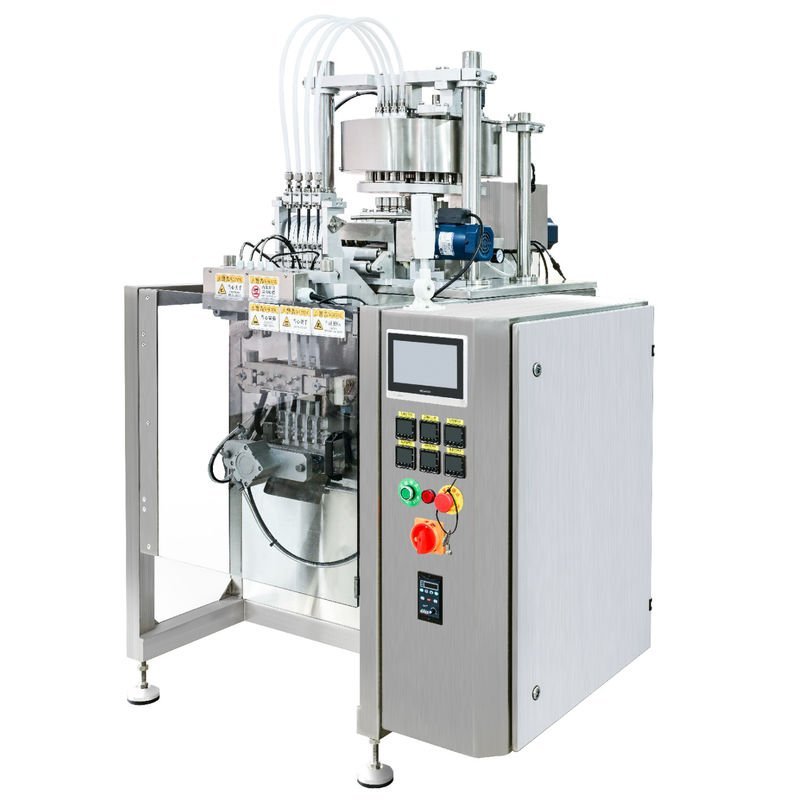
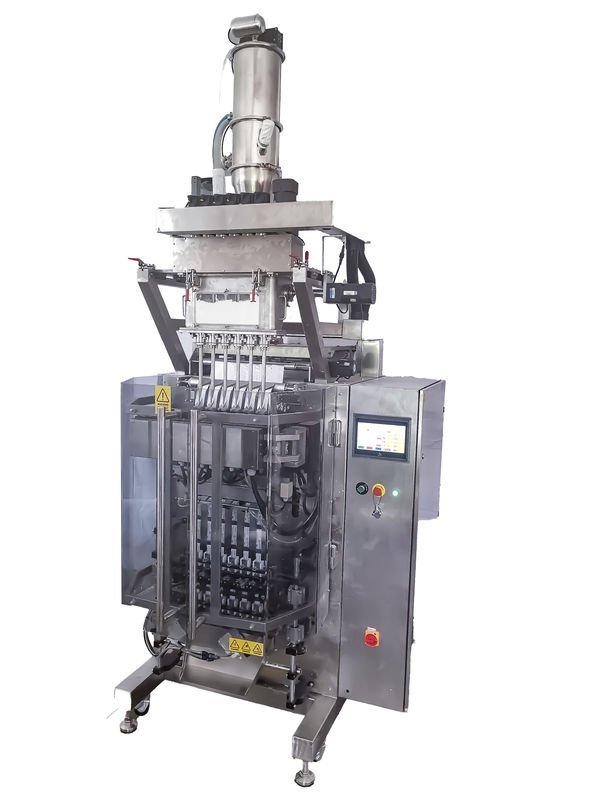
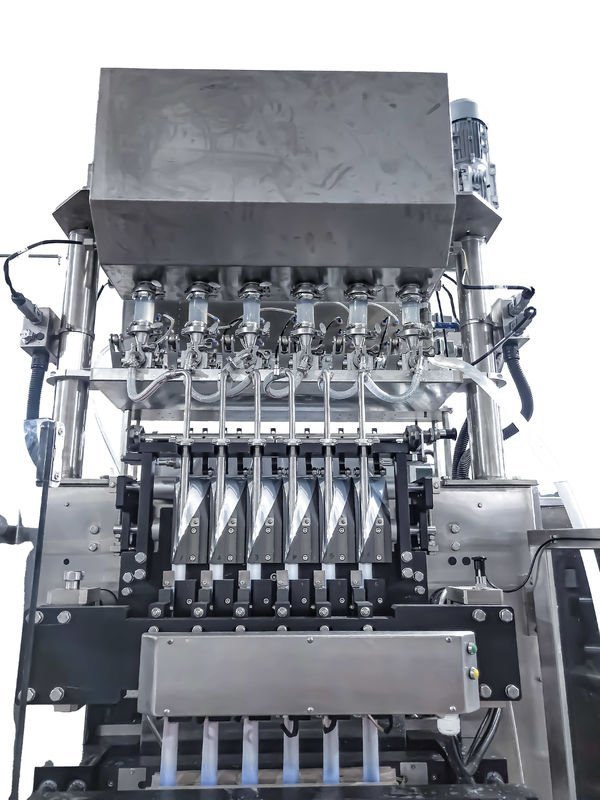
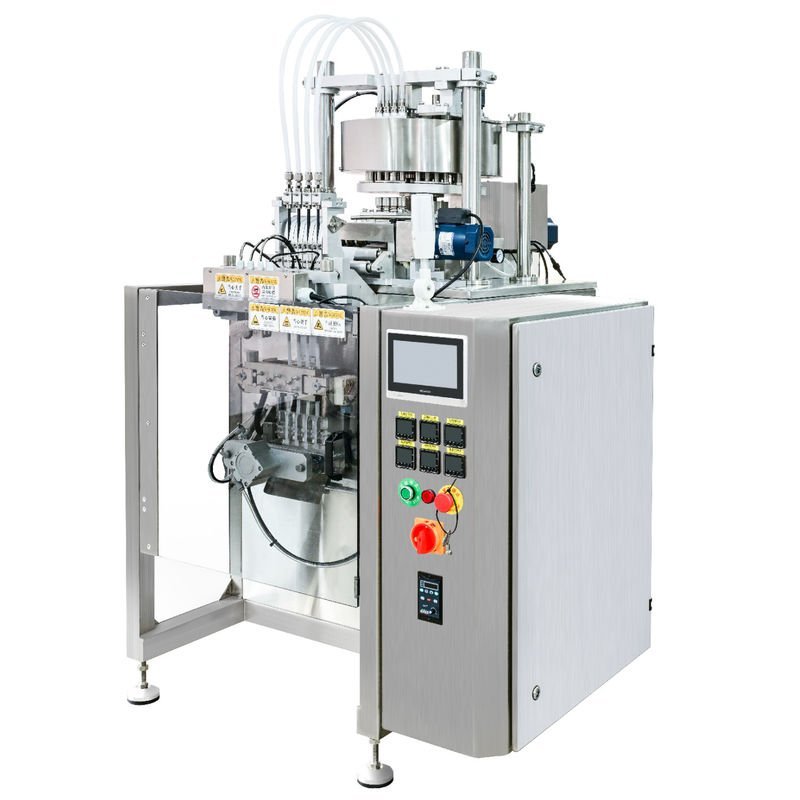
Packmate’s solutions, such as their high-speed multi-lane stick pack and sachet packaging machines, are designed to handle these diverse product types with precision. Their commitment to providing complete turnkey solutions means they consider the entire packaging line—from feeding and filling to sealing, coding, and cartoning—ensuring seamless integration and optimal performance for their global clientele in the food and pharmaceutical sectors.
Choosing the Right Machinery Partner
Selecting an equipment supplier is a strategic decision. It’s vital to partner with a manufacturer that offers not just machines, but also robust after-sales support, readily available spare parts, and deep application knowledge. Reviewing a supplier’s project case studies and industry certifications can provide confidence in their capability to deliver a system that meets both production goals and stringent regulatory standards.
Future Trends: Smart and Sustainable Packaging
The future of industrial packaging is intelligent and eco-conscious. The integration of Industrial Internet of Things (IIoT) sensors allows for predictive maintenance, real-time performance monitoring, and deeper data analytics. Simultaneously, there is growing pressure to adopt sustainable practices. This drives innovation in machinery capable of handling mono-material or biodegradable films, reducing packaging weight, and optimizing energy consumption during operation. The next generation of packaging lines will not only be faster and more precise but also smarter and greener.
Frequently Asked Questions (FAQs)
1. What are the key differences between packaging machinery for food versus pharmaceuticals?
While both require high hygiene standards, pharmaceutical machinery often demands stricter documentation, validation protocols (IQ/OQ/PQ), and the use of materials suitable for aseptic processing. Food machinery prioritizes high-speed throughput and flexibility for various product types, but both sectors increasingly share requirements for traceability and GMP-like practices.
2. Can one machine handle granules, powders, and liquids?
Typically, no. While some flexible filling systems can be adapted with different filler types (e.g., interchangeable auger, piston, or cup filler heads), the core handling, feeding, and sealing mechanisms are usually optimized for a specific product state. A comprehensive packaging line is often customized for the primary product type.
3. How important is after-sales service and support?
It is critically important. Packaging machinery is a long-term investment. Reliable access to technical support, spare parts, and service engineers ensures minimal downtime. A partner like Packmate, with extensive experience, provides peace of mind through comprehensive service agreements and global support networks.
4. What is the typical ROI (Return on Investment) for automated packaging lines?
ROI depends on factors like labor savings, material waste reduction, increased output, and improved quality (reducing returns). Many operations see a full return on investment within 1-3 years due to significant gains in efficiency, consistency, and operational cost savings.
5. How do we ensure the machine meets our local regulatory standards?
Reputable manufacturers design equipment to meet international standards (CE, UL, etc.). It is crucial to communicate your specific country and industry regulations during the procurement process. The supplier should provide documentation and, if necessary, assist in the local compliance certification process.