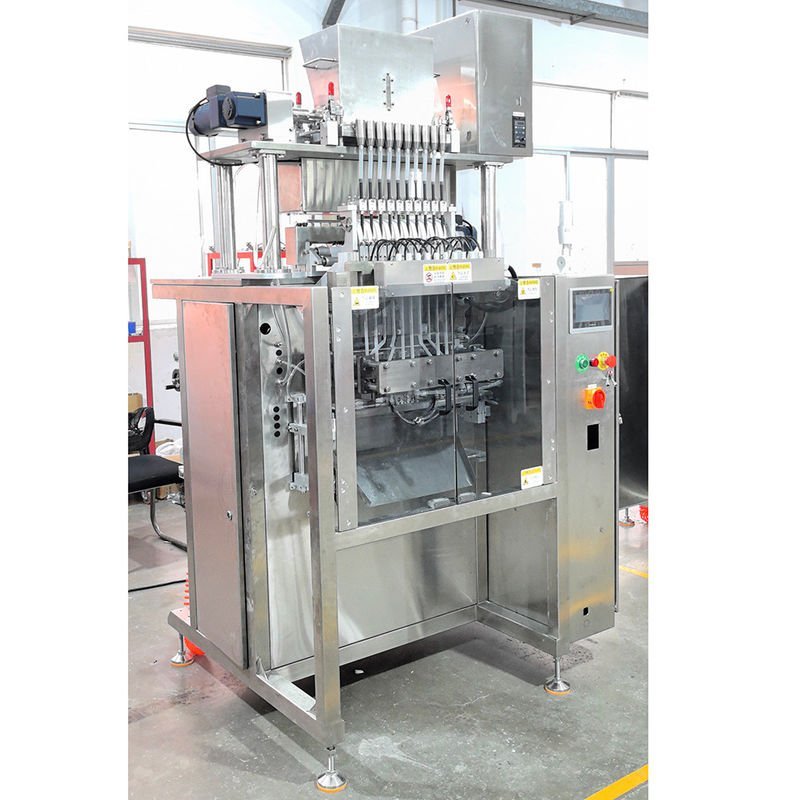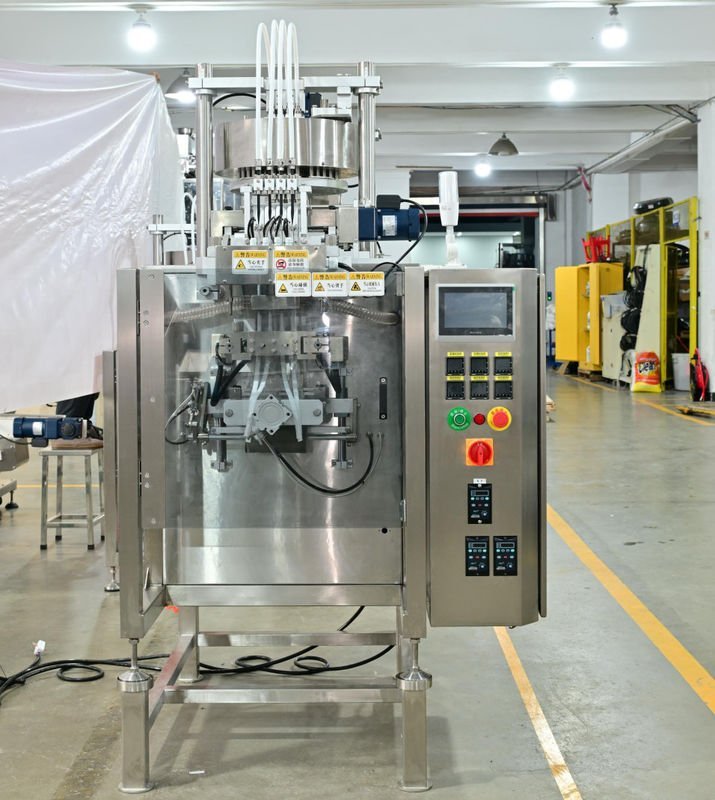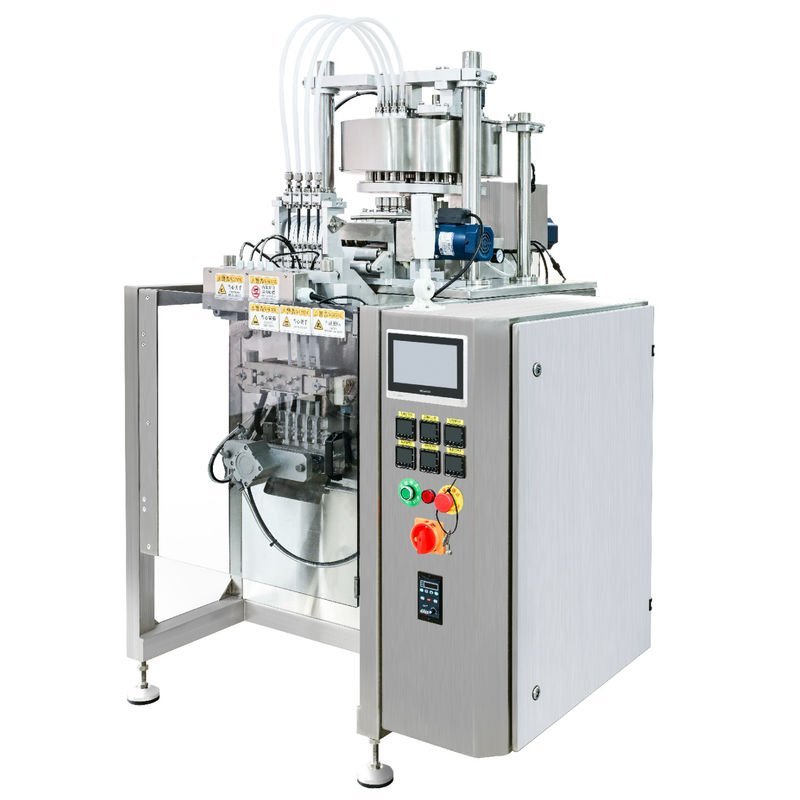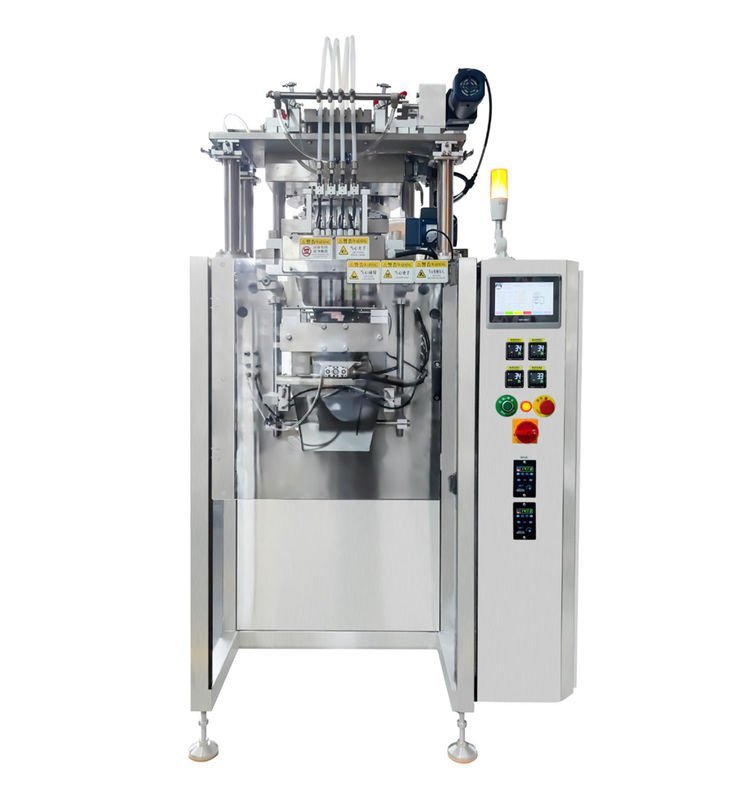
Installing new packaging machinery is a significant investment for any production facility. A proper, step-by-step installation and commissioning process is the critical foundation for achieving the machine’s full potential in terms of safety, efficiency, and longevity. Rushing this phase can lead to operational hiccups, safety hazards, and costly downtime. This guide outlines a comprehensive, safe, and efficient procedure for setting up your new packaging equipment, ensuring a smooth transition into your production line.

Phase 1: Pre-Installation Planning and Preparation
Success begins long before the machine arrives at your dock. Thorough preparation prevents most common installation pitfalls.
1.1 Site Assessment and Preparation
Before delivery, conduct a detailed site audit. Verify the following key parameters against the machine’s technical specifications provided by the manufacturer, such as those detailed in our technical catalog:
Power Requirements: Confirm voltage (e.g., 220V/380V/440V), phase, frequency (50/60Hz), and amperage. Prepare dedicated circuits with appropriate safety disconnects.
Utilities: Plan for compressed air (required pressure and flow rate, with clean, dry air), water lines (if needed for cooling or cleaning), and drainage.
Environmental Conditions: Maintain stable temperature and humidity levels as specified. Control dust and particulate matter, especially for pharmaceutical or food-grade sachet packaging.
1.2 Unboxing and Initial Inspection
Upon arrival, carefully unbox the equipment in the presence of the delivery personnel and your team.
✔ Visual Inspection: Check for any visible signs of damage to the crate or machine. Document any dents, scratches, or broken components with photos immediately.
✔ Inventory Check: Cross-reference all parts, components, tools, and documentation (manuals, wiring diagrams, certificates) against the packing list. Missing items must be reported to the supplier promptly.
✔ Foundation & Placement: Move the machine to its final location using appropriate equipment (forklifts, rollers). Ensure the floor is level and can support the machine’s weight. Use shims if necessary to achieve perfect leveling, which is crucial for precision machinery like multi-head weighers.
Phase 2: Mechanical and Electrical Setup
This phase involves the physical and electrical integration of the machine into your facility.
2.1 Mechanical Assembly and Alignment
Follow the manufacturer’s assembly instructions meticulously. This may involve attaching feed hoppers, conveyor sections, discharge chutes, or tooling. For complex integrated packaging lines, ensure all modules are perfectly aligned to ensure smooth product transfer. Tighten all bolts and fasteners to the specified torque values.
2.2 Electrical and Pneumatic Connections
⚠️ Safety First: All electrical work must be performed by a qualified electrician with the main power source LOCKED OUT AND TAGGED OUT (LOTO).
Electrical: Connect the main power supply to the machine’s main disconnect. Route and connect all control wiring as per the schematic. Ensure proper grounding.
Pneumatics: Connect the compressed air supply using the correct fittings. Install filters, regulators, and lubricators (FRL units) if required. Check for leaks using a soap solution.
Control System: Power up the control cabinet. Initialize the PLC and HMI (Human-Machine Interface). Set basic parameters like language, units, and date/time.
Phase 3: Commissioning and Calibration
Commissioning brings the machine to life and fine-tunes it for your specific product.
3.1 Dry Run and Safety Function Test
Before introducing any product or packaging material, perform a comprehensive dry run.
1. Jog Mode Test: Use the jog function to move each axis (sealing jaws, cutters, servo drives) individually. Listen for unusual noises and observe smooth movement.
2. Full Cycle Dry Run: Run the machine through its complete cycle without product or film. Verify the sequencing of all mechanical actions.
3. Safety System Verification: Test every safety device. Activate emergency stops, light curtains, and door interlocks to confirm they immediately halt machine operation.
3.2 Material Loading and Parameter Setting
Now, introduce your actual packaging materials and product.
Product Introduction: Load your product (granules, powder, liquid) into the feed system. For powders, ensure proper aeration; for liquids, prime the pumps.
Machine Parameter Input: Enter the critical parameters for your package: bag length, width, sealing temperature and time, fill weight target, and speed. Refer to material supplier guidelines for optimal seal settings.
3.3 Trial Runs and Fine-Tuning
Begin with slow-speed trial runs. Produce a small batch and meticulously inspect the output.
Key Inspection Points:
• Seal Integrity: Are seals strong, consistent, and free of wrinkles or burn marks?
• Fill Accuracy: Does the fill weight meet your target specification? Calibrate the filler (auger, pump, weigher) as needed.
• Bag Formation & Cutting: Is the bag shape correct? Are cuts clean and consistent?
• Coding & Date: Check legibility and placement of any date codes or batch numbers.
Gradually increase the machine speed while continuously monitoring these quality parameters. Fine-tune until you achieve consistent quality at the desired operational speed. Document all final settings for future reference.
Phase 4: Operator Training and Documentation
A machine is only as good as the people who run it. Comprehensive training is non-negotiable.
4.1 Structured Training Sessions
Conduct hands-on training for all shifts. Training should cover:
• Daily Startup & Shutdown Procedures
• Normal Operation and Monitoring
• Changeover Procedures for different products or bag sizes
• Basic Troubleshooting for common issues like film jams or seal faults
• Routine Cleaning and Maintenance tasks (e.g., lubrication, seal jaw cleaning)
• Safety Protocols and Emergency Response
4.2 Handover of Documentation
Organize and provide the operational team with a complete documentation package. This should include the original operation & maintenance manual, spare parts list, electrical diagrams, and your own site-specific setup sheets and training notes. Our comprehensive service support often includes creating customized documentation for clients.
Frequently Asked Questions (FAQs)
Q1: How long does a typical packaging machine installation take?
Installation time varies greatly based on machine complexity. A standalone vertical form-fill-seal machine might be commissioned in 2-3 days, while a fully integrated multi-lane stick pack line with robotics could take 1-2 weeks. Always plan based on the supplier’s project timeline and allocate buffer time for unforeseen site-specific challenges.
Q2: What are the most common mistakes during installation?
The most frequent errors include inadequate site preparation (wrong power, insufficient space), skipping the dry run and safety tests, improper leveling of the machine base, and rushing the calibration and fine-tuning phase. Neglecting thorough operator training is another critical mistake that leads to early operational issues.
Q3: Can we install the machine ourselves, or do we need the manufacturer?
While technically possible for simple machines if you have skilled engineers, it is highly recommended to have the manufacturer’s technicians or authorized agents perform or supervise the installation and commissioning. Their expertise ensures it’s done correctly, validates the warranty, and provides the best foundation for optimal performance. This is a core part of our turnkey solution promise at Packmate.
Q4: How do we handle installation for a machine purchased from overseas, like from China?
Professional manufacturers like Packmate manage this routinely. Key steps include: providing detailed digital manuals in advance, conducting pre-shipment video inspections, offering remote video guidance during installation, and having local service partners or sending engineers for critical on-site commissioning. Clear communication and detailed planning bridge the geographical gap effectively.
Q5: What spare parts should we have on hand from day one?
It’s wise to stock a minimum critical spares kit. This typically includes consumable wear parts like sealing jaw Teflon coatings or insulator pads, heater bands, fuses, commonly used sensors (photoelectric, proximity), and a set of belts or gears specific to the machine’s drive system. Your supplier can recommend a starter kit based on the machine model and your planned usage.