In the dynamic world of product shipping and logistics, ensuring items arrive intact is paramount. Liquid foam packaging, also known as foam-in-bag or instapak foam, has revolutionized protective packaging. This guide delves into the essential aspects of liquid foam packaging machines, providing a comprehensive roadmap for businesses looking to choose, configure, and optimize their protective packaging process for superior efficiency and cost-effectiveness.
Understanding Liquid Foam Packaging Technology
Liquid foam packaging involves a two-component polyurethane foam system. The machine precisely meters and mixes liquid resin and activator, which are then dispensed into a plastic bag. A chemical reaction inside the bag creates an expanding foam that molds perfectly around the product, creating a custom cushion. This technology offers unparalleled protection against shock, vibration, and abrasion compared to traditional loose-fill materials.
Key Advantages:
- Superior Product Protection: Conforms exactly to the item’s shape, eliminating movement within the box.
- Material Savings: Uses up to 80% less material than traditional void-fill, reducing storage space and costs.
- Labor Efficiency: Dramatically speeds up the packing process, reducing labor time per package.
- Clean & Professional: Eliminates messy loose-fill materials like peanuts or shredded paper.
- Customer Experience: Presents a professional, high-quality unboxing experience for the end-user.
How to Choose the Right Liquid Foam Packaging Machine
Selecting the correct machine is critical and depends on your specific operational needs. Consider these core factors:
1. Assess Your Production Volume and Flow
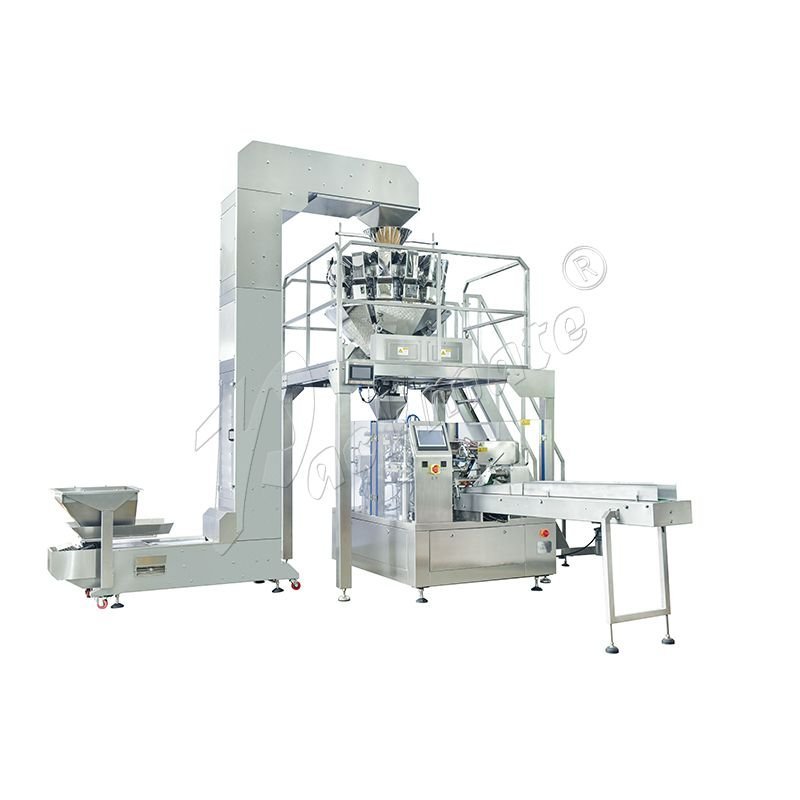
Your daily or hourly packaging output dictates the machine type. Low-volume operations (e.g., <50 packages/day) may benefit from a manual or semi-automatic dispenser. For medium to high-volume operations, an automated system integrated into a conveyor line is essential. Companies like Packmate, with extensive experience in automated solutions, can provide tailored systems for high-speed environments.
2. Determine the Required Foam Output and Bag Size
Machines have different output rates (grams/second) and maximum bag dimensions. Analyze the size range of your products. Will you be packaging small electronics or large industrial parts? Ensure the machine can produce bags wide and long enough to accommodate your largest items, and can dispense the precise amount of foam needed for your smallest ones to minimize waste.
3. Evaluate Integration and Footprint
Where will the machine live in your facility? Benchtop models are space-saving for smaller operations. For full production lines, you need a floor-standing unit that can be seamlessly integrated with existing conveyors, scales, and labeling systems. Consider the machine’s footprint and utility requirements (power, air supply).
🔍 Pro Tip: The Chemistry Matters
Not all foam is created equal. Discuss with your supplier the foam’s properties: expansion ratio, firmness (soft, medium, firm), and set time. A faster-setting foam increases packing station throughput, while a softer foam is ideal for delicate surfaces. The right chemistry is as important as the machine itself.
Configuring Your Machine for Optimal Performance
Once you’ve selected a machine, proper configuration is the next step to unlocking its full potential.
Precision Calibration of Ratio and Fill
The heart of the system is the precise 1:1 ratio of the two liquid components. Improper calibration leads to poor foam quality—it may not expand fully, remain tacky, or cure incorrectly. Regular calibration checks are mandatory. Furthermore, configure the fill settings to match your common package sizes. Modern machines with programmable controllers allow you to save multiple preset formulas for one-touch operation.
Ergonomic Workspace Design
Configure the workstation for operator efficiency. Position the machine so the bag dispenser is at a comfortable height. Organize the area with easy access to boxes, tape, and shipping labels. A well-designed station reduces physical strain and maximizes packing speed. For complex lines, integrating a weighing system upstream can automate the decision on how much foam to use based on product weight.
Material Handling and Storage
Configure proper storage for the foam chemical drums. They should be stored in a cool, dry area as per the manufacturer’s SDS (Safety Data Sheet). Ensure the machine’s suction tubes are correctly positioned and that you have a streamlined process for changing drums with minimal downtime. Proper auxiliary equipment like drum handlers can be invaluable.
Strategies to Optimize Your Protective Packaging Line
Optimization is an ongoing process focused on reducing cost per package and increasing reliability.
Minimizing Foam Waste
Waste is the primary cost driver. Optimization tactics include:
- Right-Sizing: Use the smallest bag and least amount of foam that provides adequate protection. Conduct drop tests to validate.
- Pre-Set Programs: Utilize machine memory for different product SKUs to ensure consistent, non-excessive fills.
- Operator Training: Train staff to recognize the correct fill level and to avoid “over-packing” out of habit.
Maximizing Machine Uptime and Longevity
Follow a strict preventive maintenance (PM) schedule. This includes daily visual checks, weekly cleaning of mix heads and dispensers to prevent clogging, and quarterly professional servicing. Keeping a log of machine performance helps identify trends and prevent major failures. Partnering with a manufacturer known for reliability and support, such as Packmate with over two decades of engineering expertise, ensures you have access to genuine parts and expert technical assistance.
Continuous Process Analysis
Regularly review your packaging process. Can the packing station layout be improved? Is there a bottleneck? Could certain products be packaged in a different, more efficient box size? Consider a complete packaging solution audit to identify holistic improvements beyond just the foam machine.
📈 Optimization Checkpoint:
Track these Key Performance Indicators (KPIs) monthly: Cost of foam per package, Packages packed per labor hour, Machine downtime percentage, and Customer damage claim rate. Improving these metrics directly boosts your bottom line.
Conclusion
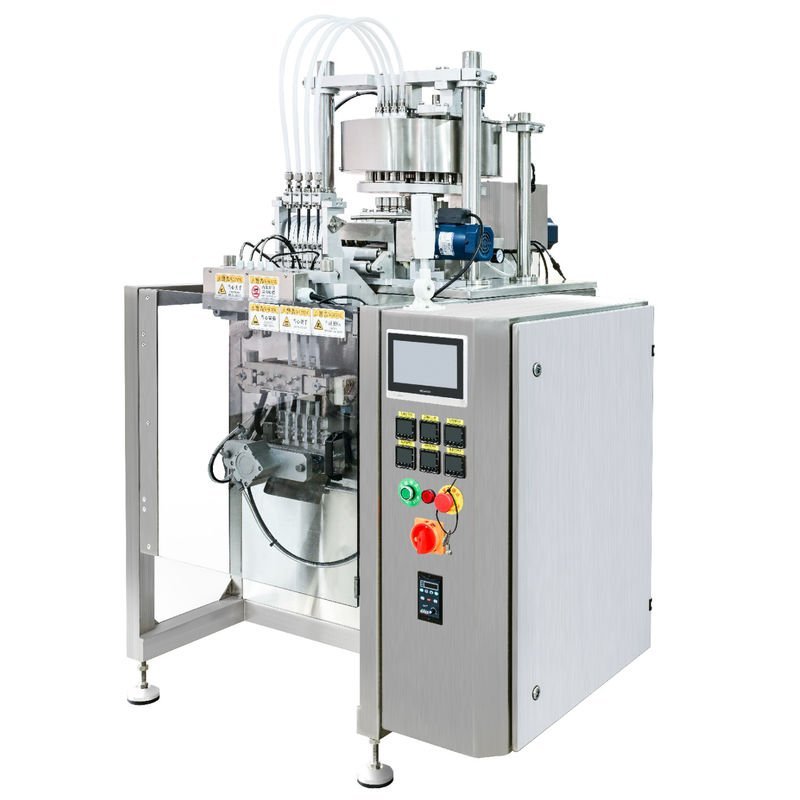
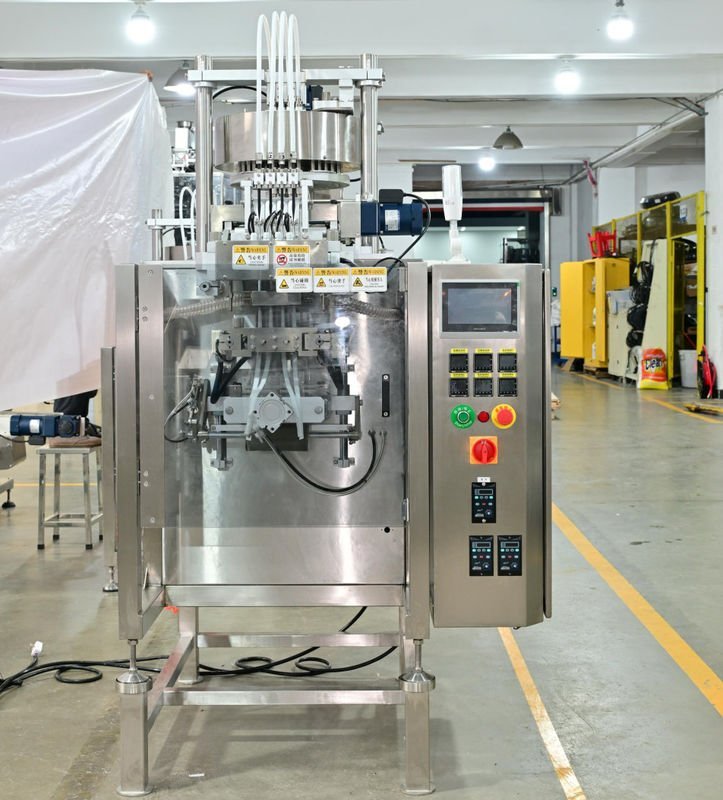
Implementing a liquid foam packaging system is a strategic investment that enhances product safety, operational efficiency, and customer satisfaction. The journey involves a careful selection process based on volume and product needs, precise configuration for quality and ergonomics, and a commitment to continuous optimization through waste reduction and maintenance. By mastering these phases, businesses can build a robust, cost-effective protective packaging operation that scales with their growth. For specialized applications, exploring machinery for specific formats like sachets and stick packs can complement your primary foam system for a complete packaging portfolio.
Frequently Asked Questions (FAQs)
1. Is the liquid foam material safe and environmentally friendly?
Modern liquid foam chemicals are often formulated to be free of CFCs and HCFCs. The expanded foam is inert and non-toxic. While it is a plastic-based material, its extreme efficiency in use (less material per package) and potential for being recyclable in certain waste streams can lead to a lower overall environmental impact compared to excessive use of less efficient packaging materials. Always check the specific environmental credentials of your supplier’s foam chemistry.
2. How much maintenance does a liquid foam packaging machine require?
Maintenance is relatively straightforward but essential. Daily cleaning of the dispensing nozzle and weekly checks of fluid levels and hose connections are recommended. A more thorough cleaning and inspection by trained personnel should be performed monthly. Annual professional servicing is advised to ensure all mechanical and electronic components are in top condition. Consistent maintenance prevents costly downtime and ensures consistent foam quality.
3. Can one machine handle a wide variety of product sizes?
Yes, most machines are highly versatile. By adjusting the bag size from the roll and programming the amount of foam dispensed, a single machine can package items from the size of a smartphone to a small kitchen appliance. For operations with an extremely wide range of sizes, having preset programs for different product categories streamlines the changeover process.
4. What is the typical payback period for investing in this equipment?
The payback period varies based on volume, current packaging material costs, and labor savings. Many businesses report a return on investment within 6 to 18 months. Savings are realized through reduced material costs (less foam vs. more void fill), lower shipping costs (smaller boxes or lighter weight), and significantly increased packing speed, which reduces labor costs.
5. How do I dispose of unused or expired foam chemicals?
You must never dispose of the liquid chemicals down the drain or with regular trash. Adhere strictly to the handling and disposal instructions on the product’s Safety Data Sheet (SDS). Typically, you will need to contact a licensed hazardous waste disposal company to handle unused chemicals. Proper disposal is a critical legal and environmental responsibility.