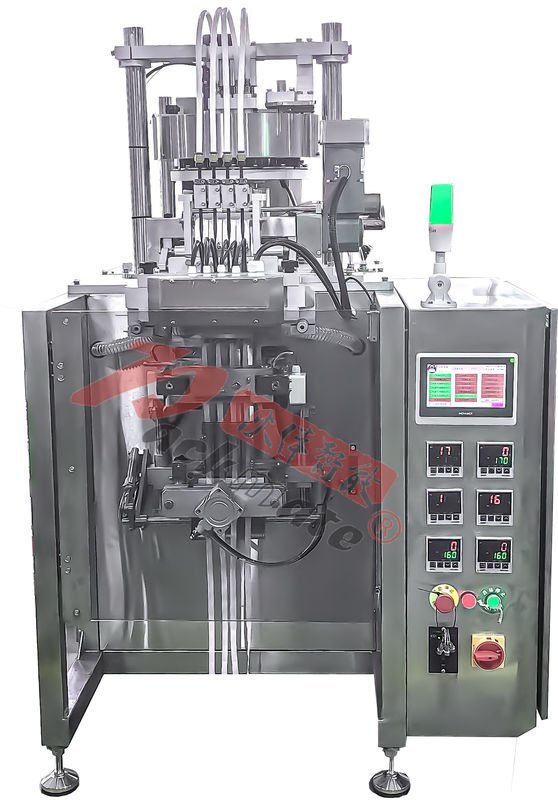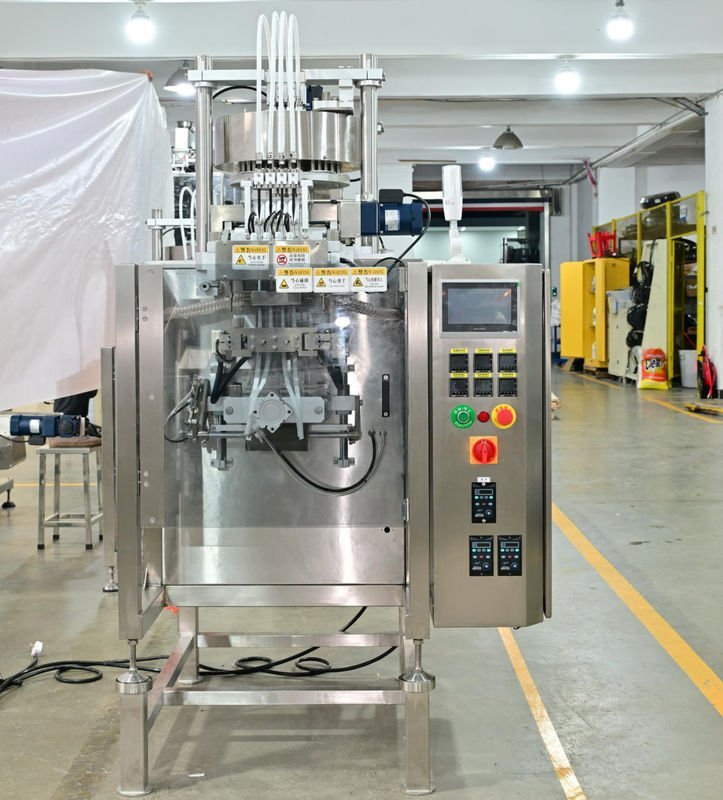
In the competitive landscape of the food industry, maintaining product freshness from production to consumption is a paramount challenge. Modified Atmosphere Packaging (MAP) has emerged as a revolutionary technology that addresses this very issue. This guide delves into the workings of MAP machines, explaining how they expertly extend shelf life and protect the integrity of food products, ensuring they reach consumers in optimal condition.
The Science Behind Modified Atmosphere Packaging
Modified Atmosphere Packaging is a technique that alters the composition of the internal atmosphere within a package. Instead of the normal air mix (approximately 78% nitrogen, 21% oxygen, and 0.04% carbon dioxide), MAP replaces it with a carefully controlled, protective gas blend. This process is performed by specialized Modified Atmosphere Packaging machines, which evacuate the air and inject the desired gas mixture before hermetically sealing the package. The primary goal is to slow down spoilage processes caused by oxidation, microbial growth, and enzymatic degradation.
Key Gases Used in MAP and Their Roles
The effectiveness of MAP hinges on the selection of gases. Each component plays a specific role in preservation:
• Nitrogen (N₂): An inert gas used primarily as a filler to prevent package collapse (by maintaining package volume) and to displace oxygen, thereby inhibiting oxidation and aerobic microbe growth.
• Carbon Dioxide (CO₂): The active preservative gas. It possesses bacteriostatic and fungistatic properties, meaning it slows down the growth of bacteria and molds. It is highly soluble in fats and water, which can sometimes lead to package collapse in moist products if not balanced correctly with nitrogen.
• Oxygen (O₂): Typically minimized or eliminated for most products to prevent oxidation. However, a low level is sometimes intentionally maintained for red meat to preserve its desirable bright red color (oxymyoglobin) or for certain fresh produce to support respiration.
How MAP Machines Extend Shelf Life: A Detailed Look
The extension of shelf life is not a single action but a result of multiple interconnected mechanisms facilitated by precision MAP equipment.
1. Inhibition of Microbial Spoilage
By reducing oxygen levels and introducing elevated levels of carbon dioxide, MAP creates an environment hostile to the aerobic bacteria, yeasts, and molds that are primary agents of spoilage. This significantly delays the onset of visible mold, slime formation, and off-odors. For businesses, this translates to reduced waste, wider distribution networks, and fewer customer complaints.
2. Slowing Down Oxidation and Rancidity
Oxidation leads to flavor loss, nutrient degradation, color changes, and rancidity in fats and oils. By replacing oxygen-rich air with an inert atmosphere, MAP machines effectively put a brake on these chemical reactions. This is crucial for products like nuts, snacks, processed meats, and dairy products, where freshness of taste is a key quality indicator.
3. Reduction of Enzymatic Degradation
While not as direct as controlling microbes, the altered atmosphere can also slow down certain enzymatic processes within the food that contribute to over-ripening or textural breakdown, particularly in fresh-cut fruits and vegetables.
The Packmate Advantage in MAP Technology
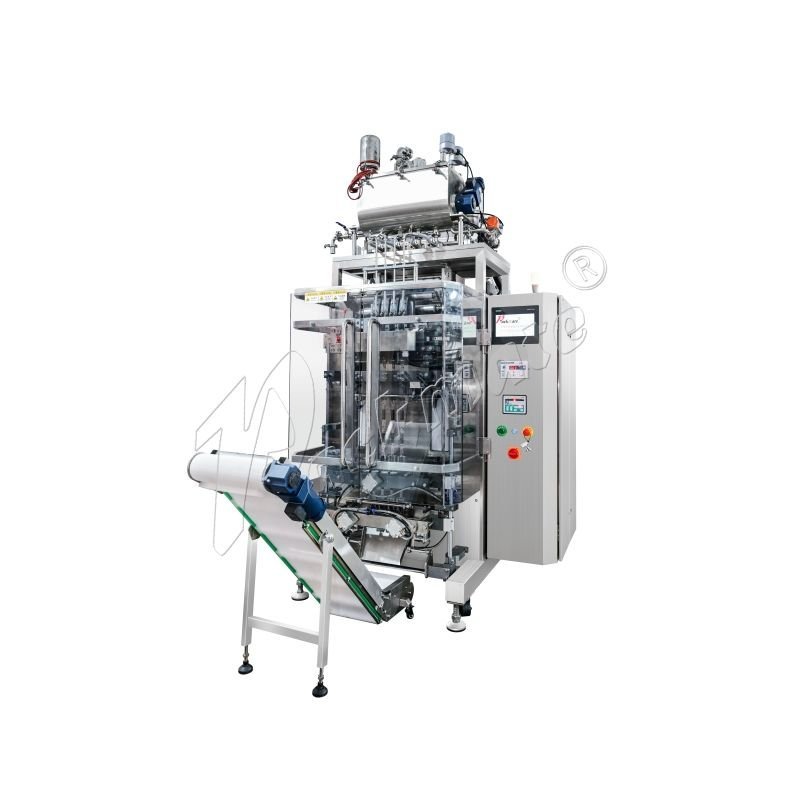
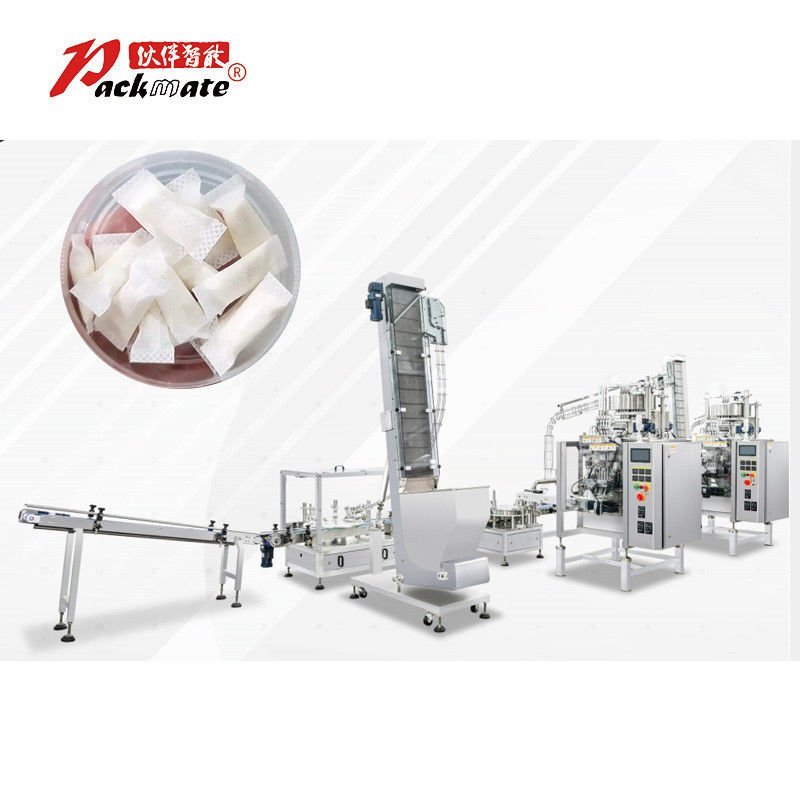
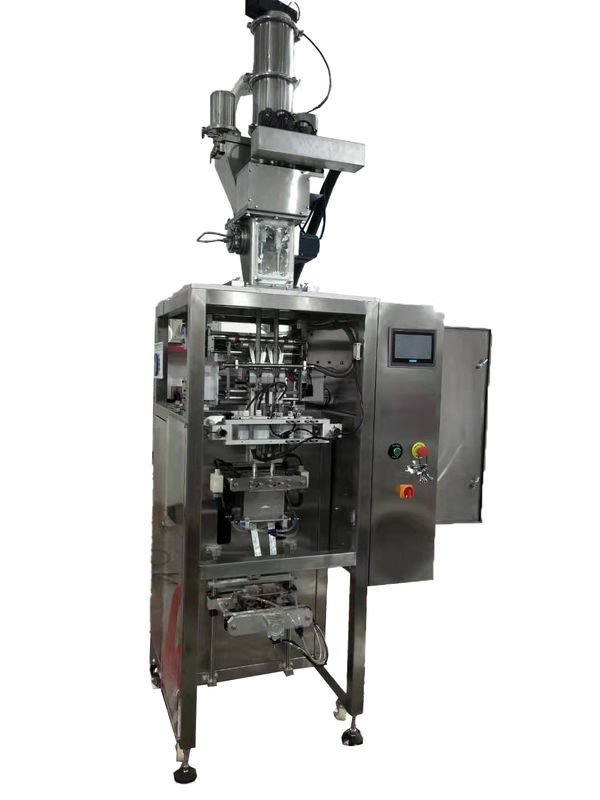
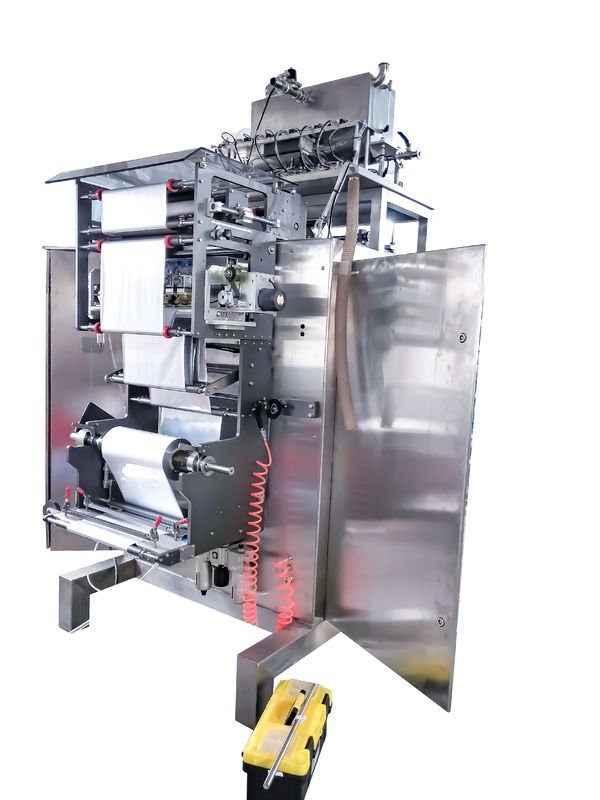
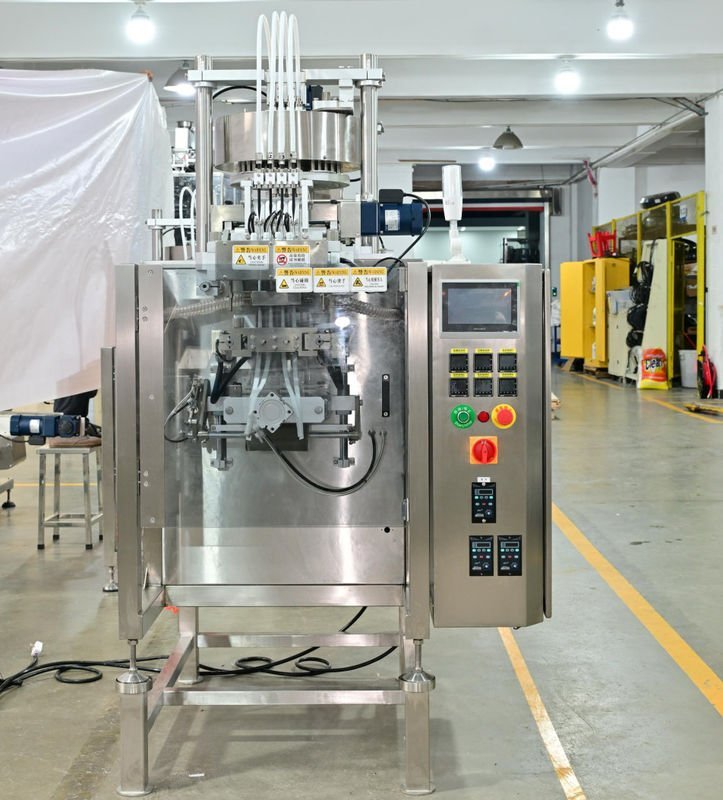
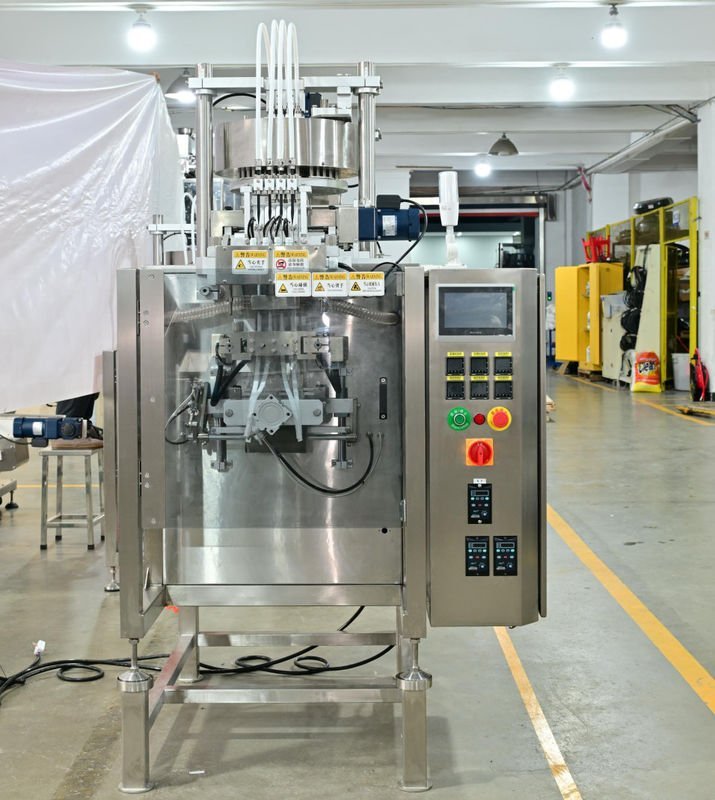
Implementing MAP successfully requires more than just a machine; it demands expertise and reliable technology. With over 22 years of experience in automated packaging solutions, Packmate (GuangDong) Co., Ltd. understands the intricate needs of food preservation. Our engineering team designs and builds systems that ensure precise gas flushing and consistent seal integrity, which are the cornerstones of effective MAP. From stand-alone machines to integrated filling & packaging lines, we provide solutions that safeguard your product’s quality and extend its marketable life.
Protecting Food Quality: Beyond Shelf Life
While extending shelf life is a quantitative benefit, MAP’s role in protecting qualitative aspects of food is equally vital.
✔ Texture and Moisture Retention: By preventing excessive drying out or moisture migration, MAP helps maintain the desired texture of baked goods, cheeses, and fresh pasta.
✔ Color Preservation: As mentioned, for fresh red meat, a specific low-oxygen MAP mix is used to keep the appealing red color. For other products, preventing oxidative browning (e.g., in cut fruits) is a key benefit.
✔ Flavor and Aroma Lock-in: By minimizing exposure to air, the volatile compounds responsible for a product’s characteristic flavor and aroma are retained for much longer.
✔ Physical Protection: The gas cushion inside a MAP package often provides a gentle barrier against crushing during transportation and handling, which is especially beneficial for delicate snacks or sliced products.
Applications Across the Food Spectrum
MAP technology is versatile and is applied to a vast array of food products. Common applications include:
• Fresh & Processed Meats: Chilled meats, sausages, bacon, and poultry.
• Cheese & Dairy: Block, sliced, and shredded cheese, fresh pasta, dips.
• Bakery & Snacks: Bread, cakes, pastries, crisps, nuts, and roasted snacks.
• Ready-to-Eat Meals: Salads, sandwiches, prepared vegetables, and complete meal kits.
• Seafood: Fresh and smoked fish fillets.
For packaging formats like sachets and stick packs for powders or granules, MAP is crucial for products sensitive to moisture and oxygen, such as instant coffee, spices, and nutritional supplements.
Choosing the Right MAP Machine: Key Considerations
Selecting a MAP system is a significant investment. Here are critical factors to evaluate:
• Product Type and Sensitivity: The machine must be capable of achieving the very low residual oxygen levels required for highly sensitive products (like nuts or coffee) versus those needing a specific gas mix (like fresh meat).
• Production Speed and Volume: Throughput requirements will determine whether you need a single-chamber, multi-chamber, or continuous flow (horizontal form-fill-seal with MAP) machine. Explore our range of packing machines to find a match for your output.
• Package Type and Material: The machine must be compatible with your packaging format (tray, pouch, etc.) and the barrier properties of your film must be suited for MAP. Our expertise in bag & pouch packaging machines ensures seamless integration.
• Gas Mixing and Accuracy: On-board gas mixers provide flexibility. Precision in gas flushing is non-negotiable for consistent results.
• Ease of Use and Maintenance: Look for user-friendly PLC controls, easy changeover features, and reliable service support.
The Future of MAP: Trends and Innovations
The evolution of MAP continues. Trends include the development of active packaging (where the packaging material actively absorbs oxygen or releases preservatives), intelligent packaging with freshness indicators, and the use of sustainable, high-barrier bio-based films. Furthermore, machine integration with Industry 4.0 principles allows for real-time monitoring of gas levels and predictive maintenance, maximizing efficiency and minimizing downtime. As a forward-looking manufacturer, Packmate incorporates these considerations into its packaging solutions.
Frequently Asked Questions (FAQs)
1. How much longer does MAP extend the shelf life of food?
The extension varies greatly by product. It can range from 50% to 400% or more. For example, fresh red meat’s shelf life might be extended from 2-4 days to 5-10 days, while a bakery item could go from weeks to several months. The exact increase depends on the product, initial quality, gas mix, packaging film, and storage temperature.
2. Is MAP packaging safe? Does it use chemicals?
MAP is a physical preservation method, not a chemical one. It uses food-grade gases (N₂, CO₂, O₂) that are naturally present in the air we breathe. No chemical preservatives are added to the food itself. The safety lies in maintaining a cold chain for chilled products and ensuring the packaging seal remains intact.
3. Can MAP be used for all types of food?
While versatile, MAP is not ideal for all foods. It is not suitable for live shellfish or fresh fruits and vegetables that require high respiration rates (unless using a specifically designed equilibrium modified atmosphere). For most processed, baked, dairy, meat, and ready-to-eat products, it is highly effective.
4. What is the difference between MAP and vacuum packaging?
Vacuum packaging removes almost all air (and oxygen) from the package, which can compress soft products and is not ideal for items that might be crushed. MAP replaces the air with a protective gas mix, often preserving the package shape and offering a gentler environment for delicate items while still controlling spoilage factors.
5. How do I know if my packaging film is suitable for MAP?
MAP requires films with high barrier properties, specifically low Oxygen Transmission Rate (OTR) and Water Vapor Transmission Rate (WVTR). Laminates containing EVOH, PVDC, or metallized layers are common. It is essential to consult with your packaging supplier and machine manufacturer, like Packmate, to test and validate the film for your specific product and desired shelf life. For more detailed queries, visit our dedicated FAQ page.