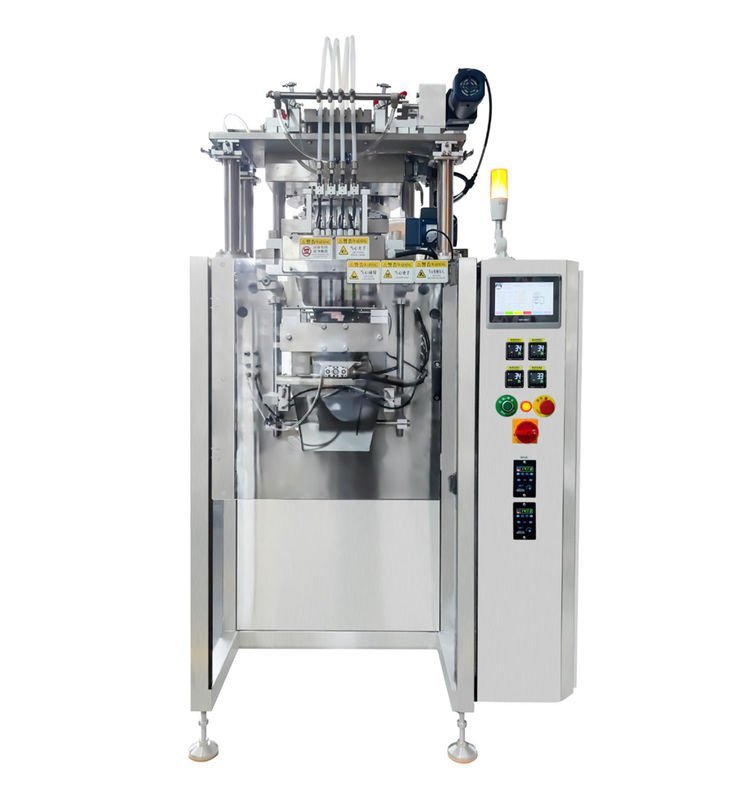
In the fast-paced worlds of pharmaceuticals and food production, efficiency, accuracy, and hygiene are non-negotiable. Multi-dose packaging machines have become the cornerstone of modern, automated production lines, enabling the precise and rapid packaging of products into individual sachets, stick packs, or pouches. This guide is designed to help you navigate the complex process of selecting the right automated multi-dose packaging solution for your specific needs.
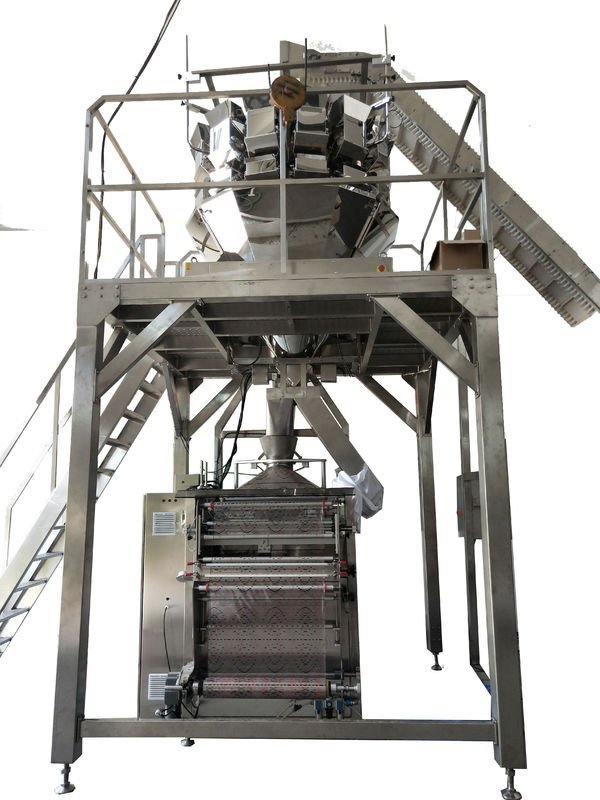
Understanding Multi-Dose Packaging Machines
At their core, multi-dose packaging machines are automated systems designed to measure, fill, and seal precise quantities of product into individual unit packages. These machines are engineered to handle a wide range of materials, from fine powders and granules to viscous liquids and pastes. The primary advantage is their ability to maintain exceptional dosing accuracy at high speeds, ensuring each unit contains the exact amount promised to the consumer, which is critical for both product consistency and regulatory compliance in industries like pharma.
Key Industries Served:
- Pharmaceutical: Packaging powders for sachets, stick packs for oral rehydration salts, and unit-dose medications.
- Food & Beverage: Packaging instant coffee, sugar, spices, drink mixes, condiments, and nutritional supplements.
- Nutraceuticals & Cosmetics: Handling protein powders, single-use cosmetic samples, and skincare serums.
Critical Factors for Choosing Your Automated Solution
Selecting a machine is not a one-size-fits-all decision. It requires a careful analysis of your product, production goals, and operational environment.
1. Product Characteristics and Compatibility
The nature of your product dictates the machine’s design. A machine perfect for free-flowing granules may struggle with cohesive powders or sticky pastes. Key considerations include:
- Flowability: Does the product flow easily or is it cohesive?
- Hygroscopicity: Does it absorb moisture from the air?
- Abrasiveness: Will it wear down machine components quickly?
- Particle Size & Density: This affects the type of filling system needed (e.g., auger filler, volumetric cup, pump).
For complex products, it’s often wise to consult directly with manufacturers like Packmate, who can provide material testing and recommend the optimal filling system.
2. Production Speed and Output Requirements
Your required output directly influences the machine’s configuration. A single-lane machine might suffice for niche products, while high-volume consumer goods demand multi-lane systems. Calculate your needed packages per minute (PPM) considering both current demand and future growth. Remember, the highest speed isn’t always the best if it compromises accuracy or requires excessive maintenance.
3. Packaging Material and Format
The machine must be compatible with your chosen packaging film (laminates, foil, paper) and the final pouch format (sachet, stick pack, gusseted pouch). Consider factors like seal integrity, barrier properties (for moisture or oxygen sensitivity), and the need for features like tear notches or hang holes. Exploring options in sachet and stick pack machines can provide clarity on format-specific capabilities.
4. Accuracy and Regulatory Compliance
This is paramount, especially for pharmaceuticals. The machine must deliver consistent fill weight within very tight tolerances. Look for machines with advanced servo-driven auger systems and integrated checkweighers that provide real-time feedback and automatic correction. Compliance with standards like cGMP (Current Good Manufacturing Practice) for pharma or relevant food safety standards (e.g., FDA, EU regulations) is essential. The machine’s construction should facilitate easy cleaning and prevent cross-contamination.
🔍 Pro Tip: The Total Cost of Ownership (TCO)
Look beyond the initial purchase price. Consider the machine’s energy consumption, ease of maintenance, availability of spare parts, required operator skill level, and potential for integration into a larger packaging line. A slightly more expensive, robust machine from a reputable supplier with strong after-sales service often proves more economical in the long run.
5. Automation Level and Integration
Modern solutions offer varying degrees of automation. Key questions include:
- Does it require manual film loading, or does it have an automatic reel stand?
- Can it integrate with upstream feeders and downstream cartoners or case packers?
- What is the level of human-machine interface (HMI)? Is recipe changeover quick and simple?
Higher automation reduces labor costs and minimizes human error, making it a worthwhile investment for scalable operations.
Why Partner with an Experienced Manufacturer?
The choice of equipment supplier is as critical as the machine specifications. A partner with deep industry experience brings invaluable benefits.
An established manufacturer, such as Packmate Machinery, with over two decades in the field, doesn’t just sell a machine; they provide a solution. They understand the nuanced challenges of different products and can offer customized modifications. Their extensive project portfolio across global markets serves as practical proof of their capability to handle diverse requirements, from simple sachet packing to complex, fully-integrated turnkey lines for sensitive pharmaceutical powders.
Furthermore, their commitment to after-sales support—including installation, training, and readily available spare parts—ensures your investment is protected and your production line remains operational with minimal downtime.
Conclusion: Making an Informed Investment
Choosing the right multi-dose packaging machine is a strategic decision that impacts your product quality, operational efficiency, and bottom line for years to come. By meticulously evaluating your product properties, output needs, compliance requirements, and the credibility of your equipment partner, you can select an automated solution that not only meets today’s demands but also adapts to tomorrow’s opportunities. The goal is to find a reliable, precise, and efficient partner in machinery that becomes a seamless extension of your production philosophy.
Frequently Asked Questions (FAQs)
1. What is the main difference between a sachet and a stick pack machine?
While both create small, sealed pouches, the primary difference is the package shape and typical application. Sachet machines produce rectangular or square pouches, often used for sauces, shampoo samples, or medical powders. Stick pack machines create long, narrow tubes ideal for single-serve powders like coffee, sugar, or supplements that are easily poured or dissolved. The machine’s forming collar and sealing jaws are designed specifically for each format.
2. How accurate are multi-dose packaging machines?
Modern servo-driven auger filler systems can achieve very high accuracy, typically within ±1% to ±2% of the target fill weight, depending on the product’s characteristics. For pharmaceutical applications, even tighter tolerances are possible. Integrated checkweighers are crucial for monitoring and maintaining this accuracy throughout a production run.
3. Can one machine handle different products and package sizes?
Yes, most advanced machines are designed for quick changeover. This involves changing the forming tools, auger size, and selecting a new recipe on the HMI (Human-Machine Interface). The speed and simplicity of changeover vary by machine design, so it’s a key point to discuss with your supplier if you have multiple SKUs.
4. What maintenance is required for these machines?
Regular maintenance is essential for longevity and consistent performance. Daily tasks include cleaning contact surfaces and basic inspections. Periodic maintenance involves lubricating moving parts, checking seal jaw temperatures and alignment, and inspecting wear parts like augers and forming collars. A good supplier will provide a detailed maintenance schedule and training.
5. How do I ensure the machine meets food or pharmaceutical safety standards?
Specify your industry compliance requirements upfront (e.g., cGMP, FDA, EHEDG). Look for machines constructed with appropriate materials (e.g., stainless steel 304 or 316 for food contact surfaces), designed with smooth, crevice-free surfaces for easy cleaning (CIP/SIP capabilities are a plus for pharma), and with documentation supporting material certifications and design hygiene. Always request compliance certificates from the manufacturer.