In the competitive landscape of modern manufacturing, the throughput of your packaging line is a direct determinant of profitability and market responsiveness. For operations managers and plant engineers, the relentless pursuit of higher output, reduced unplanned downtime, and improved overall line efficiency is a constant challenge. This comprehensive guide delves into actionable strategies to optimize your packaging equipment’s performance, ensuring your operation runs at its peak potential.

Understanding the Core Metrics: Output, Downtime, and OEE
Before implementing improvements, it’s crucial to understand what you’re measuring. Throughput refers to the total amount of product packaged per unit of time (e.g., bags per minute, boxes per hour). Downtime is any period when the line is scheduled for production but is not running, categorized as either planned (maintenance, changeovers) or unplanned (breakdowns, jams). The gold standard metric is Overall Equipment Effectiveness (OEE), which multiplies Availability, Performance, and Quality rates to give a single percentage score of how well your equipment is utilized.
Key Takeaway:
You cannot improve what you do not measure. Implementing a system to track these metrics is the foundational first step toward meaningful gains in packaging line efficiency.
Strategic Levers to Increase Packaging Output
Increasing output isn’t always about running the machine faster. Often, smarter approaches yield more sustainable results.
1. Optimize Machine Synchronization and Line Balancing
A packaging line is only as fast as its slowest machine. A high-speed stick pack machine will be starved if the upstream feeder is too slow, or it will create a bottleneck if the downstream cartoner can’t keep up. Conduct a line audit to identify and address these imbalances. Sometimes, the solution is re-sequencing equipment or adding small buffers.
2. Minimize Changeover Time (SMED Methodology)
The Single-Minute Exchange of Die (SMED) philosophy is transformative. By converting internal setup tasks (those that can only be done when the machine is stopped) to external tasks (prepared while the machine runs), changeover times can be slashed by 50% or more. This directly increases available production time. For companies like Packmate, designing machines with quick-release mechanisms and tool-less adjustments is a core principle to support fast changeovers for clients.
3. Invest in Scalable, Multi-Lane Technology
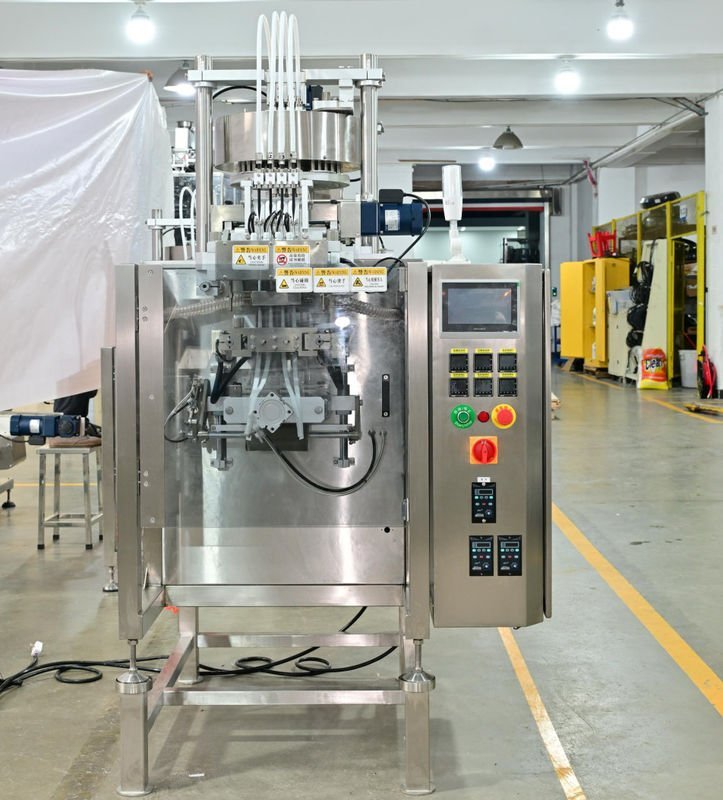
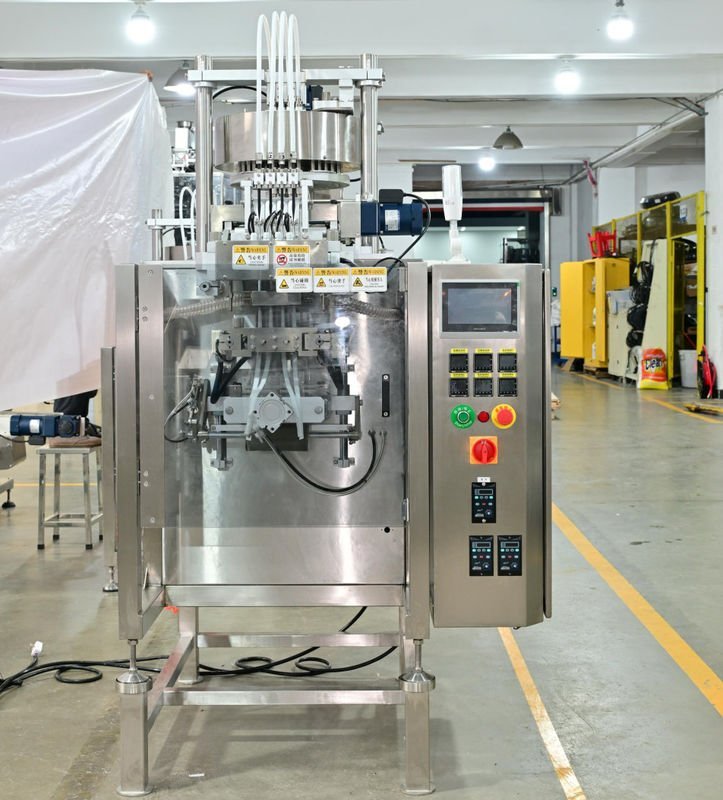
Upgrading from a single-lane to a multi-lane machine, such as a multi-lane pouch packaging system, can multiply output without proportionally increasing floor space or operator count. This is a capital-efficient way to scale production capacity.
Proactive Tactics to Reduce Costly Downtime
Unplanned downtime is the primary enemy of throughput. A shift from reactive to proactive maintenance is essential.
📌 Proactive Maintenance Checklist:
- Preventive Maintenance (PM): Adhere to a strict, scheduled PM plan based on machine hours or cycles, not just the calendar.
- Condition Monitoring: Use sensors to track vibration, temperature, and pressure to predict failures before they happen.
- Operator Training: Empower operators to perform basic inspections, cleaning, and lubrication. A well-trained operator is your first line of defense.
- Spare Parts Inventory: Maintain a strategic inventory of high-wear consumables and critical spares to minimize waiting time for repairs.
Leverage Data and Connectivity
Modern packaging equipment often comes with IoT-enabled controllers that log performance data and error codes. Analyzing this data can reveal patterns leading to failures, allowing for pre-emptive intervention. Integrating your packaging lines into a central monitoring system provides real-time visibility into line status from anywhere.
Holistic Approaches to Improve Overall Line Efficiency
True efficiency looks beyond individual machines to the entire material and information flow.
1. Implement Lean Manufacturing Principles
Apply 5S (Sort, Set in order, Shine, Standardize, Sustain) to the packaging area to reduce waste motion and search time. Streamline material delivery to the line side using kanban systems to ensure packaging film, cartons, and product are always available without clutter.
2. Focus on First-Pass Quality
Every rejected bag or mislabeled box represents wasted time, material, and machine cycles. Investing in precision weighing systems and integrated vision inspection systems ensures defects are caught and corrected at the source, preventing downstream stoppages and rework.
3. Ergonomic and Operator-Centric Design
Fatigued or strained operators make mistakes and work slower. Ensure machine HMIs (Human-Machine Interfaces) are intuitive, loading points are at ergonomic heights, and safety is paramount. A comfortable operator is a more efficient and attentive operator.
Sustaining Improvements: The Culture of Continuous Improvement
Technological upgrades alone are not enough. Embedding a Kaizen (continuous improvement) culture is vital. Encourage line teams to regularly brainstorm small, incremental ideas to make their work easier, faster, and safer. Celebrate these improvements to build momentum.
Partnering with an equipment supplier that understands this holistic view is critical. A provider with deep application experience, like Packmate, doesn’t just sell a machine; they offer solutions that consider your entire workflow, from raw material handling to final palletizing, ensuring the equipment integrates seamlessly for maximum long-term efficiency.
Frequently Asked Questions (FAQ)
Q1: What is the most common cause of unplanned downtime in packaging lines?
A: Mechanical jams and misfeeds are among the top causes, often resulting from minor misalignments, worn parts, or variations in packaging material quality. Regular cleaning, adjustment, and using high-quality, consistent materials are key preventative measures.
Q2: How can I justify the ROI on a new, more efficient packaging machine?
A: Build a business case comparing current total cost (labor, downtime, waste, energy) against projected costs with the new machine. Factor in increased output revenue, reduced changeover time, lower maintenance costs, and improved quality yields. Most suppliers can help create this analysis.
Q3: We have old equipment. Is it better to upgrade or replace?
A: It depends. A strategic retrofit (e.g., adding a new servo drive, updated PLC, or vision system) can sometimes bring significant efficiency gains at a fraction of the cost of a new machine. However, if the core machine frame is outdated, unreliable, or incapable of the required speeds, replacement is often the more cost-effective long-term solution.
Q4: How important is operator training for line efficiency?
A: Critically important. Even the most advanced machine depends on human interaction for changeover, minor adjustments, and first-line troubleshooting. Comprehensive training reduces downtime, minimizes waste from incorrect setups, and improves overall equipment care.
Q5: Can software alone improve my packaging line throughput?
A: Software (MES, SCADA, OEE tracking) is a powerful enabler but not a silver bullet. It provides the visibility and data needed to identify bottlenecks and inefficiencies. However, the physical actions to resolve those issues—maintenance, mechanical adjustment, process change—are still required. Software tells you where to improve; people and processes do the improving.