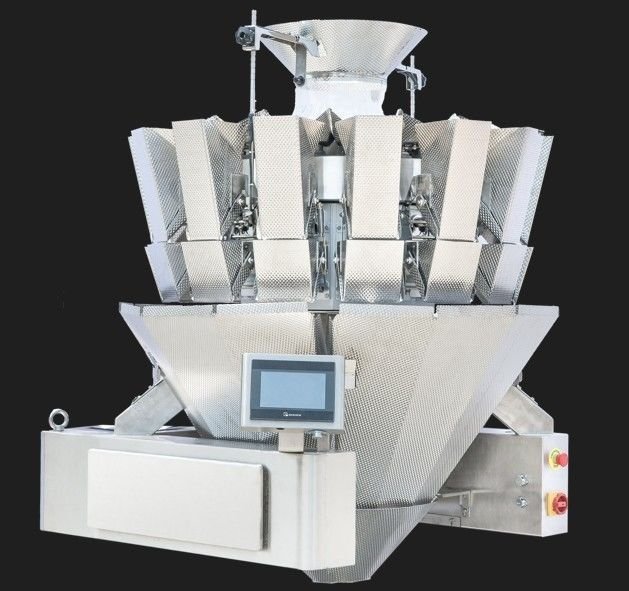
In the intricate world of automated packaging, the efficiency and reliability of a machine are only as good as its individual parts. Understanding the key components of your packaging machinery is not just technical knowledge; it’s a strategic necessity for maintaining productivity, minimizing downtime, and ensuring the quality of your final packaged product. This comprehensive guide delves into the essential parts of a packaging machine, exploring their types, core functions, and providing a clear framework for selecting the right components to keep your operations running smoothly.

Core Components of a Packaging Machine
Every packaging machine is a symphony of mechanical, electrical, and sometimes pneumatic parts working in unison. We can categorize these critical parts into several key systems.
1. The Forming and Sealing System
This system is responsible for creating the package itself from a roll of film and securing it. Key parts include:
Forming Collar/Shoulder: This is the tool that precisely shapes the flat packaging film into a tube or pouch. Its design is critical and varies based on the bag style (e.g., pillow bag, stand-up pouch).
Sealing Jaws (Longitudinal & Transverse): These heated elements create the seals. Longitudinal jaws seal the film tube along its length, while transverse jaws create the top and bottom seals of individual pouches. The material (often Teflon-coated or ceramic) and temperature control are vital for consistent, strong seals.
Film Puller Belts/Grips: These synchronized belts gently but firmly grip the film tube and advance it to the next sealing position, ensuring precise package length and registration.
2. The Product Handling and Filling System
This system meters and delivers the product into the formed package. Its complexity depends on the product type.
Auger Fillers: Ideal for powders and granules, an auger (a rotating screw) provides highly accurate volumetric filling. The auger design, hopper, and drive motor are key parts.
Liquid Pumps: For liquids, creams, or pastes, piston pumps, peristaltic pumps, or gear pumps are used. The pump head, seals, and valves must be compatible with the product to prevent contamination or wear.
Weighing Systems: For high-accuracy weight-based filling, load cells and sophisticated control software are integrated. The sensitivity and calibration of the load cell are paramount.
Vibratory Feeders & Buckets: Used to handle small parts, nuts, or candies, these parts ensure a consistent flow of product to the filling point.
3. The Drive and Control System
This is the “brain and muscles” of the machine.
Servo Motors & Drives: Modern machines extensively use servo motors for precise control of movement (like film pull length, auger rotation). They offer superior accuracy and flexibility compared to traditional mechanical drives.
PLC (Programmable Logic Controller): The central computer that runs the machine’s logic, coordinating all movements, timings, and safety interlocks.
HMI (Human-Machine Interface): The touchscreen panel where operators set parameters, monitor production, and diagnose issues.
Gears, Bearings, and Shafts: The fundamental mechanical parts that transfer motion and support rotating elements. Their quality directly impacts machine noise, wear, and lifespan.
4. Auxiliary and Support Parts
These parts support core functions and enhance machine capability.
Film Unwind Stand & Tension Control: Holds the film roll and provides consistent tension to prevent wrinkles or tearing.
Date Coders & Printers: Integrated inkjet or thermal transfer printers for applying batch codes, expiry dates, or logos.
Sensors (Photoelectric, Proximity): Eyes of the machine. They detect film registration marks, product presence, and jam conditions, providing critical feedback to the PLC.
Guards and Safety Interlocks: Essential for operator safety, these physical and electronic parts prevent access to dangerous areas while the machine is running.
How to Choose the Right Packaging Machine Components
Selecting replacement or upgrade parts is a decision that impacts your total cost of ownership. Here’s a step-by-step guide.
Step 1: Identify the Exact Part and Its Specifications
Never guess. Use the machine’s serial number and parts manual. Note down the part number, material specifications (e.g., food-grade stainless steel, FDA-approved seals), dimensions, and any electrical ratings (voltage, torque for motors).
Step 2: Consider Material Compatibility
This is non-negotiable. Parts in contact with the product must be compatible. For abrasive materials, wear-resistant coatings are needed. For acidic or corrosive products, specific grades of stainless steel or specialized plastics are required. For food and pharmaceutical applications, compliance with standards like FDA or EHEDG is mandatory. Companies like Packmate, with deep experience in these industries, design their sachet and stick pack machines with this critical factor in mind.
Step 3: Evaluate Quality and Source
Opt for Original Equipment Manufacturer (OEM) parts whenever possible. They are guaranteed to fit and perform as intended. While generic parts may be cheaper, they can lead to poor performance, increased downtime, and even void warranties. Assess the supplier’s reputation, technical support, and warranty on the parts.
Step 4: Factor in Total Lifecycle Cost
Look beyond the purchase price. A high-quality, slightly more expensive seal may last three times longer than a cheap alternative, saving on replacement labor and downtime. Consider the part’s expected lifespan, ease of maintenance, and availability.
Step 5: Plan for the Future: Upgrades vs. Replacements
Sometimes, a part failure is an opportunity. Could upgrading a mechanical drive to a servo motor improve speed or accuracy? Would a new weighing system reduce product giveaway? Consult with your machine supplier or a specialist to explore upgrade paths that enhance your overall packaging solution.
Maintenance Tips for Key Components
Proactive maintenance is the best strategy for part longevity.
Sealing Jaws: Clean regularly with a soft cloth and approved cleaner. Check for scratches or residue build-up that can cause weak seals. Calibrate temperature settings periodically.
Augers & Hoppers: Disassemble and clean thoroughly between product runs to prevent cross-contamination. Inspect for wear on the auger flighting.
Bearings & Drive Chains: Follow the manufacturer’s lubrication schedule meticulously. Use the correct type of lubricant (food-grade if necessary).
Sensors & Electrical Connections: Keep lenses clean. Check for loose wires or connectors that can cause intermittent faults.
Establishing a preventive maintenance schedule based on the machine’s manual and keeping a log of all part replacements is invaluable for predicting future needs and budgeting. For complex maintenance or service needs, always rely on certified technicians.
Frequently Asked Questions (FAQs)
1. How often should I replace common wear parts like sealing jaws or belts?
There’s no universal interval. It depends on machine runtime, product characteristics (e.g., oily products may foul jaws faster), and maintenance quality. Monitor performance: replace jaws when seals become inconsistent despite cleaning/temperature adjustment, and replace belts when they show cracks, glazing, or stretching that affects grip.
2. Can I use third-party or generic replacement parts for my packaging machine?
While possible, it is generally not recommended for critical components. Generic parts may not meet the original tolerances, material specs, or safety standards. This can lead to reduced efficiency, increased breakdowns, and potential safety risks. For non-critical, standard parts (e.g., common bearings), ensure they match the exact specifications.
3. What are the most critical parts to keep in stock as spares?
This varies by machine, but a good starter kit includes: sealing jaw covers (Teflon), photoelectric sensors, drive belts, common fuses and relays, and product-contact seals and gaskets. Consult your OEM for a recommended spare parts list for your specific model and production volume.
4. How do I know if a component failure is due to part quality or another machine issue?
Premature or repeated failure of a part often points to a root cause elsewhere. For example, a repeatedly broken drive belt might indicate misaligned pulleys. A seal that keeps wearing out could be due to excessive pressure or an incompatible product. Diagnose the system, not just the failed component.
5. Where is the best place to source reliable packaging machine parts?
The safest source is your original machine manufacturer or their authorized distributor. They provide guaranteed compatibility, technical data, and often support. For older machines, reputable specialized parts suppliers with strong engineering support are an alternative. Always prioritize suppliers with proven expertise in packaging machinery.