
The global packaging machinery market is undergoing a significant transformation, driven by the relentless pursuit of efficiency, sustainability, and adaptability. From food and pharmaceuticals to consumer goods, industries worldwide are turning to automated solutions to meet rising demand, ensure product safety, and reduce operational costs. This article delves into the key trends shaping the market, explores the vast growth opportunities, and provides a practical buying guide for businesses considering the leap into automation.
Current Market Trends in Automated Packaging
The landscape of packaging machinery is defined by several powerful trends that are redefining production lines.
1. The Rise of Smart, Connected Machinery (Industry 4.0)
The integration of the Internet of Things (IoT), artificial intelligence (AI), and data analytics is creating a new generation of “smart” packaging lines. These systems offer real-time monitoring, predictive maintenance, and remote diagnostics, minimizing unplanned downtime and optimizing overall equipment effectiveness (OEE).
→ Key Benefit: Data-driven insights allow for proactive decision-making, reducing waste and improving production consistency.
2. Sustainability as a Core Driver
Environmental concerns are pushing manufacturers to develop machinery that supports sustainable practices. This includes equipment designed for:
- Reduced Material Usage: Machines that enable precise dosing and create optimized, lightweight packages.
- Recyclable & Compostable Materials: Advanced machines capable of handling newer, more eco-friendly packaging films and materials.
- Energy Efficiency: Modern servo-driven systems consume significantly less power than older mechanical models.
3. Flexibility and Quick Changeover
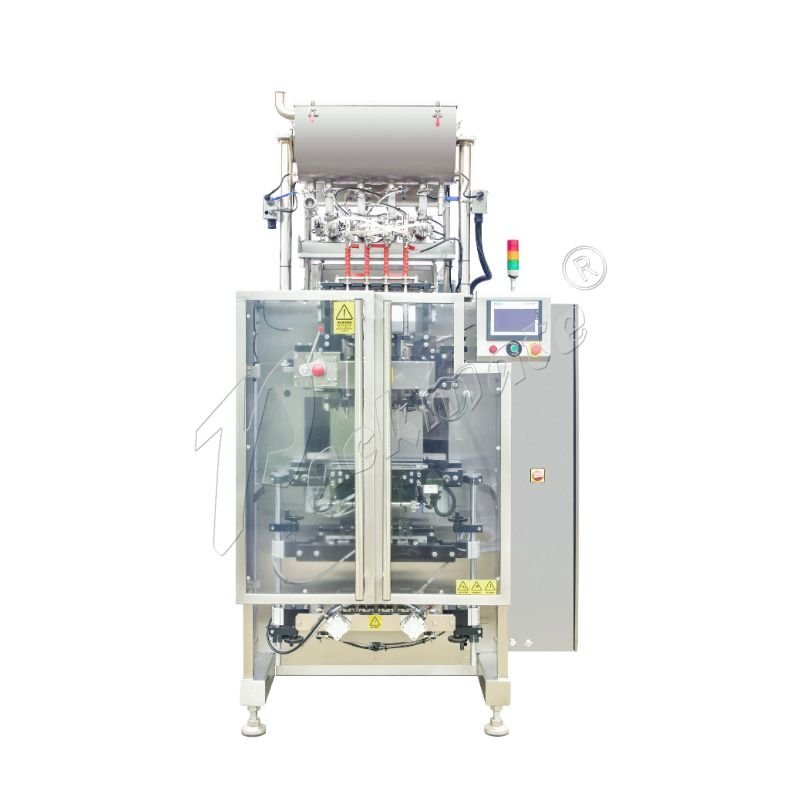
In an era of SKU proliferation and short production runs, flexibility is paramount. Modern automated packaging equipment, such as versatile sachet and stick pack machines, features tool-less changeovers and user-friendly HMIs (Human-Machine Interfaces) that allow rapid switching between package sizes and formats.
4. Enhanced Hygiene and Safety Standards
Particularly in food and pharmaceutical sectors, hygienic design is non-negotiable. Trends include the use of stainless-steel constructions, easy-clean surfaces, and enclosed systems that prevent contamination, complying with strict standards like FDA and GMP.
Growth Opportunities Across Key Sectors
The demand for automated packaging is expanding across diverse industries, each with unique needs.
Food & Beverage
This remains the largest segment. Growth is fueled by the need for longer shelf life, convenience packaging, and the boom in e-commerce, which requires durable, retail-ready packaging. Solutions range from high-speed weighing and packaging systems for snacks to advanced liquid filling lines.
Pharmaceuticals & Healthcare
Precision, sterility, and serialization for track-and-trace are critical. Opportunities lie in blister packaging, vial filling, and especially in unit-dose packaging like stick packs for powders and granules, ensuring accurate dosage and patient compliance.
E-commerce & Logistics
The rise of online shopping demands robust, right-sized automated packaging that protects products during transit while minimizing void fill and material costs. Automated bagging, cartoning, and void-fill systems are experiencing high growth.
Furthermore, niche markets like specialized pouches for snus and nicotine products present specific opportunities for manufacturers who can deliver precision and reliability.
A Comprehensive Buying Guide for Automated Packaging Equipment
Investing in packaging machinery is a major decision. This guide outlines the critical steps to ensure you select the right partner and equipment.
Step 1: Define Your Requirements Clearly
- Product Characteristics: What are you packaging? (e.g., powder, granules, liquid). Define its flowability, abrasiveness, and sensitivity.
- Output Speed (Packages/Minute): Determine your required production rate, considering both current needs and future growth.
- Packaging Materials: Specify the type of film, laminate, or pouch material you will use.
- Floor Space & Utilities: Measure your available space and identify power (electricity, compressed air) requirements.
Step 2: Research and Shortlist Reputable Manufacturers
Look for suppliers with a proven track record. A company like Packmate (GuangDong) Co., Ltd., with over 30 years of experience and a 20,000㎡ modern facility, exemplifies the stability and expertise crucial for a long-term partnership. Review their case studies to see real-world applications.
Step 3: Evaluate Technology and Support
✔ Technology Check: Does the machine use robust servo motors? Is the control system intuitive? Is it designed for easy cleaning and maintenance?
✔ Support Services: Inquire about installation, training, warranty, and the availability of spare parts. Comprehensive after-sales service is as important as the machine itself.
Step 4: Request a Product Sample Test
Never buy based on specifications alone. A responsible manufacturer will offer to test your actual product and packaging material on their machine. This live demonstration is the best way to verify speed, accuracy, and package quality.
Step 5: Consider Total Cost of Ownership (TCO)
Look beyond the initial purchase price. Calculate TCO by factoring in:
• Energy consumption
• Expected maintenance costs
• Changeover time and material waste
• Potential for future upgrades
Investing in a reliable, efficient machine from a trusted supplier like Packmate, which offers a wide range of packing machines and complete filling and packaging lines, often yields a lower TCO despite a higher upfront investment.
Frequently Asked Questions (FAQs)
1. What is the typical payback period for an automated packaging machine?
Payback periods vary but typically range from 1 to 3 years. This depends on the machine’s cost, the labor savings it generates, the reduction in material waste, and the increase in production output and quality.
2. How do I choose between a single machine and a complete integrated line?
Start by assessing your current and future volume. A single machine suffices for lower volumes or specific tasks. A fully integrated automated line (e.g., from feeding to filling to sealing and cartoning) is ideal for high-volume production where maximizing efficiency and minimizing manual handling are critical.
3. What are the most important maintenance routines for packaging equipment?
Daily cleaning, lubrication of moving parts as per the manual, and inspection of seals and wear parts are essential. Regularly scheduled professional maintenance, often provided by the manufacturer, is crucial for long-term reliability and to prevent major breakdowns.
4. Can automated packaging machines handle small batch production runs?
Yes. Modern machines with quick-changeover features and digital recipe storage are designed for flexibility. They allow efficient switching between products or package sizes, making small batches economically viable.
5. What training is required for our operators to run new automated equipment?
Reputable suppliers provide comprehensive on-site training during installation and commissioning. This covers machine operation, basic troubleshooting, routine maintenance, and safety procedures. Ensure this training is included in your purchase agreement.


