The pharmaceutical industry operates under the most stringent regulations globally, where packaging is not merely about containment but is a critical component of product safety, integrity, and patient compliance. Selecting the right packaging machinery is therefore a pivotal decision for any manufacturer. This guide delves into the essential aspects of pharmaceuticals packaging machines, exploring their various types, underlying working principles, key applications, and crucial factors to consider before making a purchase.
Core Types of Pharmaceuticals Packaging Machines
Pharmaceutical packaging lines are often complex integrations of several specialized machines. Understanding the primary types is the first step in identifying the right solution for your production needs.
Primary Packaging Equipment
This category involves machines that handle the direct contact between the product and its immediate container. The choice here is heavily influenced by the dosage form—whether it’s solid, liquid, powder, or semi-solid.
➤ Blister Packaging Machines: Predominantly used for tablets and capsules. These machines form cavities (blisters) from a roll of thermoformable plastic, fill them with product, and seal them with a lidding material, often aluminum foil. They offer excellent product visibility, unit-dose integrity, and child-resistant features.
➤ Bottle Filling and Capping Lines: A sequential system for filling liquid pharmaceuticals (syrups, suspensions), powders, or tablets into bottles or vials. The line typically includes a bottle unscrambler, filler, capper (screw capping or snap capping), and induction sealer for tamper evidence. For sterile products, this process occurs in an aseptic environment.
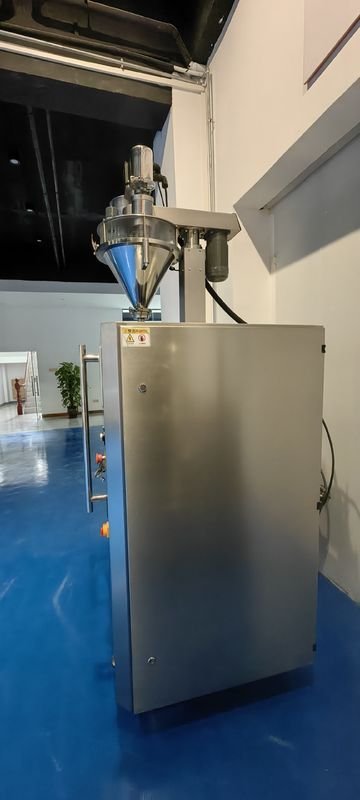
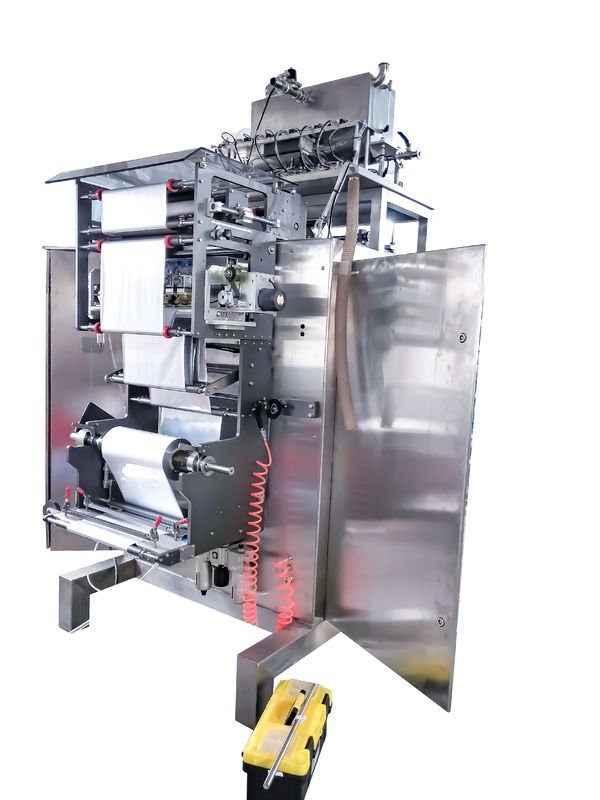
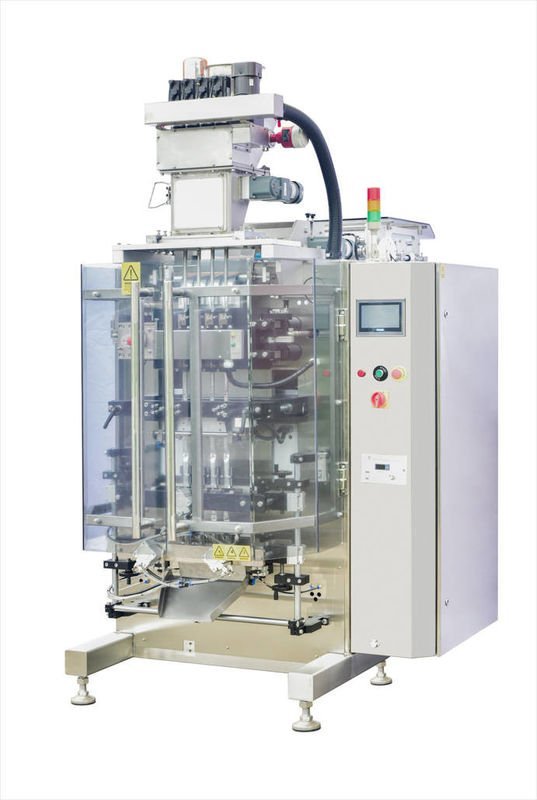
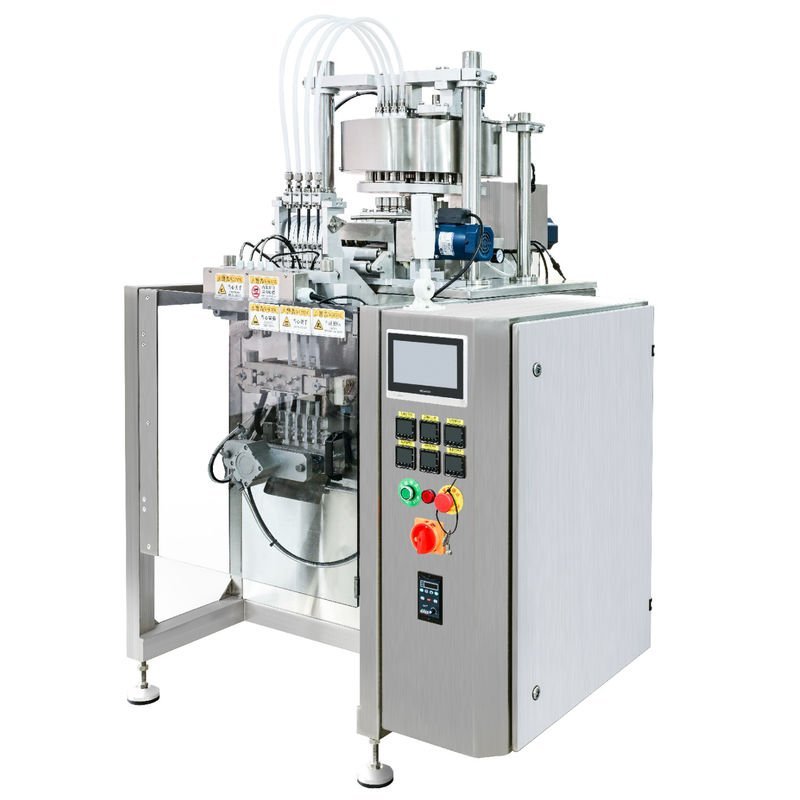
➤ Sachet & Stick Pack Machines: Ideal for unit-dose powders, granules, or liquids (like oral rehydration salts or single-use antiseptic washes). These machines form, fill, and seal small pouches from roll stock film at high speeds. They are compact and perfect for promoting patient adherence to precise dosages.
Secondary & Tertiary Packaging Equipment
Once the primary package is ready, secondary packaging adds branding, information, and further protection. Tertiary packaging is for bulk handling and shipping.
Cartoning Machines: Automatically erect cartons, insert the primary packages (blisters, bottles, sachets), along with leaflets, and close/seal the carton. They can handle a wide variety of carton styles.
Bundling & Case Packing Machines: Group multiple primary or secondary packages into bundles (e.g., shrink-wrapping multiple cartons) and then neatly pack them into shipping cases or trays. This stage is vital for efficient logistics and warehouse management.
Labeling Machines: Apply labels with product information, barcodes, and serial numbers to primary containers or secondary cartons. Precision and regulatory compliance are paramount here.
Working Principle and Technology Integration
Modern pharmaceutical packaging is a symphony of precision engineering and automated control. While specific processes vary, a common sequence involves Forming, Filling, and Sealing (FFS).
- Material Feeding & Forming: Packaging material (film, foil, pre-formed blisters) is fed from a roll or magazine. For blister and sachet machines, the material is heated and formed into pockets or pouches.
- Precise Product Metering & Filling: This is the heart of pharmaceutical accuracy. Machines use auger fillers for powders, piston pumps for liquids, and counters or vibratory feeders for tablets/capsules. Advanced systems incorporate checkweighing technology to reject under/overweight doses in real-time.
- Sealing & Closing: The filled package is sealed. This could be heat-sealing a lidding foil onto a blister, sealing the top of a sachet, applying and torquing a cap on a bottle, or closing a carton flap.
- Inspection & Rejection: Integrated vision systems, metal detectors, and leak testers inspect every package for defects, missing components, or contaminants, automatically rejecting any non-conforming units.
- Control & Data Integrity: A centralized Programmable Logic Controller (PLC) with a Human-Machine Interface (HMI) oversees the entire process. Modern machines support data logging for batch records, essential for regulatory compliance (e.g., FDA 21 CFR Part 11).
Critical Applications Across Pharmaceutical Segments
The application dictates the machine’s specifications. Regulatory demands differ significantly between these segments.
Solid Dosage Forms (Tablets, Capsules)
This is the largest application area. Blister packaging machines dominate due to their superior moisture and light protection compared to bottles. High-speed rotary blister lines can produce thousands of blisters per minute. Cartoning machines then package these blisters with patient information leaflets.
Liquid & Semi-Solid Dosages (Syrups, Ointments, Creams)
Requires aseptic or sanitary filling lines. Machines must handle viscous products without dripping or air inclusion. Bottle filling-capping lines are standard, often integrated with induction sealing for tamper evidence. Tube fillers are used for creams and gels.
Powders & Granules (Antibiotics, Nutraceuticals)
Demands high accuracy to prevent dosage errors. Auger filler-based machines are common, often with multi-head setups for speed. Stick packs and sachets are popular for unit-dose antibiotics or effervescent powders, offering convenience and precise measurement.
Sterile & Parenteral Products (Vials, Ampoules)
The pinnacle of packaging technology. Operations occur in ISO Class 5 cleanrooms or isolators. Machines are designed for sterility assurance, using technologies like steam sterilization-in-place (SIP) and aseptic filling. Vial stoppering, capping, and labeling are fully automated.
Essential Buying Tips for Your Investment
Choosing a pharmaceutical packaging machine is a long-term strategic decision. Beyond the initial price, consider these factors to ensure reliability, compliance, and return on investment.
1. Compliance and Validation Support
This is non-negotiable. The machine must be designed and constructed to meet cGMP (current Good Manufacturing Practice) standards and relevant pharmacopoeias (USP, EP). Key aspects include:
✔ Use of 316L or higher-grade stainless steel for product contact parts.
✔ Smooth, crevice-free surfaces that are easy to clean and sanitize.
✔ The supplier must provide a Documentation Package including Design Qualification (DQ), Factory Acceptance Test (FAT) protocols, and support for your Site Qualification (IQ/OQ/PQ).
2. Flexibility and Changeover
Product lines change. A machine that allows quick and tool-less changeover between different package sizes or formats minimizes downtime and expands your production capability. Look for features like adjustable forming dies, servo-driven components, and recipe management on the HMI.
3. Speed, Accuracy, and Overall Equipment Effectiveness (OEE)
Balance maximum theoretical speed with practical, sustainable output and yield. A machine that runs slightly slower but with near-100% accuracy and less downtime often has a higher OEE. Inquire about the machine’s typical yield and mean time between failures (MTBF).
4. After-Sales Service and Technical Support
The relationship with your supplier begins after purchase. Ensure they offer:
➤ Comprehensive training for your operators and maintenance staff.
➤ Readily available spare parts with a clear supply chain.
➤ Responsive technical support, potentially including remote diagnostics.
Choosing an established manufacturer like Packmate, with decades of experience and a global service network, can provide significant long-term peace of mind.
5. Integration and Future-Proofing
Consider how the machine will fit into your existing line or a future expansion. Does it have standard communication protocols (e.g., OPC UA, Ethernet/IP) to integrate with your Manufacturing Execution System (MES)? Can it be easily upgraded with additional inspection modules or downstream equipment?
Frequently Asked Questions (FAQs)
What are the key GMP requirements for a pharmaceutical packaging machine?
Key requirements include hygienic design with no product traps, use of compliant materials (e.g., FDA-approved grades), validated cleaning procedures, and the ability to maintain product purity. The machine must also ensure accurate and consistent filling, and provide complete documentation for all processes.
How do I choose between a blister machine and a bottling line for tablets?
The choice depends on dosage, patient convenience, and stability. Blister packs offer better moisture protection, unit-dose convenience, and are preferred for most prescription tablets. Bottles are often used for larger count over-the-counter (OTC) products or where dose flexibility is needed. Stability studies will often dictate the primary packaging format.
What is the importance of serialization in pharmaceutical packaging?
Serialization, mandated by regulations like the US Drug Supply Chain Security Act (DSCSA) and EU Falsified Medicines Directive, involves assigning a unique identifier to each saleable unit. It is critical for tracking and tracing products through the supply chain to combat counterfeiting. Modern packaging lines must integrate serialization and aggregation printers and software.
Can one machine handle multiple different pharmaceutical products?
Yes, but with strict protocols. Machines designed for multi-product use must allow for complete and validated changeover procedures, including deep cleaning to prevent cross-contamination. Dedicated product contact parts or extensive cleaning validation is required when switching between different active pharmaceutical ingredients (APIs).
What is the typical lead time for acquiring and installing a new packaging line?
Lead times can vary widely from 6 to 18 months for a complex, custom-integrated line. It includes design, manufacturing, factory testing, shipping, site installation, and validation. Working with an experienced supplier who can manage the entire turnkey project can help streamline this timeline and reduce risks.