Choosing the right potato chip packaging machine is a critical decision for any snack food manufacturer. The right equipment directly impacts your production efficiency, product quality, packaging appeal, and ultimately, your bottom line. This comprehensive guide will walk you through the different types of machines, their key features, and the essential factors to consider when selecting the best solution for your specific needs.
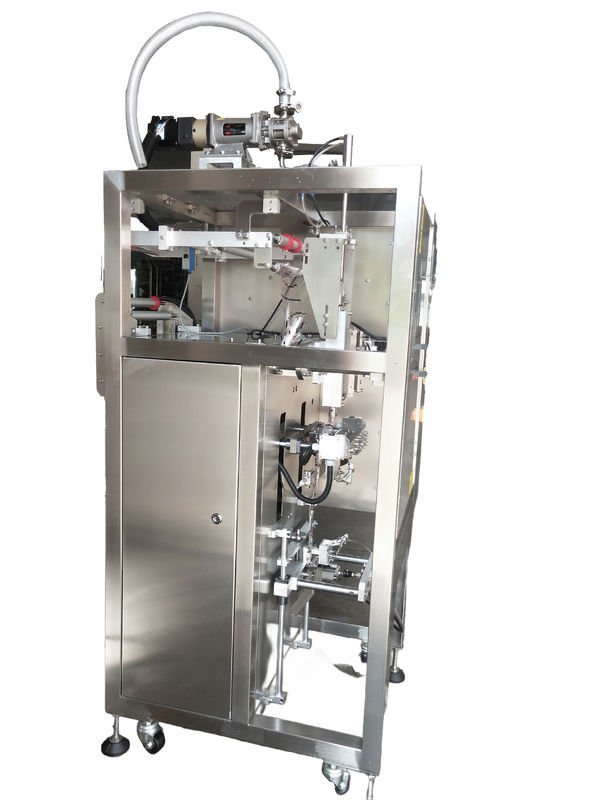
Understanding the Core Types of Potato Chip Packaging Machines
The packaging process for potato chips typically involves several stages: weighing, filling, sealing, and sometimes forming the bag itself. Machines are categorized based on the type of packaging they produce and their level of automation.
Vertical Form-Fill-Seal (VFFS) Machines
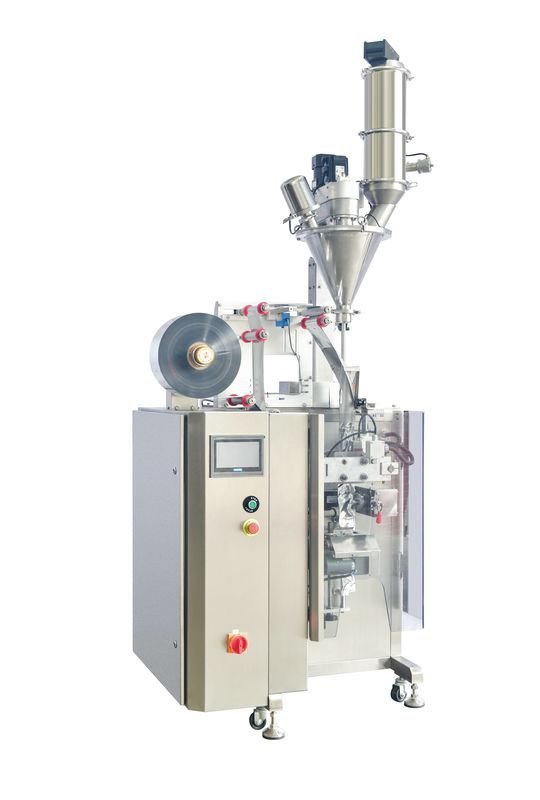
These are the most common and versatile machines for packaging potato chips. A VFFS machine forms the bag from a roll of flat packaging film, fills it with a pre-measured amount of product, and then seals it. They are ideal for producing pillow bags, gusseted bags, and stand-up pouches. Their flexibility in bag size and format makes them a popular choice for many producers.
Pre-Made Bag Packaging Machines
These systems use bags that are already manufactured (pre-made pouches). The machine’s function is to open the bag, fill it with chips, and then seal it. This method is often preferred for high-end or specialty packaging where the bag material or print quality is complex and cannot be achieved through form-fill-seal processes. It can also be faster for certain applications.
Multi-Lane Weighing and Packaging Systems
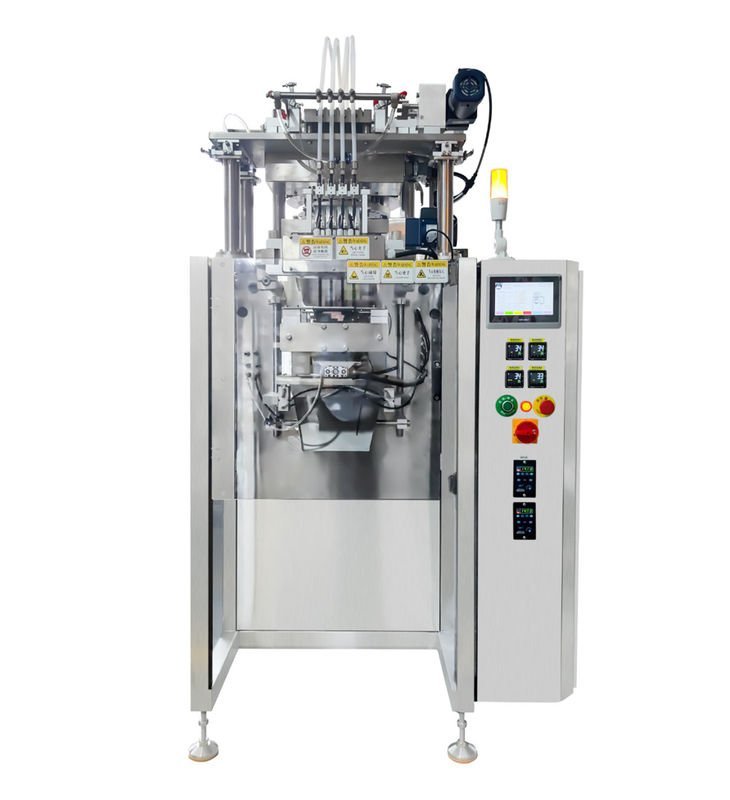
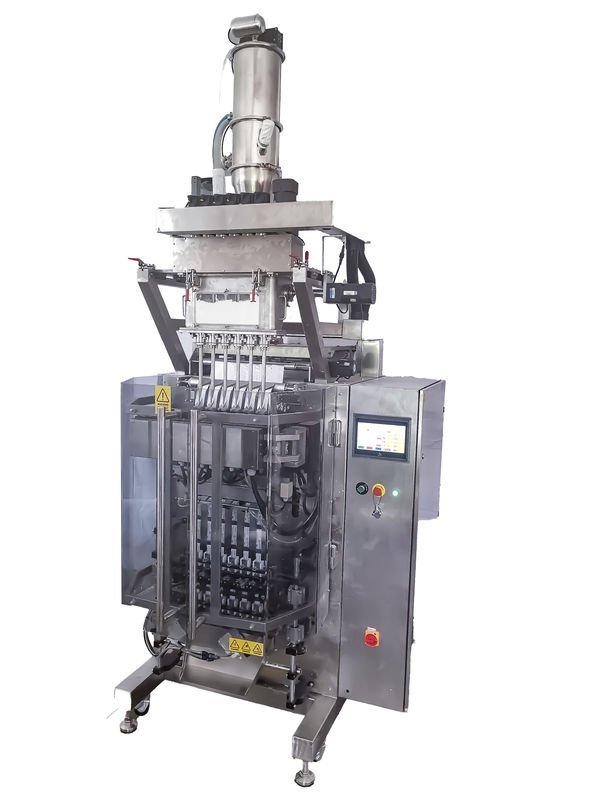
For high-volume production, multi-lane systems are essential. These combine advanced multi-head weighers with high-speed VFFS or pre-made bag machines. The weigher ensures precise weight accuracy for each bag, which is crucial for cost control and regulatory compliance, while the packaging unit operates at very high speeds.
Key Features to Evaluate in a Packaging Machine
Beyond the basic type, several features determine a machine’s performance, reliability, and suitability for your operation.
Weighing Accuracy & Speed
The heart of chip packaging is the weighing system. Look for machines with multi-head weighers that use advanced vibration and computer control to achieve high speed and remarkable accuracy, minimizing product giveaway. Inaccuracies here directly eat into your profits.
Gas Flushing & Modified Atmosphere Packaging (MAP)
To extend shelf life and maintain crispness, many chip packages are flushed with nitrogen. A machine with an integrated and efficient gas flushing system is vital. It should reliably displace oxygen within the bag before sealing, which is a key feature for quality preservation.
Bag Sealing Integrity
The seal must be strong and consistent to prevent leaks and preserve freshness. Machines should offer precise temperature control on the sealing jaws and be compatible with various laminated films. A poor seal is a primary cause of customer complaints and product waste.
Other Critical Features Include:
Ease of Changeover: How quickly can you switch between different bag sizes or chip varieties? Look for machines with tool-less adjustments and digital settings recall.
Hygienic Design: Food-grade materials, easy-to-clean surfaces, and minimal crevices where oil or crumbs can accumulate are mandatory for food safety.
Durability & Construction: The machine should be built from robust materials like stainless steel for critical parts to withstand a 24/7 production environment.
Control System & Connectivity: A user-friendly Human-Machine Interface (HMI) with data logging, diagnostic tools, and potential for Industry 4.0 connectivity (OEE tracking, remote monitoring) is a significant advantage.
How to Choose the Best Solution: A Step-by-Step Guide
Selecting a machine is not just about specs; it’s about finding the right fit for your business.
Step 1: Analyze Your Production Requirements
Start with the fundamentals. What is your target output in bags per minute or hour? What bag sizes and styles (pillow bag, stand-up pouch, gusseted bag) do you need? Do you require Modified Atmosphere Packaging (MAP)? Defining these parameters narrows down the machine type and size you need.
Step 2: Assess Your Product Characteristics
Not all chips are the same. The chip size, shape, oil content, and fragility affect the handling system. A machine designed for delicate kettle chips may differ from one handling robust, ridged chips. Provide samples to the machine supplier for testing if possible.
Step 3: Evaluate Your Budget and ROI
Consider the total cost of ownership, not just the purchase price. Factor in installation, training, maintenance, spare parts, and energy consumption. A slightly more expensive but more efficient and reliable machine from a reputable supplier like Packmate can offer a much better return on investment through higher uptime and less waste.
Step 4: Research and Compare Suppliers
Look for manufacturers with a proven track record in snack food packaging. Review their case studies and client testimonials. A supplier with deep experience, such as one with over 30 years in the industry, will understand the nuances of chip packaging. Examine their after-sales service and support network, especially if you are operating internationally.
Step 5: Request a Live Demonstration or Trial
Never buy based on paper specs alone. Arrange a factory visit or a production trial using your actual chips and packaging material. This is the only way to verify the machine’s speed, accuracy, bag quality, and ease of operation firsthand. It also allows you to assess the supplier’s technical expertise.
Integrating Your Packaging Line
A packaging machine is often part of a larger system. Consider how it will integrate with upstream equipment (like fryers, seasoners, conveyors) and downstream equipment (case packers, palletizers). A supplier capable of providing a complete turnkey solution can ensure seamless integration and single-point responsibility, saving you significant time and coordination effort.
Future-Proofing Your Investment
Think about your growth plans. Can the machine handle increased capacity? Is it adaptable to new packaging trends, like sustainable films or different closure types? Choosing a modular machine from a forward-thinking manufacturer allows for upgrades and modifications down the line, protecting your investment for years to come. Exploring their full range of packing machines can reveal compatible systems for future expansion.
Frequently Asked Questions (FAQs)
What is the typical speed range for a potato chip packaging machine?
Speeds vary widely based on the machine type and bag size. Single-lane VFFS machines may run at 40-80 bags per minute, while advanced multi-lane systems can achieve speeds of 120-200+ bags per minute for standard pillow bags.
How important is nitrogen flushing, and can any machine do it?
Nitrogen flushing is crucial for extending shelf life and maintaining crispness by displacing oxygen. Not all machines are equipped for effective MAP. It requires a specially designed chamber and gas injection system integrated into the packaging process. You must specify this requirement when selecting a machine.
What are the main maintenance requirements for these machines?
Regular daily cleaning to remove oil and crumbs is essential. Periodic lubrication of moving parts, inspection and replacement of wear items like sealing jaws and film pull belts, and calibration of the weighing system are standard maintenance tasks. A good supplier will provide a detailed maintenance schedule and training.
Can one machine handle different bag sizes and chip varieties?
Yes, most modern machines are designed for changeover. However, the time and complexity involved vary. Look for machines with “quick changeover” features, such as digital size recall and tool-less adjustments, to minimize downtime when switching products.
What packaging films are suitable for potato chips?
Chips require a high-barrier film, typically a multi-layer laminate, to protect against moisture, oxygen, and light. Common structures include metallized polyester (MET PET) or polypropylene laminated with polyethylene. The film must also have good sealing properties and be compatible with your machine’s sealing mechanism.