The integration of advanced processing and packaging machinery is not merely an operational upgrade; it is a strategic imperative for modern food and pharmaceutical production lines. These industries, governed by stringent regulations and demanding consumer expectations for safety, quality, and consistency, require solutions that are robust, precise, and adaptable. From raw material handling to the final packaged product, every step must be meticulously controlled to ensure product integrity, maximize shelf life, and optimize production efficiency. This article delves into the critical components and integrated solutions that define today’s high-performance production environments.
The Core of Modern Production: Integrated Processing Systems
Before packaging can begin, raw materials must be transformed into a consistent, stable form. This is where sophisticated processing machinery comes into play. For the food industry, this might involve precision mixing, cooking, extrusion, or cooling systems. In pharmaceuticals, it encompasses high-shear granulation, fluid bed drying, and precise tablet compression. The goal is uniformity—ensuring every unit, whether a snack piece or a medicinal tablet, meets exact specifications for weight, composition, and physical properties. This foundational consistency is non-negotiable for the subsequent packaging stages to function reliably.
Key Insight: An integrated processing line acts as the heart of production. Inconsistencies here create compounding challenges downstream, leading to packaging errors, waste, and potential non-compliance. Investing in precision processing equipment from the outset pays dividends in overall line efficiency and product quality.
Packaging: The Final Guardian of Product Quality
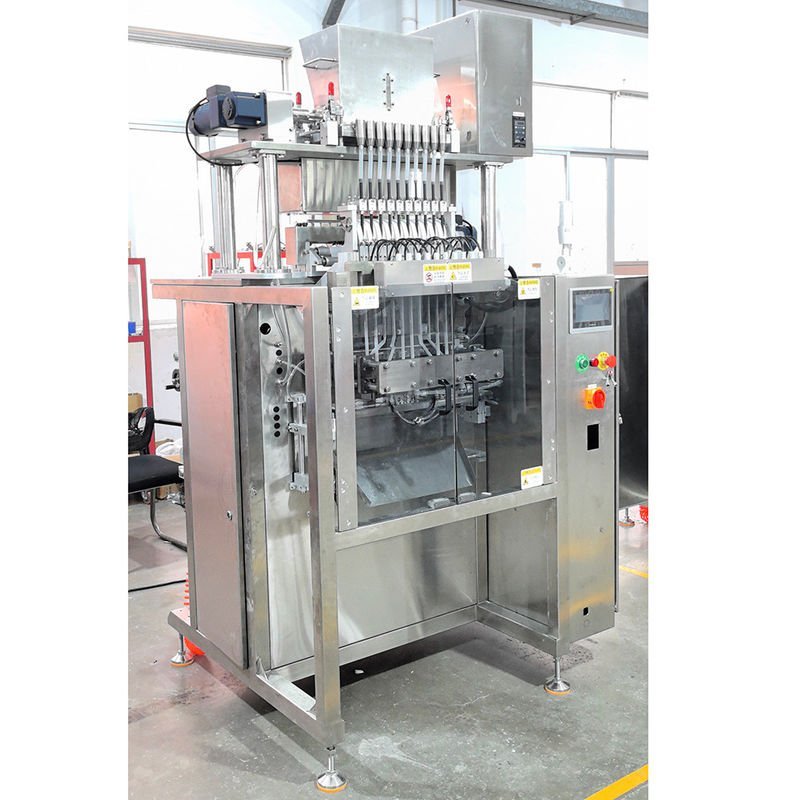
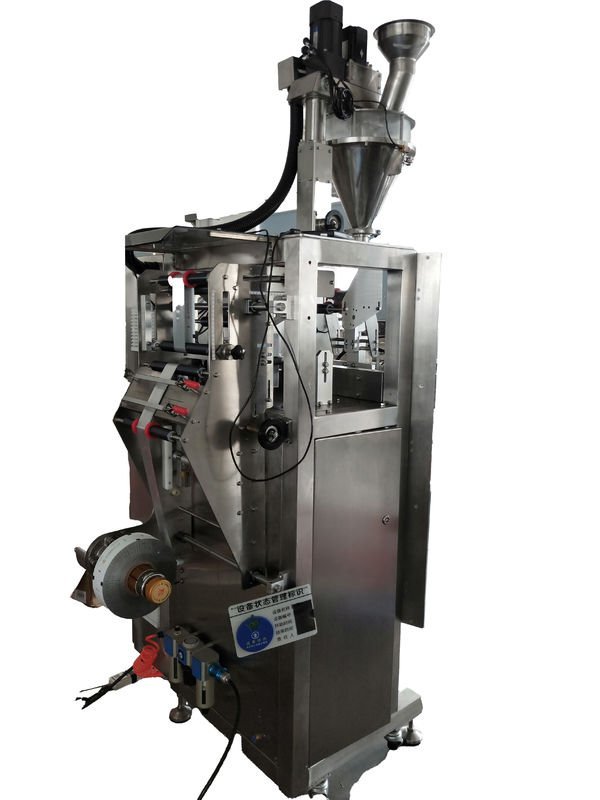
Packaging serves multiple vital functions: protection, preservation, information, and convenience. The machinery that performs these tasks must be exceptionally versatile and reliable. Modern packaging solutions range from high-speed vertical form-fill-seal (VFFS) machines for pouches and bags to specialized equipment for stick packs, sachets, and blister packs. For pharmaceutical applications, machinery must often operate in controlled environments and handle products with extreme delicacy and precision, adhering to Good Manufacturing Practices (GMP).
Companies like Packmate (GuangDong) Co., Ltd. exemplify this specialization, offering over 50 models of automated equipment tailored for granules, powders, and liquids. Their evolution from sachet machines to complex multi-lane stick pack lines mirrors the industry’s demand for higher speed and flexibility.
Critical Machinery for Complete Lines
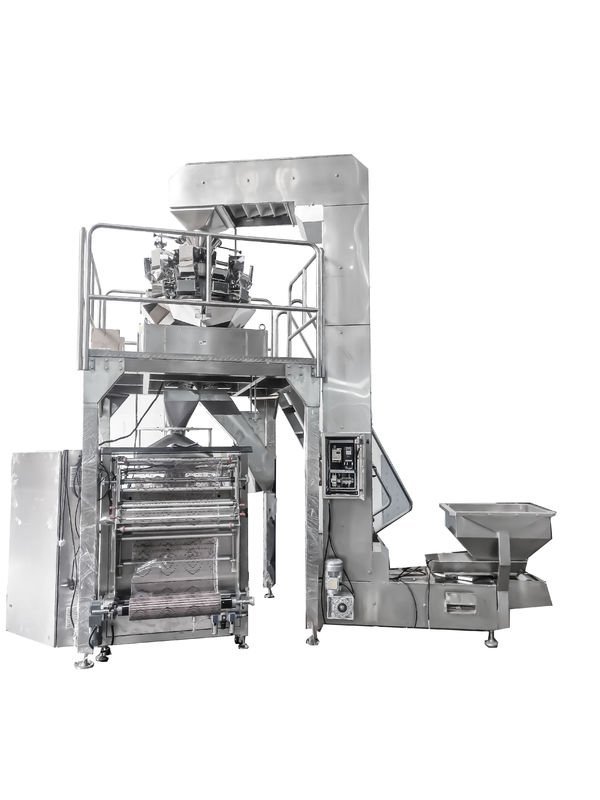
A turnkey production line is a symphony of interconnected machines. Beyond the primary packager, several auxiliary systems are crucial:
- Weighing & Dosing Systems: Utilize multi-head weighers or auger fillers for unparalleled accuracy, critical for cost control and regulatory compliance. Explore our weighing solutions.
- Product Handling & Conveying: Gentle conveyors, elevators, and sorters that transport product without damage or degradation.
- Checkweighers & Metal Detectors: Essential for quality assurance, removing under/overweight packs and contaminant-containing products.
- Cartoning & Case Packing: Automate the secondary and tertiary packaging stages for complete line automation.
Trends Shaping the Future of Production Machinery
The landscape of processing and packaging is continuously evolving, driven by technology and market needs.
Industry 4.0 and Smart Manufacturing
The integration of IoT sensors, data analytics, and machine learning is creating “smart” production lines. Real-time monitoring of machine performance, predictive maintenance alerts, and traceability data collection are becoming standard. This connectivity minimizes unplanned downtime, optimizes output, and provides complete batch genealogy—a must for pharmaceutical track-and-trace regulations.
Sustainability & Flexibility: There is growing pressure to reduce material usage, incorporate recyclable films, and minimize energy consumption. Machinery must adapt to handle these new materials without sacrificing speed. Furthermore, the demand for shorter production runs and rapid product changeovers necessitates highly flexible machines that can switch between package sizes and formats with minimal downtime. Our range of bag and pouch machines is designed with this flexibility in mind.
Choosing the Right Partner for Your Line Solution
Selecting machinery is about more than just specifications; it’s about choosing a partner. A provider with deep application experience, like Packmate with its 30-year history, can offer invaluable insights. Key considerations include:
- Application Expertise: Does the supplier understand the unique challenges of your product (e.g., hygroscopic powders, oily snacks, sterile pharmaceuticals)?
- Service & Support: Global availability of spare parts, technical support, and training is critical for maintaining continuous operation.
- Scalability: Can the solution grow with your business? Modular designs allow for future expansion.
- Compliance Assurance: The supplier should demonstrate a clear understanding of relevant standards (FDA, EU, GMP) in their machine design and documentation.
Reviewing a supplier’s project case studies and industry certifications provides concrete evidence of their capability and reliability.
Conclusion: Building a Foundation for Excellence
Investing in the right processing and packaging machinery solutions is a decisive step toward building a competitive, resilient, and compliant production operation. By focusing on precision, integration, smart technology, and partnering with experienced suppliers, manufacturers in the food and pharmaceutical sectors can achieve new levels of efficiency, quality, and agility. The machinery is the engine of production, and choosing wisely ensures it drives your business forward reliably for years to come.
Frequently Asked Questions (FAQs)
1. What are the key differences between machinery for food vs. pharmaceutical packaging?
While both require high hygiene and precision, pharmaceutical machinery often demands construction with stainless steel grades suitable for cleanrooms, validated cleaning processes, and features for absolute traceability (e.g., serialization). Food machinery may prioritize higher speeds and handle a wider variety of product consistencies but with slightly different material contact surface requirements.
2. How can I improve the flexibility of my existing packaging line?
Retrofitting with quick-change parts (like form-fill tubes and sealing jaws), implementing servo-driven technology for easier format adjustments, and adding modular units like a new auxiliary equipment station can significantly enhance flexibility. A consultation with your machine supplier is the best first step.
3. What is a “turnkey” packaging solution, and what are its benefits?
A turnkey solution means a single supplier designs, supplies, installs, and commissions a complete, ready-to-operate production line. The primary benefit is single-point accountability, reduced project management complexity, and guaranteed interoperability of all line components, leading to faster time-to-market.
4. How important is after-sales service when selecting a machinery supplier?
It is critically important. Reliable machinery will still require maintenance, parts, and occasional troubleshooting. A supplier with a robust global service network, readily available spare parts, and responsive technical support is essential for minimizing costly production downtime over the machine’s entire lifecycle.
5. Can automated packaging lines handle small batch or R&D production runs?
Yes. Many modern machines are designed with flexibility for short runs. Features like recipe storage, servo-driven adjustments, and easy-clean designs allow for efficient small-batch production. Some suppliers also offer laboratory-scale or pilot-scale machines specifically for R&D and trial purposes.