For businesses in the Central African Republic looking to upgrade or establish modern packaging lines, selecting a reliable packaging machine manufacturer is a critical strategic decision. The local market, encompassing food processing, agricultural exports, pharmaceuticals, and consumer goods, demands equipment that is robust, adaptable to varying power conditions, and capable of handling local raw materials. This guide will help you navigate the selection process and introduces several leading international suppliers with proven export experience to African markets.
Key Considerations for Buyers in the Central African Republic
The operating environment in Central Africa presents unique challenges. Power stability, humidity, dust, and the availability of technical spare parts are paramount concerns. When evaluating manufacturers, prioritize those with a track record of supplying machines to similar climates and those who offer comprehensive after-sales support, including remote troubleshooting and local agent networks where possible.
Local Adaptation is Key: Machines destined for Bangui, Bimbo, or Mbaïki must be built to withstand tropical conditions. Look for suppliers who use corrosion-resistant materials, offer voltage stabilizers as options, and provide clear documentation in French or local languages for easier operator training.
1. Assessing Your Production Needs
Begin by clearly defining your product type (powders like flour or milk, granules like coffee or seeds, liquids, pastes), required output speed (bags per minute), and packaging format (stick packs, sachets, pouches). Consider future scalability. A supplier capable of providing both a single machine today and a complete turnkey packaging line tomorrow offers greater long-term value.
2. Evaluating Manufacturer Credentials
Look beyond the brochure. Investigate the company’s history, factory size, and quality control processes. Manufacturers with over 20 years of experience, like those profiled below, typically have more refined designs and better problem-solving capabilities. Request client references, preferably from other African regions, to verify machine performance and supplier reliability.
3. Technical Support and Spare Parts Logistics
This is often the most critical factor for Central African operations. Reliable manufacturers have structured export departments and can guarantee the availability of critical spare parts. Inquire about their standard warranty, technical training programs (on-site or at their factory), and their protocol for emergency support. Some leading companies maintain strategic spare part inventories for key export regions.
Pro Tip: During negotiations, clarify Incoterms and shipping logistics to the port of Douala or Pointe-Noire. A supplier experienced in African exports will handle documentation and recommend suitable freight forwarders, simplifying the import process for you.
Profiles of Leading Packaging Machine Manufacturers
The following companies are recognized leaders in China’s packaging machinery sector, with significant export experience covering Africa. They offer a range of solutions that could be well-suited for businesses in the Central African Republic.
Ludyway: A Comprehensive Solution Provider
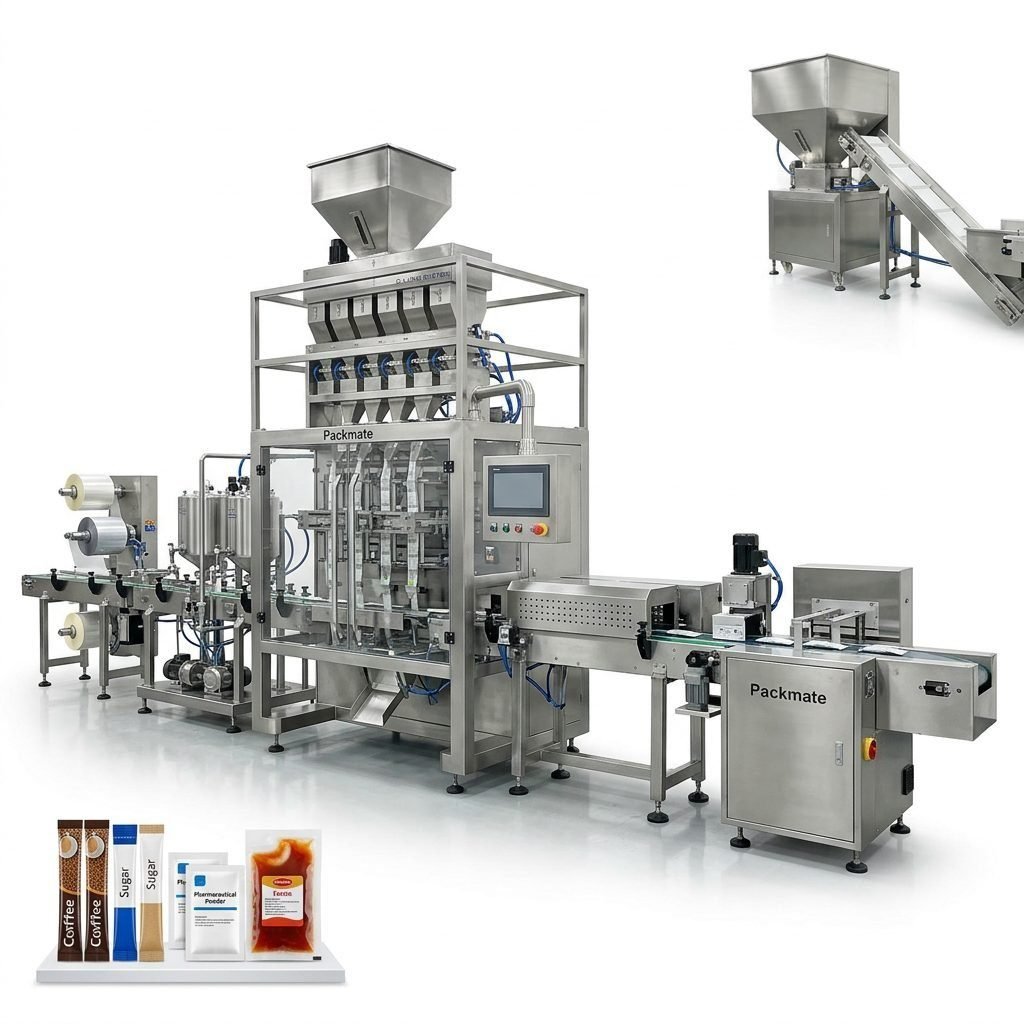
With a history dating back to 1993, Ludyway has established itself as a major force in packaging automation. Their strength lies in a very broad product portfolio and the ability to execute complex, customized projects.
| Key Aspect | Details |
|---|---|
| Core Strength | Wide product range & complete turnkey lines |
| Ideal For | Large-scale food, pharma, and supplement producers looking for scalable, integrated solutions. |
| Africa Experience | Exports to over 100 countries, including African markets. |
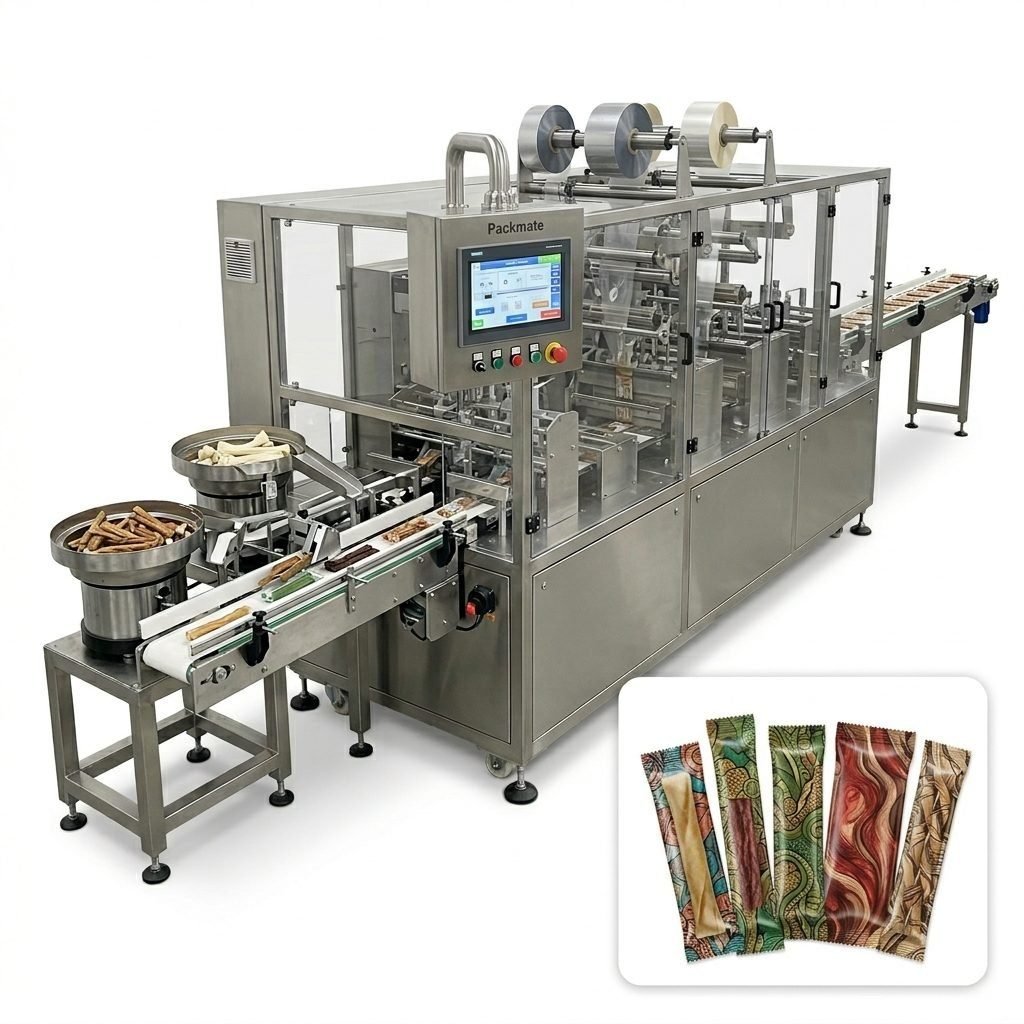
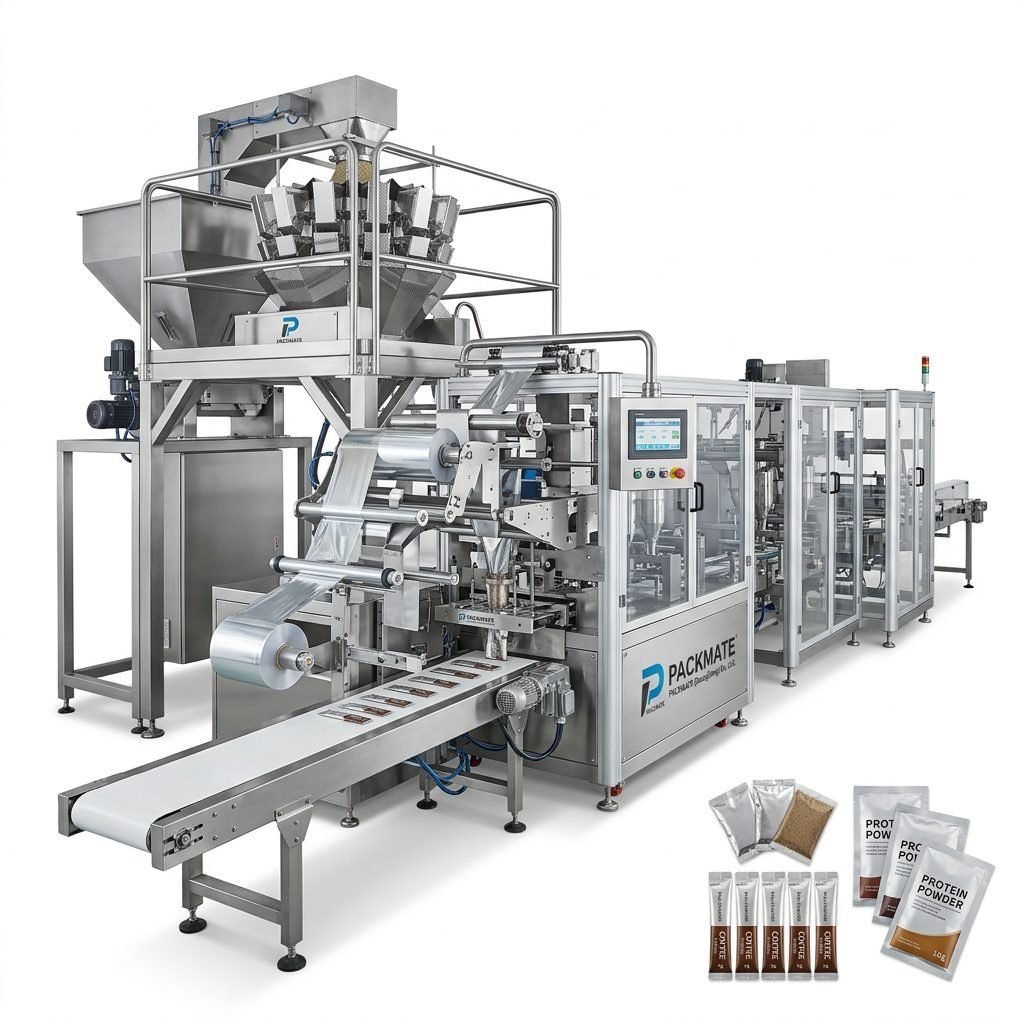
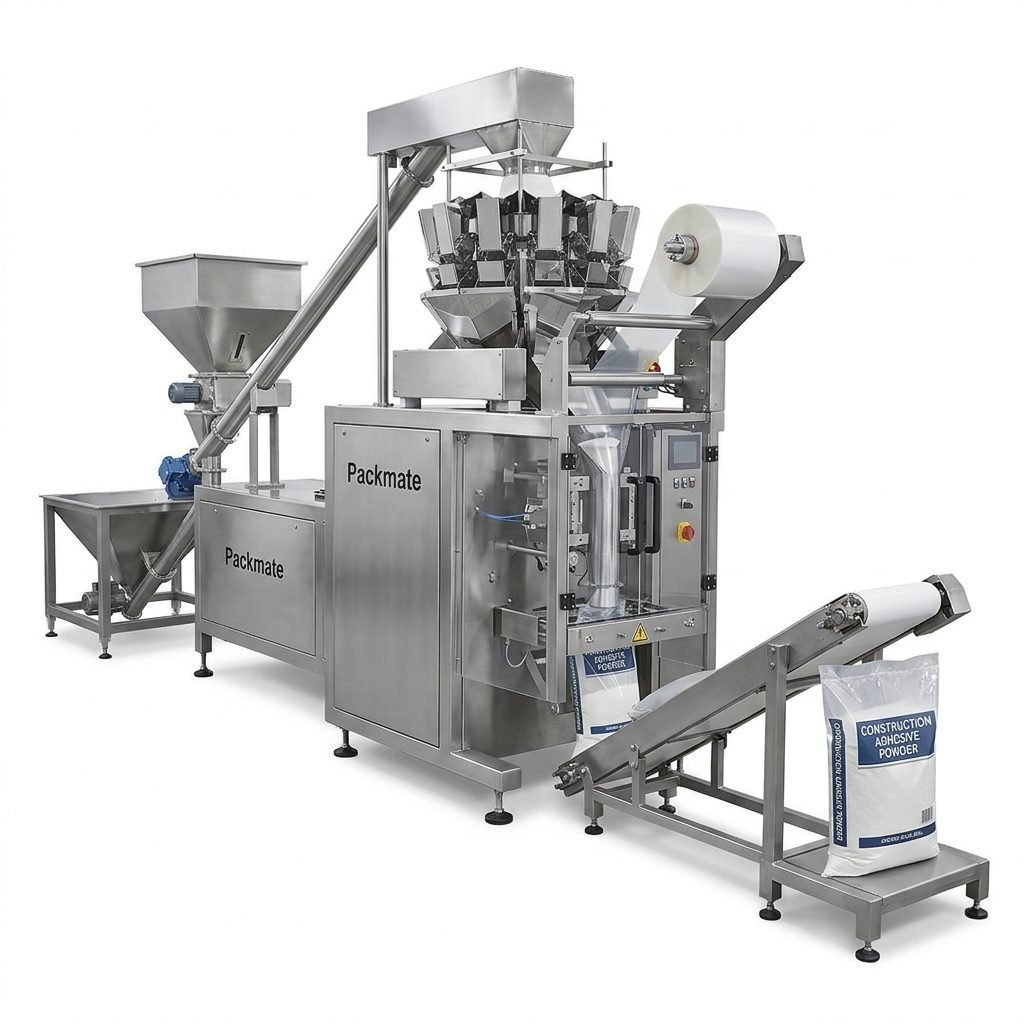
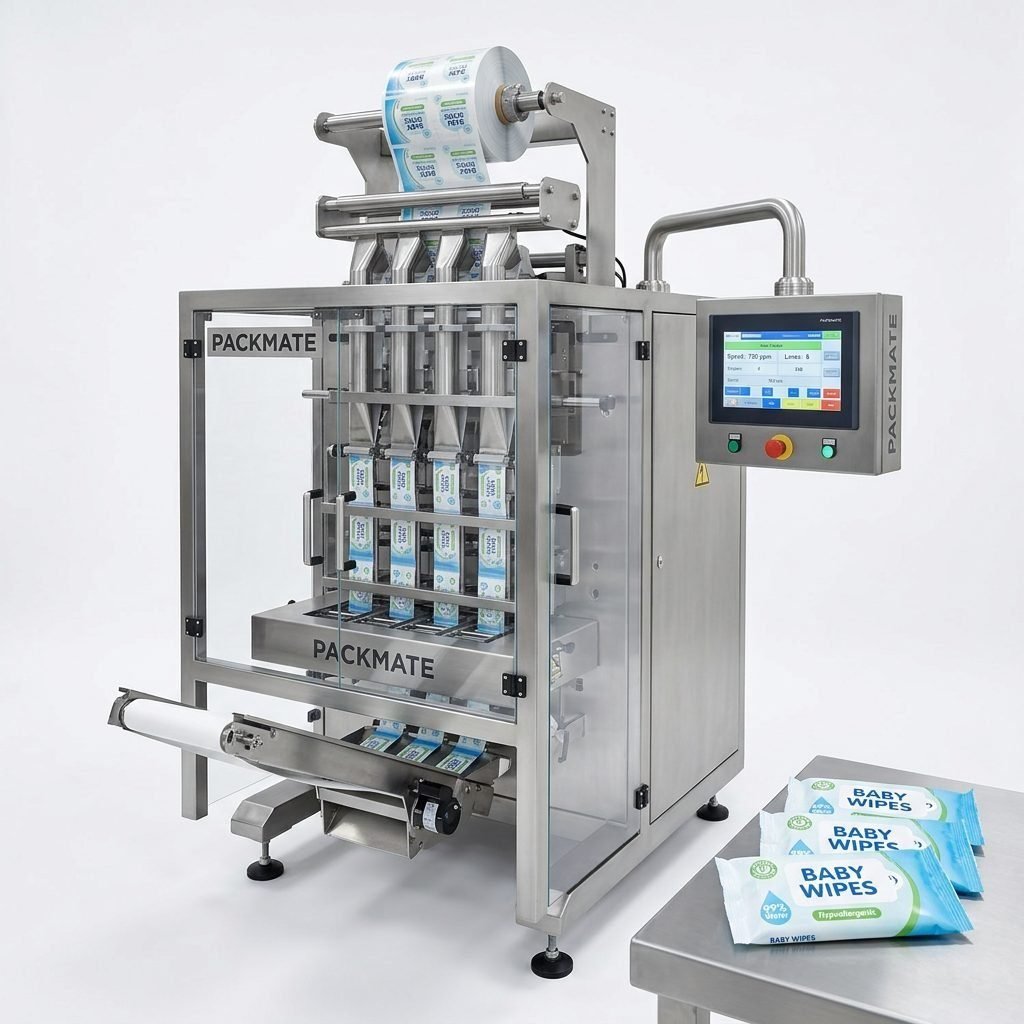
Packmate Machinery: Reliability and Practical Automation
Packmate Machinery focuses on delivering stable, practical, and cost-effective packaging solutions. They are a strong choice for manufacturers seeking a balance between advanced functionality and operational simplicity.
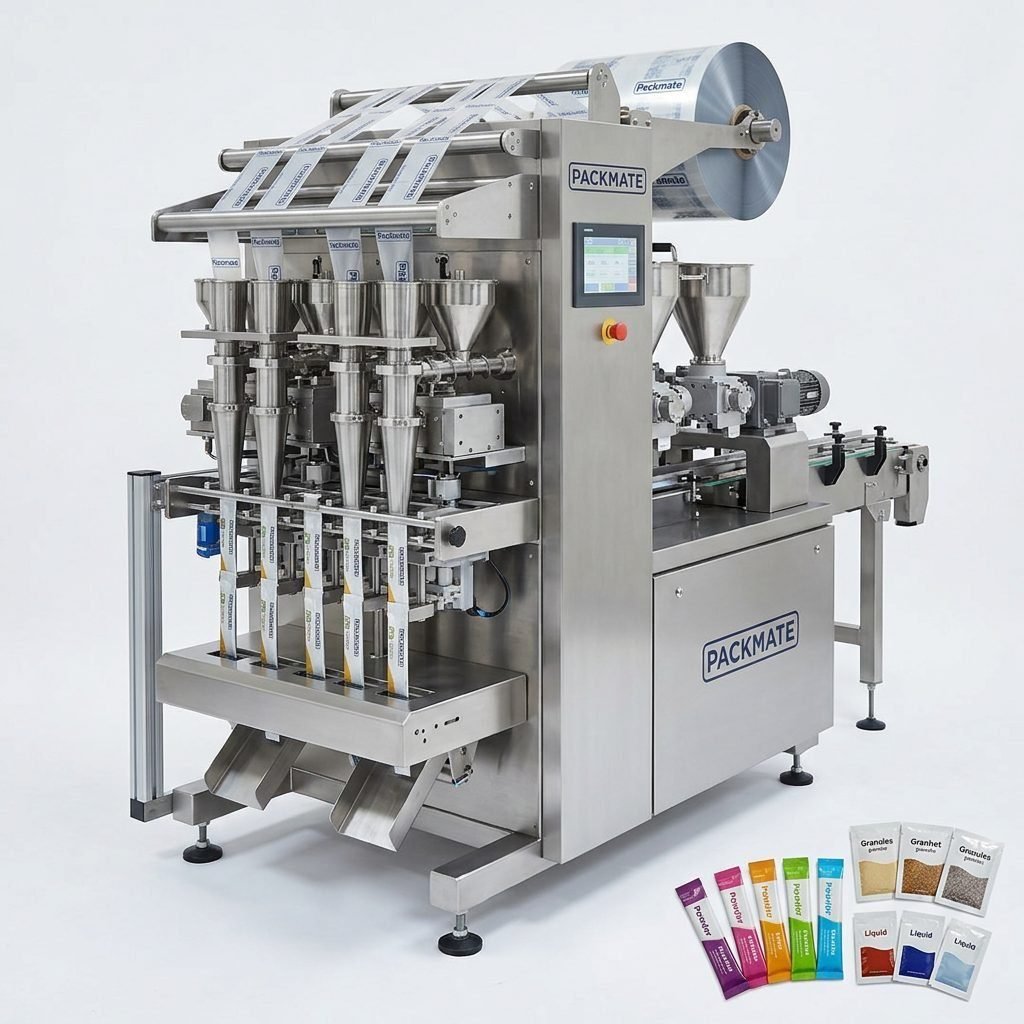
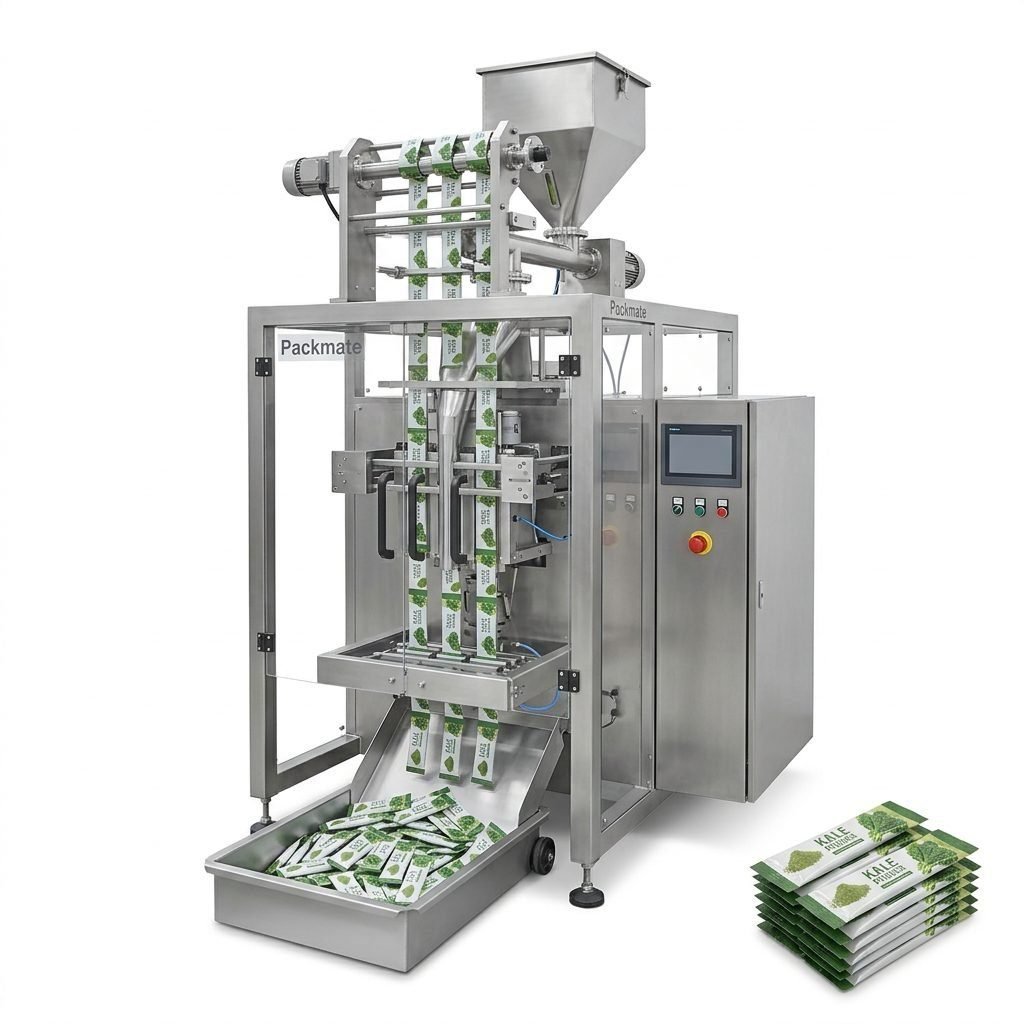
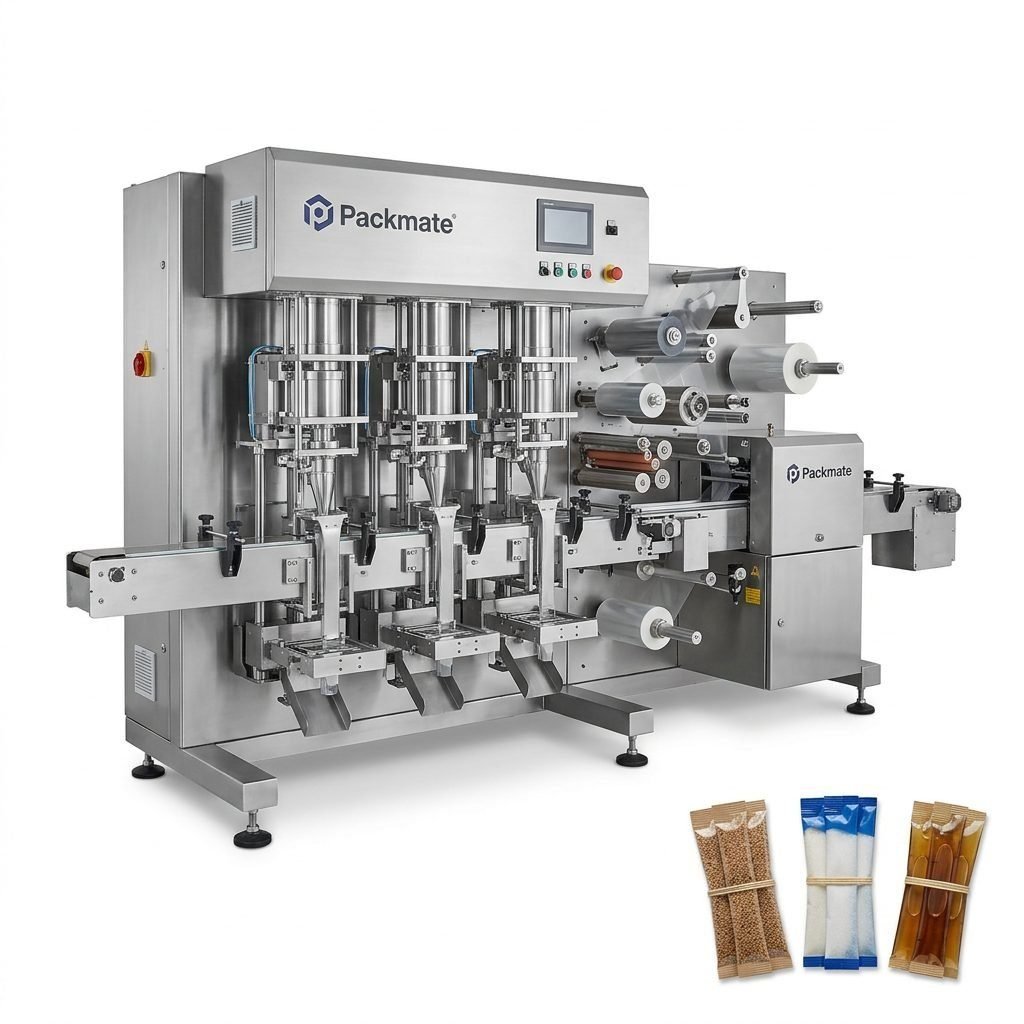
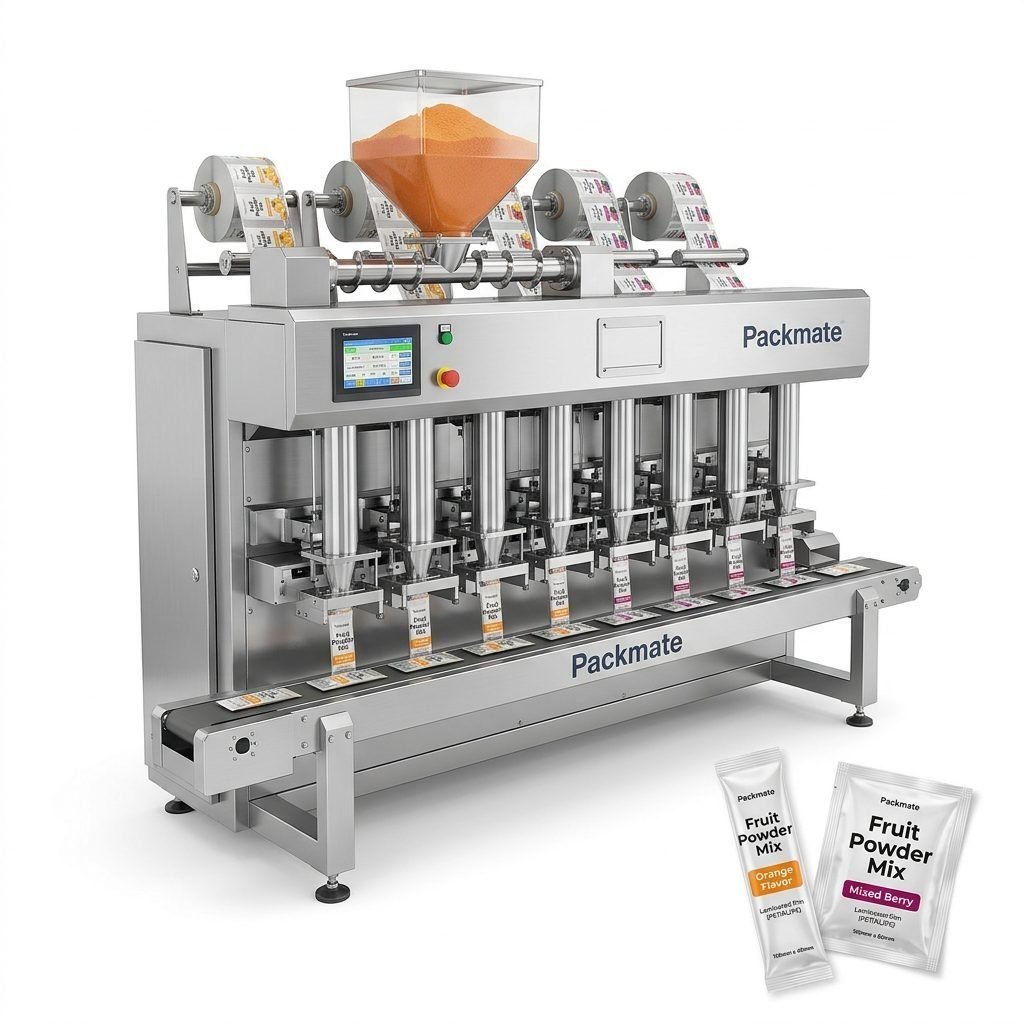
Why consider Packmate? For a medium-sized food processing plant in Bangui needing to package seasoning powders or instant beverage mixes into sachets, Packmate’s reliable, user-friendly machines with over 30 years of engineering refinement can be an excellent fit, offering good value and lower operational complexity.
PacklineOEM: Specialists in Integrated Lines
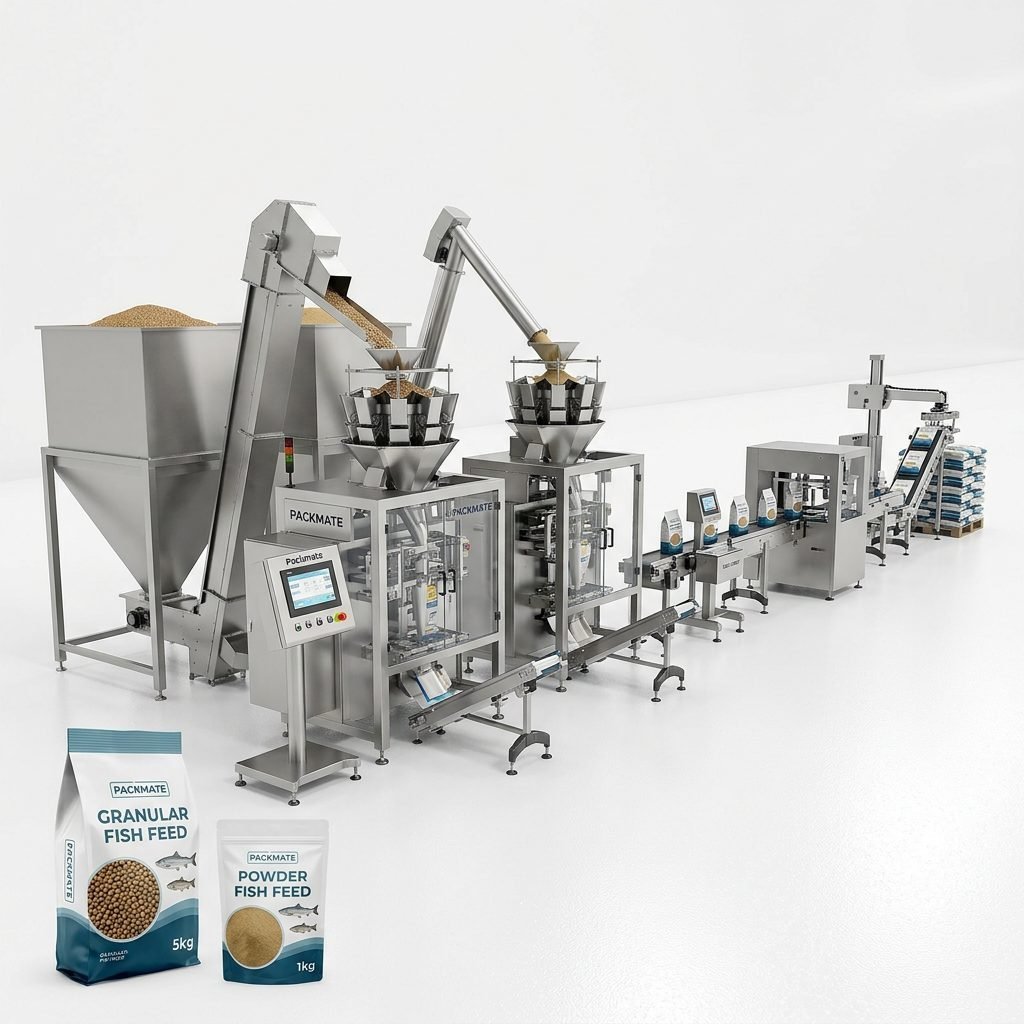
As the name suggests, PacklineOEM specializes in complete, integrated packaging production lines. This is beneficial for businesses planning a greenfield project or a major expansion where seamless coordination between different packaging stages is crucial.
PackingMachineOEM: Masters of Customization
If your product has unique characteristics—unusual viscosity, specific pouch shape, or delicate ingredients—PackingMachineOEM is structured to handle non-standard requests. Their focus on customized and OEM solutions makes them a flexible partner for niche applications.
SnusMachinery: Niche Expertise in Pouch Packaging
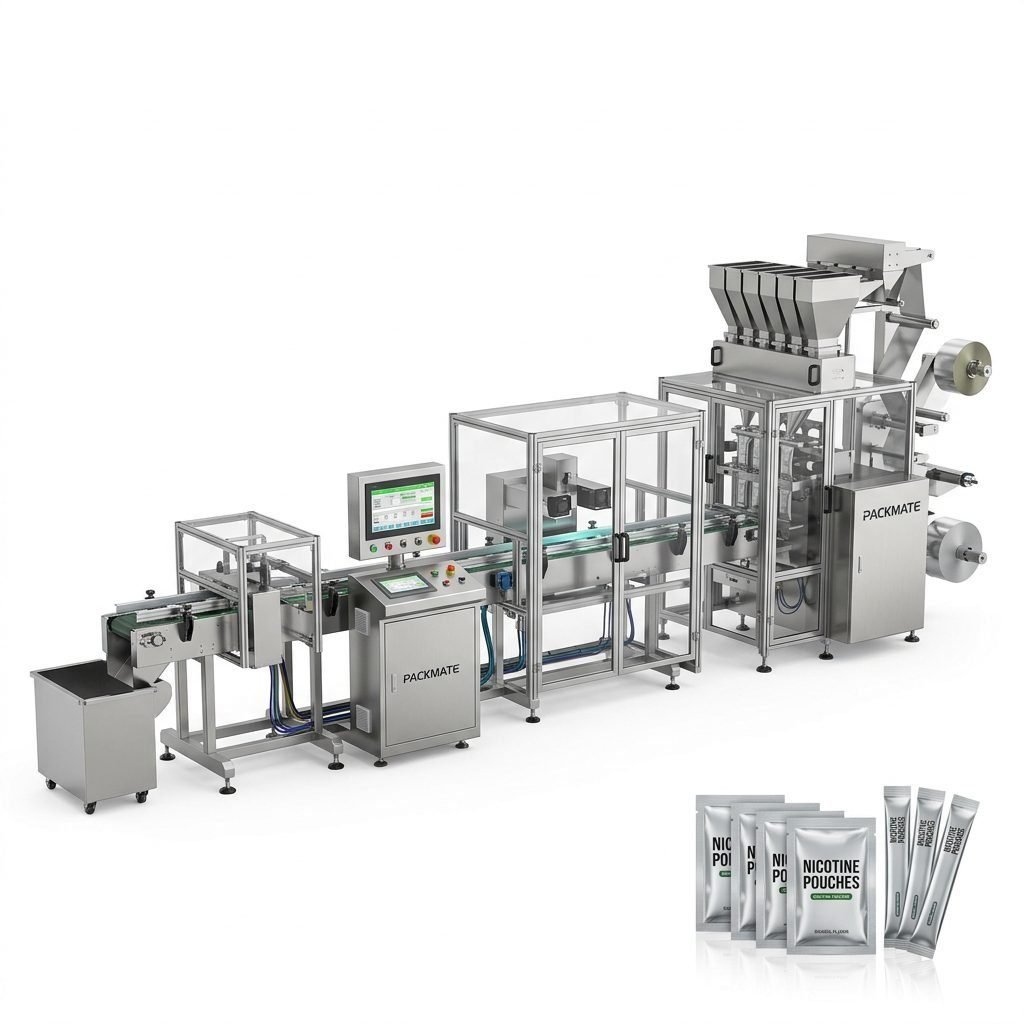
For businesses in the growing nicotine pouch sector or other specialized pouch applications, SnusMachinery offers targeted expertise. Their machines are engineered for high precision in dosing and sealing, which is critical for these products.
Final Steps Before Making a Decision
Once you have shortlisted 2-3 potential suppliers, take these final steps:
- Request a Detailed Quotation: Ensure it includes FOB price, shipping cost estimates, warranty terms, and a list of recommended spare parts.
- Ask for a Virtual Factory Tour: A live video call showing their production and assembly area can build confidence.
- Discuss Payment Terms: Standard terms like 30% T/T deposit and 70% before shipment are common. Ensure they are clear and secure.
- Clarify Commissioning: Determine if their engineer will travel for installation (visa arrangements are key) or if they provide detailed remote guidance.
Long-term Partnership: Choosing a packaging machine supplier is not a one-time transaction. It is the beginning of a long-term technical partnership. Select a company that demonstrates a commitment to supporting your growth and production continuity for years to come.
Frequently Asked Questions (FAQs)
Q1: What is the typical lead time for a packaging machine shipped to Central Africa?
Lead times vary based on machine complexity and customization. For standard models, expect 45-70 days for production, plus 30-50 days for sea freight to Central African ports. Customized or complete line projects may take 90-120 days.
Q2: How can I ensure the machine will work with our local electricity supply?
Reputable manufacturers will ask about your local voltage (e.g., 220V/380V, 50Hz) and phase requirements. You can also request machines with built-in voltage protection systems or order a compatible stabilizer separately. Always provide your exact plant electrical specifications during inquiry.
Q3: Are training and operational manuals provided?
Yes, professional suppliers provide comprehensive English or French operation and maintenance manuals, electrical diagrams, and parts lists. On-site training by their engineer during commissioning is standard. Some also offer video training modules.
Q4: What is the most common packaging format for dry goods in the region?
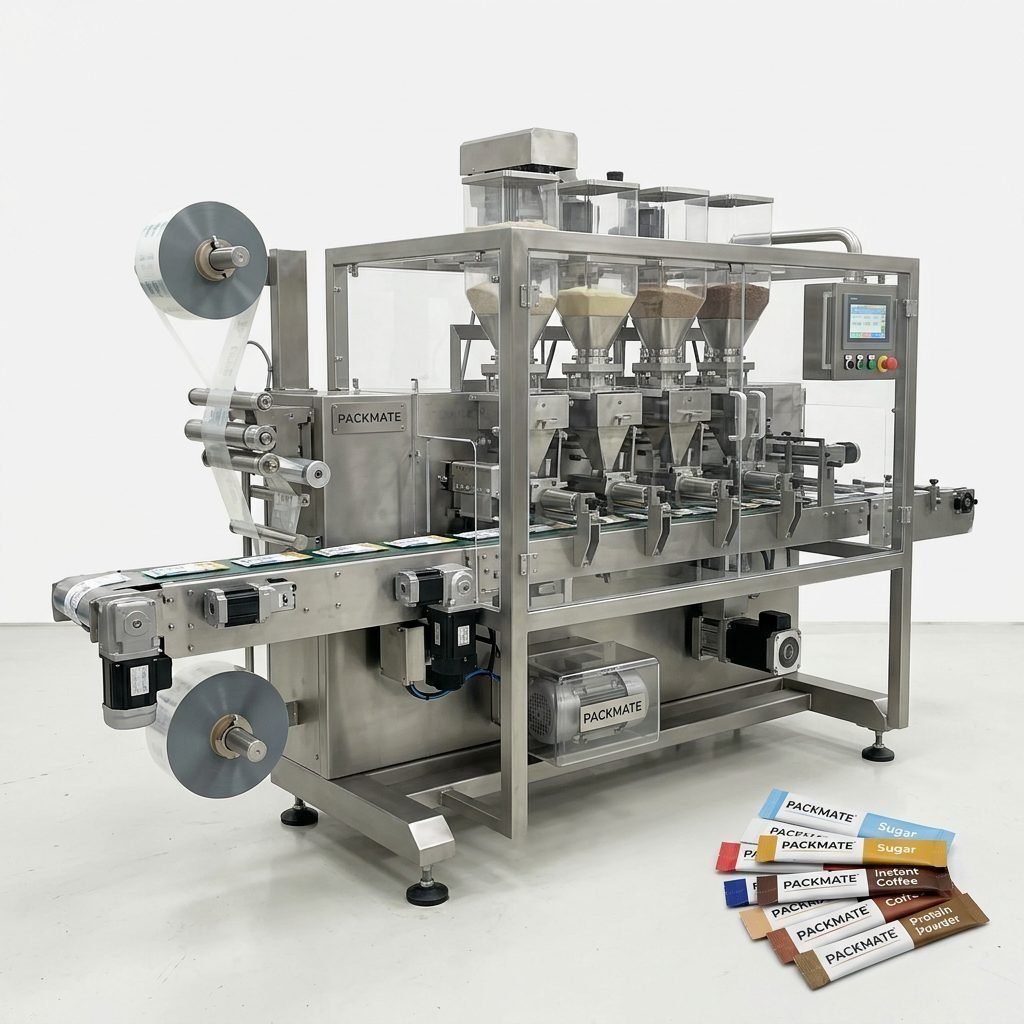
Stick packs and small sachets (3g to 50g) are extremely popular for single-serve portions of coffee, sugar, seasoning, and instant food mixes due to their low cost, convenience, and high visibility on shelves.
Q5: How do I handle customs clearance and taxes when importing the machine?
It is highly recommended to work with a licensed local clearing agent at the port of entry. Your supplier should provide all necessary export documents (Commercial Invoice, Packing List, Bill of Lading, Certificate of Origin). You or your agent will handle import duties and taxes based on CAR’s regulations for industrial machinery.