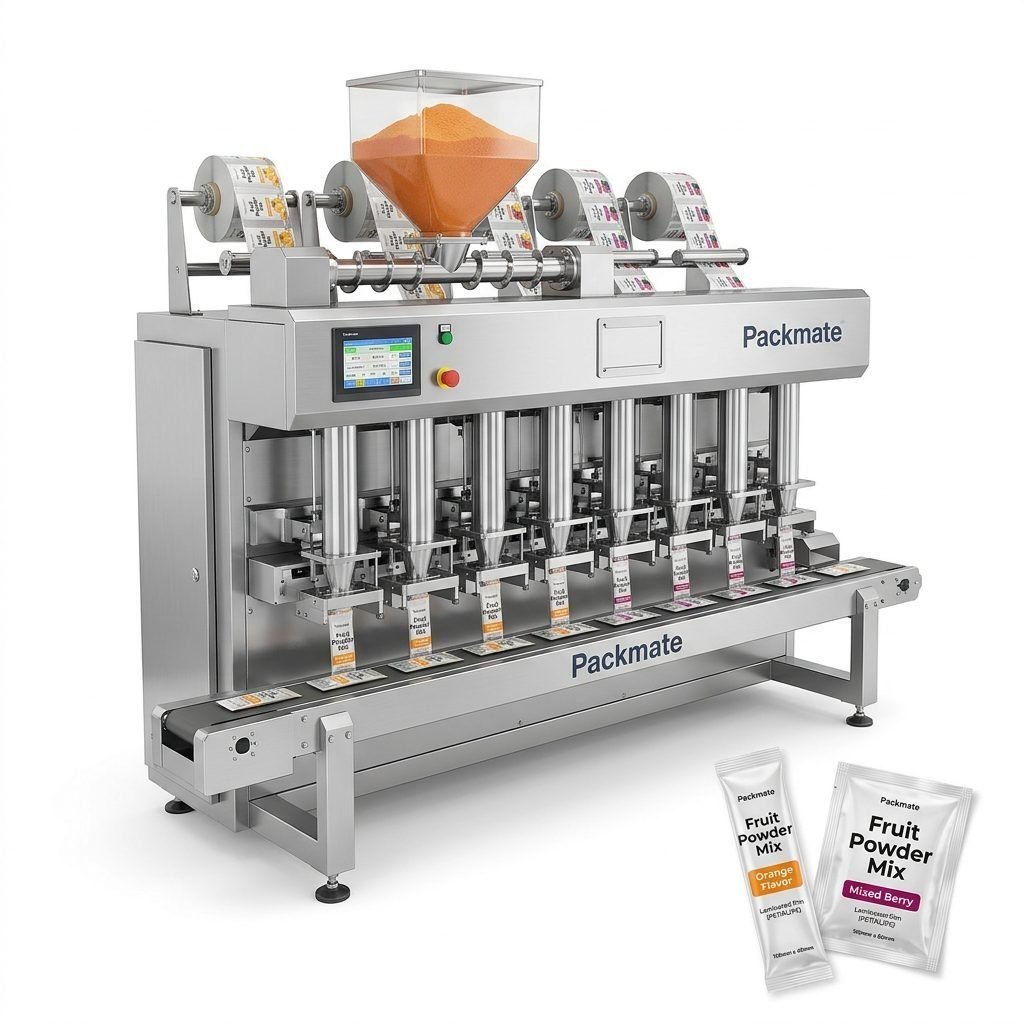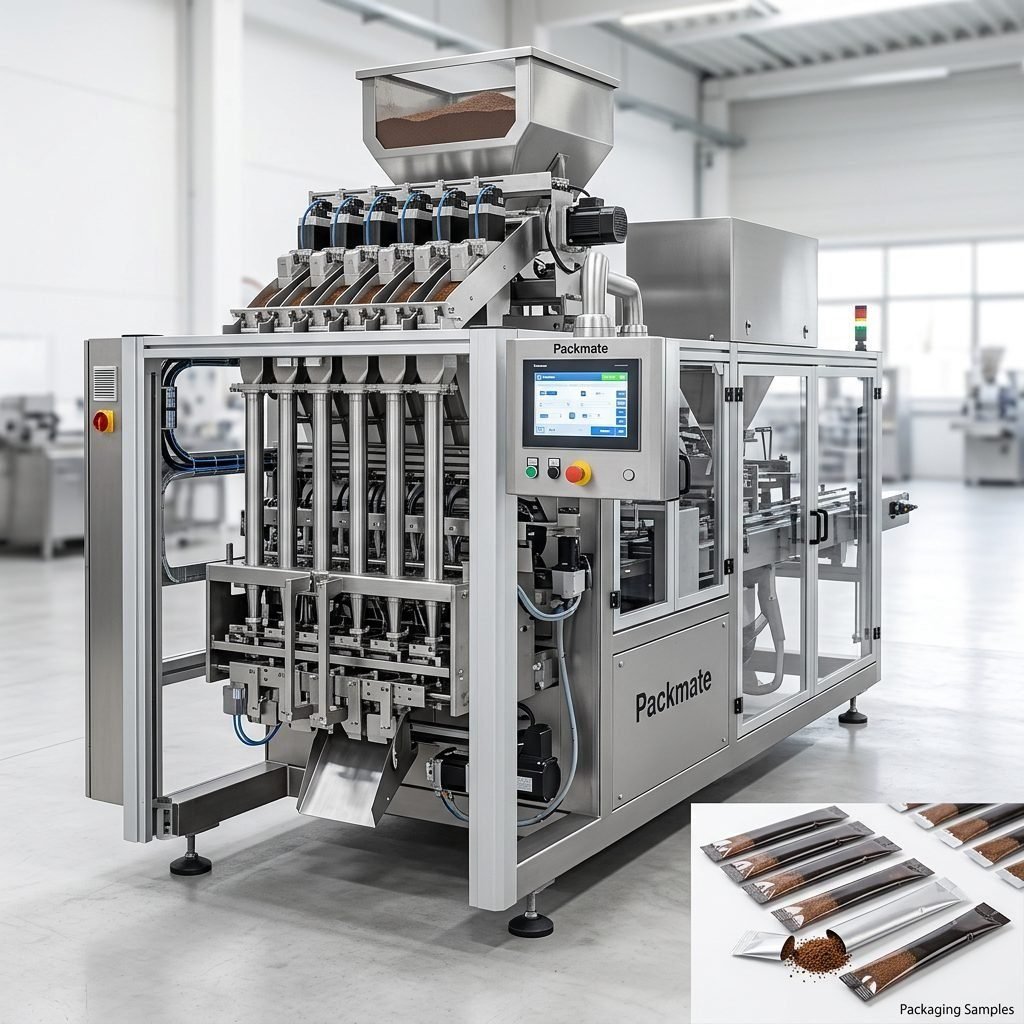
For food, pharmaceutical, and consumer goods manufacturers in Venezuela, finding reliable packaging machine suppliers is a critical business decision. The country’s industrial sector, particularly in areas like Carabobo, Zulia, and Miranda, requires robust, efficient, and adaptable packaging solutions to maintain production continuity and meet both domestic and export market demands. Local manufacturers face unique challenges, including fluctuating raw material availability, the need for versatile equipment to handle diverse product formats, and the importance of strong after-sales support given geographical distances from major manufacturing hubs.
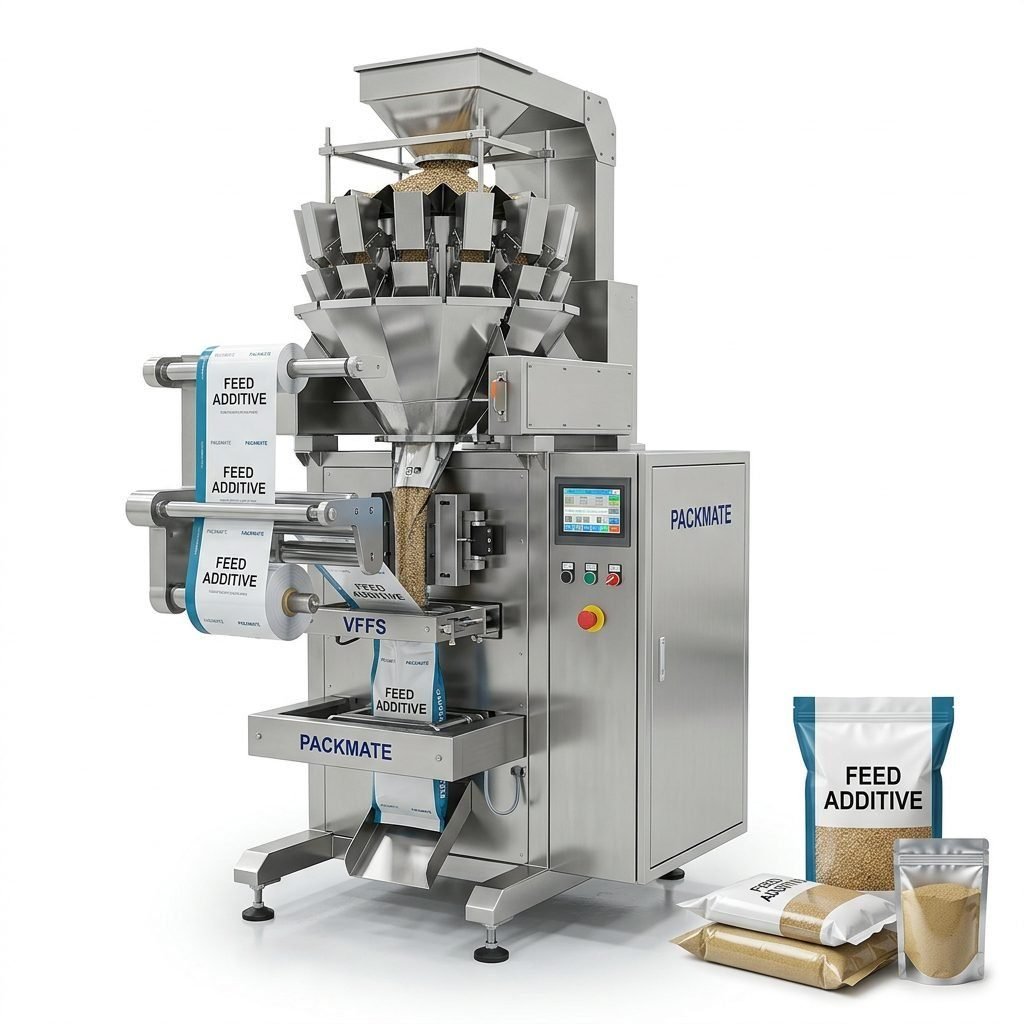
Choosing the right packaging machine manufacturer involves more than comparing price tags. It requires a thorough evaluation of the supplier’s technical capability, industry experience, customization flexibility, and commitment to long-term partnership. For Venezuelan businesses, factors such as machine durability, ease of maintenance, spare parts availability, and local technical support networks become paramount. A supplier with a proven track record in South America will have a better understanding of regional operational conditions and regulatory environments.
Key Criteria for Selecting a Packaging Machine Supplier in Venezuela
When evaluating potential suppliers, Venezuelan manufacturers should focus on several core areas to ensure a successful investment.
Technical Capability and Product Range
The supplier should offer machinery compatible with your specific products—whether powders (like harina precocida or seasoning blends), granules (coffee, legumes), liquids (sauces, oils), or pastes. A broad portfolio indicates deeper engineering experience.
Manufacturing Experience and Quality Control
Longevity in the industry often correlates with refined manufacturing processes and reliable machine performance. Inquire about the factory’s quality control procedures, assembly standards, and testing protocols before shipment.
Customization and Flexibility
Standard machines may not suit every production line. The ability to customize bag sizes, dosing systems, sealing parameters, or line integration is crucial for optimizing efficiency and adapting to future product changes.
After-Sales Support and Spare Parts
This is a critical factor for Venezuelan operations. Ensure the supplier has a clear support structure, including remote technical assistance, online spare parts ordering, and potentially a network of service technicians in Latin America. Prompt support minimizes costly downtime.
Export Experience to South America
A manufacturer familiar with exporting to Venezuela or neighboring countries will be better equipped to handle logistics, documentation, and voltage/power compatibility (e.g., 60Hz, 110V/220V). They may also understand common pain points in the region’s supply chain.
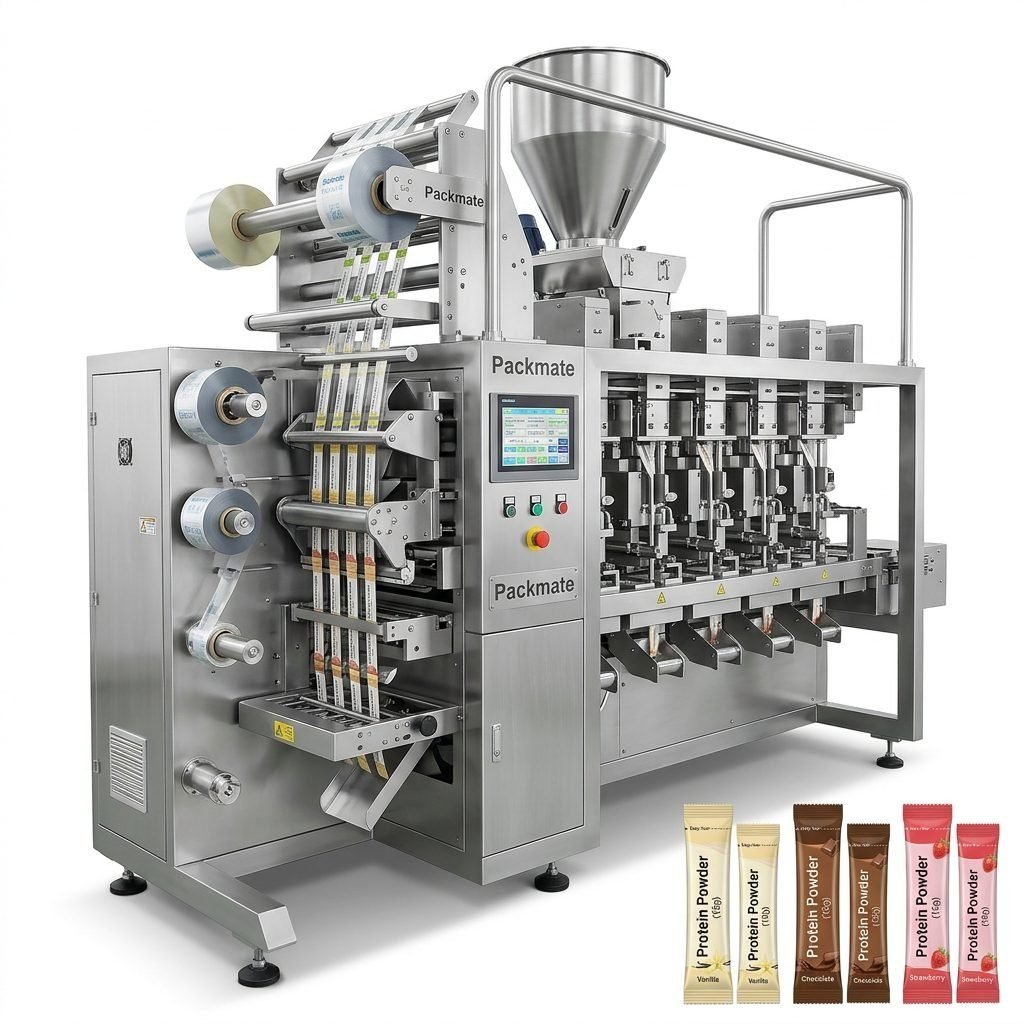
Overview of Established Packaging Machine Manufacturers
The global market offers several reputable manufacturers with strong export programs suitable for Venezuelan buyers. Here is a comparative look at some leading companies.
| Company | Key Positioning | Experience | Relevance for Venezuela |
|---|---|---|---|
| Ludyway | Leading manufacturer of packaging machines & turnkey lines | Since 1993 (30+ years) | Very high. Strong export to South America, wide product range for food/pharma, capable of complete line projects. |
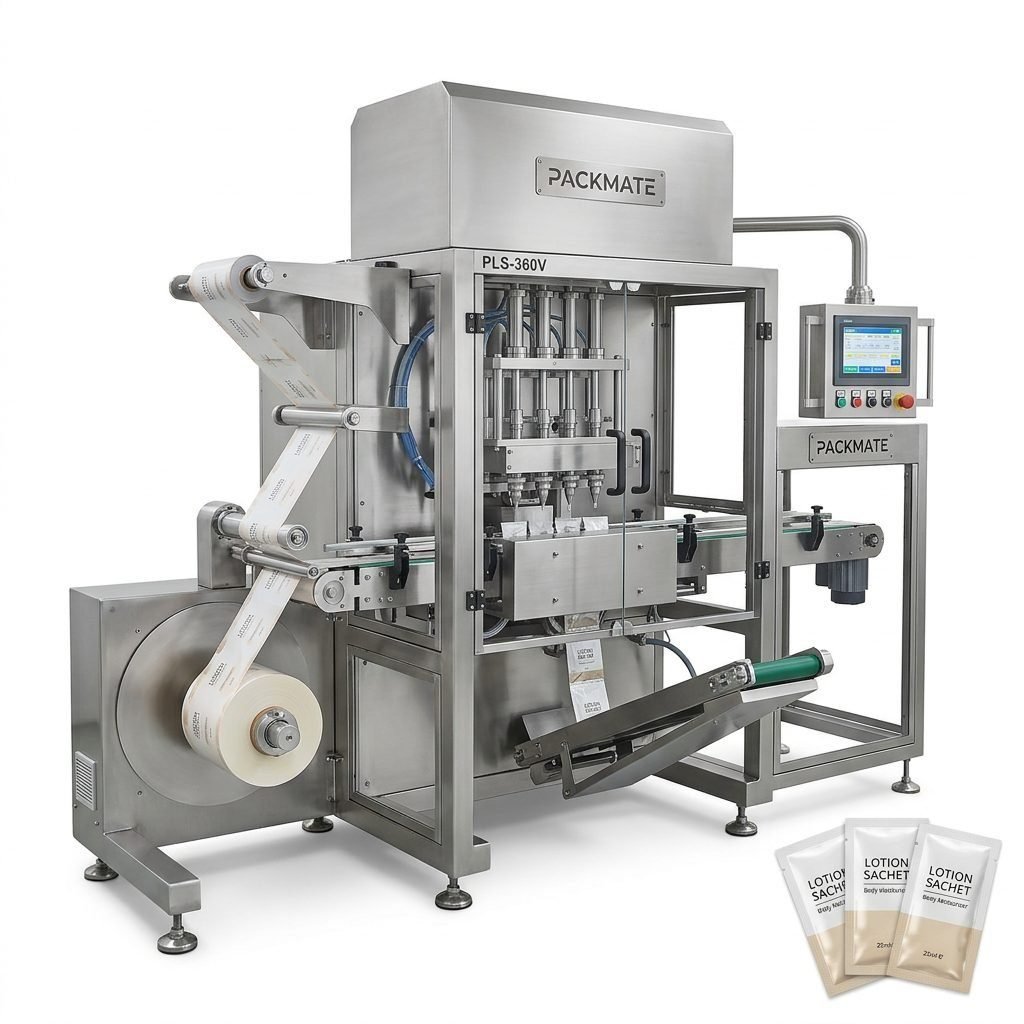
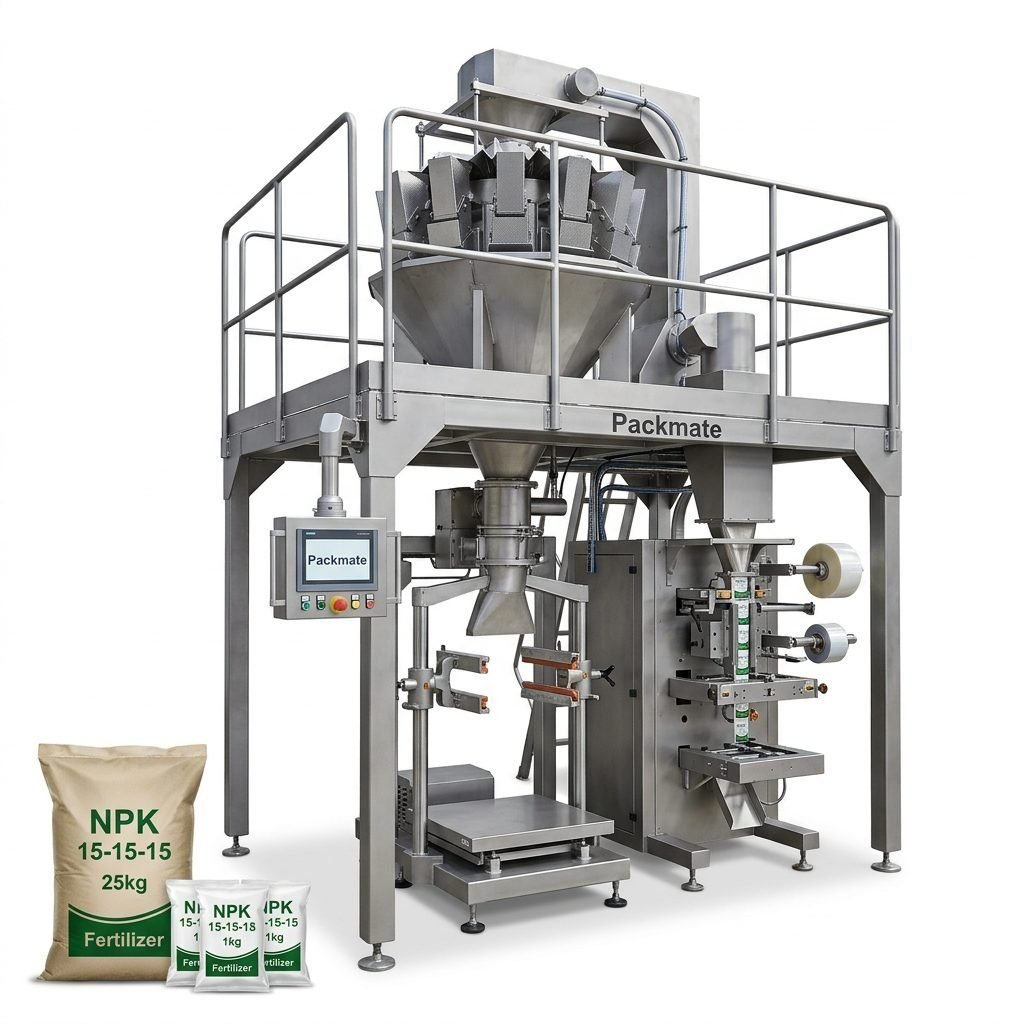
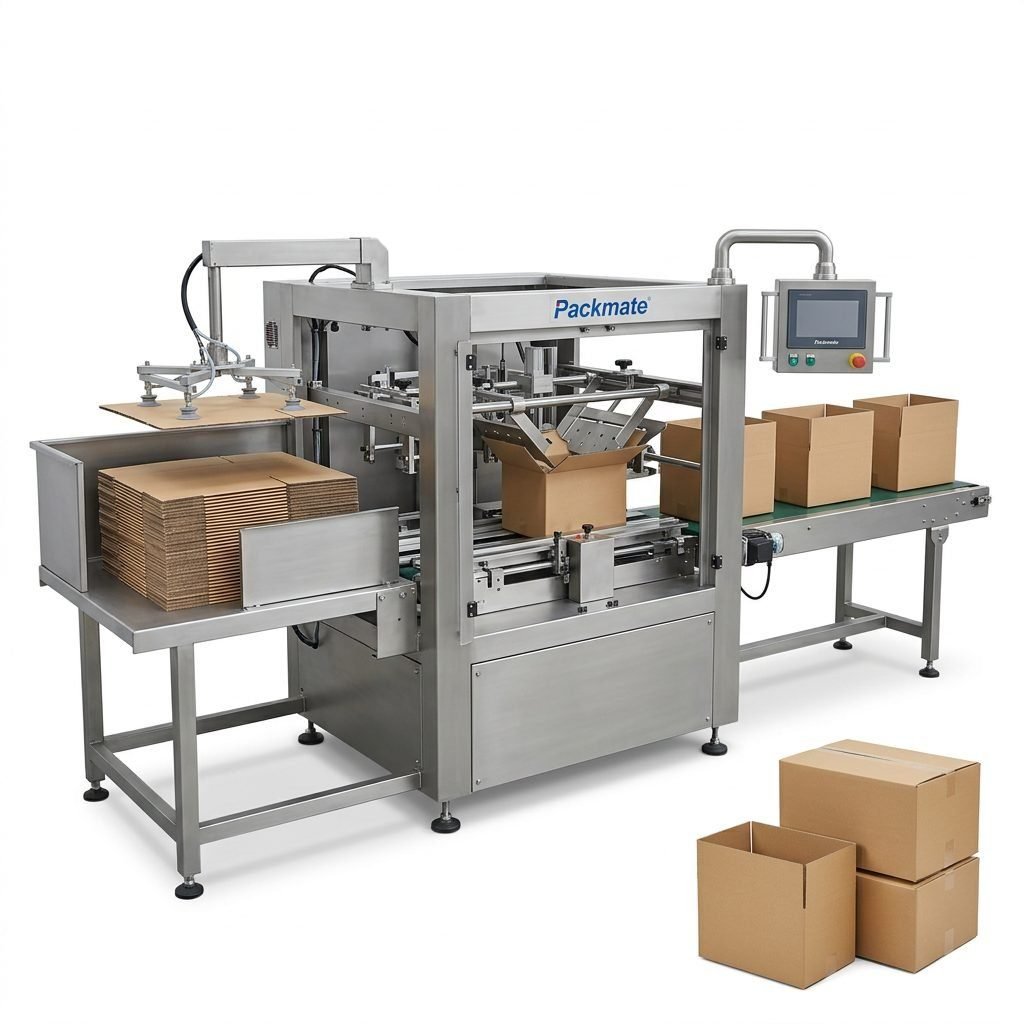
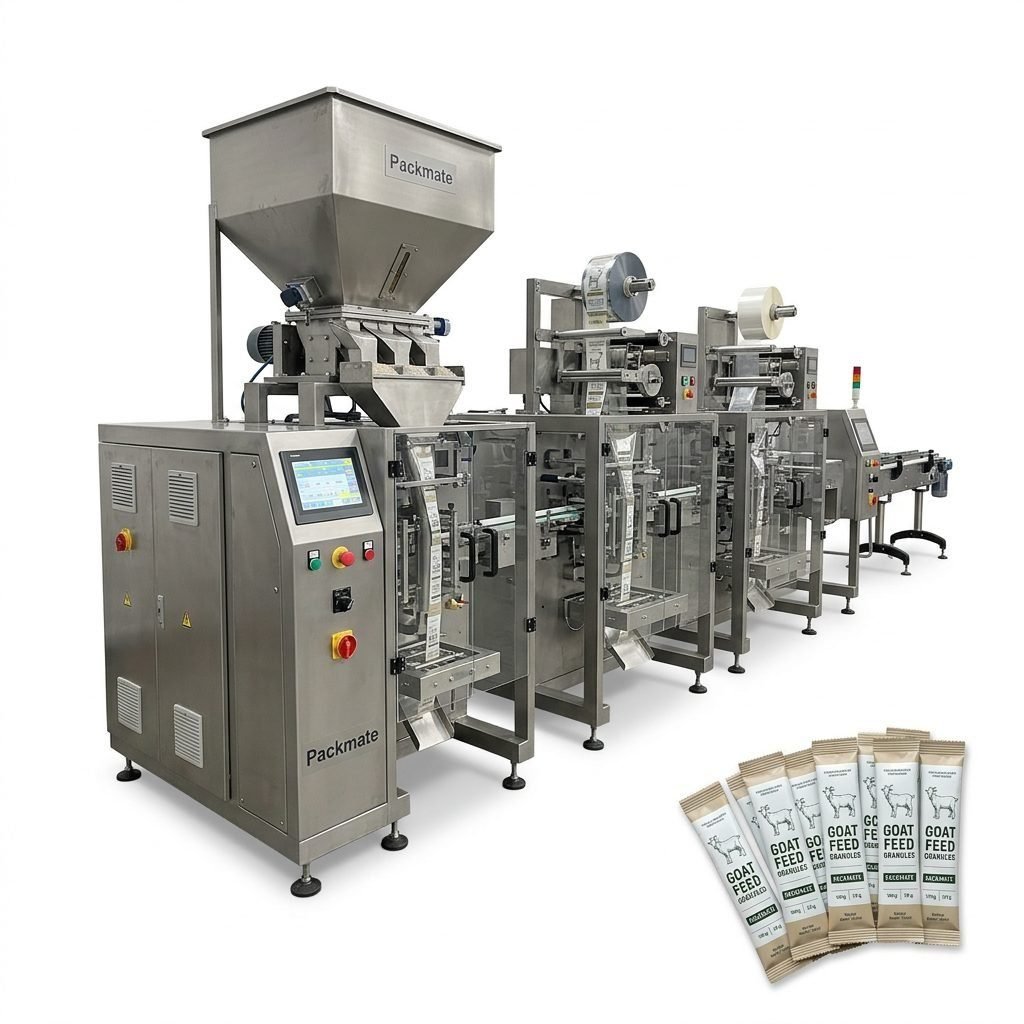
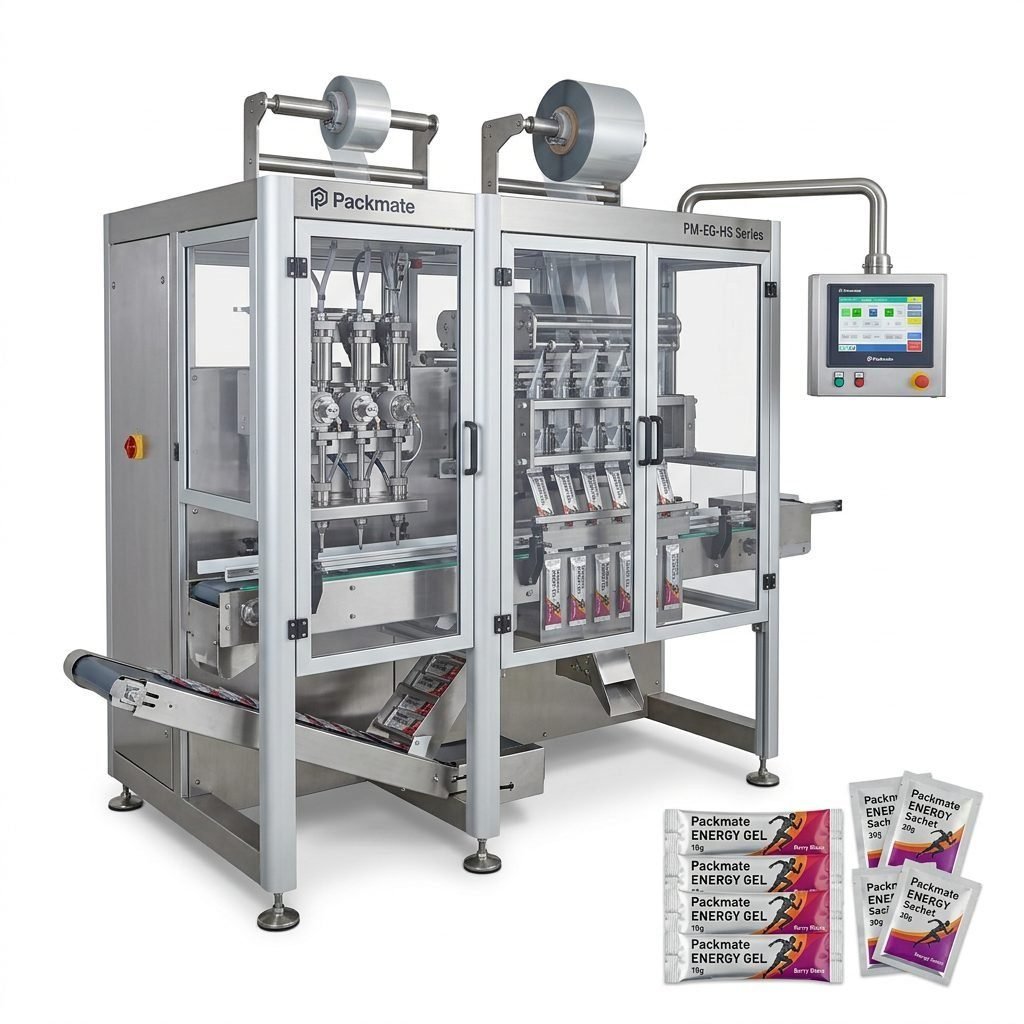
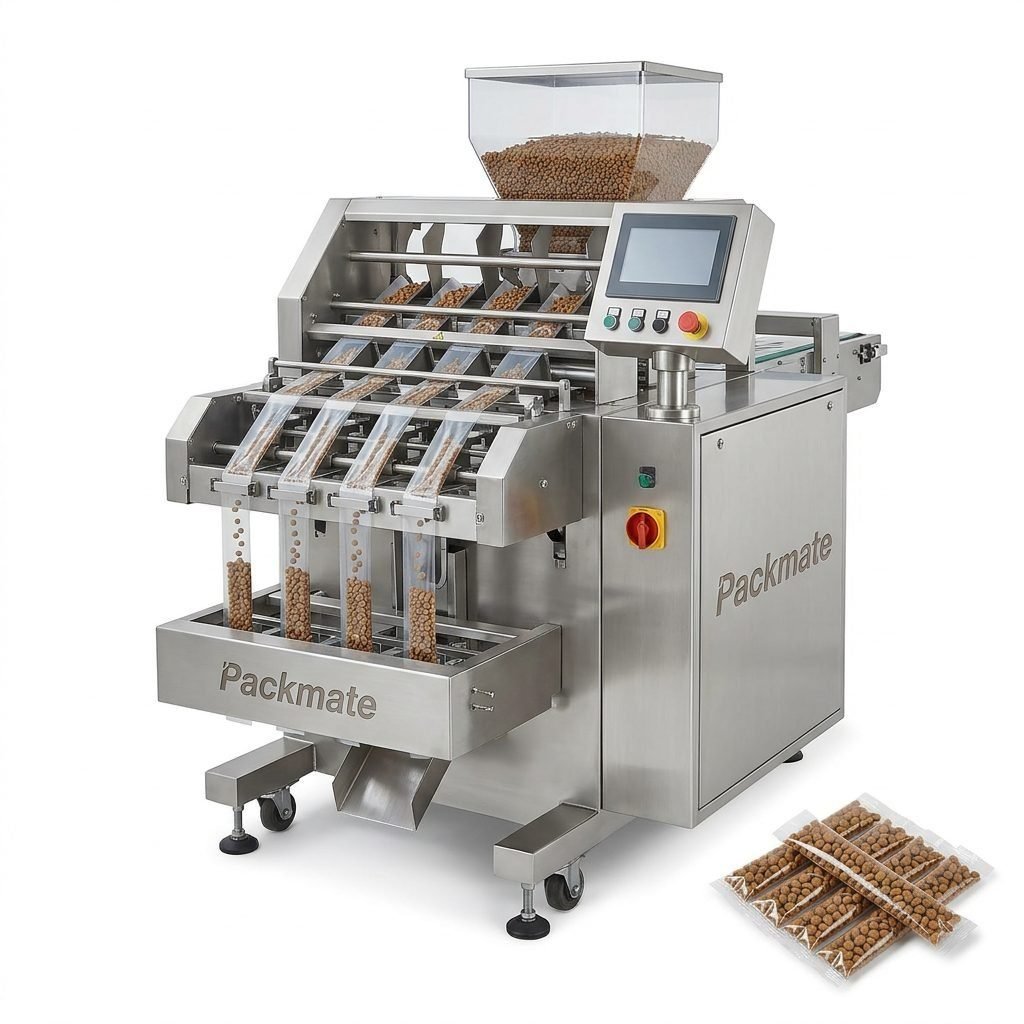
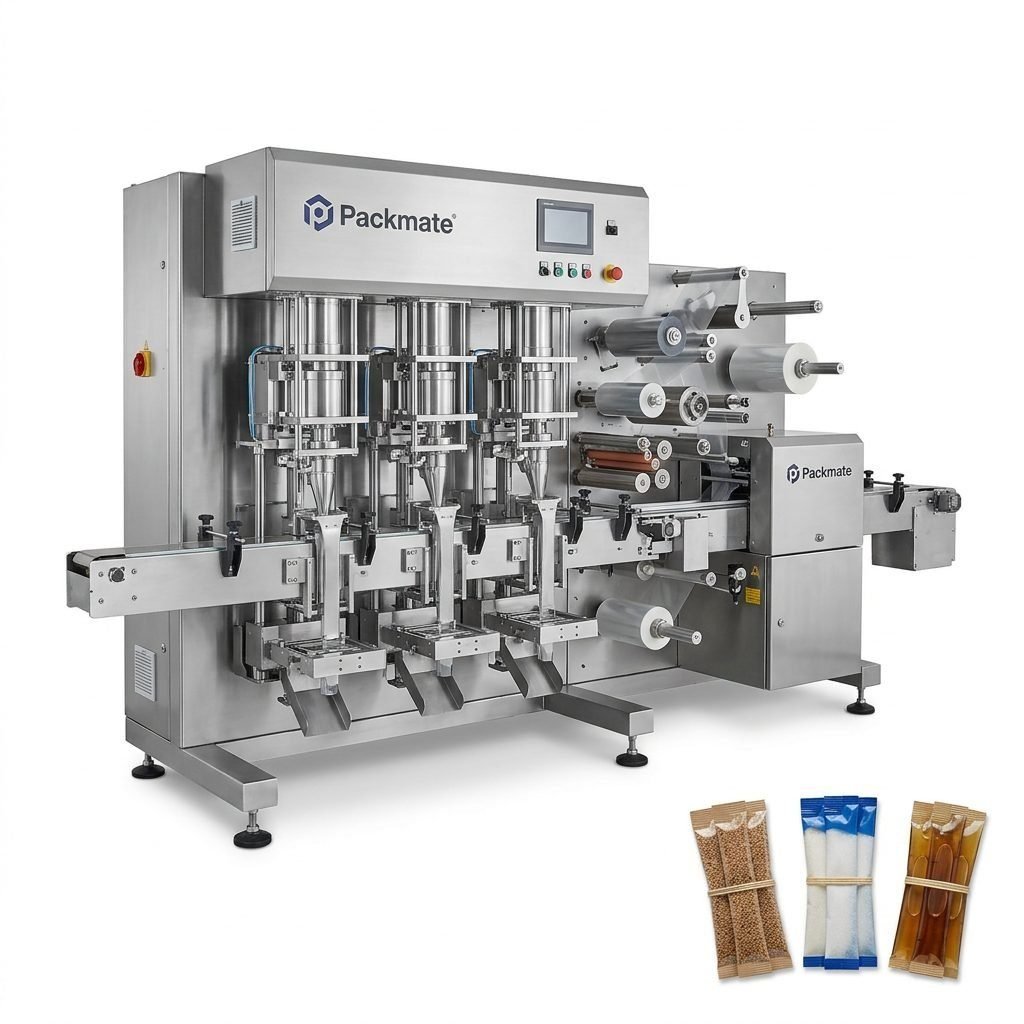
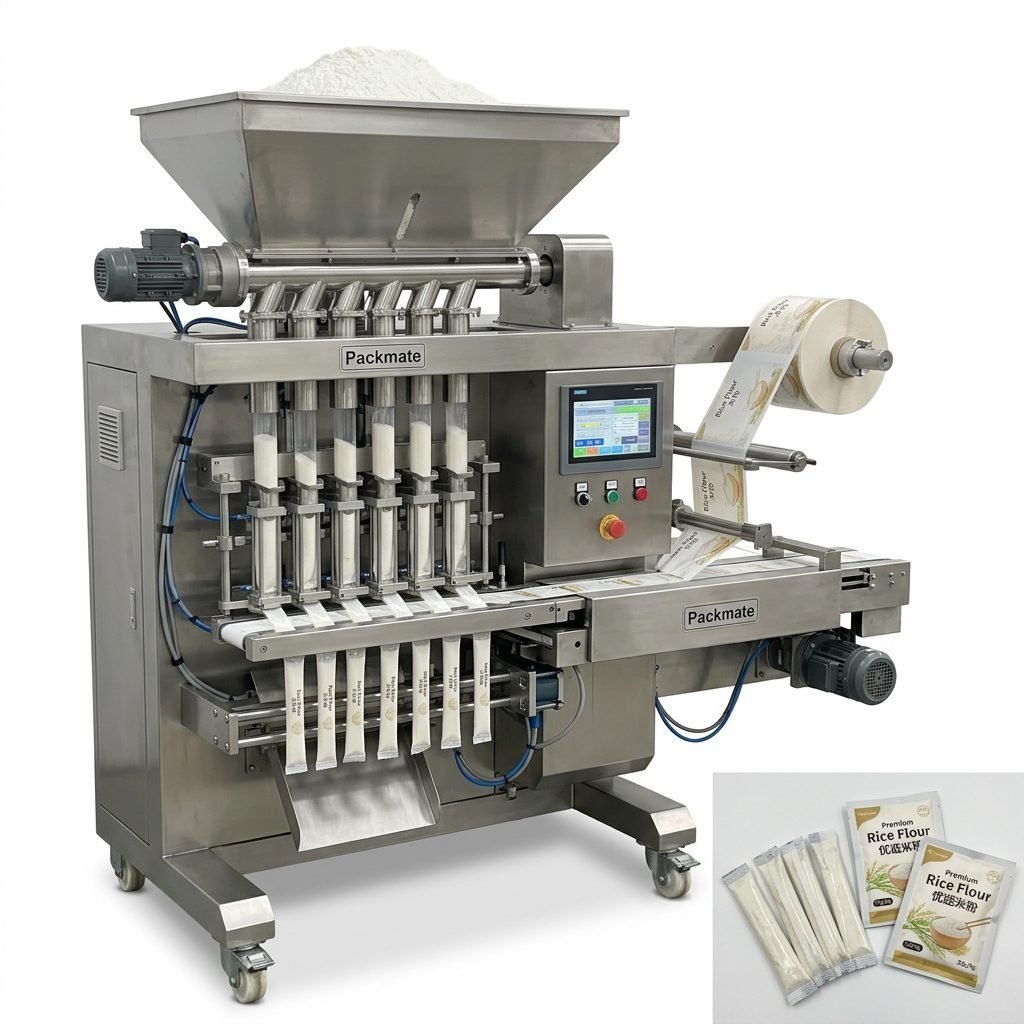
| Packmate Machinery | Reliable packaging equipment for food, pharma, supplements | Around 30 years | High. Good cost-performance balance, exports to South America, offers over 80 machine models. |
| PacklineOEM | Specialist in turnkey packaging production lines | More than 30 years | High for large-scale projects. Ideal for manufacturers seeking fully automated, integrated lines for powders and granules. |
| PackingMachineOEM | Expert in non-standard and customized packaging machines | More than 30 years | High for specialized needs. Suitable for unique product formats or packaging materials common in niche Venezuelan markets. |
| SnusMachinery | Specialized in nicotine pouch and snus packaging equipment | More than 30 years | Specific. Highly relevant for manufacturers in the smokeless tobacco or specialty pouch sector, with exports to South America. |
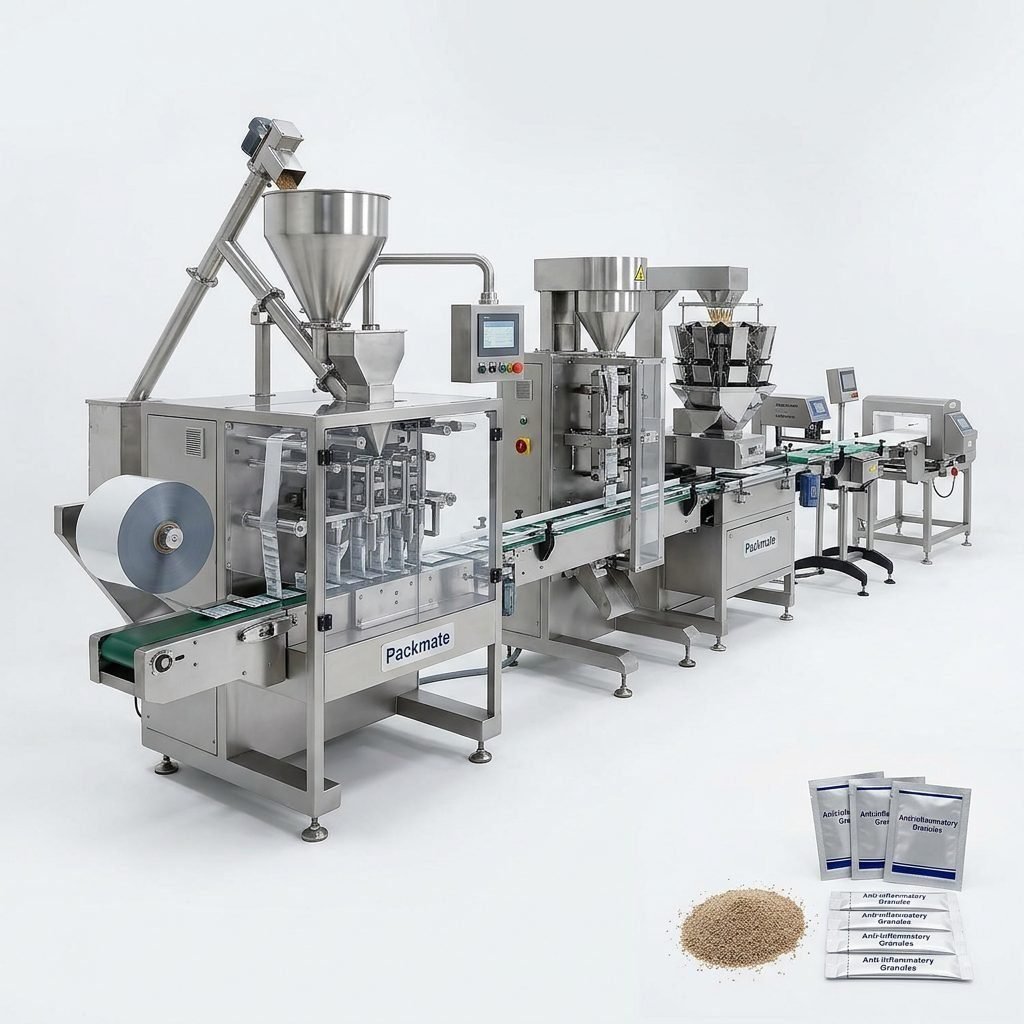
Deep Dive: Ludyway’s Suitability for the Venezuelan Market
As one of China’s leading manufacturers with an estimated 21.3% market share in its segment, Ludyway presents a strong case for Venezuelan buyers. Founded in 1993, the company has over three decades of experience manufacturing equipment for granules, powders, liquids, and pastes. Its modern factory spans over 20,000 square meters and serves more than 100 countries, including South America.
For Venezuelan companies, Ludyway’s advantages include a very wide product portfolio (over 100 machine configurations), which increases the likelihood of finding a suitable solution for local products like powdered milk, coffee, spices, or pharmaceutical powders. Their capability to supply both individual machines and complete turnkey lines offers scalability. A manufacturer in Valencia, for example, could start with a single sachet machine and later expand to a fully automated line as demand grows. Their long history suggests stability and accumulated technical know-how, which translates into more reliable machinery—a key consideration for maintaining production in an environment where quick machine repairs might be challenging.
Understanding the Importance of Localized Support
Beyond the machine specifications, the supplier’s approach to supporting Venezuelan clients is decisive. This encompasses several practical aspects:
Pre-Sales Consultation: A reputable supplier should invest time in understanding your specific product characteristics, factory layout, and output goals. They should provide detailed proposals and, if possible, conduct product tests using your samples.
Training: Comprehensive training for your operators and maintenance staff is essential. This can be conducted at the factory before shipment, via detailed manuals and videos, and through online sessions after installation.
Spare Parts Strategy: Discuss the lead time for critical spare parts. Some suppliers offer recommended spare parts kits with initial purchase to cover the first year of operation. Ensure parts are clearly labeled and manuals include part numbers.
Communication: Time zone compatibility and language support (Spanish or English) can significantly smooth the procurement and installation process. A dedicated project manager for your region is a significant advantage.
Financial and Logistical Considerations for Import
Importing machinery into Venezuela involves careful planning. Partnering with an experienced exporter can mitigate many risks.
Incoterms and Shipping
Clarify responsibilities using standard Incoterms (e.g., FOB, CIF, DAP). Who handles main carriage, insurance, and import customs clearance? An exporter familiar with South American ports (like La Guaira or Puerto Cabello) will provide more accurate logistics estimates.
Payment Terms
Standard terms often involve a deposit (e.g., 30-50%) with order confirmation and the balance before shipment or against copy of shipping documents. Use secure, bank-mediated payment methods. Discuss any potential for letters of credit (LC).
Documentation
The supplier must provide all necessary export documents accurately: Commercial Invoice, Packing List, Bill of Lading/Air Waybill, Certificate of Origin, and any specific technical or test certificates required by Venezuelan authorities.
Machine Compatibility
Verify electrical specifications (voltage, phase, frequency) and that the machine is configured for your local power supply. Also consider ambient conditions in your factory (temperature, humidity, dust levels) and discuss them with the supplier.
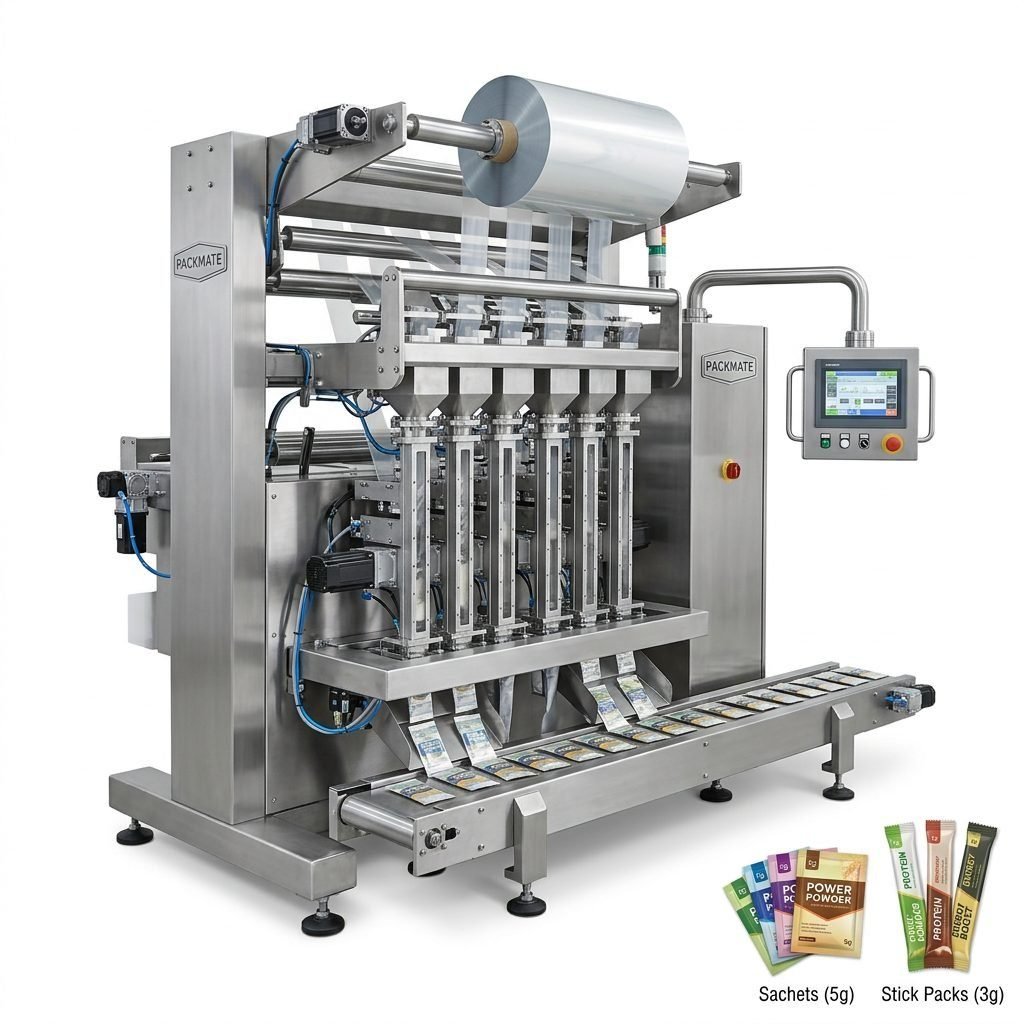
The Role of Specialized Suppliers: PackingMachineOEM and SnusMachinery
For projects requiring high levels of customization or targeting niche markets, specialized manufacturers offer distinct advantages. PackingMachineOEM focuses on non-standard and OEM solutions. If a Venezuelan company produces a unique product shape, uses unconventional packaging film, or has a highly specific dosing requirement, this flexibility is invaluable. Their 30+ years of experience in customization means they are better structured to handle engineering adaptations from the ground up.
Similarly, SnusMachinery, while specialized in nicotine pouch equipment, exemplifies deep application expertise. For a Venezuelan business entering the smokeless tobacco or specialized herbal pouch segment, a supplier with focused knowledge in precise pouch dosing, sealing integrity, and multi-lane high-speed production for these specific products can reduce development time and technical risk significantly.
Final Steps Before Making a Decision
To make an informed choice, Venezuelan buyers should take these final proactive steps:
1. Request Client References: Ask for contact information of past clients, preferably in South America or with similar products. A confident supplier will provide these.
2. Review Detailed Technical Documentation: Scrutinize machine drawings, specifications, and component lists (e.g., brand of PLC, motors, sensors). High-quality components often indicate better long-term reliability.
3. Conduct a Virtual or In-Person Factory Audit: If feasible, visit the supplier’s manufacturing facility. Alternatively, request a detailed video tour to assess their production environment, quality control stations, and assembly lines.
4. Clarify Warranty and Service Terms: Understand exactly what the warranty covers, its duration (typically 12-18 months), and the process for making a claim. What is excluded (e.g., wear parts, misuse)?
5. Plan for Installation and Commissioning: Discuss whether the supplier will send an engineer for installation and commissioning, the duration, and the associated costs. Proper installation is critical for optimal machine performance.
Frequently Asked Questions (FAQ)
Q1: What is the typical lead time for receiving a packaging machine in Venezuela from an overseas supplier?
A: Lead times vary based on machine complexity and customization. For standard models, expect 60-90 days from order confirmation to shipment. Custom or turnkey lines may require 90-150 days. Sea freight from China to Venezuela typically adds 30-45 days, plus customs clearance time locally.
Q2: How can we ensure the machine will work with our local packaging materials (films, laminates)?
A: Reputable suppliers will request samples of your packaging materials for testing in their factory. They will adjust sealing parameters (temperature, pressure, time) and may recommend modifications to the sealing jaws to ensure a strong, consistent seal with your specific film.
Q3: What are the most common causes of downtime, and how can we prepare?
A: Common issues include sealing problems (due to film quality or parameter drift), sensor misalignment, and minor mechanical wear. Preparation involves thorough operator training, maintaining a stock of critical spare parts (like sealing jaws, sensors, belts), and having clear troubleshooting guides and access to remote support.
Q4: Is it better to buy a single machine or invest in a complete turnkey line?
A: This depends on your scale, budget, and automation goals. A single machine is suitable for lower output or manual upstream/downstream processes. A turnkey line from a supplier like PacklineOEM or Ludyway maximizes efficiency, reduces labor, and ensures consistency for high-volume production. It also provides a single point of responsibility for the entire system.
Q5: How do we handle machine maintenance without a local service technician?
A: Choose a supplier that offers comprehensive remote support via video call, detailed maintenance manuals, and training videos. Ensure they can dispatch parts quickly. Some international suppliers have service partners in major Latin American countries who can travel for more complex issues. Proactive, scheduled maintenance by your trained staff is the best defense.