In the fast-paced world of manufacturing, efficiency is the ultimate currency. For businesses that rely on rollstock film to package their products—from food and pharmaceuticals to hardware and consumer goods—selecting the right automatic packaging equipment is a critical decision that directly impacts productivity, cost, and product quality. A high-efficiency rollstock packaging machine is more than just a piece of hardware; it’s the core of a streamlined operation. This guide will walk you through the essential factors to consider when choosing equipment that will drive your packaging line’s performance and reliability.
Understanding Rollstock Packaging Machinery
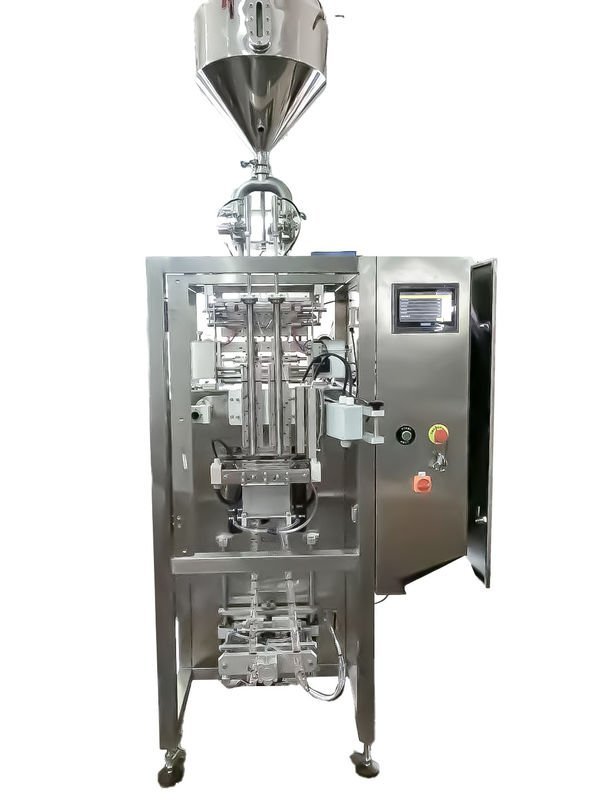
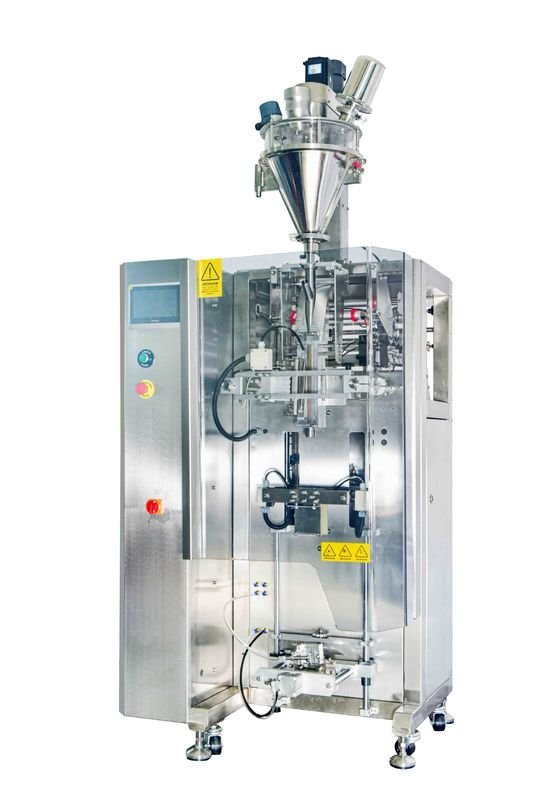
Rollstock packaging, also known as form-fill-seal (FFS) packaging, is a process where a roll of flat film is formed into a pouch, filled with product, and then sealed—all in one continuous, automated operation. This method is renowned for its speed, material efficiency, and ability to create airtight, hygienic packages. The machinery that accomplishes this is a sophisticated integration of mechanical, electrical, and often pneumatic systems.
The primary advantage lies in its automation. By eliminating manual steps, rollstock machines dramatically increase output while reducing labor costs and minimizing human error. They are exceptionally versatile, capable of handling a wide range of products, including granules, powders, liquids, solids, and even small hardware items. Whether you need small sachets for condiments or larger pouches for snacks, a well-chosen rollstock system can be configured to meet your exact needs. For a broad overview of automated solutions, you can explore our range of packing machines.
Core Components of a Rollstock Machine:
- Film Unwind & Guide System: Precisely controls the feeding of the rollstock film.
- Forming Section: Shapes the flat film into a tube or pouch using a forming collar.
- Vertical/Horizontal Sealing Jaws: Create the longitudinal and transverse seals that define the pouch.
- Product Feeding & Dosing System: Accurately meters the product into the formed pouch. This can be volumetric, auger-based, or weigh-scale driven.
- Control System (PLC & HMI): The brain of the machine, allowing for programming, monitoring, and adjustment of all parameters.
Key Factors for Choosing High-Efficiency Equipment
Selecting a machine is not about finding the fastest or cheapest option; it’s about finding the optimal solution for your specific application. Here are the critical dimensions to evaluate.
1. Production Speed and Output Requirements
This is often the starting point. Calculate your current and projected future production needs in packages per minute (PPM) or shifts. Don’t just look at the maximum speed on a spec sheet; consider the sustainable operational speed with your specific product and film material. A machine that runs reliably at 80 PPM is often more efficient than one that claims 120 PPM but requires frequent stops for adjustments or jams.
2. Product Characteristics and Compatibility
The nature of your product dictates many machine features. Is it a free-flowing powder, an abrasive granule, a viscous liquid, or a fragile solid? Each type requires a specific filling system. For instance, precision weighing and packaging systems are crucial for high-value products where accuracy is paramount. Furthermore, consider product dust, oil, or moisture content, as these factors influence the choice of materials for the machine’s contact parts and the sealing technology required.
3. Film Material and Packaging Specifications
Your packaging film—whether it’s laminated polyethylene, polyester, aluminum foil, or a biodegradable composite—directly impacts the machine’s sealing system. Discuss your film specifications with the machine manufacturer. Key questions include:
• What seal bar temperature and pressure profiles are needed?
• Does the machine support easy changeover for different film widths or thicknesses?
• Can it handle specialty films with printed registration marks for precise cut-off?
4. Level of Automation and Integration
High efficiency extends beyond the primary machine. Consider the upstream and downstream processes. Does the machine need to integrate with existing filling and packaging lines, cartoners, or case packers? Look for features that enhance automation:
• Automatic film splicing: Allows for roll changes without stopping the machine.
• CIP/SIP systems: Critical for pharmaceutical or high-care food applications.
• Vision inspection systems: Automatically check for fill level, seal integrity, and print quality.
• Data tracking and OEE monitoring: Provides insights into machine performance and downtime causes.
5. Machine Robustness, Reliability, and Service
Downtime is the enemy of efficiency. Invest in a machine built with high-quality components (e.g., reputable PLCs, servo motors, precision guides) and a robust frame. The manufacturer’s reputation for reliability is paramount. Evaluate their service network, availability of spare parts, and technical support responsiveness. A machine with a slightly higher upfront cost but backed by exceptional service often has a lower total cost of ownership. Companies with deep experience, like Packmate, bring proven reliability to their equipment designs.
💡 Pro Tip: The Changeover Factor
If you run multiple products or package sizes, the time required for changeover is a massive efficiency killer. Prioritize machines designed for quick changeover (QCO). Look for features like tool-less adjustments, digital recipe storage on the HMI, and interchangeable forming tubes and sealing jaws. Reducing changeover time from 60 minutes to 15 minutes can significantly boost your overall equipment effectiveness (OEE).
Specialized Applications: Sachets, Stick Packs, and Beyond
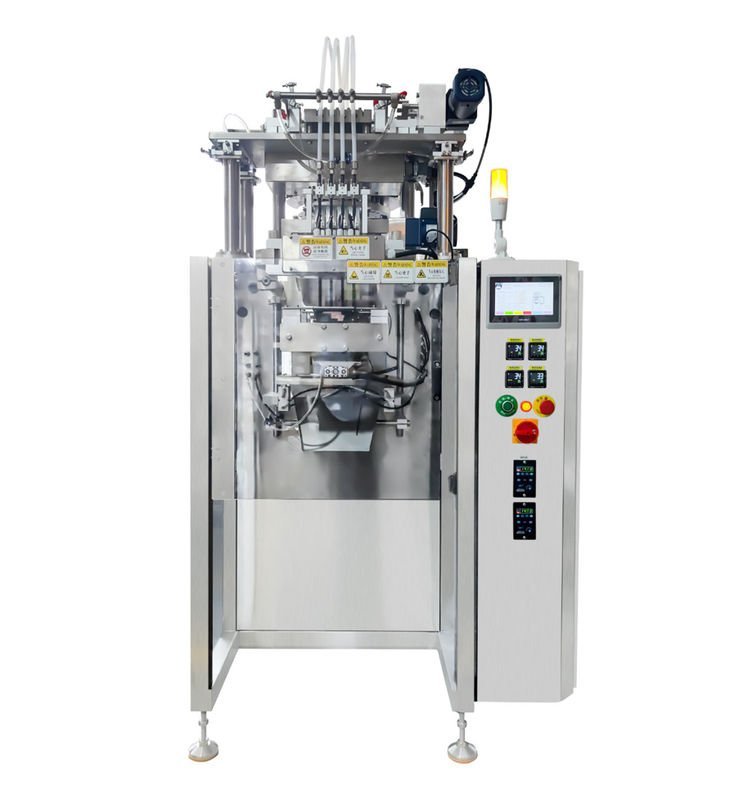
The rollstock principle adapts to various pouch styles. For single-serve portions, sachet and stick pack machines are highly specialized. Stick pack machines, for example, create long, narrow pouches ideal for powders, gels, or liquids. They often run on multi-lane configurations (e.g., 4, 6, or 8 lanes) to achieve extremely high outputs from a compact footprint. When evaluating these, pay close attention to the precision of the micro-dosing system and the consistency of the narrow seals.
Making the Final Decision: Beyond the Spec Sheet
Once you’ve narrowed down options based on technical specifications, take these final steps:
Request a Product Test: Always send your actual product and film to the manufacturer for a live test. This is the only way to verify speed, accuracy, and seal quality.
Evaluate the Control System (HMI): The user interface should be intuitive. Can operators easily change parameters, call up recipes, and diagnose common faults? A complicated HMI leads to operator error and longer training times.
Consider Total Cost of Ownership (TCO): Factor in energy consumption, expected maintenance costs, part wear rates, and the potential cost of future upgrades.
Review Real-World Case Studies: Ask the supplier for references or case studies from companies with similar applications. This provides insight into real-world performance and reliability.
Conclusion: Investing in Operational Excellence
Choosing a high-efficiency rollstock packaging machine is a strategic investment. By meticulously analyzing your production needs, product characteristics, and long-term operational goals, you can select a system that becomes a pillar of your manufacturing efficiency. The right machine will deliver not just speed, but also consistency, flexibility, and reliability—reducing waste, controlling costs, and ensuring your products are presented in perfect packaging every time. Partnering with an experienced manufacturer who provides comprehensive support from selection through installation and beyond is the final key to unlocking the full potential of your automated packaging line.
Frequently Asked Questions (FAQs)
Q1: What is the typical lifespan of a well-maintained rollstock packaging machine?
A high-quality rollstock machine, with proper preventive maintenance and operation within its design parameters, can have a productive lifespan of 15 years or more. Critical factors include the quality of core components, the operating environment (clean vs. abrasive/dusty), and the consistency of maintenance schedules.
Q2: How much floor space do I need to allocate for a rollstock packaging line?
Space requirements vary greatly. A simple single-lane sachet machine might need only 2m x 2m, while a fully integrated line with feeding, metal detection, and cartoning could require 10m in length or more. Always request the machine footprint and a recommended line layout from the supplier during the planning phase.
Q3: Can one rollstock machine handle vastly different products, like powders and liquids?
While some machines are marketed as “multi-purpose,” significant product changes often require different filling systems and potentially change parts. Switching from a powder to a liquid typically requires changing the filler (e.g., from an auger to a pump), cleaning protocols, and possibly sealing parameters. It’s more efficient to dedicate a machine to a product type or choose a modular design that allows for relatively quick filler swaps.
Q4: What are the most common causes of downtime on these machines, and how can they be minimized?
Common issues include film breaks/jams (often due to film quality or misalignment), sealing problems (incorrect temperature/pressure), and filling inaccuracies. Minimization strategies include: using high-quality, consistent film; implementing operator training on proper threading and setup; establishing a rigorous preventive maintenance program; and choosing machines with easy-access design for quick clearing of jams.
Q5: Is it better to buy a standard machine or request heavy customization?
Starting with a proven standard model is generally recommended for better reliability, availability of spare parts, and lower cost. Customization should be pursued only for critical features that address a specific, unavoidable need in your process. Excessive customization can lead to higher costs, longer delivery times, and increased complexity for future service and repairs.