In the fast-paced world of consumer goods, efficient and reliable packaging is paramount. Sachet packaging machines stand at the forefront of this need, offering versatile solutions for a myriad of products from food and pharmaceuticals to cosmetics and chemicals. This guide delves into the types of sachet packaging machines, their wide-ranging applications, and provides a clear framework for selecting the ideal solution for your production line.
Understanding Sachet Packaging Machines
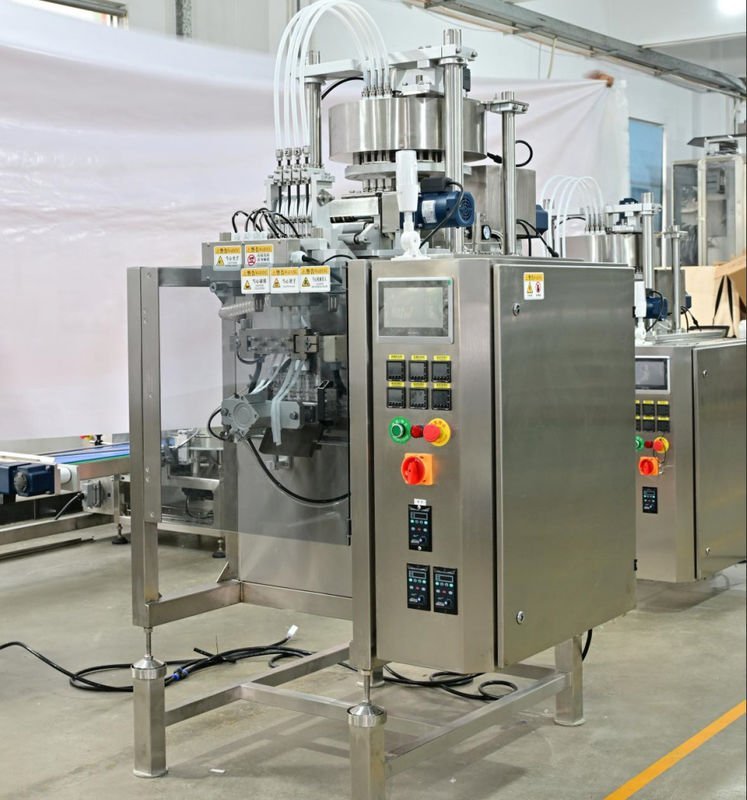
A sachet packaging machine is an automated system designed to form, fill, and seal individual small pouches or packets. These machines handle various materials, including laminated films, aluminum foil, and paper, to create airtight, portable, and hygienic packages. The primary advantage lies in their ability to deliver precise, consistent doses, extend product shelf life, and enhance brand presentation through customizable printing. For businesses looking to scale, integrating a dedicated sachet packaging line is a strategic investment in efficiency and quality.
Core Components of a Sachet Packager
While models vary, most sachet machines consist of a film unwinding system, a forming unit (where the film is shaped into a pouch), a precision filling system (auger, volumetric cup, or liquid pump), and a sealing and cutting unit. Advanced machines may include integrated checkweighers, date coders, and nitrogen flushing systems for enhanced preservation.
Primary Types of Sachet Packaging Machines
The market offers several configurations, each suited to different production volumes, product characteristics, and packaging styles.
1. Vertical Form-Fill-Seal (VFFS) Machines
These are the most common type. Film is fed vertically from a roll, formed into a tube, filled, and then sealed horizontally and vertically before being cut into individual sachets. They are highly versatile and efficient for medium to high-speed production of a wide range of products, including powders, granules, and liquids.
2. Horizontal Form-Fill-Seal (HFFS) Machines
In HFFS machines, the film travels horizontally. Pre-formed pouches are created, filled, and then sealed. This type is often preferred for more delicate products, items that need to be placed manually or with a robot, and for creating complex sachet shapes with multi-lane outputs, such as stick packs for sugar or instant coffee.
3. Premade Pouch Fillers
This system uses pre-manufactured, flat pouches that are automatically opened, filled, and then sealed. It’s an excellent choice for products requiring high-quality, complex printed packaging or for businesses that want to separate pouch production from filling operations. It offers great flexibility in pouch material and design.
4. Multi-Lane Sachet Machines
Designed for ultra-high output, these machines operate multiple packaging lanes (e.g., 4, 8, 10 lanes) simultaneously from a single web of film. They are the powerhouse choice for products like condiments, shampoo, or sauce packets, where demand is immense. Exploring a manufacturer’s range of packing machines will reveal specialized multi-lane models.
Key Applications Across Industries
The adaptability of sachet packaging makes it indispensable across diverse sectors.
Food & Beverage Industry
From ketchup, soy sauce, and salad dressing to instant coffee, sugar, and spices. Sachets provide portion control, maintain freshness, and are essential for the food service sector. Liquid products often require specialized filling and packaging lines with precise pumps.
Pharmaceutical & Healthcare
Used for oral rehydration salts, powder medicines, single-dose liquids, and antiseptic wipes. Machines for this sector must meet stringent hygiene standards (like GMP) and offer exceptional dosing accuracy.
Personal Care & Cosmetics
Shampoo, conditioner, lotion, and facial cream samples are classic examples. Sachets allow brands to distribute trial sizes effectively and affordably.
Agrochemicals & Industrial Products
Single-use packets of detergent, lubricants, herbicides, and sealants. The packaging must be robust and chemically resistant.
💡 Spotlight on Innovation: Stick Packs
A popular subset of sachets, stick packs are long, narrow, and stand upright. They are incredibly space-efficient for shipping and retail display, and are favored for powdered drinks, supplements, and instant soups. Modern bag and pouch packaging machines often include high-speed stick pack configurations.
How to Choose the Right Sachet Packaging Solution
Selecting the correct machine is a critical decision that impacts your productivity, product quality, and bottom line. Follow this structured approach.
Step 1: Define Your Product Parameters
Start with the product itself. Is it a free-flowing powder, a sticky granule, a viscous paste, or a thin liquid? Each requires a different filling mechanism (auger, volumetric cup, piston pump). Also, consider product sensitivity—does it need nitrogen flushing to prevent oxidation?
Step 2: Determine Packaging Specifications
What are the desired sachet dimensions, material (film type), and sealing method (3-side seal, 4-side seal, back seal)? Do you need high-quality graphic printing on the film? Your marketing and barrier protection needs will dictate this.
Step 3: Assess Your Production Requirements
Calculate your required output speed (sachets per minute). Is it low-volume, batch production, or continuous high-speed output? This will narrow your choice to single-lane, standard VFFS/HFFS, or multi-lane machines. Also, consider future scalability.
Step 4: Evaluate Machine Features & Compliance
Look for features that match your operational needs: easy changeover for different products, user-friendly PLC touchscreen controls, CIP (Clean-in-Place) systems, and compatibility with weighing and packaging systems for accuracy. For food or pharma, ensure the machine is constructed with food-grade materials and can be validated for relevant standards.
Step 5: Consider the Supplier’s Expertise
The machine is only part of the solution. Partner with a supplier who offers comprehensive support. A reputable manufacturer like Packmate Machinery, with over two decades of experience, provides not just the equipment but also installation, training, spare parts, and reliable after-sales service. Review their company history and project case studies to gauge their capability and reliability.
Step 6: Analyze Total Cost of Ownership (TCO)
Look beyond the initial purchase price. Factor in energy consumption, maintenance costs, changeover downtime, and film waste. A slightly more expensive but robust and efficient machine can offer a far better return on investment over time.
Frequently Asked Questions (FAQs)
1. What is the typical speed range of a sachet packaging machine?
Speeds vary dramatically based on type and configuration. A single-lane machine may produce 40-120 sachets per minute, while advanced multi-lane machines can achieve outputs of 600-1200 sachets per minute or more.
2. Can one machine handle both powder and liquid products?
Some versatile machines are designed with interchangeable filling systems, allowing a switch between auger fillers for powders and pump fillers for liquids. However, this often requires a changeover kit and thorough cleaning. For dedicated, high-volume production of different product types, separate machines are often recommended.
3. How important is after-sales service when purchasing a machine?
It is critically important. Technical support, availability of genuine spare parts, and prompt service minimize costly production downtime. Always choose a supplier with a proven track record of strong customer support, preferably with a global service network.
4. What are the key maintenance requirements for these machines?
Regular daily cleaning, lubrication of moving parts as per the manual, inspection of sealing jaws for wear, and calibration of the filling system are essential. Preventive maintenance schedules provided by the manufacturer should be strictly followed to ensure longevity and consistent performance.
5. How do I ensure the packaging film seals properly?
Proper sealing depends on the correct combination of temperature, pressure, and dwell time on the sealing jaws. It also requires using film with a compatible sealing layer. The machine supplier can provide guidance on film specifications and optimal machine settings for your chosen material.