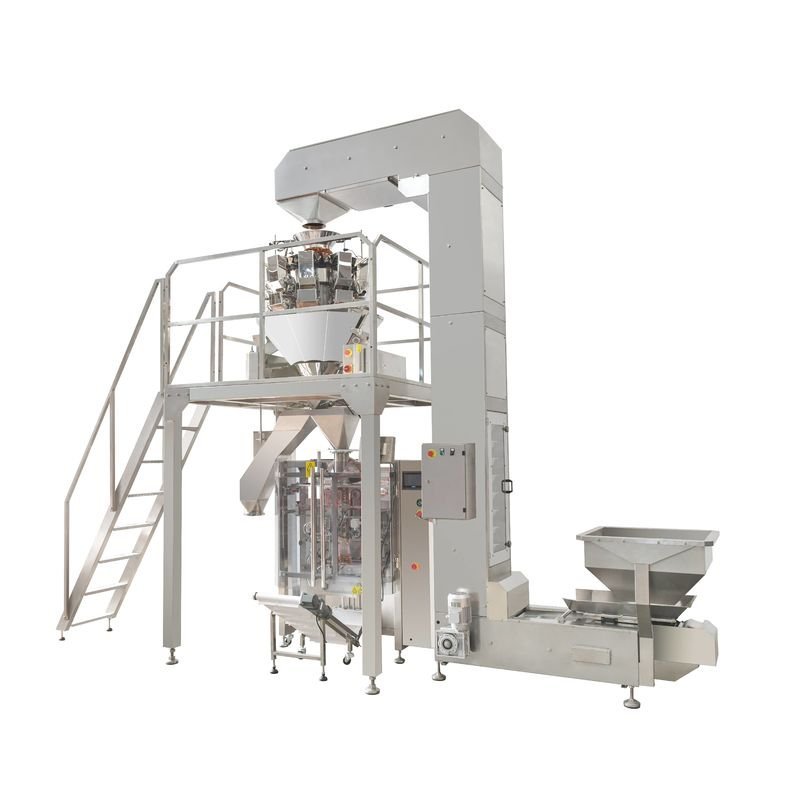
In the fast-paced world of food production, efficiency and presentation are paramount. The humble sandwich, a global staple, demands packaging that protects its integrity, maintains freshness, and appeals to consumers on the shelf. Selecting the right sandwich packaging machine is a critical investment that impacts your production line’s speed, reliability, and overall output quality. This comprehensive guide will walk you through the types, key features, applications, and essential factors to consider when choosing the best solution for your business.

Understanding the Core Types of Sandwich Packaging Machines
The market offers various machines tailored to different production scales, packaging styles, and automation levels. Understanding these types is the first step toward making an informed decision.
1. Vertical Form-Fill-Seal (VFFS) Machines
These are among the most common and versatile machines. They form a roll of packaging film into a bag, fill it with the product (in this case, a sandwich), and then seal it. VFFS machines are ideal for high-volume production lines and can handle a wide range of bag styles, including pillow bags and gusseted bags. They are often integrated with weighing systems for precise portion control.
Key Advantage:
Excellent for automated, continuous operation with minimal manual intervention, significantly boosting throughput for large-scale sandwich manufacturers and central kitchens.
2. Horizontal Flow Wrappers
This type of machine is specifically designed for wrapping products like sandwiches, bars, and baked goods. The sandwich is placed on a sheet of film, which is then folded around it and sealed on the bottom and ends. This creates a neat, snug wrap that is visually appealing and often used for individual sandwich packaging.
3. Tray Sealing Machines
For premium sandwiches, salads, or ready meals that include multiple components, tray sealing is the preferred method. These machines use pre-formed plastic or cardboard trays. The sandwich is placed in the tray, a lidding film is applied over the top, and the machine heat-seals it under a modified atmosphere (MAP) if required. This method offers superior product protection and a high-quality shelf presence.
4. Semi-Automatic and Manual Machines
Perfect for smaller bakeries, cafes, or start-ups with lower output requirements. These machines, such as manual heat sealers or semi-automatic vacuum sealers, require an operator to place the sandwich into a pre-made bag or pouch before the machine completes the seal. They represent a lower initial investment and are highly flexible for short runs or varied product sizes.
Essential Features to Evaluate in a Sandwich Packager
Beyond the basic type, several features determine a machine’s suitability, efficiency, and longevity. Pay close attention to these technical aspects.
🔧 Critical Performance Features:
- Speed (Packages per Minute): Must align with your current and projected production volume. High-speed VFFS machines can exceed 100 packs/min, while flow wrappers might range from 20 to 80 packs/min.
- Sealing Technology: Look for consistent, reliable heat sealing bars (impulse or constant heat) that can handle various film types. Strong, hermetic seals are non-negotiable for food safety and freshness.
- Film Compatibility & Handling: The machine should efficiently handle the specific packaging material you plan to use, whether it’s standard polyethylene, barrier films for extended shelf life, or biodegradable options.
- Changeover Flexibility: How quickly and easily can you switch between different sandwich sizes or packaging formats? Machines with tool-less or quick-change parts minimize downtime.
- Hygienic Design: Food-grade stainless steel contact parts, easy-clean surfaces, and minimal crevices are essential for meeting food safety standards like HACCP and facilitating daily sanitation.
Furthermore, modern machines often come with advanced Programmable Logic Controller (PLC) interfaces for easy operation, recipe storage, and diagnostics. Integration capabilities with upstream slicers, depositors, or downstream conveyors and checkweighers are crucial for a seamless production line.
Diverse Applications Across the Food Industry
Sandwich packaging machines are not limited to the classic triangular lunch sandwich. Their application spans numerous product categories within the food sector.
➤ Convenience Stores & Supermarkets
For pre-packaged, grab-and-go sandwiches, horizontal flow wrappers and MAP tray sealers are dominant. They ensure a long shelf life (often 3-7 days) and an attractive, clear view of the product, which is vital for impulse purchases.
➤ Large-Scale Food Service & Catering
Institutions like schools, hospitals, and airlines require high-volume packaging of standardized sandwiches. Here, robust vertical form-fill-seal lines excel, offering speed and efficiency for bulk production runs.
➤ Artisan Bakeries & Specialty Cafes
For gourmet sandwiches with fresh, high-quality ingredients, the packaging must reflect the brand’s premium image. Semi-automatic vacuum sealers or simple bag sealers can provide an effective, cost-efficient solution that preserves freshness without the need for massive output.
➤ Meal Kit & Subscription Services
The rise of home-delivered fresh food requires packaging that can withstand transportation. Machines capable of creating strong, sealed pouches or trays are essential to keep components separate and fresh until assembly by the consumer.
A Step-by-Step Guide to Choosing Your Best Solution
Selecting the ideal machine is a strategic process. Follow this framework to align your investment with your business goals.
Step 1: Analyze Your Product & Output
Define your sandwich types (size, shape, ingredients), required daily/weekly output, and desired packaging format (bag, flow wrap, tray). This is the foundation of your search.
Step 2: Assess Your Facility & Team
Consider your available floor space, power supply, and the technical skill level of your operators. A highly automated line may require less labor but more technical maintenance support.
Step 3: Set a Realistic Budget
Factor in the total cost of ownership: not just the machine price, but also installation, training, maintenance, spare parts, and the ongoing cost of packaging materials.
Step 4: Research and Shortlist Suppliers
Look for manufacturers with a proven track record in food packaging. Review their case studies and client testimonials, especially those involving similar products. A supplier’s after-sales service and parts availability are as important as the machine itself.
Step 5: Request Demos & References
Always ask for a live or video demonstration using a product similar to yours. Speak to existing customers about their experience with machine performance, reliability, and supplier support.
Partnering with an experienced manufacturer like Packmate can streamline this process. With decades of experience in building reliable packaging solutions for the food industry, they can provide valuable guidance from initial consultation to final installation and beyond.
Conclusion: Packaging as a Strategic Advantage
Investing in the right sandwich packaging machine is an investment in your product’s quality, your brand’s reputation, and your operation’s profitability. By thoroughly understanding the different machine types, prioritizing key features like speed and hygiene, and following a structured selection process, you can implement a packaging solution that not only meets today’s needs but also scales with your future growth. The perfect machine seamlessly integrates into your line, delivering consistently packaged, fresh, and appealing sandwiches to your market.
Frequently Asked Questions (FAQs)
1. What is the typical speed range for an automated sandwich packaging machine?
Speeds vary widely by machine type. Horizontal flow wrappers typically range from 20 to 120 packs per minute, while high-speed vertical form-fill-seal machines for simpler bagging can exceed 150 packs per minute. The right speed depends entirely on your production volume requirements.
2. Can one machine handle different sandwich sizes and shapes?
Yes, but flexibility comes at a cost. Machines with quick-changeover features allow for size adjustments within a range. However, switching from a rectangular sandwich to a round one might require significant tooling changes. Discuss your product range with the machine supplier during the planning stage.
3. How important is Modified Atmosphere Packaging (MAP) for sandwiches?
MAP is crucial for extending shelf life from a few days to a week or more. It involves replacing the air inside the package with a gas mix (like nitrogen and carbon dioxide) to slow down spoilage. If you supply supermarkets or require longer freshness, a tray sealer with MAP capability is highly recommended.
4. What are the key maintenance requirements for these machines?
Daily cleaning of food contact parts, regular lubrication of moving components as per the manual, and periodic inspection of sealing jaws and cutting blades are essential. Choosing a machine with a robust design and easy access for cleaning minimizes downtime and ensures consistent performance.
5. Where can I see examples of successful packaging line installations?
Reputable manufacturers often showcase their work. You can view real-world applications and solutions by exploring the solution portfolios or case studies provided by equipment suppliers, which detail how they have addressed challenges similar to yours.