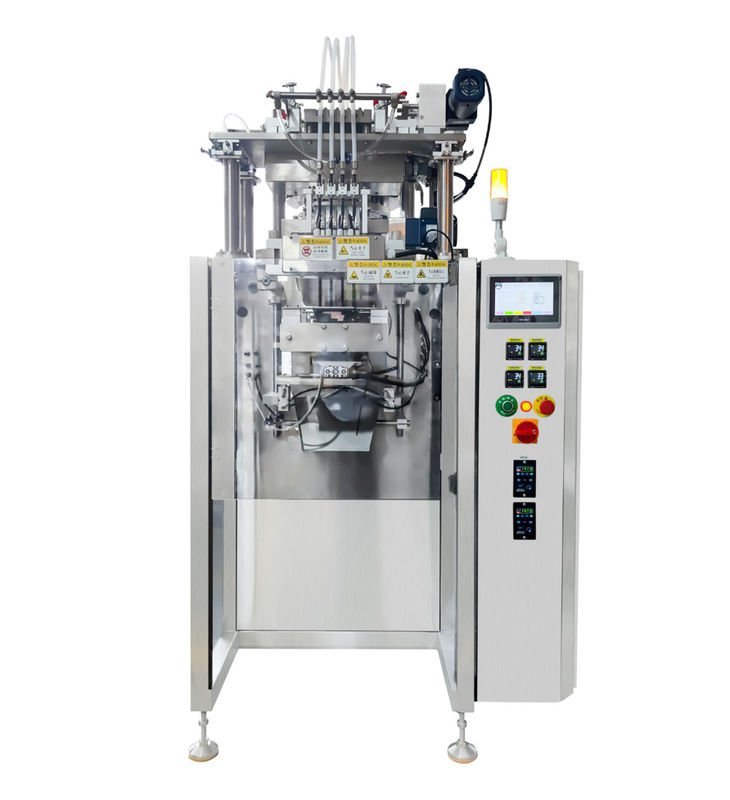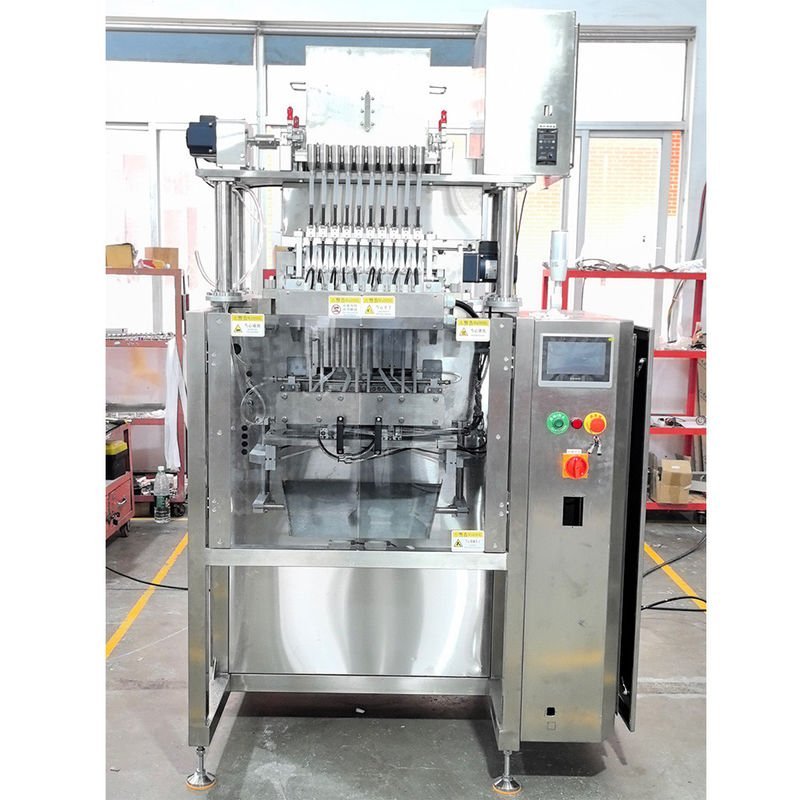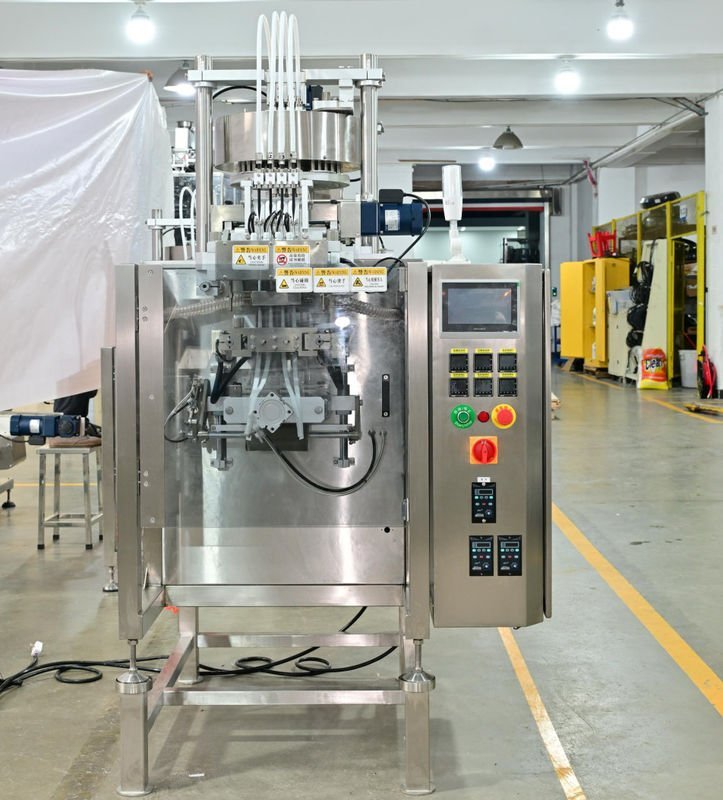
In the dynamic world of food production, efficiency and hygiene are paramount. For manufacturers of sauces, dressings, condiments, and similar liquid or semi-liquid products, the right packaging machinery is not just an asset—it’s a critical component of the production line that directly impacts product quality, shelf life, and brand perception. This guide delves into the essential aspects of sauce packaging machinery, exploring the various types available, their working processes, and the key factors to consider when selecting the perfect machine for your operational needs.
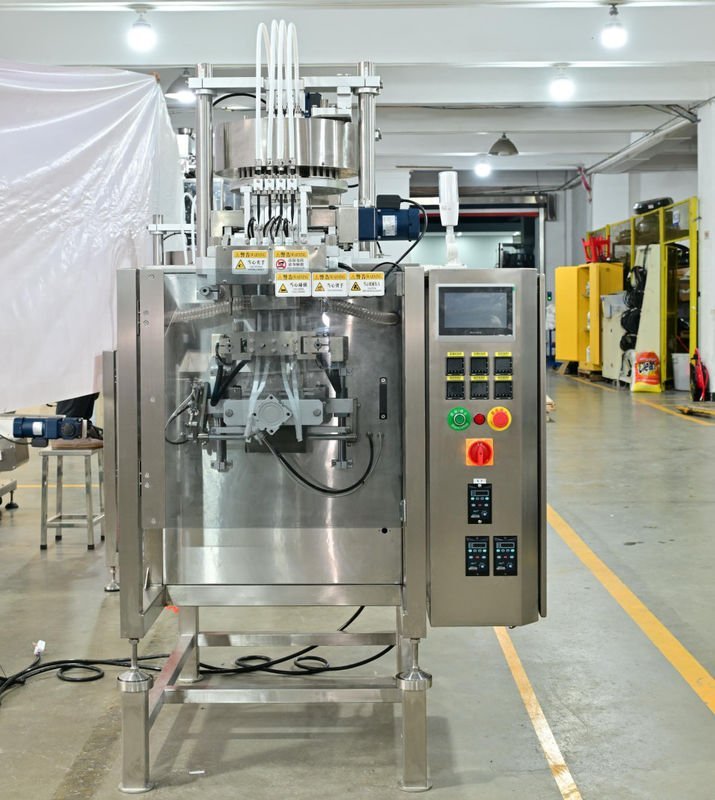
Understanding the Core Types of Sauce Packaging Machinery
The market offers a diverse range of equipment designed to handle different viscosities, packaging formats, and production volumes. Choosing the correct type is the first step toward optimizing your packaging process.
Volumetric Cup Filling Machines
These are among the most common and versatile machines for sauce packaging. They operate by using precisely calibrated cups or pistons to measure a set volume of product before dispensing it into the container. Ideal for products with consistent viscosity, such as ketchup, mayonnaise, or syrup, they offer excellent accuracy and speed. Their simplicity makes them relatively easy to clean and maintain, a crucial factor in food-grade applications.
Piston Filler Machines
For thicker, chunkier sauces—think salsa, chutney, or pasta sauce with vegetable pieces—piston fillers are often the preferred choice. A piston draws the product into a cylinder and then pushes it out through a nozzle into the waiting package. This positive displacement method is gentle on the product, helping to maintain the integrity of solid inclusions, and provides high accuracy even with non-homogeneous mixtures.
Gravity & Pressure Fillers
Gravity fillers rely on the natural flow of the product from an elevated tank into containers. They are suitable for free-flowing, thin liquids like soy sauce or vinegar. Pressure fillers, on the other hand, use controlled air pressure to push the product into the container, which is effective for foamy products or those that need a completely sealed filling environment to prevent oxidation.
Key Consideration:
Your product’s viscosity and particulate content are the primary determinants for choosing between volumetric, piston, or gravity/pressure technology. A mismatch here can lead to inaccurate fills, product damage, or frequent machine clogging.
Form-Fill-Seal (FFS) Machines
This advanced, integrated system represents the pinnacle of automation in sauce packaging. An FFS machine creates the pouch or sachet from a roll of film, fills it with the precise amount of sauce, and then seals it—all in one continuous operation. This is ideal for single-serve sachets of ketchup, mustard, or dressing for the foodservice industry. It minimizes material waste and human contact with the product, ensuring superior hygiene.
The Working Process: From Bulk to Packaged Product
While specific steps vary by machine type, a standard automated sauce packaging line follows a logical sequence to ensure efficiency and safety.
Step 1: Container Handling & Positioning
Empty bottles, jars, or pouches are fed onto a conveyor system, often via an unscrambler, and are precisely positioned under the filling nozzles.
Step 2: Precise Product Filling
The core of the process. The chosen filling mechanism (piston, cup, etc.) accurately doses the sauce into each container. Modern machines are equipped with sensors to detect missing containers and prevent product waste.
Step 3: Capping & Sealing
Immediately after filling, caps are applied and tightened, or in the case of pouches, the top is heat-sealed. This step is critical for maintaining freshness and preventing leaks.
Step 4: Labeling & Coding
The packaged containers then receive labels and necessary production information, such as batch codes and expiration dates, via integrated labeling and coding systems.
Step 5: Collection & Secondary Packaging
Finally, the finished packages are collated and packed into cartons or trays, ready for palletizing and shipment. A complete filling and packaging line integrates all these steps seamlessly.
How to Choose the Right Sauce Packaging Machine: A Strategic Guide
Selecting equipment is a significant investment. Beyond the initial purchase price, consider these factors for long-term success and ROI.
1. Match Machine to Product Characteristics
This is the non-negotiable starting point. Conduct a thorough analysis of your product:
→ Viscosity: Is it watery, creamy, or paste-like?
→ Acidity & Corrosiveness: Does it require specific stainless-steel grades (e.g., 316L)?
→ Particulates: Are there seeds, herbs, or chunks? This dictates valve and pipe diameters.
→ Temperature: Will it be filled hot, cold, or at ambient temperature?
2. Define Your Output Requirements
Be realistic about your current and near-future production needs. A machine that is too slow creates bottlenecks, while an overly fast, complex machine may be underutilized and less cost-effective. Calculate your required units per minute/hour and discuss scalability options with the supplier.
3. Prioritize Hygiene and Cleanability
In food processing, hygiene is safety. Look for machines designed with sanitary principles: smooth, crevice-free surfaces, easy disassembly of product-contact parts, and compatibility with Clean-in-Place (CIP) or Steam-in-Place (SIP) systems. This reduces downtime for cleaning and minimizes contamination risk.
Pro Tip:
When evaluating suppliers, review their project case studies in the sauce industry. A provider like Packmate, with over 30 years of experience, will have proven solutions for challenges like handling sticky products or ensuring airtight seals for oil-based sauces.
4. Evaluate Flexibility and Changeover Time
If you run multiple sauce varieties or package sizes, quick changeover is vital. Machines with tool-less adjustments, digital parameter recall for different products, and easy-to-switch parts significantly reduce downtime between production runs, boosting overall equipment effectiveness (OEE).
5. Consider Total Cost of Ownership (TCO)
Look beyond the sticker price. Factor in:
• Energy Consumption: How efficient is the machine?
• Maintenance & Spare Parts: Are parts readily available and affordable?
• Operator Training & Support: Does the supplier offer comprehensive training and reliable after-sales service? A partner with a strong global service network is invaluable.
6. Compliance and Safety Standards
Ensure the machinery complies with all relevant local and international food safety standards (e.g., FDA, CE, EHEDG). This is not just a legal requirement but also a testament to the machine’s build quality and safety features for operators.
Conclusion: Investing in Precision and Efficiency
The right sauce packaging machinery is a strategic investment that pays dividends in product quality, operational efficiency, and brand reputation. By thoroughly understanding your product’s needs, accurately defining your output goals, and partnering with a reputable and experienced equipment manufacturer, you can build a packaging line that is not only productive but also adaptable and reliable for years to come. The journey from a bulk tank of sauce to a perfectly filled, sealed, and labeled package is a complex dance of engineering and food science—choosing the right partner makes all the difference.
Frequently Asked Questions (FAQs)
1. What type of filling machine is best for a thick, chunky salsa?
A piston filler is typically the best choice for chunky sauces like salsa. The piston’s positive displacement action is gentle on particulates, preventing them from being crushed or sheared, and ensures accurate filling regardless of the product’s heterogeneity.
2. How can I minimize product waste during the filling process?
Modern machines offer several features to reduce waste: no-container-no-fill sensors, drip-free nozzles, and programmable filling cycles that suck back product at the end of the stroke. Additionally, choosing a machine with high filling accuracy (±0.5% or better) prevents overfilling, which saves product over millions of units.
3. How often does a sauce packaging machine need cleaning?
Cleaning frequency is dictated by your food safety plan (HACCP). For most operations running similar products, a full clean at the end of each production day is standard. If switching to a different product (e.g., from a dairy-based to a tomato-based sauce), a complete clean-out is required to prevent allergen cross-contamination.
4. Can one machine handle different bottle shapes and sizes?
Yes, many machines are designed for flexibility. The key is the changeover time and process. Look for machines with quick-release mechanisms, adjustable guides, and digital settings that can store parameters for different containers. The ease of this changeover is a major differentiator between basic and advanced models.
5. What are the key maintenance tasks for these machines?
Regular maintenance is crucial. Daily tasks include wiping down surfaces and checking for leaks. Weekly tasks might involve lubricating moving parts (with food-grade lubricant) and inspecting seals and gaskets. Following the manufacturer’s scheduled maintenance plan for parts replacement (like piston seals or pump diaphragms) is essential to prevent unplanned downtime.