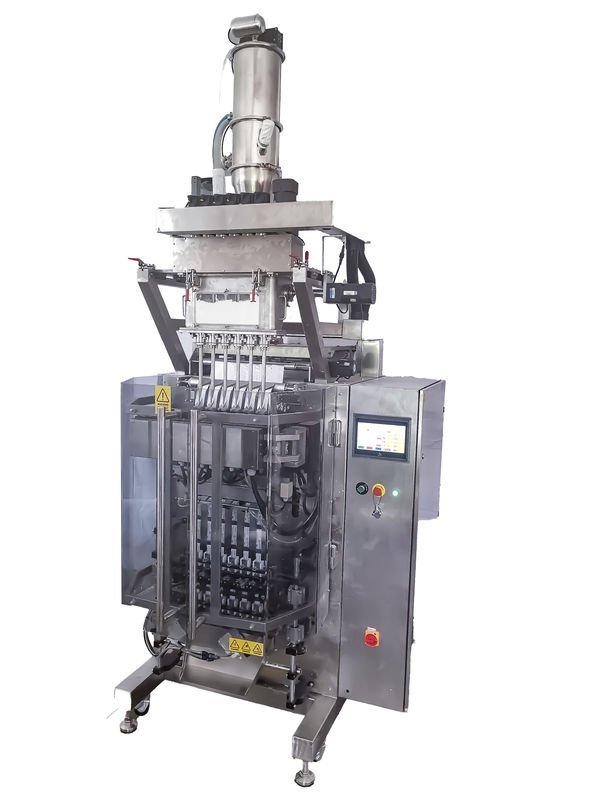
Entering the market for second-hand packaging equipment can be a strategic and cost-effective move for businesses looking to expand their production capabilities without the capital expenditure of new machinery. This comprehensive guide is designed to navigate you through the entire process of purchasing used industrial packing machines, from initial considerations to final acquisition and implementation.

Why Consider Second-Hand Packaging Machinery?
The primary driver for purchasing used equipment is, unsurprisingly, significant cost savings. You can often acquire a high-quality machine for a fraction of the price of a new model. This allows for faster ROI and frees up capital for other areas of your business. Furthermore, the lead time is drastically reduced compared to waiting for a new machine to be manufactured and delivered. For businesses needing to scale up quickly to meet a sudden surge in demand, the used equipment market provides an immediate solution.
Key Takeaway: The二手 (used) market offers access to proven, reliable models from reputable manufacturers like Packmate Machinery, which has over 22 years of industry experience. This means you’re investing in technology with a known track record of performance.
Critical Pre-Purchase Evaluation Steps
Before you even start looking at specific machines, a thorough internal assessment is crucial.
1. Define Your Packaging Requirements
What product are you packaging (powder, granules, liquids, solids)? What are your required speed (packages per minute) and accuracy (weight/volume tolerance)? What film or material will you use? Clearly defining these parameters will narrow your search to compatible machine types, such as sachet and stick pack machines for small portions or bag and pouch packaging machines for larger quantities.
2. Assess Machine Condition & History
This is the most critical phase. Always request the machine’s service history, maintenance logs, and hours of operation. Inspect key wear components: seals, gaskets, cutting blades, and servo motors. If possible, visit the seller to see the machine under power, running a material similar to yours. Look for signs of excessive wear, corrosion, or makeshift repairs.
3. Verify Parts & Service Support
Ensure that spare parts for the specific model are still available from the original manufacturer or reputable third-party suppliers. Check if technical documentation (manuals, wiring diagrams) is included. Consider the availability of local technicians who are familiar with the brand or machine type.
Where to Source Quality Used Equipment
Finding the right machine involves knowing where to look. Options include specialized industrial auction houses, reputable machinery dealers who refurbish equipment, direct purchases from companies upgrading their lines, and online marketplaces. Each has its pros and cons regarding price, warranty, and support. Partnering with an established manufacturer like Packmate can sometimes provide access to well-maintained, decommissioned machines from their demonstration fleet or client trade-ins, offering a higher degree of reliability.
Financial & Logistical Considerations
The purchase price is just one part of the total cost. A comprehensive budget must include:
- Refurbishment Costs: Budget for replacing worn parts, new seals, and a full mechanical service.
- Shipping & Rigging: Transporting heavy industrial machinery requires specialized logistics and possibly rigging services for installation.
- Reintegration & Training: Factor in the cost of integrating the machine into your existing line, potential electrical/compressed air modifications, and operator training.
The Importance of a Trial or Inspection
Never buy a used packaging machine sight-unseen. A pre-purchase inspection, ideally conducted by your own or a hired technician, is non-negotiable. The goal is to run the machine with your actual product or a close simulant to verify performance metrics like speed, accuracy, and seal integrity. This step can reveal hidden issues and prevent a costly mistake.
⚠️ Red Flags to Watch Out For
Missing Documentation: No manuals or schematics signal future troubleshooting headaches.
Excessive Modifications: Non-standard alterations can compromise safety and performance.
Unwillingness to Demo: A seller who refuses a live demonstration likely has something to hide.
Obsolete Control Systems: Machines with very old PLCs or discontinued drives may be impossible to repair.
Post-Purchase: Installation & Optimization
Successfully installing your used machine is key. Ensure your facility meets all utility requirements (voltage, amperage, air pressure). A proper run-off and acceptance test after installation confirms everything works as agreed. Finally, establish a proactive maintenance schedule from day one to maximize the machine’s lifespan and reliability. For complex filling and packaging lines, consider professional commissioning services.
Conclusion: A Strategic Investment
Purchasing second-hand packaging equipment is not about buying someone else’s problem; it’s about strategically acquiring proven technology at an advantageous price point. With diligent research, thorough inspection, and realistic budgeting, a used machine can become a highly productive and valuable asset in your operation for years to come. It bridges the gap between ambition and affordability, enabling growth and efficiency.
Frequently Asked Questions (FAQ)
1. What is the typical lifespan of a used packaging machine?
The lifespan depends heavily on its original build quality, maintenance history, and operating environment. A well-built machine from a reputable manufacturer like Packmate, with proper care, can operate reliably for 15-20 years or more. The key is the condition at the time of purchase and the maintenance regimen you implement.
2. Do used machines come with any warranty?
This varies by seller. Private sellers often sell “as-is.” Reputable dealers and some manufacturers selling their own used equipment may offer a limited warranty (e.g., 90 days to 1 year) on parts and labor. Always clarify warranty terms before purchase.
3. How much should I budget for refurbishment?
As a rule of thumb, allocate 10-20% of the purchase price for initial refurbishment. This covers essential wear parts, seals, a thorough cleaning, and lubrication. The exact cost is determined during the pre-purchase inspection.
4. Can a used machine be upgraded with new features?
In many cases, yes. Common upgrades include adding new servo drives for better accuracy, updating the touchscreen HMI, or installing advanced checkweighers or vision inspection systems. Consult with the original manufacturer or a qualified integrator to assess feasibility and cost for your specific model.
5. Where can I find technical support for an older machine model?
Your first point of contact should be the original equipment manufacturer (OEM). Companies with a long history, such as Packmate, often support older models with spare parts and service expertise. Independent technicians specializing in packaging machinery and online forums for industrial engineers are also valuable resources.