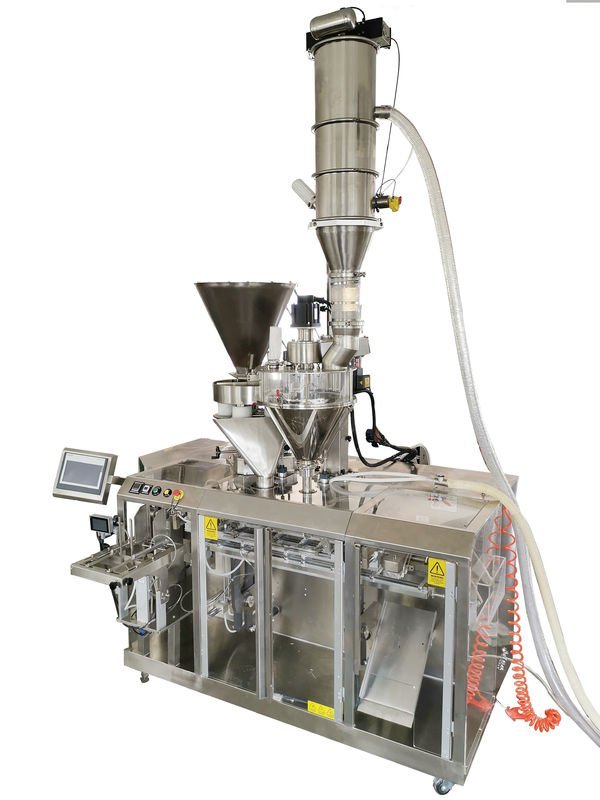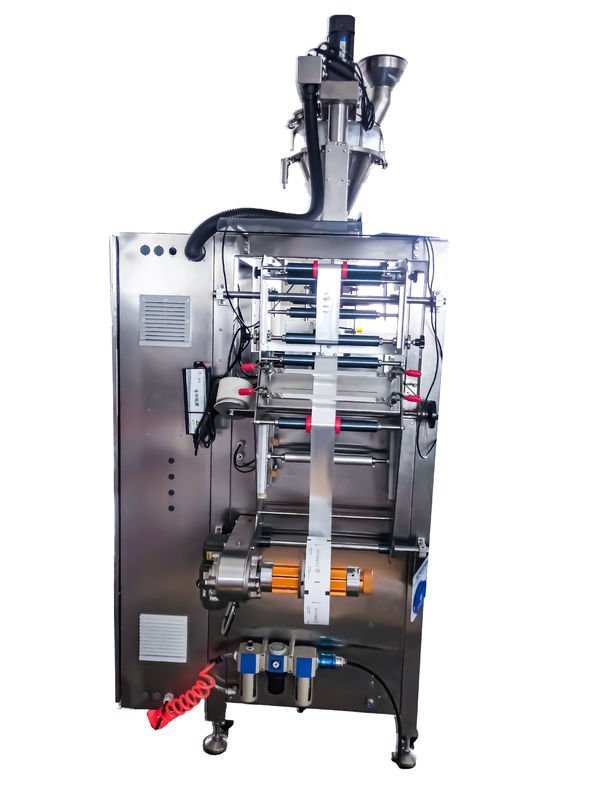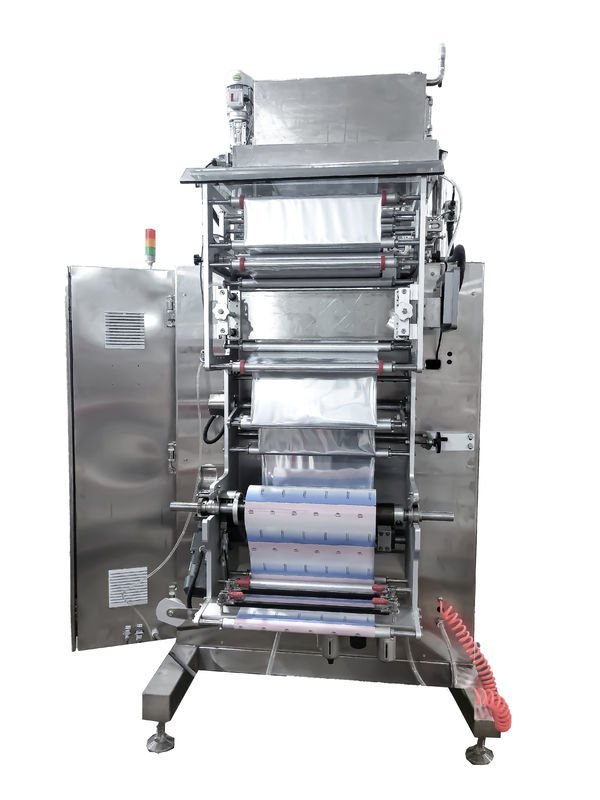
In today’s competitive food and pharmaceutical sectors, operational efficiency and cost management are paramount. For many businesses, especially growing enterprises or those launching new product lines, investing in brand-new, high-end packaging machinery can represent a significant capital outlay. This is where the market for second-hand packaging machinery presents a compelling and strategic alternative. Pre-owned packing equipment offers a viable pathway to access reliable automation, enhance production capacity, and achieve a faster return on investment.
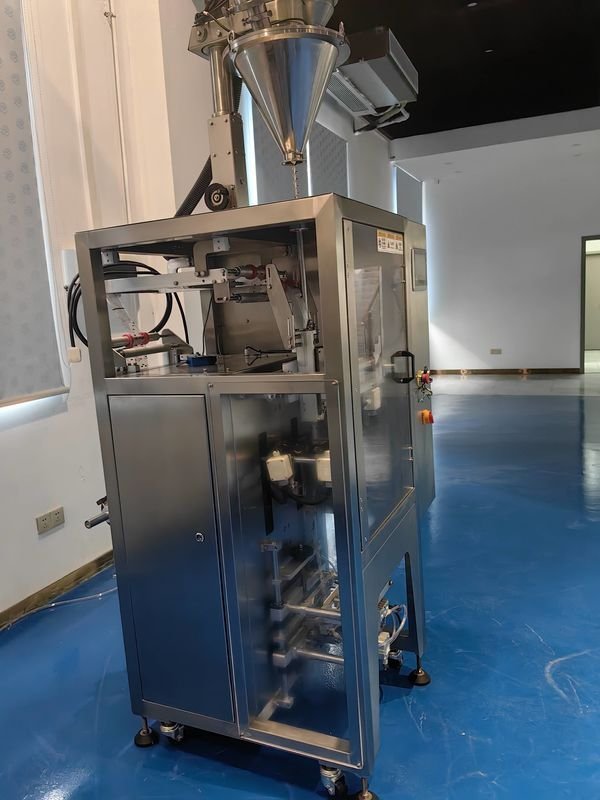
Understanding the Second-Hand Packaging Machinery Market
The secondary market for industrial packaging equipment is robust and diverse. It encompasses a wide range of machines, from standalone fillers and sealers to complete integrated filling & packaging lines. These machines become available for various reasons: factory upgrades, line consolidation, company closures, or the retirement of older but still functional models. For buyers, this creates an opportunity to procure machinery that was once a major investment for another company, at a fraction of the original cost.
Key Advantages of Choosing Used Equipment
Opting for second-hand machinery isn’t just about saving money upfront. It offers several tactical benefits:
- Reduced Capital Expenditure: The most apparent advantage is the lower purchase price, freeing up capital for other critical areas like marketing, R&D, or raw materials.
- Proven Performance and Reliability: Used machines have an operational history. Well-maintained models from reputable brands have demonstrated their reliability in real-world production environments.
- Faster Deployment: Unlike new machines that may have lead times of several months, pre-owned equipment is often available for immediate delivery and integration, accelerating time-to-market.
- Access to Higher-Tier Technology: Businesses can potentially afford machinery from premium manufacturers that would be outside their budget if purchased new.
Critical Considerations for Food and Pharma Industries
The stakes are exceptionally high when selecting packaging equipment for food and pharmaceutical applications. Regulatory compliance, hygiene, and product integrity are non-negotiable. Therefore, due diligence is even more critical in the secondary market.
Hygiene and Material Compatibility
Any used machine must be thoroughly assessed for its cleanability and history of use. Equipment previously used for non-food or non-pharma purposes may not be suitable. Key contact parts that interact with the product—such as hoppers, augers, funnels, and sealing jaws—must be inspected for wear, corrosion, or contamination. They should be made of food-grade or pharmaceutical-grade materials like stainless steel (often 304 or 316 grade). A complete deep cleaning, sanitization, and potential replacement of these critical components are mandatory steps before commissioning.
Regulatory Documentation and Traceability
Reputable sellers should provide as much historical documentation as possible. This includes manuals, maintenance records, and any certificates of conformity. For pharmaceutical applications, understanding the machine’s change control and validation history from its previous life is invaluable. While the new owner will need to revalidate the equipment for their specific process, previous documentation can significantly streamline this effort.
Where to Source Reliable Used Packaging Equipment
Finding the right machine requires knowing where to look. Several channels exist, each with its pros and cons.
Specialized Industrial Dealers and Brokers
These companies are experts in the secondary machinery market. They often acquire, refurbish, and resell equipment. The benefit is that they typically offer some level of inspection, basic reconditioning, and a limited warranty. They can be an excellent source for popular models of bag & pouch packaging machines.
Direct from Manufacturing Companies
Some original equipment manufacturers (OEMs) have programs for selling their own refurbished or traded-in machines. This can be a gold standard option, as the machine is serviced and updated by the people who built it, often with a new machine warranty. Companies like Packmate (GuangDong) Co., Ltd. sometimes offer well-maintained machines from their demonstration fleet or customer trade-ins, providing a high level of assurance.
Online Auctions and Marketplaces
Platforms like eBay Industrial or dedicated machinery auction sites offer vast selections. However, this avenue carries higher risk. Physical inspection before purchase is highly recommended, and buyers must be prepared to handle all logistics, rigging, and re-commissioning themselves.
The Refurbishment and Integration Process
Purchasing a used machine is rarely a simple “plug-and-play” affair. A strategic approach to refurbishment and integration is key to success.
Professional Assessment and Reconditioning
Upon acquisition, a qualified technician should perform a comprehensive assessment. This includes checking mechanical wear on chains, gears, and bearings; evaluating the electrical system, motors, and PLCs; and testing pneumatic systems. Reconditioning may involve replacing worn parts, updating safety guards to current standards, and giving the machine a complete overhaul and repaint.
Integration into Your Production Line
The machine must work harmoniously with your existing upstream and downstream equipment, such as conveyors, checkweighers, or cartoners. This may require mechanical adjustments, electrical interfacing, and programming the PLC to communicate with your line control system. Partnering with a company that offers complete service and support can be crucial during this phase.
Making the Decision: New vs. Used
The choice between new and used packaging machinery hinges on a careful analysis of your specific situation.
Choose NEW equipment if: Your application has extremely stringent, novel requirements; you need the latest technology with full digital integration (Industry 4.0); you require a comprehensive, long-term warranty and service package; or your budget allows for it without strain.
Choose USED equipment if: Your primary constraint is budget; you need to scale capacity quickly; you are packaging established products with standard requirements; or you can access a well-documented, high-quality machine from a trusted source like an OEM’s refurbishment program.
For many businesses, a hybrid approach works best. Investing in a new, core sachet & stick pack machine for a flagship product line, while using a reliable used machine for secondary lines or bulk packaging, can be an optimal strategy.
Frequently Asked Questions (FAQs)
1. Is used packaging machinery reliable for sensitive products like pharmaceuticals?
Yes, but with rigorous due diligence. The machine must have a verifiable history in a GMP-compliant environment or be completely refurbished with all product-contact parts replaced. A full qualification and validation protocol (IQ/OQ/PQ) must be performed by the new owner to ensure it meets current regulatory standards for the specific product and process.
2. What is the typical cost saving when buying second-hand?
Savings can range from 30% to 70% of the cost of an equivalent new machine, depending on its age, condition, brand, and level of refurbishment. However, it’s crucial to budget an additional 10-20% of the purchase price for potential reconditioning, spare parts, and installation.
3. Can I get technical support and spare parts for an older used machine?
This is a critical question to ask before purchasing. For machines from manufacturers that are still in business, spare parts are often available. For obsolete models or brands that no longer exist, parts may be scarce or require custom machining. Always verify parts availability and support options with the seller or the OEM directly.
4. How can I inspect a used machine before buying it, especially if it’s overseas?
Always prefer a physical inspection. If that’s not possible, request a detailed video walkthrough of the machine in operation, showing all its functions. Ask for high-resolution photos of all sides, the control panel, and critical components. Hire a third-party inspection service in the machine’s location to provide a professional assessment report.
5. Should I buy a used machine and refurbish it myself or buy one already refurbished?
If you have in-house engineering and maintenance expertise, purchasing “as-is” and refurbishing yourself can offer the lowest upfront cost. For most companies, buying a professionally refurbished unit from a reputable dealer or the OEM provides greater peace of mind, reduces downtime risk, and often includes a warranty, making it the more prudent and efficient choice.