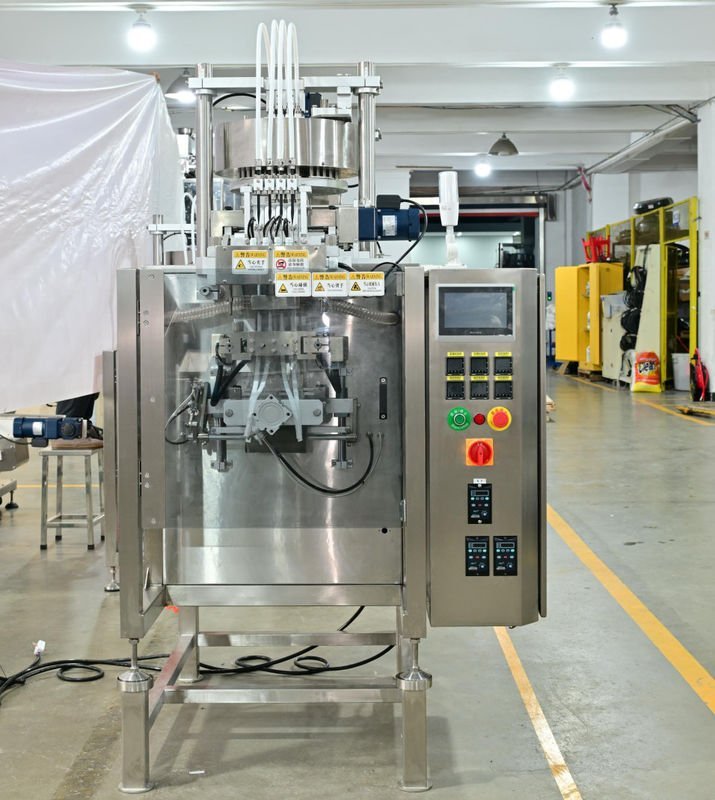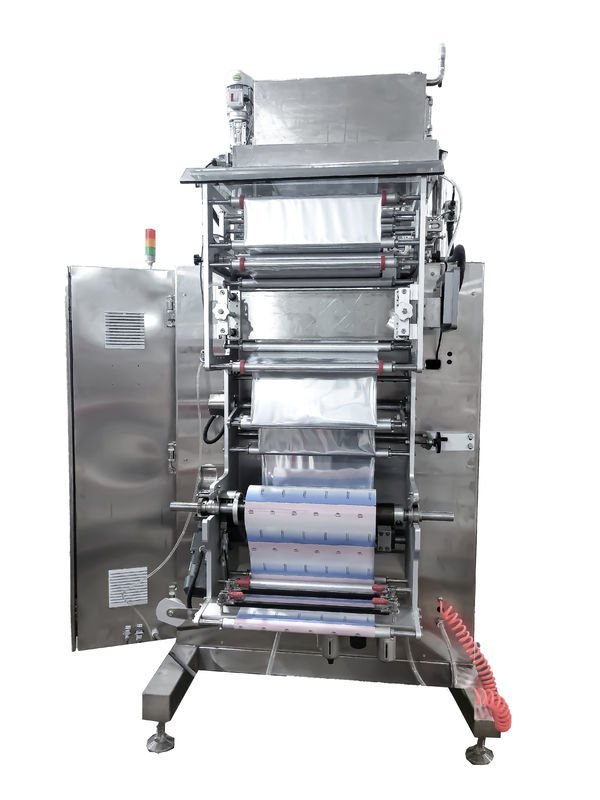
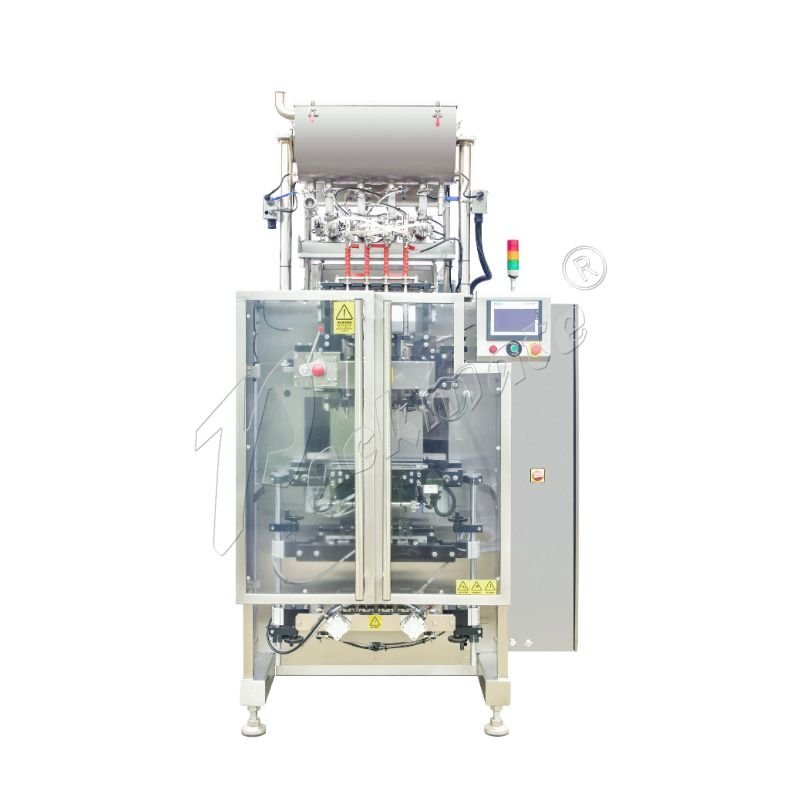
In the complex world of manufacturing and distribution, the journey of a product from the production line to the consumer’s hands involves multiple layers of protection. While primary packaging directly contains the product, it is the secondary packaging that plays the crucial role of grouping, protecting, and presenting these primary units for sale, transport, and storage. A secondary packaging machine is the automated workhorse that performs this vital task, ensuring efficiency, consistency, and cost-effectiveness on a large scale. This guide will explore the different types of secondary packaging systems, their wide-ranging applications, and provide a clear framework for selecting the right machine for your operational needs.
Understanding the Role of Secondary Packaging
Secondary packaging serves as the bridge between the production facility and the retail shelf or distribution center. Its primary functions are:
Protection & Stability: It groups multiple primary packages (like bottles, sachets, or cartons) into a single, stable unit—such as a shrink-wrapped tray or a corrugated case—to prevent damage during handling and shipping.
Logistics Efficiency: By creating standardized bundles, it optimizes palletizing, warehousing, and transportation, maximizing space utilization and simplifying inventory management.
Branding & Information: It provides additional real estate for branding, barcodes, nutritional information, and promotional messages aimed at the trade buyer or bulk purchaser.
Automating this process with a dedicated machine eliminates manual labor bottlenecks, ensures uniform pack quality, and dramatically increases output speed. For businesses looking to scale, integrating a reliable packaging machine into the line is a strategic investment.
Core Types of Secondary Packaging Machines
The technology chosen depends heavily on the packaging materials and the desired final bundle format. Here are the most common systems:
1. Case Erectors, Packers, and Sealers (CEPS)
This is a highly common system for shipping products in corrugated cardboard boxes. The process is typically fully automated:
- Case Erector: Takes flat corrugated blanks, folds them into three-dimensional box shapes, and seals the bottom flaps.
- Case Packer: Automatically loads the primary products (bottles, cans, pouches) into the erected cases in a pre-determined pattern. This can be done via robotic pick-and-place, drop packing, or gentle push mechanisms.
- Case Sealer: Applies adhesive tape or hot melt glue to seal the top flaps of the filled case, ready for palletizing.
These systems are indispensable for industries like food & beverage, pharmaceuticals, and consumer goods.
2. Shrink Wrapping Systems
These machines use a thin plastic film to tightly bundle products together. The process involves:
- Placing products on a corrugated tray or a simple pad.
- Wrapping the bundle with a loose sleeve of polyethylene or PVC film.
- Passing it through a heat tunnel (shrink tunnel), where the film contracts tightly around the product, creating a clear, stable, and tamper-evident pack.
Shrink wrapping is excellent for multi-packs of bottles, cans, and retail product groupings. It offers good visibility and lower material cost compared to rigid cartons.
3. Stretch Wrapping Machines
Primarily used for securing loads onto pallets for storage and transport, stretch wrappers rotate the pallet while dispensing a stretchable plastic film (LLDPE) around it. Key types include turntable, rotary arm, and orbital wrappers. This is often the final step after secondary packaging, stabilizing the entire pallet load.
4. Cartoning Machines
While often associated with primary packaging, cartoners can also serve a secondary function. They automatically erect pre-glued cartons, insert multiple primary packages (like sachets or stick packs), and close the carton. This creates a neat retail-ready box, common for over-the-counter medicines, tea bags, or single-serve food items.
5. Bundling Machines
These systems use paperboard, film, or plastic carriers to group products like beverage cans or bottles together. A common example is the multi-pack beverage ring carrier. Bundling offers easy carrying for consumers and is a cost-effective secondary solution.
Key Applications Across Industries
The need for secondary packaging automation spans virtually every manufacturing sector:
Food & Beverage: The largest application area. Machines form and fill cases with cans, bottles, or pouches; create shrink-wrapped trays of yogurt cups; or bundle snack bags. Hygiene and speed are paramount.
Pharmaceuticals: Requires high precision and cleanliness. Secondary packers bundle blister packs, medicine bottles, or vials into cartons or cases, often incorporating serialization and tamper-evidence features for compliance.
Consumer Goods: From grouping toothpaste tubes and soap bars to packaging electronics accessories, secondary systems ensure products arrive at stores in pristine, sellable condition.
E-commerce Fulfillment: With the rise of online shopping, automated systems that can quickly erect right-sized shipping boxes (case erectors) and seal them are critical for fulfillment center efficiency. Integrating these with weighing and packaging systems streamlines the entire outbound process.
How to Choose the Right Secondary Packaging System
Selecting the optimal machine is a strategic decision. Follow this step-by-step framework to guide your investment:
Step 1: Analyze Your Product and Primary Package
- Size, Weight, & Shape: Irregular shapes may require specialized handling or tooling.
- Fragility: Delicate products need gentle handling systems (e.g., soft robotic grippers, guided placement).
- Primary Package Material: The surface of glass, plastic, or flexible film can affect how it’s gripped and conveyed.
Step 2: Define Your Output Requirements
- Production Speed (CPM): Calculate the required cases or bundles per minute. Your machine must match or exceed your line’s upstream speed.
- Flexibility: Will you run multiple SKUs with different pack patterns? Look for machines with quick-changeover features (e.g., tool-less adjustments, recipe memory).
- Uptime & Reliability: In high-speed environments, durability is key. Research the machine’s build quality and mean time between failures (MTBF).
Step 3: Evaluate the Packaging Material
Your choice of secondary material dictates the machine type:
➤ Corrugated Cases: Choose a Case Erector/Packer/Sealer line. Consider the blank size range and the sealing method (tape vs. hot melt glue).
➤ Shrink Film: Choose a Shrink Wrapping System with an appropriate L-sealer and tunnel. Consider film type and thickness.
➤ Pre-Glued Cartons: Choose an automatic Cartoning Machine.
Step 4: Consider Integration and Footprint
- Line Integration: The machine must interface seamlessly with your upstream filler/capper and downstream palletizer. Conveyor height, width, and control system compatibility (e.g., PLC communication) are critical. A provider offering complete filling and packaging lines can ensure seamless integration.
- Factory Space: Measure your available floor space. Some systems, like high-speed rotary packers, have a larger footprint than linear models.
- Utilities: Check requirements for electrical power, compressed air, and for some sealers, chilled water.
Step 5: Prioritize Operational Factors
- Ease of Operation & Maintenance: Look for user-friendly HMIs (Human-Machine Interfaces), accessible service points, and good local technical support.
- Safety Features: Ensure the machine has proper guarding, emergency stops, and complies with relevant safety standards (e.g., CE, UL).
- Total Cost of Ownership (TCO): Look beyond the purchase price. Factor in energy consumption, material waste rates, maintenance costs, and expected lifespan.
Partnering with an experienced manufacturer like Packmate can provide invaluable guidance through this selection process, leveraging their expertise to match you with the ideal system.
Future Trends in Secondary Packaging Machinery
The industry is evolving rapidly. Key trends to watch include:
Sustainability-Driven Design: Machines are being adapted to handle recycled-content corrugated, thinner gauge films, and alternative biodegradable materials efficiently.
Smart Technology & IIoT: Integration of sensors and Industrial Internet of Things (IIoT) platforms enables predictive maintenance, real-time monitoring of OEE (Overall Equipment Effectiveness), and remote diagnostics.
Robotic Flexibility: Collaborative robots (cobots) are increasingly used for case packing, especially for low-volume, high-mix production, offering unparalleled flexibility.
Right-Sizing & Minimalism: Driven by e-commerce and sustainability, machines that create optimized, right-sized packages with minimal void fill are in high demand.
Frequently Asked Questions (FAQs)
1. What is the main difference between primary, secondary, and tertiary packaging?
Primary packaging is in direct contact with the product (e.g., a soda bottle, a chip bag). Secondary packaging groups these primary packages together for sale or handling (e.g., a 6-pack shrink wrap, a corrugated case of bottles). Tertiary packaging is used for bulk handling and shipping, such as palletizing and stretch wrapping multiple secondary packages for transport.
2. Can one machine handle different box sizes or bundle patterns?
Yes, many modern secondary packaging machines are designed for flexibility. Look for features like automatic size adjustment, quick-change tooling, and programmable logic controller (PLC) recipes that store settings for different SKUs, allowing for fast changeovers with minimal downtime.
3. How important is machine speed (CPM) when choosing a system?
It is critical. The secondary packer must be synchronized with the speed of your upstream production line (e.g., filling machine). Choosing a machine that is too slow creates a bottleneck, while an excessively fast machine may be an unnecessary capital expense. Always base your requirement on your actual and projected production volumes.
4. What are the common challenges in secondary packaging automation?
Common challenges include jamming or misalignment of primary packages during infeed, variations in corrugated blank quality causing erection failures, film sealing issues in shrink wrappers, and the need for frequent manual intervention during changeovers if the machine lacks flexibility. Proper machine selection, quality packaging materials, and operator training mitigate these issues.
5. Where can I see examples of these machines in action?
Reputable manufacturers often provide detailed case studies and application videos. You can explore real-world implementations and machine capabilities by visiting the case study section on a supplier’s website or by attending relevant industry trade shows to see live demonstrations.