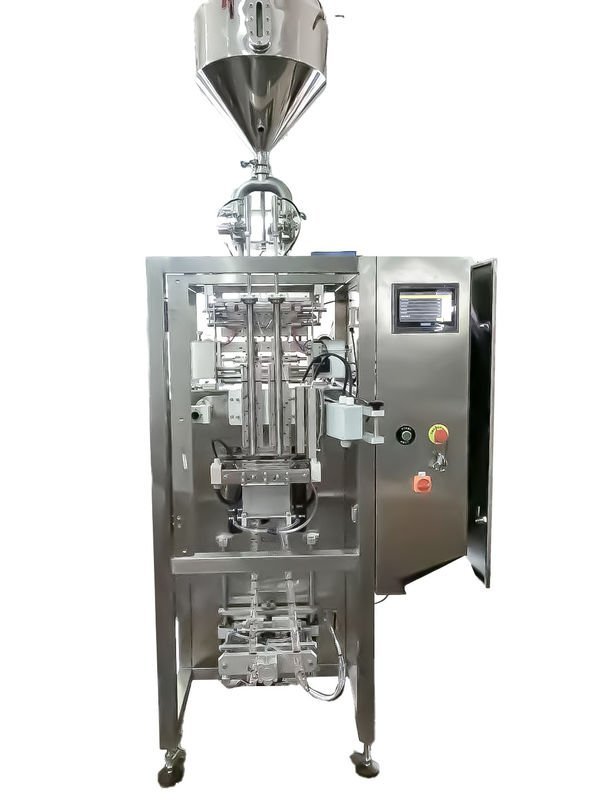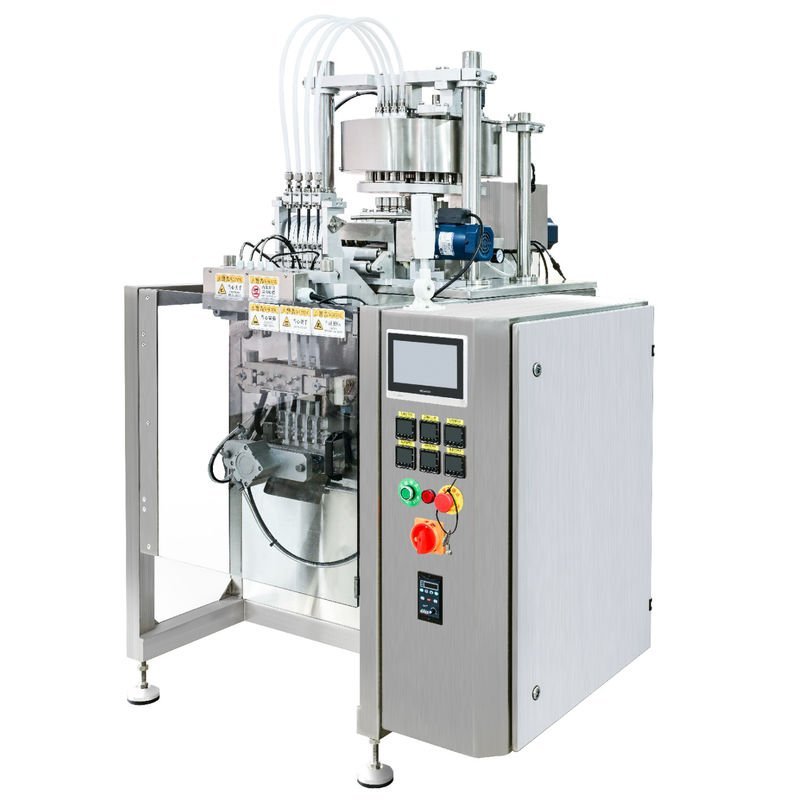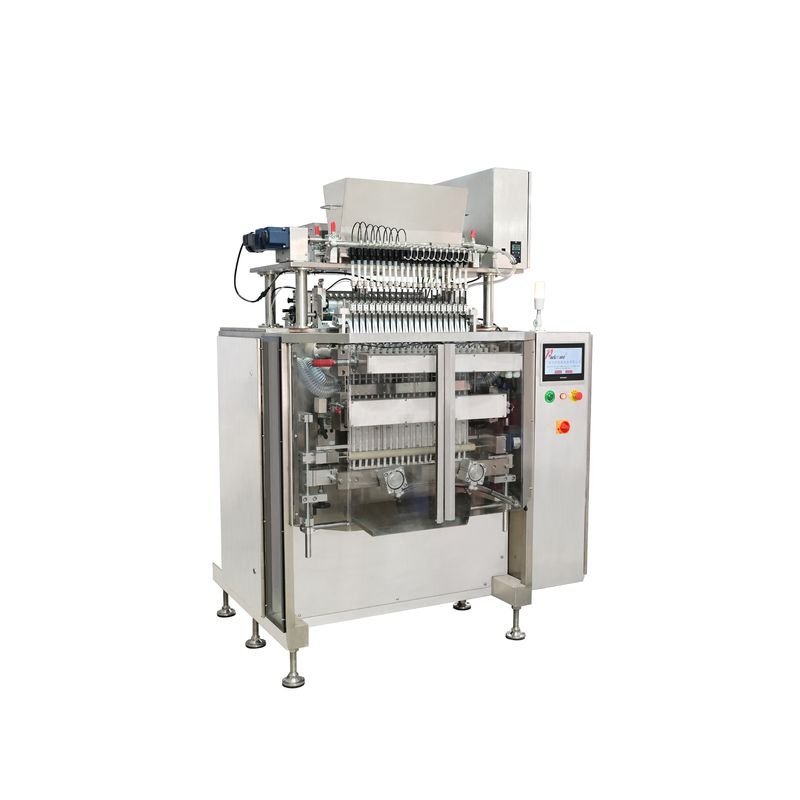
Choosing the right automatic packaging machine is a critical decision that directly impacts your production efficiency, product quality, and bottom line. A Simplex packaging machine, often the core of a streamlined operation, offers a versatile and efficient solution for a wide range of products. This guide will walk you through the essential factors to consider when selecting the best automatic packaging solution for your specific production line needs.
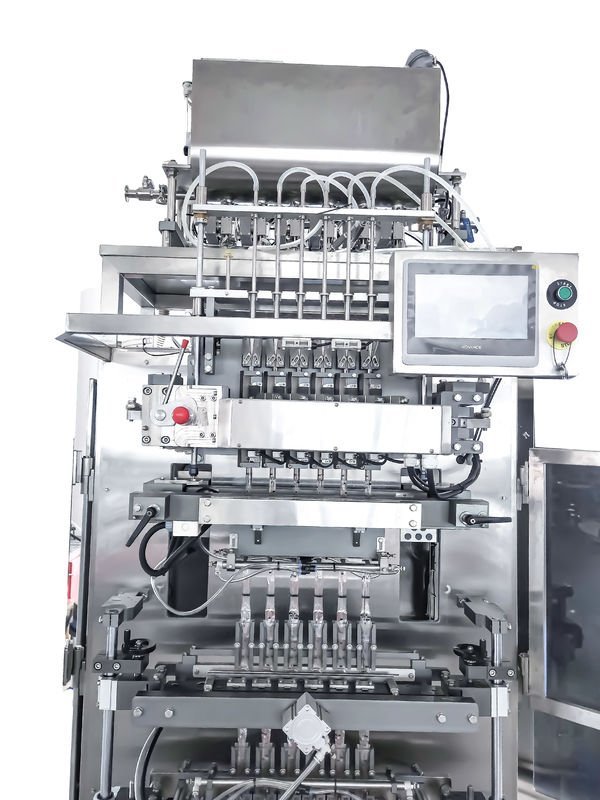
Understanding Simplex Packaging Machines
A Simplex packaging machine is a type of vertical form-fill-seal (VFFS) machine designed for single-lane operation. It creates packages from a roll of film, forms them into a bag, fills them with product, and seals them—all in one continuous, automated process. Its simplicity and reliability make it a cornerstone for businesses packaging items like snacks, powders, granules, hardware, and frozen foods.
The core advantage lies in its flexibility. By changing the forming tube and the sealing jaws, a single Simplex machine can produce various bag styles, such as pillow bags, gusseted bags, or block-bottom bags. This adaptability is crucial for production lines that handle multiple product types or require frequent packaging updates.
Key Takeaway:
Think of a Simplex machine as your flexible, all-in-one packaging workhorse. It excels at creating sealed bags from flat film at high speeds, making it ideal for continuous production runs of uniform products.
Core Factors for Choosing Your Machine
Selecting a machine isn’t just about the price tag. It’s about finding a solution that integrates seamlessly into your workflow. Here are the primary dimensions to evaluate.
1. Product Characteristics
Your product dictates the machine’s specifications. Analyze its physical state (granule, powder, liquid, solid), its flowability, its abrasiveness, and any special requirements like nitrogen flushing for freshness. For instance, packaging fine powder requires a different auger filler and dust extraction system than packaging rugged hardware components. Explore our range of specialized solutions on our main products page to see machines tailored to different product types.
2. Production Speed & Output Requirements
Match the machine’s cycle speed (bags per minute, BPM) to your current and future production targets. A Simplex machine’s speed is influenced by bag size, product type, and the level of automation. Underestimating your needs leads to bottlenecks; over-specifying leads to unnecessary capital expenditure. Consider if you need a basic model or a high-speed variant with advanced servo drives for precision and efficiency.
3. Packaging Materials & Bag Specifications
The machine must be compatible with your chosen film (e.g., polyethylene, polypropylene, laminates) and the desired bag dimensions (length, width, seal type). Consider if you need features like a zipper applicator, hang hole punch, or date coder integrated into the process. The ability to handle these materials reliably is a hallmark of quality engineering, a principle Packmate Machinery has upheld for over two decades.
4. Level of Automation & Integration
Determine how the packaging machine will fit into your line. Will it be a standalone unit, or will it be integrated with upstream equipment like weigh scales, elevators, and downstream systems like case packers? Modern complete filling and packaging lines offer synchronized control for maximum throughput. The choice between manual feeding and fully automated systems significantly impacts labor costs and overall efficiency.
5. Machine Build Quality & Supplier Support
This is perhaps the most critical long-term factor. A robust machine frame, high-grade stainless steel contact parts (especially for food or pharmaceuticals), and precision-engineered components ensure longevity and minimal downtime. Equally important is the supplier’s reputation for after-sales service, technical support, and parts availability. A reliable partner like Packmate provides not just a machine, but a comprehensive service package, including installation, training, and maintenance support.
Advanced Considerations for Optimal Performance
Beyond the basics, these factors can future-proof your investment and enhance operational excellence.
Hygienic Design & Cleanability
For food, pharmaceutical, or chemical applications, a machine designed with smooth surfaces, minimal crevices, and easy disassembly for cleaning (CIP/SIP capabilities) is non-negotiable. This prevents contamination and reduces changeover time between production runs.
Control System & User Interface
A user-friendly PLC-based touchscreen interface allows for easy parameter setting, recipe storage for different products, and diagnostic monitoring. Look for systems that provide clear error messages and production data logging to aid in process optimization and troubleshooting.
Energy Efficiency & Sustainability
Modern servo-driven motors are more energy-efficient than traditional mechanical drives. Furthermore, a machine that optimizes film usage reduces material waste, aligning with both cost-saving and environmental sustainability goals.
📈 ROI & Total Cost of Ownership (TCO)
When evaluating options, look beyond the initial purchase price. Calculate the Total Cost of Ownership, which includes:
• Initial Investment: Machine cost, shipping, installation.
• Operational Costs: Energy consumption, compressed air usage, routine maintenance parts.
• Material Efficiency: Film waste percentage and the machine’s ability to minimize it.
• Downtime Cost: Reliability and speed of supplier support directly affect this.
A slightly higher upfront investment in a robust, efficient machine from a reputable supplier often yields a much faster and greater Return on Investment through higher uptime, lower waste, and consistent output quality.
Implementing Your New Packaging Solution
Once you’ve selected your Simplex machine, proper implementation is key. This involves site preparation (power, air, space), professional installation and calibration, and thorough operator training. A phased approach, starting with a trial run of your products, is highly recommended. Reviewing real-world application cases from your supplier can provide valuable insights into the setup and performance in scenarios similar to yours.
The journey from a small workshop idea to a global provider of packaging solutions, as seen in the story of Packmate Machinery, underscores the importance of precision engineering and customer-focused innovation. Choosing the right automatic packaging machine is an investment in your production’s future, paving the way for increased efficiency, consistent quality, and scalable growth.
Frequently Asked Questions (FAQs)
1. What is the main difference between a Simplex and a Duplex packaging machine?
A Simplex machine has one forming tube and one set of sealing jaws, producing bags in a single lane. A Duplex machine has two forming tubes and two sets of jaws, effectively doubling the output by producing two bags simultaneously from the same film web. The choice depends on your required output speed.
2. Can one Simplex machine handle different bag sizes and products?
Yes, a key strength of Simplex machines is their flexibility. With changeover parts (like different forming tubes and filler attachments) and saved recipes in the control system, a well-designed machine can switch between various bag sizes and product types. The time and complexity of changeover vary between models.
3. How do I know if my product is suitable for a vertical form-fill-seal (VFFS) machine?
VFFS machines are ideal for free-flowing products like granules, powders, chips, seeds, and small parts. Non-free-flowing products (like sticky pastes or large, irregular solids) may require specialized augers, vibratory trays, or might be better suited for pre-made bag systems. Consulting with an application engineer is the best way to determine suitability.
4. What kind of maintenance does an automatic packaging machine require?
Regular maintenance is crucial. Daily tasks include cleaning and visual inspection. Weekly or monthly tasks involve lubricating moving parts, checking seal jaw alignment and temperature, and inspecting wear parts like the film pull belts. Adhering to the manufacturer’s maintenance schedule prevents unexpected breakdowns.
5. Where can I see the machine specifications and get a quote?
You can explore detailed specifications for various models, including sachet and stick pack machines and weighing systems, on our dedicated product pages. For a formal quotation tailored to your specific product, speed, and bag requirements, please contact our sales team with your details.