In today’s fast-paced consumer market, efficiency, hygiene, and convenience are paramount. Single-dose packaging has emerged as a critical solution across numerous industries, from pharmaceuticals and nutraceuticals to food service and cosmetics. At the heart of this packaging revolution lies the single-dose packaging machine. This guide delves into the types of machines available, their diverse applications, and provides a structured approach to selecting the perfect solution for your production needs.

Understanding Single Dose Packaging Machines
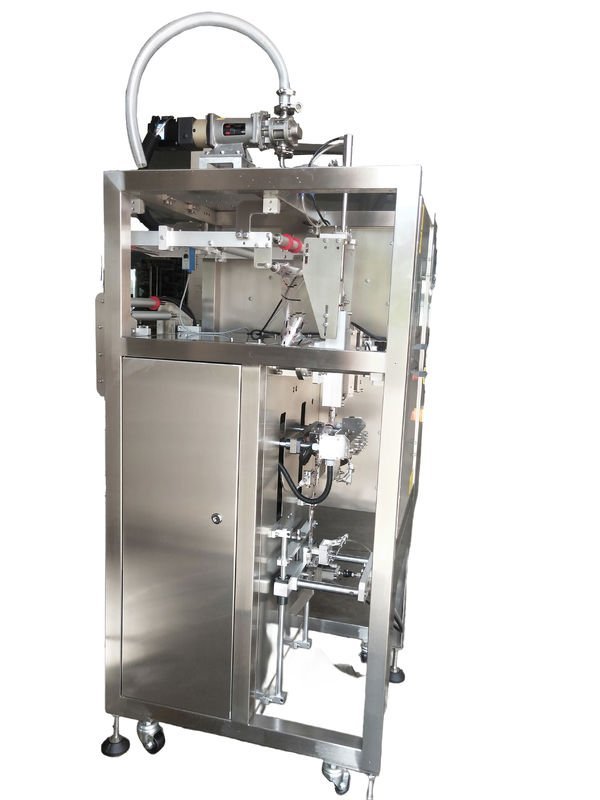
Single-dose packaging machines are specialized automated systems designed to measure, fill, and seal precise individual portions of a product into separate pouches, sachets, or stick packs. These machines ensure accurate dosing, extend product shelf life by providing a hermetic seal, and enhance user convenience. The core principle involves forming packaging material from a roll, precisely metering the product, and sealing it into individual units at high speeds.
Key Advantage: The primary benefit is dose accuracy and product protection. By isolating each portion, the machine prevents contamination, preserves potency (especially for sensitive ingredients), and eliminates waste for the end-user.
Primary Types of Single Dose Packaging Machines
The technology varies significantly based on the product form and desired pouch style. Understanding these types is the first step in the selection process.
1. Vertical Form-Fill-Seal (VFFS) Machines
These are the most common and versatile machines. They form a tube from a roll of flat packaging film, fill it with the product from above, and then create transverse seals to separate individual pouches. They are ideal for a wide range of products, including powders, granules, and liquids.
Best for: High-volume production of sachets and pouches in various shapes and sizes.
2. Stick Pack Machines
A specialized subtype of VFFS machines, these are designed to create long, narrow, tube-like packages. They are exceptionally popular for powdered beverages, instant coffee, sugar, and pharmaceutical powders due to their sleek design and ease of tear-open.
Best for: Free-flowing powders and granules where a slim, portable format is desired. Explore our range of stick pack solutions.
3. Sachet Packaging Machines
These machines produce small, flat pouches, typically with a three- or four-side seal. They can be configured as single-lane or high-speed multi-lane systems to dramatically increase output. Perfect for sauces, condiments, shampoo, and single-serve food items.
Best for: Liquids, creams, pastes, and viscous products. Multi-lane configurations are excellent for scaling production.
4. Pouch Packaging Machines
While similar to sachet machines, pouch machines often handle larger volumes or more complex pouch styles, such as stand-up pouches with zippers or spouts. They are integral to creating premium single-serve experiences.
Best for: Larger single-serve portions, ready-to-eat meals, or products requiring re-closable features. Discover our bag and pouch packaging machines.
Choosing the Right Filling System
The filling mechanism is as crucial as the machine type. It must match your product’s characteristics:
- Volumetric Cup Fillers: Cost-effective for uniform granules and powders.
- Auger Fillers: Highly accurate for fine powders, spices, and difficult-to-handle products. They are a core component of many weighing and packaging systems.
- Liquid Piston Fillers: Provide precise volumetric filling for oils, sauces, and lotions.
- Net Weighing Scales: Offer the highest precision for valuable products by weighing each dose before filling.
Core Applications Across Industries
The utility of single-dose packaging machines spans globally, adapting to regional consumption habits and regulatory standards.
Pharmaceutical & Nutraceutical
This is a critical application where accuracy and sterility are non-negotiable. Machines package powders for oral suspensions, effervescent tablets, herbal supplements, and single-dose liquids. Compliance with GMP (Good Manufacturing Practice) standards is essential. Machines for this sector often feature stainless-steel contact parts, easy-clean designs, and precise auger fillers.
Food & Beverage
From ketchup sachets in fast-food chains to premium olive oil packets in meal kits, single-dose packaging dominates food service. Stick packs for instant coffee and protein powder cater to on-the-go lifestyles. The machines must handle products with varying viscosities and sometimes require gas flushing (nitrogen) to preserve freshness.
Personal Care & Cosmetics
Sample sachets for shampoo, conditioner, lotion, and face cream are powerful marketing tools. Cosmetic single-serve packs for serums or masks offer hygiene and precise application. Machines need to handle creams and gels cleanly and often integrate with auxiliary equipment like cartoners.
Specialized Niches: Snus & Tobacco Alternatives
The growing market for smokeless tobacco products like snus requires specialized single-dose pouch packaging. These machines are tailored to handle specific pouch materials and sealing requirements for moisture retention, representing a highly specialized segment of the industry.
How to Choose the Right Single Dose Packaging Solution
Selecting a machine is a strategic investment. Follow this step-by-step framework to make an informed decision.
Step 1: Define Your Product Parameters
This is the foundation. Clearly specify:
• Product Form: Powder, granule, liquid, paste, or solid?
• Characteristics: Flowability, abrasiveness, viscosity, hygroscopicity?
• Dose Weight/Volume: What is the exact target weight per unit?
• Packaging Material: Type of laminate film (e.g., PET/AL/PE), its thickness, and width on the roll.
Step 2: Determine Your Production Requirements
Align the machine capacity with your business goals.
• Output Speed: How many pouches per minute (PPM) do you need? Consider future growth.
• Operational Footprint: How much factory floor space is available?
• Changeover Frequency: How often will you switch products or pouch sizes? Look for machines with quick-change parts.
Step 3: Evaluate Machine Features & Build Quality
Look beyond the brochure. Inspect:
✓ Construction Material: Food-grade or pharmaceutical-grade stainless steel for hygiene and durability.
✓ Control System: User-friendly PLC-based HMI (Human-Machine Interface) for easy operation and recipe storage.
✓ Sealing Technology: Robust heat sealing jaws with precise temperature control for consistent, leak-proof seals.
✓ Supplier Reputation: Choose an experienced manufacturer like Packmate, with a proven track record and reliable after-sales support.
Step 4: Consider Integration and Support
A machine is often part of a larger line. Consider if you need integration with upstream mixers or downstream cartoners. Crucially, assess the supplier’s technical support, availability of spare parts, and training offerings. A reliable partner ensures maximum uptime and longevity of your investment.
Frequently Asked Questions (FAQs)
1. What is the typical speed range for a single-dose packaging machine?
Speeds vary widely based on the machine type and configuration. Basic single-lane sachet machines may run at 60-120 pouches per minute (PPM), while high-speed multi-lane stick pack machines can achieve 800-2000 PPM or more. The required speed should be based on your actual production volume targets.
2. Can one machine handle different products and pouch sizes?
Yes, most modern machines are designed for changeover. However, the ease and time required depend on the machine’s design. Machines with “quick-change” features for forming tubes, augers, and sealing jaws minimize downtime when switching between different products or package dimensions.
3. How important is after-sales service when purchasing a packaging machine?
It is critically important. Packaging machines are complex mechanical systems. Access to prompt technical support, readily available spare parts, and operator training is essential for maintaining production efficiency and machine lifespan. Always choose a supplier with a strong service network.
4. What are the key maintenance requirements for these machines?
Regular daily cleaning to prevent product buildup, periodic lubrication of moving parts as per the manual, and inspection of wear items like sealing jaws, cutting blades, and auger screws are fundamental. A preventative maintenance schedule provided by the supplier is highly recommended.
5. Are single-dose packaging machines suitable for small businesses or startups?
Absolutely. The market offers a range of options, from semi-automatic tabletop models suitable for low-volume production or pilot batches to fully automatic systems. Defining your budget and starting requirements allows you to find a scalable solution that grows with your business.