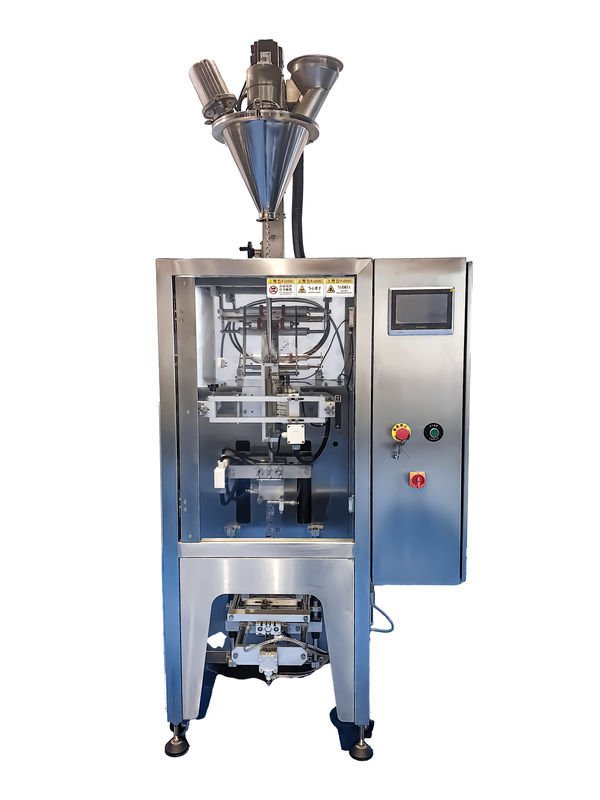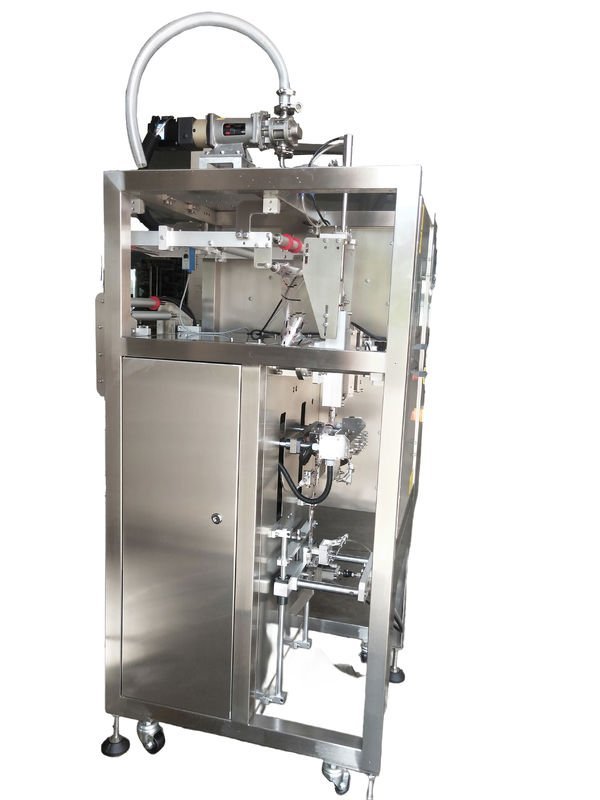
In the fast-paced world of manufacturing, the speed of your packaging line is a critical determinant of overall productivity and profitability. For businesses utilizing somic or sonic sealing technology, understanding and optimizing the cases-per-minute (CPM) output of their packaging machines is paramount. This metric directly impacts throughput, labor costs, and the ability to meet market demand. This article delves into the factors influencing somic packaging machine speed, provides realistic benchmarks, and offers a comprehensive guide on how to optimize your equipment for peak performance.
Understanding Somic Packaging Machine Speed
Somic packaging machines utilize ultrasonic vibrations to create strong, hermetic seals on various packaging materials, particularly useful for products requiring a sterile or airtight environment. The speed of these machines is typically measured in cases per minute (CPM) or bags per minute (BPM), referring to the number of finished, sealed packages produced.
Key Speed Influencers
The rated maximum speed of a machine is one thing; achieving it consistently in production is another. Several core factors dictate real-world output:
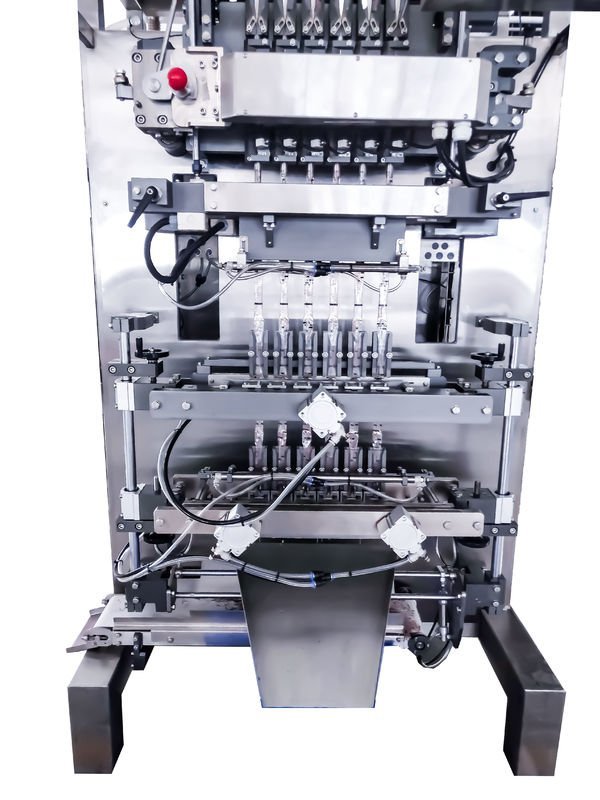
- Machine Model and Design: High-speed, multi-lane machines like advanced sachet & stick pack machines are inherently faster than single-lane units. The mechanical design, including the indexer’s precision and the sealing head’s cycle time, sets the physical speed limit.
- Product Characteristics: The form (granule, powder, liquid), density, and flowability of your product significantly affect filling speed and accuracy, which can bottleneck the entire process.
- Packaging Material: The type, thickness, and coating of the film or laminate used. Materials that respond quickly and consistently to ultrasonic energy allow for faster sealing cycles.
- Package Size and Complexity: Smaller packages generally allow for higher counts per minute. Additional features like notches, hang holes, or complex shapes require more handling time, reducing speed.
Realistic Speed Benchmarks: What to Expect
While speeds can vary dramatically, here are general benchmarks for common somic packaging applications:
- Standard Single-Lane Sachets: 60 – 120 packages per minute.
- Multi-Lane Stick Packs (e.g., 4-lane): 400 – 800 sticks per minute (100-200 per lane).
- Pouch Packaging for Medical Devices: 40 – 80 pouches per minute, often slower due to stringent sterility requirements and precise placement.
It’s crucial to consult with your equipment provider, such as Packmate Machinery, for speed specifications tailored to your specific product and material combination. Their decades of experience in building automated packaging equipment ensure realistic performance data.
How to Optimize Your Somic Packaging Machine Speed
Optimization is a holistic process involving machine, material, and method. Here’s a step-by-step approach to unlocking higher throughput.
1. Machine Calibration and Maintenance
Regular, preventive maintenance is the foundation of sustained speed. A poorly maintained machine cannot run at its designed pace.
Optimization Checklist:
- Ultrasonic Horn & Anvil: Ensure they are clean, undamaged, and perfectly parallel. Worn components cause inconsistent seals, forcing slower speeds to achieve quality.
- Drive Systems and Bearings: Lubricate according to the manufacturer’s schedule. Friction in chains, guides, or bearings creates drag and vibration, limiting maximum speed.
- Synchronization: Precisely calibrate the timing between the film feed, filling system, and sealing head. Even a millisecond misalignment can cause jams at high speed.
- Sensor Calibration: Photo-eyes and proximity sensors must be accurately tuned to detect film marks and product position reliably at high speed.
2. Packaging Material Selection and Handling
The right material is a speed enabler. Work with your supplier to select films engineered for high-speed ultrasonic sealing.
Pro Tip: Conduct trials with different material formulations. A slightly more expensive film that seals 20% faster can offer a much higher return on investment through increased output.
Proper material handling is also critical. Ensure film rolls are mounted without tension wrinkles and that the web path is clean and smooth to prevent drag and registration errors.
3. Product Feeding System Optimization
The packaging machine can only run as fast as it can be accurately filled. The feeding system is often the bottleneck.
- For Granules & Powders: Implement a high-precision, multi-head weigher or an auger filler designed for your product’s characteristics. Consider a dedicated weighing & packaging system for optimal speed and accuracy.
- For Liquids: Use piston or pump fillers with fast-acting valves. Minimize product viscosity issues through temperature control.
- General Rule: The filling system should have a cycle time shorter than the machine’s sealing cycle to avoid waiting.
4. Advanced Control Systems and Data Monitoring
Modern machines with programmable logic controllers (PLCs) and human-machine interfaces (HMIs) offer advanced optimization tools.
Utilize the machine’s data logging功能 to identify frequent fault points or slowdowns. Analyze trends: does speed drop after 4 hours of continuous run? This could indicate thermal expansion or component fatigue. Implementing professional servicing that includes data analysis can pinpoint these subtle inefficiencies.
5. Operator Training and Workflow Design
A well-trained operator is your best optimization tool. They should understand how to quickly clear jams, change materials efficiently, and perform basic speed-related adjustments.
Workflow for Speed:
Design the workstation for minimal downtime. Position tools, spare film rolls, and cleaning supplies ergonomically. Use quick-change cartridges for filling heads if available. Streamlining these peripheral activities directly increases net running time and average speed.
Balancing Speed with Quality and Machine Longevity
Chasing maximum speed at the expense of seal integrity or machine health is counterproductive. The goal is optimal sustainable speed.
- Quality Check: Regularly test seal strength (e.g., burst tests, dye penetration). If seal quality declines as speed increases, you have exceeded the sustainable limit for your current setup.
- Machine Stress: Running continuously at 100% of rated capacity increases wear. A target of 85-90% of maximum speed often yields the best balance of output, reliability, and maintenance costs.
Conclusion
Optimizing the speed of your somic packaging machine is not a one-time adjustment but a continuous process of fine-tuning the interplay between machine, material, and product. By implementing a rigorous maintenance regimen, selecting compatible materials, optimizing the feeding system, leveraging data, and training your team, you can significantly enhance your line’s cases-per-minute output. This leads to lower cost per unit, greater production capacity, and improved competitiveness. For a holistic approach, exploring a complete packaging solution from a trusted manufacturer can ensure all components are designed to work together at peak efficiency.
Frequently Asked Questions (FAQs)
Q1: My machine’s speed has gradually decreased over time. What’s the most likely cause?
A: Gradual speed loss is most often due to mechanical wear. Key areas to inspect include: worn drive belts or chains increasing slippage, un-lubricated or dirty bearings creating drag, and a misaligned or contaminated ultrasonic horn/anvil causing the system to slow down to achieve a proper seal. A comprehensive preventive maintenance check is the first step.
Q2: Can I upgrade an older somic packaging machine to run faster?
A: Some upgrades are possible, but they are often limited by the machine’s fundamental mechanical design. Potential upgrades include installing a more powerful ultrasonic generator for faster seal cycles, updating the PLC and servo drives for quicker and more precise motion control, or adding a higher-speed feeding system. A consultation with the original manufacturer or a specialist like Packmate is essential to assess feasibility.
Q3: How does packaging film thickness affect machine speed?
A: Thicker films generally require longer ultrasonic energy application (dwell time) to melt and bond the material layers, which can slow down the sealing cycle. However, very thin films may be fragile and prone to tearing at high web speeds. The optimal film is the thinnest gauge that provides the required barrier and strength properties, allowing for the fastest, most reliable sealing.
Q4: What is the single biggest mistake that reduces packaging line speed?
A: Neglecting the integration and synchronization of subsystems. Even if your somic sealer is capable of 150 CPM, if your filler only operates at 120 CPM or your upstream product handling causes intermittent stops, your overall line speed will be capped at the slowest point. The entire line must be balanced.
Q5: Are there industry standards for measuring “cases per minute” in packaging?
A: While there is no universal formal standard, reputable manufacturers measure CPM under defined, optimal conditions (specific product, material, and package size). The most important figure for you is the sustainable net output in your own production environment, which accounts for normal stoppages for refilling, minor adjustments, and product changeovers.