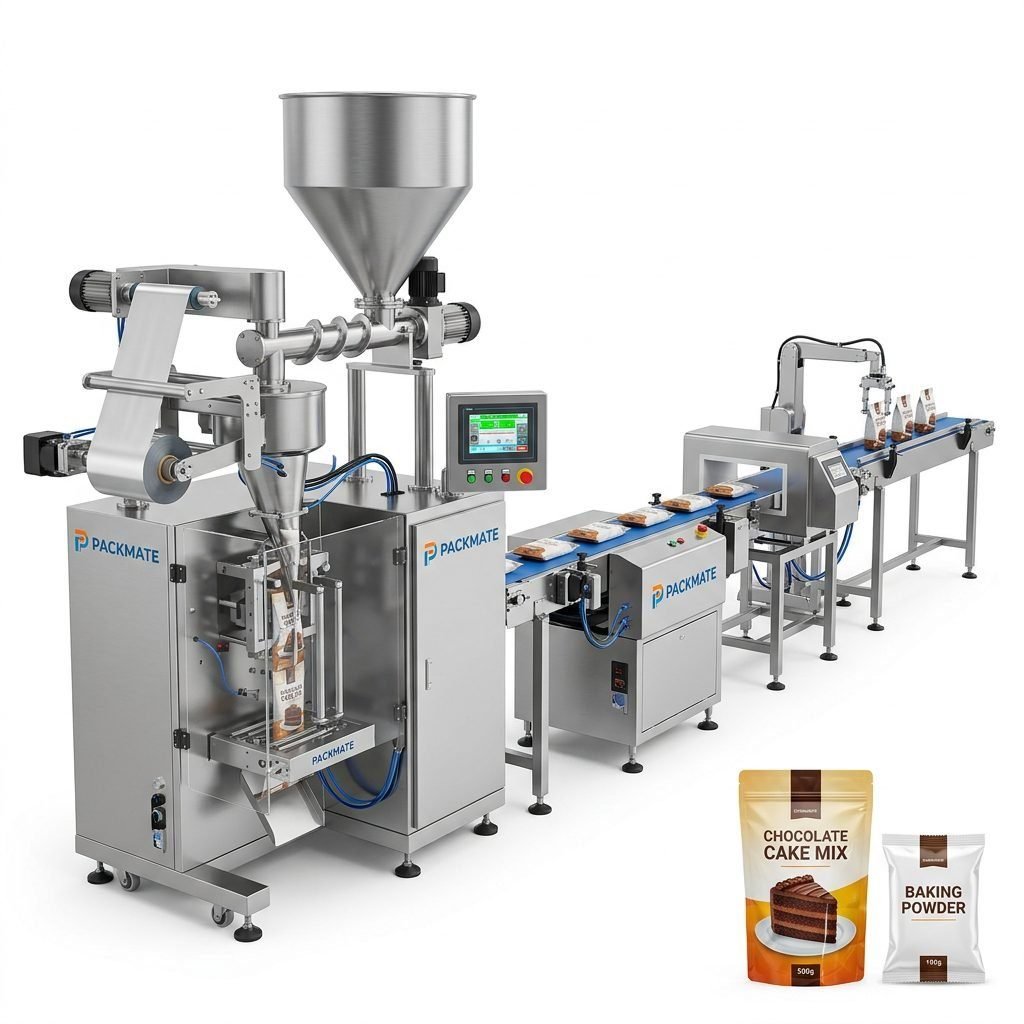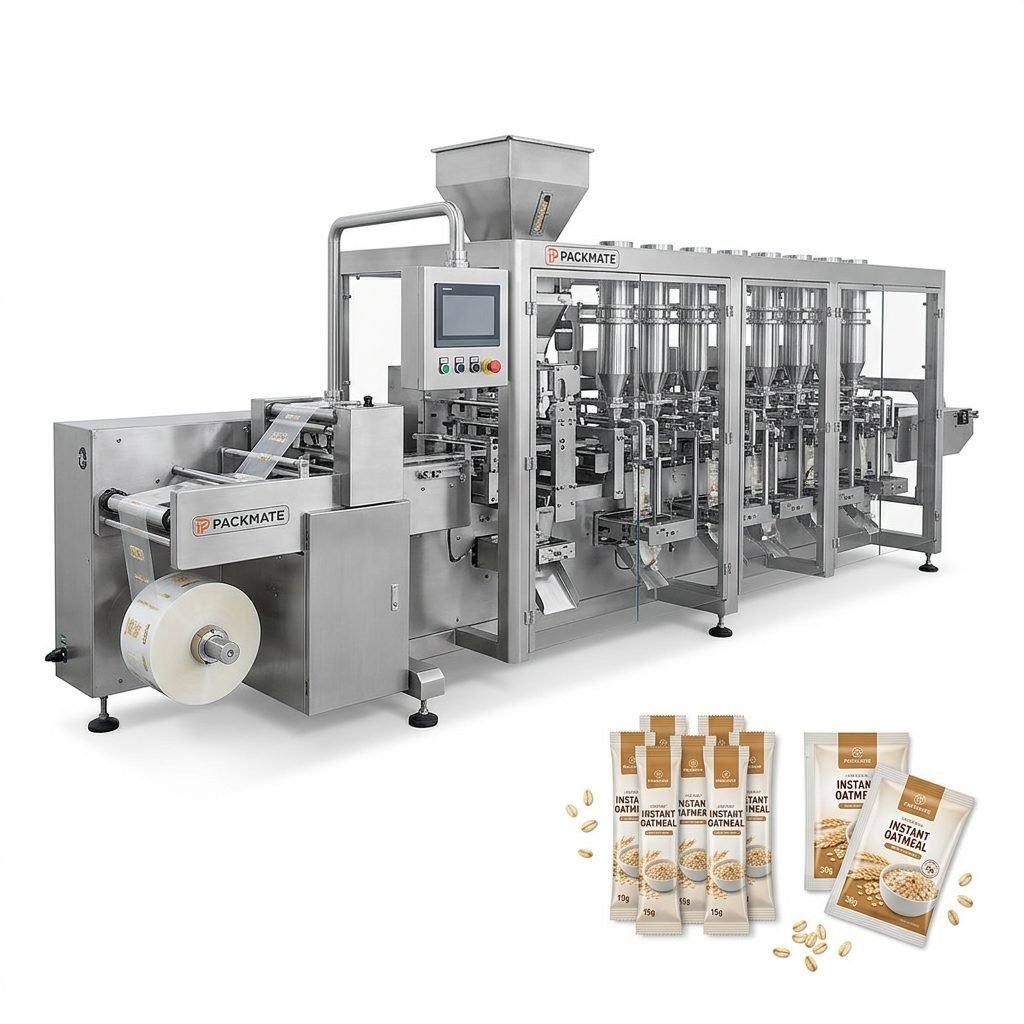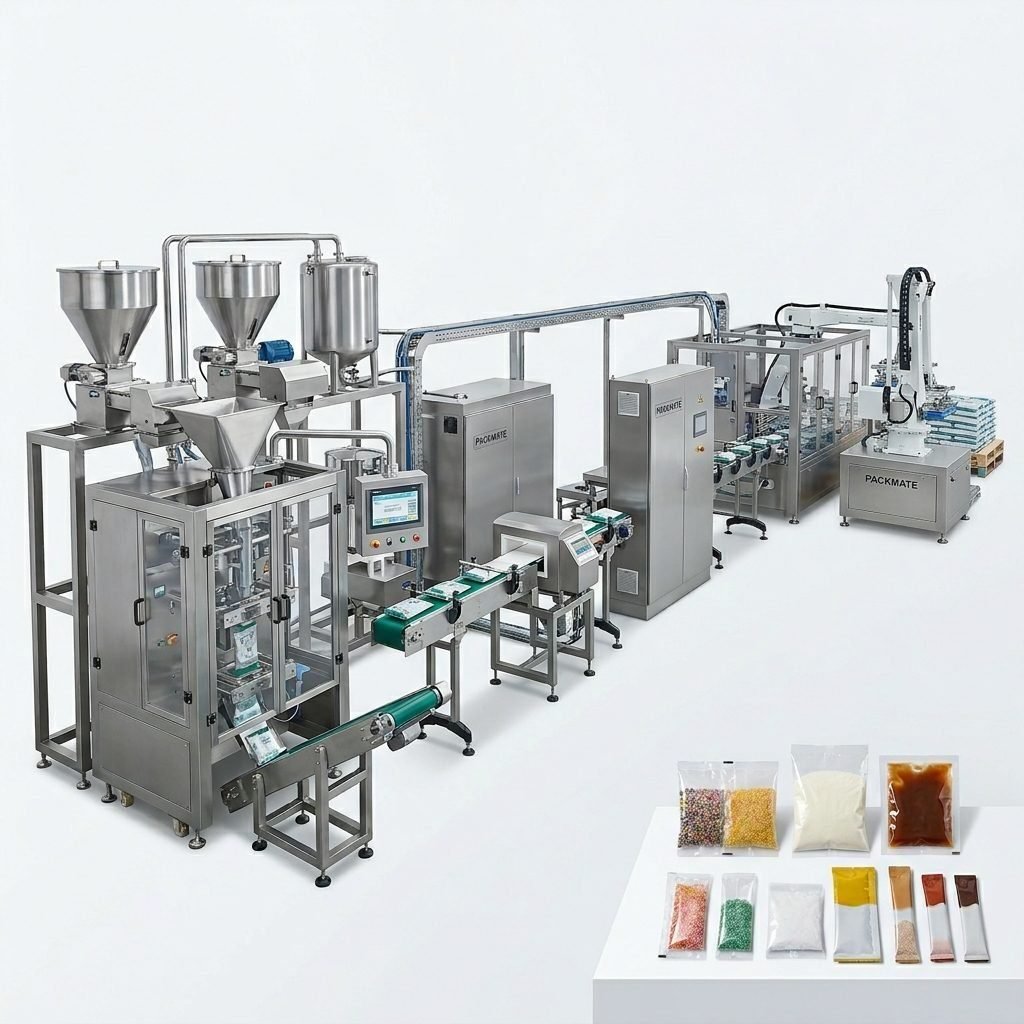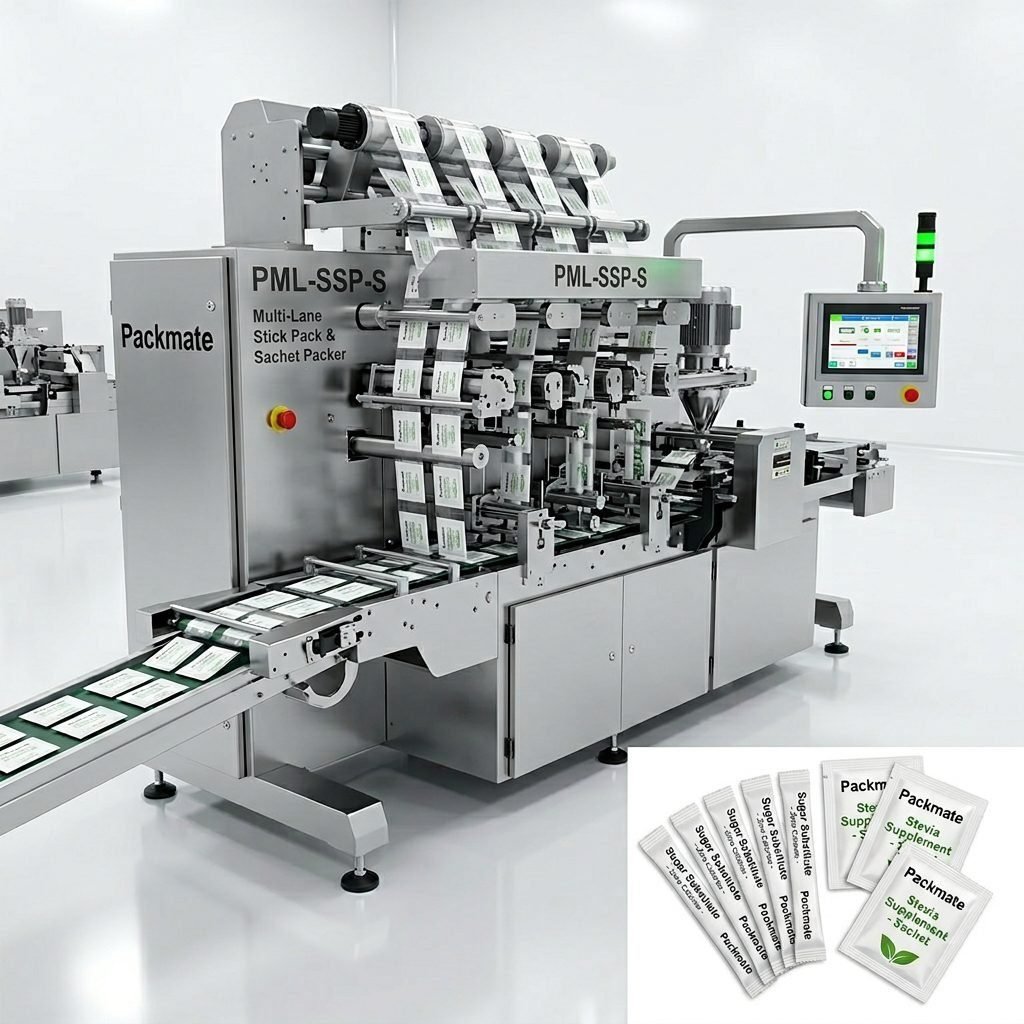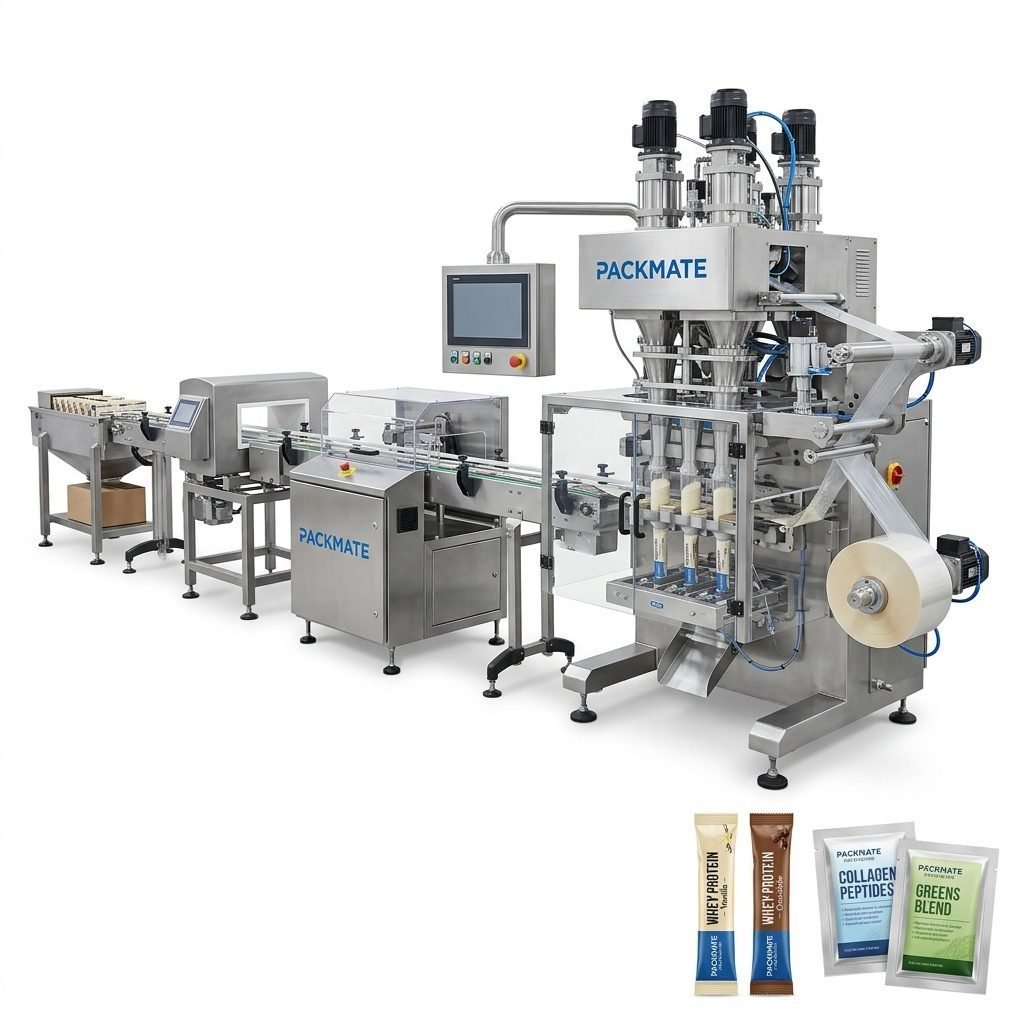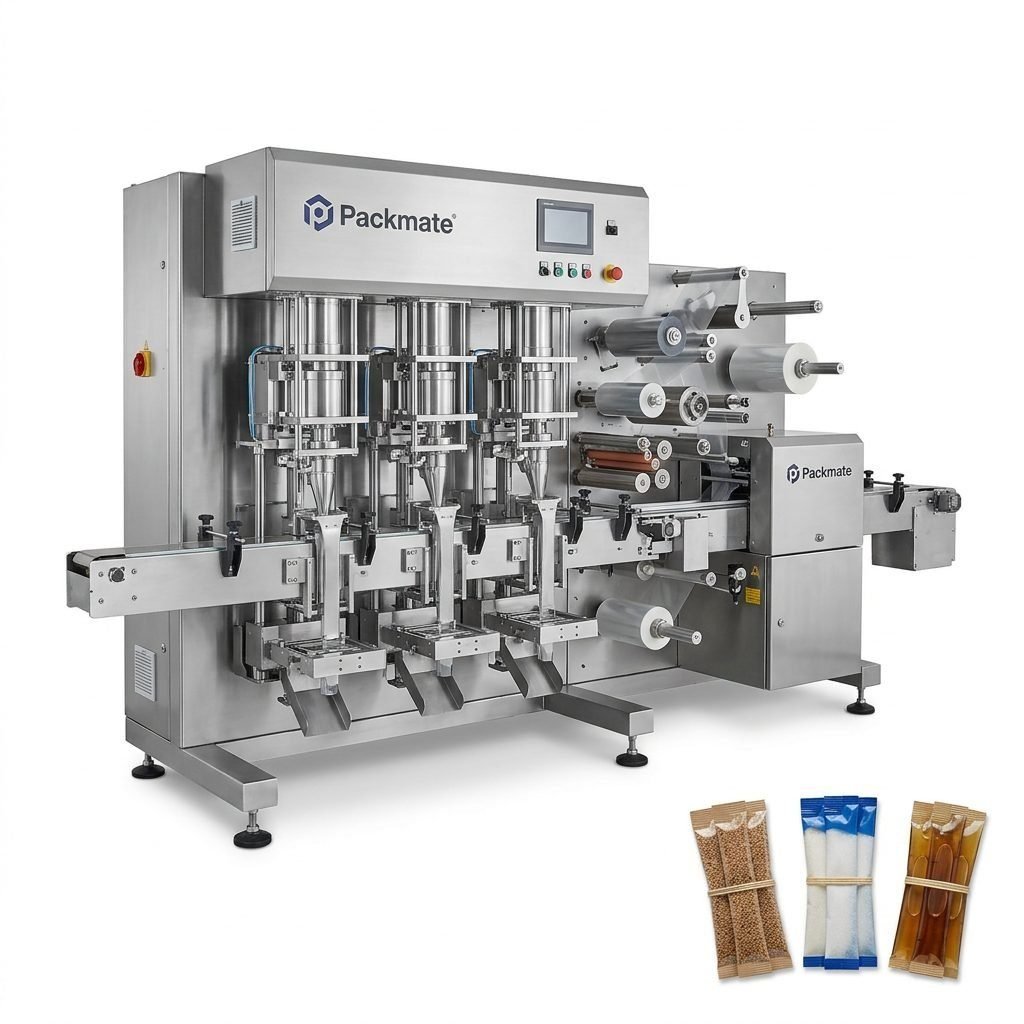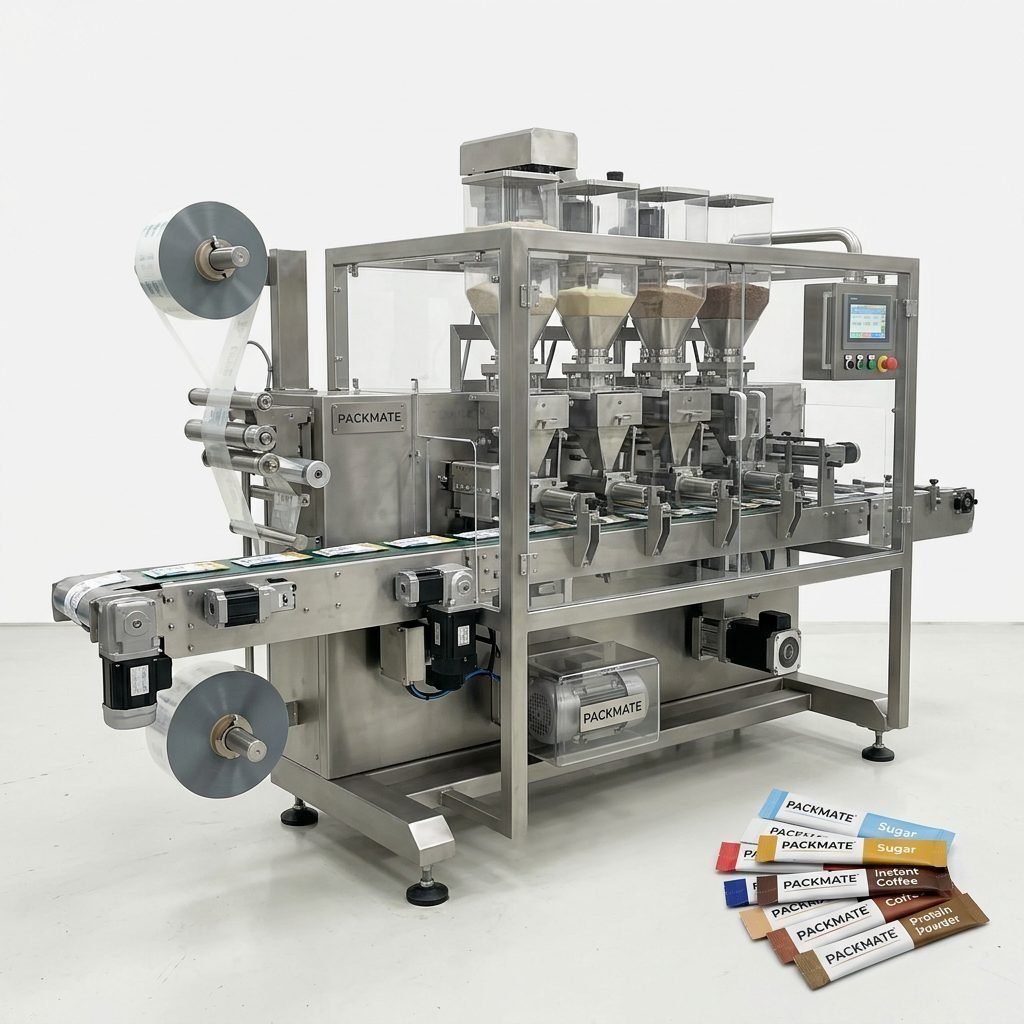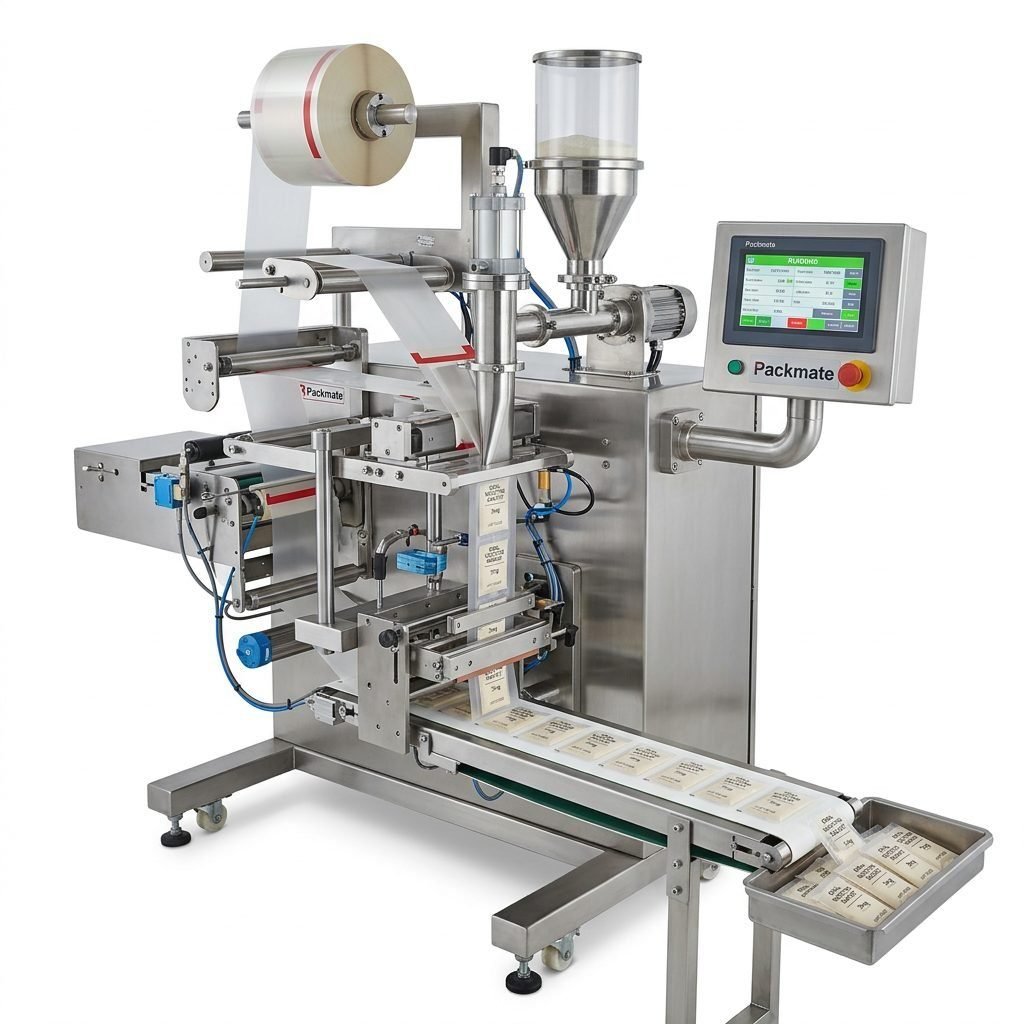
Selecting the right spout pouch filling machine is a critical decision for any liquid packaging operation. The right equipment can dramatically improve efficiency, product consistency, and overall profitability, while the wrong choice can lead to costly downtime, product waste, and maintenance headaches. This guide will walk you through the key factors to consider when choosing a spout pouch filling machine to ensure you make an informed investment that meets your specific production needs.
Understanding Your Product and Production Requirements
Before diving into machine specifications, you must have a clear understanding of your product and production goals. This foundational step will guide every subsequent decision.
Product Characteristics: Analyze the viscosity, acidity, particulate content, and foaming tendency of your liquid. Is it a thin water-like beverage, a viscous sauce, an oil, or a paste? Each type requires different pump technologies (e.g., piston, peristaltic, gear pump) and nozzle designs to ensure accurate, drip-free filling.
Pouch Specifications: Define your pouch size range, material (stand-up, flat, retortable), and spout type (screw cap, flip-top, sports cap). The machine must be compatible with your chosen pre-made pouches or equipped with a form-fill-seal (FFS) system.
Output Capacity: Calculate your required production speed in pouches per minute (PPM). Are you a startup needing 30 PPM or an industrial plant targeting 200+ PPM? This directly impacts the machine’s design, from single-lane to multi-lane configurations.
Key Machine Features and Technologies
Modern spout pouch fillers come with a range of features. Prioritizing the right technology is essential for operational success.
1. Filling System Accuracy
Precision is non-negotiable. Look for machines with servo-driven filling systems for unparalleled accuracy and repeatability, minimizing product give-away. Volumetric or gravimetric (weight-based) filling systems should be chosen based on your product and accuracy requirements.
2. Sealing Integrity
A strong, leak-proof seal is paramount for product safety and shelf life. Machines should offer precise temperature control for heat sealing and may include options for gas flushing (nitrogen) for modified atmosphere packaging to extend freshness.
3. Level of Automation
Automation ranges from semi-automatic (manual pouch placement) to fully automatic systems with integrated robotic pouch handling, cap placement, and cartoning. Higher automation reduces labor costs and increases throughput but requires a larger initial investment.
Choosing a Manufacturer: Capability and Support
The manufacturer’s expertise and support network are as important as the machine itself. A reliable partner ensures long-term success.
When evaluating manufacturers, consider their experience with products similar to yours. A company with a proven track record in your specific industry (e.g., dairy, sauces, chemicals, pharmaceuticals) will understand the unique challenges you face. For instance, manufacturers like Ludyway, with over 30 years in packaging machinery, offer deep application knowledge across food and pharma sectors.
Look for suppliers capable of providing complete turnkey solutions, not just a standalone filler. Companies such as PacklineOEM specialize in integrating fillers with upstream (e.g., pouch unscramblers) and downstream (e.g., checkweighers, cartoners) equipment for a seamless production line.
For operations requiring unique pouch designs or handling of difficult products, a manufacturer with strong customization and OEM capabilities is vital. Firms like PackingMachineOEM focus on engineering non-standard solutions to meet specific project requirements.
Total Cost of Ownership (TCO) and ROI
Look beyond the initial purchase price. The true cost of a machine includes installation, operation, maintenance, and potential downtime.
| Cost Factor | Considerations | Impact on TCO |
|---|---|---|
| Initial Investment | Machine price, shipping, installation, training. | High upfront cost, but a quality machine pays off long-term. |
| Operational Costs | Energy consumption, required labor, consumables (sealing jaws, filters). | Modern, efficient machines lower daily running costs. |
| Maintenance & Spare Parts | Ease of access, availability and cost of spare parts, local technical support. | Good support minimizes costly downtime. Choose suppliers with a strong global parts network. |
| Product Yield & Waste | Filling accuracy, seal integrity, changeover time/product loss. | High-precision filling and reliable sealing directly save product and money. |
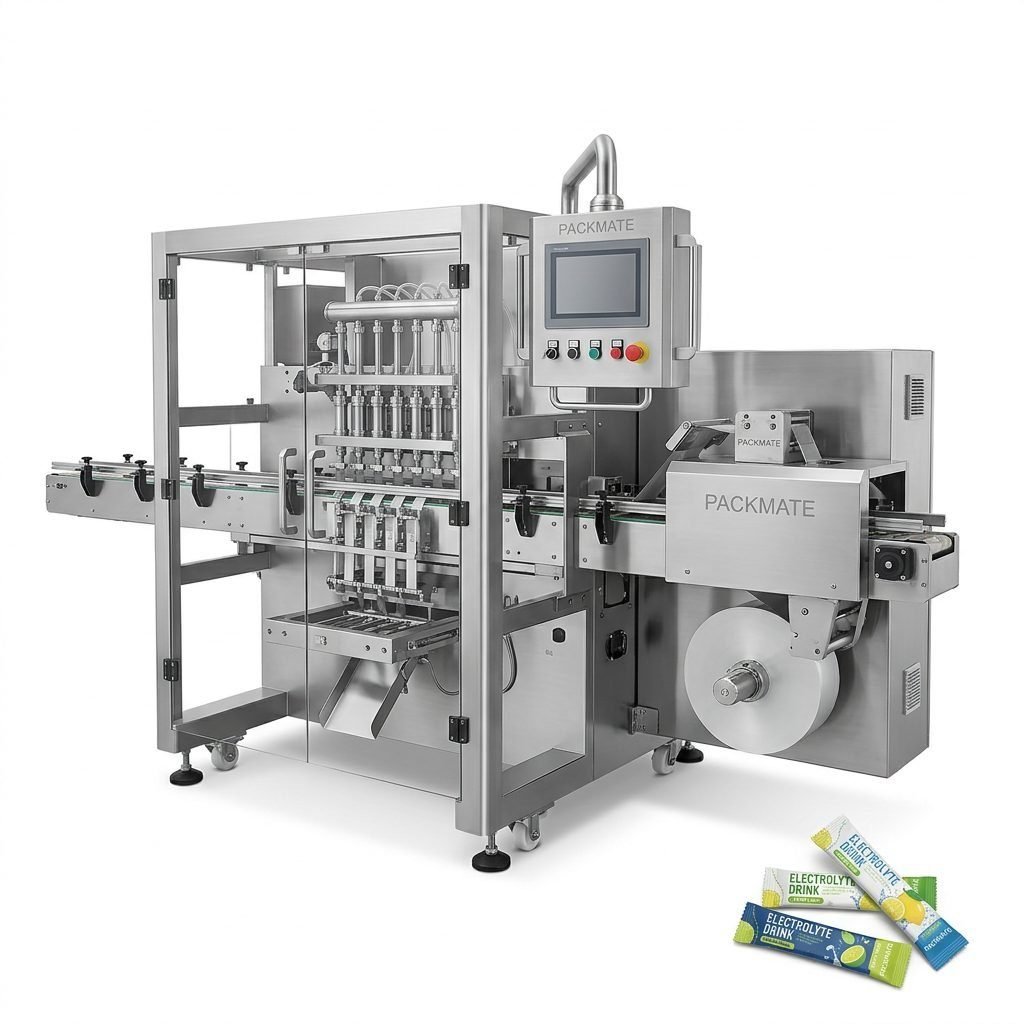
Global Considerations for Export-Oriented Buyers
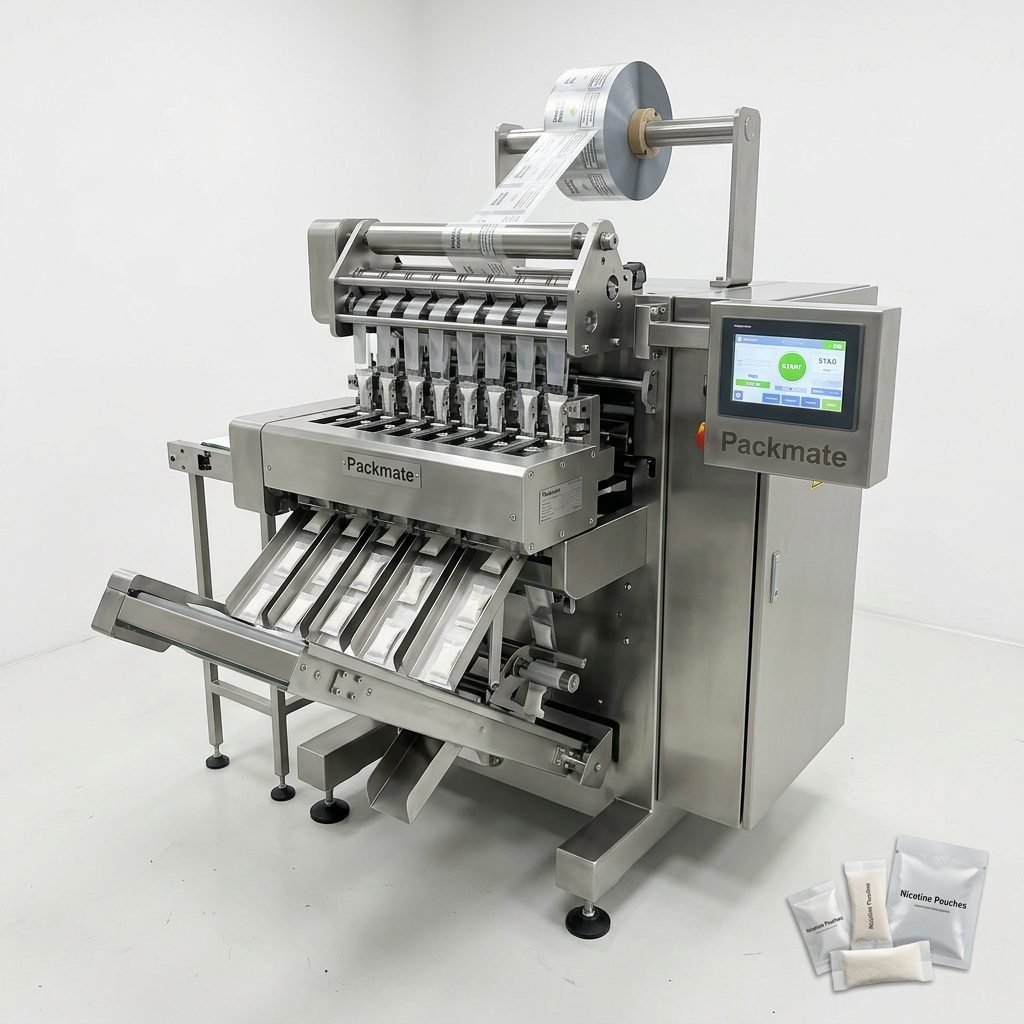
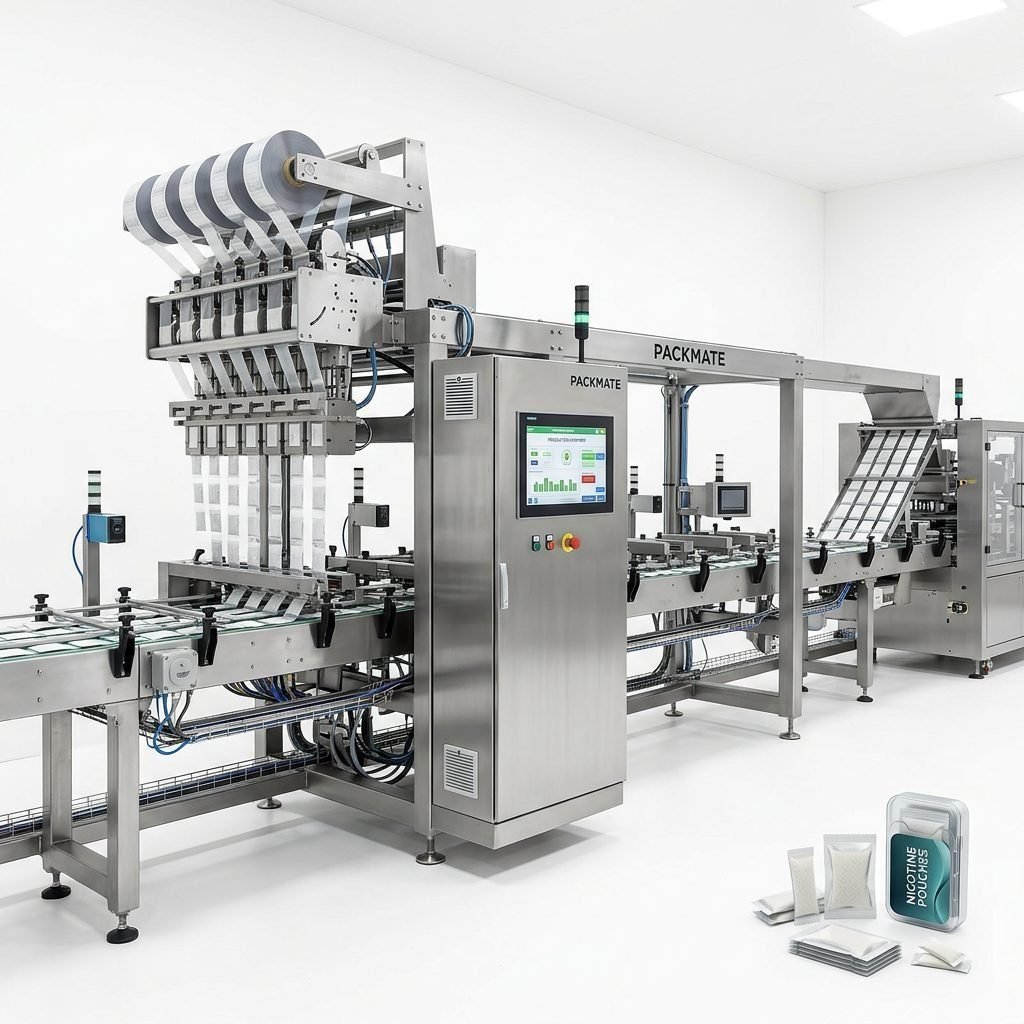
If you are sourcing equipment from an international manufacturer, several additional factors come into play. Ensure the machine complies with safety and electrical standards in your region (e.g., CE for Europe, UL for North America). Verify the manufacturer’s ability to provide comprehensive after-sales support, including remote assistance, on-site engineer availability, and timely spare parts delivery to your location. Manufacturers with a strong export focus, like Packmate Machinery, often have established logistics and support channels for key markets. For niche applications like nicotine pouches, a specialized manufacturer such as SnusMachinery can offer critical application-specific expertise that generalist suppliers may lack.
Frequently Asked Questions (FAQs)
Q: What is the difference between a volumetric and a gravimetric filler?
A: Volumetric fillers dispense a precise volume of liquid, ideal for uniform, non-foaming products. Gravimetric (weight-based) fillers measure the mass of the product, offering higher accuracy, especially for products with variable density or those that foam. They are often preferred for high-value products.
Q: Can one machine handle different pouch sizes and spout types?
A: Most modern machines are designed for quick changeover. However, the ease and speed depend on the machine’s design. Look for features like tool-less change parts, servo-driven adjustments, and recipe storage to minimize downtime when switching between SKUs.
Q: How important is after-sales service when buying from an overseas manufacturer?
A> It is critically important. The machine’s long-term reliability depends on accessible technical support, available spare parts, and potential on-site service. Prioritize manufacturers with a proven export history, dedicated international support teams, and local agents or spare parts warehouses in your region.
Q: Should I choose a form-fill-seal (FFS) machine or a pre-made pouch filler?
A: FFS machines create the pouch from roll stock film and then fill and seal it, offering lower pouch material cost and flexibility in design. Pre-made pouch fillers use ready-made pouches, which can offer higher quality printing and more complex structures (like angled spouts). The choice depends on your production volume, pouch design complexity, and material cost considerations.
Q: What hygiene standards should I look for if packaging food or pharmaceuticals?
A: For food, ensure the machine meets food-grade standards with easy-clean designs (e.g., stainless steel construction, CIP/SIP capabilities). For pharmaceuticals, stricter requirements apply, often necessitating machines built to cGMP standards with full validation documentation (IQ/OQ/PQ) and cleanroom compatibility.