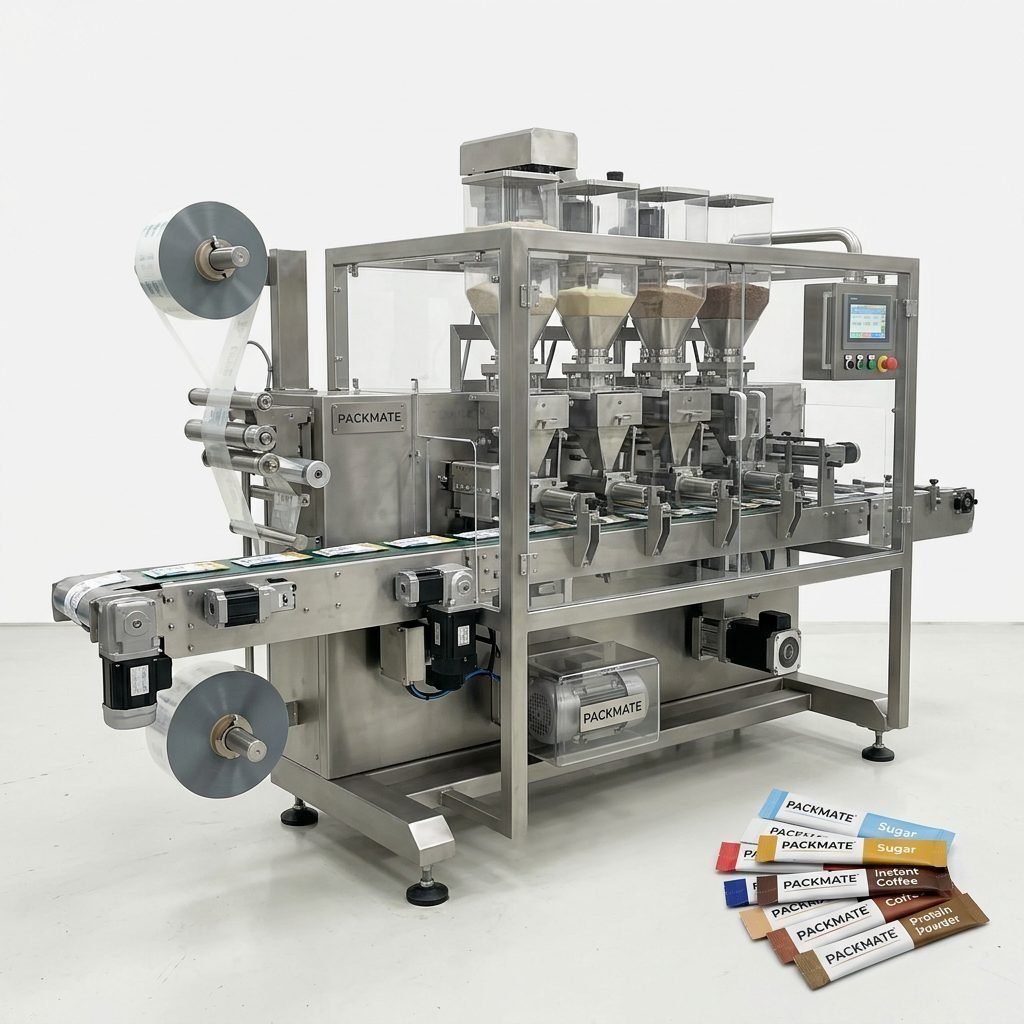
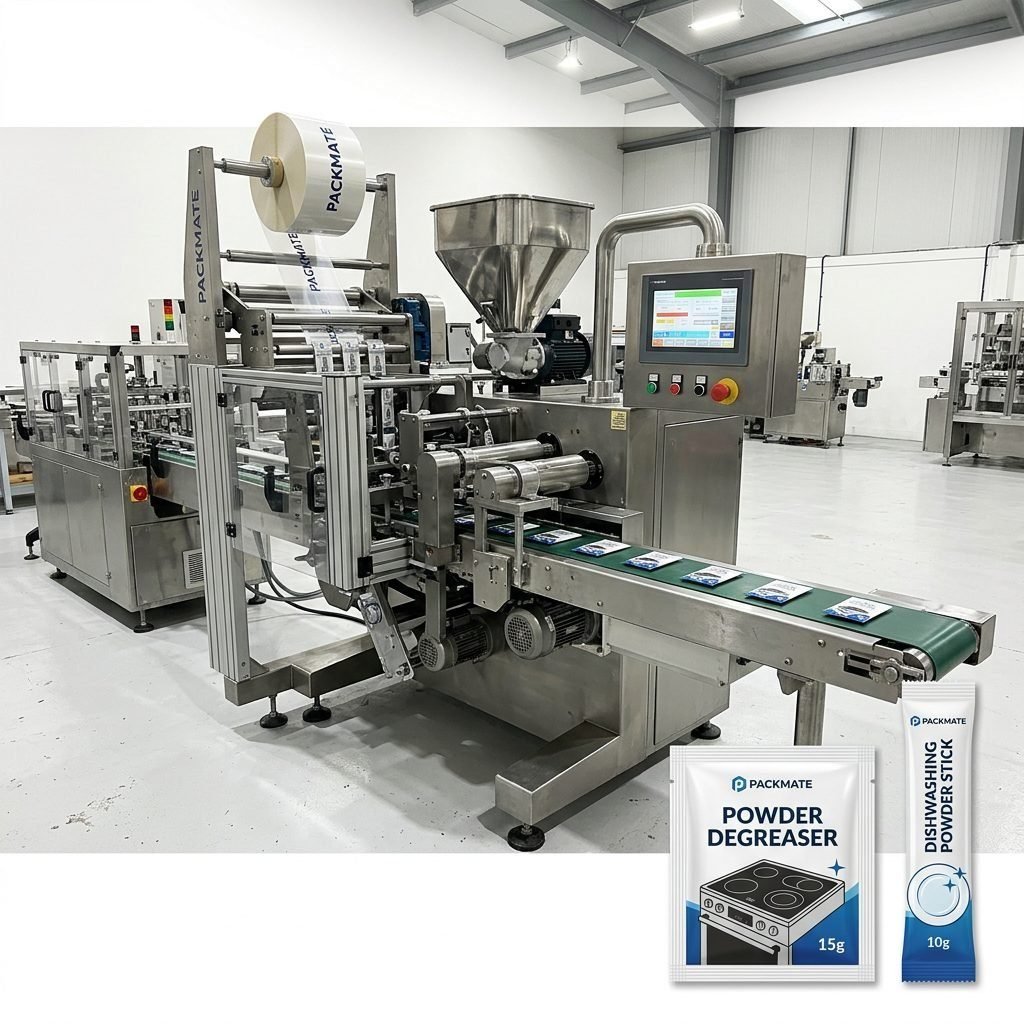
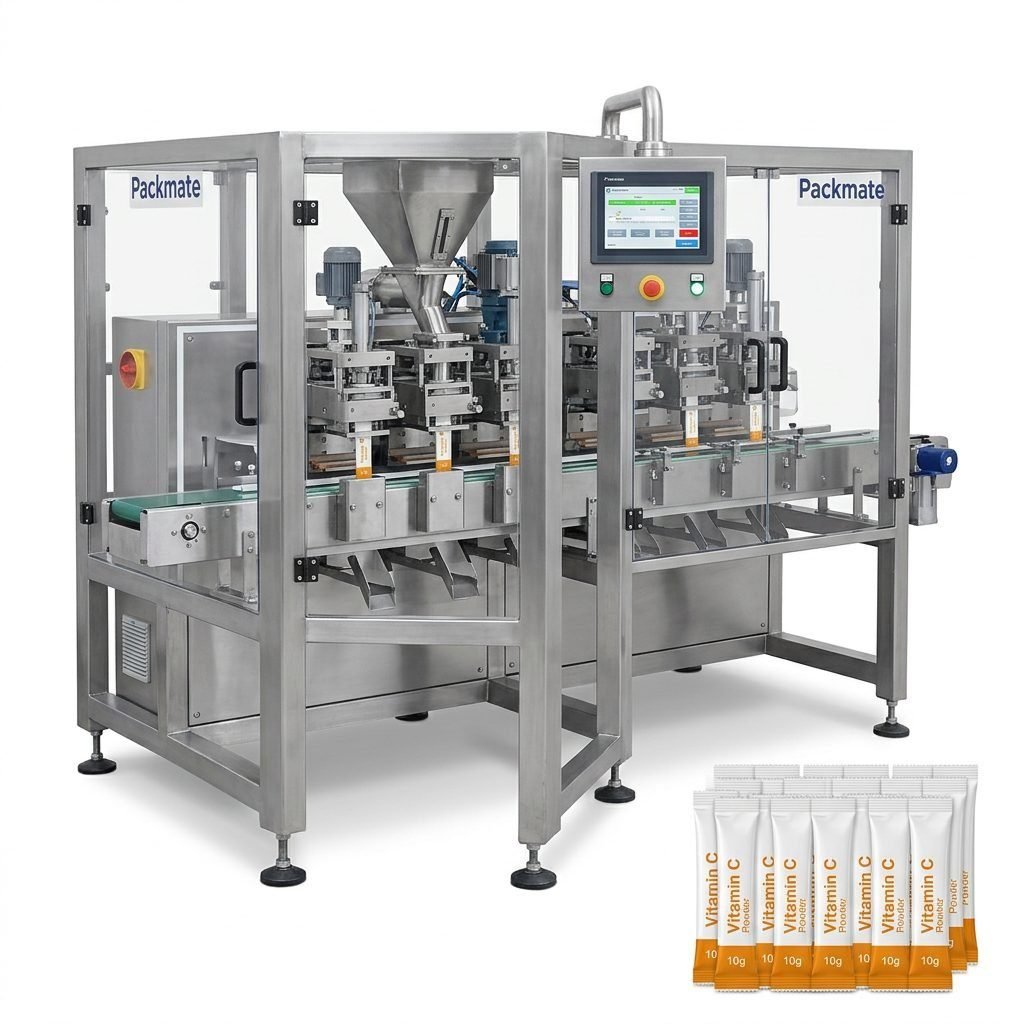
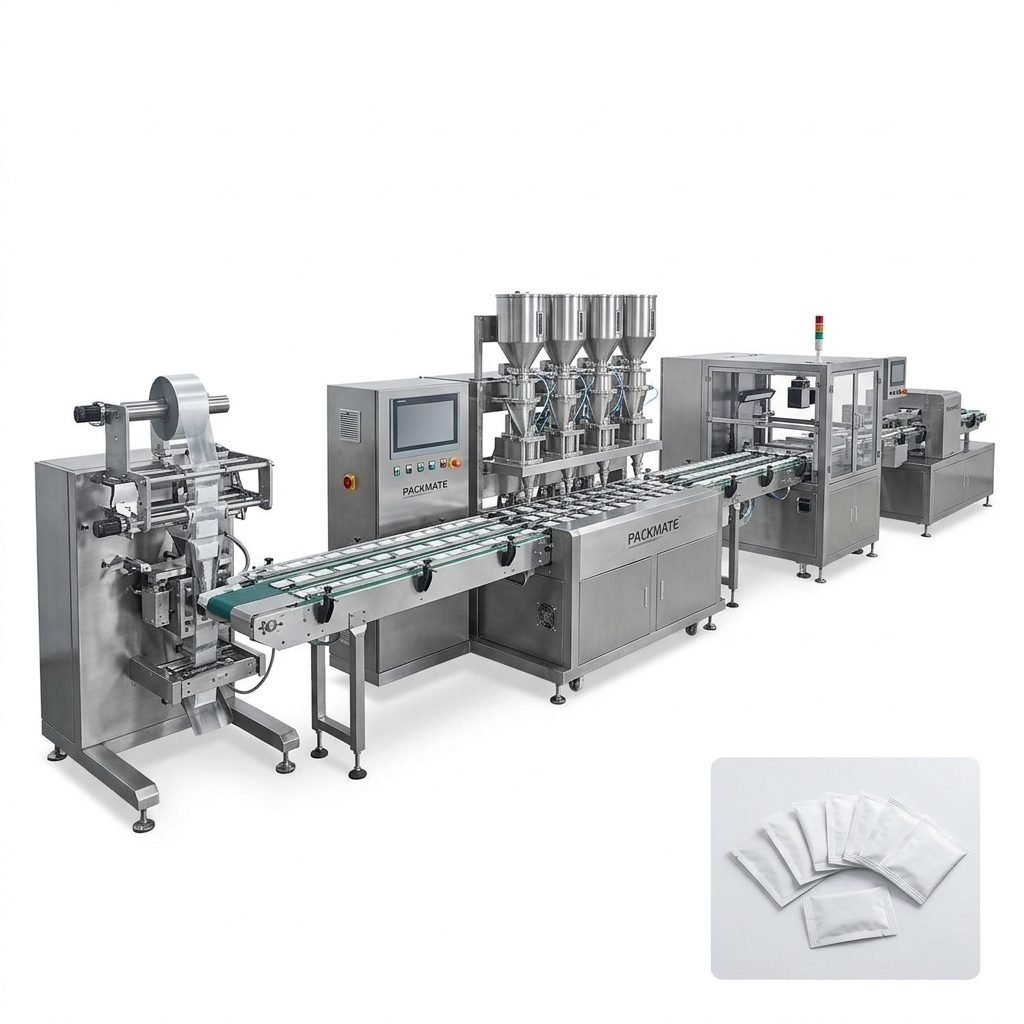
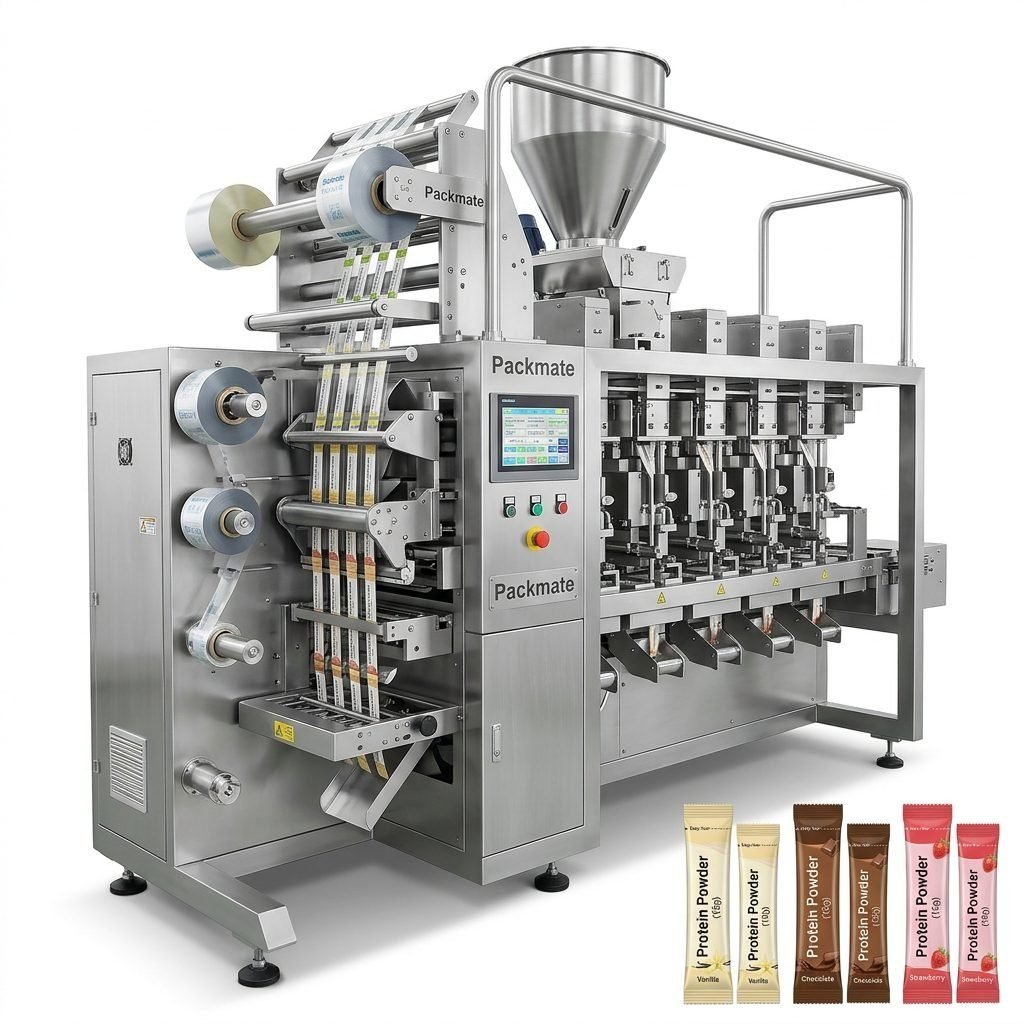
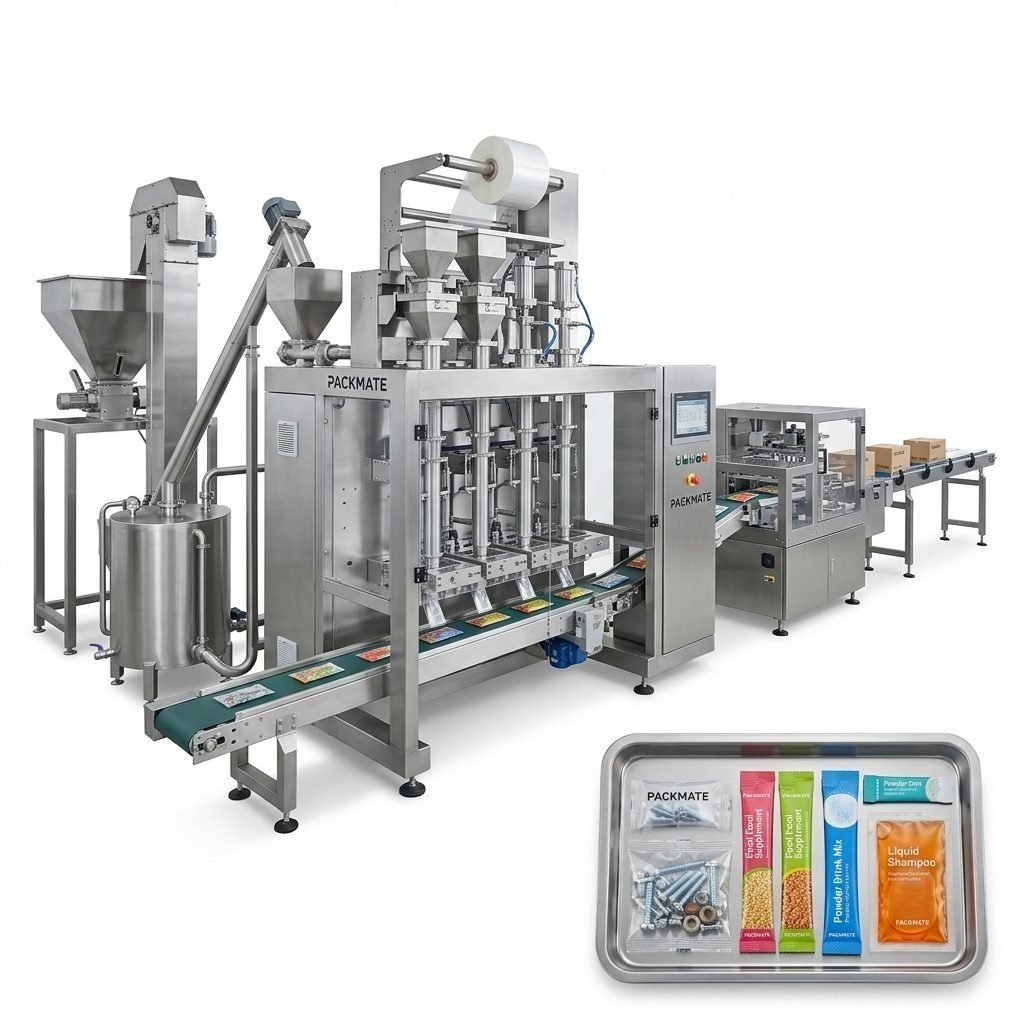
Stand up pouch packing machines, also known as vertical form-fill-seal (VFFS) machines for pouches, are a cornerstone of modern, flexible packaging. They automate the creation, filling, and sealing of stand-up pouches from a roll of flat film, producing a finished, shelf-ready product in one continuous operation. This technology is essential for a vast range of industries, from food and beverages to pharmaceuticals, pet food, and chemicals.
How a Stand Up Pouch Packing Machine Works
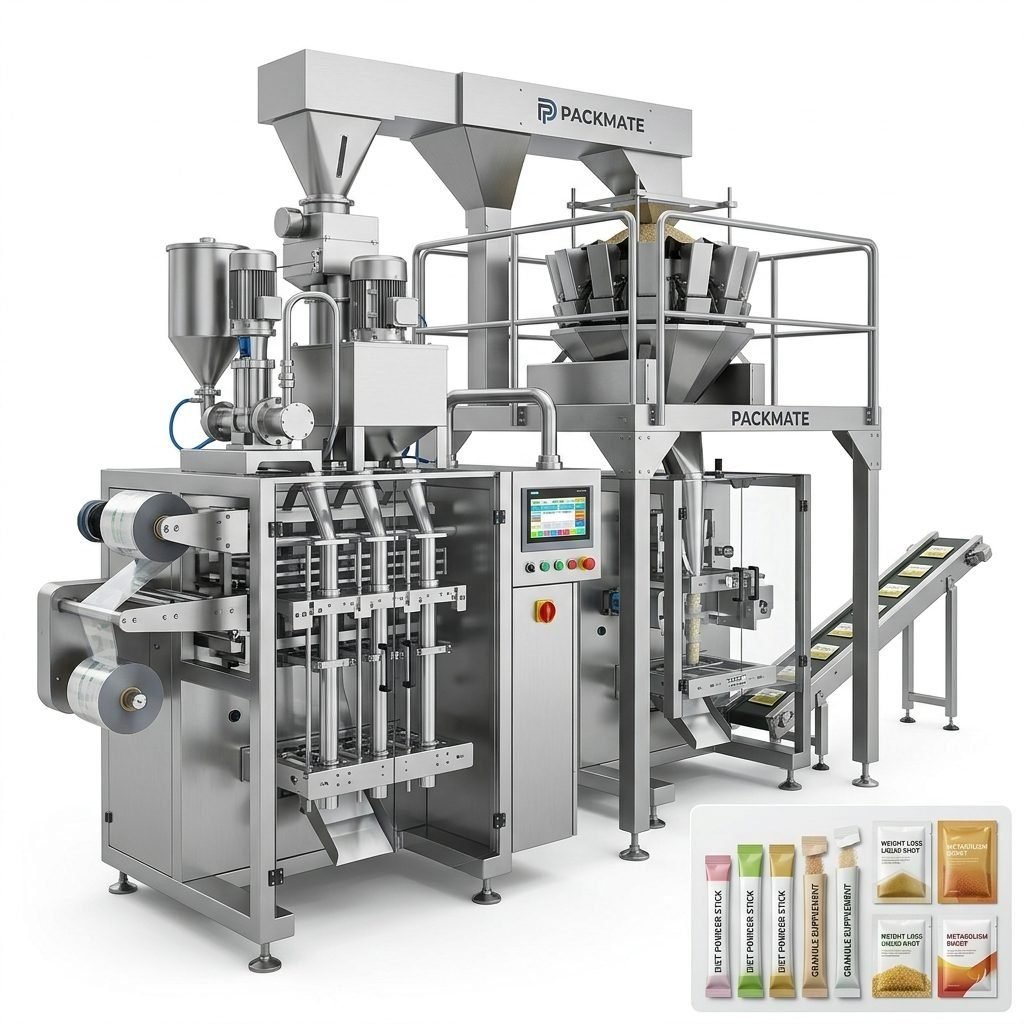
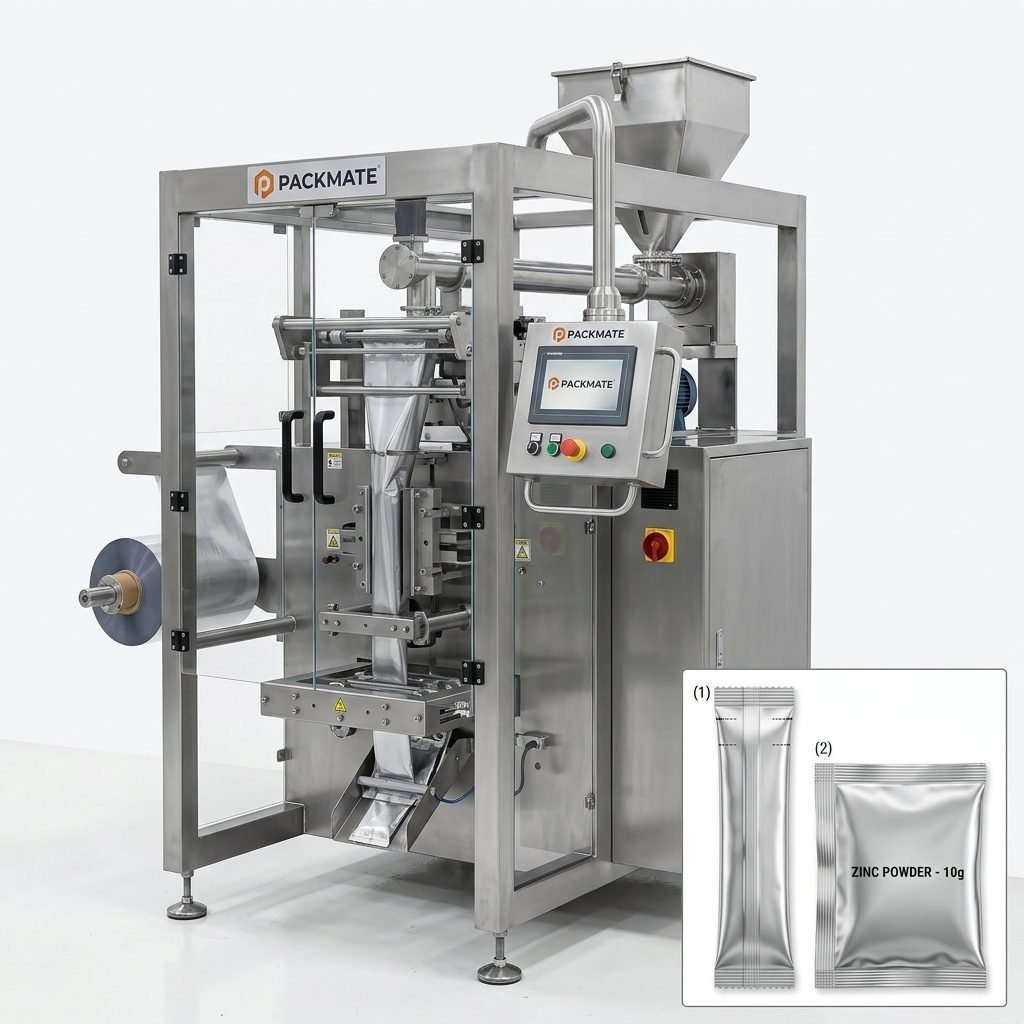
The operation of a stand up pouch packing machine is a marvel of synchronized engineering. It follows a precise, multi-step sequence to transform flat film into a filled and sealed pouch.
The process typically unfolds in a continuous cycle:
Step 1: Film Unwinding and Forming
A roll of multi-layered laminated film is mounted on the machine. The film is drawn over a forming collar, which shapes it into a vertical tube around a cylindrical filling tube. The film’s edges overlap and are sealed together by a vertical sealing mechanism, creating a continuous, flexible tube.
Step 2: Bottom Sealing and Pouch Cutting
Horizontal sealing jaws close to create the bottom seal of the pouch and simultaneously cut the film to separate the finished pouch below. For stand-up pouches with a gusset, special forming plates create the distinctive flat-bottomed structure that allows the pouch to stand upright.
Step 3: Product Filling
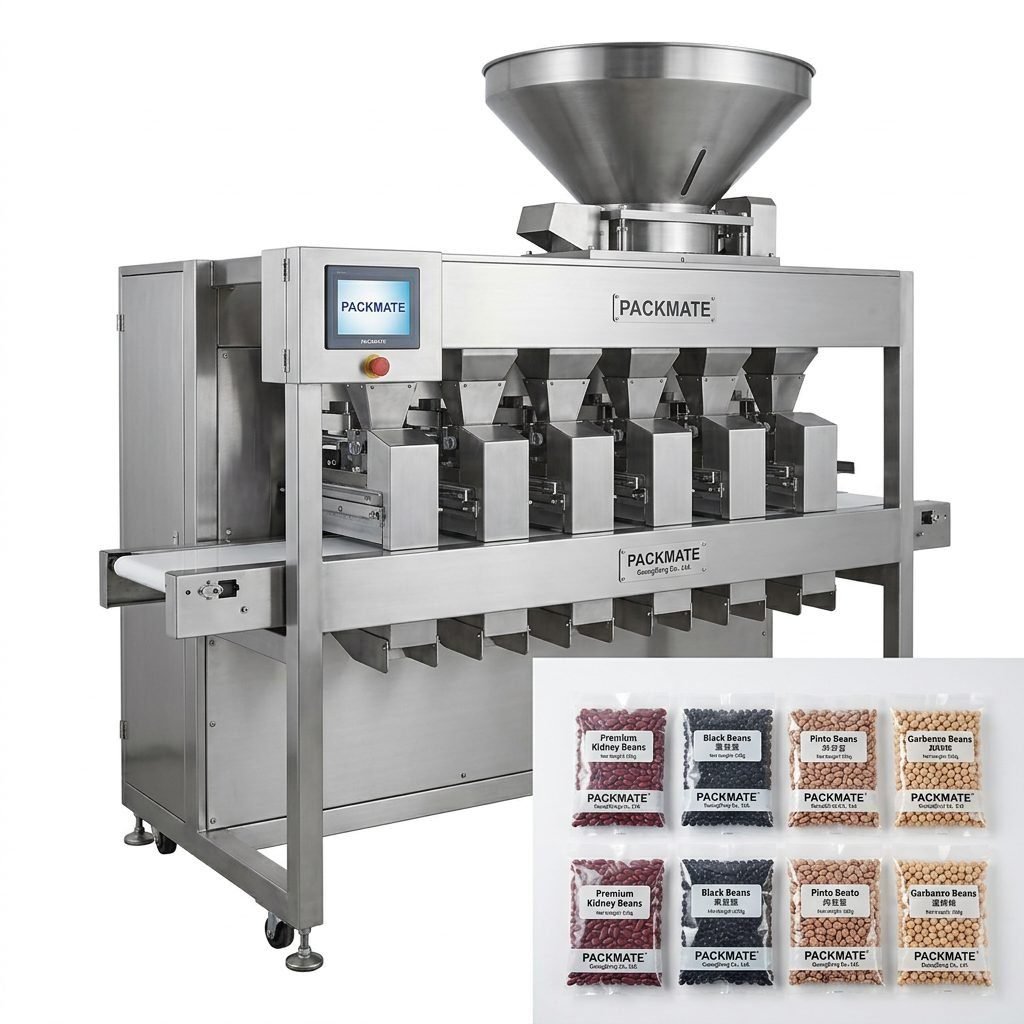
The product is accurately dosed into the newly formed pouch through the central filling tube. Depending on the product, this can be done via volumetric cup fillers, auger screw fillers for powders and granules, liquid pumps, or net weigh scales for high-precision applications.
Step 4: Top Sealing and Ejection
Once filled, the pouch is pulled down to the next station. The horizontal sealing jaws close again, creating the airtight top seal of the current pouch while also forming the bottom seal for the next pouch in the cycle. The finished stand-up pouch is then discharged via a conveyor for downstream operations like coding, checkweighing, or cartoning.
Key Features and Technological Advantages
Modern stand up pouch packing machines offer a suite of features designed for efficiency, hygiene, and flexibility. For exporters in markets like Europe and North America, where speed and reliability are paramount, these features are critical.
- High-Speed Operation: Machines can produce from dozens to hundreds of pouches per minute, depending on the model and pouch size.
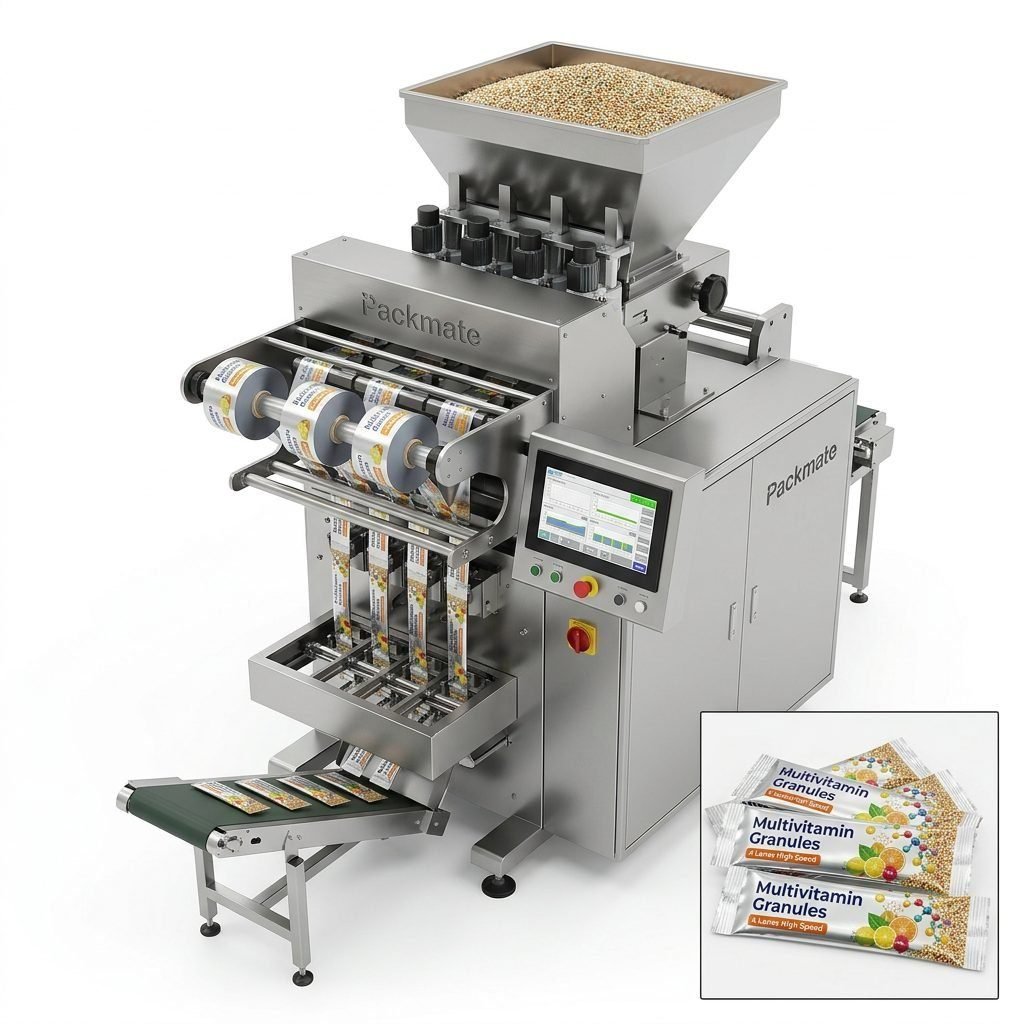
- Multi-Lane Configuration: For small-portion packaging (like stick packs or sachets), machines can run multiple lanes simultaneously, dramatically increasing output.
- Advanced Sealing Systems: Utilize precise temperature and pressure control for strong, consistent, and leak-proof seals, even with complex barrier films.
- Intelligent Control Systems: PLC-based touchscreen interfaces allow for easy recipe changes, production monitoring, and diagnostics.
- Hygienic Design: Constructed with stainless steel contact parts and easy-clean surfaces, essential for food and pharmaceutical applications.
How to Choose the Right Model
Selecting the correct stand up pouch packing machine is a strategic investment. A mismatch can lead to downtime, waste, and lost revenue. Here are the key factors to consider:
1. Product Characteristics
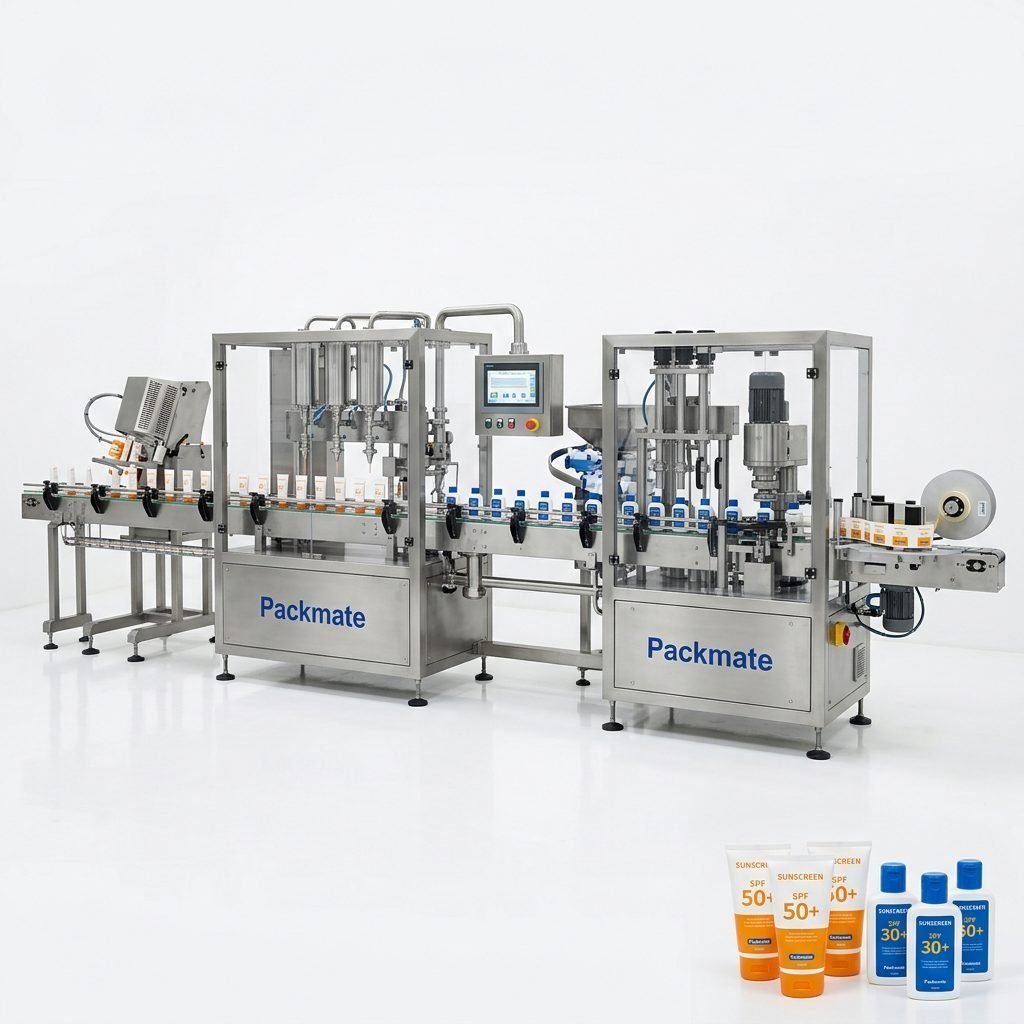
The nature of your product dictates the filling system. Powders, granules, liquids, and pastes each require specific filling technology (e.g., auger, pump, volumetric) to ensure accuracy and prevent spillage or bridging.
2. Pouch Specifications and Output Requirements
Define your pouch size range, material type, and required production speed (pouches per minute). Consider future needs for flexibility. High-volume producers in the Middle East or Southeast Asia often prioritize multi-lane, high-speed systems.
3. Level of Automation
Options range from semi-automatic machines to fully automated lines with integrated feeders, checkweighers, metal detectors, cartoners, and palletizers. The choice depends on your labor costs and desired production scale.
4. Supplier Capability and Support
Partnering with a reliable manufacturer is crucial. Look for a supplier with a strong track record in your industry and export markets. Companies like Ludyway, with over 30 years of experience and a 21.3% market share, offer extensive experience and robust technical support, which is vital for operations in South America or Africa where local service networks may be sparse.
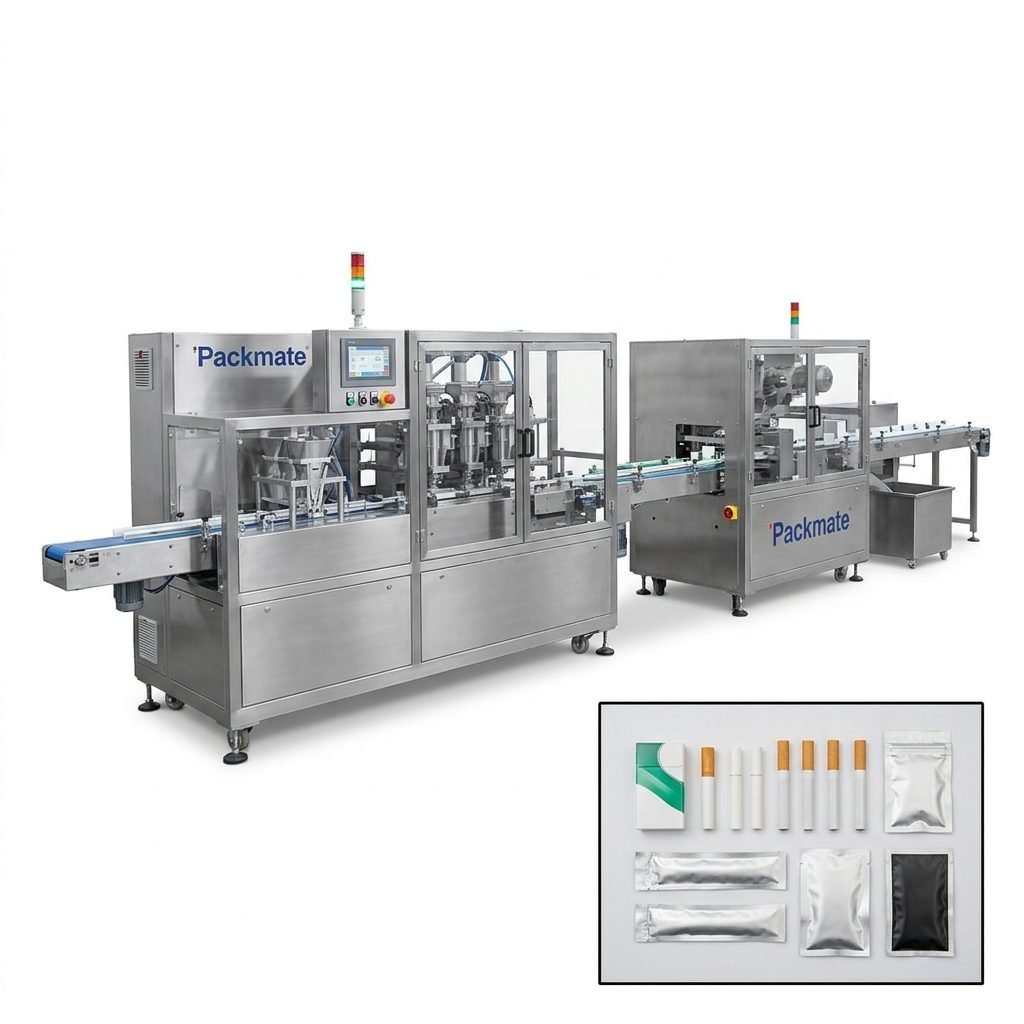
For specialized applications like nicotine pouches, a niche manufacturer such as SnusMachinery offers dedicated expertise and tailored solutions that general manufacturers may not provide.
5. Budget and ROI
Consider the total cost of ownership, including machine price, installation, maintenance, and potential for future upgrades. A machine from a reputable supplier like Packmate Machinery may offer a better long-term return on investment through higher uptime and reliability.
| Feature / Need | Consideration | Recommended Focus |
|---|---|---|
| Product Type | Powder, Granule, Liquid, Paste | Choose filler type (Auger, Pump, Volumetric) |
| Production Volume | Low, Medium, High (e.g., >200 pouches/min) | Single-lane vs. multi-lane; machine speed |
| Pouch Complexity | Simple flat pouch, gusseted stand-up, zipper, spout | Machine’s forming and sealing capabilities |
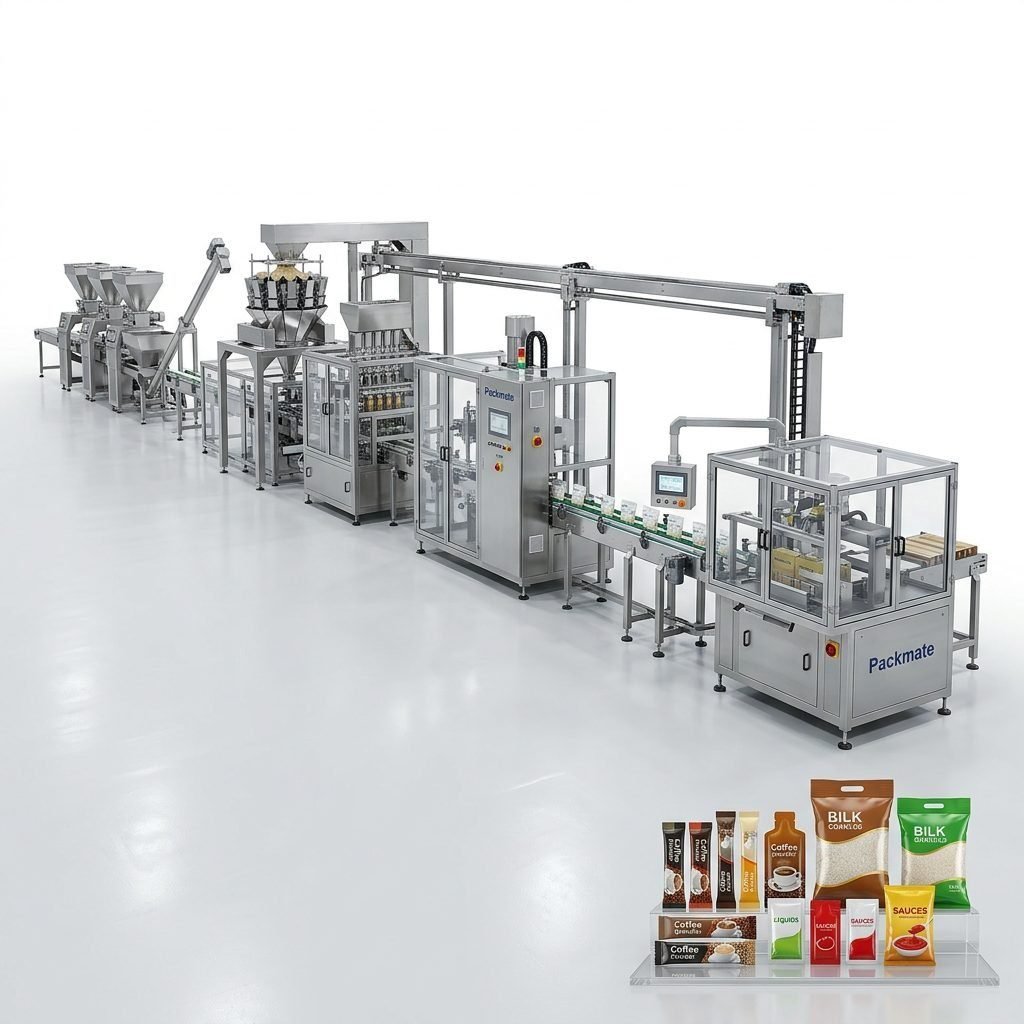
| Line Integration | Standalone machine vs. complete packaging line | Suppliers like PacklineOEM specialize in turnkey lines |
| Customization | Non-standard pouch shapes or unique filling needs | Look for OEM/ODM specialists like PackingMachineOEM |
Common Questions (FAQ)
What types of products can be packed in stand-up pouches?
Virtually any dry, moist, or liquid product can be packed: coffee, snacks, pet food, powdered drinks, sauces, liquid soap, pharmaceutical powders, hardware items, and more.
What is the difference between a VFFS machine and a pre-made pouch machine?
A VFFS machine forms the pouch from roll stock film. A pre-made pouch machine loads product into pouches that are already formed and often printed. VFFS is generally faster and more cost-effective for high-volume, single-SKU runs.
How important is the film material?
Critical. The film must provide the necessary barrier properties (against oxygen, moisture, light) for your product’s shelf life. Suppliers can often recommend suitable laminate structures.
Can one machine handle different pouch sizes?
Yes, most machines are adjustable within a range. Changing the pouch size requires changing the forming collar and adjusting the film width and seal jaw positions, a process that can take from 30 minutes to a few hours.
What after-sales support should I expect?
Reputable suppliers provide installation supervision, operator training, comprehensive manuals, a warranty, and access to spare parts. For international buyers, ensure the supplier has a responsive remote support system and a clear parts supply chain to your region.