In the competitive world of food processing and confectionery, the efficiency and appeal of your final product hinge significantly on the packaging stage. For sugar—a ubiquitous commodity ranging from fine granulated and powdered forms to specialty cubes and brown sugars—selecting the right packaging machine is not just an operational decision; it’s a strategic investment. This comprehensive guide delves into the types of sugar packaging machines, their key features, and provides a structured framework to help you choose the optimal solution for your production needs.
Understanding the Core Types of Sugar Packaging Machines
The market offers a variety of packaging machines tailored to different sugar forms, packaging styles, and production volumes. Understanding these core types is the first step toward a sound investment.
Vertical Form-Fill-Seal (VFFS) Machines
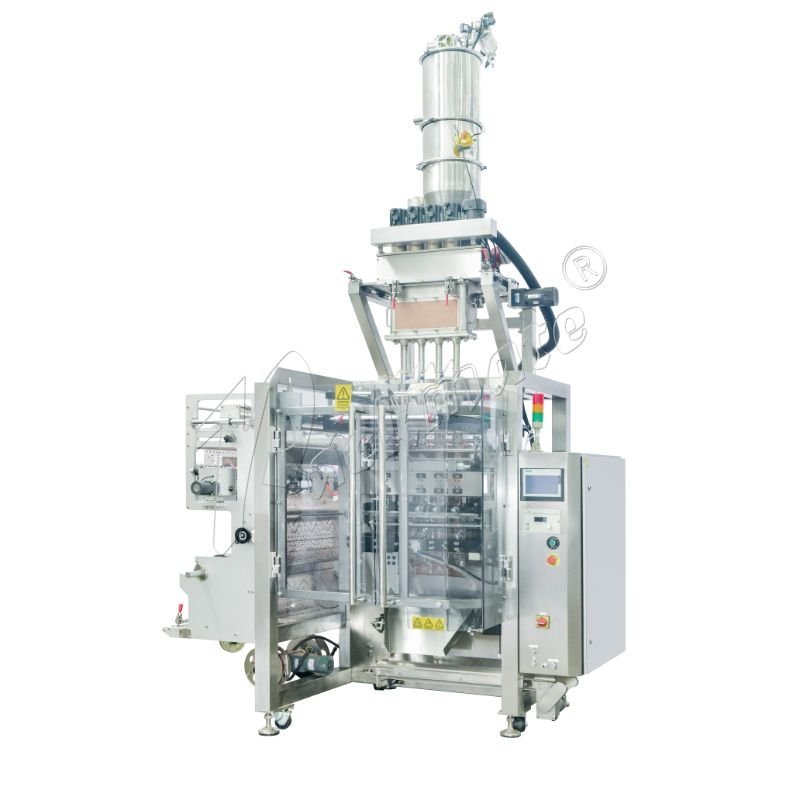
These are the workhorses of the industry for packaging free-flowing granular products like white sugar. A VFFS machine forms a bag from a roll of film, fills it with a pre-measured amount of product, and then seals it. They are highly versatile, capable of producing various bag styles (such as pillow bags, gusseted bags, or block-bottom bags) and are ideal for medium to high-speed production lines. Their flexibility in handling different bag sizes makes them perfect for packaging sugar in quantities from small retail sachets to larger family-sized bags.
Auger Filling Machines
When precision is paramount, especially for powdered sugar or icing sugar which can be prone to dusting and compaction, auger fillers excel. They use a rotating screw (auger) to dispense product into pre-made bags or containers. The fill volume is controlled by the number of screw revolutions, offering exceptional accuracy, which is crucial for maintaining consistent net weight and complying with trade regulations. They are often integrated with VFFS machines or used in combination with pre-made pouch systems.
Stick Pack and Sachet Packaging Machines
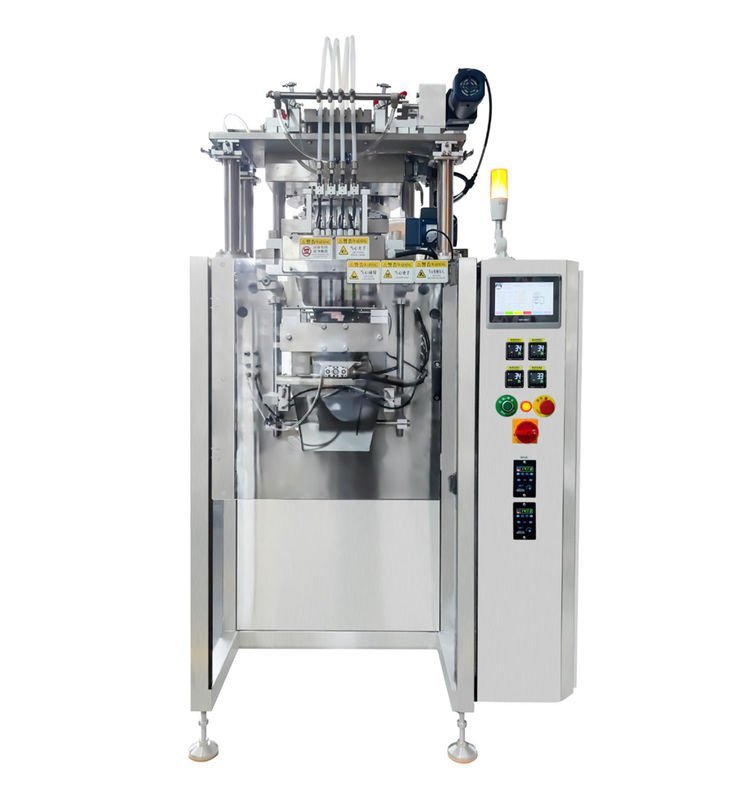
For single-serve portions, such as sugar sticks for coffee shops, hotels, or airlines, stick pack and sachet machines are the go-to solution. These machines are designed for high-speed, multi-lane production, creating small, sealed packets from roll stock. They are exceptionally efficient for packaging precise, small doses of product and are a cornerstone for businesses supplying the foodservice industry. You can explore specialized options in our range of Sachet & Stick Pack Machines.
Weighing and Dosing Systems
At the heart of any accurate filling operation is a reliable weighing system. Multi-head weighers and linear weighers are commonly used for granular sugar to achieve high-speed, precise dosing before the product enters the bag-making stage. For larger, bulkier formats like sugar cubes, volumetric cup fillers or count-based systems might be employed. A robust Weighing & Packaging System is fundamental to ensuring weight accuracy and minimizing giveaway.
Essential Features to Evaluate in a Sugar Packager
Beyond the basic type, several critical features determine a machine’s suitability, reliability, and long-term value.
1. Material Compatibility and Sealing Integrity
The machine must be compatible with your chosen packaging material, whether it’s standard polyethylene, metallized film for enhanced barrier properties, or biodegradable/compostable alternatives. The sealing system—be it heat seal, ultrasonic seal, or cold seal—must create a strong, airtight, and leak-proof seal to prevent moisture ingress, which can cause sugar to clump and degrade.
2. Speed and Production Capacity (Output)
Measured in bags or pouches per minute (BPM/PPM), the machine’s speed must align with your current and projected output requirements. A VFFS machine might range from 40 to 120 BPM for standard bags, while multi-lane stick pack machines can exceed 1000 sticks per minute. It’s crucial to balance peak speed with sustainable, reliable operational speed.
3. Accuracy and Weighing Technology
Weight accuracy directly impacts profitability and regulatory compliance. Look for machines with advanced load cell technology, feedback systems for real-time adjustment, and user-friendly controls for easy calibration. Consistent filling minimizes product giveaway and ensures customer satisfaction.
4. Hygiene and Cleanability
Food-grade construction is non-negotiable. Machines should feature stainless steel contact parts, smooth surfaces without crevices where sugar dust can accumulate, and designs that allow for easy access and rapid cleaning (CIP – Clean-in-Place capabilities are a major plus). This is vital for maintaining product purity and meeting food safety standards like HACCP.
5. Flexibility and Changeover Ease
If you produce multiple sugar types or bag sizes, quick changeover is essential. Machines with tool-less adjustments, stored recipe memory, and interchangeable forming tubes or augers significantly reduce downtime between production runs, boosting overall equipment effectiveness (OEE).
6. Automation and Integration Potential
Modern packaging lines are highly automated. Consider machines that can be seamlessly integrated with upstream (e.g., silo feeding, conveying) and downstream equipment (e.g., cartoners, case packers). Features like automatic film splicing, date/batch coding, and checkweigher rejection interfaces contribute to a streamlined, efficient Filling & Packaging Line.
A Step-by-Step Framework for Choosing Your Solution
Making the right choice requires a systematic assessment of your specific operational context.
Step 1: Define Your Product and Packaging Specifications
Start with granular details: What is the physical form of your sugar (granule size, flowability, dustiness)? What are the target package type, size, and material? What are the required sealing and barrier properties? Clearly document all specifications.
Step 2: Analyze Your Production Requirements
Determine your required output (bags per minute/shift). Assess your need for flexibility: Do you run single SKU lines or require frequent changeovers? Define your available factory space (footprint) and utilities (electrical, compressed air).
Step 3: Evaluate Key Machine Capabilities
Match your specs from Step 1 against machine features. Can it handle your material and achieve the required seal strength? Does its speed range meet your output goals? How accurate is its filling system for your specific sugar type? Scrutinize the hygiene design and cleanability.
Step 4: Consider Total Cost of Ownership (TCO)
Look beyond the initial purchase price. Factor in installation costs, energy consumption, spare parts availability, required maintenance, and the potential cost of downtime. A slightly more expensive but more reliable and efficient machine from a reputable manufacturer like Packmate often offers a lower TCO.
Step 5: Assess Supplier Credibility and Support
The supplier is as important as the machine. Evaluate their industry experience, reputation, and financial stability. What is the depth of their after-sales service? Do they offer comprehensive training, local technical support, and a reliable spare parts supply? Review their portfolio of successful installations, particularly in the sugar sector.
Step 6: Request a Product Test
Whenever possible, arrange a live test or video demonstration where your actual sugar and packaging materials are run on the prospective machine. This is the most reliable way to verify performance, accuracy, and suitability before making a final commitment.
Conclusion: Partnering for Packaging Success
Choosing the right sugar packaging machine is a multifaceted decision that impacts your product quality, operational efficiency, and bottom line. By thoroughly understanding the machine types, prioritizing critical features, and following a disciplined selection process, you can invest in a solution that not only meets today’s needs but also scales with your future growth. Partnering with an experienced manufacturer who provides robust equipment and unwavering support is the final, crucial step in securing a packaging process that delivers consistent, reliable, and profitable results.
Frequently Asked Questions (FAQs)
1. What is the most common type of machine for packaging granulated sugar?
The Vertical Form-Fill-Seal (VFFS) machine is the most prevalent and versatile choice for packaging free-flowing granulated sugar into bags of various sizes, from small sachets to large retail bags. It offers an excellent balance of speed, flexibility, and cost-effectiveness.
2. How can I prevent powdered sugar from dusting or clogging during packaging?
For powdered sugar, an auger filling system with a specialized, anti-bridging hopper design is recommended. Using a tapered auger and optimizing the auger speed can gently handle the product. Additionally, ensuring the packaging environment has controlled humidity and using anti-static films can significantly reduce dusting issues.
3. What speed (output) should I expect from a sugar packaging machine?
Output varies dramatically by machine type. A single-tube VFFS machine might produce 40-80 bags per minute for 1kg bags. Multi-lane stick pack machines for single-serve sugar can exceed 1000 sticks per minute. Your required speed should be based on your total daily/weekly production volume, allowing for reasonable efficiency factors and downtime.
4. How important is weight accuracy, and how is it controlled?
Weight accuracy is critical for cost control (minimizing product giveaway) and legal compliance with weights and measures regulations. It is controlled through precision weighing systems like multi-head weighers or advanced auger fillers with servo-drive technology, which use feedback from load cells to make real-time adjustments to the fill volume.
5. Can one machine handle different types of sugar (e.g., white sugar and brown sugar)?
Yes, but with considerations. Many machines are designed for flexibility. However, changing from a free-flowing product like white sugar to a more moist and cohesive product like brown sugar may require adjustments to the hopper, auger, or forming parts, and potentially a change in film type. Machines with quick-change features and recipe memory greatly facilitate this process.