In the fast-paced world of manufacturing and product distribution, efficiency and product integrity are paramount. Tray packaging machines have emerged as a cornerstone technology for securing, protecting, and presenting a wide array of products, from food items and pharmaceuticals to electronics and hardware. This comprehensive guide delves into the world of tray packaging, exploring the various types of machines, their underlying working principles, and providing a clear framework for selecting the ideal solution for your specific operational needs.
Understanding Tray Packaging Machines
A tray packaging machine automates the process of placing products into pre-formed trays and then sealing them, typically with a lidding film or card. This method offers superior protection against physical damage, contamination, and environmental factors compared to loose packaging. The process enhances shelf appeal, allows for clear product visibility, and can incorporate essential information directly on the lidding material. For businesses looking to scale their packing machine operations, integrating a tray system is often a transformative step towards automation and consistency.
Core Advantages:
Product Protection: Creates a rigid barrier against crushing, dust, and moisture.
Enhanced Presentation: Provides a clean, professional, and retail-ready look.
Improved Efficiency: Automates a manual, time-consuming process, significantly increasing output.
Traceability: Lidding films can be easily printed with batch codes, expiry dates, and barcodes.
Primary Types of Tray Packaging Machines
The market offers several configurations of tray packaging machines, each suited to different production volumes, tray types, and product characteristics. Understanding these types is the first step in making an informed choice.
1. Manual and Semi-Automatic Tray Sealers
These machines represent the entry point into tray packaging automation. In a manual system, an operator places the filled tray onto the machine bed and initiates the sealing cycle. Semi-automatic models may include automatic film feed and cutting. They are ideal for low to medium production volumes, pilot runs, or operations with a high mix of different products. Their lower initial investment and flexibility make them a popular choice for smaller facilities or for sealing specialty products.
2. Automatic Tray Packaging Systems
Fully automatic systems are the workhorses of high-volume production lines. They integrate seamlessly with upstream equipment like tray erectors, product loaders, and checkweighers, and downstream systems like case packers. Products are automatically collated and placed into trays, which are then conveyed through the sealing station. These systems offer the highest speed and require minimal operator intervention, making them essential for large-scale food processing or pharmaceutical packaging lines. They often form a critical part of a complete filling & packaging line.
3. Thermoforming Packaging Machines
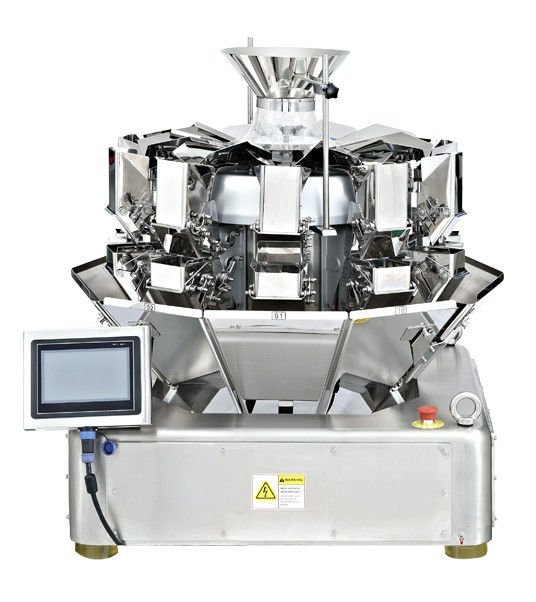
This advanced type integrates tray *forming* with sealing in one continuous process. A roll of plastic film is heated and formed into trays directly over the product or into cavities that are then filled. A second film is then sealed on top. This method is highly efficient, reduces material storage space (as pre-formed trays are not needed), and allows for custom cavity shapes. It is exceptionally common for packaging fresh produce, meats, and ready meals. The precision of such systems often relies on sophisticated weighing & packaging systems to portion product accurately into each cavity.
4. Modified Atmosphere Packaging (MAP) Tray Sealers
A specialized subset of tray sealers designed to extend the shelf life of perishable goods, primarily foods. These machines evacuate the air from the tray and replace it with a controlled mixture of gases (like nitrogen and carbon dioxide) before sealing. This inhibits bacterial growth and oxidation, keeping products fresher for longer. MAP technology is crucial for the meat, seafood, cheese, and prepared food industries.
How Does a Tray Packaging Machine Work? The Core Principle
While designs vary, the fundamental working principle of a standard automatic tray sealer follows a consistent sequence. Understanding this process highlights the engineering involved in achieving reliable, high-speed packaging.
The Sealing Process Cycle:
Stage 1: Tray Infeed & Positioning. Pre-formed and product-filled trays are conveyed into the machine and positioned precisely under the sealing head.
Stage 2: Film Drape & Clamping. A web of lidding film (from a roll) is drawn over the tray. A clamping frame descends to hold the film firmly in place around the tray’s flange.
Stage 3: Sealing. A heated sealing die (matching the tray perimeter) presses down, applying heat and pressure to melt the film’s sealing layer onto the tray flange, creating a hermetic seal. For MAP machines, gas flushing occurs just before this stage.
Stage 4: Film Cutting & Advance. Once sealed, a cutting mechanism (often integrated into the sealing die) trims the lidding film around the tray. The finished package is discharged, and the film advances for the next cycle.
This seamless operation, often monitored by PLC controls, ensures consistent seal integrity, which is non-negotiable for product safety, especially in the food and pharmaceutical sectors where sachet and stick pack machines also demand similar precision.
Choosing the Right Tray Packaging Solution: A Strategic Guide
Selecting a tray packaging machine is a significant capital investment. A methodical evaluation based on your specific requirements will ensure you choose a system that delivers a strong return on investment and grows with your business.
1. Analyze Your Product and Tray Specifications
This is the foundational step. Consider your product’s size, shape, weight, and fragility. Determine the tray material (APET, CPET, rPET, PVC, molded fiber) and dimensions. The machine must accommodate your tray’s flange design and material’s sealing properties. Also, decide if you need standard sealing, die-cut lidding, or MAP capabilities.
2. Evaluate Required Production Speed (Throughput)
Calculate your current and projected future production needs in trays per minute (TPM) or packages per hour. Match this to the machine’s rated speed. Remember to factor in efficiency losses; a machine rated at 60 TPM might sustainably run at 50-55 TPM. Choosing a machine with a 20-30% capacity buffer is a prudent strategy for accommodating growth.
3. Assess the Level of Automation Needed
Will the machine be a standalone unit, or does it need to integrate into a full line? If integration is required, ensure compatibility with your existing tray erectors, conveyors, and auxiliary packaging equipment. Consider the labor model: a fully automatic system reduces direct labor but requires higher skill for maintenance.
4. Consider Operational and Maintenance Factors
Look for machines built with hygiene and cleanability in mind, especially for food applications. Stainless steel surfaces and accessible components are key. Evaluate the ease of changeover for different tray sizes – quick-change systems minimize downtime. Assess the availability of technical support, spare parts, and service from the manufacturer.
5. Total Cost of Ownership (TCO) vs. Initial Price
Look beyond the purchase price. Consider energy consumption, film waste, required maintenance, and expected lifespan. A robust, reliable machine from a reputable manufacturer like Packmate may have a higher upfront cost but delivers lower TCO through years of dependable operation, higher efficiency, and less downtime.
✅ Key Selection Checklist:
✔ Product & Tray Compatibility ✔ Target Throughput (TPM) ✔ Sealing Type (Standard/MAP) ✔ Automation Level ✔ Changeover Time ✔ Hygienic Design ✔ Manufacturer Reputation & Support ✔ Total Cost of Ownership Analysis
Frequently Asked Questions (FAQs)
Q1: What is the main difference between a tray sealer and a thermoforming machine?
A: A tray sealer requires pre-formed trays to be fed into it. A thermoforming machine creates the tray from a roll of plastic film immediately before filling and sealing, all in one integrated process. Thermoforming is generally for higher volumes and offers greater material efficiency for certain applications.
Q2: Can one machine handle different sizes and shapes of trays?
A: Yes, most modern machines are designed for changeover. However, the time and complexity vary. Look for machines with “quick-change” systems for sealing dies, clamping frames, and conveyors to minimize downtime when switching products.
Q3: How important is Modified Atmosphere Packaging (MAP) for food products?
A: For fresh, perishable foods like meat, fish, and prepared salads, MAP is critical. It can extend shelf life by 50-500% by slowing spoilage, reducing food waste, and allowing for wider distribution. It is a key technology for food safety and quality.
Q4: What are the most common causes of a poor seal on a tray packaging machine?
A: Common issues include incorrect temperature or pressure settings on the sealing head, contamination on the tray flange (e.g., product residue or moisture), using film that is not compatible with the tray material, or a worn or damaged sealing die.
Q5: What should I look for in a reliable tray packaging machine manufacturer?
A: Prioritize manufacturers with a proven track record, strong technical support, and readily available spare parts. Review their case studies in your industry, inspect the machine’s build quality (e.g., use of stainless steel, robustness of components), and ensure they offer comprehensive training and after-sales service.