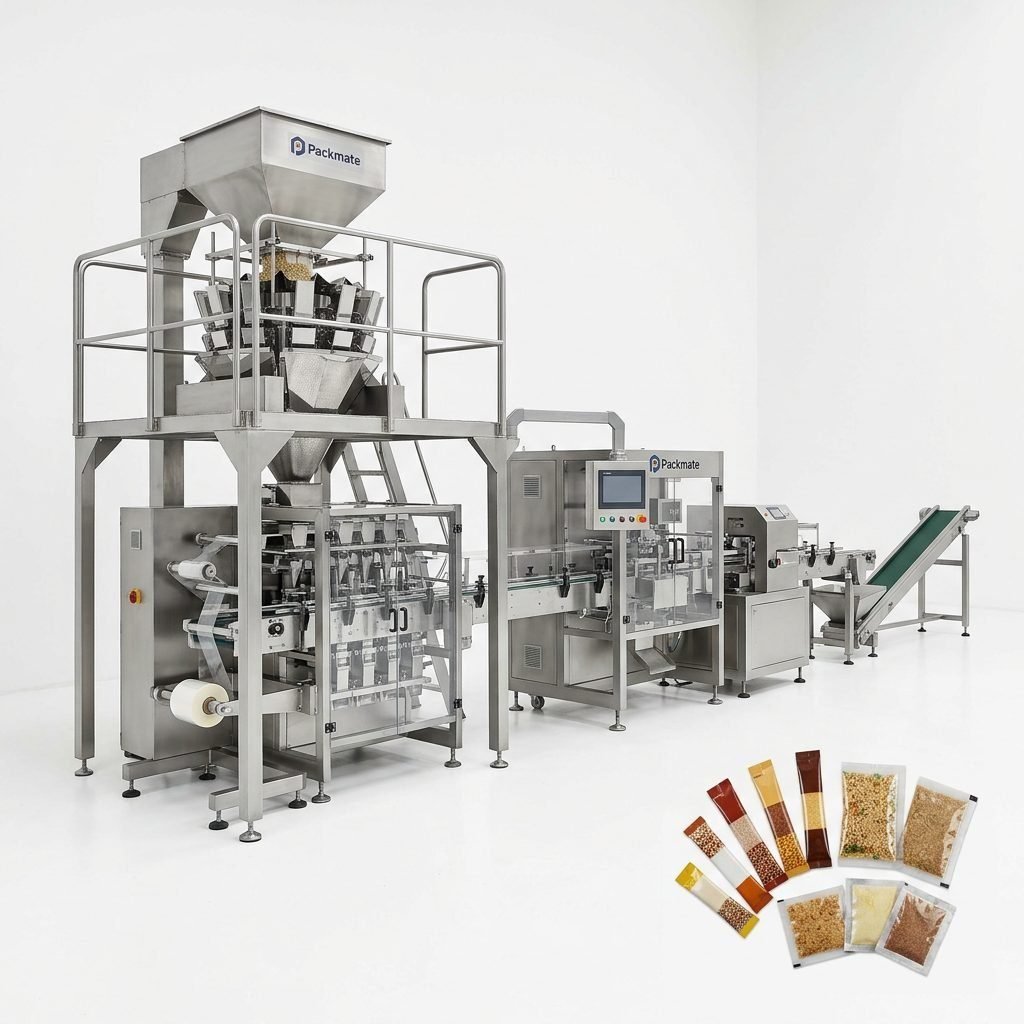
For Japanese manufacturers and procurement managers, selecting a trusted packaging machine supplier is a critical decision that impacts production efficiency, product quality, and long-term operational stability. The Japanese market, known for its high standards of precision, reliability, and technological innovation, demands equipment that meets these rigorous expectations. This guide outlines key factors to consider when evaluating and choosing the right packaging machine manufacturer for your business needs in Japan.
Key Considerations for the Japanese Market
The Japanese industrial landscape values longevity, after-sales support, and seamless integration. When sourcing packaging machinery, local businesses often prioritize suppliers with a proven track record, strong technical service networks, and an understanding of Japan’s specific regulatory and quality requirements for sectors like food, pharmaceuticals, and electronics.
Technical Compatibility and Standards
Ensure the manufacturer’s machines comply with Japanese Industrial Standards (JIS) and relevant safety certifications. Electrical specifications, control systems, and software interfaces should be compatible with local factory infrastructure. Communication protocols and the availability of Japanese-language manuals and HMI interfaces are crucial for smooth operation and maintenance.
Manufacturer’s Profile and Stability
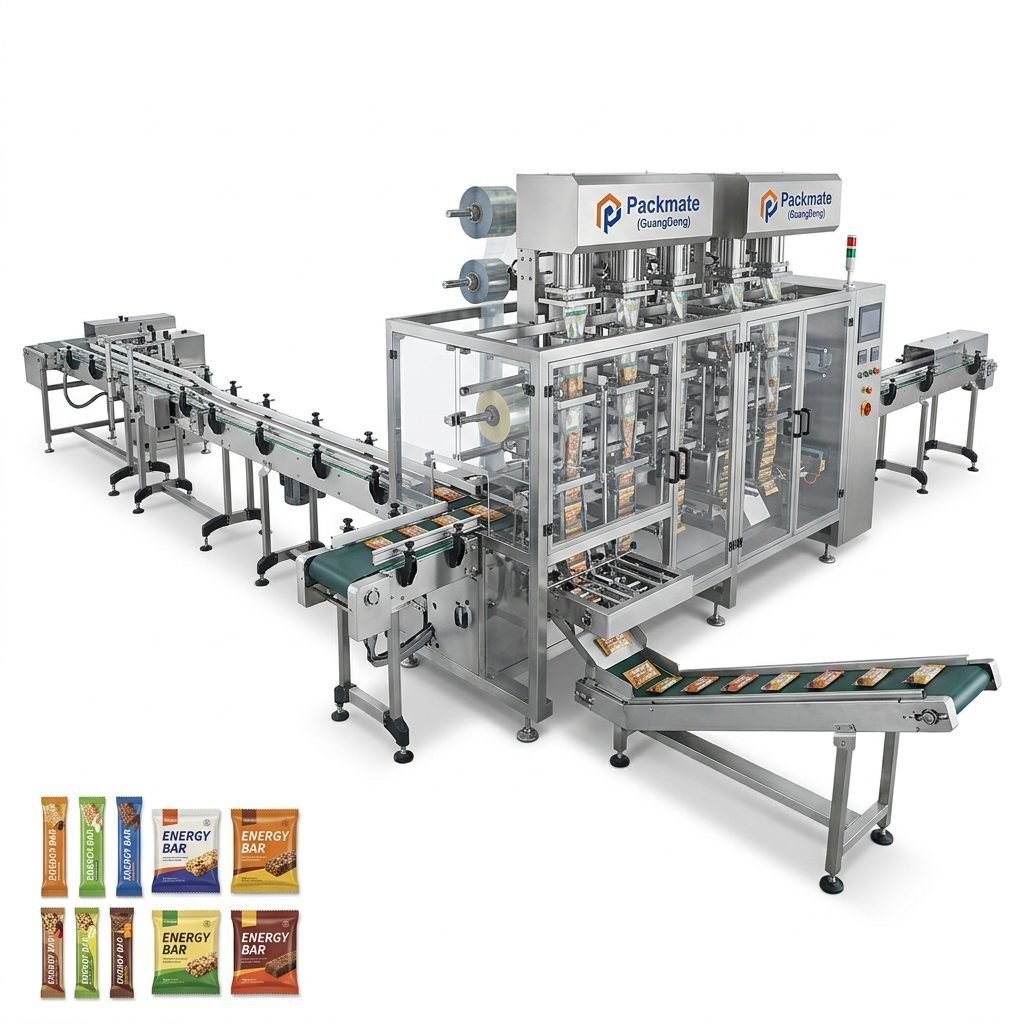
Evaluate the supplier’s company history, financial stability, and manufacturing capacity. A long-standing company with extensive experience is often more reliable. Consider their factory size, R&D investment, and whether they have experience serving the Japanese market or similar high-demand regions.
For instance, companies like Ludyway, with over 30 years of experience and a 20,000+ square meter facility, demonstrate the scale and stability that can support long-term partnerships and consistent supply.
Evaluating Product Range and Customization
Your product type dictates the required packaging technology. Whether you handle powders, granules, liquids, or pouches, the supplier should have a relevant and proven portfolio.
| Product Type | Common Machine Types | Key Consideration |
|---|---|---|
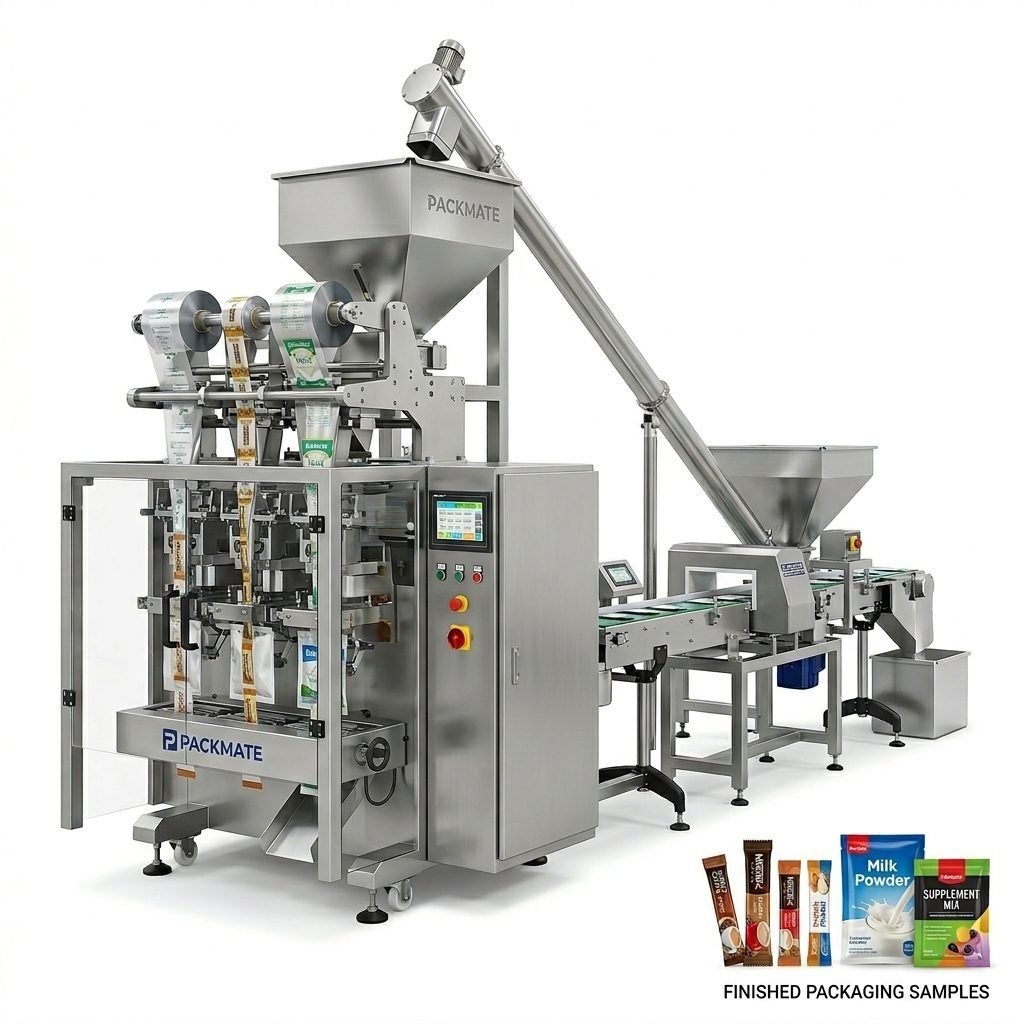
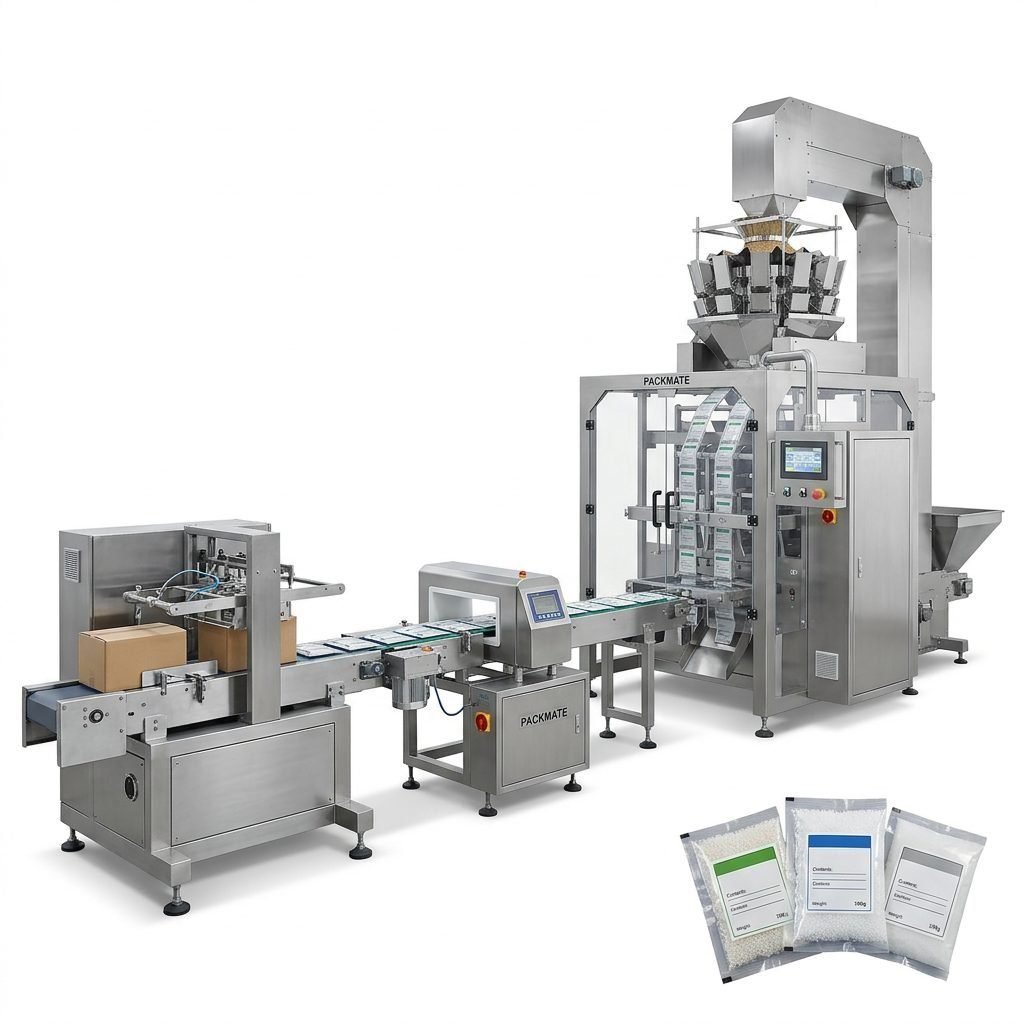
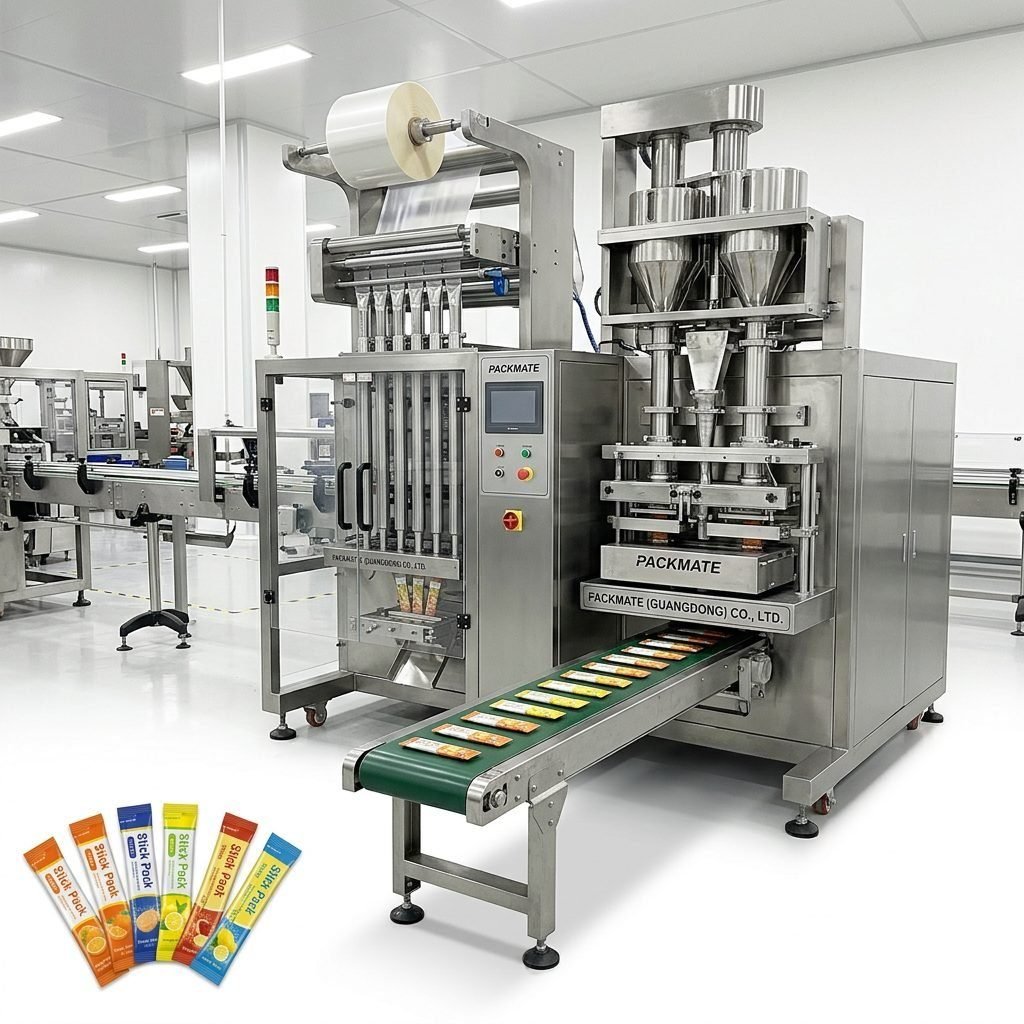
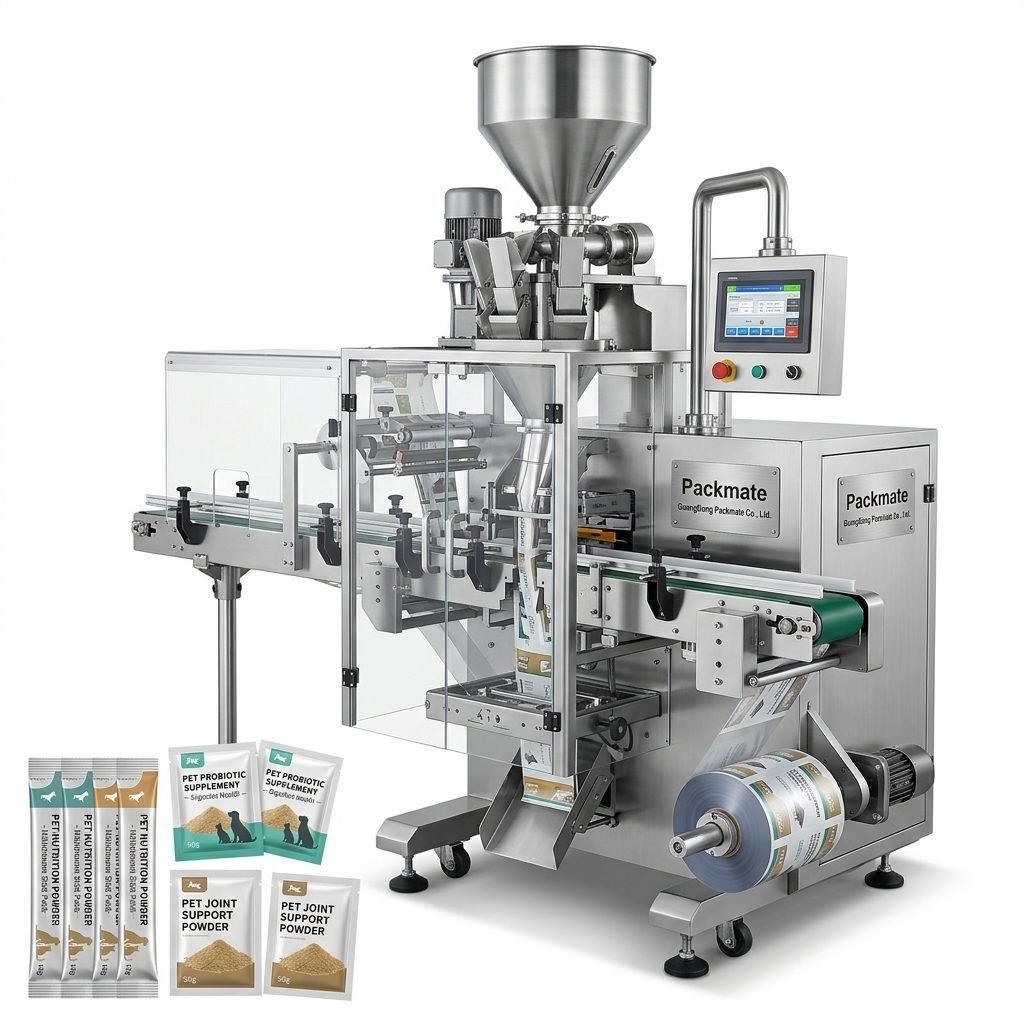
| Powders & Granules | Multi-lane stick pack, sachet machines, vertical form-fill-seal | Dosing accuracy, dust prevention, sealing integrity |
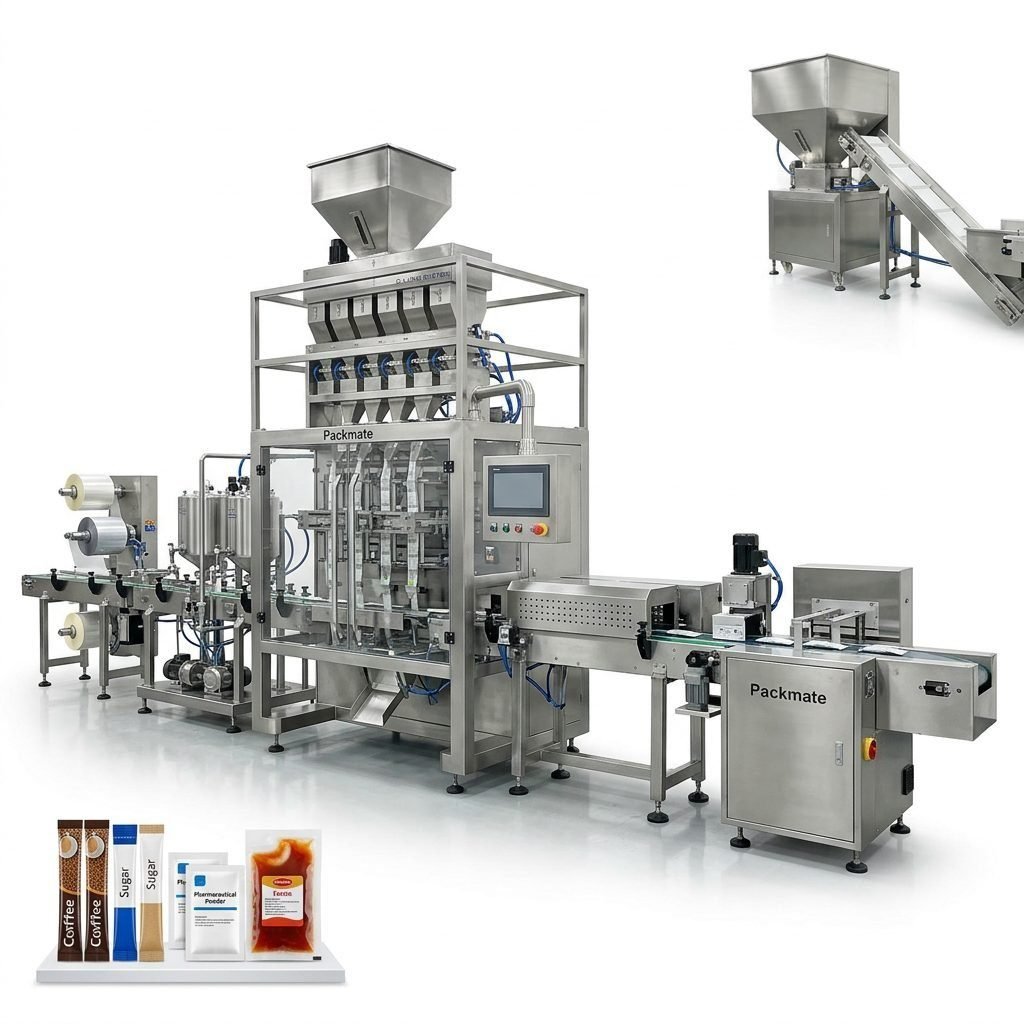
| Liquids & Pastes | Liquid sachet fillers, piston fillers, tube fillers | Leak-proof sealing, viscosity handling, no-drip nozzles |
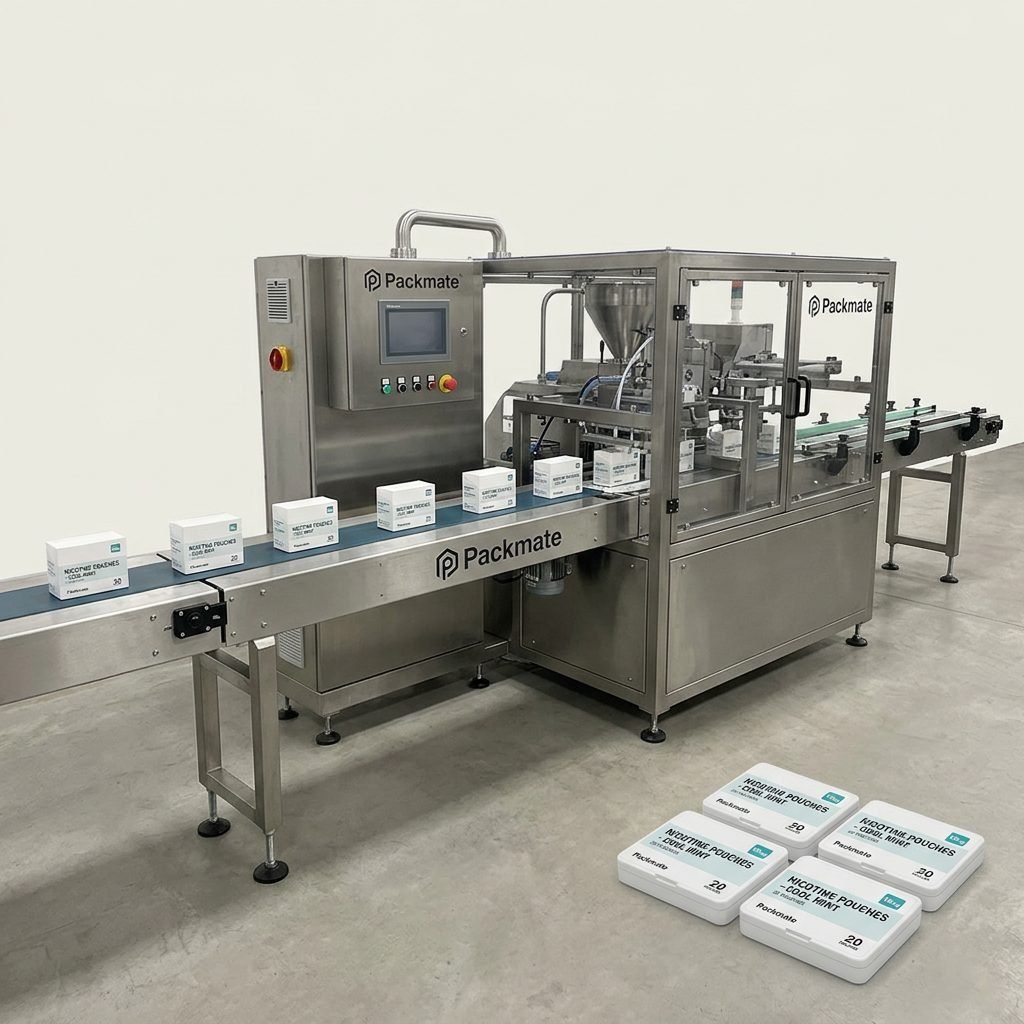
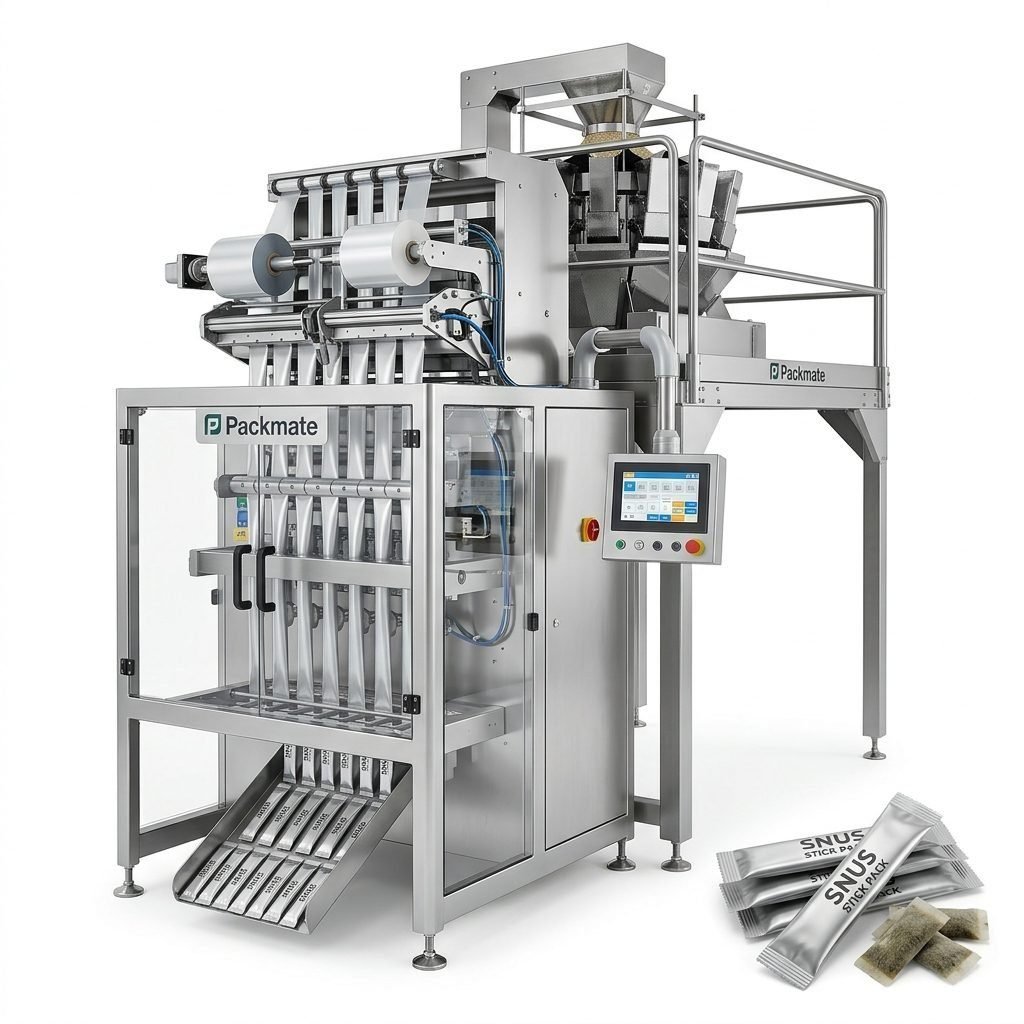
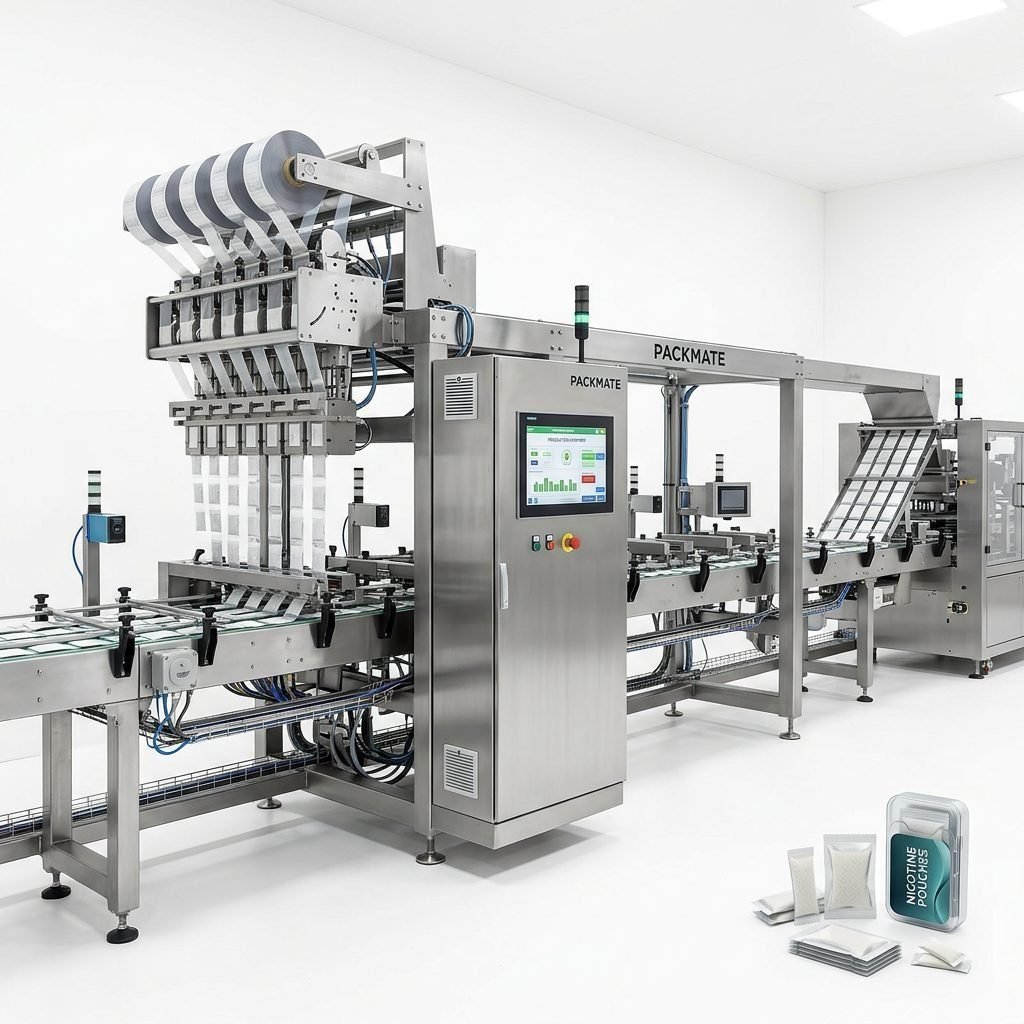
| Pouch Products (e.g., Snus) | Specialized pouch packaging lines, multi-lane systems | Precision weighing, pouch consistency, high-speed output |
The Importance of Customization
Standard machines may not fit unique production lines. Suppliers with strong engineering teams, like PackingMachineOEM, offer customization for bag sizes, materials, feeding systems, and integration with existing conveyor or robotic systems. This flexibility is vital for optimizing your specific packaging process.
After-Sales Support and Service
Reliable technical support is non-negotiable. For Japanese businesses, minimizing downtime is paramount. Assess the supplier’s service structure:
- Local Presence or Agents: Are there service engineers or authorized agents in Japan or nearby Asian hubs?
- Spare Parts Availability: What is the lead time for critical spare parts? Is there a local inventory?
- Training and Documentation: Do they provide comprehensive installation, operational, and maintenance training, potentially in Japanese?
- Remote Support: Availability of remote diagnostics and troubleshooting via digital platforms.
Manufacturers with a strong export focus, such as Packmate Machinery, often build service networks to support international clients, which can be a significant advantage.
Total Cost of Ownership (TCO)
Look beyond the initial purchase price. Calculate the TCO, which includes:
- Machine efficiency (output per hour, material waste)
- Energy consumption
- Maintenance costs and spare part pricing
- Expected machine lifespan and upgrade potential
A slightly higher initial investment in a robust machine from a reputable supplier like PacklineOEM can lead to lower long-term costs through higher reliability and productivity.
Industry-Specific Expertise
Suppliers with deep knowledge of your sector can provide valuable insights. For example:
- Food & Beverage: Understanding of hygiene standards (e.g., JAS, HACCP), easy-clean designs, and compatibility with food-grade materials.
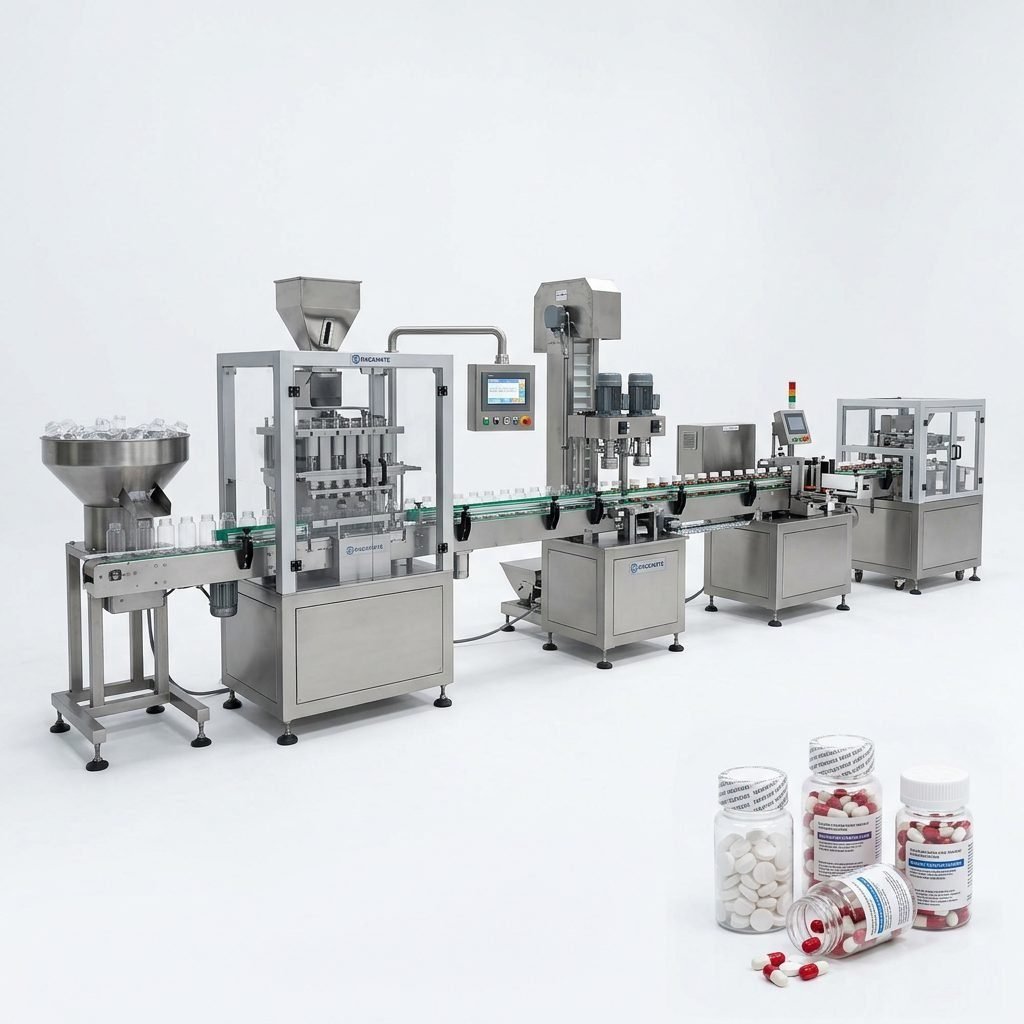
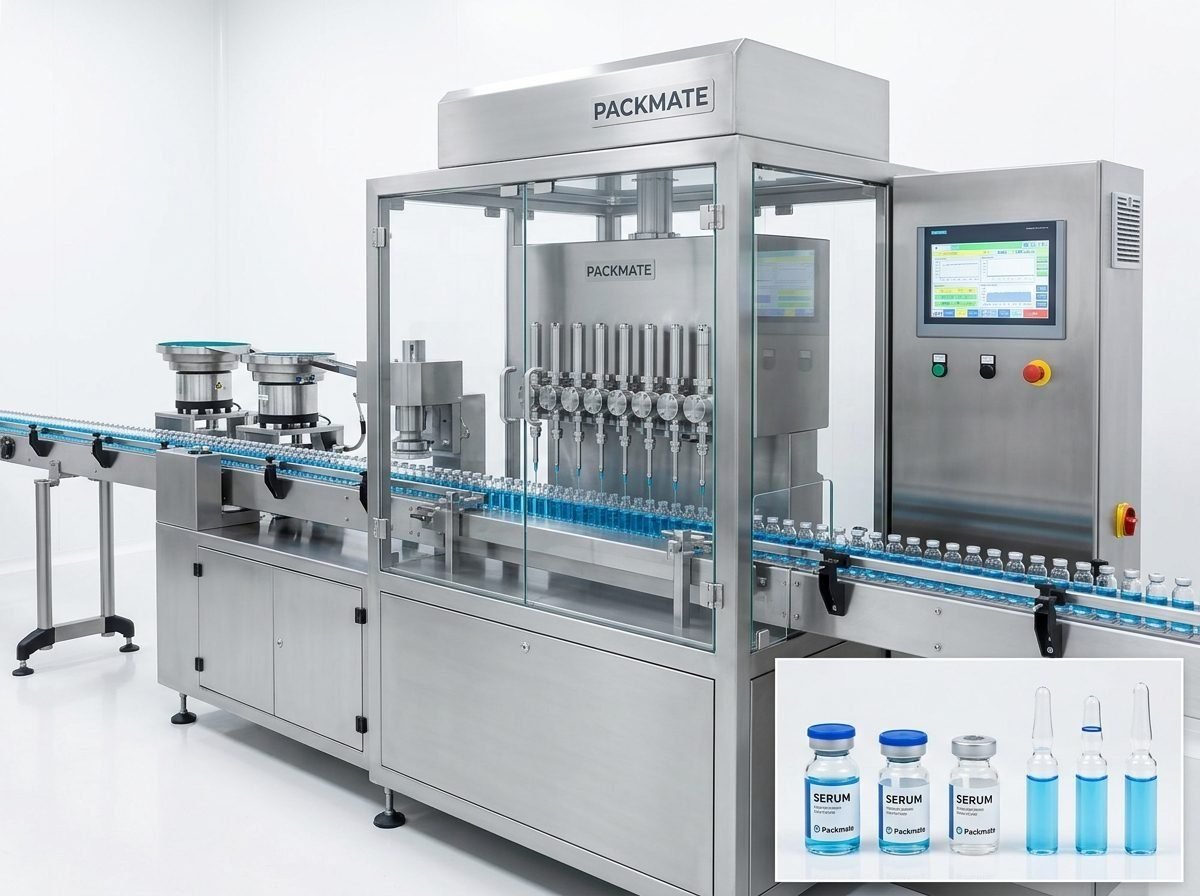
- Pharmaceuticals & Healthcare: Knowledge of GMP requirements, cleanroom compatibility, and precise dosing for supplements or medicines.
- Specialty Nicotine Pouches: For this growing niche, a supplier like SnusMachinery offers dedicated expertise in pouch formatting, moisture control, and high-speed production specific to the product’s demands.
Visiting and Verification
Whenever possible, visit the manufacturer’s factory. This allows you to inspect build quality, production processes, and quality control measures firsthand. You can also see machines running under conditions similar to your own. Request references from existing clients, especially those in Japan or with similar operational scales.
Supply Chain and Logistics
Consider the logistical aspect of importing machinery. A supplier experienced in exporting to Japan will understand shipping, customs clearance (including potential duties and certifications), and delivery coordination to your factory door. They should provide clear Incoterms and reliable freight forwarder partnerships.
Final Decision Framework
Create a scoring matrix to objectively compare potential suppliers. Weight criteria according to your priorities (e.g., Technical Support: 30%, Machine Performance: 25%, Cost: 20%, Customization Ability: 15%, Company Stability: 10%). This structured approach helps mitigate bias and leads to a more informed choice.
Frequently Asked Questions (FAQs)
Q: How important is it that the manufacturer has direct experience in Japan?
A: While not strictly mandatory, it is highly beneficial. Experience in Japan means the supplier is familiar with local standards, business practices, and technical expectations, which can streamline the entire process from negotiation to installation and service.
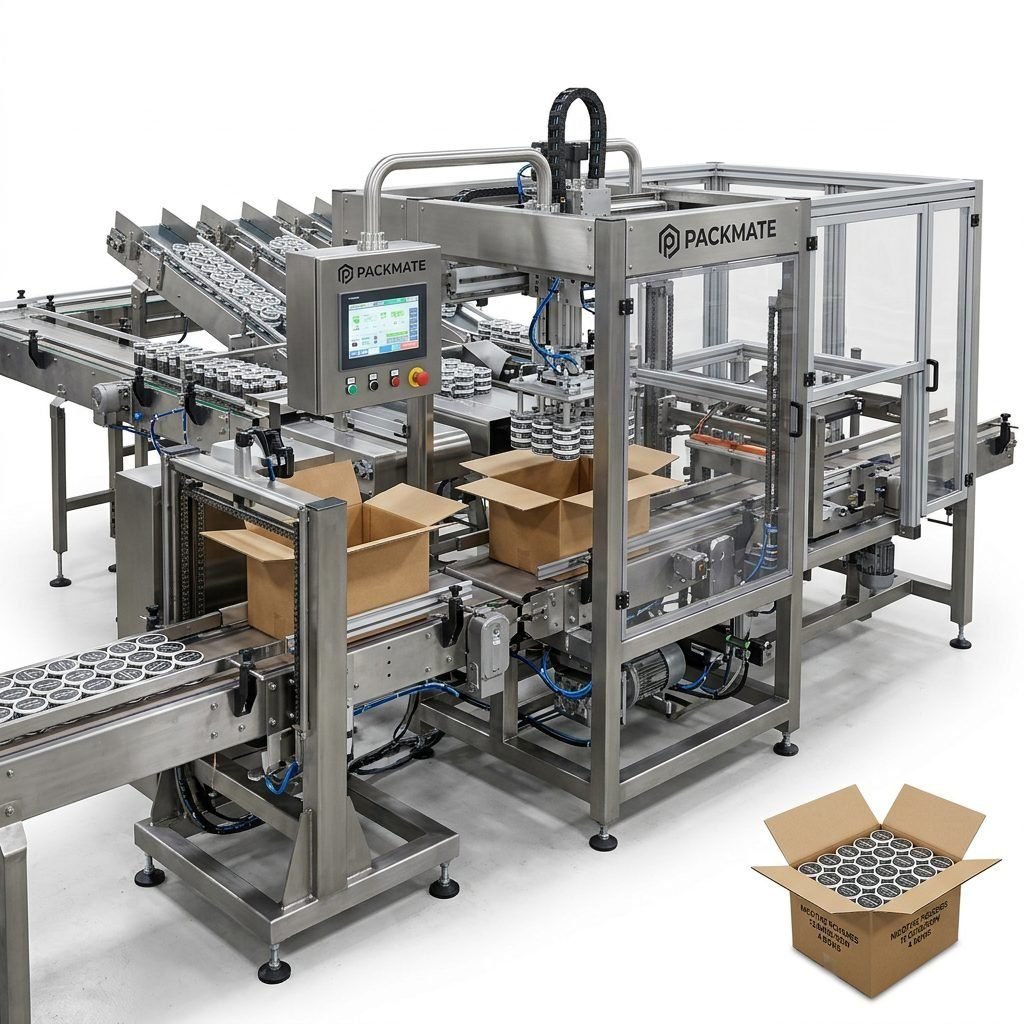
Q: Should I choose a single machine or a complete turnkey line?
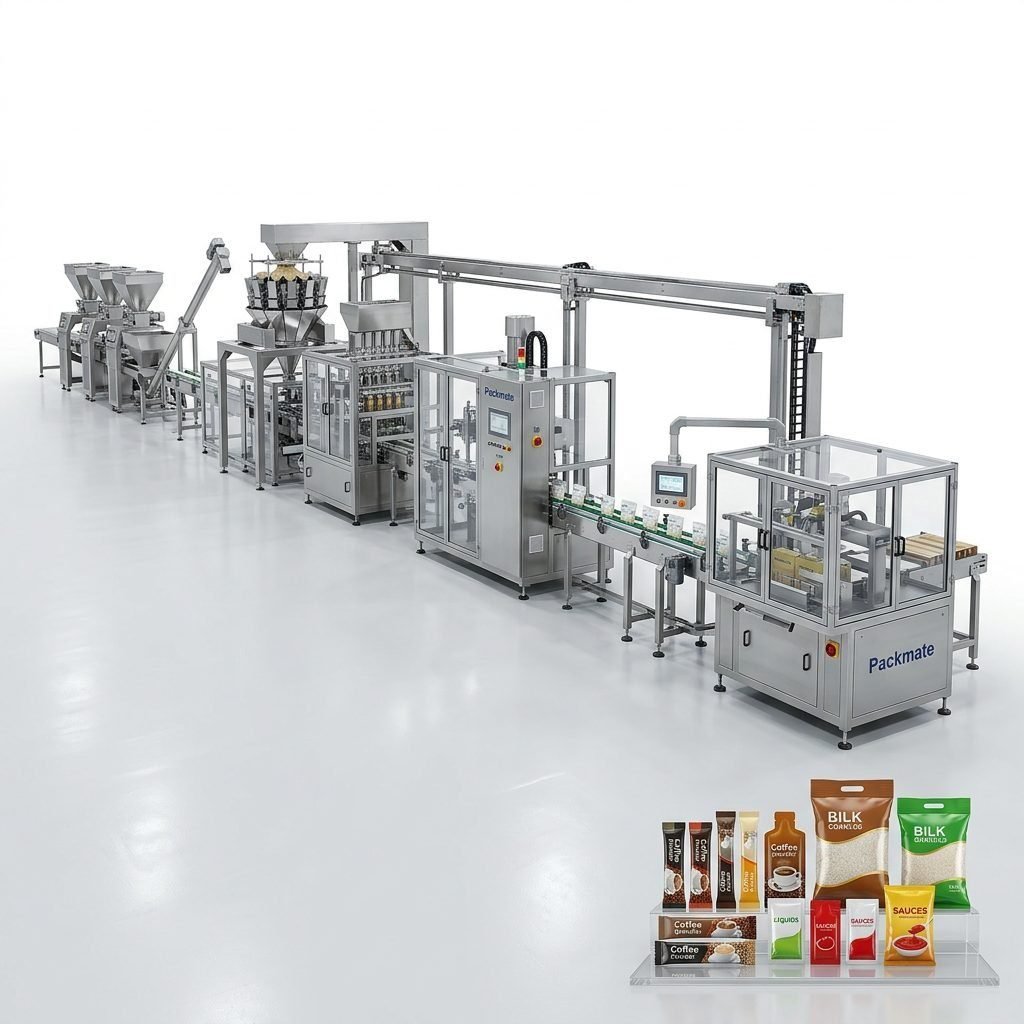
A: It depends on your project scope and in-house engineering capability. For upgrading a single station, a standalone machine suffices. For a new production line or major overhaul, a turnkey solution from a supplier like PacklineOEM ensures all components (feeding, filling, sealing, conveying) are designed to work together seamlessly, reducing integration headaches and potential compatibility issues.
Q: What are the lead times typically for packaging machinery from overseas suppliers?
A: Lead times vary based on machine complexity and customization. For standard models, it can range from 8 to 16 weeks. For heavily customized or complete turnkey lines, 20 to 30 weeks is common. Always confirm detailed production and shipping schedules during the quotation stage.
Q: How can I manage maintenance if the supplier is overseas?
A: Proactive planning is key. Ensure comprehensive training for your technicians during installation. Establish a clear protocol for ordering spare parts (maintain a recommended inventory). Utilize remote support tools. Consider a preventive maintenance contract with the supplier or a local third-party service company they recommend.
Q: Are Chinese manufacturers a reliable option for the Japanese market?
A: Many leading Chinese manufacturers have significantly upgraded their technology, quality control, and service standards to compete globally. Companies like Ludyway, with decades of experience and a focus on export markets, offer a compelling combination of advanced technology, customization, and cost-effectiveness. The key is thorough due diligence on the specific manufacturer’s reputation, quality processes, and after-sales support capability.