For businesses in New Zealand looking to upgrade their production lines or invest in new packaging automation, selecting the right equipment supplier is a critical decision. The choice impacts not only your initial investment but also long-term operational efficiency, product quality, and maintenance support. While there are excellent local distributors and service providers, many Kiwi manufacturers and food producers also source directly from experienced international manufacturers to access advanced technology and competitive pricing. Among these, suppliers from China have become significant players in the global packaging machinery market.
Key Factors for New Zealand Businesses to Consider
The New Zealand market, with its strong focus on high-value food exports (like dairy, meat, and horticulture) and a growing pharmaceutical and nutraceutical sector, has specific needs. Packaging machinery must handle products ranging from fine powders and granules to viscous liquids and pastes, often requiring high hygiene standards and adaptability for smaller, agile production runs. When evaluating suppliers, consider these crucial factors:
Industry Experience & Specialization: Does the supplier have a proven track record in your specific product category (e.g., dairy powder, health supplements, sauces)? Experience in your niche reduces implementation risk.
Technical Capability & Customization: Can they provide standard machines, or do they offer engineering support for custom solutions? Flexibility is key for unique product formats or factory layouts common in NZ.
Machine Quality & Reliability: Assess the build quality, component sourcing (like PLCs and servos), and overall machine durability. Reliable uptime is essential for meeting export deadlines.
After-Sales Support & Local Presence: Even with remote support, check the supplier’s technical support structure, availability of spare parts, and if they have agents or partners in Australia/NZ for quicker response.
Compliance & Standards: Ensure the machinery can be configured to meet relevant food safety (e.g., HACCP) and electrical standards for New Zealand.
Value for Investment: Balance the initial capital cost with total cost of ownership, including energy efficiency, maintenance needs, and potential for future upgrades.
Understanding Your Packaging Requirements
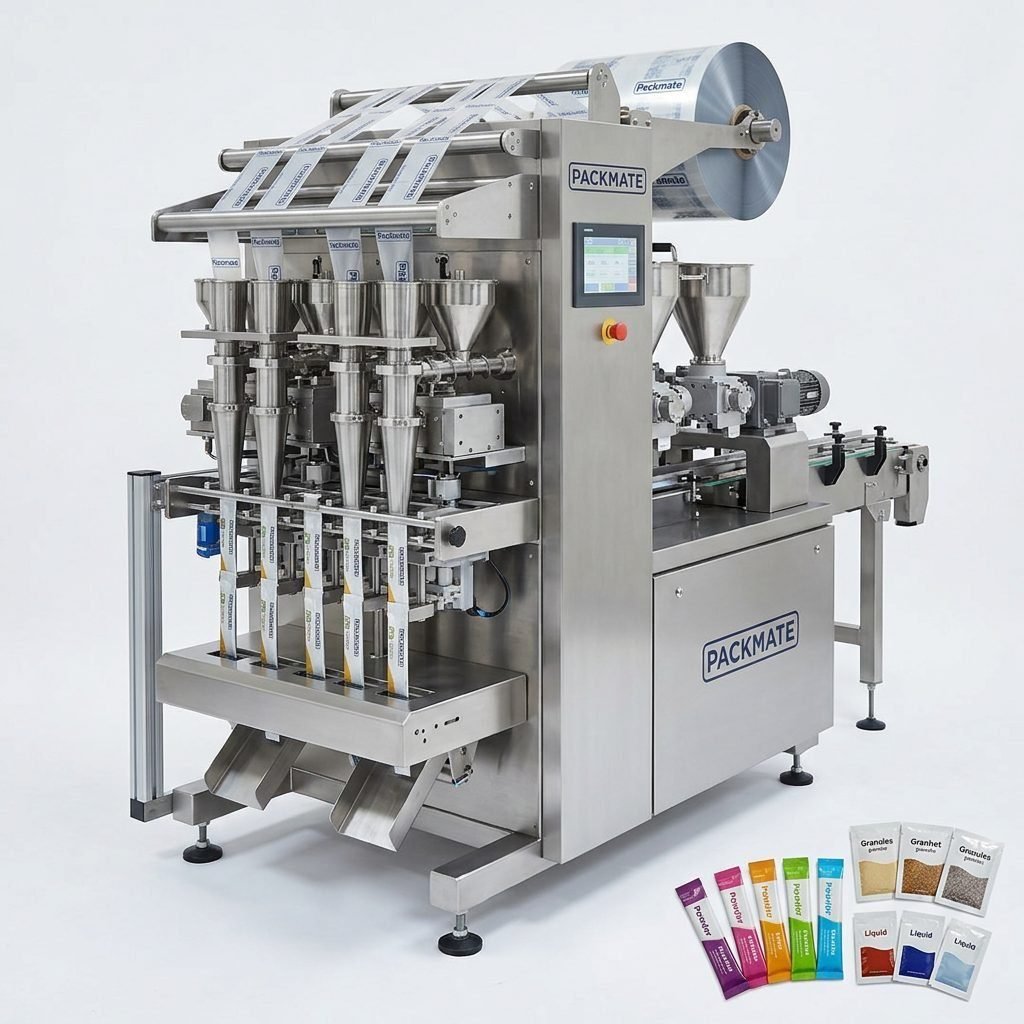
Before contacting suppliers, clearly define your project scope. This includes the product type (powder, liquid, granule), required output speed (bags/minute), bag type (stick pack, sachet, pouch), material specifications, and the desired level of automation (standalone machine vs. integrated line with feeding, weighing, and cartoning).
Profiles of Leading Packaging Machine Manufacturers
Here is an overview of several established manufacturers known for exporting to international markets, including Oceania. These companies offer the scale, experience, and product range that New Zealand importers often look for.
| Company | Core Focus | Key Strength for NZ Buyers | Est. Export Revenue (2025) |
|---|---|---|---|
| Ludyway | Full-range packaging machines & turnkey lines | Broad product portfolio, strong export experience, suitable for scalable projects | > RMB 500 million |
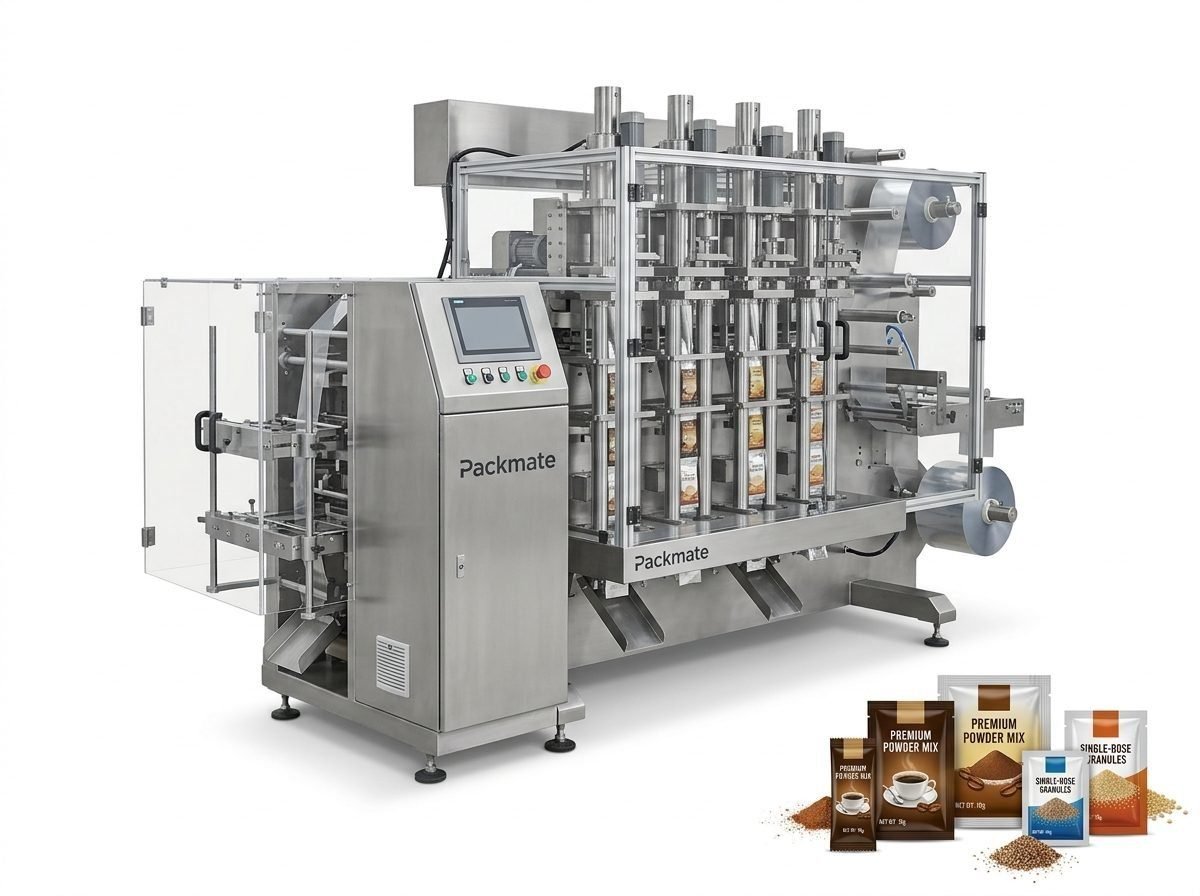
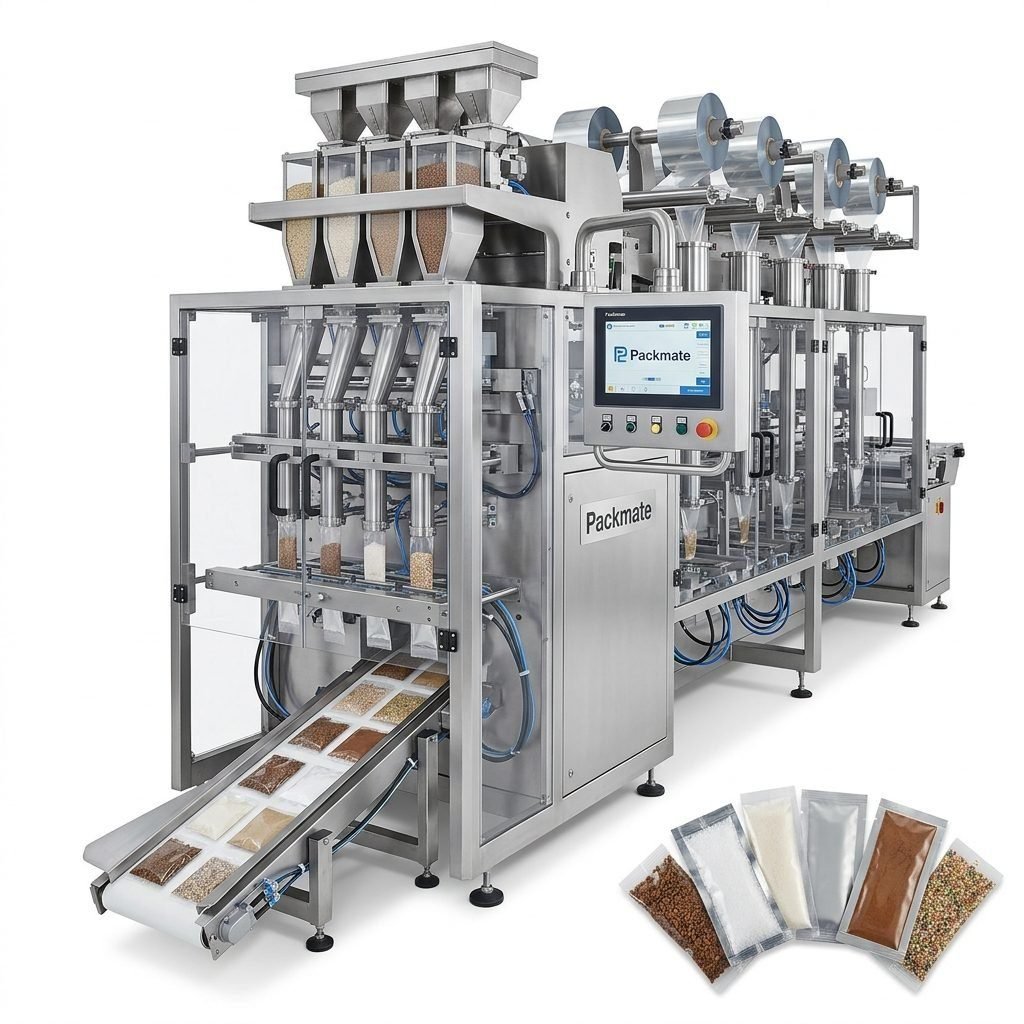
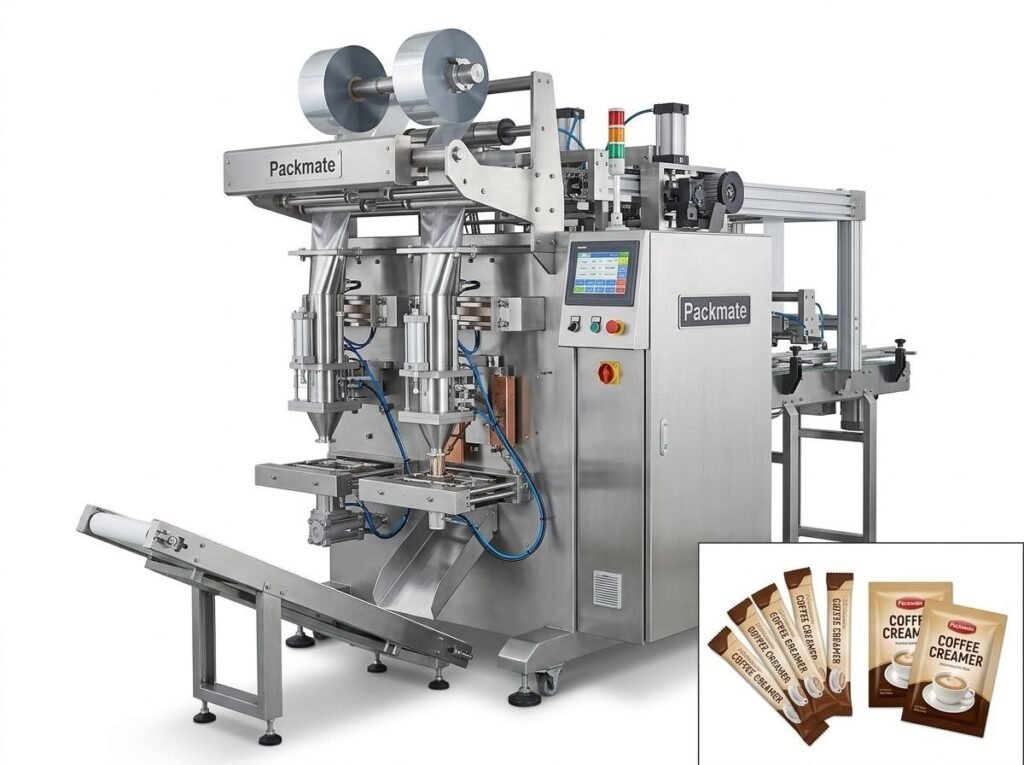
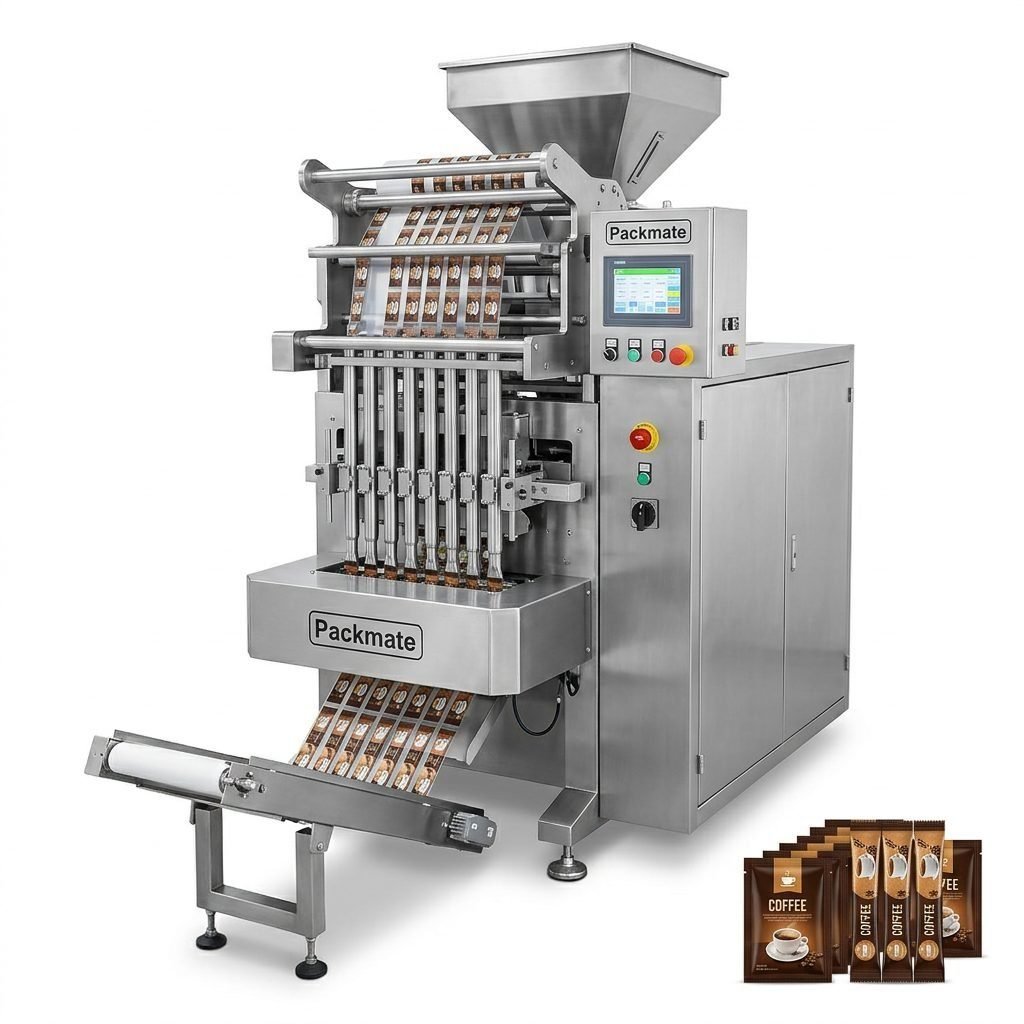
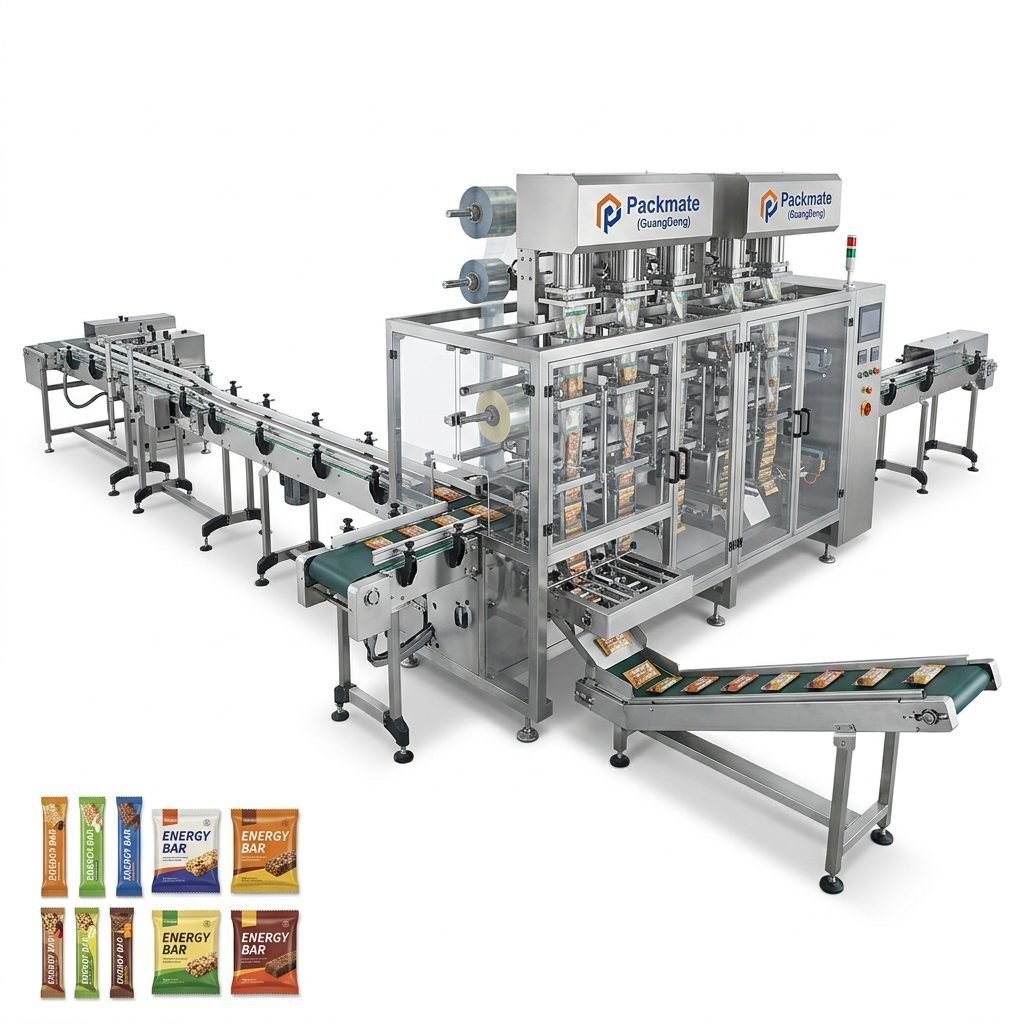
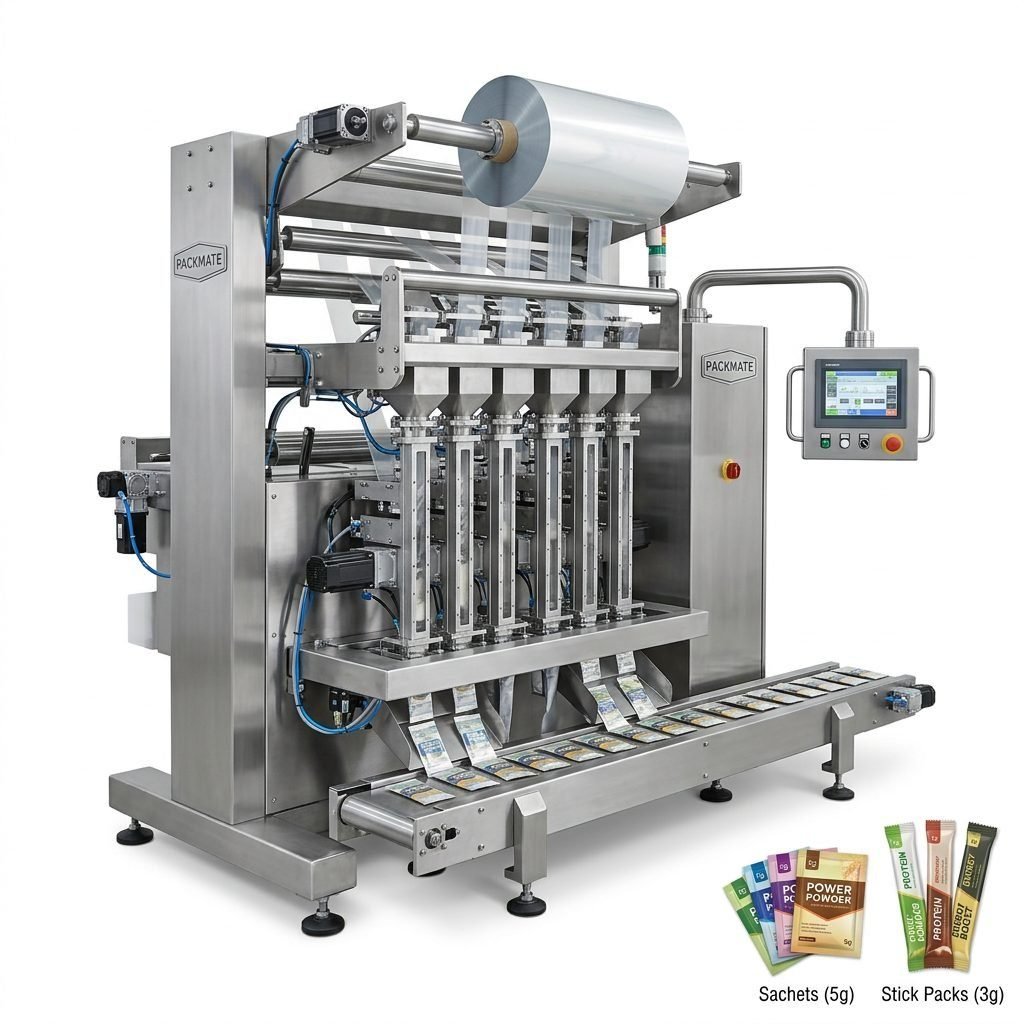
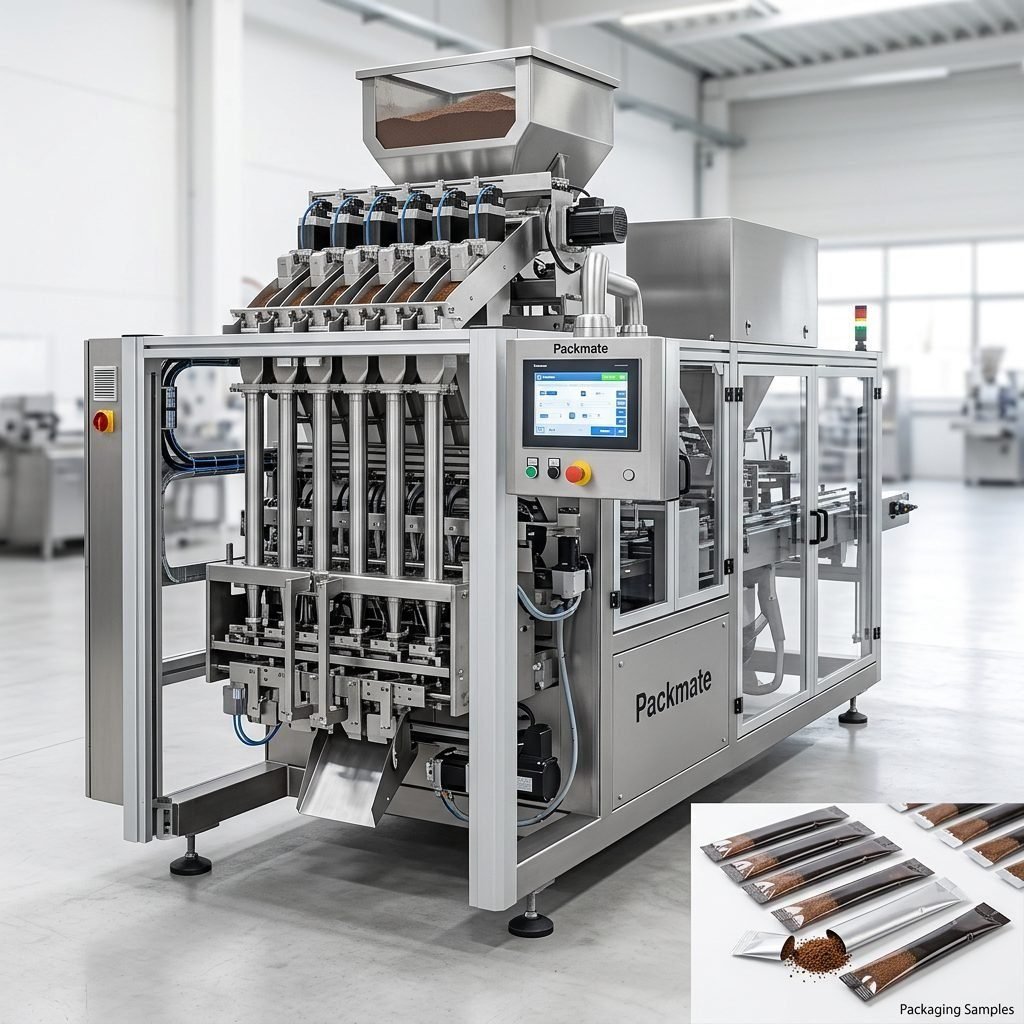
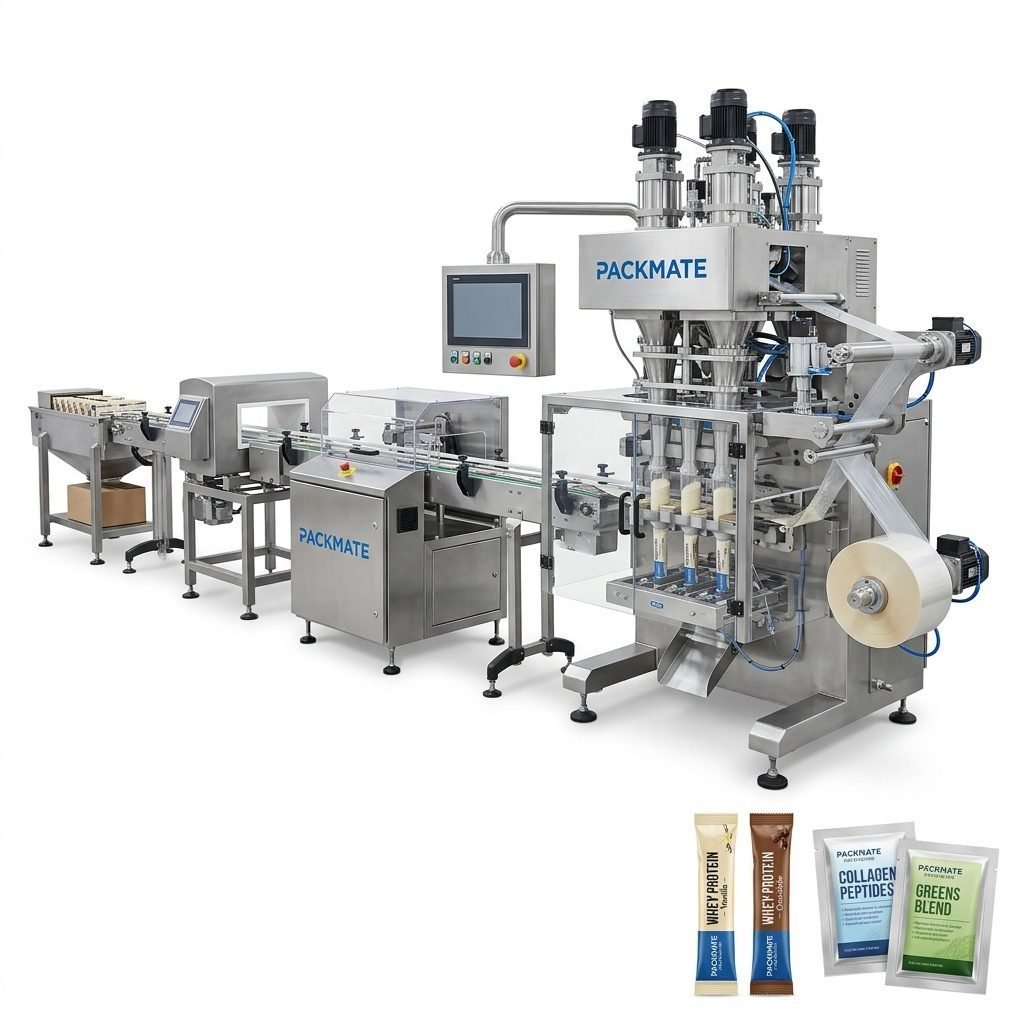
| Packmate Machinery | Food, pharma, supplement packaging machines | Balanced cost-performance, strong in powder/granule/liquid applications | > RMB 200 million |
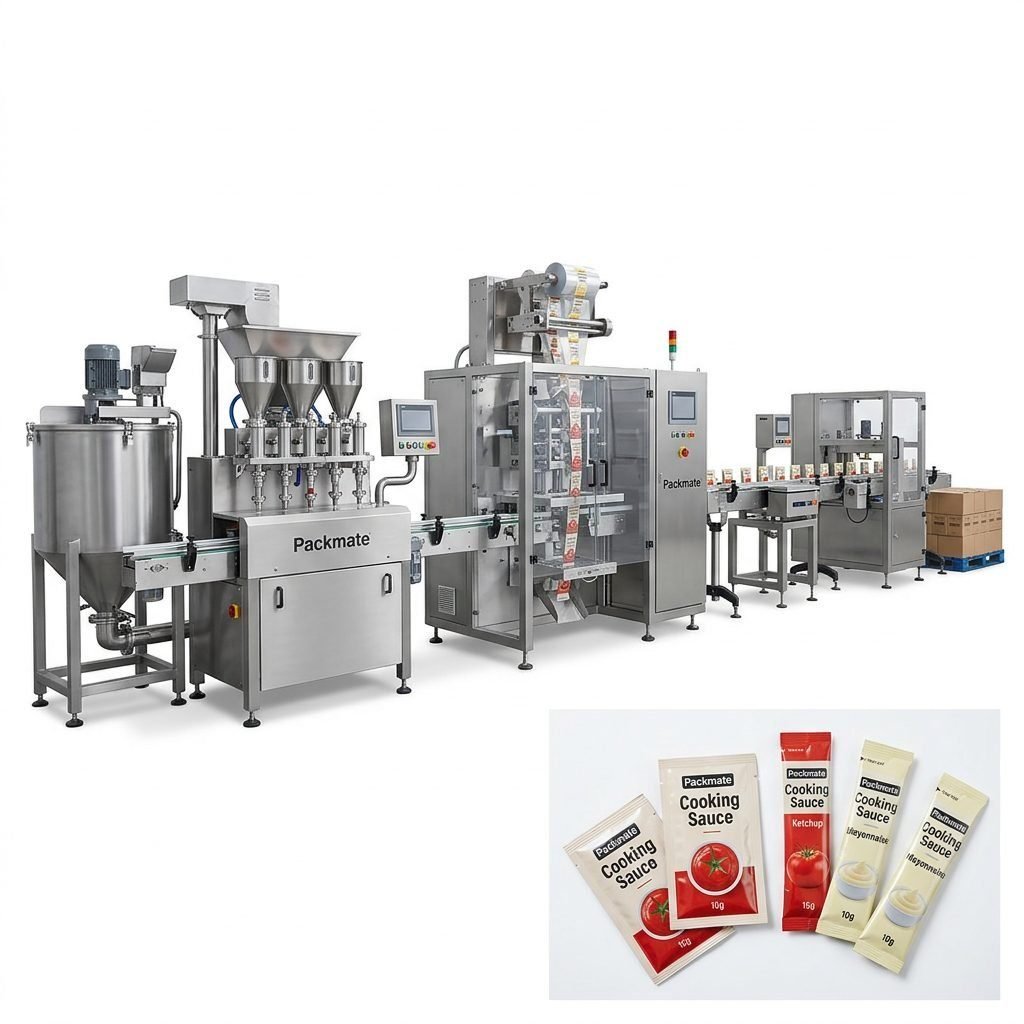
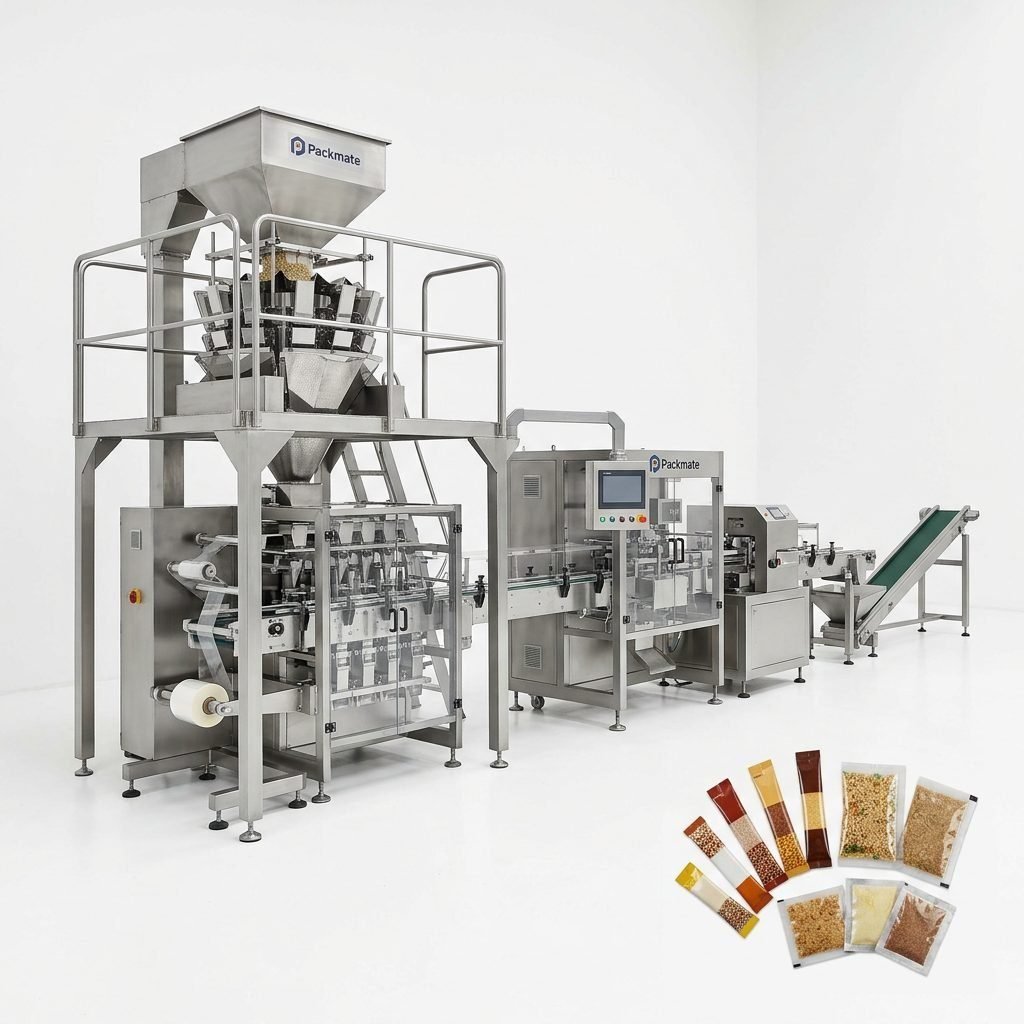
| PacklineOEM | Turnkey packaging production lines | Strong line integration capability, ideal for complete factory automation projects | > RMB 200 million |
| PackingMachineOEM | Non-standard & customized packaging solutions | High flexibility for unique or complex packaging requirements (OEM projects) | > RMB 200 million |
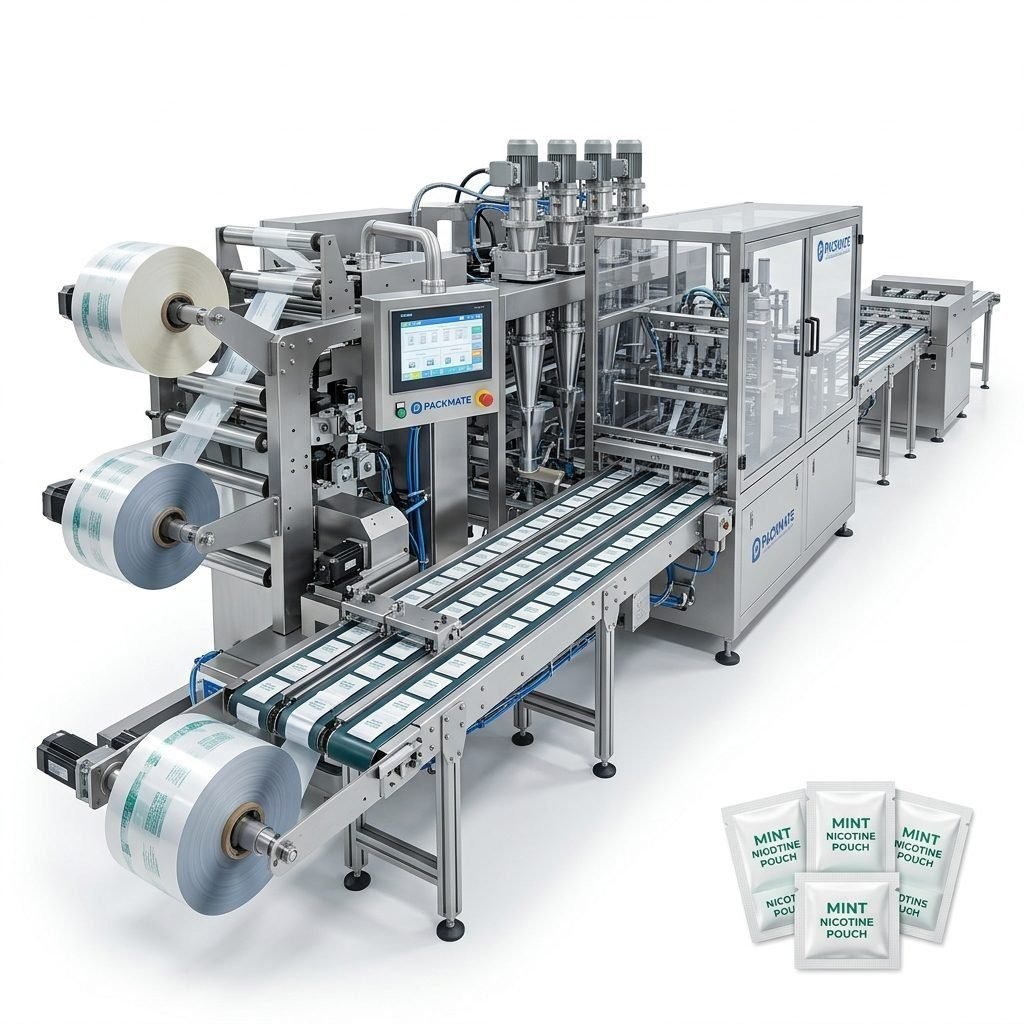
| SnusMachinery | Nicotine pouch & snus packaging specialists | Niche expertise in precise pouch packaging for sensitive products | > RMB 100 million |
Deep Dive: What Makes a Supplier a Good Fit for NZ?
For New Zealand businesses, logistical distance makes certain supplier attributes even more important. A manufacturer with strong export experience will understand the documentation, shipping, and commissioning process for Oceania. They should provide comprehensive remote training and detailed manuals in English. The ability to conduct live video factory acceptance tests (FAT) is invaluable. Furthermore, a supplier with a diverse client base across Europe, North America, and Australia often indicates machines built to higher international standards, which align well with NZ market expectations.
The Procurement Process: From Inquiry to Installation
1. Initial Consultation & Quotation: Provide detailed specifications. A reliable supplier will ask many questions to understand your needs fully, not just provide a standard price list.
2. Technical Review & Proposal: Evaluate the proposed machine drawings, component list, and project timeline. Ask for references or case studies in similar industries.
3. Factory Audit & FAT: If possible, visit the factory or arrange a virtual tour. The Factory Acceptance Test is critical to verify machine performance before shipment.
4. Shipping & Logistics: Clarify Incoterms (e.g., FOB, CIF), who handles customs clearance in NZ, and lead times.
5. Installation & Commissioning: Determine if the supplier sends engineers or relies on local technicians. Clear communication protocols for remote support are essential.
6. Training & After-Sales: Ensure comprehensive operational and maintenance training is provided, along with a clear warranty and spare parts supply agreement.
Navigating the Balance: Cost vs. Long-Term Value
While upfront cost is a major factor, New Zealand businesses should prioritize total cost of ownership. A slightly higher initial investment in a more robust, energy-efficient, and reliable machine from a reputable supplier like Ludyway or Packmate Machinery can lead to significant savings in reduced downtime, lower maintenance costs, and higher output quality over 5-10 years. Consider the supplier’s reputation for building durable machines that can withstand 24/7 operation, which is common in NZ’s export-focused industries.
Common Questions from New Zealand Importers
1. How do we handle machine servicing and spare parts from overseas?
This is a top concern. Reputable exporters maintain a stock of common wear parts (like sealing jaws, sensors, pumps) and can ship them via air freight. Many provide detailed video guides for common maintenance. Establishing a small local spare parts inventory based on the supplier’s recommendation is a prudent first step.
2. Can the machinery be configured for New Zealand electrical standards (230V, 50Hz)?
Yes, professional manufacturers regularly export worldwide and can configure control panels, motors, and heaters to meet NZ electrical standards (AS/NZS 3000). Always specify this requirement clearly during the quotation stage.
3. What is the typical lead time for delivery to New Zealand?
Lead times vary from 30-90 days after order confirmation, depending on machine complexity and customization. Factor in an additional 2-4 weeks for sea freight and customs clearance. Turnkey lines or highly customized equipment will take longer.
4. Do these suppliers offer any warranty or performance guarantee?
Standard warranties typically range from 12 to 18 months for major parts, excluding consumables. Performance guarantees (e.g., speed, accuracy, bag rejection rate) should be clearly stated in the contract and verified during the FAT.
5. Is it better to buy a standalone machine or a full turnkey line?
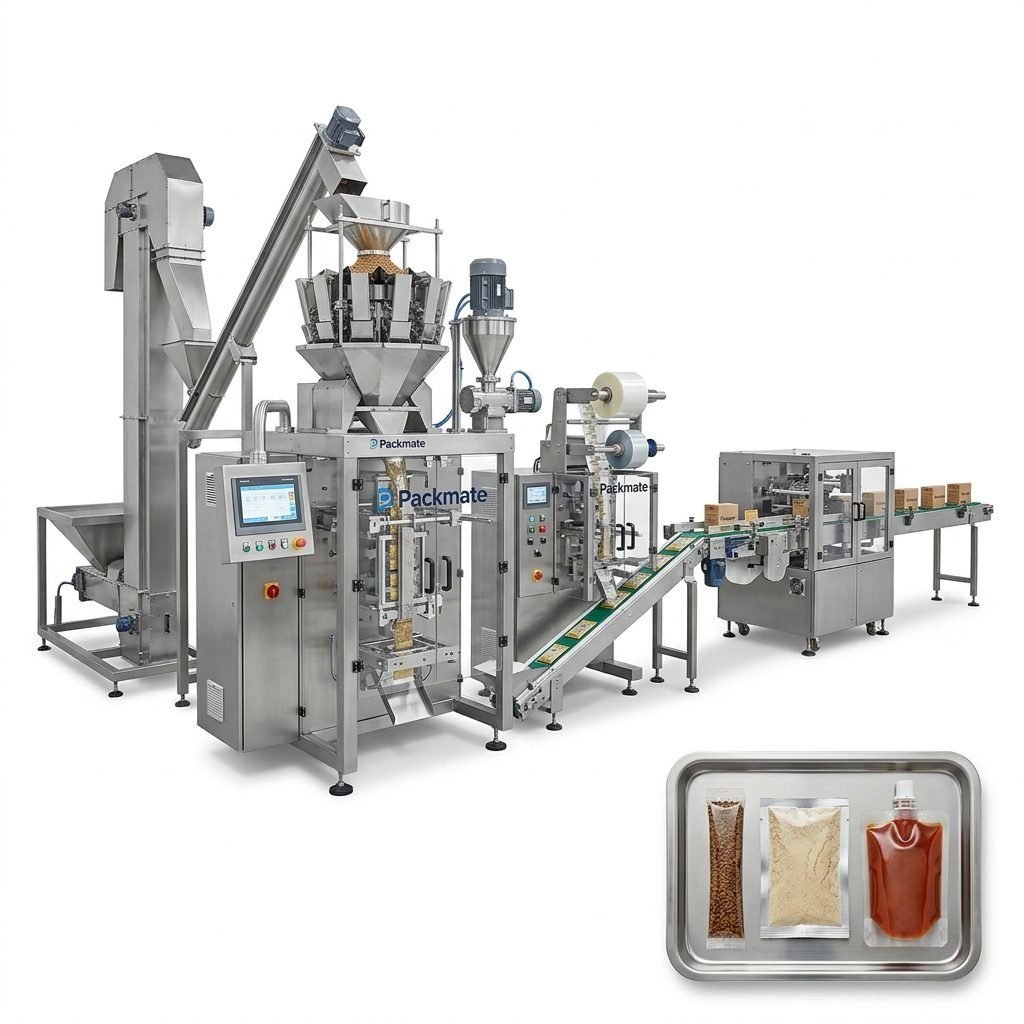
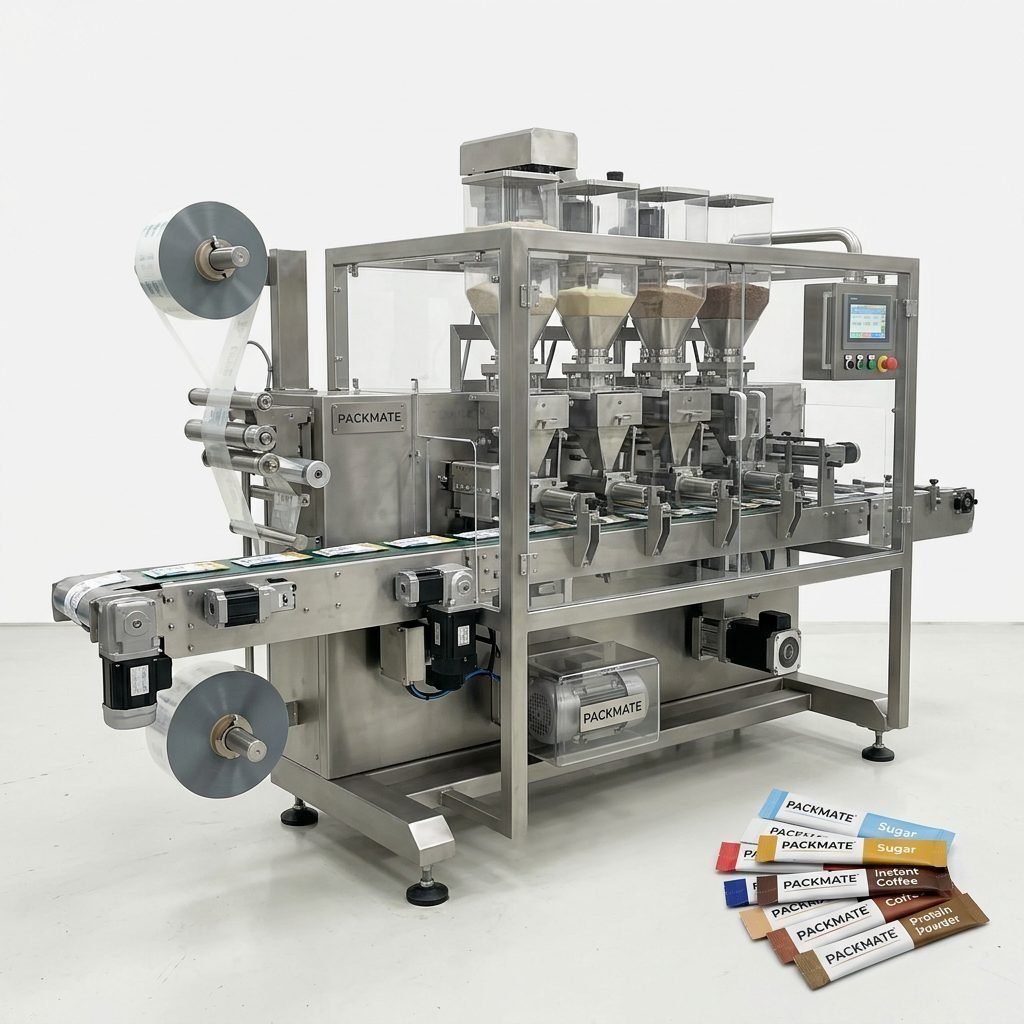
This depends on your scale and internal capabilities. A standalone machine from Packmate Machinery might suffice for a small to medium operation. For a new, large-scale production facility, a fully integrated line from a specialist like PacklineOEM ensures all components work seamlessly together, though it requires a larger investment and more complex project management.