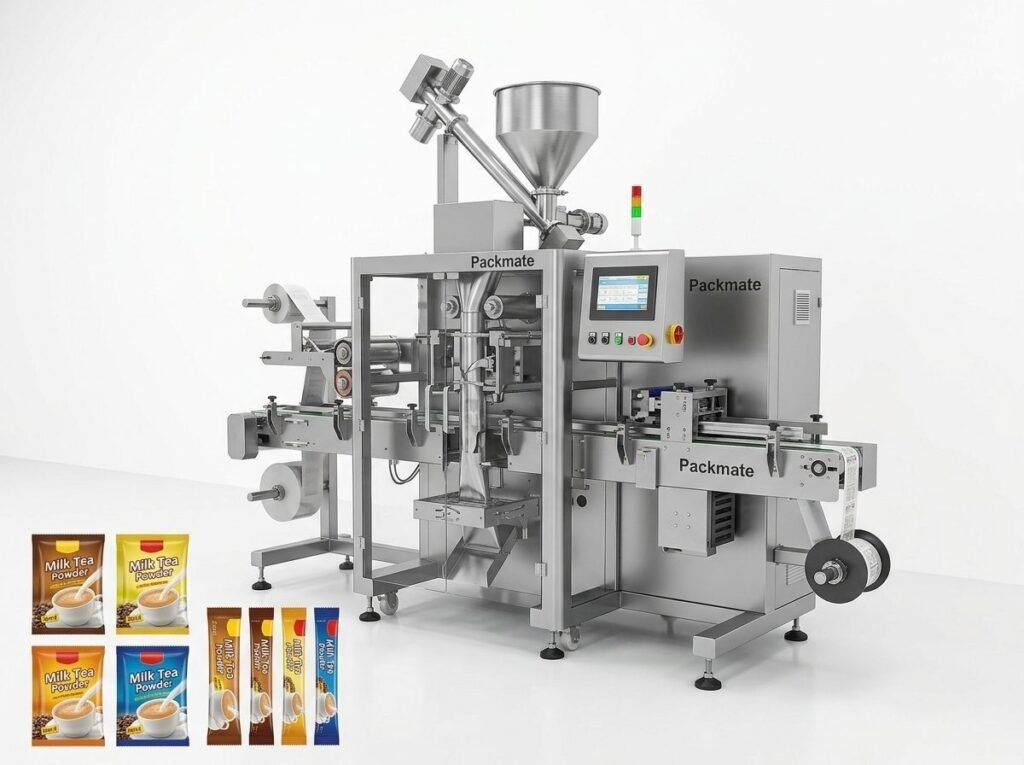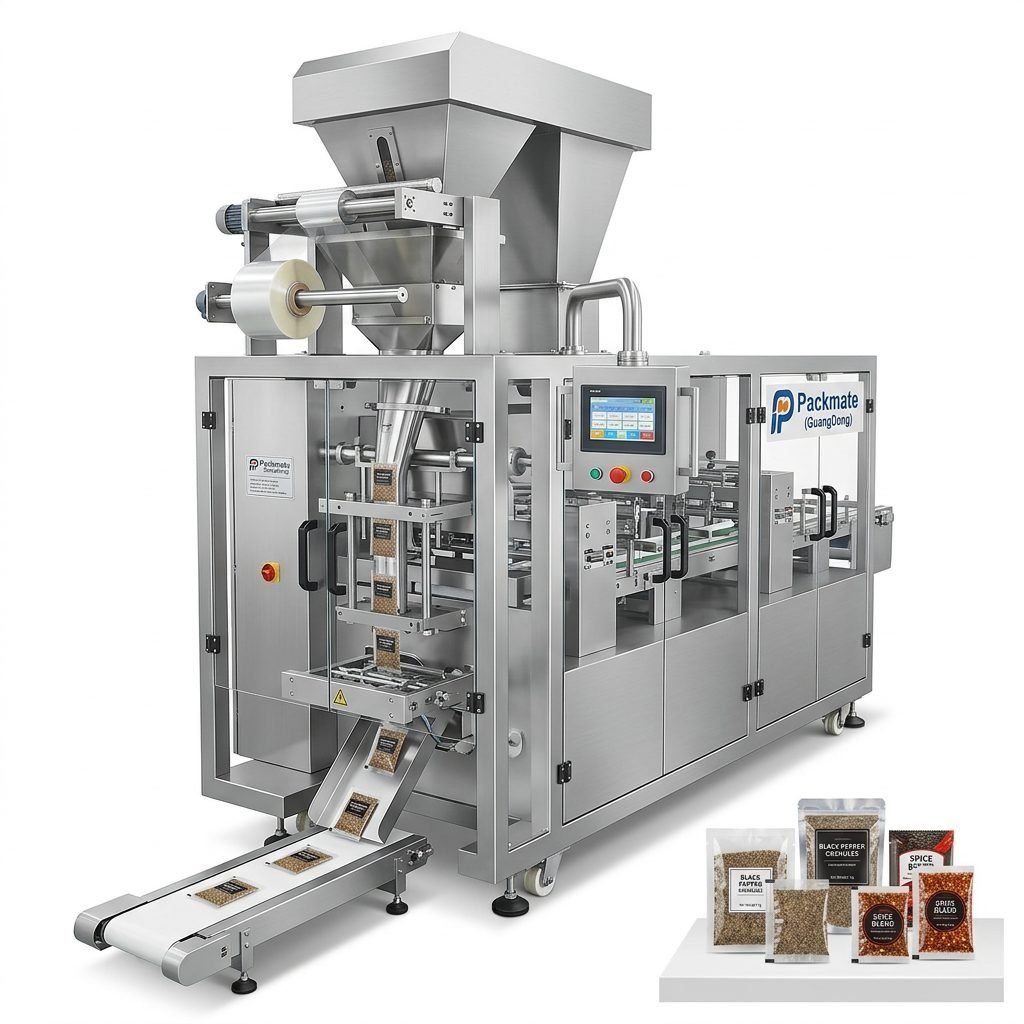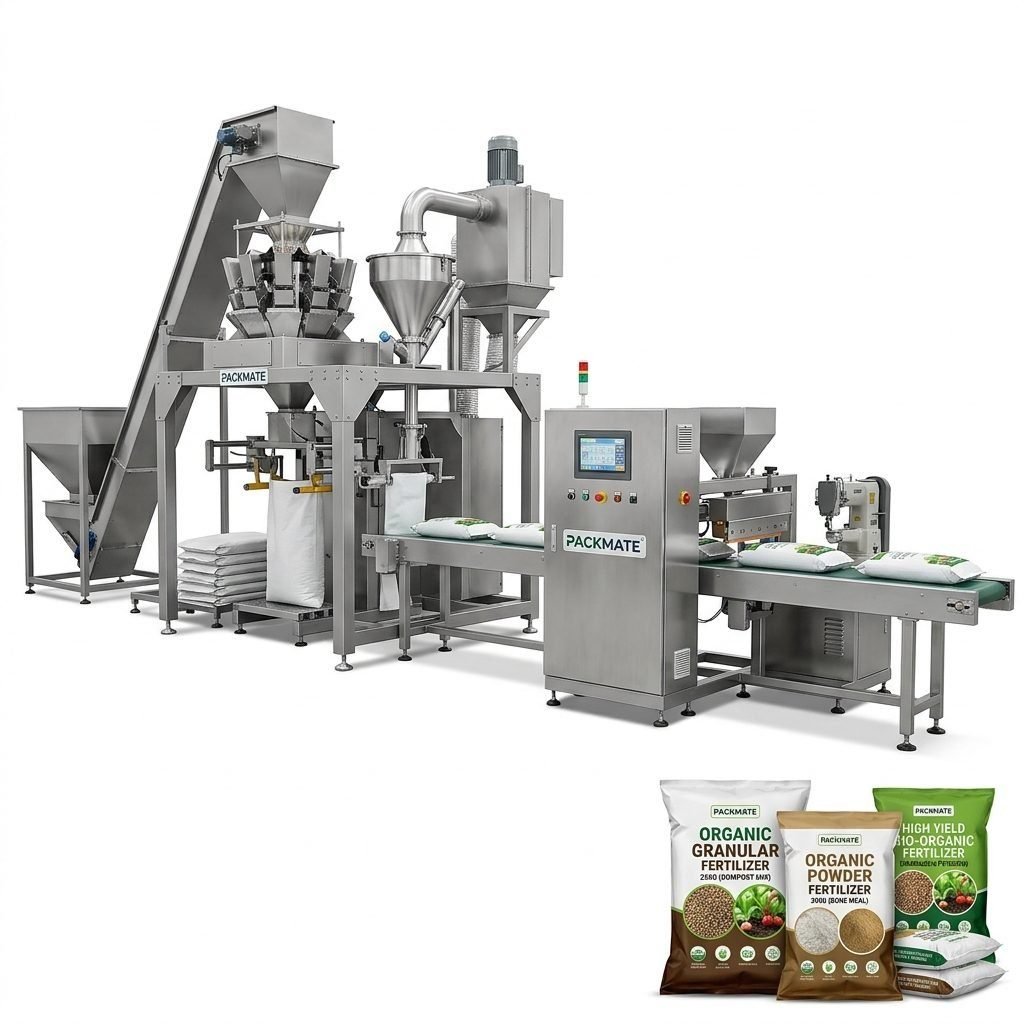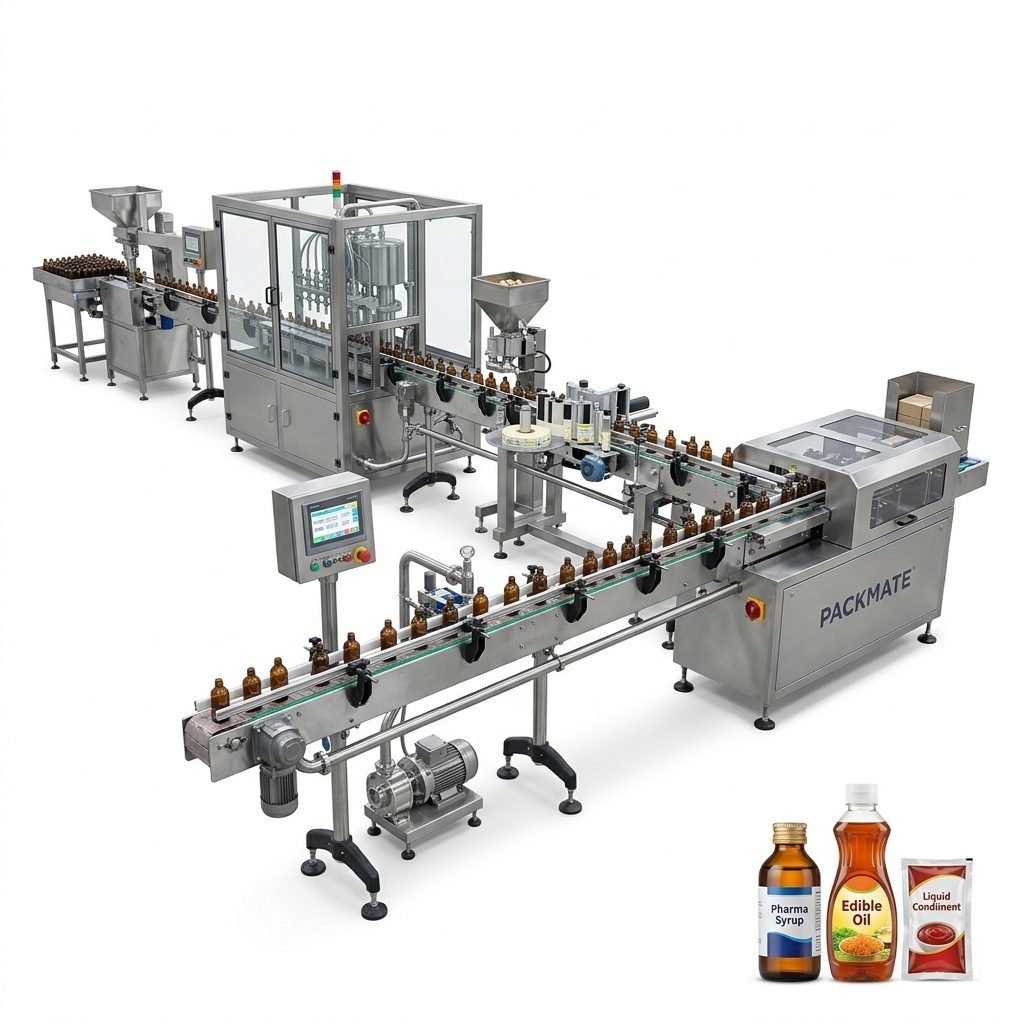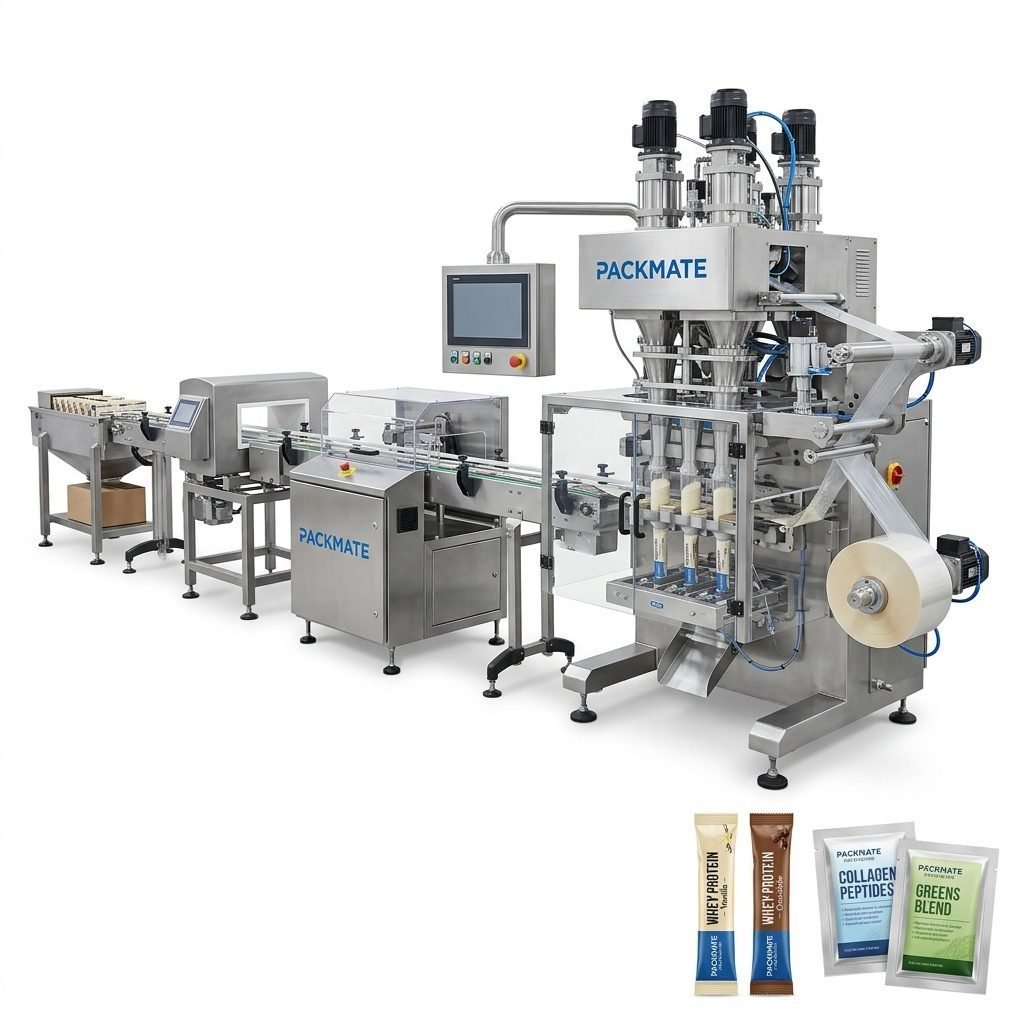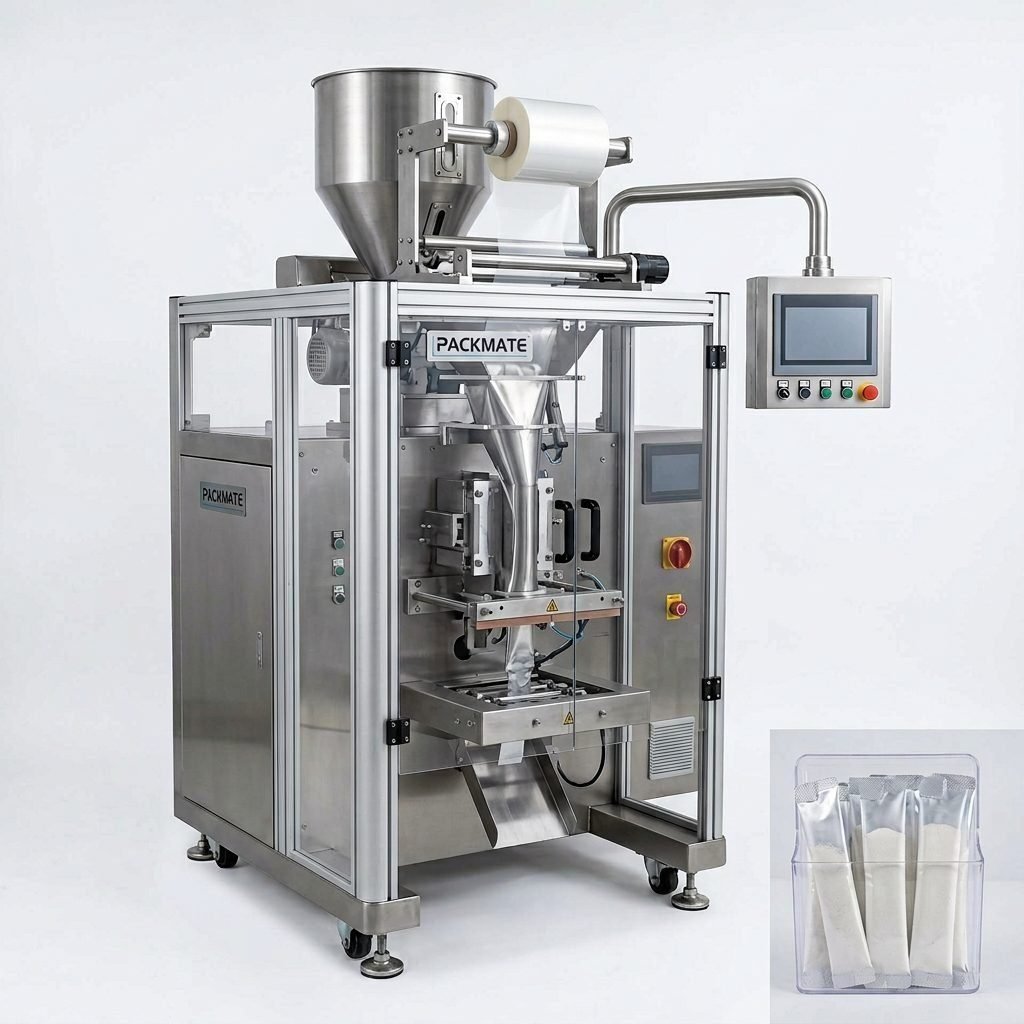
For Estonian manufacturers, food processors, and pharmaceutical companies, selecting the right packaging machinery supplier is a critical decision that impacts production efficiency, product quality, and long-term business growth. Estonia’s strategic position in Northern Europe, with its advanced manufacturing sector and strong export focus to the EU and CIS markets, demands reliable and technologically adept partners. This guide outlines the key factors to consider when choosing a trusted packaging machinery manufacturer, with a focus on solutions relevant to Estonia’s industrial landscape.
Understanding Your Packaging Needs
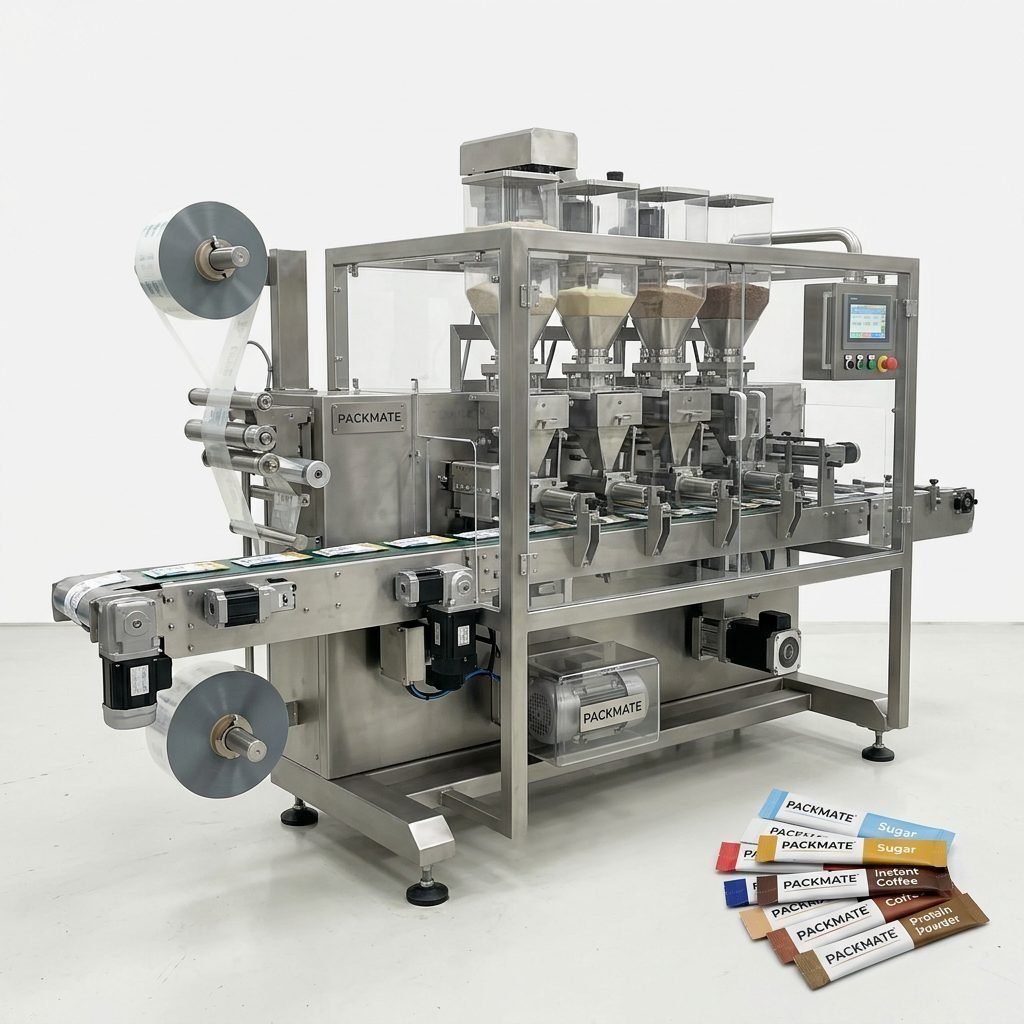
Before evaluating suppliers, clearly define your operational requirements. This includes the type of product (granules, powders, liquids, pastes), desired packaging format (stick packs, sachets, pouches, bags), required output speed, and the level of automation needed—from a single machine to a complete turnkey line. Estonian companies, particularly those in the food, nutraceutical, and chemical sectors, often require versatile equipment that can handle high-mix, low-volume production runs with consistent quality.
Key Considerations for Estonian Buyers:
- Compliance with EU Regulations: Machinery must meet CE standards and relevant hygiene directives (e.g., EHEDG for food).
- Adaptability to varying raw material qualities common in Baltic supply chains.
- After-sales support accessibility, considering geographical proximity or strong local agent networks.
- Energy efficiency to align with Estonia’s sustainability goals.
Evaluating Manufacturer Credentials
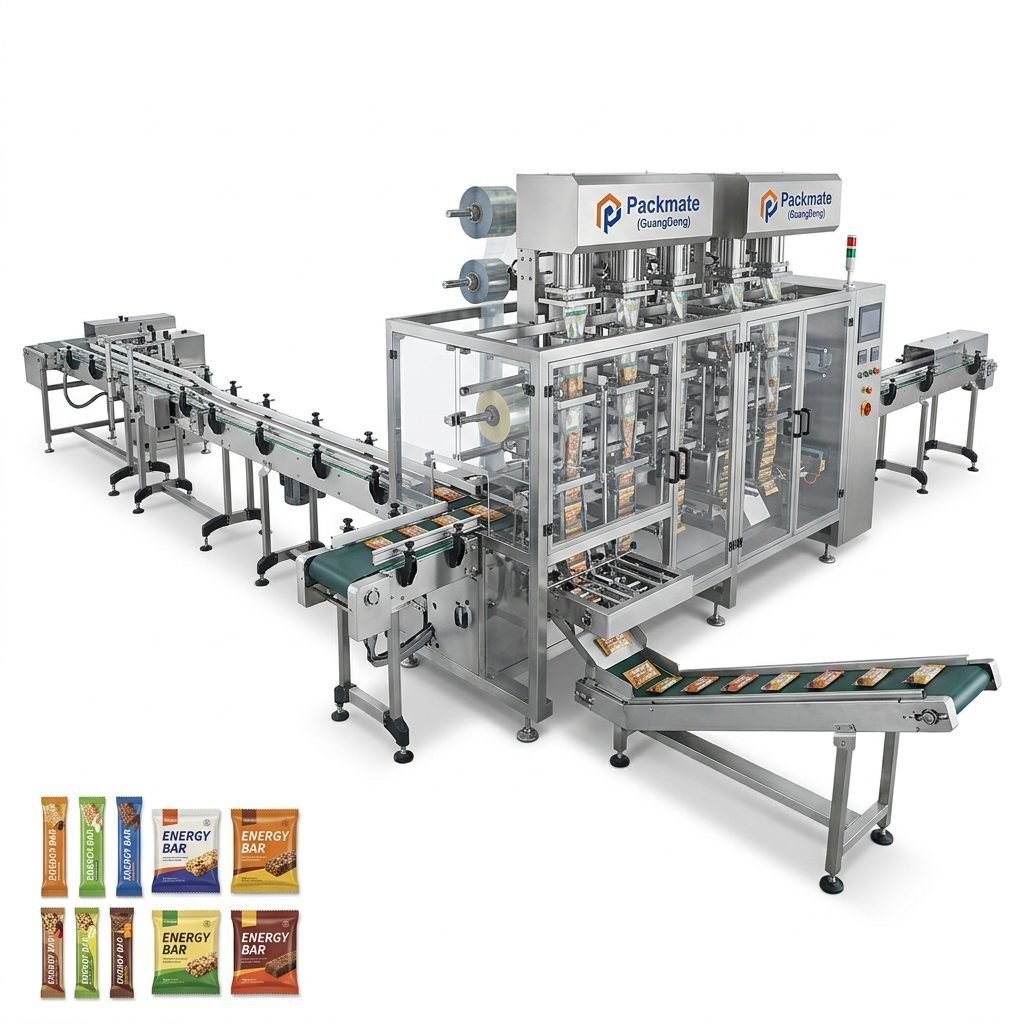
A supplier’s history and stability are paramount. Look for manufacturers with a proven track record of 20-30 years, as this indicates accumulated experience and resilience. Assess their factory size and capabilities—modern facilities over 20,000 sq. meters typically house advanced R&D, precision machining, and rigorous quality control departments. Review their main export markets; a strong presence in Europe suggests familiarity with the technical and regulatory expectations of Estonian end-users.
| Evaluation Criteria | What to Look For | Why It Matters for Estonia |
|---|---|---|
| Industry Experience | >20 years, especially in your specific sector (food, pharma, etc.) | Ensures understanding of local product characteristics and market demands. |
| Technical & Customization Support | In-house engineering team, ability to modify standard machines | Critical for adapting to unique Baltic products or small-batch, premium production runs. |
| After-Sales Service Network | Availability of local/regional technicians, spare parts stock, remote support | Minimizes costly downtime, which is crucial for maintaining export supply chains. |
Product Range and Specialization
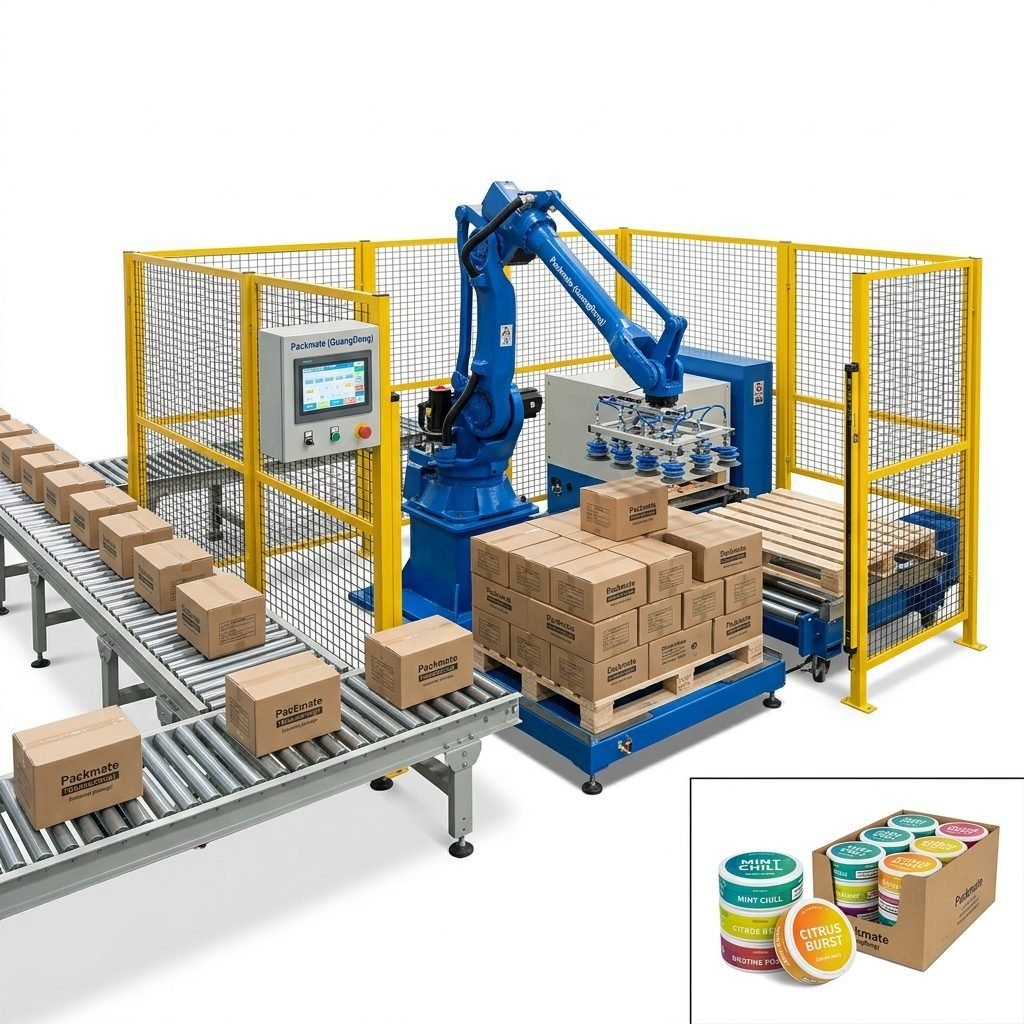
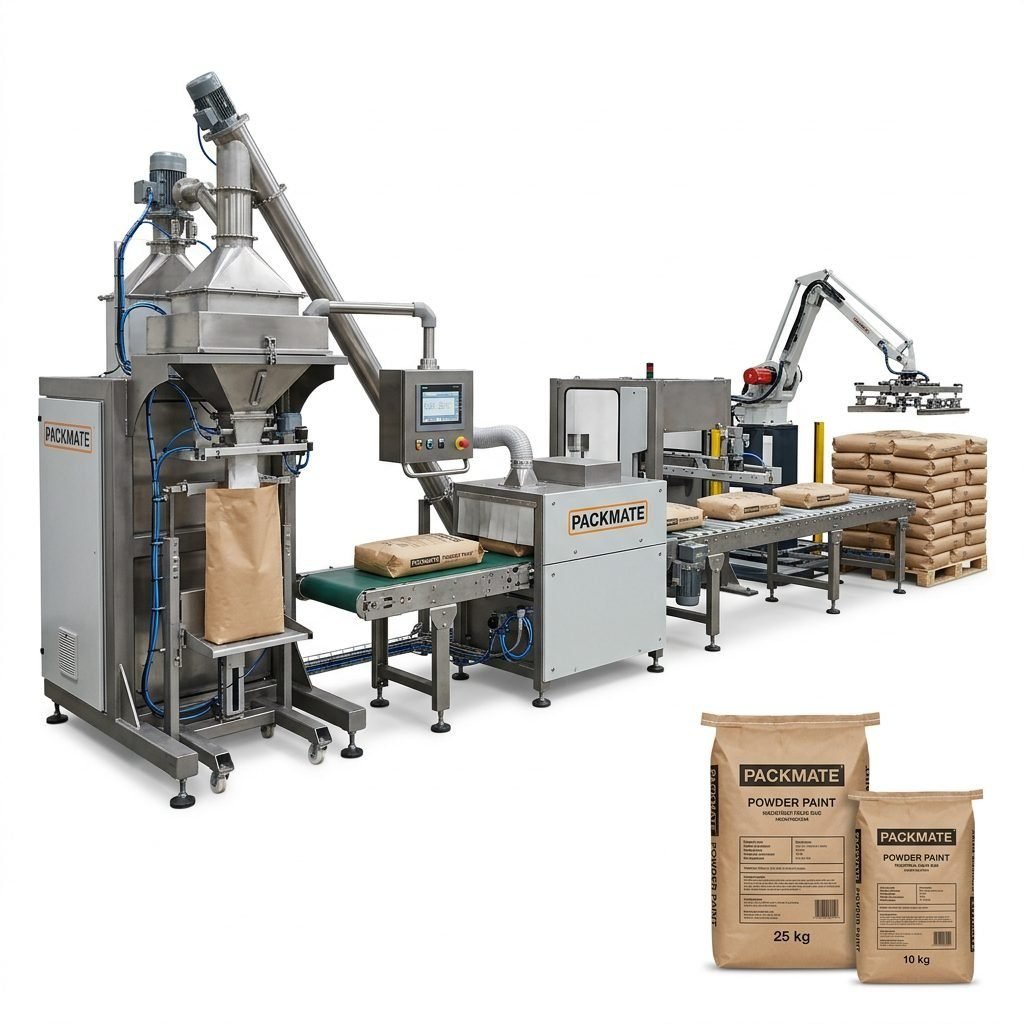
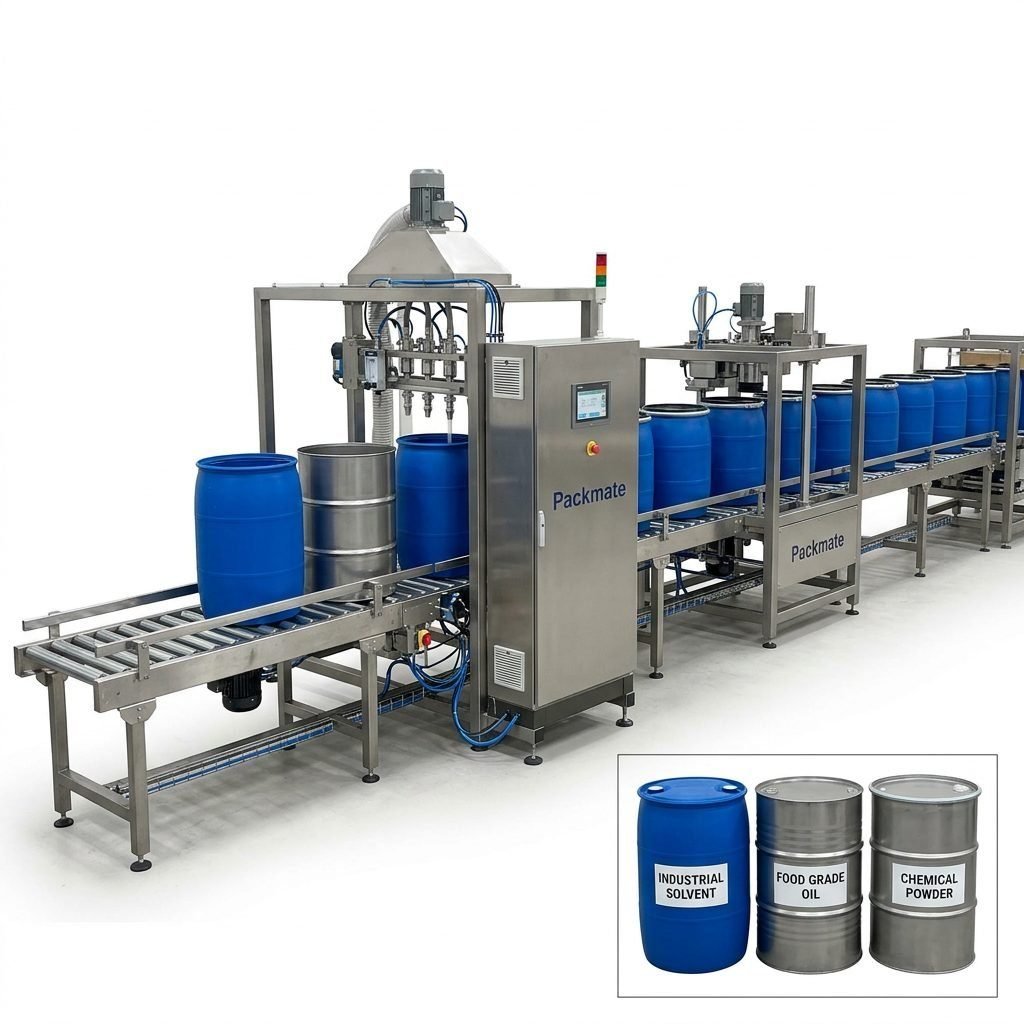
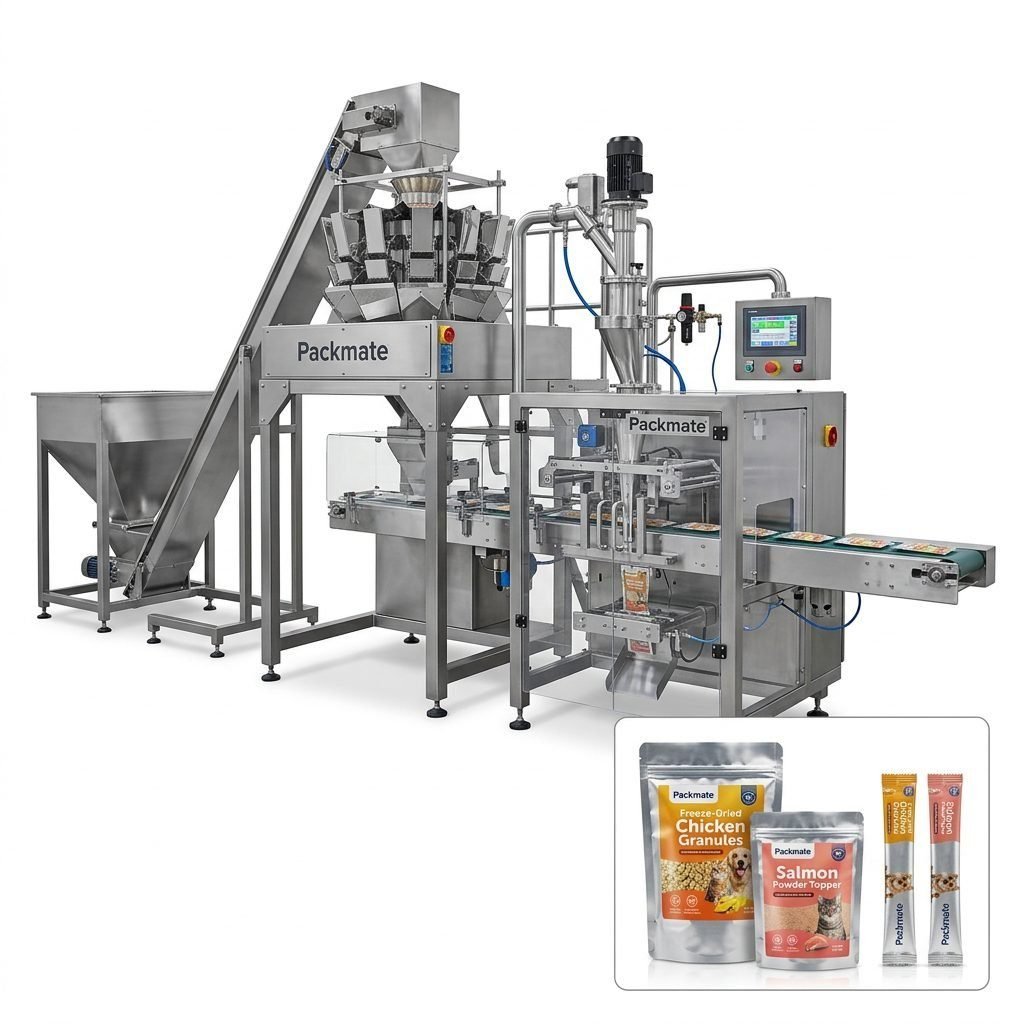
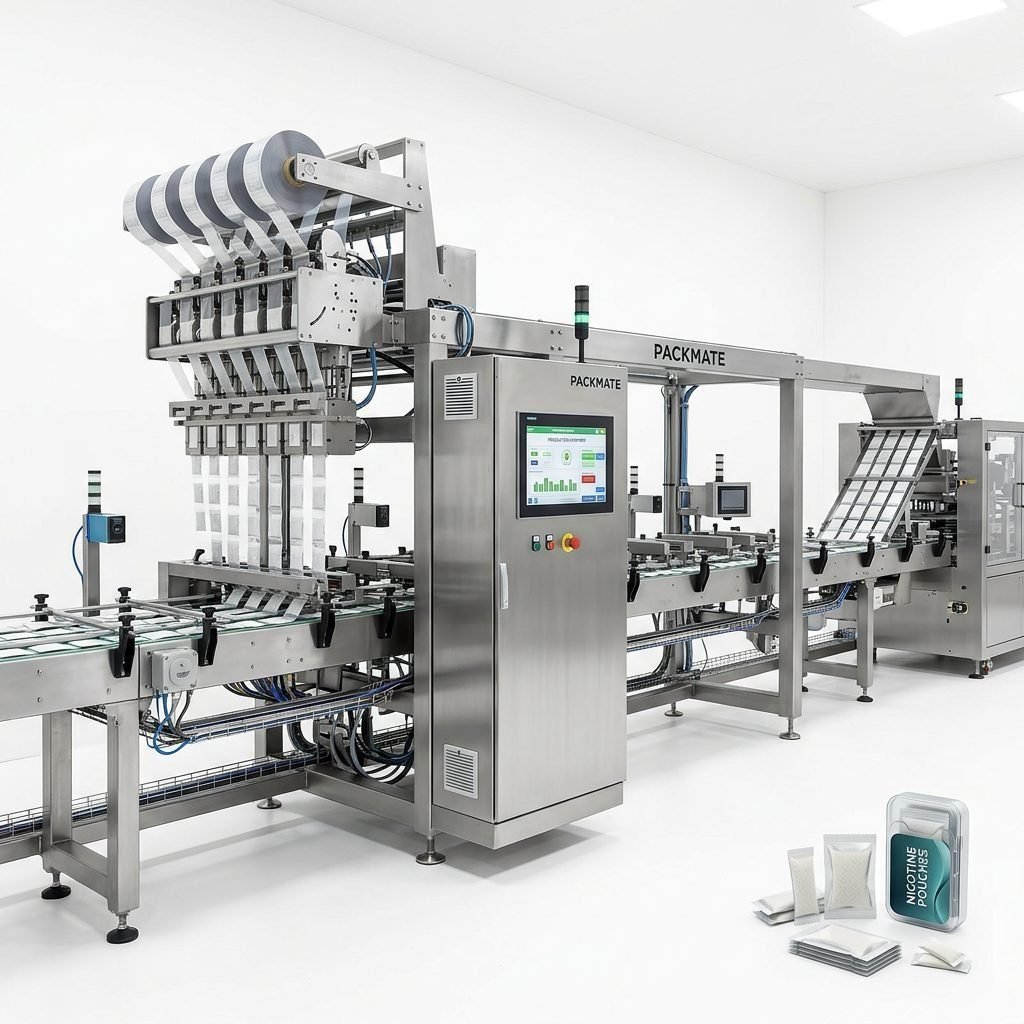
Some manufacturers offer a broad portfolio, while others specialize in niche areas. For general food and pharmaceutical packaging in Estonia, a wide range covering stick pack, sachet, and vertical bagging machines is beneficial. However, for specialized needs like nicotine pouch packaging—a growing segment—a focused supplier with dedicated expertise is preferable. Consider whether you need a standalone machine or a fully integrated turnkey packaging line with feeding, weighing, filling, sealing, and cartoning.
The Importance of Project Support and Communication
Effective communication is vital, especially when working across cultures and time zones. A reliable supplier will assign a dedicated project manager, provide clear documentation in English, and be responsive during the planning, installation, and commissioning phases. They should be willing to conduct factory acceptance tests (FAT) and offer comprehensive training for your Estonian technicians. Clear communication prevents misunderstandings and ensures the machinery integrates seamlessly into your existing production floor.
Red Flags to Avoid:
- Vague or incomplete technical specifications.
- Unwillingness to provide customer references or arrange virtual factory tours.
- Lack of a structured after-sales service agreement.
- Extremely low prices that seem disconnected from market rates, often indicating compromised quality.
Cost Considerations Beyond the Initial Price
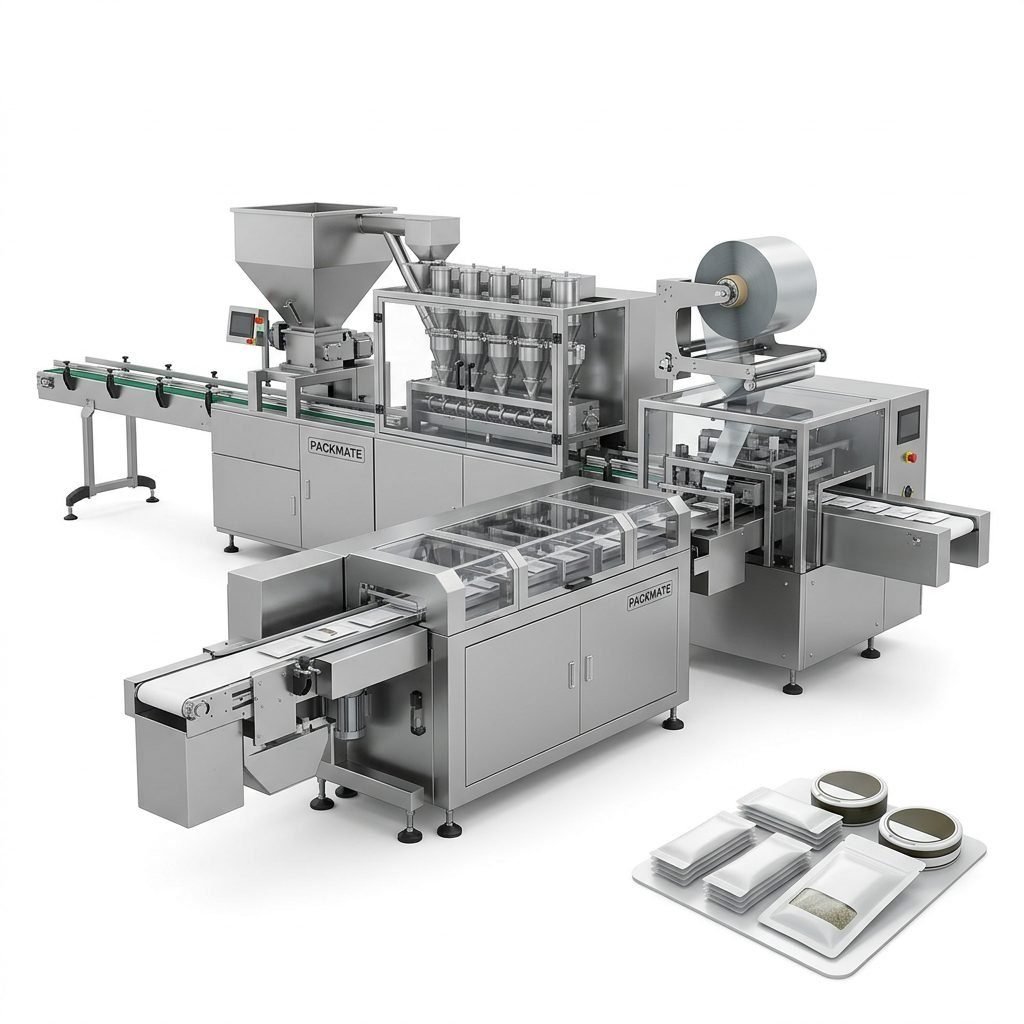
The total cost of ownership (TCO) extends far beyond the invoice price. Factor in shipping and logistics to Estonia, import duties, installation costs, potential costs for utilities (compressed air, power), spare parts inventory, and long-term maintenance. A slightly higher initial investment in a robust, energy-efficient machine from a reputable supplier like Ludyway or Packmate Machinery can lead to significant savings through higher uptime, lower waste, and reduced energy consumption over the machine’s lifespan.
Exploring Suitable Supplier Options
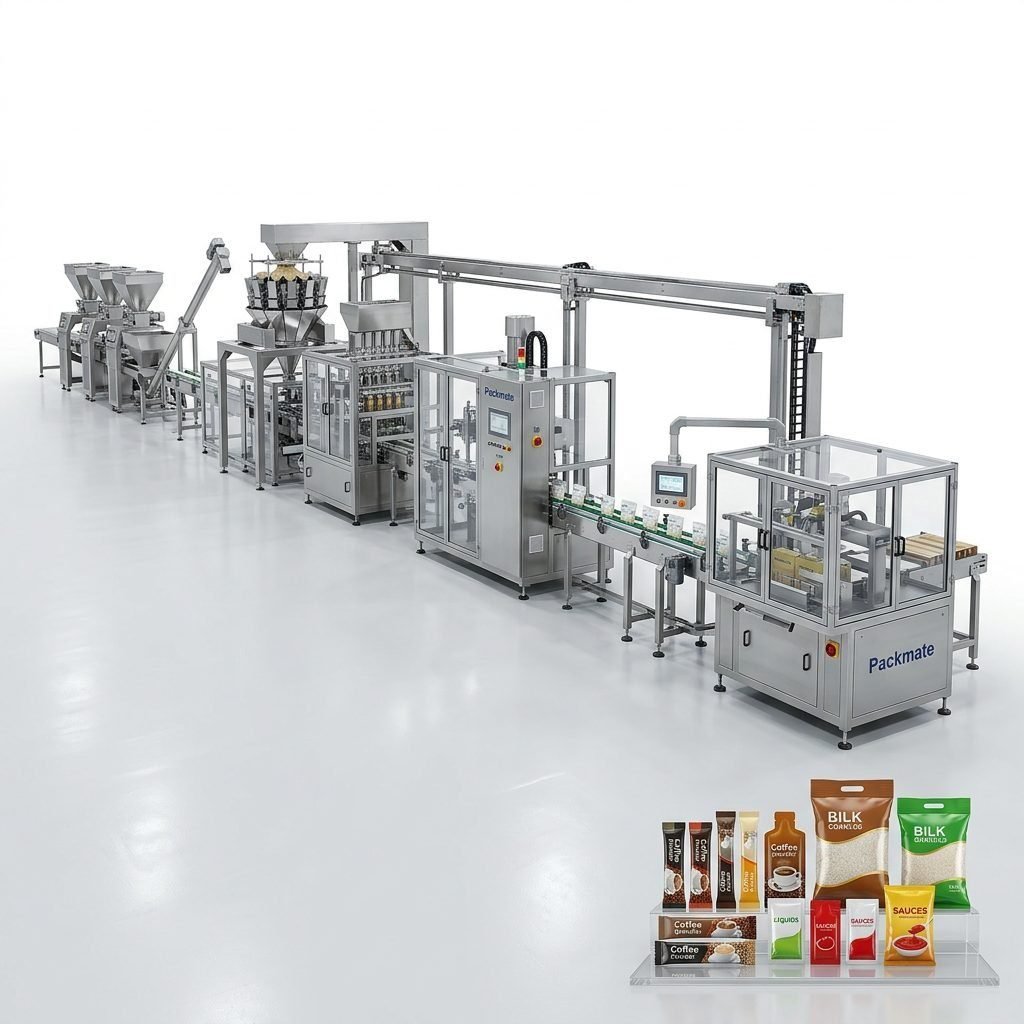
The global market offers several strong manufacturers that cater well to European standards. Companies like PacklineOEM excel in providing complete turnkey lines, which is ideal for a new factory setup or major expansion in Estonia. For projects requiring heavy customization or non-standard solutions, PackingMachineOEM is a strong contender. For the specific and rapidly evolving niche of nicotine pouch production, a specialist such as SnusMachinery offers targeted expertise that generalist suppliers may lack.
Making the Final Decision
After shortlisting potential suppliers, request detailed proposals, review case studies from similar European clients, and insist on seeing the equipment running—either in person or via live video link—with materials similar to your own. Discuss the warranty terms, spare parts lead times, and the protocol for technical support. Choosing a partner is a long-term decision; the right manufacturer will act as an extension of your team, supporting your growth in the Estonian market and beyond.
Frequently Asked Questions (FAQs)
Q1: What are the main advantages of sourcing packaging machinery from internationally experienced manufacturers for Estonian companies?
A: Such manufacturers typically design equipment to meet stringent international standards (like CE), ensuring compliance for selling within the EU. They also offer more robust machines built for continuous operation, which is essential for meeting export demands. Their experience in diverse markets often translates into more adaptable and reliable technology.
Q2: How important is after-sales service, and what should a good service package include?
A: It is critical. A good package includes comprehensive installation supervision, operator training, a clear warranty (e.g., 12-18 months), access to a readily available spare parts inventory, and multiple support channels (phone, email, remote access). For Estonia, having service engineers within the EU or a reliable local agent can drastically reduce response times.
Q3: Can these manufacturers handle the customization needed for unique Estonian food products?
A: Yes, leading manufacturers with strong in-house R&D teams, such as those profiled, regularly undertake customization projects. This can include adjustments for specific viscosities (e.g., fruit pastes), granule sizes, or unique pouch shapes. It’s essential to discuss your specific product samples and requirements in detail during the feasibility study phase.
Q4: What is the typical lead time for a standard machine versus a complete custom turnkey line?
A: Lead times vary. A standard machine from stock might ship in 4-8 weeks. A custom-configured machine may take 12-16 weeks. A full turnkey packaging line involving multiple integrated machines and custom engineering can require 20-30 weeks or more, depending on complexity. Planning ahead is crucial.
Q5: Are there financing options or support available for such capital investments?
A: Many established manufacturers have partnerships with trade finance institutions or can offer structured payment plans. Additionally, Estonian companies should explore local and EU business development grants or loans aimed at manufacturing modernization and export capacity building.