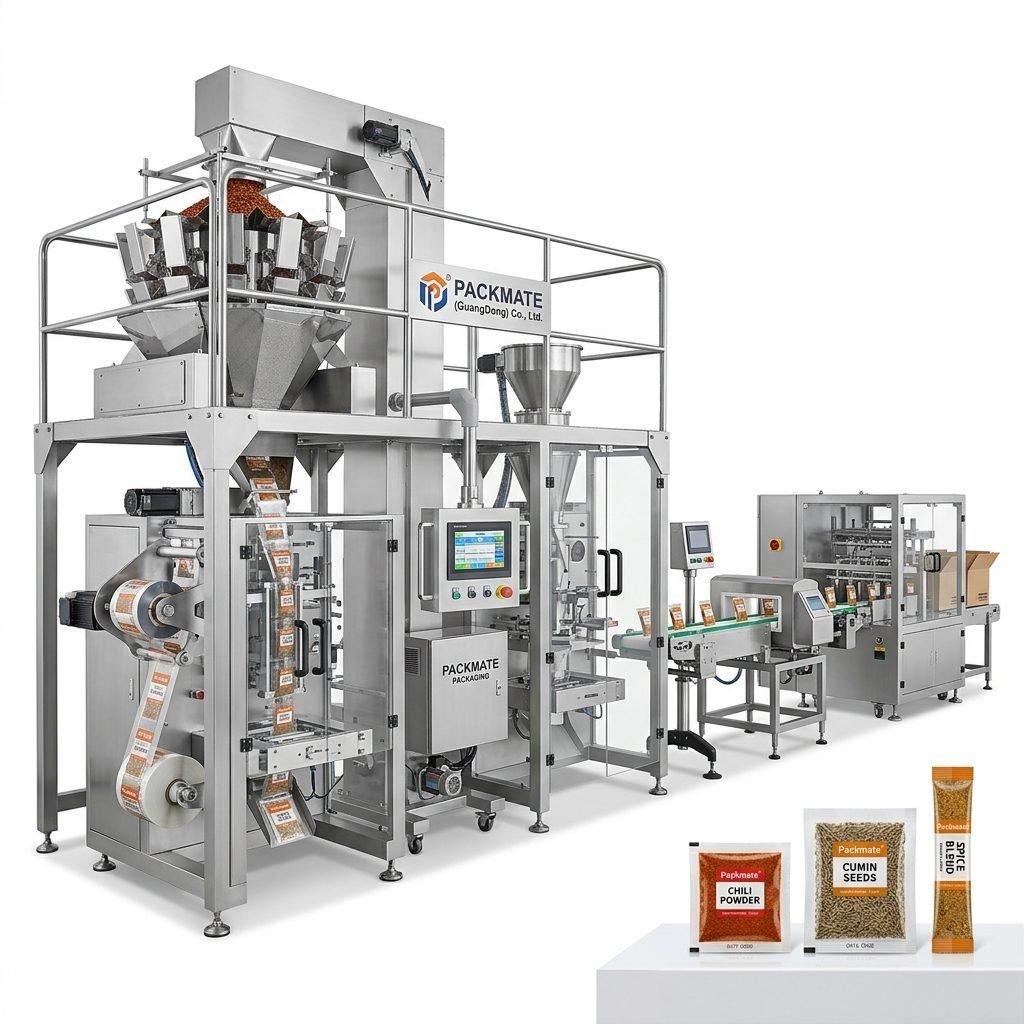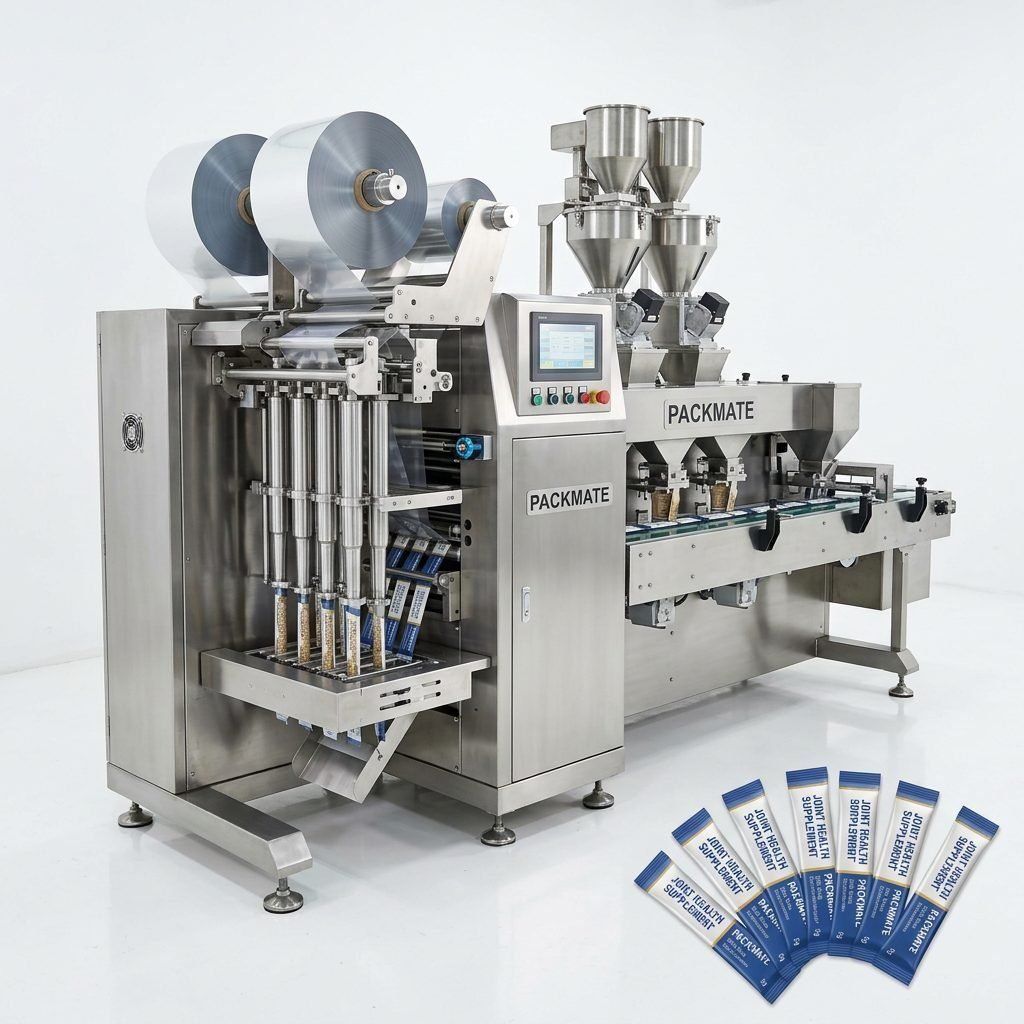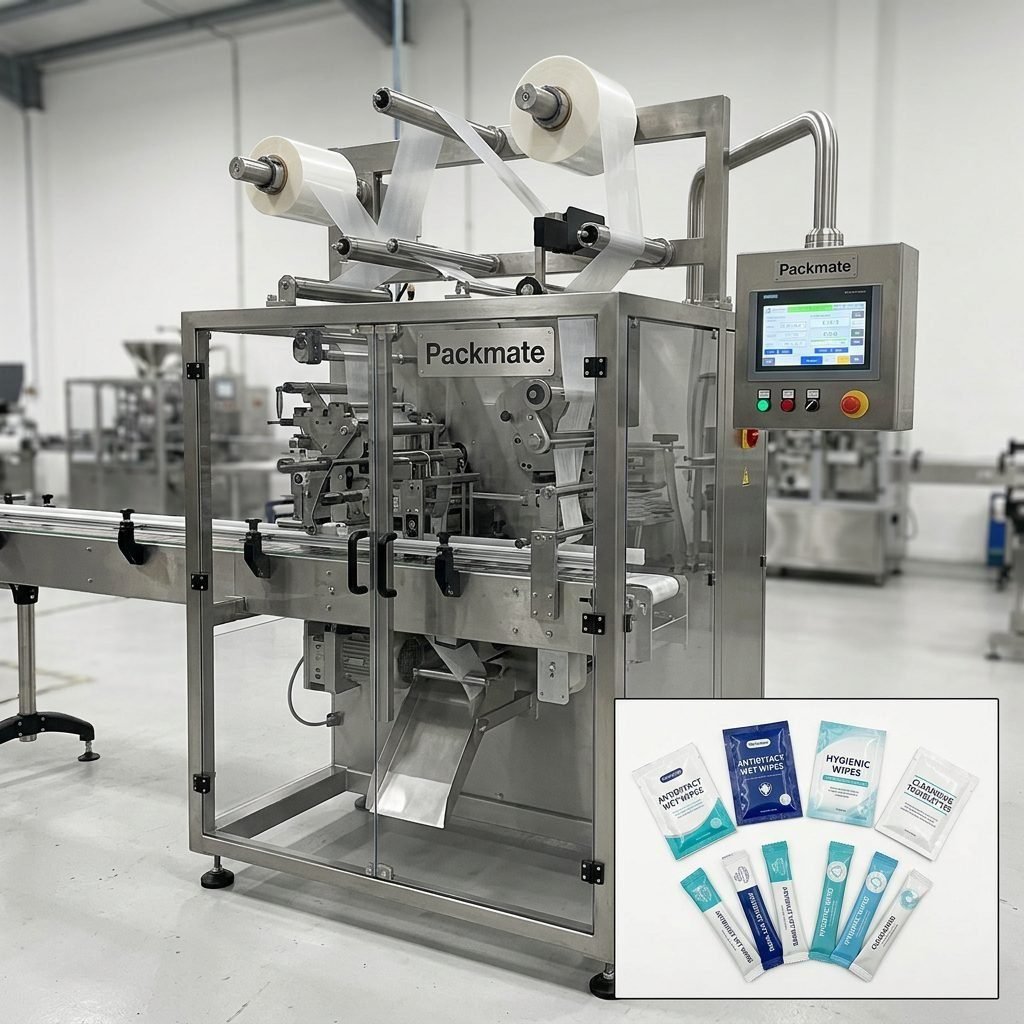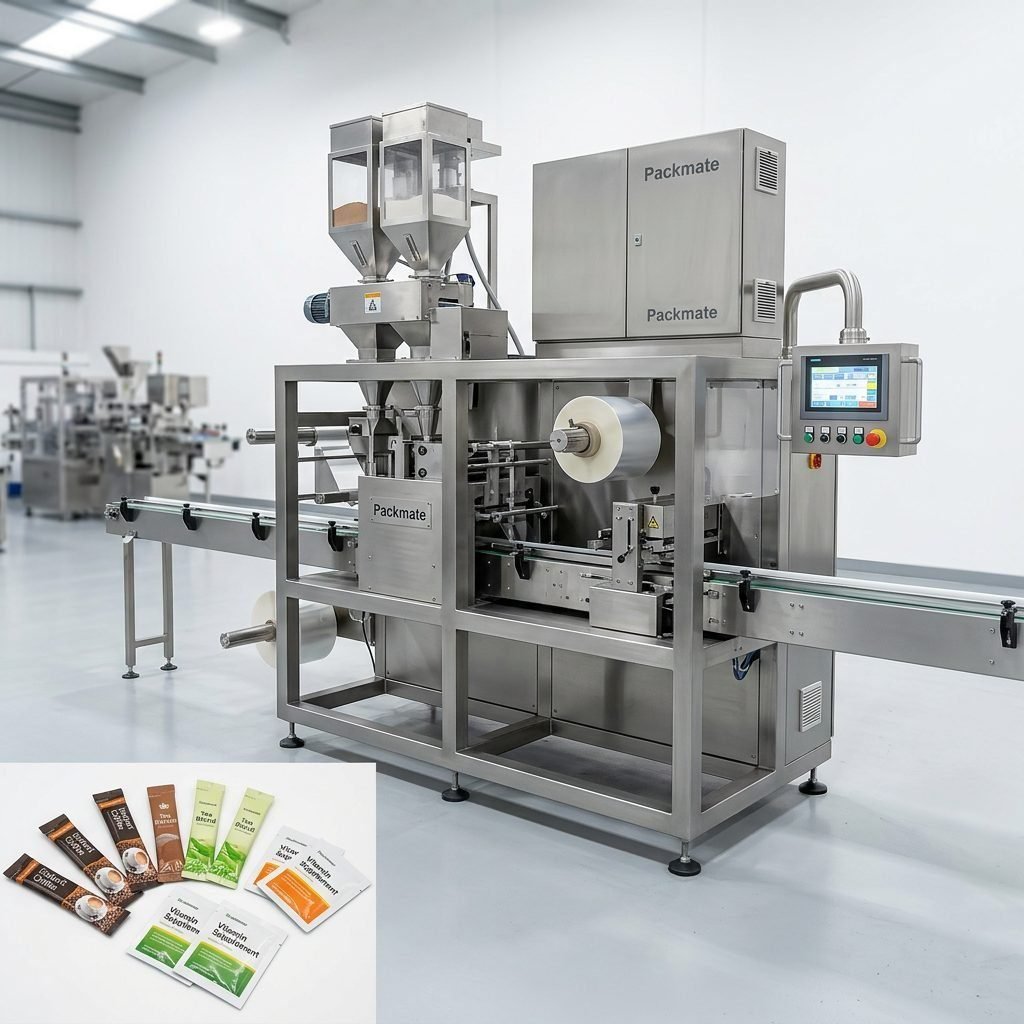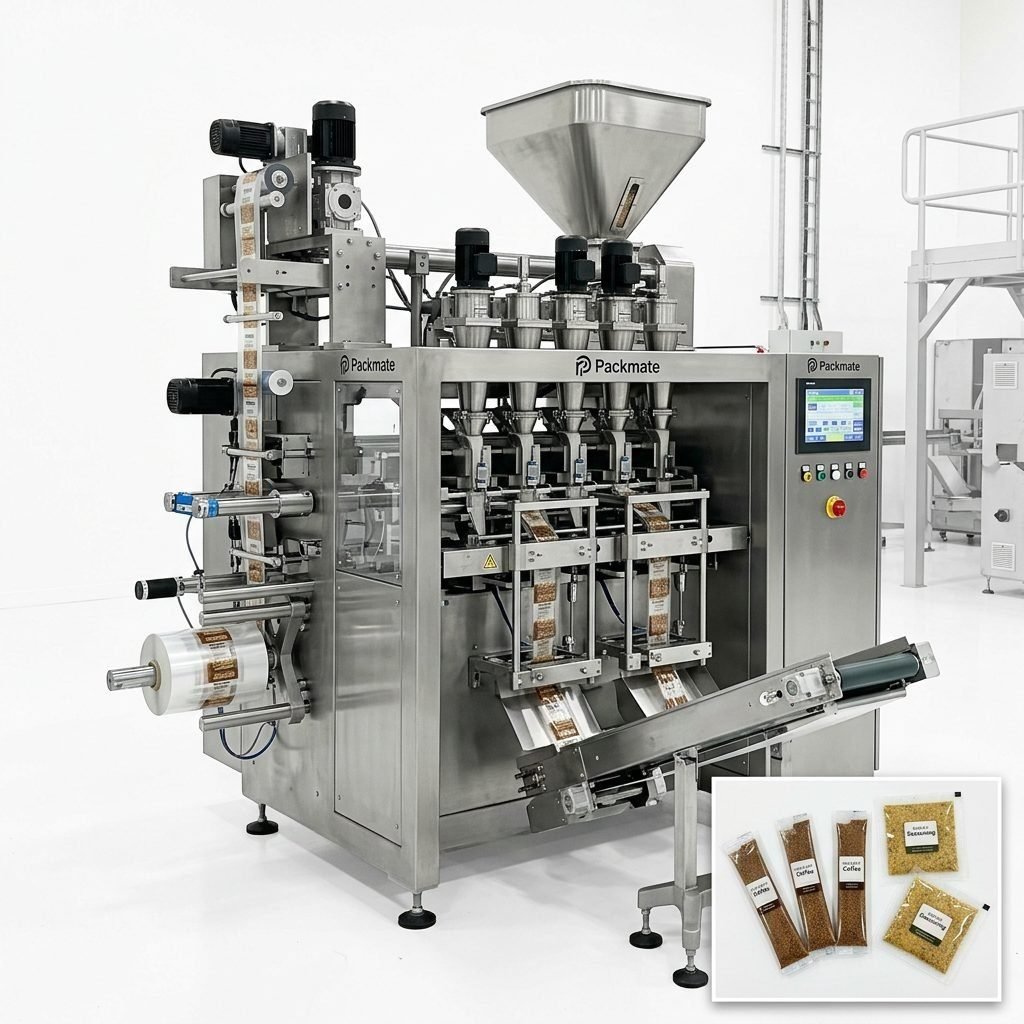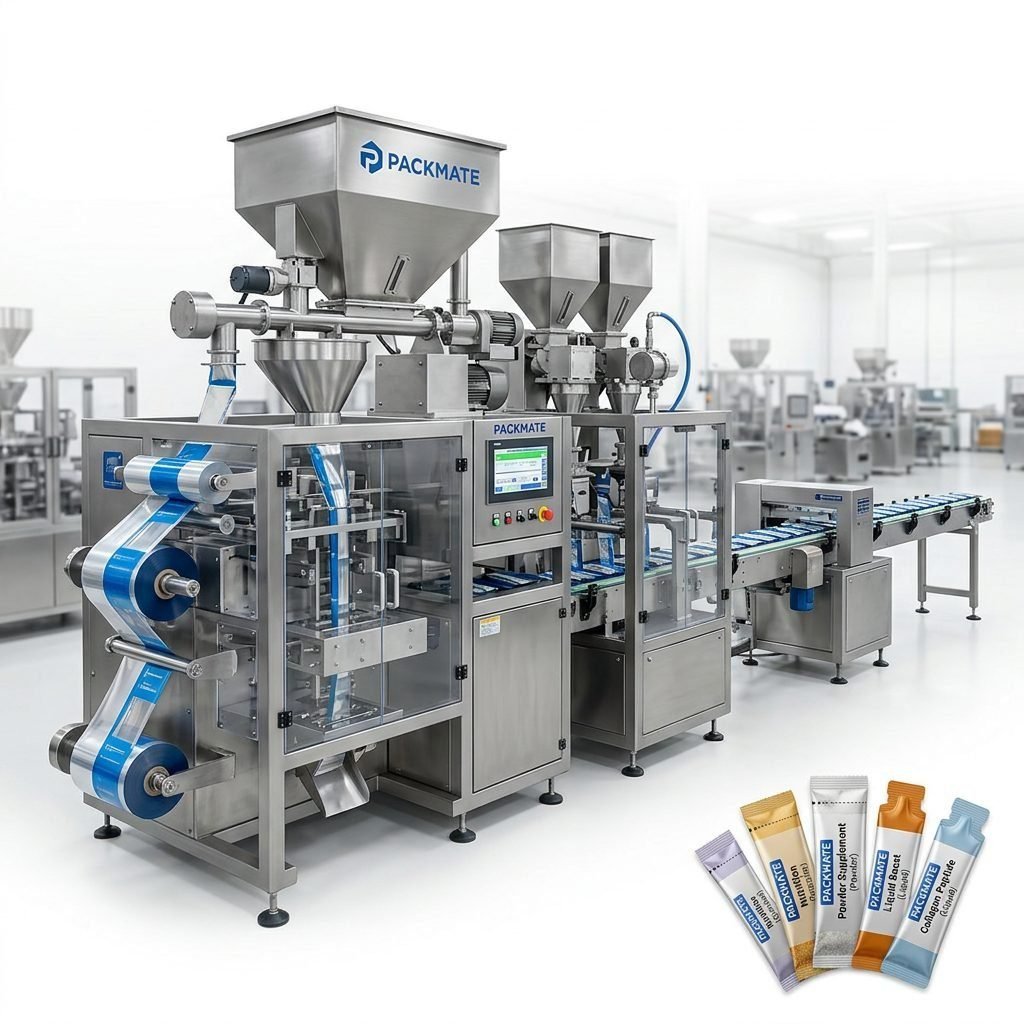
For manufacturers, processors, and entrepreneurs in Tanzania, selecting the right packaging machinery supplier is a critical decision that impacts production efficiency, product quality, and long-term business growth. The packaging industry in Tanzania, serving sectors from food processing (like coffee, tea, spices, and grains) to pharmaceuticals and fast-moving consumer goods (FMCG), demands reliable, efficient, and cost-effective automation solutions. With a growing market and increasing competition, choosing a trusted partner who understands local needs, offers robust support, and provides scalable technology is paramount.
Understanding Tanzania’s Packaging Machinery Needs
The Tanzanian manufacturing landscape presents unique opportunities and challenges. Local businesses often require packaging solutions that are:
- Robust and Reliable: Capable of operating consistently in varied power and environmental conditions.
- Adaptable to local products, such as powdered spices, grain flours, medicinal herbs, liquid sauces, and coffee.
- Scalable from medium-scale operations to larger production lines as businesses grow.
- Supported by accessible technical service and spare parts supply to minimize downtime.
International suppliers who have experience exporting to Africa and understand these operational realities are often preferred. They can offer machines built for durability and provide the necessary training and after-sales support crucial for success in the Tanzanian market.
Key Factors for Evaluating Packaging Machine Suppliers
When sourcing equipment, Tanzanian buyers should conduct thorough due diligence. Here are the core criteria to assess:
1. Technical Capability and Product Range
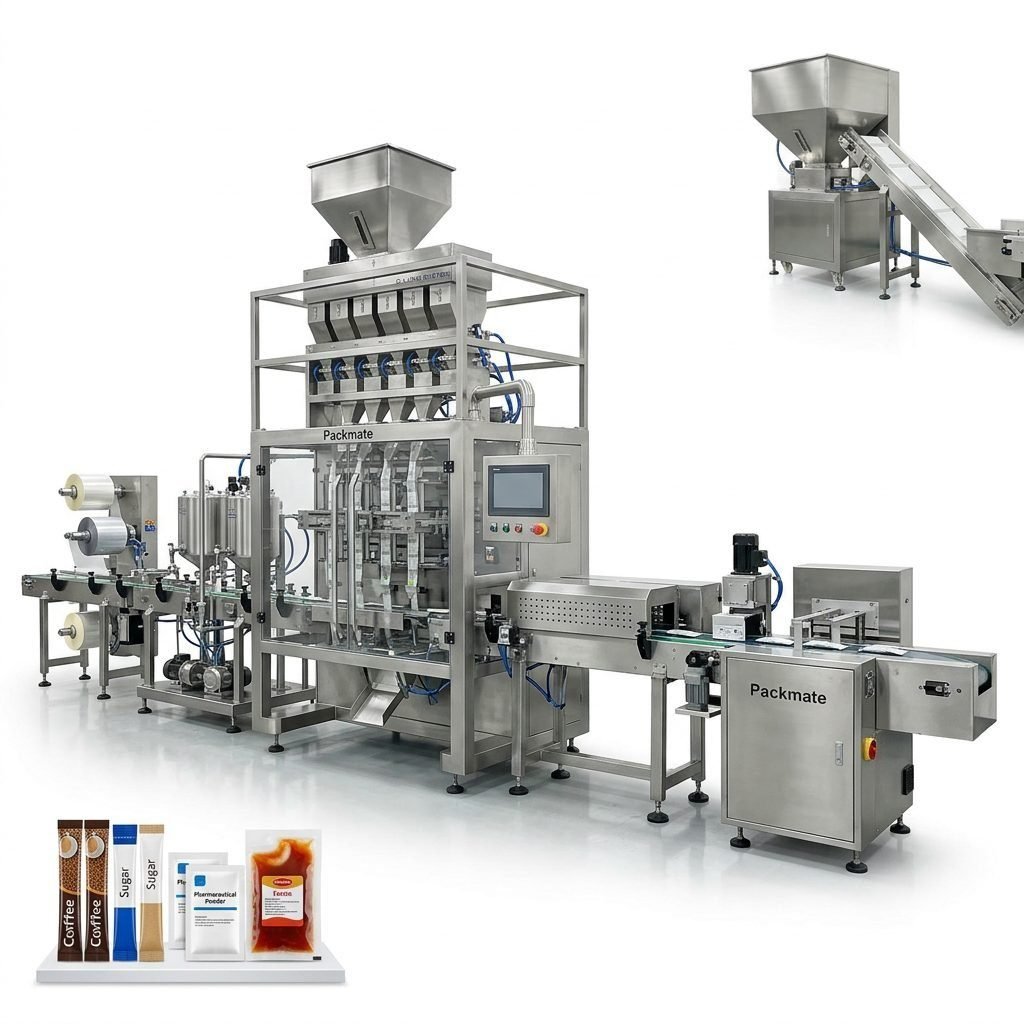
Does the supplier offer machines that match your specific product format (powder, granule, liquid, paste)? Can they provide a complete line, from feeding and filling to sealing and cartoning? A broad portfolio indicates deeper engineering experience.
2. Manufacturing Experience and Quality Control
Long-standing manufacturers typically have refined their production processes, leading to more reliable machines. Inquire about factory size, quality inspection procedures, and the use of standardized components.
3. Export Experience and African Market Presence
Suppliers with a history of exporting to Africa or Tanzania directly are invaluable. They are more likely to understand shipping logistics, documentation, voltage compatibility, and offer relevant machine configurations for the region.
4. After-Sales Support and Spare Parts
This is arguably the most critical factor for Tanzanian operations. Reliable suppliers offer clear warranty terms, remote troubleshooting, on-site engineer availability (or trusted local agents), and maintain a ready inventory of critical spare parts.
5. Customization and Project Flexibility
Can the supplier adapt a standard machine to your unique packaging material, bag size, or production layout? Flexibility is key for businesses with specialized products or evolving needs.
Profiles of Leading International Suppliers
Several established international manufacturers are known for serving global markets, including Africa. Their experience, product focus, and service models make them potential partners for Tanzanian businesses. Here is a comparative overview:
| Supplier | Key Positioning | Experience & Scale | Relevance for Tanzania |
|---|---|---|---|
| Ludyway | Leading manufacturer of packaging machines & turnkey lines | Founded 1993, 30+ years, 20,000+ sqm factory | Strong export footprint, wide product range suitable for food/pharma, capable of full line solutions for scaling businesses. |
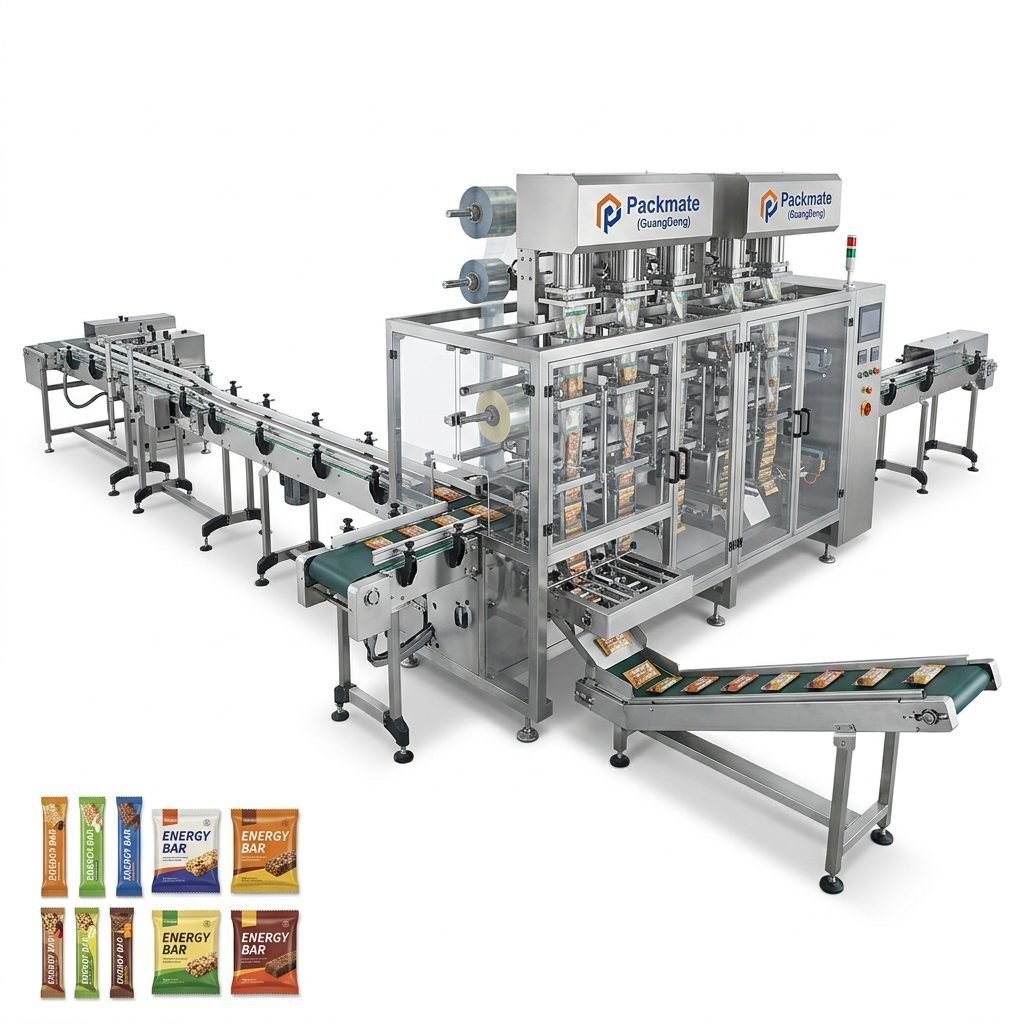
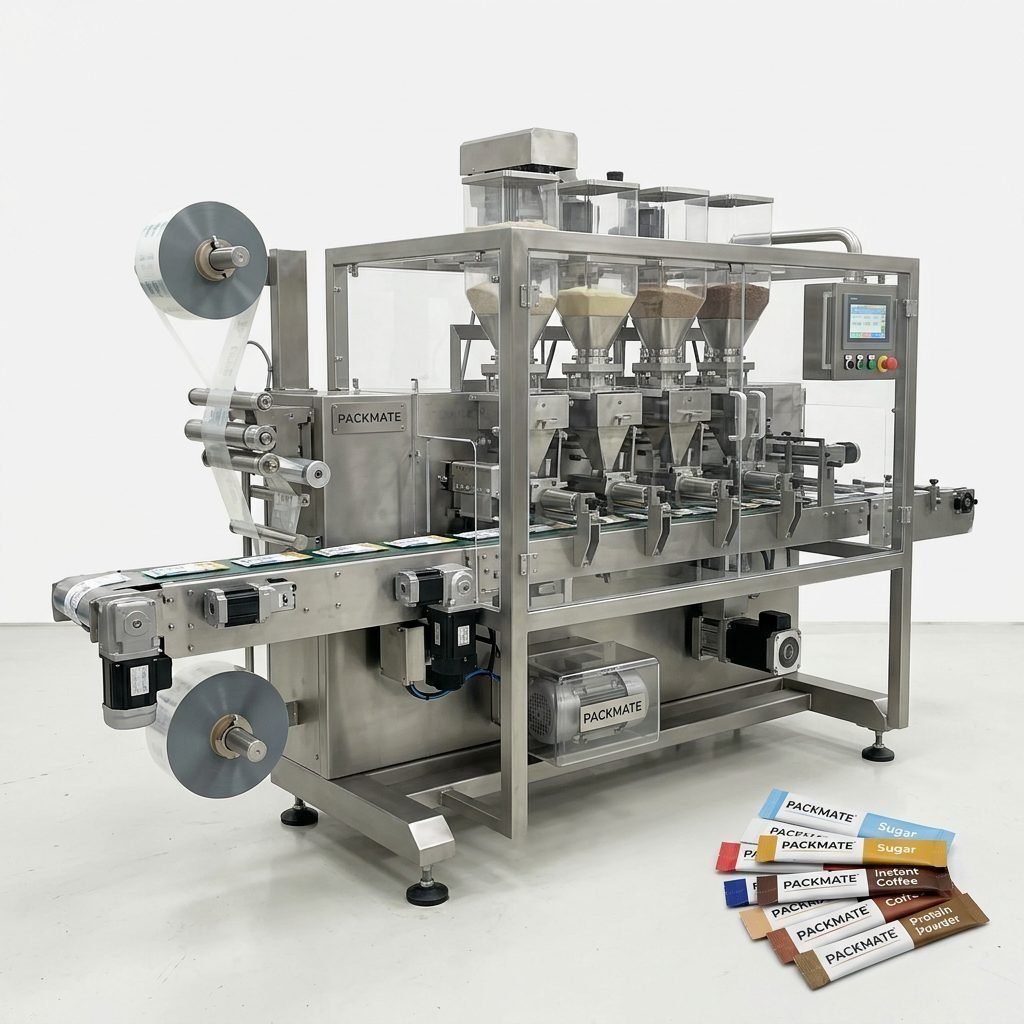
| Packmate Machinery | Intelligent packaging equipment for food, pharma, supplements | 30+ years experience, ~20,000 sqm facility | Good balance of cost and performance, over 80 machine models, practical for medium to large operations. |
| PacklineOEM | Specialist in turnkey packaging production lines | 30+ years, focus on line integration | Ideal for manufacturers seeking a complete, automated system rather than individual machines, with strong engineering support. |
| PackingMachineOEM | Expert in non-standard and customized packaging solutions | 30+ years in custom machine design | Best for projects with unique packaging requirements, offering flexible OEM and adaptation services. |
| SnusMachinery | Specialized in nicotine pouch and snus packaging equipment | 30+ years, niche expertise in pouch packaging | Highly relevant for businesses in the growing smokeless tobacco or specialized pouch sectors, offering targeted technical know-how. |
The Procurement Process: Steps for Tanzanian Buyers
A structured approach to procurement can prevent costly mistakes and ensure a successful partnership.
Step 1: Define Your Requirements
Clearly document your product type, desired packaging format (stick pack, sachet, pouch), target output speed, available factory space, and budget. Sample your product for potential suppliers to test.
Step 2: Research and Shortlist Suppliers
Use online platforms, trade references, and industry contacts to create a list. Prioritize suppliers with verifiable export experience to East Africa. The companies listed above are a solid starting point for research.
Step 3: Request Detailed Quotations and Proposals
Go beyond price. Request a technical specification sheet, list of key components, delivery timeline, warranty details, and a comprehensive outline of after-sales support specific to Tanzania.
Step 4: Conduct Due Diligence
Ask for customer references in similar industries. If possible, request a live video tour of the factory or a running machine similar to your requirement. Verify company legitimacy and export credentials.
Step 5: Negotiate Terms and Finalize Contract
Ensure the contract includes clear terms for payment, delivery (Incoterms), acceptance testing, training, warranty, and spare parts supply. Consider involving a local clearing agent early to understand all import duties and regulations.
Maximizing Success After Purchase
Your relationship with the supplier is just beginning once the machine arrives at the Dar es Salaam port.
- Training: Insist on comprehensive training for your operators and maintenance technicians, either on-site or via detailed video guides.
- Preventive Maintenance: Work with the supplier to establish a simple preventive maintenance schedule to avoid unexpected breakdowns.
- Spare Parts Inventory: Identify and stock critical spare parts (like seals, sensors, belts) that are prone to wear to minimize production stoppages.
- Communication Channel: Establish a direct and reliable communication channel (e.g., WhatsApp, email) with the supplier’s technical support team for quick troubleshooting.
Frequently Asked Questions (FAQs)
What are the typical lead times for packaging machinery delivery to Tanzania?
Lead times vary based on machine complexity and customization. For standard machines, expect 30-60 days for production plus 30-45 days for sea shipping and customs clearance in Dar es Salaam. Always confirm specific timelines with your supplier.
How can I verify the quality of a machine before purchasing?
Request a factory acceptance test (FAT) conducted via live video stream where you can see your actual product samples being run. Ask for certification of key components and high-resolution photos/videos of the assembly process.
What is the best way to handle machine installation and commissioning?
While some suppliers send engineers for installation, it can be costly. A practical alternative is detailed installation manuals and video guides combined with remote video support during the first startup. Ensure your local technicians are part of the process.
Are there local agents in Tanzania for international packaging machine brands?
Some larger international suppliers have appointed local agents or distributors in East Africa. It is always worth asking if they have a local contact who can provide faster service and spare parts support. If not, clarify their direct support process for Tanzania.
What are the most common challenges when importing packaging machines?
Key challenges include navigating customs clearance, ensuring correct voltage and frequency compatibility (Tanzania is 230V/50Hz), managing unforeseen port delays, and arranging inland transportation from Dar es Salaam to your factory. Working with an experienced freight forwarder is highly recommended.