Turmeric powder, a staple in kitchens and wellness routines worldwide, requires careful packaging to preserve its vibrant color, potent aroma, and health-giving properties. The right choice of packaging materials and techniques is critical not only for maintaining product quality but also for ensuring a long shelf life and meeting consumer expectations. This guide explores the best practices for turmeric powder packaging, offering practical tips for manufacturers and brands to keep their product fresh from production to pantry.
Key Takeaway: The primary enemies of turmeric powder are moisture, oxygen, light, and heat. Effective packaging creates a barrier against these elements to lock in freshness, prevent caking, and preserve the curcumin content, which is responsible for its color and health benefits.
Essential Packaging Materials for Turmeric Powder
Selecting the right material is the first line of defense in preserving turmeric’s quality. Each material offers different levels of protection.
1. Multilayer Laminated Pouches (Stand-up Pouches & Sachets)
These are among the most popular and effective choices for retail turmeric powder. They are typically constructed from layers of materials like:
- Polyester (PET) or Nylon (BOPA): Provides excellent tensile strength and acts as a good barrier against gases and aromas.
- Aluminum Foil (AL): Offers an almost perfect barrier against moisture, oxygen, and light. This is crucial for preventing oxidation and photodegradation of curcumin.
- Polyethylene (PE) or Cast Polypropylene (CPP): The inner sealant layer provides a heat-sealable, food-safe contact surface.
A typical structure might be PET/AL/PE. These pouches are lightweight, offer excellent printability for branding, and their re-sealable zippers (for larger sizes) enhance user convenience and prolong freshness after opening.
2. Glass Jars
Glass is impermeable to gases and moisture and completely blocks light if tinted (like amber glass). It is inert, meaning it won’t react with the turmeric or transfer odors. Glass jars convey a premium, high-quality image and are fully recyclable. The main drawbacks are weight, higher shipping costs, and fragility.
3. Metal Tins
Similar to glass, metal tins (typically aluminum or tinplate) provide an excellent barrier against light, moisture, and oxygen. They are sturdy and offer good product protection. However, they can be more expensive than flexible packaging and may not be as conveniently re-sealable unless fitted with a plastic lid with a gasket.
4. High-Barrier Plastic Containers
Rigid containers made from materials like HDPE (High-Density Polyethylene) or PP (Polypropylene), often with foil seal membrane induction liners, are a good compromise. They offer decent moisture protection, are shatterproof, and are often equipped with screw-top lids for reusability. Ensure the plastic provides a sufficient oxygen barrier or is used with an oxygen-absorbing sachet.
Material Comparison Table
| Material | Moisture Barrier | Oxygen Barrier | Light Protection | Best For |
|---|---|---|---|---|
| Foil Laminate Pouches | Excellent | Excellent | Excellent | Retail sachets, stick packs, bulk bags |
| Glass Jars (Amber) | Excellent (with seal) | Excellent (with seal) | Excellent | Premium, organic, or gift products |
| Metal Tins | Excellent | Excellent | Excellent | Gourmet & specialty turmeric blends |
| Plastic Containers (HDPE/PP) | Good | Moderate | Poor (unless opaque) | Cost-effective bulk packaging |
Advanced Packaging Techniques for Maximum Freshness
Beyond material selection, specific techniques can significantly extend the shelf life of turmeric powder.
1. Modified Atmosphere Packaging (MAP)
This process involves replacing the air inside the package with a protective gas mix, usually nitrogen (N₂) or a combination of nitrogen and carbon dioxide. Nitrogen is inert and displaces oxygen, which prevents oxidation and microbial growth. MAP is highly effective for preserving color, aroma, and nutritional value in high-barrier pouches or containers.
2. Vacuum Sealing
Removing all air from the package before sealing eliminates oxygen, the main agent of oxidation. This is particularly effective for larger bulk packs destined for food service or industrial use. It prevents caking and dramatically slows the degradation process.
3. Oxygen Absorbers & Desiccants
For packages where 100% oxygen removal isn’t feasible (like rigid containers), including small sachets of oxygen absorbers (iron-based) and desiccants (silica gel) can be a game-changer. The oxygen absorber scavenges any residual O₂, while the desiccant controls moisture levels inside the package, preventing clumping.
Practical Tips for Enhancing Shelf Life
Implementing these best practices from production to storage will ensure your turmeric powder reaches consumers in optimal condition.
- Control Moisture at Source: Ensure the turmeric powder is properly dried and cooled to a low moisture content (typically below 10%) before packaging.
- Use Opaque or Light-Blocking Materials: Always choose materials that block UV and visible light. If using clear materials, store packages in dark cartons.
- Ensure Airtight Seals: The integrity of the seal is paramount. Regularly check sealing jaws on packaging machinery for consistent, strong, and leak-proof seals.
- Store in Cool, Dry Conditions: Even the best packaging can be compromised by extreme conditions. Warehouses and retail shelves should be away from direct sunlight, heat sources, and humidity.
- Implement First-In, First-Out (FIFO): Maintain proper inventory rotation to ensure no product sits on the shelf beyond its optimal period.
The Role of Automated Packaging Machinery
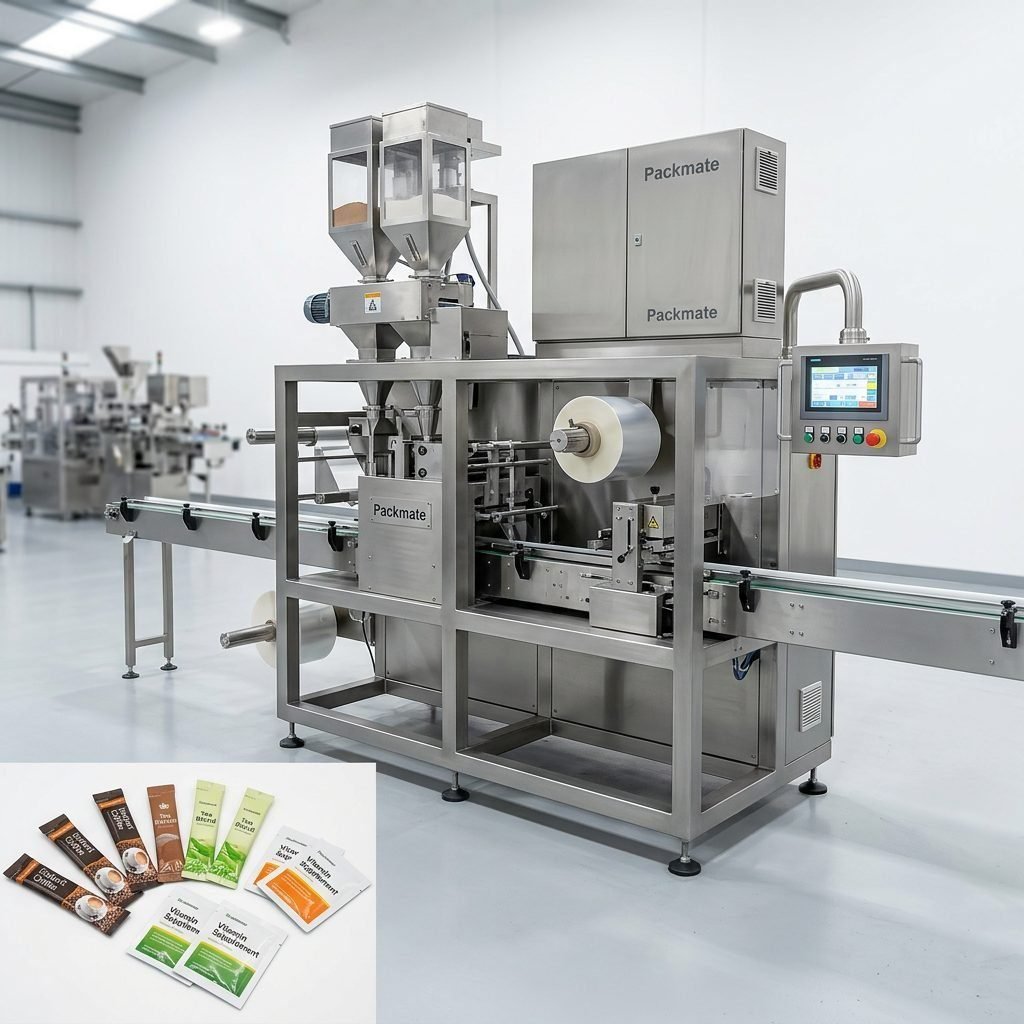
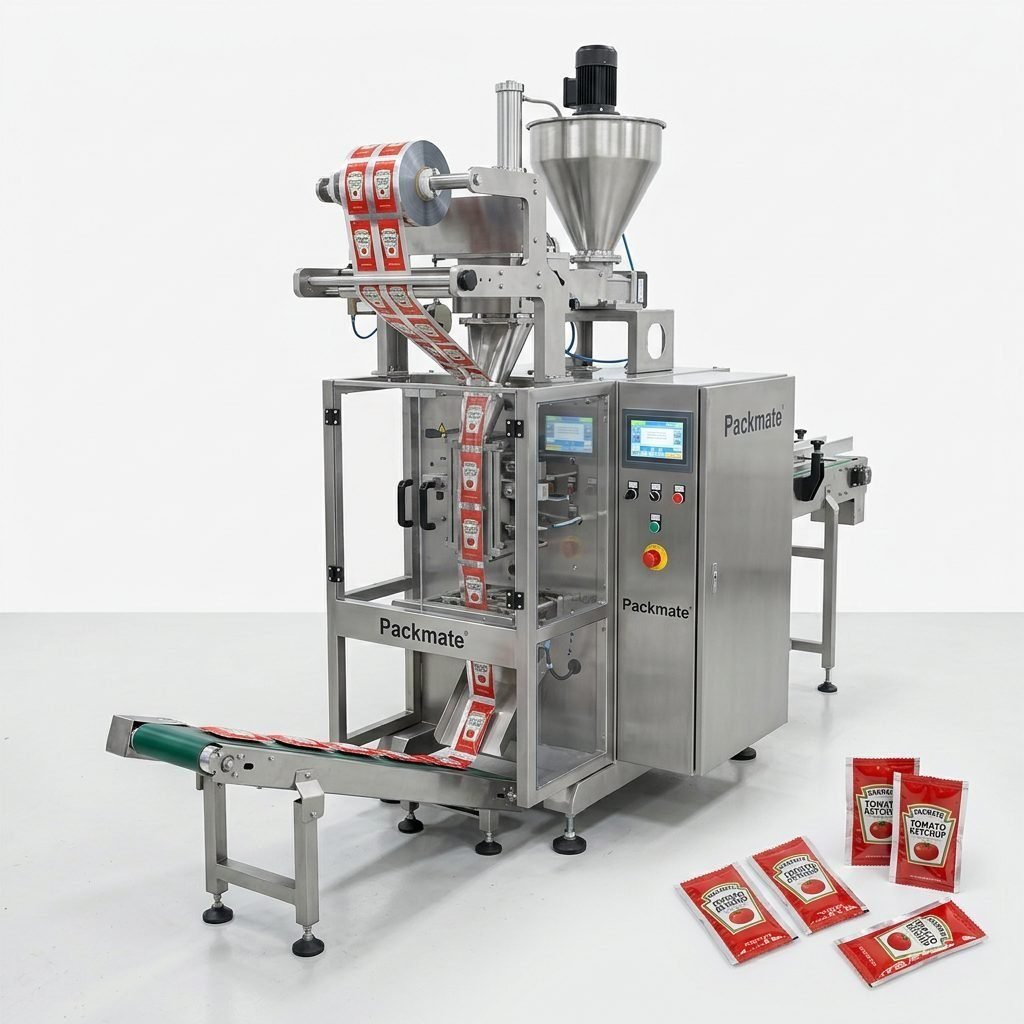
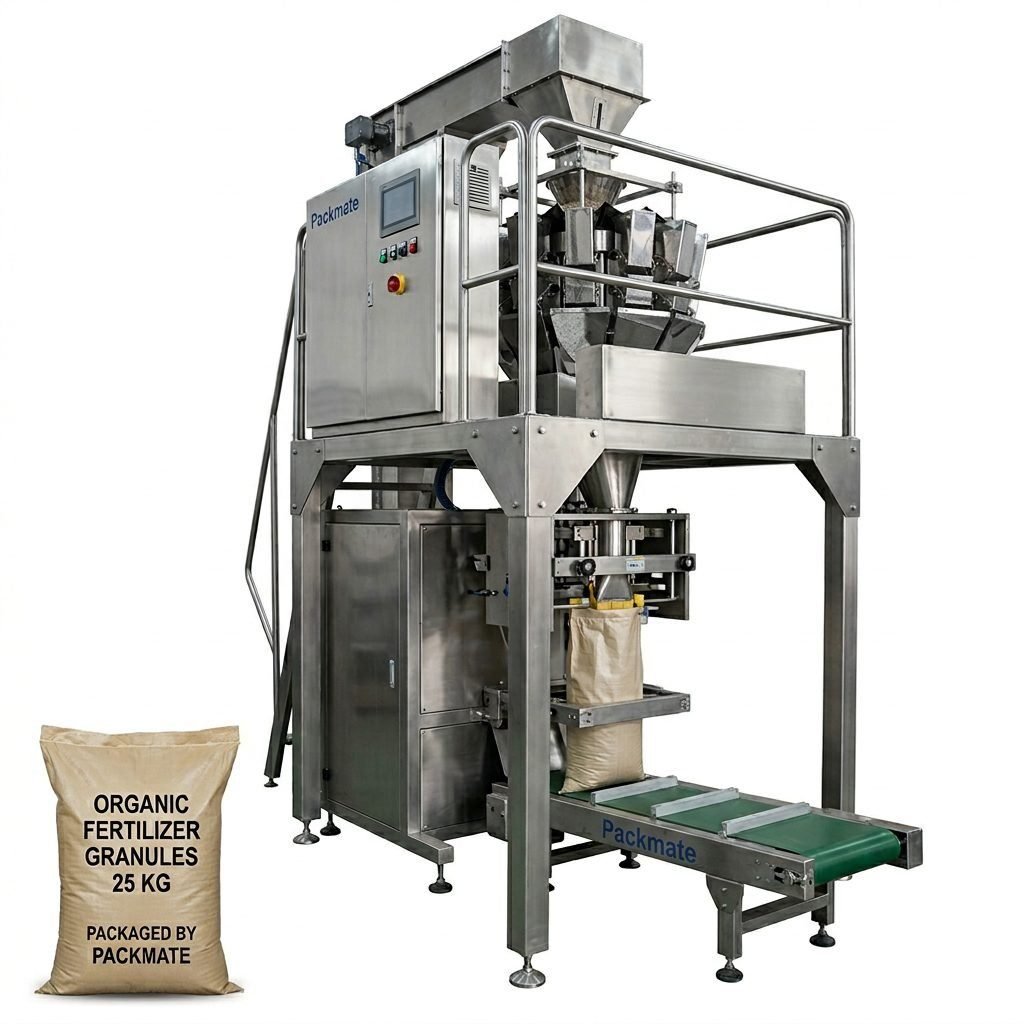
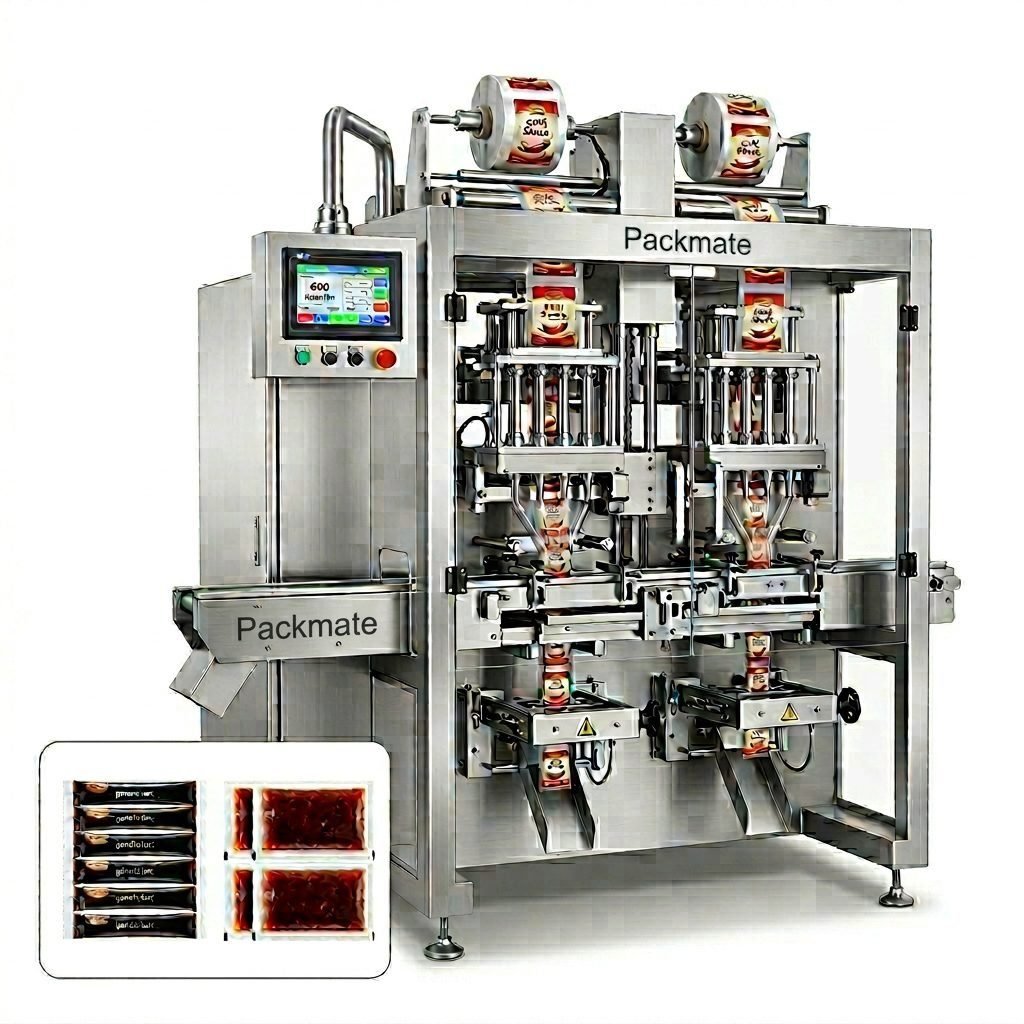
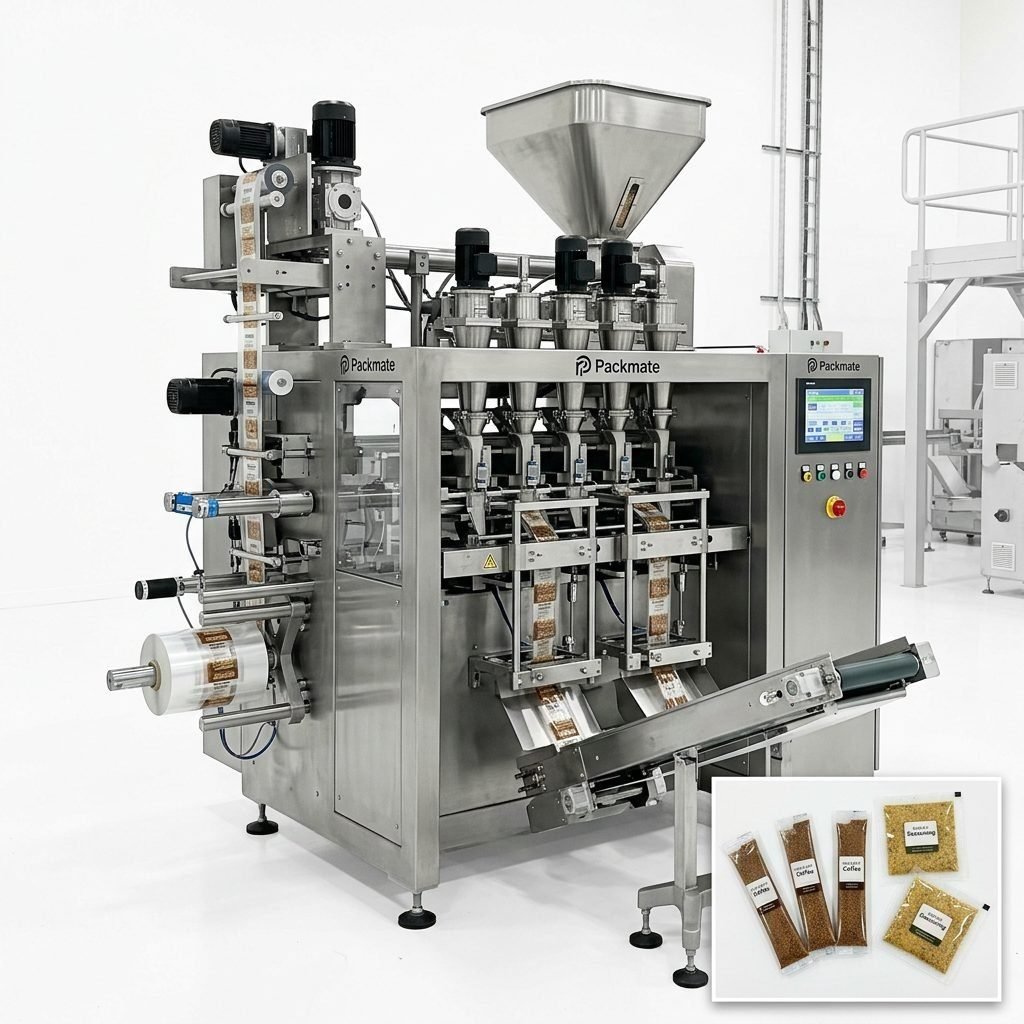
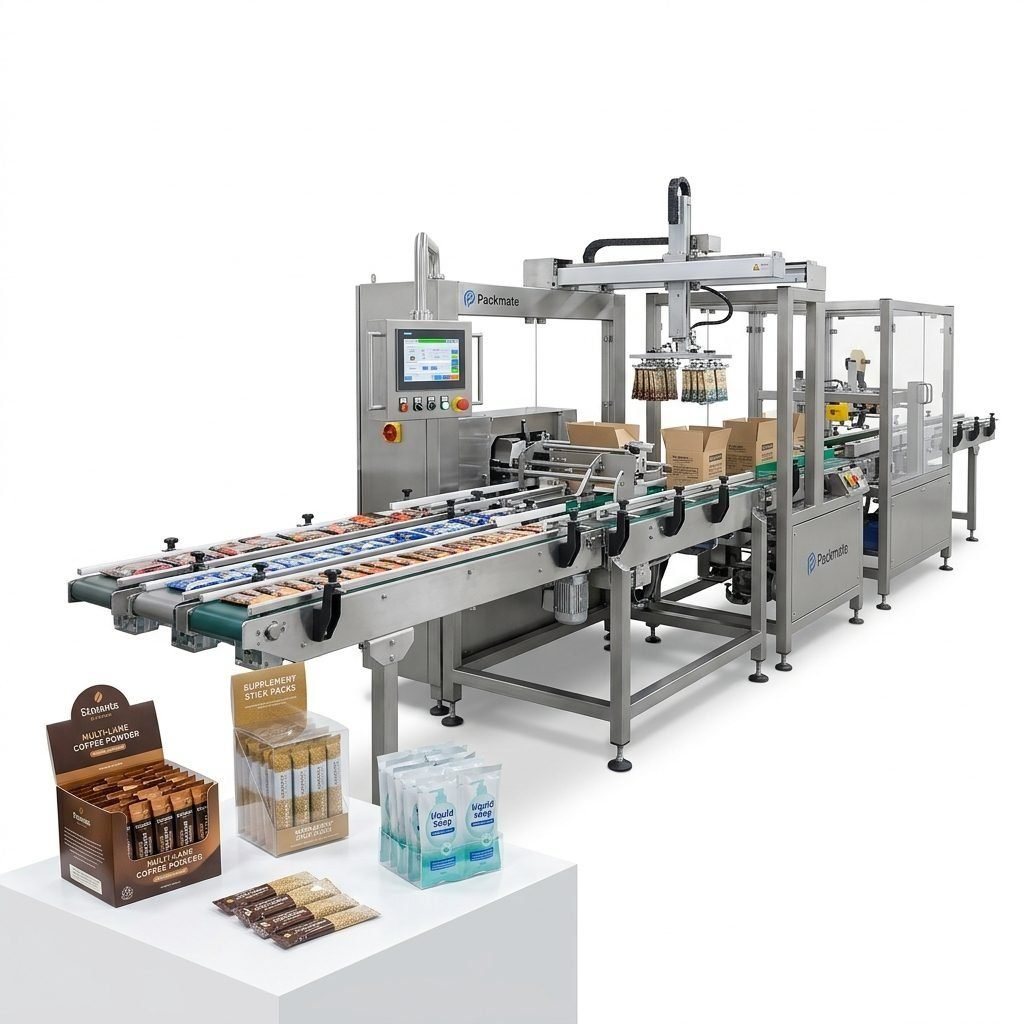
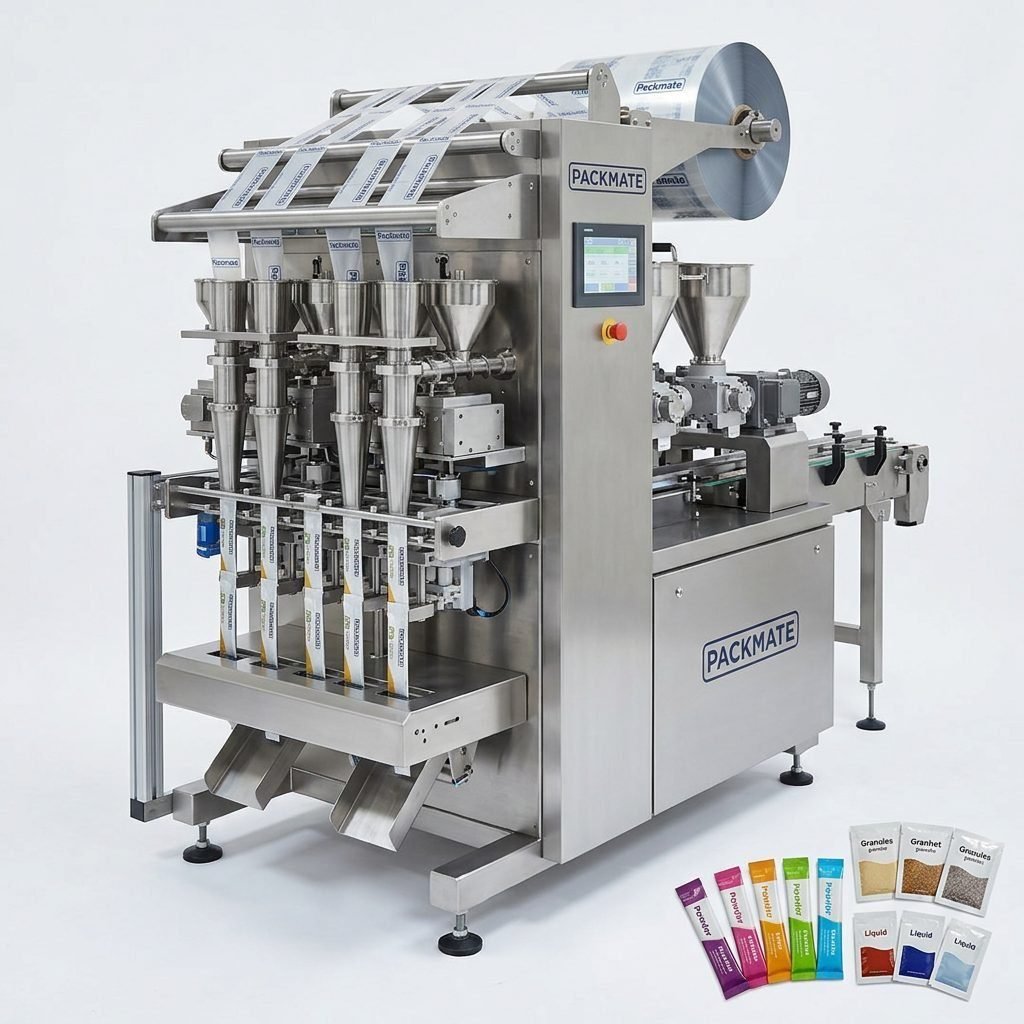
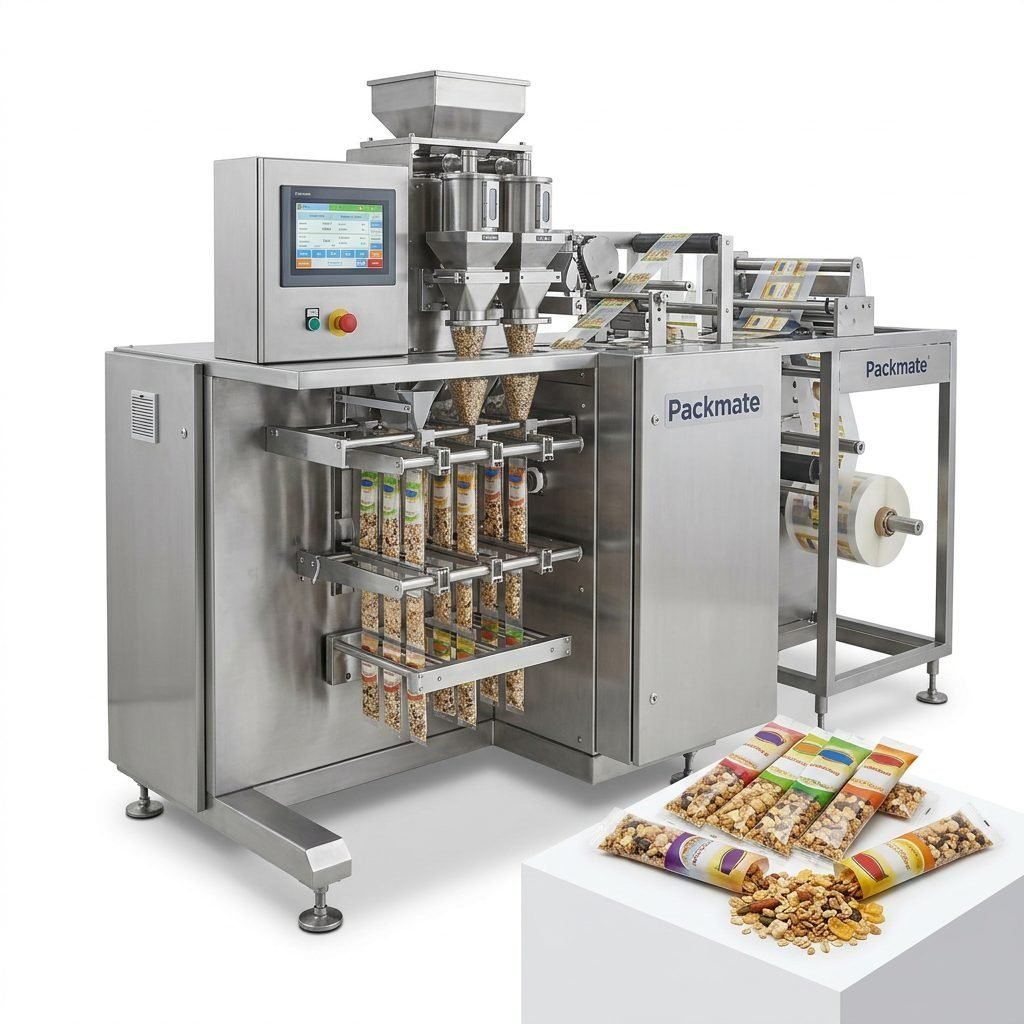
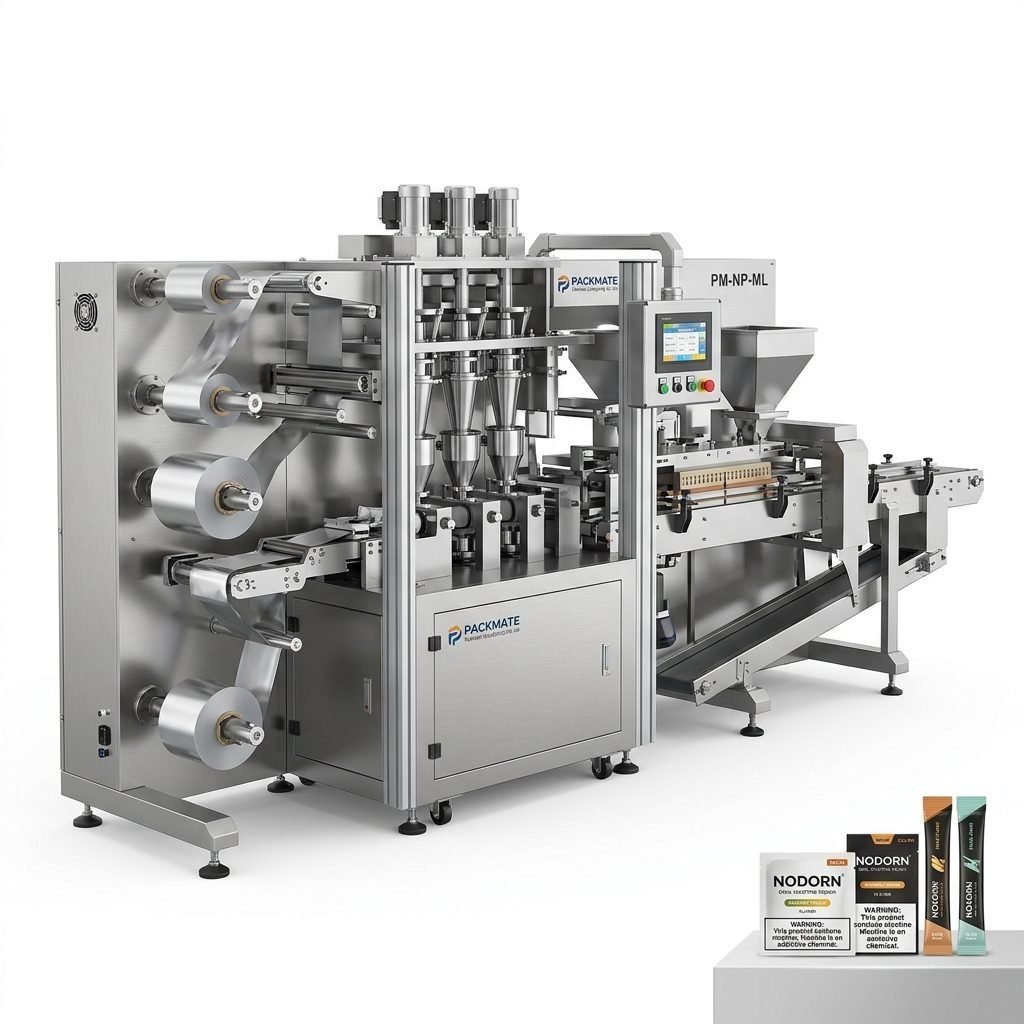
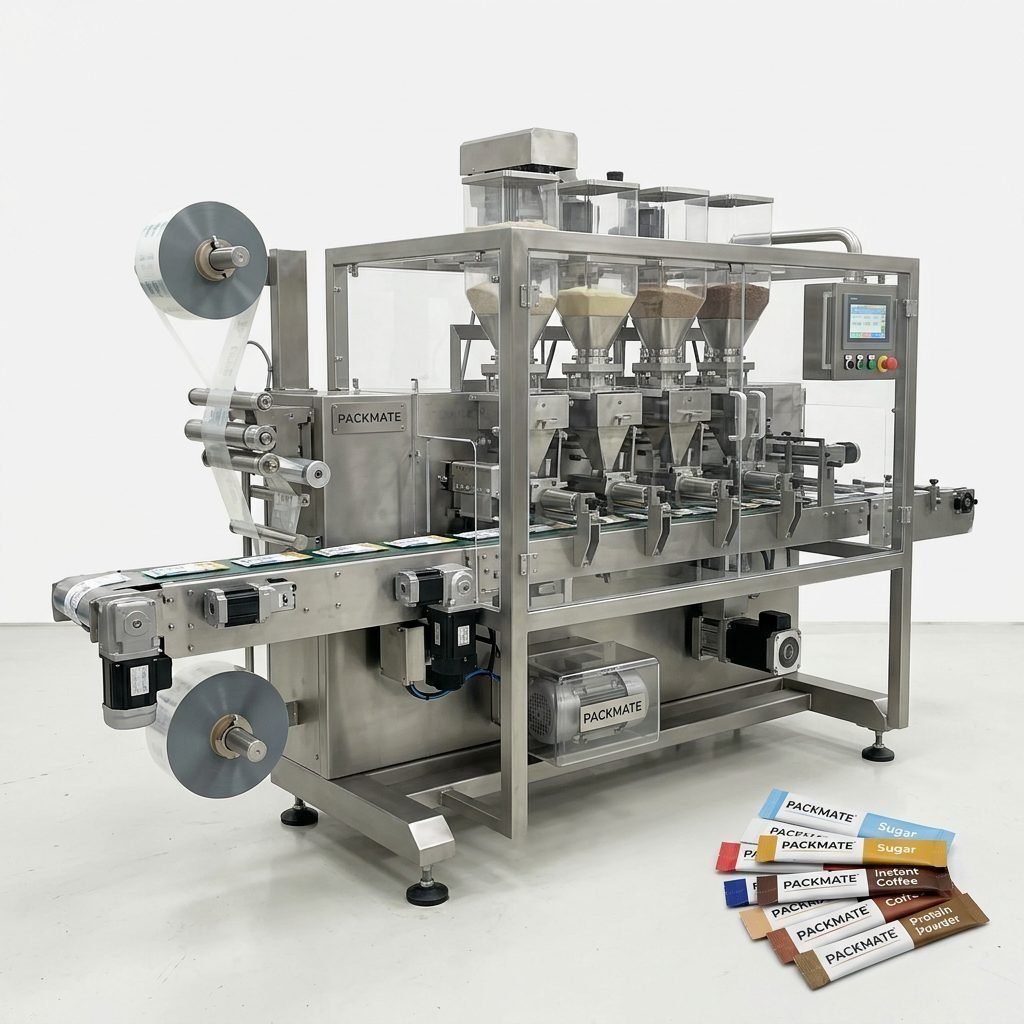
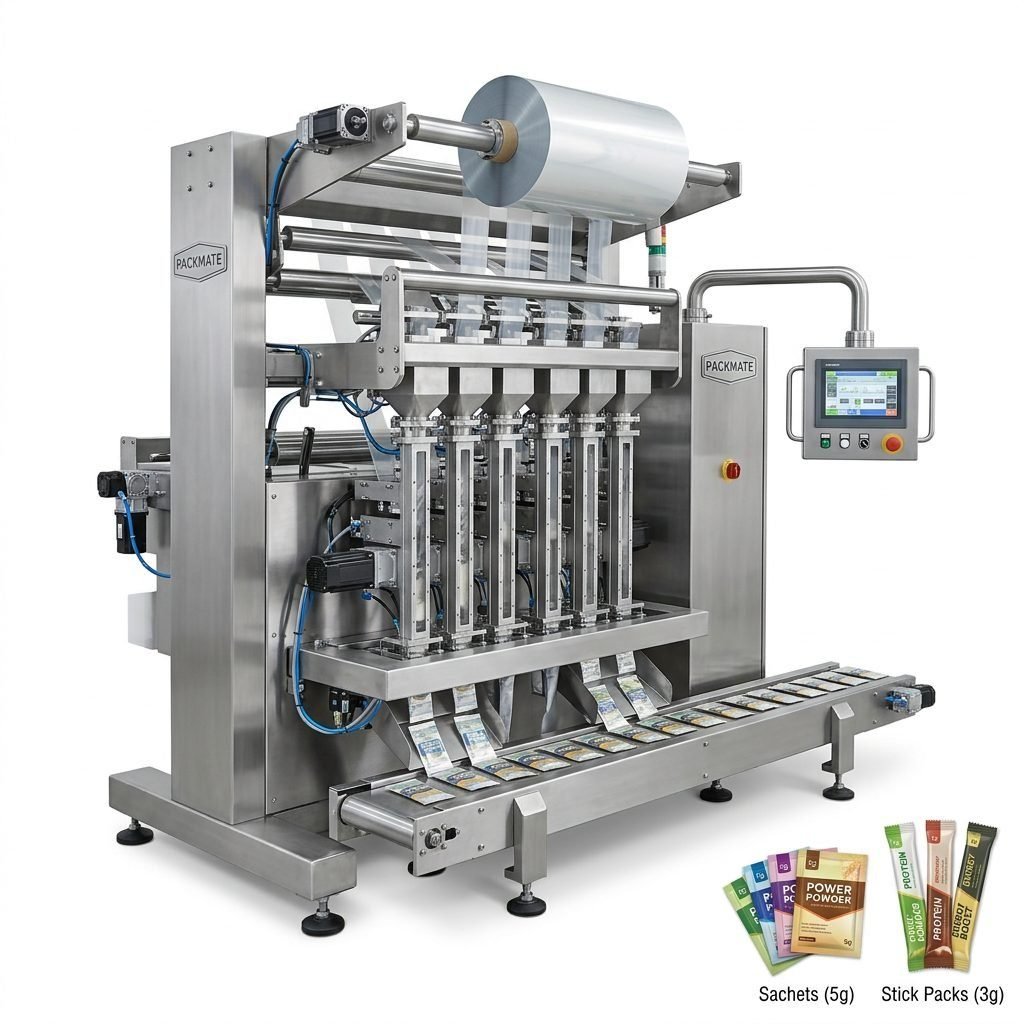
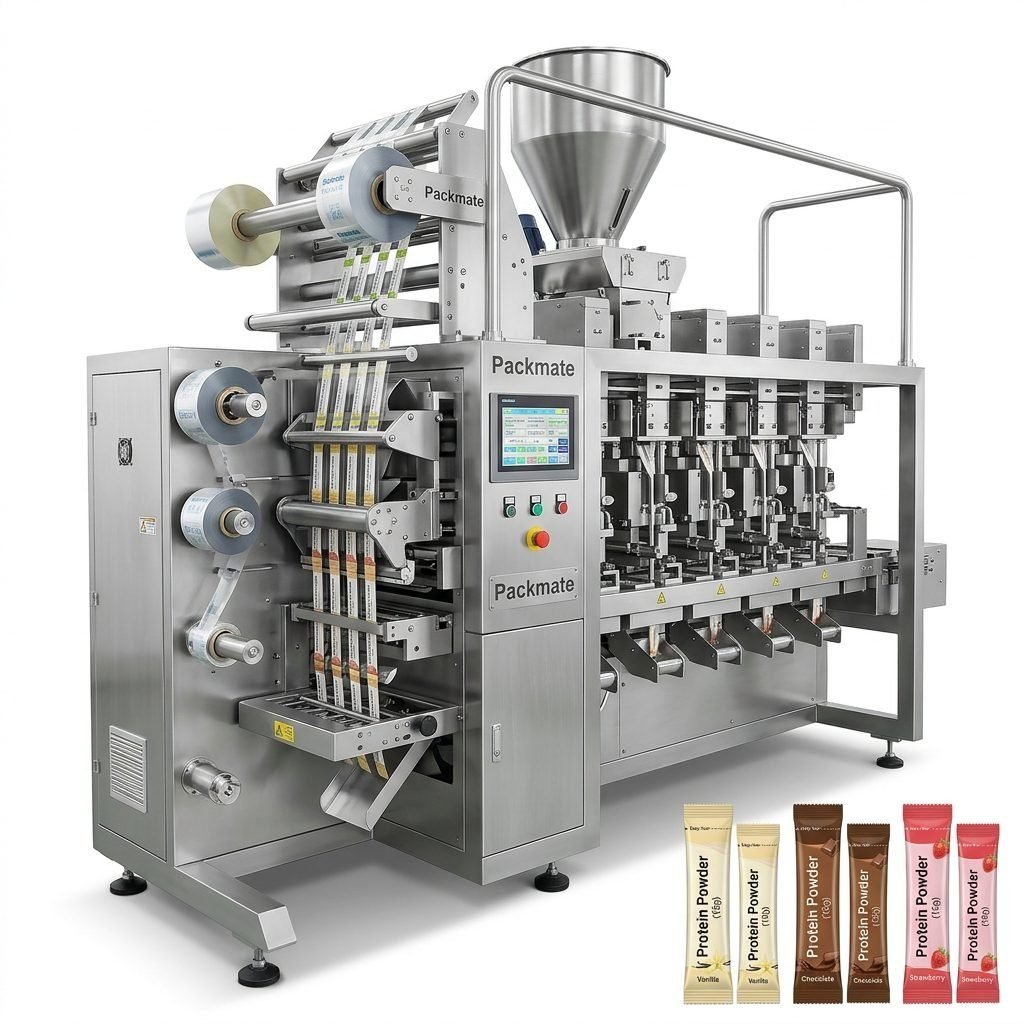
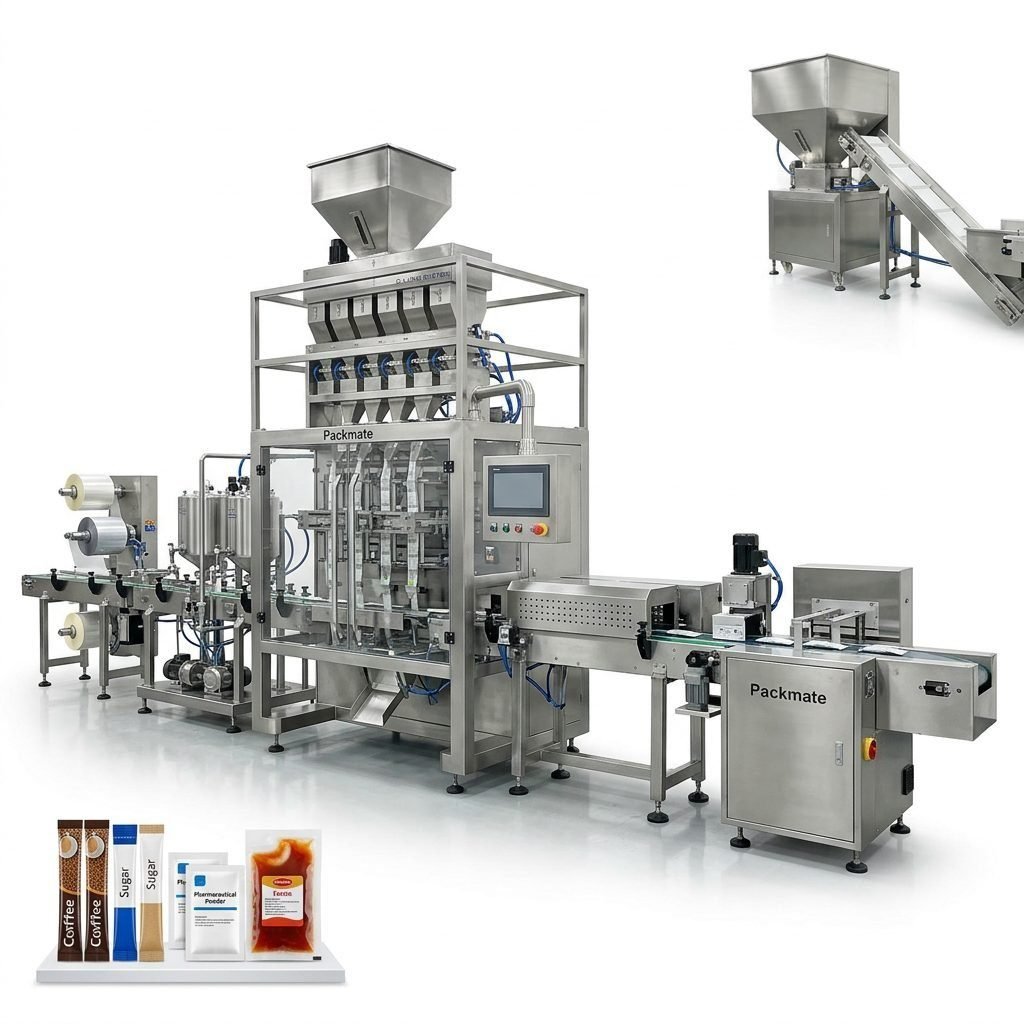
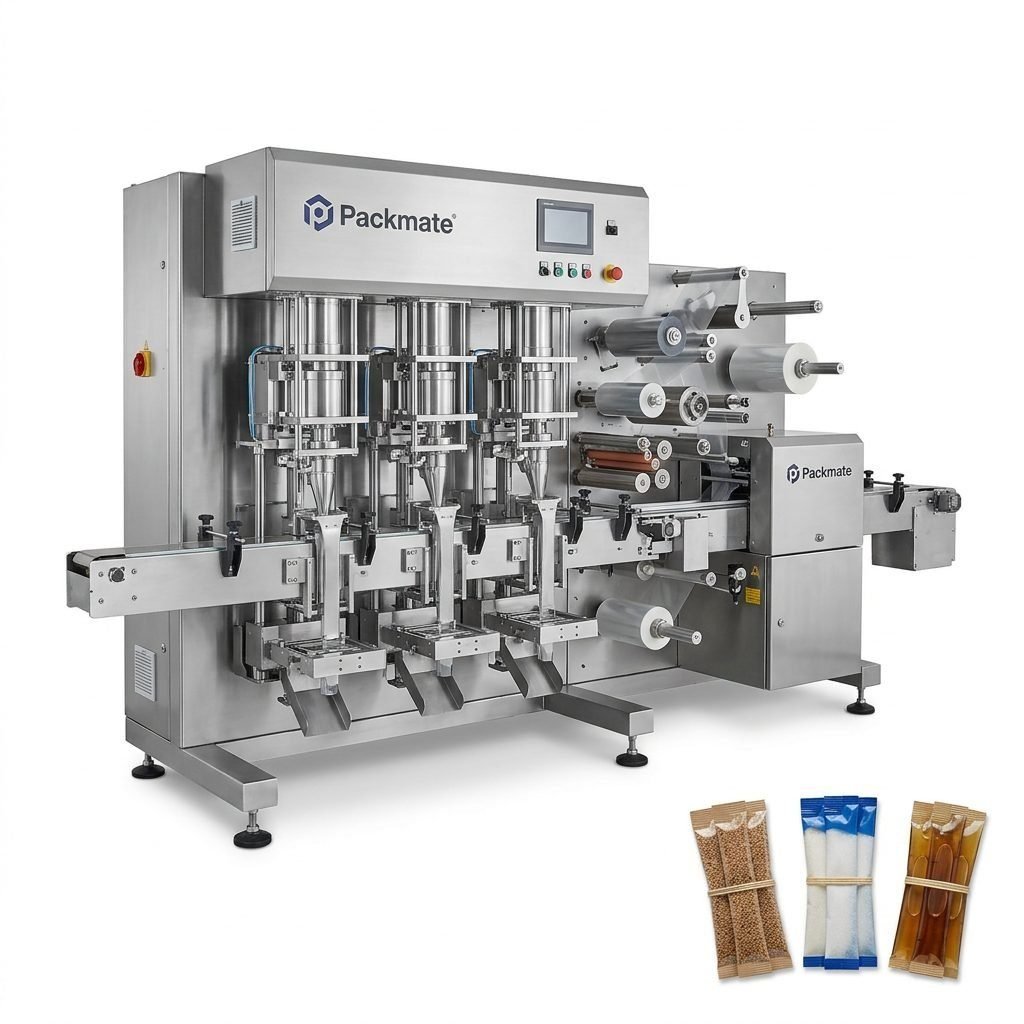
Consistency, speed, and hygiene are vital for commercial turmeric powder packaging. Automated packaging lines from experienced manufacturers like Ludyway or Packmate Machinery ensure precise dosing, reliable sealing, and integration of techniques like nitrogen flushing. For specialized formats like single-serve sachets or high-speed stick packs, companies such as SnusMachinery offer targeted expertise. For businesses looking for a complete, integrated solution, turnkey line providers like PacklineOEM can design a system that handles everything from filling to cartoning, ensuring minimal human contact and maximum preservation.
Market Considerations: Catering to Global Consumers
Packaging preferences and regulations can vary by region. For example, eco-conscious consumers in Europe and North America may favor recyclable or compostable materials, requiring research into mono-material laminates or paper-based solutions with high-barrier coatings. In humid climates like Southeast Asia, the moisture barrier becomes the top priority. Understanding your target market’s values (convenience, sustainability, premium feel) is as important as the technical specifications of the packaging.
Leading manufacturers with strong export footprints, such as Ludyway (exporting to over 100 countries) and PackingMachineOEM, are adept at adapting their machinery and recommendations to meet diverse international standards and consumer expectations.
Conclusion
Successful turmeric powder packaging is a blend of science and strategy. By selecting high-barrier materials like foil laminates, employing techniques such as nitrogen flushing, and leveraging reliable automated packaging machinery, producers can guarantee a product that retains its signature golden hue, aromatic pungency, and health benefits for up to 2-3 years. Investing in optimal packaging protects your product, satisfies your customers, and ultimately safeguards your brand’s reputation in a competitive global market.
Frequently Asked Questions (FAQs)
Q: What is the best packaging to prevent turmeric powder from losing its color?
A: The most effective packaging to prevent photodegradation (color loss) is an opaque, light-blocking material. Aluminum foil laminate pouches or amber glass jars are excellent choices as they completely block light, preserving the vibrant yellow-orange color of the curcumin.
Q: How can I stop my turmeric powder from caking or clumping?
A: Caking is primarily caused by moisture absorption. Use packaging with a high moisture vapor barrier (like foil laminates), ensure the powder is sufficiently dry before packing, and consider including a food-safe desiccant packet inside the package to control residual humidity.
Q: Does turmeric powder need to be refrigerated after opening?
A: Refrigeration is not necessary and can sometimes introduce moisture if the container isn’t perfectly sealed. The best practice is to keep it in its original airtight container in a cool, dark, and dry pantry or cupboard away from the stove or sink.
Q: What is the typical shelf life of commercially packaged turmeric powder?
A: When packaged correctly in high-barrier materials (with oxygen and light protection), turmeric powder can have a shelf life of 2 to 3 years. In less optimal packaging, it may start to degrade in color and potency within 6-12 months. Always refer to the manufacturer’s “best by” date.
Q: Are there sustainable packaging options for turmeric powder?
A: Yes, the market is evolving. Options include recyclable mono-material plastic pouches (e.g., PE or PP), compostable biopolymer films, and paper-based pouches with plant-based barrier coatings. The challenge is balancing sustainability with the high barrier properties required for long-term spice preservation. Research and development in this area are ongoing.