In the fast-paced world of manufacturing, efficiency, hygiene, and product integrity are paramount. Automated packaging machines are the silent workhorses that make this possible, transforming bulk products into neatly sealed, market-ready units. For businesses in sectors like food, pharmaceuticals, and consumer goods, selecting the right packaging machinery is not just an operational decision—it’s a strategic investment in brand consistency and scalability. This guide delves into the world of Ulma packaging machines, exploring their various types, core working principles, and providing a clear framework to help you choose the ideal solution for your production line.

Understanding the Core Types of Ulma Packaging Machines
Ulma Packaging offers a diverse portfolio designed to meet specific packaging formats and industry requirements. Understanding these categories is the first step toward a smart investment.
Vertical Form-Fill-Seal (VFFS) Machines
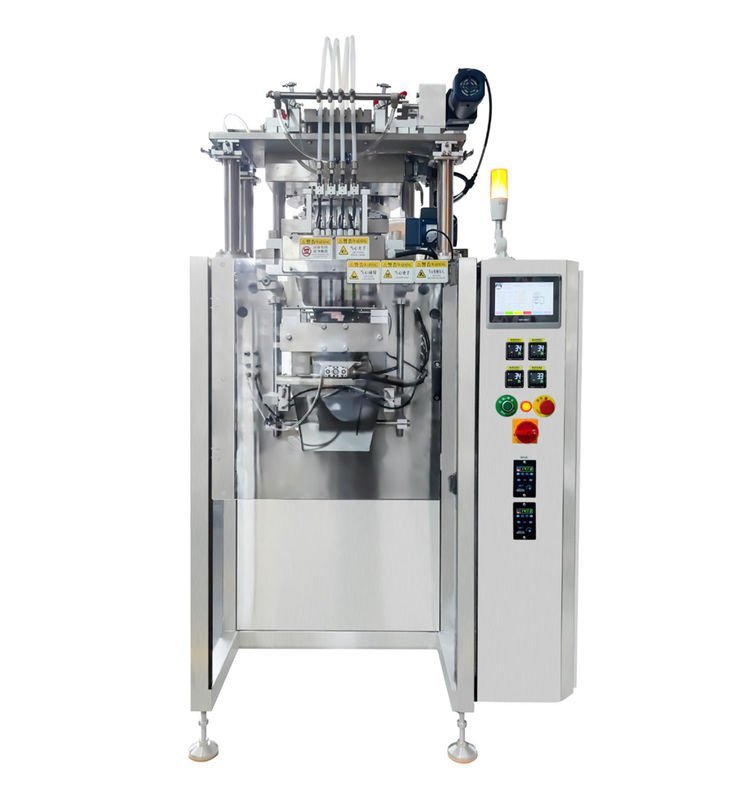
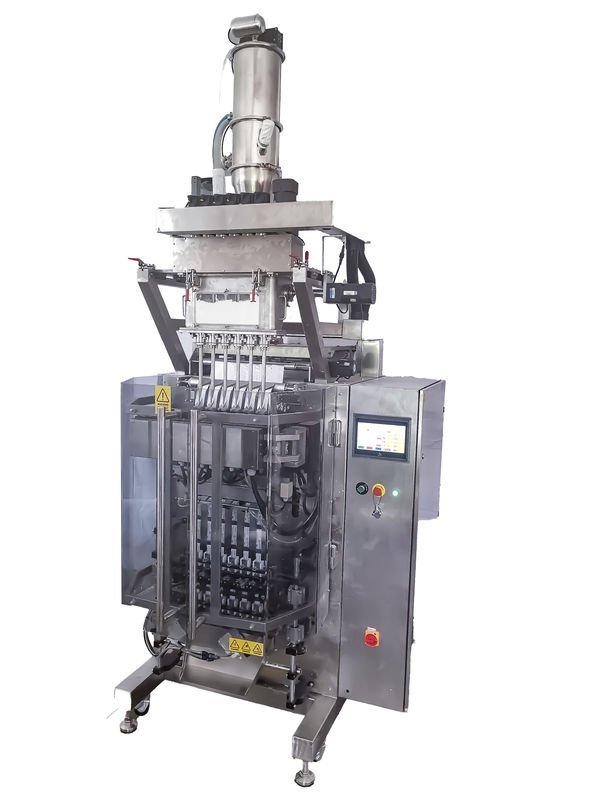
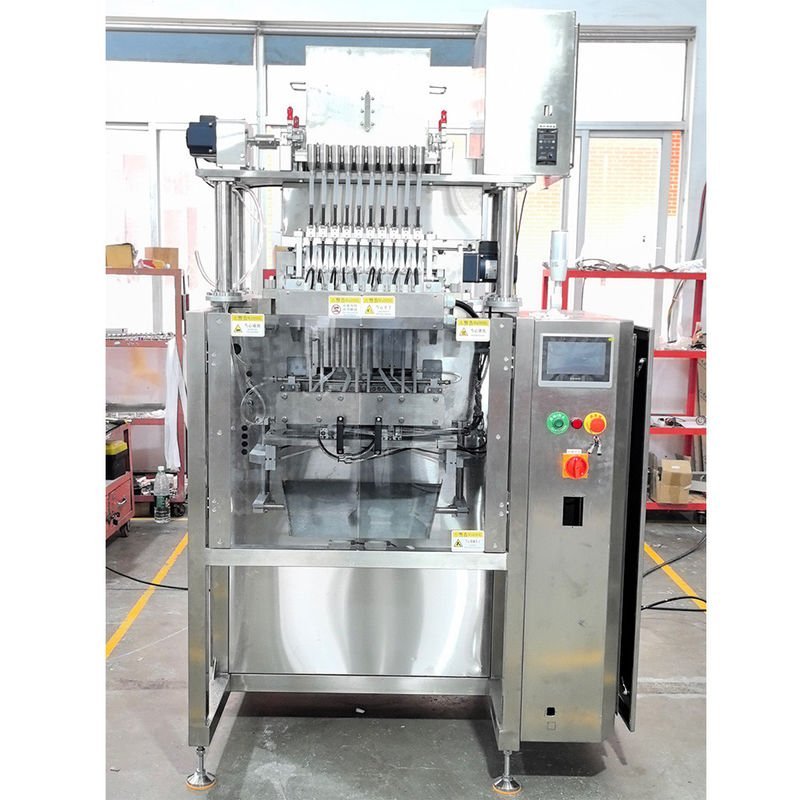
These are among the most common and versatile packaging systems. A VFFS machine forms a bag from a roll of flat film, fills it with the product—be it granules, powders, or liquids—and then seals it, all in a continuous vertical motion. They are ideal for high-speed production of pillow bags and are widely used for snacks, coffee, and hardware items. Their flexibility in bag size and material makes them a cornerstone of modern packaging lines.
Horizontal Form-Fill-Seal (HFFS) Machines
Where VFFS machines work vertically, HFFS machines operate on a horizontal plane. They are typically used for more complex packaging shapes, such as flow wraps or sachets. This type is perfect for bundling multiple items together (like candy bars or biscuits) or creating individual portion packs for sauces, condiments, or pharmaceutical samples. The horizontal process allows for excellent presentation and can incorporate advanced features like gas flushing for modified atmosphere packaging (MAP).
Thermoforming Machines
For premium product presentation and superior barrier protection, thermoforming machines are the go-to choice. These systems heat a roll of plastic film and form it into precise cavities or trays. The product is placed into these cavities, a top lidding film is applied and sealed, and then the individual packages are cut apart. This method is exceptionally popular in the food industry for fresh produce, meats, and cheeses, as well as in medical device packaging, where sterility is non-negotiable.
Tray Sealing & Shrink Wrapping Systems
This category focuses on secondary packaging. Tray sealers take pre-formed trays (plastic, pulp, or aluminum), fill them with product, and apply a sealed lidding film. Shrink wrapping systems, on the other hand, use a loose film to encase a product or a bundle of products, which then passes through a heat tunnel, causing the film to shrink tightly around the contents. Both are essential for creating secure, tamper-evident, and visually appealing retail-ready packages.
The Working Principles: How Automation Drives Efficiency
While each machine type has its unique mechanics, they all share common automated principles that drive their efficiency and reliability.
1. Film Handling and Forming
The process begins with a roll of packaging material—whether it’s laminated film for bags or rigid film for thermoforming. Precision tension control systems ensure the film feeds smoothly without wrinkles or tears. In forming stations, the film is shaped using a combination of mechanical tools, air pressure, or heat, depending on the machine type, to create the desired package structure.
2. Precision Product Feeding and Filling
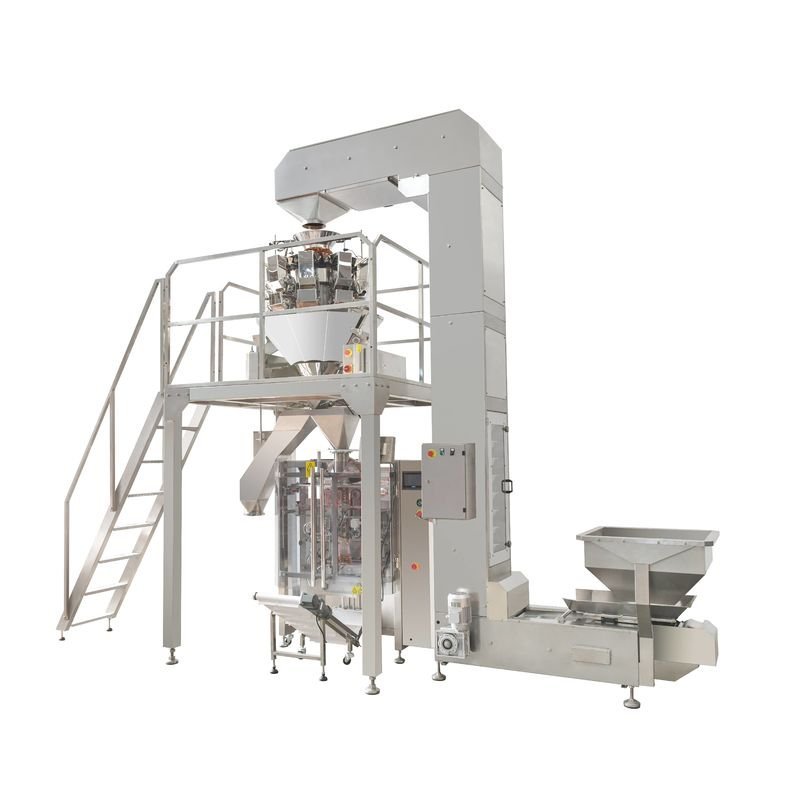
This is the heart of accuracy. Products are delivered to the filling station via augers, pumps, volumetric cups, or multi-head weighers. For instance, a multi-head weighing system is critical for achieving high-speed, exact-weight portions of free-flowing products like nuts or seeds. Liquid fillers use piston or pump technology for non-drip, volumetric accuracy. The synchronization between the forming and filling stages is controlled by a sophisticated Programmable Logic Controller (PLC).
3. The Sealing Process
Sealing is what guarantees product freshness and safety. Machines employ heat, pressure, and sometimes cool jaws to create a hermetic seal. Critical parameters like temperature, pressure, and dwell time are meticulously controlled. Advanced systems include seal integrity checkers to automatically reject any package with a weak or incomplete seal, ensuring zero defects reach the consumer.
4. Cutting and Discharge
Finally, the continuous web of packages is separated into individual units using rotary knives, punch dies, or hot wires. The finished packages are then gently discharged onto a conveyor belt, ready for cartoning, case packing, or palletizing. The entire cycle, from film roll to finished pack, happens in a fraction of a second, enabling remarkable production outputs.
How to Choose the Right Ulma Packaging Solution
Selecting a machine is a significant decision. A methodical approach based on your specific needs will lead to a successful, long-term investment.
Step 1: Analyze Your Product and Packaging Requirements
Start with the fundamentals. What is the physical state of your product (solid, granular, powder, liquid, viscous)? What are its characteristics (abrasive, oily, fragile)? Determine your desired package type: stick pack, sachet, pillow bag, or thermoformed tray. Also, consider any special needs like nitrogen flushing for chip bags or aseptic filling for dairy products. Defining these parameters will narrow down your machine options immediately.
Step 2: Evaluate Your Production Volume and Speed Needs
Capacity planning is crucial. Calculate your current and projected future production volumes. A machine that is underpowered will become a bottleneck, while an oversized one represents a capital drain. Match the machine’s maximum speed (packs per minute) to your requirements with a comfortable buffer for growth. Remember, the highest possible speed isn’t always the best choice if it compromises on changeover flexibility or reliability.
Step 3: Consider Operational and Space Constraints
Assess your factory floor. Do you have the necessary footprint, power supply (voltage, phases), and compressed air for the machine? Consider the skill level of your operators. A highly complex machine might require specialized training, whereas a more intuitive model from a supplier known for excellent service and support could reduce downtime. Also, factor in the ease and time required for cleaning and changeovers between different products or package sizes.
Step 4: Prioritize Hygiene, Safety, and Compliance
For food and pharmaceutical applications, this is non-negotiable. Ensure the machine is constructed with appropriate materials (e.g., stainless steel contact parts) and designed for easy cleaning without tools (CIP/SIP capabilities). It must comply with relevant regional safety and hygiene standards (e.g., CE, FDA, USDA). A machine built with hygiene as a core principle will protect your product and your brand reputation.
Step 5: Assess Total Cost of Ownership (TCO) and Supplier Support
Look beyond the initial purchase price. Calculate the TCO, which includes energy consumption, spare parts, maintenance, and potential downtime costs. Partner with a manufacturer that offers robust after-sales support, readily available spare parts, and comprehensive training. A reliable partner like Packmate Machinery, with decades of experience, can provide not just a machine, but a complete packaging solution and peace of mind.
Integrating Your Packaging Machine into a Full Line
A packaging machine rarely works in isolation. Its true potential is unlocked when integrated into a synchronized production line. Upstream equipment, such as product feeders, elevators, or mixers, must reliably supply the packaging machine. Downstream, the packed products may need to be fed into cartoners, case packers, or palletizers. Choosing a supplier who can provide or coordinate this full filling and packaging line integration ensures compatibility, optimizes material flow, and maximizes overall equipment effectiveness (OEE).
Frequently Asked Questions (FAQs)
What is the main difference between VFFS and HFFS machines?
The primary difference is the orientation of package formation and travel. VFFS (Vertical) machines form, fill, and seal bags in a vertical, downward direction, making them ideal for free-flowing products in pillow bags. HFFS (Horizontal) machines form and seal packages on a horizontal plane, better suited for wrapping individual items or creating multi-pack bundles.
How often does a packaging machine require maintenance?
Regular maintenance is key to longevity and uptime. Daily cleaning and visual checks are essential. Scheduled preventive maintenance (weekly, monthly, annually) as outlined in the machine manual should be strictly followed. This typically involves lubricating moving parts, checking seal jaw alignment, and inspecting wear components like cutting blades and film pull belts.
Can one machine handle different package sizes and materials?
Yes, most modern machines are designed for changeover. However, the ease and time required vary. Look for machines with quick-change parts (like form-fill tubes or sealing jaws) and digital recipes stored in the PLC that allow operators to switch between jobs with minimal manual adjustment and downtime.
What safety features should I look for?
Essential safety features include emergency stop buttons at multiple points, protective guarding with safety interlocks (so the machine stops if a guard is opened), proper electrical grounding, and clear safety labeling. For specific regions, ensure the machine carries the necessary safety certification marks.
How do I ensure the packaging film seals properly with my product?
Proper sealing depends on the compatibility between the film material and the sealing parameters (temperature, pressure, time). It can also be affected by product contamination on the seal area (e.g., powder or oil). Conduct thorough trials with your actual product and film before purchase. A reputable supplier will assist with this testing to recommend the optimal film and machine settings.