In the fast-paced world of food production, efficiency, hygiene, and presentation are paramount. Food packaging machines are the silent workhorses behind the scenes, transforming raw ingredients into the neatly sealed, safe, and attractive products we find on store shelves. This ultimate guide delves into the various types of food packaging machines, their significant benefits, and provides a clear framework for selecting the perfect equipment for your operation. Whether you’re a startup or an established manufacturer, understanding this technology is key to scaling your business and meeting modern consumer demands.
Understanding the Core Types of Food Packaging Machines
The landscape of food packaging machinery is diverse, with each type designed for specific product forms and packaging styles. Choosing the right one starts with understanding the categories.
1. By Product Form
Machines are primarily classified based on the physical state of the food they handle.
Solid & Granule Packers: These machines are designed for items like snacks, nuts, candies, grains, and frozen vegetables. They often use volumetric cup fillers or auger fillers for accurate dispensing. Common outputs include pillow bags, stand-up pouches, or boxes.
Powder Packers: Essential for products like spices, milk powder, flour, and protein supplements. They require precision to prevent dust and ensure accurate weight. Auger fillers are the most common technology here, offering excellent accuracy for fine powders.
Liquid & Viscous Packers: Used for sauces, oils, honey, yogurt, and soups. These machines employ piston fillers, gravity fillers, or pump fillers. Aseptic liquid packaging machines are a high-tech subset for sterile, long-shelf-life products like milk or juice.
2. By Packaging Style
This classification focuses on the final package format created by the machine.
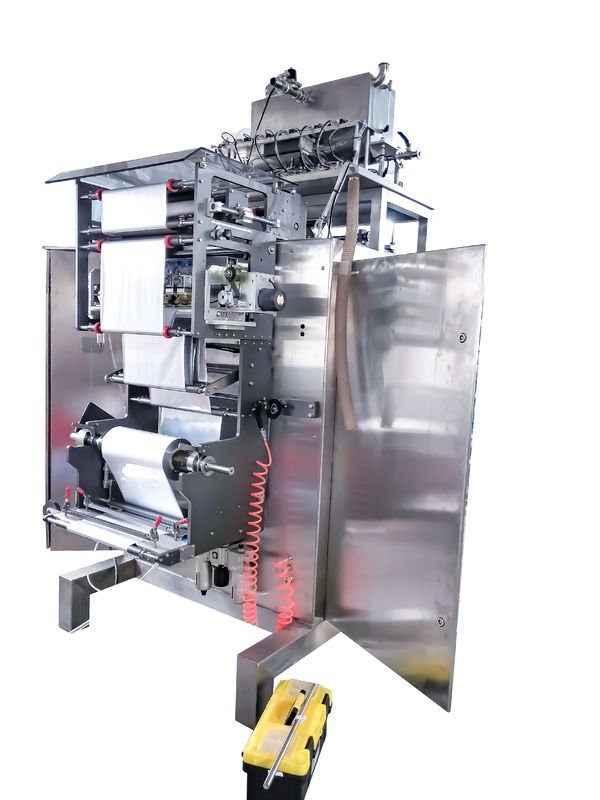
Vertical Form-Fill-Seal (VFFS) Machines: The most versatile and common type. They form a tube from a roll of flat packaging film, fill it with product, and then seal and cut it into individual bags. Perfect for chips, coffee, and frozen foods.
Horizontal Form-Fill-Seal (HFFS) Machines: Ideal for placing products into pre-formed trays or creating pouches where the product is laid horizontally. Often used for cookies, bars, and medical device packaging.
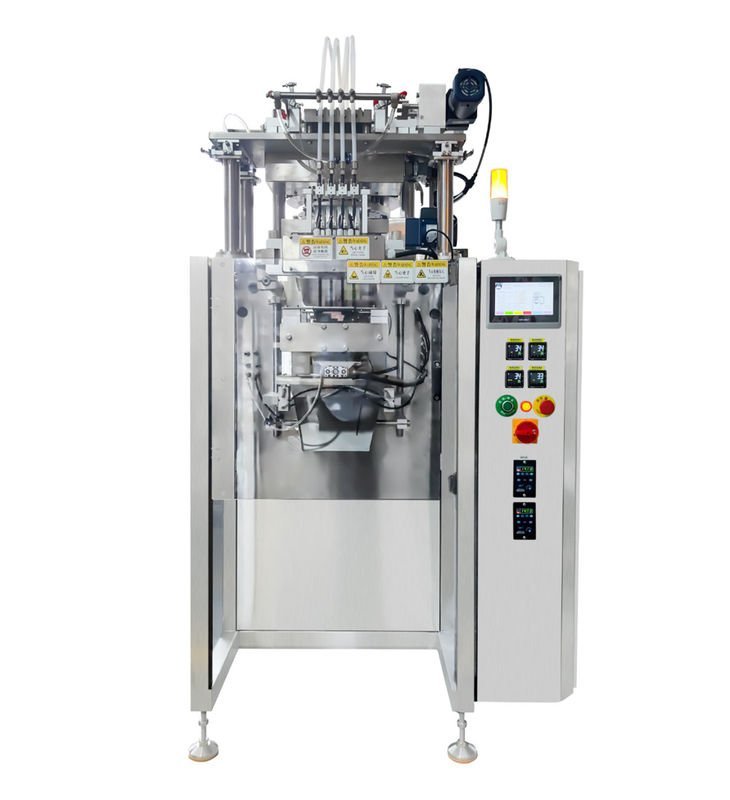
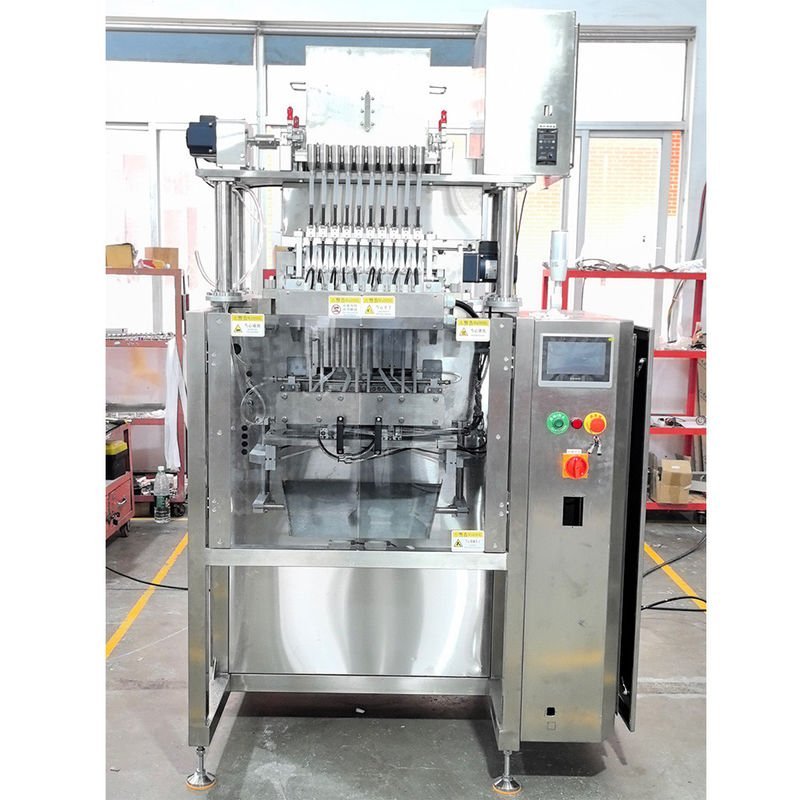
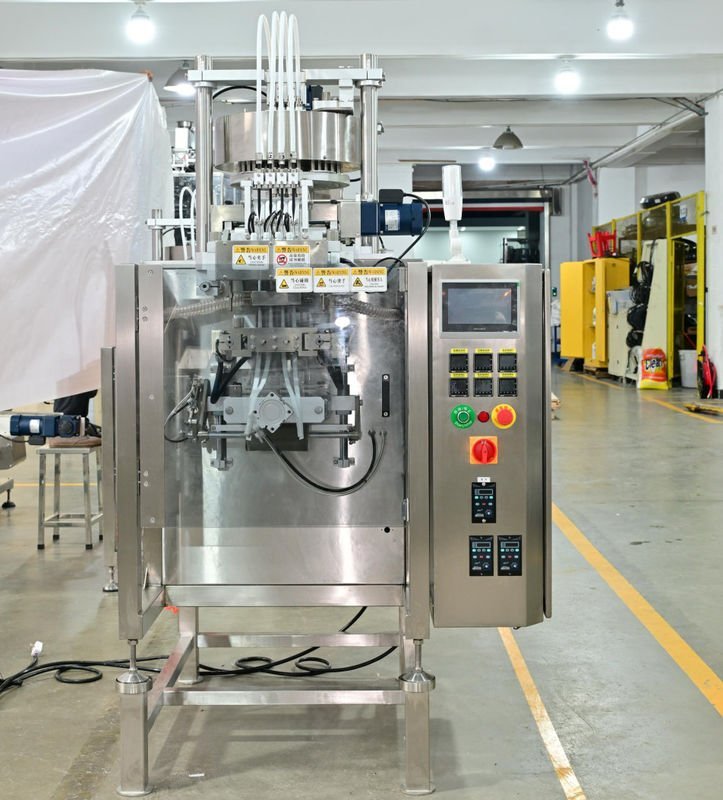
Sachet & Stick Pack Machines: These compact machines create small, single-serve packages for products like ketchup, sugar, instant coffee, or seasoning. They are high-speed and perfect for the foodservice industry or product samples. Explore our range of efficient Sachet & Stick Pack Machines for versatile solutions.
Bag & Pouch Packaging Machines: This broader category includes machines that handle pre-made bags or produce more complex pouches with zippers, spouts, or handles. They are essential for premium products like gourmet coffee or pet food. Discover robust options in our Bag & Pouch Packaging Machines collection.
Tray Sealing & Thermoforming Machines: Used for ready meals, fresh produce, and dairy products. They often involve loading product into a pre-formed or thermoformed tray and sealing it with a lidding film.
Capping, Labeling, and Cartoning Machines: These are secondary packaging machines that complete the process by applying caps, labels, or placing primary packages into cartons.
Key Benefits of Automating Your Food Packaging
Investing in automated packaging machinery delivers a compelling return on investment through multiple channels.
⚙️ Dramatically Increased Efficiency & Output
Machines operate continuously at high speeds, far surpassing manual packaging. This scalability allows you to meet large orders and market demand without proportionally increasing labor costs.
🎯 Unmatched Consistency & Accuracy
Automation eliminates human error in weighing and sealing. Every package has the exact same weight and a secure, uniform seal, ensuring compliance with regulations and protecting your brand’s reputation for quality.
🧼 Enhanced Hygiene & Food Safety
Reduced human contact with the product minimizes contamination risks. Many machines are built with stainless steel and designs that are easy to clean and sanitize, which is critical for HACCP and FDA compliance.
💰 Significant Cost Reduction
While the initial investment is notable, savings accumulate through lower labor costs, reduced product giveaway from overfilling, and minimal material waste from precise sealing and cutting.
📦 Improved Shelf Appeal & Versatility
Modern machines can handle a variety of modern, attractive packaging materials and shapes. This allows for creative branding and differentiation on crowded retail shelves, appealing directly to consumer preferences.
How to Choose the Right Food Packaging Machine: A Step-by-Step Guide
Selecting equipment is a strategic decision. Follow this framework to make an informed choice.
Step 1: Analyze Your Product & Packaging
This is the most critical step. Define your product’s characteristics (size, shape, weight, fragility, flowability) and your desired package (type, material, size range). Will you need a complete Filling & Packaging Line or a standalone machine?
Step 2: Determine Your Required Speed (Output)
Calculate your current and projected future production needs in packages per minute (PPM) or hour (PPH). Choose a machine that can meet your peak demand with a 15-20% capacity buffer for growth.
Step 3: Evaluate Machine Features & Technology
Look beyond the basic function. Consider the filler type (auger, piston, cup), sealing system (heat, ultrasonic), control system (PLC, touchscreen), changeover ease for different package sizes, and compatibility with your factory’s utilities (air pressure, power supply).
Step 4: Assess Build Quality & Compliance
The machine should be constructed from food-grade materials (e.g., 304 or 316 stainless steel) for contact parts. Verify it meets relevant safety and hygiene standards for your region (CE, FDA, UL). A reputable manufacturer like Packmate, with over 22 years of experience, ensures reliability and compliance.
Step 5: Consider Supplier Support & Service
The relationship with your supplier is long-term. Evaluate their reputation, availability of spare parts, warranty terms, and the quality of their technical support, installation, and training services. A strong after-sales service is invaluable.
Step 6: Conduct a Total Cost of Ownership (TCO) Analysis
Look at the full picture: initial purchase price, installation, operational costs (energy, compressed air), maintenance, expected lifespan, and potential cost of downtime. Sometimes a slightly higher upfront cost leads to much lower long-term expenses.
For specialized needs, such as portion-controlled tobacco-free products, investigating dedicated equipment like Snus & Nicotine Packaging Machines can provide tailored efficiency.
Frequently Asked Questions (FAQs)
1. What is the typical lead time for a food packaging machine?
Lead times vary widely based on machine complexity, customization, and manufacturer backlog. For standard models, it can range from 8 to 16 weeks. Custom or high-speed lines may take 20 weeks or more. Always confirm timelines with your supplier during the quoting process.
2. How much floor space is required for a packaging line?
Space needs depend entirely on the machine type and configuration. A compact sachet machine might need only 2-3 square meters, while a full VFFS line with conveyors and checkweighers could require 15-25 square meters. Always request the machine footprint layout from the supplier.
3. Can one machine handle multiple different products or package sizes?
Yes, many machines are designed for quick changeover. Look for features like tool-less adjustments, digital size change recall on the HMI, and interchangeable parts (like augers or forming tubes). However, very different products (e.g., powder vs. liquid) will typically require different machines or major conversion kits.
4. What are the most common maintenance requirements?
Regular daily cleaning is paramount. Periodic maintenance includes lubricating moving parts, inspecting and replacing wear parts (like sealing jaws, cutting blades, and gaskets), and checking electrical connections. Following the manufacturer’s preventive maintenance schedule is crucial to avoid unplanned downtime.
5. How do I ensure the machine meets food safety regulations?
Choose a machine built with food-grade materials (certificates provided) and a design that prevents contamination (no dead zones, easy to clean). Work with a supplier who understands global standards like FDA CFR 21, EU 1935/2004, and can provide necessary documentation and machine design validation support.