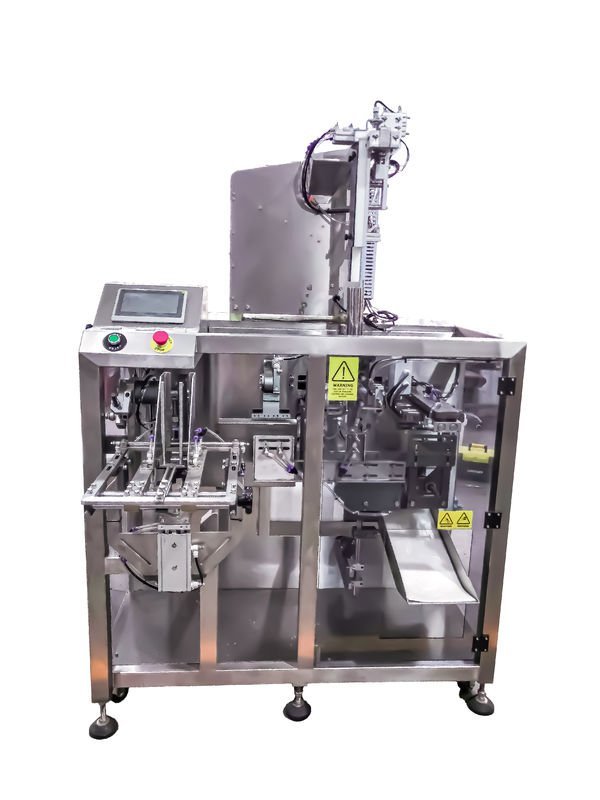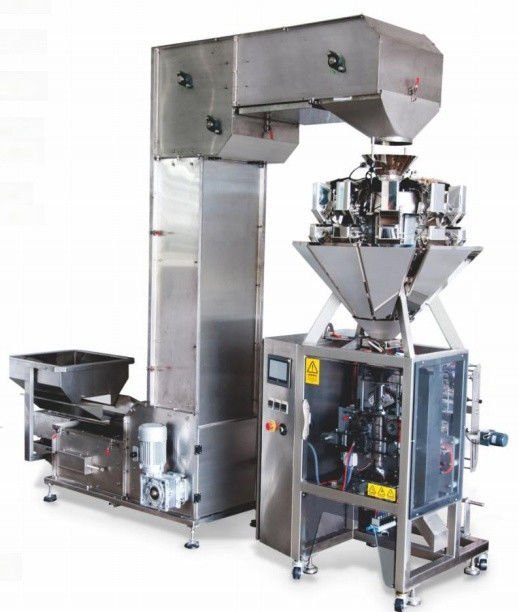
Choosing the right vacuum food packaging machine is a critical decision for any food business owner. The correct equipment can enhance food safety, extend shelf life, reduce waste, and ultimately protect your brand’s reputation and profitability. This comprehensive guide will walk you through the key factors to consider, ensuring you select the best vacuum sealer to meet your specific operational needs and business goals.
Understanding Your Business Requirements
Before diving into machine specifications, a thorough assessment of your own needs is essential. This foundational step will guide every subsequent decision.
Production Volume and Speed
Your daily or weekly packaging volume is the primary driver. Low-volume operations, such as artisanal producers or small cafes, may find a high-quality chamber vacuum sealer sufficient. For medium to high-volume businesses—like catering companies, medium-sized processors, or subscription meal services—a dual-chamber vacuum sealer or an external suction sealer with a conveyor belt system is necessary to maintain workflow. Industrial-scale operations require fully automated packaging lines for continuous, high-speed sealing.
Product Type and Characteristics
The nature of your food products dictates the machine type. Consider these categories:
- Dry & Solid Products: Nuts, cured meats, hard cheeses. Most vacuum sealers handle these well.
- Wet & Liquid Products: Soups, sauces, marinated meats. Chamber vacuum machines are mandatory as they remove air from the chamber, preventing liquid from being sucked into the pump.
- Fragile & Delicate Products: Soft fruits, baked goods, delicate fish fillets. Look for machines with adjustable vacuum pressure and gentle pulse-sealing functions to prevent crushing.
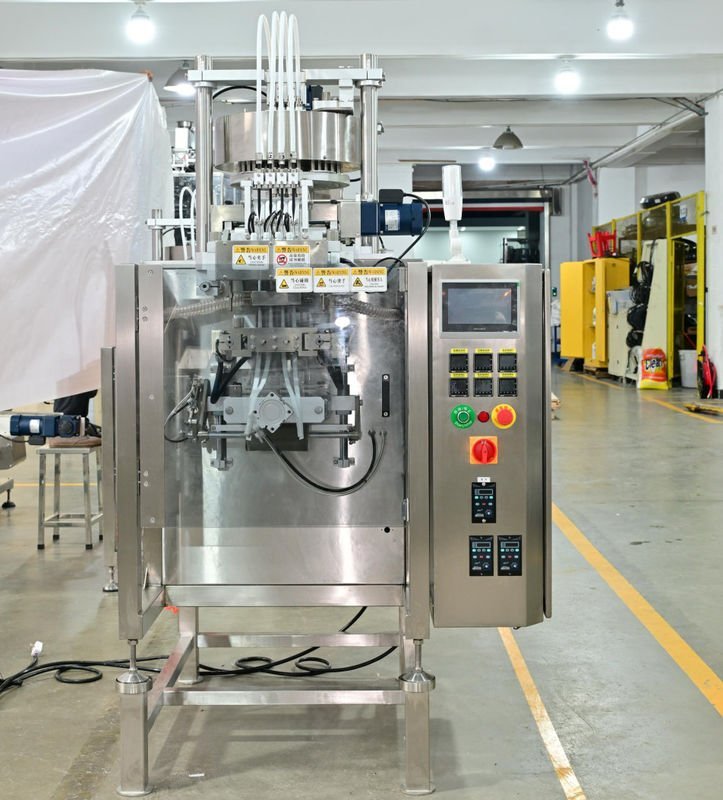
- Powders & Granules: Spices, coffee, powdered ingredients. Specialized equipment, like the sachet packaging machines offered by industry leaders, is often better suited for precise, portion-controlled packaging of these items.
Key Technical Specifications to Evaluate
Once you know your needs, you can decipher the technical jargon. Focus on these core specifications.
Vacuum Power and Performance
Measured in cubic feet per minute (CFM) or by the ultimate vacuum level (in mbar or inHg), this indicates how quickly and thoroughly a machine removes air. A higher CFM means faster cycle times. For optimal food preservation, a machine capable of reaching a high vacuum level (e.g., below 10 mbar) is superior. It’s the difference between a good seal and a great one that maximizes shelf life.
Seal Bar Length and Number
The seal bar length determines the maximum bag width you can use. For versatility, choose a machine with a seal bar longer than your current largest bag. Dual seal bars are a significant advantage, providing a fail-safe—if one seal fails, the second ensures integrity. For bag-in-box or heavy-duty applications, a criss-cross double seal offers unparalleled strength.
Pump Type: The Heart of the Machine
Oil Rotary Vane Pumps: The industrial standard. They are durable, powerful, and achieve the deepest vacuum levels. They require regular oil changes and maintenance but are built for continuous, heavy-duty use.
Dry Pumps (e.g., Rotary Claw, Diaphragm): Modern, low-maintenance options. They don’t require oil, eliminating the risk of oil mist contamination—a crucial factor in clean-label and sensitive food production. They are often quieter but may have a slightly lower ultimate vacuum capability compared to top-tier oil pumps.
Types of Vacuum Packaging Machines
Understanding the main categories will help you narrow your search effectively.
External (Suction) Vacuum Sealers
The most common type for entry-level and medium-duty use. The machine’s nozzle sucks air out from the top of the bag inside the sealing area. They are affordable, easy to use, and good for dry/semi-dry products. However, they are not suitable for liquids and can struggle with powdery products.
Chamber Vacuum Sealers
The entire bag is placed inside a sealed chamber. The machine removes air from the entire chamber, then seals the bag. This is the preferred method for professional kitchens and food processors because it:
- ✔ Perfectly handles liquids and moist foods.
- ✔ Achieves a deeper, more consistent vacuum.
- ✔ Allows for modified atmosphere packaging (MAP) by injecting gas mixes.
- ✔ Uses less expensive, embossed roll stock bags.
For businesses packaging a variety of products, including liquids, a chamber vacuum sealer is often the most versatile and cost-effective long-term investment. Explore options for bag and pouch packaging machines to see integrated solutions.
Tunnel and Belt Vacuum Sealers
Designed for high-volume, automated production lines. Products on trays or in bags move on a conveyor belt through a vacuum tunnel where air is removed and the film is sealed. This is the technology behind most pre-packaged meats and cheeses in supermarkets.
Beyond the Machine: Bags, Films, and Accessories
Your vacuum sealer is only as good as the materials you use with it.
Bag Material: Choose food-grade, multi-layer barrier films. Common structures include PA/PE (nylon/polyethylene) for good puncture resistance and oxygen barrier. For longer shelf life, consider films with EVOH (ethylene vinyl alcohol) for an exceptional oxygen barrier.
Bag Type: Chamber machines use embossed or gusseted roll stock, which is more economical. External sealers typically use smooth, pre-made bags. Ensure your bag material’s melting point is compatible with your machine’s seal bar temperature.
Don’t overlook accessories like bag holders, drip trays, and gas flush attachments for MAP. These can dramatically improve efficiency and packaging outcomes. For a complete system, consider integrating with weighing and packaging systems for perfect portion control.
Durability, Service, and Total Cost of Ownership
The initial purchase price is just one part of the equation. A reliable machine from a reputable manufacturer minimizes downtime—which is far more costly.
Build Quality and Warranty
Look for robust construction: stainless steel surfaces (especially in food contact areas), commercial-grade components, and solid engineering. A comprehensive warranty (2-3 years on the pump, 1 year on parts/labor) signals manufacturer confidence. Companies with a long history, like Packmate with over 22 years of development, bring proven reliability to the table.
Technical Support and Parts Availability
Ensure the supplier or manufacturer offers accessible technical support and stocks common wear parts (seal bars, gaskets, Teflon® tape). Ask about their service network and average response times. Good support is an insurance policy for your business continuity.
💡 Pro Tip: Calculate the Total Cost of Ownership (TCO). Include the machine price, cost of bags/film per unit, estimated energy consumption, and projected maintenance costs over 3-5 years. A slightly more expensive but efficient and durable machine often has a lower TCO than a cheap, high-maintenance alternative.
Making the Final Decision
Compile a shortlist of 2-3 models that meet your technical and budgetary requirements. Request product demonstrations—preferably with your own food products. Speak to current users of those machines. Read case studies to see how similar businesses have succeeded. Finally, choose a partner, not just a vendor, who will support your growth. You can find inspiration and proven applications in our project case studies.
Investing time in selecting the right vacuum food packaging machine pays dividends for years. It streamlines your operation, safeguards your product quality, and supports the scalability of your food business. By methodically evaluating your needs against the machine’s capabilities and the manufacturer’s support, you make an informed investment in your brand’s future.
Frequently Asked Questions (FAQ)
What is the main difference between a chamber and an external vacuum sealer?
The core difference is the method of air removal. An external sealer sucks air out through the bag’s opening. A chamber sealer places the bag inside a sealed chamber and removes all air from around the bag. Chamber sealers are essential for packaging liquids, powders, and delicate items, and they generally achieve a stronger, more professional vacuum.
Can I use any plastic bags with my vacuum sealer?
No. You must use bags specifically designed for vacuum sealing. They are made from multi-layer barrier plastics that are puncture-resistant and capable of forming an airtight heat seal. Using improper bags will result in poor seals, bag failure, and potential damage to your machine’s sealing mechanism.
How often does the vacuum pump need maintenance?
Maintenance frequency depends on the pump type and usage. Oil rotary vane pumps typically require an oil change every 3-6 months under continuous use. Dry pumps require less frequent maintenance, often limited to cleaning air filters. Always follow the manufacturer’s specific maintenance schedule outlined in the manual to ensure longevity.
Is Modified Atmosphere Packaging (MAP) possible with a standard vacuum sealer?
A standard vacuum-only sealer cannot perform MAP. You need a chamber vacuum sealer equipped with a gas flush system. This feature allows you to evacuate the air and then inject a specific mix of gases (like nitrogen and carbon dioxide) into the chamber before sealing, which is used to preserve the color and texture of products like red meat or salads.
What should I do if my machine is not creating a proper vacuum seal?
First, perform basic troubleshooting: check that the bag is positioned correctly over the seal bar, ensure the sealing area is clean and free of debris or liquid, and verify you are using the correct bag type. If problems persist, inspect the seal bar’s Teflon® cover for damage and check the chamber gasket (on chamber models) for wear or tears. Consult your machine’s manual or contact technical support.