The vacuum packaging equipment market is a dynamic and essential segment of the global packaging industry, driven by the relentless pursuit of product longevity, safety, and presentation. For sectors where preservation is paramount—namely food and pharmaceuticals—vacuum packaging is not just a process; it’s a critical component of the supply chain that directly impacts shelf life, quality, and consumer trust. This article delves into the prevailing trends, identifies significant growth opportunities, and provides a practical buying guide tailored for businesses in these vital industries.
Current Market Trends Shaping the Industry
The landscape of vacuum packaging is evolving rapidly, influenced by technological innovation, regulatory changes, and shifting consumer expectations. Understanding these trends is crucial for staying competitive.
1. Automation and Smart Integration
The push towards Industry 4.0 is unmistakable. Modern vacuum packaging lines are increasingly automated, featuring robotic loading/unloading, vision inspection systems, and real-time data monitoring. This integration minimizes human error, maximizes throughput, and allows for predictive maintenance, reducing costly downtime. For high-volume producers in snacks or powdered supplements, this trend is a game-changer for efficiency.
2. Sustainability-Driven Material and Design Shifts
Environmental concerns are reshaping packaging norms. There’s a growing demand for equipment capable of handling mono-material films, recyclable laminates, and bio-based polymers. Machines are being designed to use less energy and material without compromising seal integrity. This trend is particularly strong in European and North American markets, where regulatory and consumer pressure for eco-friendly solutions is most intense.
3. Flexibility for Short Runs and Customization
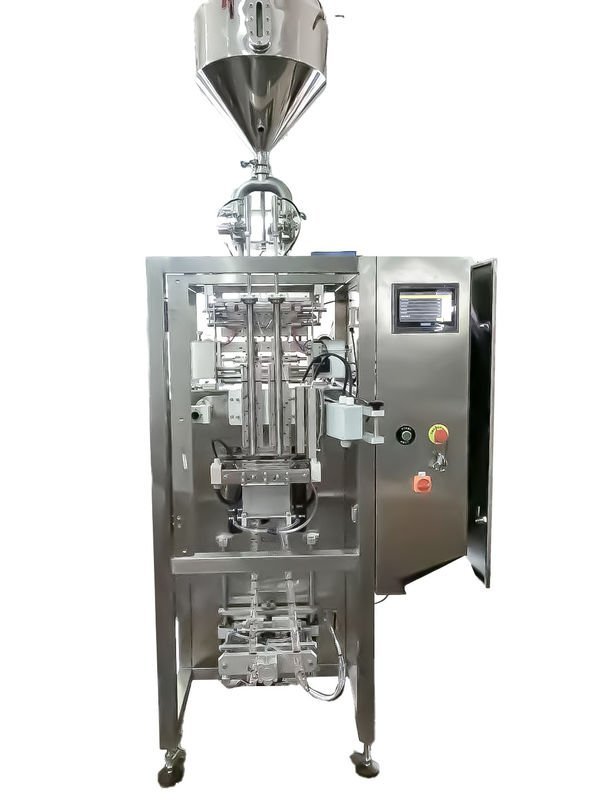
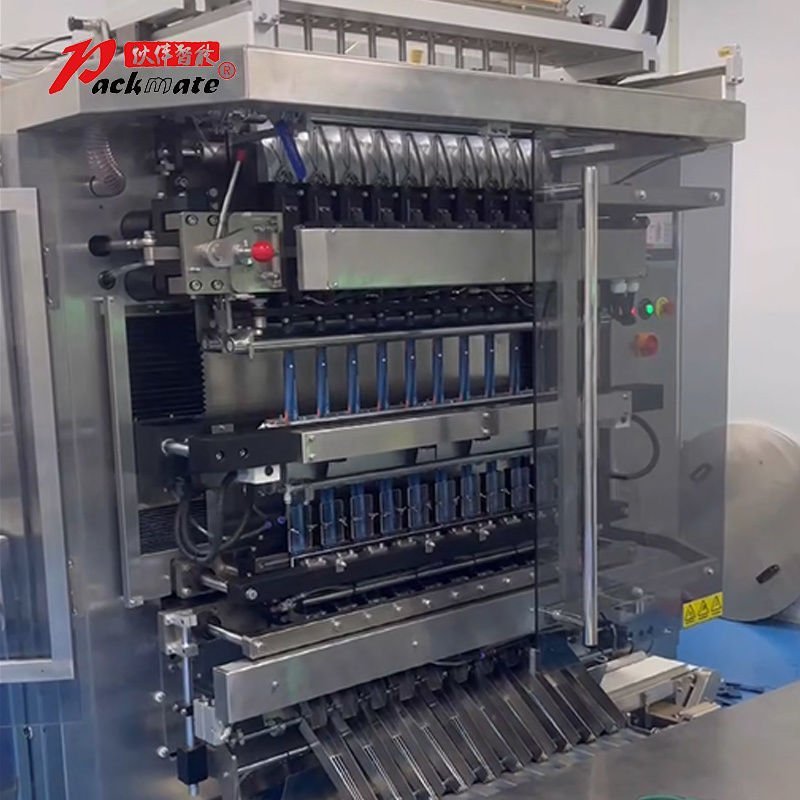
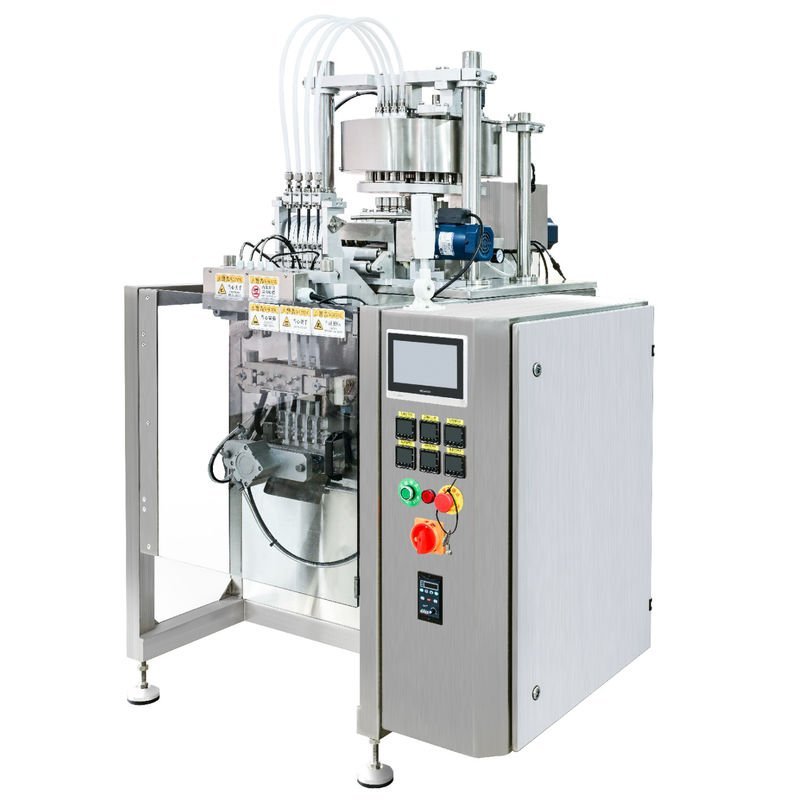
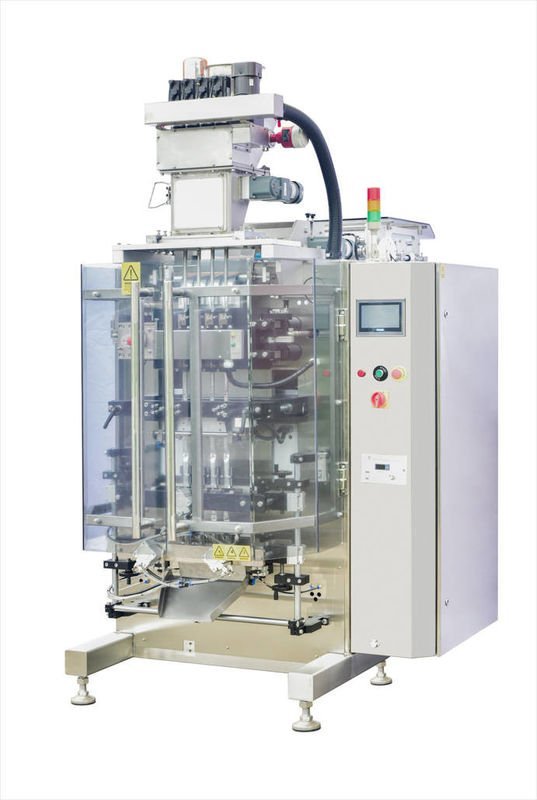
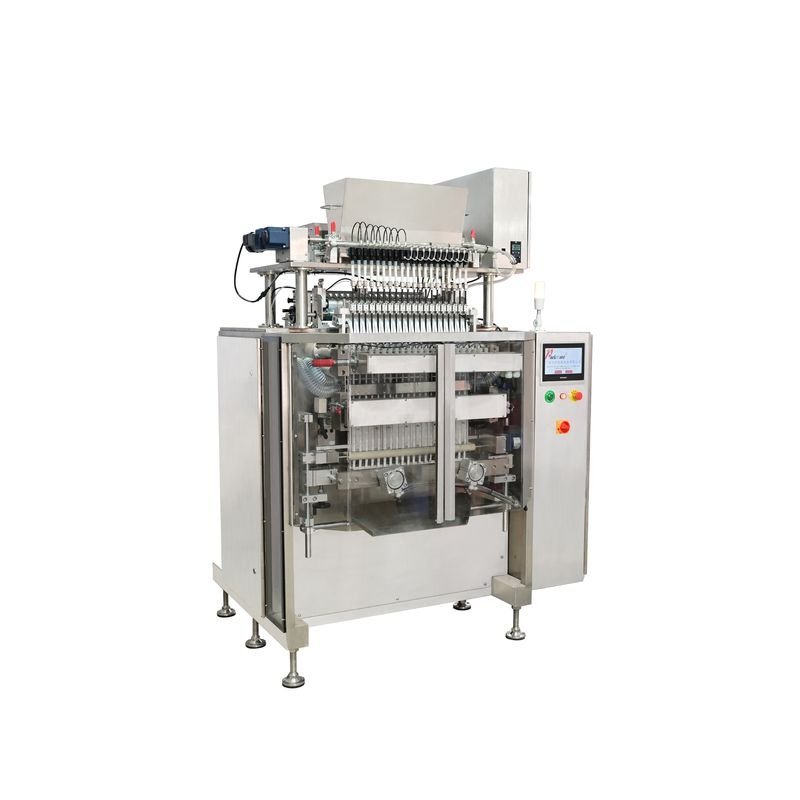
The rise of e-commerce and direct-to-consumer brands has fueled the need for versatility. Manufacturers require vacuum sealers and chambers that can quickly switch between package sizes, shapes, and materials to accommodate smaller batch production and personalized packaging. This flexibility is vital for sachet and stick pack formats popular in single-serve condiments, pharmaceuticals, and nutraceuticals.
Growth Opportunities in Food and Pharma Applications
The demand for vacuum packaging is on a clear upward trajectory, fueled by specific drivers in each sector.
Food Industry: Preservation and Premiumization
In food applications, growth is driven by the global need to reduce food waste and the consumer trend towards premium, fresh, and convenient products. Vacuum packaging extends the shelf life of meats, cheeses, and prepared meals by removing oxygen, slowing spoilage, and inhibiting bacterial growth. Beyond preservation, it’s key for marinating (via tumbling in vacuum) and for presenting gourmet products like artisan coffee or dried meats. The expansion of online grocery delivery services further amplifies the need for robust, leak-proof vacuum packaging to ensure product integrity during transit.
Pharmaceutical and Healthcare: Sterility and Compliance
This sector presents some of the most stringent and growth-oriented opportunities. Vacuum packaging is critical for sterilizing and protecting sensitive medical devices, surgical kits, and diagnostic components. The growth here is tied to:
→ Increased Healthcare Spending: Global expansion of medical services.
→ Stringent Regulatory Standards: Compliance with ISO 11607 for medical device packaging is non-negotiable, demanding highly reliable equipment.
→ Growth in Nutraceuticals: Powders, capsules, and effervescent tablets often require moisture and oxygen barrier protection, perfectly served by vacuum or gas-flush packaging solutions available in advanced filling and packaging lines.
Essential Buying Guide for Your Business
Selecting the right vacuum packaging equipment is a significant investment. Here’s a structured approach to guide your decision.
Step 1: Define Your Core Requirements
Start by answering fundamental questions:
📌 Product Type: Are you packaging solids, powders, granules, or liquids? This determines the filling system needed alongside the vacuum sealer.
📌 Production Volume: Expected output per shift (e.g., bags per minute) will dictate whether you need a single-chamber, double-chamber, or rotary vacuum system.
📌 Package Specifications: Define your bag/pouch size range, material type (e.g., PA/PE, PET/AL/PE), and required vacuum level.
Step 2: Evaluate Key Machine Features
Not all machines are created equal. Prioritize these features:
- Seal Bar Quality & Control: Look for durable, digitally-controlled seal bars that ensure consistent, hermetic seals even with challenging materials.
- Pump Performance: The vacuum pump is the heart of the system. Oil-sealed rotary vane pumps offer strong performance for most applications, while oil-free pumps reduce maintenance in clean environments.
- User Interface & Programmability: An intuitive touchscreen HMI with memory for multiple product settings drastically reduces changeover time and operator training.
- Hygienic Design: For food and pharma, easy-clean surfaces, rounded corners, and compliance with sanitary standards (e.g., cGMP) are critical.
For comprehensive solutions, exploring a manufacturer’s full range of packing machines can provide insights into integrated line capabilities.
Step 3: Consider the Total Cost of Ownership (TCO)
Look beyond the initial purchase price. Calculate TCO by factoring in:
✅ Energy Consumption: Efficient pumps and heaters lower operating costs.
✅ Maintenance Needs & Spare Parts Cost/Availability: Choose suppliers with a proven track record of support.
✅ Uptime & Reliability: A slightly more expensive but robust machine from an experienced manufacturer like Packmate (GuangDong) Co., Ltd. often pays for itself through uninterrupted production.
✅ Scalability: Can the equipment be integrated into a larger automated line in the future?
Step 4: Assess Supplier Credibility and Support
Your relationship with the equipment manufacturer is long-term. Evaluate their:
🔹 Industry Experience & References: Ask for case studies from similar food or pharma clients.
🔹 Technical Support & Training: Ensure they offer comprehensive installation, training, and responsive after-sales service.
🔹 Warranty and Service Network: A strong warranty and accessible service technicians are invaluable for minimizing downtime.
🔹 Customization Ability: Can they tailor the solution to your unique product or line layout? Reviewing their portfolio of project cases can be very revealing.
Conclusion: Packaging as a Strategic Advantage
In today’s market, vacuum packaging equipment is far more than a utility—it’s a strategic asset that safeguards product quality, enhances brand reputation, and drives operational efficiency. By aligning with current trends like automation and sustainability, capitalizing on growth sectors, and making an informed purchase based on a thorough buying guide, businesses in the food and pharmaceutical industries can secure a significant competitive edge. The right partnership with a knowledgeable and reliable equipment provider is the final, crucial step in transforming packaging from a cost center into a value driver.
Frequently Asked Questions (FAQs)
1. What is the primary difference between a single-chamber and a double-chamber vacuum sealer?
Single-chamber machines load, evacuate, seal, and release air into the chamber in one cycle, making them ideal for lower to medium production volumes or larger products. Double-chamber (or twin-chamber) machines have two chambers working alternately: while one is evacuating and sealing, the other is being loaded. This creates a near-continuous flow, offering much higher output and efficiency for medium to high-volume production lines.
2. Can vacuum packaging equipment handle liquids or moist products?
Yes, but it requires specific features. For liquids (like soups or sauces) or moist products (like marinated meats), you need equipment with programmable “gentle” or “soft” vacuum cycles and potentially liquid extraction channels in the seal bar area. This prevents liquid from being sucked into the vacuum pump or compromising the seal. Always test your specific product with the machine before purchase.
3. How important is gas flushing (Modified Atmosphere Packaging – MAP) alongside vacuum?
Extremely important for certain applications. Pure vacuum can crush delicate products (e.g., chips, fluffy pastries). Gas flushing involves replacing the evacuated air with a protective gas mix (like Nitrogen or CO2). Many modern vacuum chambers integrate gas flush capabilities. It’s essential for products where maintaining shape, texture, or further extending shelf life beyond vacuum alone is critical.
4. What are the key maintenance routines for a vacuum packaging machine?
Regular maintenance is vital for longevity and consistent seal quality. Key routines include: daily cleaning of the seal bar and chamber; regularly checking and replacing the seal bar gasket (silicone tape) if worn; monitoring and changing the vacuum pump oil (if applicable) as per the manufacturer’s schedule; and inspecting filters. A detailed schedule is always provided in the machine’s manual.
5. What safety standards should I look for in pharmaceutical vacuum packaging equipment?
For pharmaceutical and medical device packaging, equipment must support compliance with stringent standards. Look for machines with a hygienic, easy-to-clean design (cGMP compatible), validated and consistent performance, and features that aid in process documentation. The packaging process itself must help meet standards like ISO 11607 for medical device packaging. Choosing a supplier with experience in this sector is highly recommended.