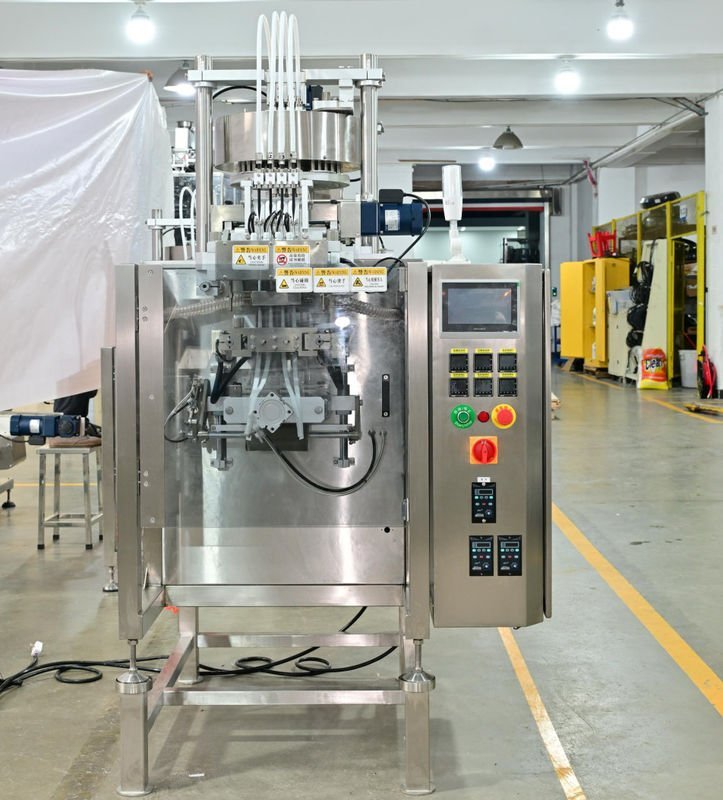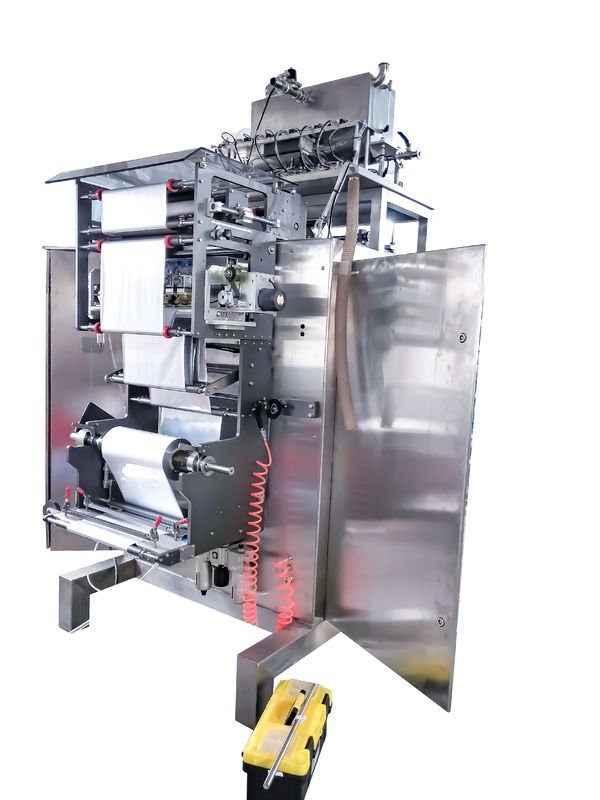
Understanding the cost of a vacuum packaging machine is crucial for any business looking to invest in food preservation, product shelf-life extension, or industrial packaging. The price is not a single figure but a spectrum influenced by a complex interplay of factors, from machine type and automation level to production capacity and brand reputation. This comprehensive guide will break down these cost determinants, provide realistic price ranges, and offer strategic advice for making a sound investment that aligns with your operational needs and budget.
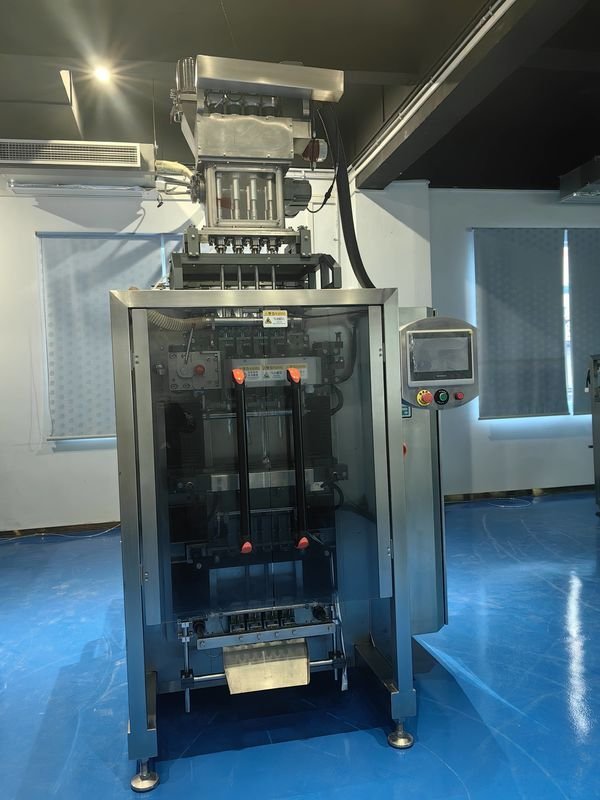
Core Factors Dictating Vacuum Packaging Machine Prices
The first step in budgeting is understanding what you’re paying for. The final price tag is a sum of several key components.
1. Machine Type and Application
The fundamental design and intended use create the largest price divide. Generally, prices escalate from manual to semi-automatic to fully automatic systems.
Chamber Vacuum Machines: These are the most common for food service and small-scale production. Products are placed inside a sealed chamber. Prices start around $1,500 for basic tabletop models and can exceed $15,000 for large, dual-chamber industrial units with advanced features.
External (Nozzle) Vacuum Machines: The vacuum is drawn through a nozzle placed inside a bag. These are often used for bulky items. They range from $200 for handheld sealers to $5,000+ for robust rollstock systems.
Automatic Belt Vacuum Sealers: Designed for high-volume packaging, products move on a conveyor belt through sealing bars. This is where prices jump significantly, often starting at $10,000 and reaching $50,000 or more for integrated lines.
2. Automation Level and Production Speed
Labor cost savings and output capacity are directly tied to automation. A manual machine requires an operator for every cycle, while a fully automatic system can run continuously with minimal oversight.
Manual & Semi-Automatic: Ideal for low to medium volume. Cycle times are slower, but the initial investment is lower ($500 – $8,000).
Fully Automatic: These machines can package dozens of units per minute. They integrate with weighing systems and conveyors, forming a complete packaging line. Expect to invest $20,000 to $100,000+.
3. Build Quality, Materials, and Brand
A machine built with food-grade stainless steel, precision components, and robust motors will outlast and outperform a cheaper alternative made with plastics and lower-grade metals. Established brands like Packmate, with over 22 years of engineering experience, often command a premium due to proven reliability, comprehensive service networks, and access to spare parts. This reliability is a critical factor in minimizing costly downtime.
Detailed Price Range Breakdown
Here is a more detailed look at what you can expect within different budget segments.
Entry-Level / Small Business Range ($200 – $2,500)
- What you get: Handheld sealers, basic external vacuum sealers, and small single-chamber tabletop machines.
- Best for: Home kitchens, very small cafes, occasional use, or low-volume product prototyping.
- Limitations: Lower seal consistency, slower speed, limited bag size options, and less durability under continuous use.
Mid-Range / Commercial Range ($2,500 – $15,000)
- What you get: Robust single or double-chamber vacuum sealers, rollstock external sealers, and entry-level belt sealers. This range includes many of Packmate’s versatile bag and pouch packaging machines.
- Best for: Restaurants, catering companies, small to medium-sized food processors, and butcher shops.
- Features: Better programmability (e.g., for moist, dry, or delicate foods), gas flush capability for Modified Atmosphere Packaging (MAP), and higher daily throughput.
High-End / Industrial Range ($15,000 – $100,000+)
- What you get: High-speed automatic belt vacuum sealers, rotary chamber machines, and custom-integrated packaging lines. This is the domain of specialized equipment like sachet and stick pack machines with vacuum capabilities.
- Best for: Large-scale food manufacturing plants, pharmaceutical companies, and contract packaging facilities.
- Features: Fully automated operation, integration with ERP systems, advanced diagnostic controls, and engineered for 24/7 operation with minimal maintenance.
Beyond the Sticker Price: The Total Cost of Ownership (TCO)
The purchase price is just the beginning. A wise buyer evaluates the Total Cost of Ownership.
Key TCO Components:
Consumables: Cost of vacuum bags, rolls of packaging film, and gaskets. Some machines use proprietary bags, which can be more expensive in the long run.
Maintenance & Repairs: Regular servicing and unexpected breakdowns. Machines from manufacturers with a strong spare parts supply, like Packmate, ensure longer machine life and lower lifetime repair costs.
Energy Consumption: Industrial machines run on significant power. An energy-efficient model can lead to substantial savings.
Labor Efficiency: A higher-priced automatic machine that reduces labor by 2-3 employees can pay for itself within a year or two through salary savings.
Strategic Tips for Your Investment
Navigating the purchase process strategically can save money and prevent future headaches.
1. Accurately Assess Your Real Needs
Don’t overbuy or underbuy. Analyze your current and projected 3-5 year production volume, product types (solid, liquid, powdery), and bag sizes. A machine that’s too small will become a bottleneck; one that’s too large wastes capital.
2. Prioritize Reliability and Service Over a Slightly Lower Price
The cheapest machine can become the most expensive if it fails frequently during critical production runs. Investigate the manufacturer’s reputation, warranty terms, and availability of technical support. Reviewing a company’s project cases can provide insight into real-world performance.
3. Request a Live Demo or Pilot Test
Whenever possible, ask the supplier to run a test with your actual product. This is the only way to verify sealing quality, speed, and compatibility. It also reveals the machine’s ease of use and cleanup.
4. Consider Modularity and Future-Proofing
Can the machine be upgraded later? Some systems allow you to add a gas flush module, a date coder, or a more powerful pump in the future, protecting your initial investment.
Conclusion: An Investment in Quality and Efficiency
The cost of a vacuum packaging machine is a direct reflection of its capabilities, durability, and potential return on investment. While entry-level models serve a purpose, businesses focused on growth and consistency will find greater value in commercial and industrial-grade equipment from reputable manufacturers. By thoroughly evaluating your needs, understanding the Total Cost of Ownership, and choosing a partner committed to quality and support, you can make an investment that preserves your products, optimizes your operations, and protects your bottom line for years to come.
Frequently Asked Questions (FAQs)
1. What is the most cost-effective type of vacuum machine for a start-up food business?
For most food start-ups, a mid-range single-chamber vacuum sealer (between $3,000 – $7,000) offers the best balance. It provides reliable, consistent seals for various products, offers gas flush options for longer shelf-life, and is durable enough for daily commercial use without the complexity and cost of a fully automatic system.
2. How much does maintenance typically cost per year?
Annual maintenance for a well-built commercial machine typically costs between 1% to 3% of the original purchase price. This covers routine parts like oil for the pump (if oil-lubricated), gasket replacements, and general servicing. Having a service contract with the manufacturer or supplier can help predict and manage these costs.
3. Can I use any brand of vacuum bags with my machine?
Not always. Especially with chamber machines, the seal bar profile and bag texture must be compatible. Using generic bags can lead to seal failures. It’s crucial to use bags recommended or supplied by the machine manufacturer initially, or conduct rigorous testing with third-party bags to ensure seal integrity.
4. What’s the key difference between a “vacuum sealer” and a “Modified Atmosphere Packaging (MAP) machine”?
All MAP machines are vacuum sealers, but not all vacuum sealers can do MAP. A standard vacuum sealer removes air and seals. A MAP machine removes air and then replaces it with a specific gas mixture (like nitrogen or carbon dioxide) before sealing. This extends shelf-life further. Many mid-to-high-end chamber machines have an optional “gas flush” feature that enables basic MAP functionality.
5. How long does a commercial vacuum packaging machine usually last?
With proper maintenance and operation within its rated capacity, a high-quality commercial vacuum packaging machine from a reputable brand can have a service life of 10 to 15 years or more. Critical components like the vacuum pump may require overhaul or replacement during this time, but the main frame and control system should remain functional.