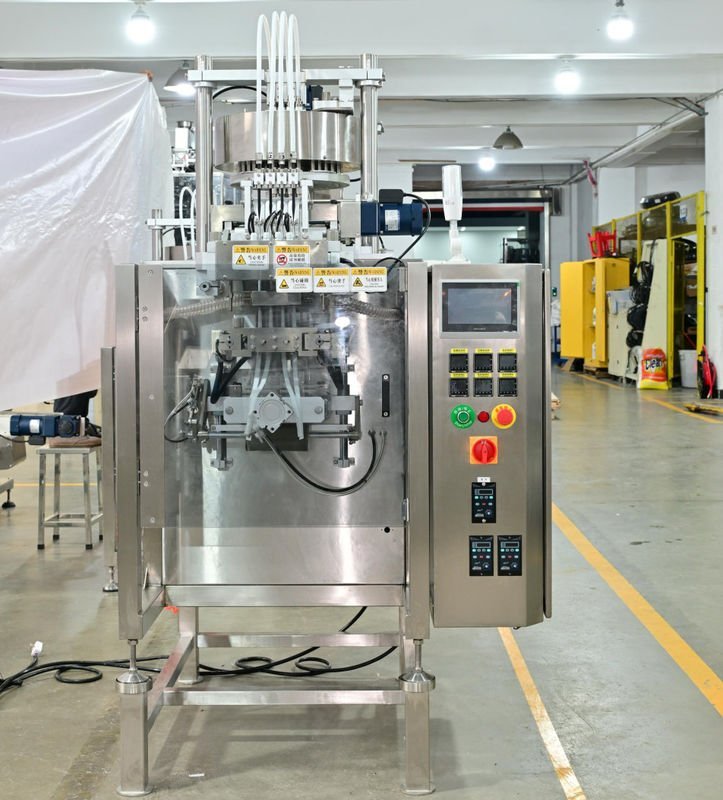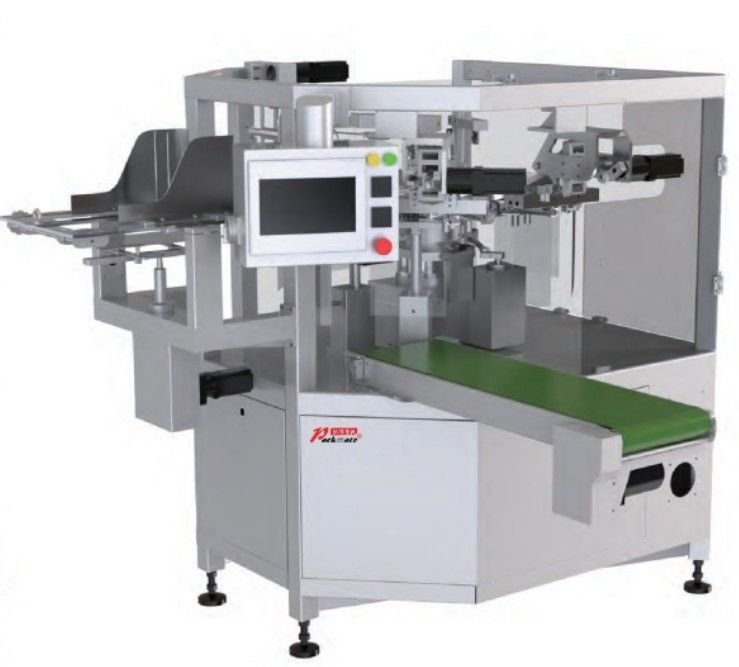
In the highly regulated and precision-driven world of pharmaceuticals, cosmetics, and fine chemicals, vial packaging is a critical final step. A vial packaging machine automates the process of filling, stoppering, capping, and labeling small glass or plastic containers, ensuring product integrity, sterility, and high throughput. This guide delves into the types, working principles, applications, and key selection criteria for these sophisticated systems.
Understanding Vial Packaging Machines
A vial packaging machine, often part of a complete filling and packaging line, is designed to handle vials—small bottles typically used for liquid or powder formulations. These systems are engineered to meet stringent Good Manufacturing Practice (GMP) standards, minimizing human intervention to reduce contamination risk and ensure consistent, accurate fills.
Core Function: The primary function is to automate the sequential processes of vial feeding, cleaning (often with air jets), filling with a precise volume of product, inserting a stopper or plug, applying a seal (crimp cap or screw cap), and often labeling. Advanced systems integrate with checkweighers and vision inspection systems for 100% quality control.
Primary Types of Vial Packaging Systems
Choosing the right machine depends heavily on production volume, vial size, and product characteristics. The main configurations are:
Rotary Vial Fillers
These are the workhorses for medium to high-volume production. Vials are transported on a rotating carousel, passing through various stations (filling, stoppering, capping) in a continuous, smooth motion. They offer high speed, excellent accuracy, and compact footprint.
In-Line (Linear) Vial Fillers
Vials move in a straight line on a conveyor belt through processing stations. This design is highly modular and flexible, making it ideal for low to medium-volume runs, frequent product changeovers, or handling unusually shaped vials. It’s easier to integrate with other auxiliary packaging equipment.
Monobloc Systems
A fully integrated solution where the washer, depyrogenation tunnel, filler, stoppering machine, and capper are combined into a single, contiguous unit. This is the gold standard for aseptic processing (e.g., injectable pharmaceuticals), creating a completely closed environment from vial sterilization to capping.
Key Differentiator: Filling Technology
The filling mechanism itself is a major differentiator:
- Peristaltic Pump Filling: Uses rollers on a flexible tube. Ideal for sterile, shear-sensitive liquids as the product only contacts the disposable tube.
- Piston Pump Filling: Highly accurate for viscous products like creams, gels, or suspensions. Requires careful cleaning between batches.
- Time-Pressure Filling: Suitable for low-viscosity, non-foaming liquids. Simpler but can be less precise with viscosity changes.
- Volumetric Cup Filling: Best for powders, granules, or flakes where weight-based filling isn’t required.
How a Vial Packaging Machine Works: The Process Flow
The operation follows a precise, automated sequence. For a standard rotary machine, the cycle is:
- Vial Feeding & Sorting: Bulk vials are fed into a hopper and oriented correctly onto the inlet starwheel.
- Cleaning: Inverted vials are blown with filtered compressed air to remove any particulate matter.
- Filling: The vial rotates under the filling nozzle(s), where a pre-set volume of product is dispensed. Modern machines use servo-driven pumps for pinpoint accuracy.
- Stoppering: Rubber stoppers are precisely placed into the vial neck, often using a pick-and-place mechanism.
- Capping: An aluminum seal (for crimp caps) or plastic cap (for screw caps) is applied. Crimping involves rolling the cap skirt under the vial lip.
- Discharge: The finished vial is transferred off the carousel onto a conveyor for labeling, inspection, and secondary packing.
Major Applications Across Industries
The precision and hygiene of vial packaging machines make them indispensable in several sectors:
Pharmaceuticals: The primary application. Used for vaccines, injectables, antibiotics, oral liquids, and sample collections. Aseptic monobloc lines are mandatory for parenteral drugs.
Cosmetics & Personal Care: Packaging serums, essential oils, perfumes, and high-end skincare samples. Aesthetic appeal and precise dosing are key here.
Food & Beverage: For specialty oils, vinegar, flavor extracts, and nutritional supplements. Machines must be easy to clean and often require food-grade certifications.
Chemicals & Diagnostics: Packaging reagents, laboratory standards, solvents, and test kits. Chemical compatibility of machine parts is a critical consideration.
How to Choose the Right Vial Packaging System
Selecting the optimal system is a strategic investment. Here are the crucial factors to evaluate:
1. Production Requirements & Vial Specs
Define your required output (vials per minute/hour), vial material (glass type I/II/III, plastic), size range (from 1ml to 100ml+), and closure type (crimp cap, screw cap, dropper assembly). The machine must be configurable for your specific containers.
2. Product Characteristics
The product’s viscosity, foaming tendency, sensitivity to oxygen or shear, and whether it’s sterile dictate the filling technology (peristaltic vs. piston) and the need for features like nitrogen purging or in-line filtration.
3. Level of Automation & Integration
Determine if you need a standalone filler or a fully integrated line with washing, inspection, and labeling. Consider future scalability. Partnering with a provider like Packmate, which offers complete turnkey solutions, can streamline this process.
4. Compliance and Validation
For regulated industries, the machine must be built to GMP standards with full documentation (DQ, IQ, OQ, PQ). Easy cleanability (CIP/SIP options), use of compliant materials (316L stainless steel), and data traceability are non-negotiable.
5. Total Cost of Ownership (TCO)
Look beyond the initial purchase price. Factor in changeover time, maintenance costs, spare parts availability, energy consumption, and the supplier’s support reputation. A reliable, durable machine from an experienced manufacturer minimizes long-term downtime.
Ultimately, the right vial packaging machine balances speed, accuracy, flexibility, and compliance to protect your product and optimize your production line efficiency. Engaging with equipment manufacturers for trials and detailed consultations is highly recommended.
Frequently Asked Questions (FAQs)
Q1: What is the typical speed range of a vial packaging machine?
A: Speeds vary widely. A simple semi-automatic machine may handle 30-60 vials per minute (vpm), while high-speed rotary machines can achieve 300+ vpm for small vials. The required speed depends entirely on your production volume.
Q2: Can one machine handle different vial sizes and closure types?
A: Most machines are designed for changeovers, but the ease and time required differ. Look for machines with quick-change parts (like starwheels, filling heads, and capping chucks) to minimize downtime when switching formats.
Q3: How critical is the cleaning and sterilization process for these machines?
A: It is paramount, especially for pharmaceutical and sterile products. Machines should be designed for easy disassembly and cleaning (with CIP/SIP capabilities for advanced lines) to prevent cross-contamination and meet hygiene standards.
Q4: What are the common causes of filling inaccuracy, and how are they addressed?
A: Inaccuracy can stem from product viscosity changes, air bubbles, worn pump seals, or incorrect calibration. Modern machines use servo-driven pumps with real-time feedback and in-line checkweighers to automatically reject under/over-filled vials and adjust the fill volume.
Q5: What after-sales support should I expect from the manufacturer?
A: Comprehensive support is crucial. Expect installation supervision, operator training, detailed manuals, readily available spare parts, and access to technical service. A global presence for spare parts and service, like that offered by established manufacturers, is a significant advantage.