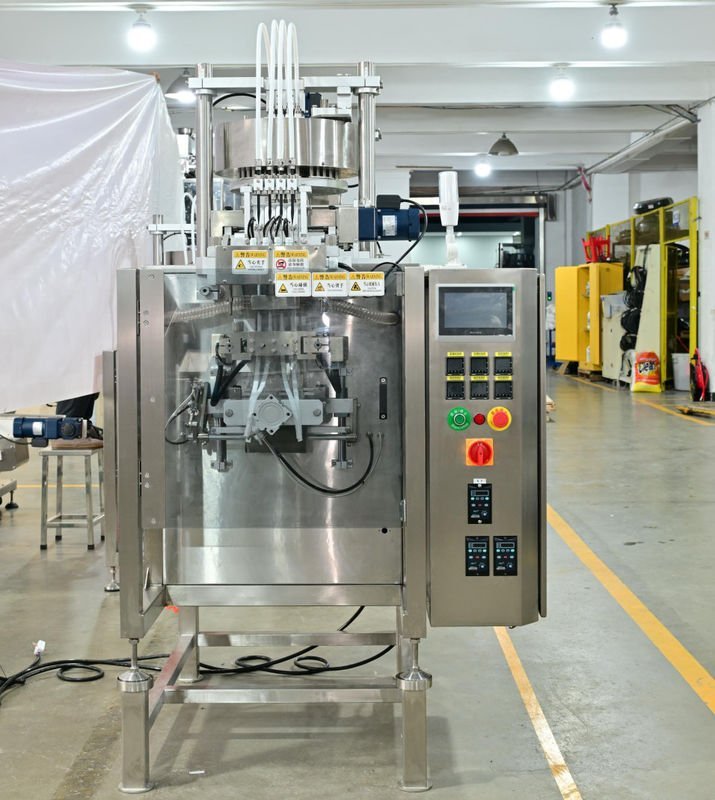
The global demand for packaged food and pharmaceuticals is on a relentless upward trajectory, driven by population growth, urbanization, and heightened health consciousness. At the heart of this supply chain are the sophisticated machines that fill, seal, and protect these vital products. Selecting the right manufacturer for your packaging machinery is not merely a procurement decision; it is a strategic investment in product integrity, operational efficiency, and brand reputation. This article delves into the critical factors that define the top manufacturers in this specialized field and highlights key players, including the innovative force from China’s Greater Bay Area, Packmate (GuangDong) Co., Ltd..
Core Pillars of a Leading Packaging Machine Manufacturer
Distinguishing a top-tier manufacturer from the rest requires looking beyond basic specifications. Excellence is built on several foundational pillars.
1. Uncompromising Commitment to Hygiene and Safety Standards
For food and pharmaceutical production, regulatory compliance is non-negotiable. Leading manufacturers design machines with hygiene as the core principle. This involves the use of food-grade and pharmaceutical-grade stainless steel (such as 304 or 316L), polished to specific surface finishes (Ra values) that prevent bacterial harborage. Designs are smooth, crevice-free, and easy to disassemble for Cleaning-in-Place (CIP) or Sterilization-in-Place (SIP) processes. In regions with stringent regulations like the FDA in the US or the EMA in Europe, manufacturers must have deep expertise in meeting cGMP (current Good Manufacturing Practice) guidelines, ensuring every weld and component facilitates a sterile production environment.
🔍 Key Insight:
A manufacturer’s familiarity with international standards like ISO 22000 (food safety) and their ability to provide detailed documentation and validation protocols (IQ/OQ/PQ) is a direct indicator of their suitability for high-stakes industries.
2. Technological Innovation and Flexibility
The market is dynamic. Today’s top manufacturers invest heavily in R&D to offer flexible, smart, and efficient solutions. This includes servo-driven technology for precision and energy savings, integrated vision inspection systems for 100% quality control, and IoT-enabled machines that provide real-time production data for predictive maintenance and OEE (Overall Equipment Effectiveness) optimization. Flexibility is key—a single line that can handle multiple pouch sizes or switch between powder and liquid products with minimal changeover time is invaluable for manufacturers with diverse product portfolios.
3. Proven Reliability and Robust After-Sales Support
A packaging line is the heartbeat of production. Downtime equates to significant financial loss. Top manufacturers build machines for 24/7 operation, using premium components from trusted global suppliers. However, even the best machinery requires support. A global network of service engineers, readily available spare parts, and comprehensive training programs are essential. The manufacturer’s reputation is often solidified not just by the machine’s performance on day one, but by its performance and supported uptime years later.
The Global Landscape: Established Leaders and Specialized Innovators
The market features a mix of long-established European giants and agile, technologically advanced manufacturers from Asia. Each brings distinct strengths to the table.
European Engineering Excellence
Companies from Germany, Italy, and Switzerland have historically set the benchmark for precision engineering and durability. They are often the go-to for ultra-high-speed lines and complex, bespoke solutions for multinational corporations. Their machines are synonymous with longevity and exceptional finish, catering to clients where capital investment is secondary to lifetime performance and brand prestige.
The Rise of Asian Manufacturing Prowess
In recent decades, manufacturers from China, Japan, and South Korea have risen to global prominence. They have successfully blended engineering quality with cost-effectiveness and rapid adaptation to market trends. A prime example is China’s Guangdong province, a manufacturing powerhouse within the Greater Bay Area economic zone. Here, companies have evolved from component suppliers to creators of fully integrated, intelligent packaging lines. The local business culture, emphasizing diligence, scalability, and partnership, has fueled this transformation. Manufacturers in this region, such as Packmate Machinery, understand the need to offer complete turnkey solutions that are both technologically robust and competitively priced, making advanced packaging accessible to a broader range of businesses worldwide.
Spotlight on Packmate (GuangDong) Co., Ltd.: A Case Study in Growth
Examining a specific manufacturer provides concrete insight into what drives success in this sector. The journey of Packmate Machinery illustrates the evolution of a top contender.
From Workshop Vision to Industrial Reality
The company’s story, beginning in 1993 with founder Mr. Jiang Sha’s passion for automation, underscores the importance of core technical expertise. This hands-on, problem-solving genesis is a common thread among respected manufacturers—it builds a deep, practical understanding of what works on the factory floor.
Strategic Expansion and Model Diversification
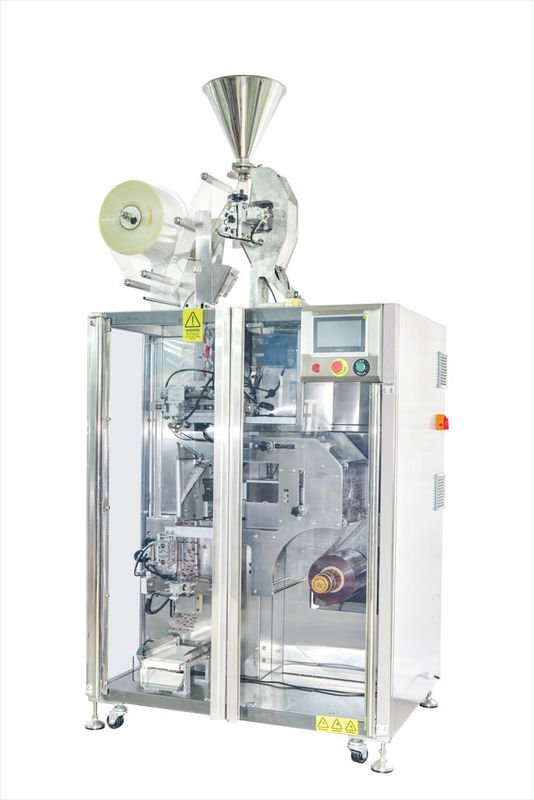
Packmate’s formal establishment in 2003 and subsequent milestones mirror industry demands. Their expansion from basic sachet machines to multi-lane stick pack machines around 2012 directly responded to the booming demand for convenient, single-serve formats in food and pharmaceutical supplements. Developing over 50 machine models, including specialized equipment for snus and nicotine pouches, demonstrates an ability to niche down and master specific packaging challenges.
Manufacturing Capability in Numbers
>22 Years of focused development in packaging automation.
20,000㎡ modern facility equipped with advanced production and testing tools.
125+ professional team members driving innovation and quality control.
This scale allows for vertical integration, controlling quality from sourcing to assembly, a hallmark of a serious manufacturer.
Offering Complete Solutions
Top manufacturers don’t just sell machines; they provide solutions. Packmate’s emphasis on complete filling and packaging lines—integrating weighing, feeding, packaging, and inspection—reduces interface headaches for the buyer and ensures synchronized performance. This turnkey approach, backed by their comprehensive service, is what transforms a supplier into a long-term partner.
Choosing Your Manufacturing Partner: A Practical Checklist
When evaluating potential manufacturers, consider this actionable checklist:
- Industry-Specific Portfolio: Do they have proven case studies or machines in operation within your specific sector (e.g., dairy, spices, vitamins)?
- Technology Depth: Are their machines using modern servo controls? Do they offer smart factory connectivity options?
- Compliance Documentation: Can they provide clear material certifications and design rationale for regulatory compliance?
- Support Structure: What is the response time for technical support? Is there local language assistance and spare parts inventory in your region?
- Financial Stability: A manufacturer with a solid history is more likely to be there for future support and upgrades.
The landscape of packaging machine manufacturers is rich and competitive. The “top” manufacturer is ultimately the one that best aligns with your specific product needs, operational philosophy, and growth trajectory. Whether prioritizing百年老店-level heritage or valuing the agile innovation and integrated solutions offered by rising powers from regions like Guangdong, the key is thorough due diligence. By partnering with a manufacturer that embodies the pillars of hygiene, innovation, reliability, and partnership, food and pharmaceutical producers can secure not just a machine, but a cornerstone for their future success.
Frequently Asked Questions (FAQs)
Q1: What is the most important factor when choosing a packaging machine for pharmaceutical products?
A: Beyond basic functionality, the paramount factor is the machine’s design and documentation for regulatory compliance (cGMP, FDA, etc.). It must be constructed with appropriate materials, be easily cleanable and sterilizable, and allow for full process validation. The manufacturer’s understanding of these protocols is critical.
Q2: How can I ensure the packaging machine will work with my specific product (e.g., a sticky powder or abrasive granule)?
A: Always request a product test. Reputable manufacturers have testing laboratories where you can send your product for a live run on their equipment. This is the only way to verify filling accuracy, sealing integrity, and overall line performance with your specific material.
Q3: What is the typical lead time for a custom packaging line?
A: Lead times vary significantly based on complexity. A standard machine might ship in 8-12 weeks, while a fully custom, integrated line can take 20-30 weeks or more. Clear communication about timelines should be established upfront in the project plan.
Q4: What does “turnkey solution” mean in packaging machinery?
A: A turnkey solution means the supplier takes single-point responsibility for delivering a complete, ready-to-operate system. This includes all machinery (e.g., feeders, scales, baggers, sealers, inspectors), integration, installation, commissioning, and operator training. It removes the burden of coordinating multiple vendors.
Q5: Are machines from Chinese manufacturers reliable for long-term, high-volume production?
A: The market is diverse. Leading Chinese manufacturers, particularly those with significant export experience like those in Guangdong, now produce machines to international standards. Their reliability stems from using globally sourced high-quality components, robust engineering design, and stringent factory testing. Always review their client portfolio, ask for references from long-term users, and inspect their manufacturing facility if possible.