Selecting the right weigh filler packaging machine is a critical decision for any production line in the food, pharmaceutical, chemical, or agricultural sectors. These machines are the cornerstone of efficiency, ensuring that products are filled accurately, consistently, and at high speed. This comprehensive guide will walk you through the key factors to consider when choosing equipment that delivers both precision and productivity for your specific needs.
Understanding Weigh Filler Technology
At its core, a weigh filler is an automated machine that measures a product by weight before dispensing it into containers, bags, or pouches. Unlike volumetric fillers, which measure by volume, weigh fillers account for product density variations, offering superior accuracy, especially for irregular or non-free-flowing products like snacks, granules, powders, or viscous liquids.
Key Principle: The process typically involves a bulk fill (or pre-fill) to get close to the target weight, followed by a precise dribble fill to achieve the exact set weight. This two-stage approach minimizes overfilling and maximizes accuracy.
Primary Types of Weigh Filling Systems
Choosing the correct system type is the first major step. The main categories are:
Gross Weigh Fillers
In this system, the product is weighed directly in the container (bag, jar, bottle) that will be shipped. The scale measures the combined weight of the container and the product. This method is highly accurate and ideal for bag and pouch packaging applications where container weight is relatively consistent.
Net Weigh Fillers
Here, the product is weighed in a hopper or weigh bucket before being transferred into the container. This is the most common and versatile type, capable of very high speeds using multiple weigh heads or scales working in tandem. It’s perfect for free-flowing products like rice, nuts, or candy.
Combination Weigh Fillers (Multi-Head Weighers)
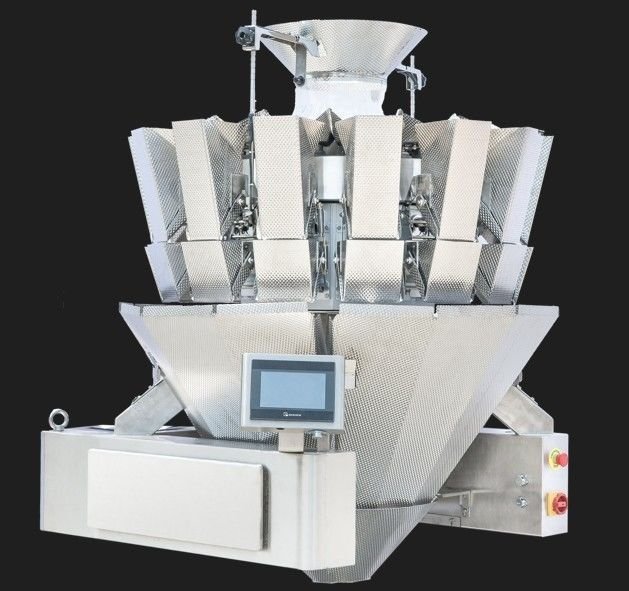
The pinnacle of speed and accuracy for free-flowing items. These systems use a circular array of weigh buckets (often 10, 14, or 24). A computer analyzes the weight in all buckets and calculates the optimal combination to meet the target weight with minimal giveaway. They are essential for high-speed lines packaging chips, frozen vegetables, or hardware items.
Critical Factors for Choosing Your Machine
1. Product Characteristics
Your product dictates the machine design. Consider its flowability (free-flowing, sticky, oily), abrasiveness, particle size, and fragility. Powders may require auger fillers integrated with the weighing system, while fragile snacks need gentle handling.
2. Required Accuracy and Speed (Throughput)
These are often a trade-off. Define your acceptable weight tolerance (e.g., ±0.5 grams) and your required bags-per-minute rate. A weighing & packaging system for expensive pharmaceuticals will prioritize extreme accuracy over blistering speed, while a snack food line will need both high speed and good accuracy.
💡 Pro Tip: Always test your actual product on the machine with your target packaging material. Vendor demos using ideal products can be misleading.
3. Packaging Format and Material
Is the machine filling pre-made bags, forming bags from roll stock, or filling rigid containers? The integration between the weigher and the bag maker or capping station is crucial. Ensure the machine is compatible with your material, whether it’s laminated film for sachets or paper for bags.
4. Hygiene and Construction
For food or pharmaceutical use, sanitary design is non-negotiable. Look for stainless steel contact parts, easy-clean surfaces, and IP-rated electrical components. The machine should comply with relevant regional standards (e.g., FDA, EU, GMP).
5. Automation and Integration Level
Consider future growth. Does the machine need to integrate with existing conveyors, checkweighers, or robotic palletizers? Modern machines with PLC controls and HMI touchscreens offer better recipe management, data logging, and easier integration into a full packaging line.
6. Supplier Reliability and Support
The machine is a long-term investment. Partner with a manufacturer known for quality and support. A company like Packmate Machinery, with over 22 years of experience and a 20,000㎡ facility, exemplifies the commitment to robust engineering and reliable after-sales service that minimizes downtime.
Optimizing for Efficiency and ROI
Beyond the initial purchase, operational efficiency determines your return on investment. Focus on:
Minimizing Product Giveaway: Even a 0.5-gram overfill per bag leads to massive annual product loss. High-accuracy weighers with smart software pay for themselves.
Reducing Changeover Time: Look for quick-release parts and tool-less adjustments to switch between products or bag sizes rapidly.
Ensuring Operator-Friendly Design: Intuitive controls and easy access for cleaning and maintenance reduce labor costs and errors.
Energy Consumption: Efficient drives and motors can lower long-term operating costs.
Frequently Asked Questions (FAQ)
What is the main difference between a weigh filler and a volumetric filler?
A weigh filler dispenses product based on weight, ensuring accuracy despite density changes. A volumetric filler dispenses a set volume, which can lead to weight inaccuracies if the product’s density varies (e.g., ground coffee). Weight-based filling is generally more accurate and required for most “net weight” labeling regulations.
How do I choose between a gross weigh and a net weigh system?
Choose Gross Weigh for high accuracy with consistent containers (like jars or tins). Choose Net Weigh or Combination Weigh for very high speeds, especially with free-flowing products, or when container weight varies significantly.
What kind of accuracy can I realistically expect?
Accuracy depends on the product and machine type. For combination weighers with free-flowing products, ±0.5-1 gram is common. For single-head net weighers with powders, ±0.1 grams is achievable. Always discuss your specific product and target tolerance with the equipment supplier.
Can one machine handle different products and bag sizes?
Yes, most modern machines are designed for flexibility. However, the range has limits. A machine switching between fine powder and large granules may require significant part changes. Discuss your full product range with the supplier to ensure the machine can handle all required changeovers efficiently.
Why is after-sales support so important for weigh fillers?
Weigh fillers are precision electro-mechanical systems. Proper calibration, preventative maintenance, and access to genuine spare parts are vital for maintaining accuracy and uptime. A supplier with a strong global support network, like Packmate, ensures you get timely assistance, training, and parts to keep your line running smoothly for years.