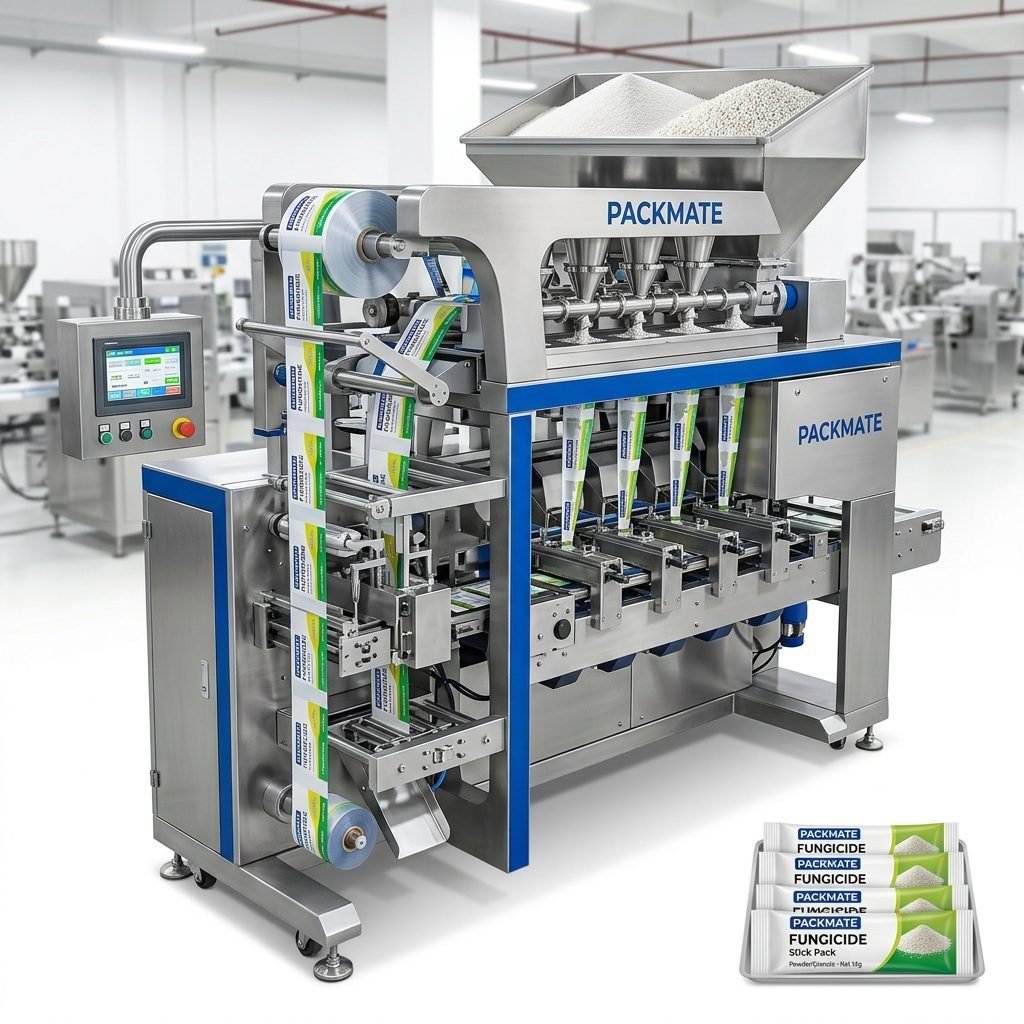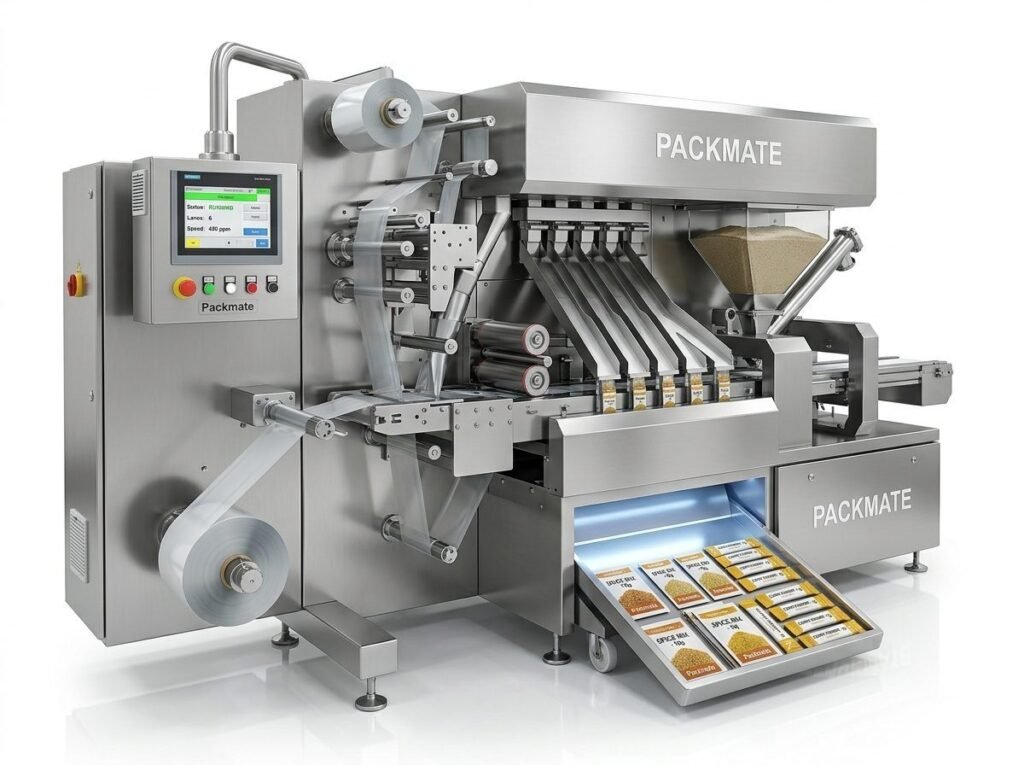
In the dynamic world of manufacturing, efficiency, consistency, and speed are paramount. A bag packaging machine is a cornerstone of modern production lines, automating the process of filling and sealing products into various bag formats. From food and pharmaceuticals to chemicals and consumer goods, these machines are vital for businesses looking to scale, improve hygiene, and reduce labor costs. This guide explores the different types of bag packaging machines, their working principles, and key factors to consider when choosing the right one for your specific production needs.
Common Types of Bag Packaging Machines
Bag packaging machines come in various configurations, each suited to different product types, bag styles, and production volumes. Understanding the primary categories is the first step in selecting the right equipment.
1. Vertical Form-Fill-Seal (VFFS) Machines
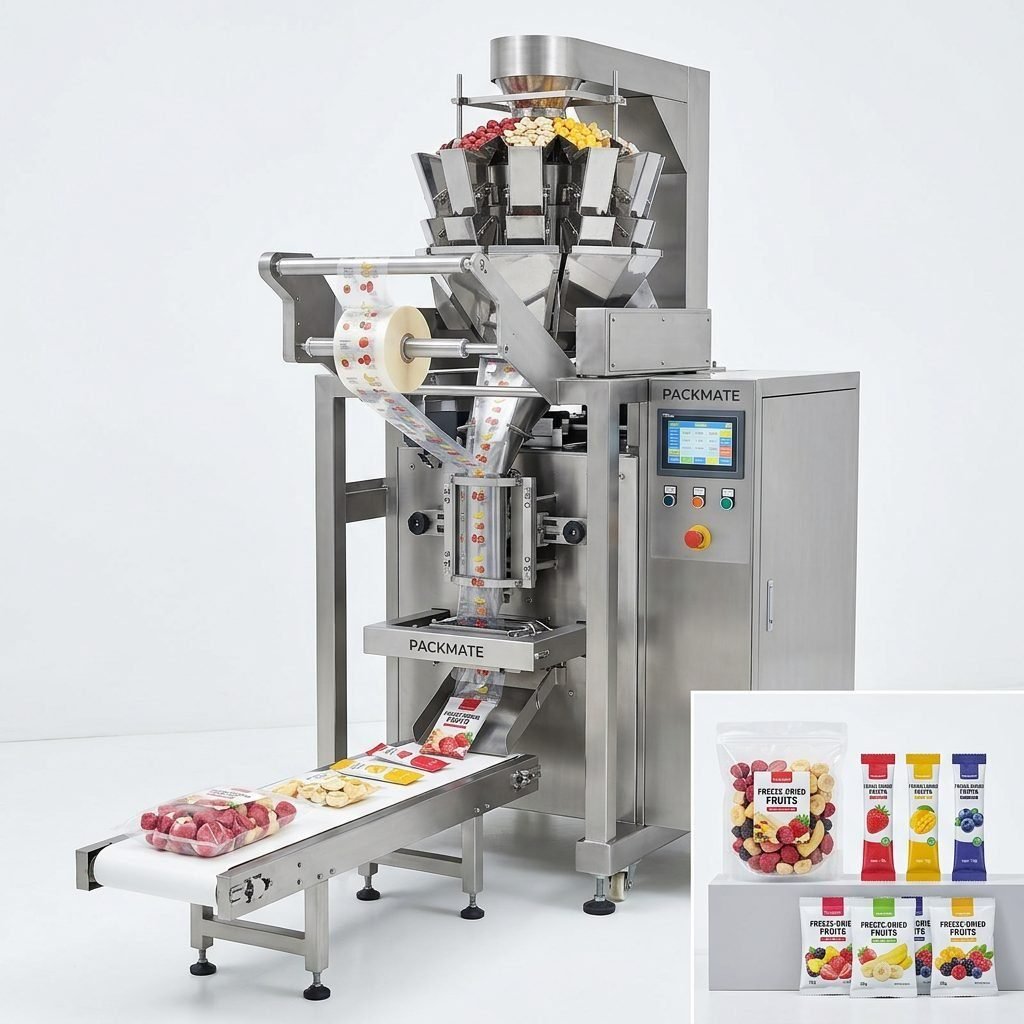
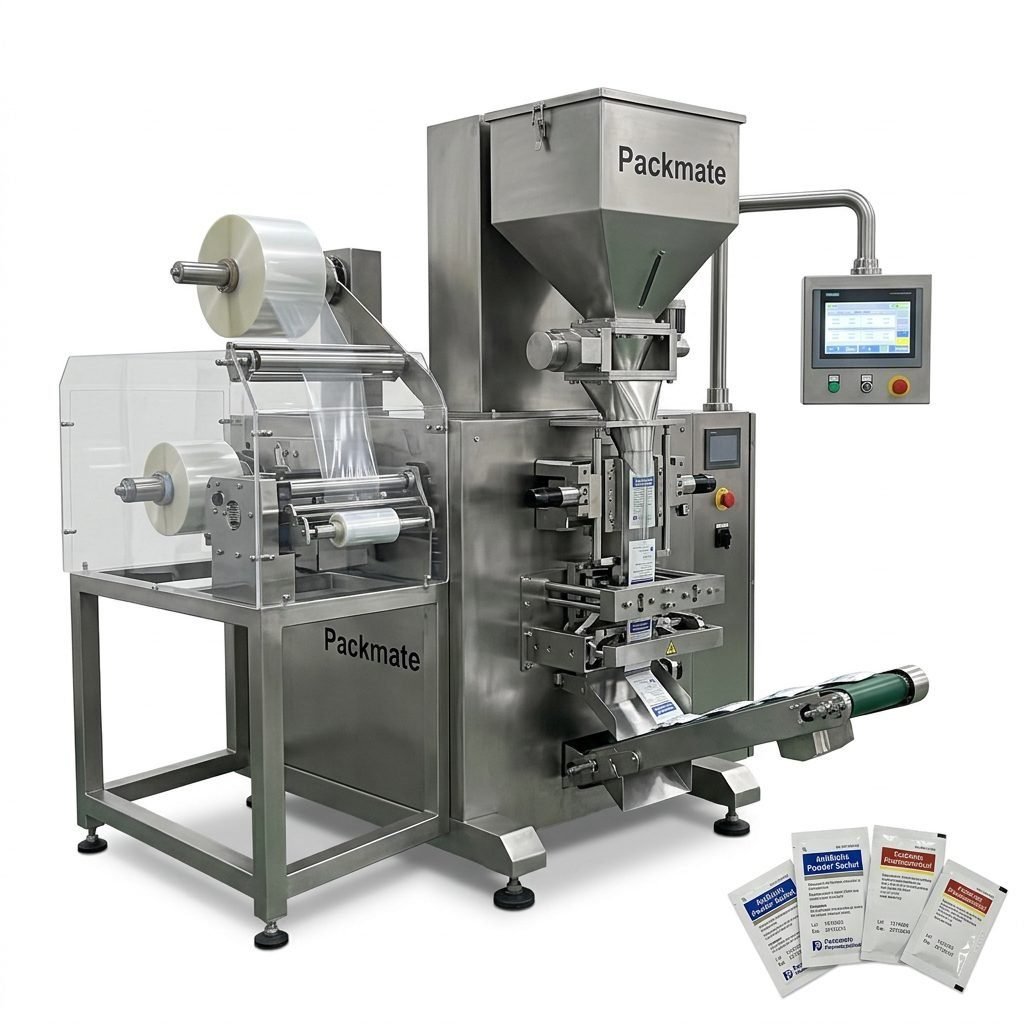
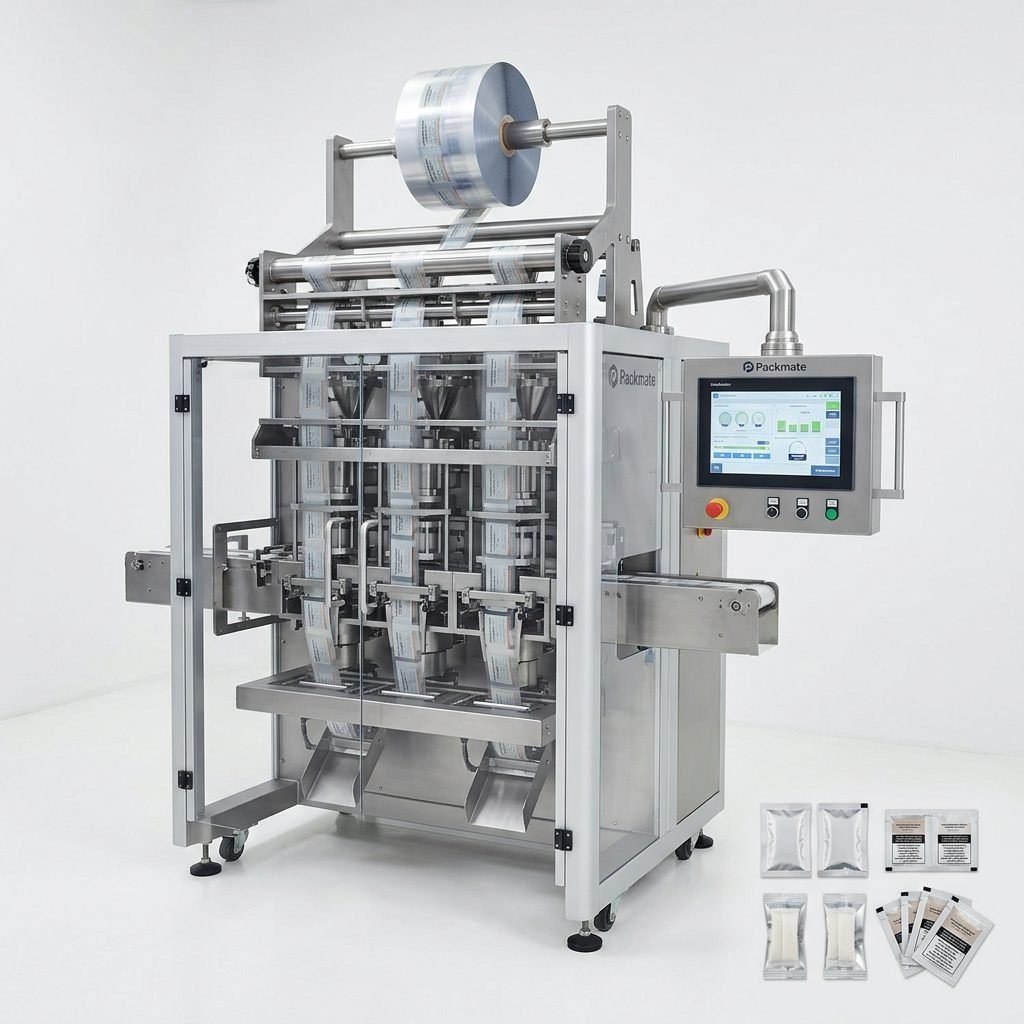
These are among the most common and versatile packaging machines. They form bags from a roll of flat packaging film, fill them with product, and then seal them—all in a continuous vertical operation. VFFS machines are ideal for granules, powders, liquids, and small solid items. They can produce a wide range of bag styles, including pillow bags, gusseted bags, and stand-up pouches.
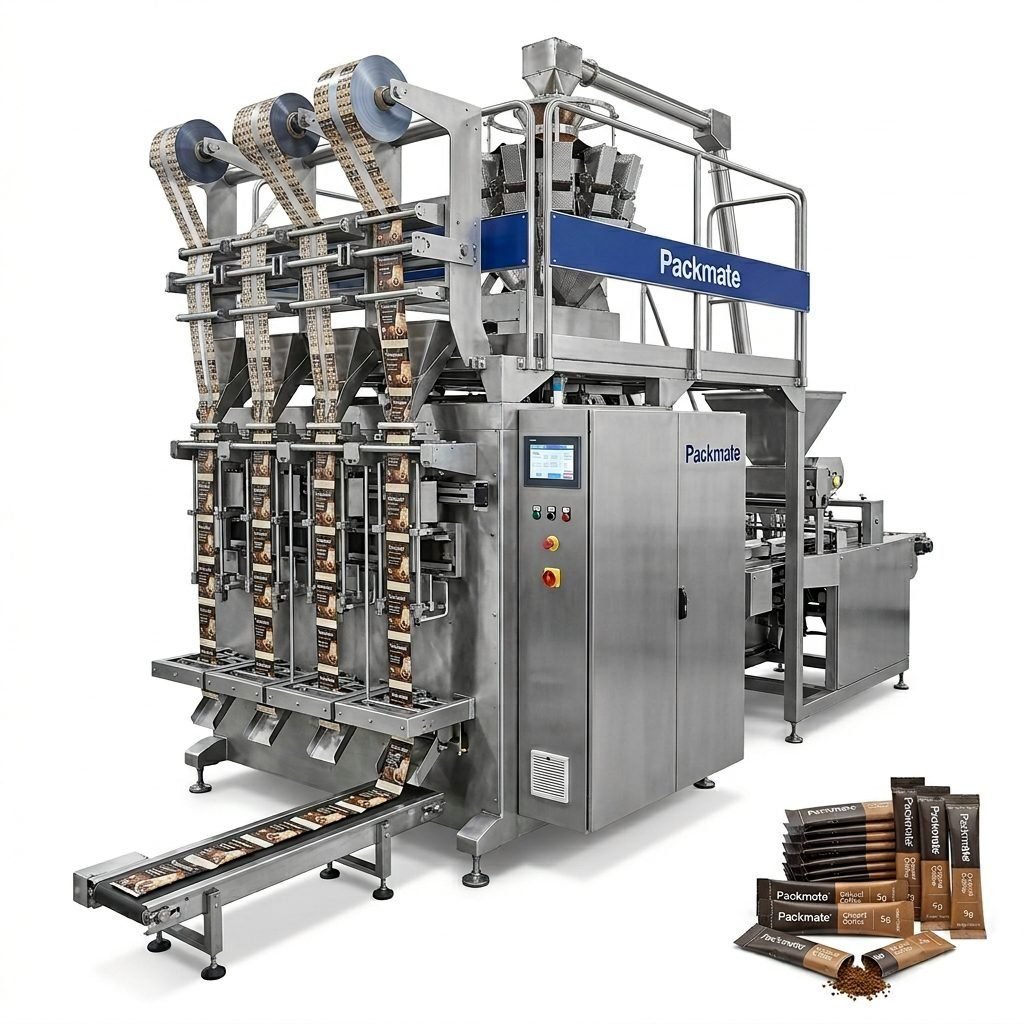
2. Horizontal Form-Fill-Seal (HFFS) Machines
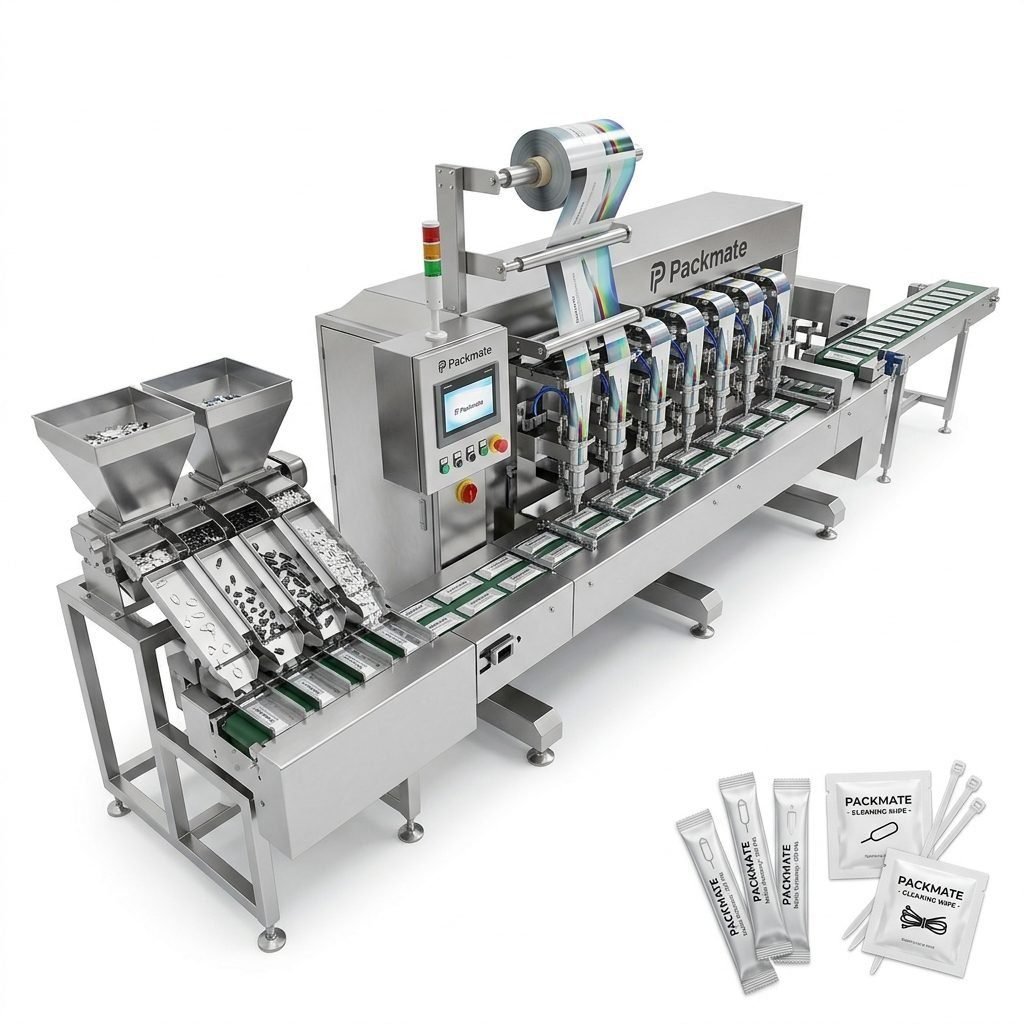
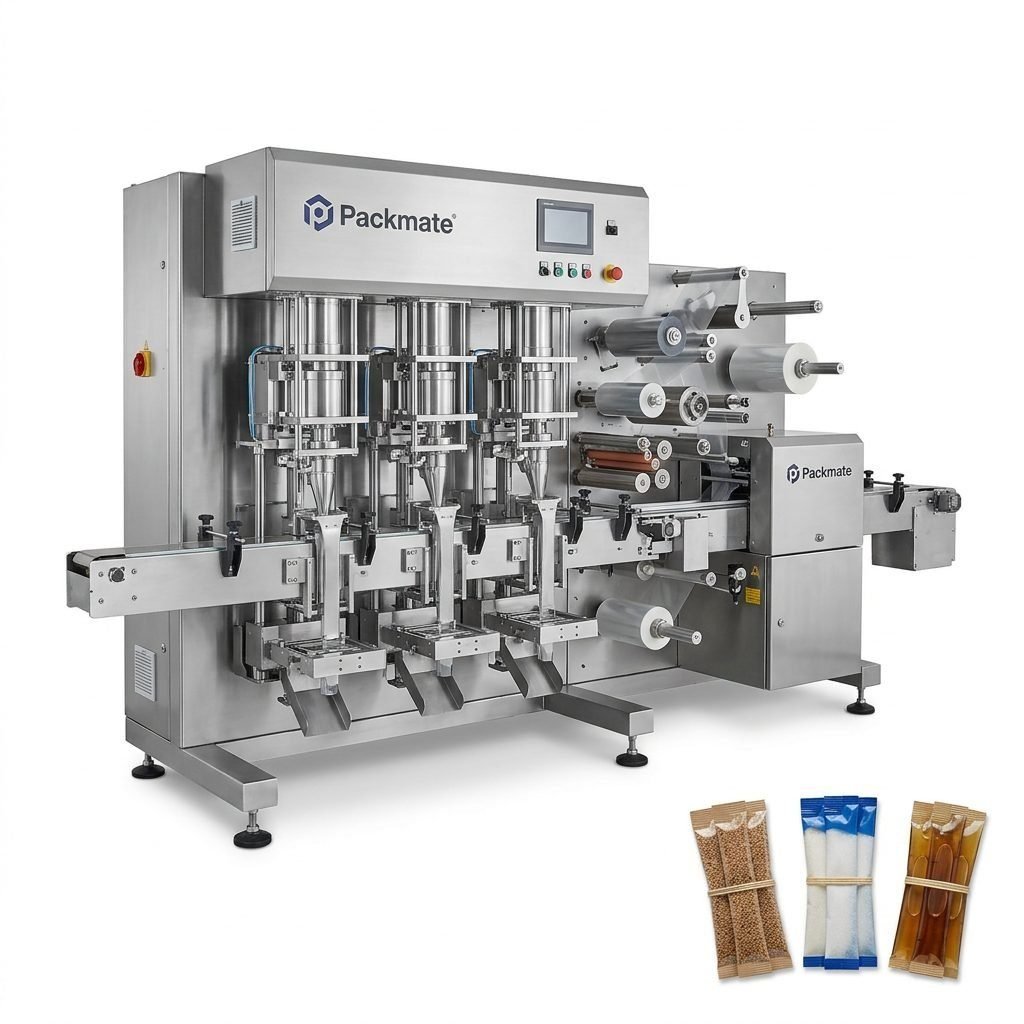
HFFS machines are typically used for more complex packaging needs, such as creating bags with multiple compartments or for products that require a specific presentation. The film is fed horizontally, and the machine is excellent for packaging items like snack mixes, wet wipes, and medical kits.
3. Pre-Made Bag Packers
Instead of forming bags from a roll, these machines use pre-made bags (flat or stand-up). They open the bag, fill it, and then seal it. This method is often preferred for delicate products, irregular shapes, or when using high-quality printed bags where registration is critical. Speeds can be very high with multi-lane configurations.
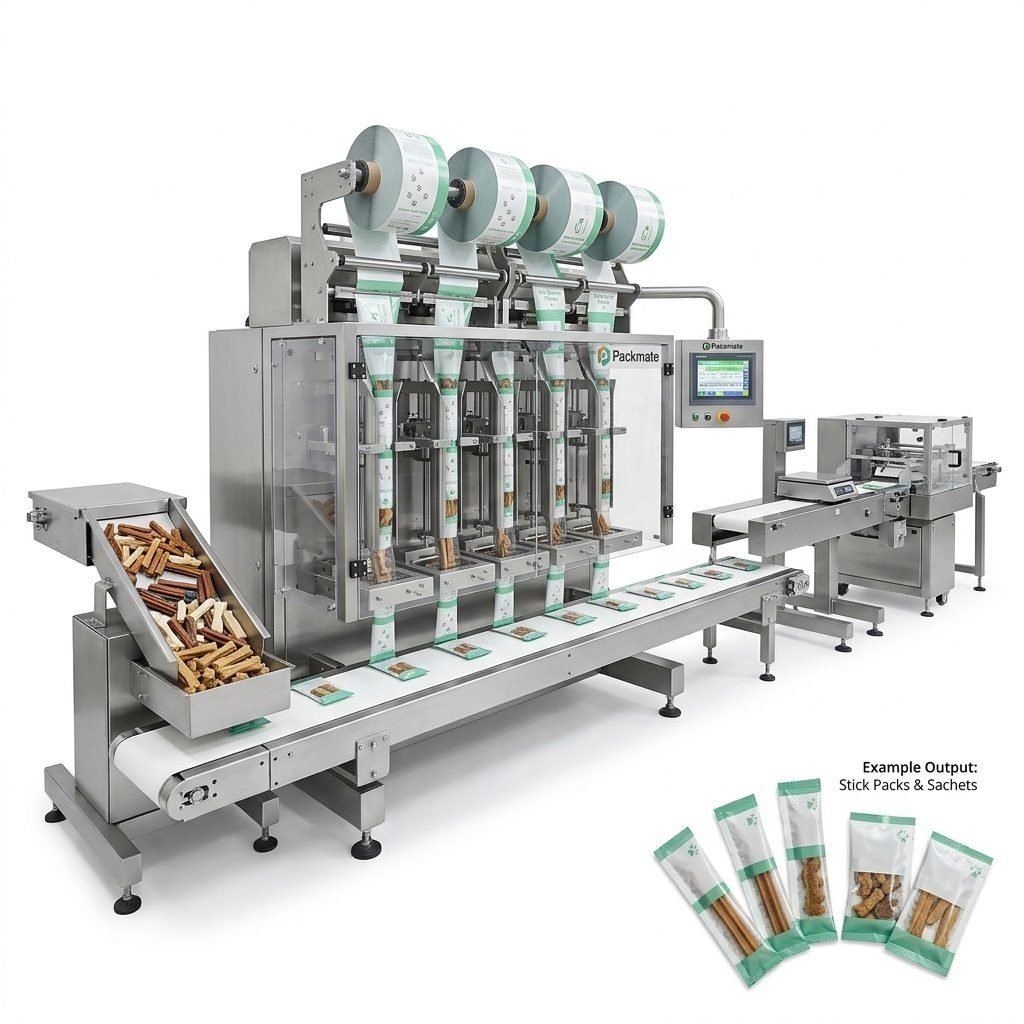
4. Stick Pack & Sachet Machines
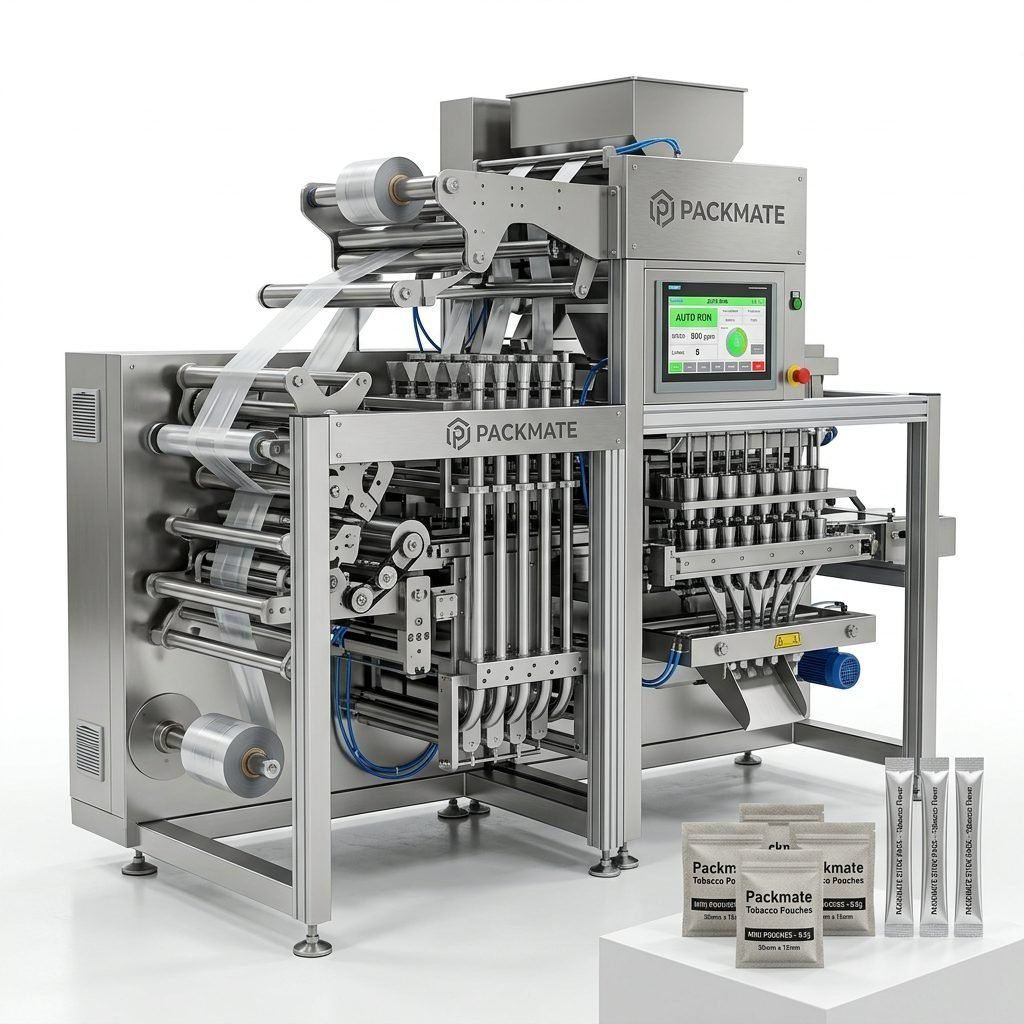
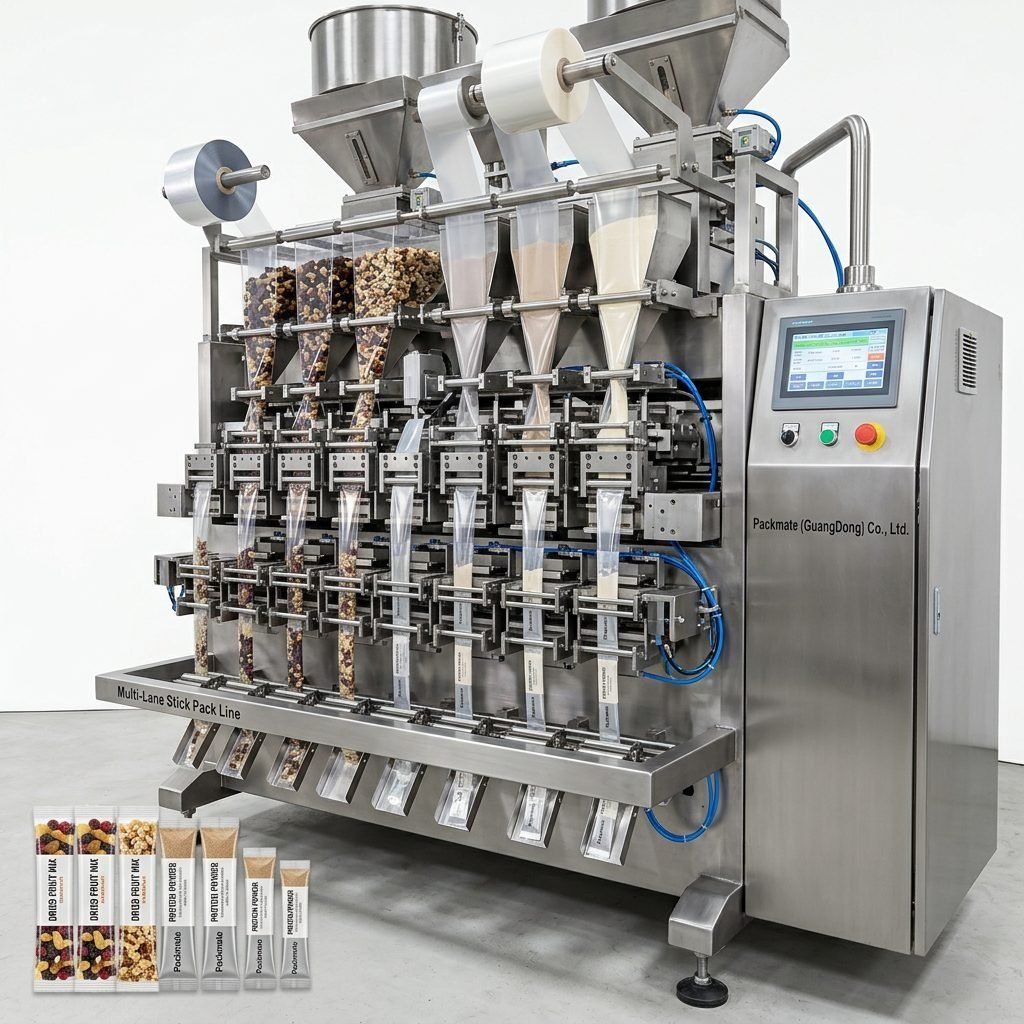
Specialized for creating long, narrow stick packs or small rectangular sachets, these machines are perfect for single-serve portions of products like coffee, sugar, sauce, shampoo, or pharmaceutical powders. They are often designed as multi-lane systems to achieve extremely high output rates from compact footprints.
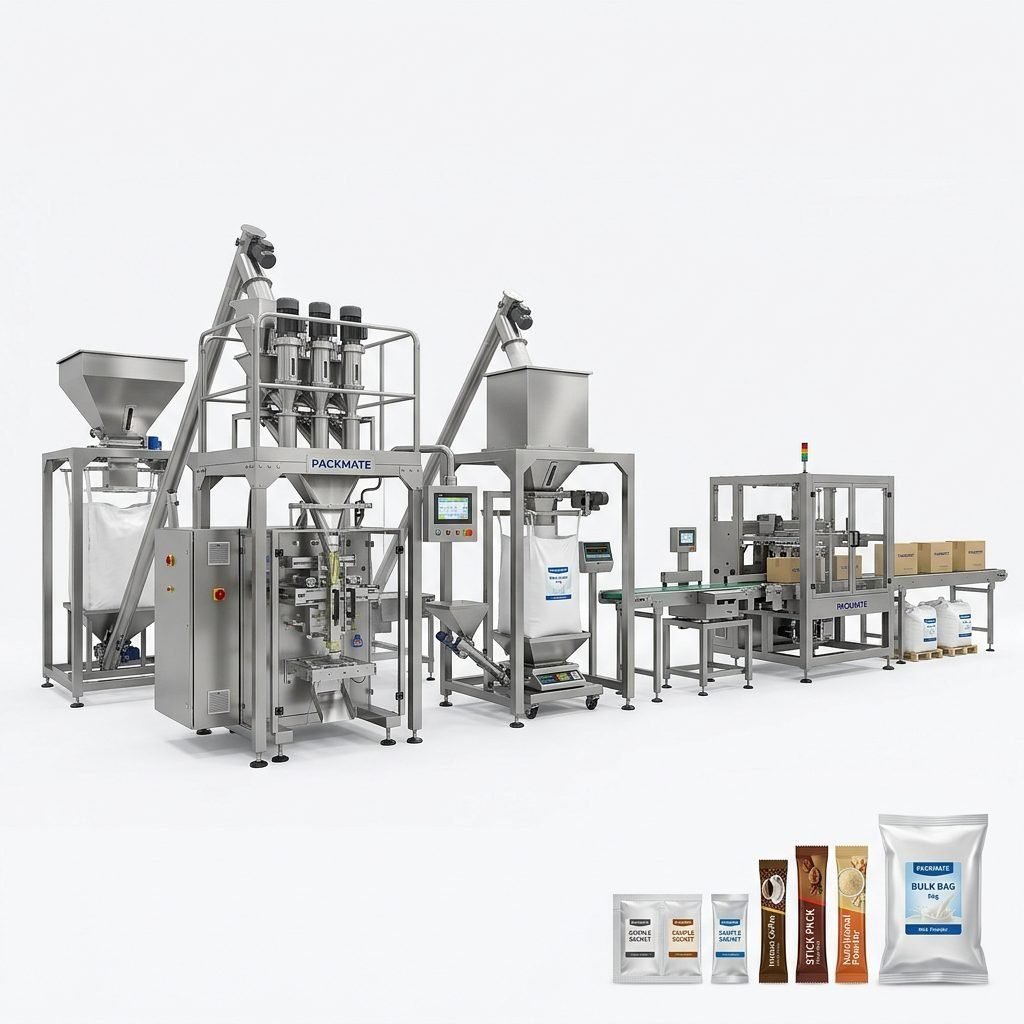
5. Bulk Bag Fillers (FIBC Fillers)
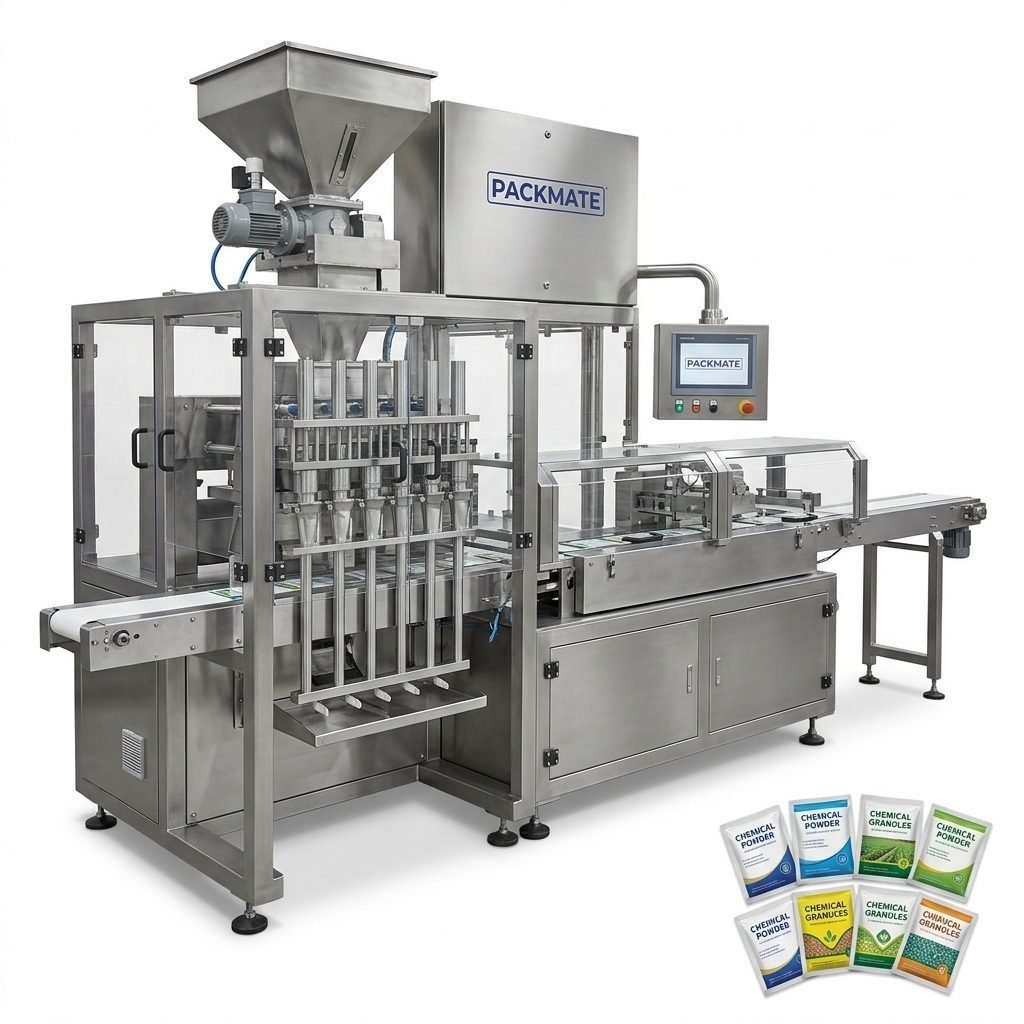
For industrial-scale packaging of materials like chemicals, fertilizers, animal feed, and grains, bulk bag fillers handle large bags ranging from 500kg to 2000kg. They incorporate heavy-duty weighing systems, dust collection, and automated handling for safety and efficiency.
Core Working Principles
While designs vary, most automatic bag packaging machines follow a similar sequence of operations. The core process can be broken down into four key stages:
| Stage | Process | Key Components |
|---|---|---|
| 1. Bag Forming/Feeding | For VFFS: Film is drawn from a roll, formed over a shaping tube (collator), and the back seal is created. For pre-made bag machines: Bags are picked and opened by suction cups or grippers. | Film roll holder, forming collar, sealing jaws, bag magazine, suction cup assembly. |
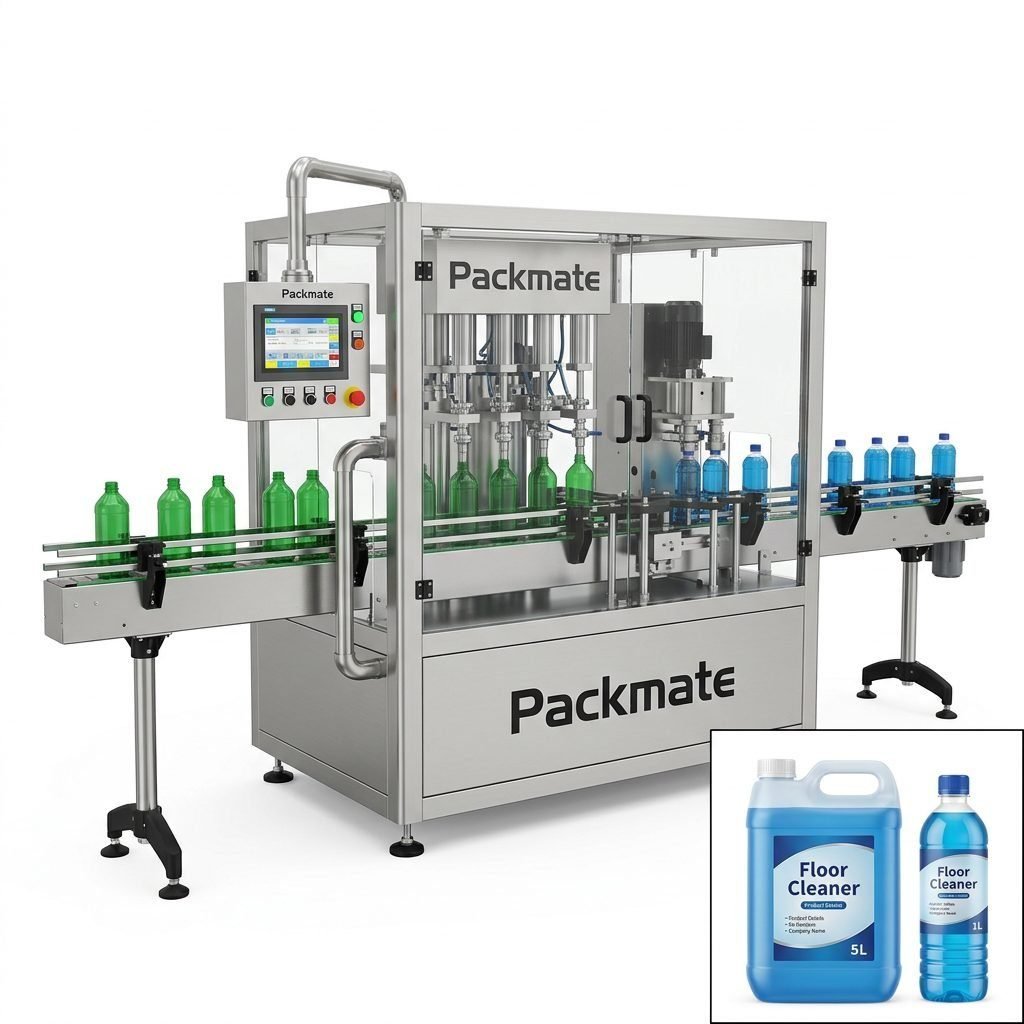
| 2. Product Filling | The measured amount of product is dispensed into the open bag. This can be done by volumetric cup, auger screw (for powders), pump (for liquids), or multi-head weigher (for granular products). | Auger filler, liquid pump, volumetric cup filler, multi-head weigher, vibratory feeder. |
| 3. Bag Sealing | The open top of the bag is sealed. This is typically done using heated jaws that melt the inner layer of the film (thermal sealing). For some materials, cold sealing or ultrasonic sealing is used. | Heated sealing jaws, temperature controllers, cooling jaws. |
| 4. Discharge & Optional Functions | The finished bag is discharged onto a conveyor. Optional steps include gas flushing (for modified atmosphere packaging), date coding, check-weighing, and bag trimming. | Discharge conveyor, nitrogen flush system, inkjet coder, check-weigher. |
How to Choose the Right Bag Packaging Machine
Selecting the optimal machine requires a careful analysis of your product, production goals, and operational environment. Here are the critical factors to consider:
1. Product Characteristics
The nature of your product dictates the machine type and filling system.
- Physical Form: Is it a free-flowing powder, sticky granule, viscous liquid, or solid piece? Powders often require auger fillers with anti-bridging features, while liquids need pumps.
- Abrasiveness & Hygienic Requirements: Products like certain chemicals or food ingredients may require stainless steel contact parts or specific sanitary designs.
2. Bag Specifications & Packaging Materials
Your packaging format and material are equally important.
- Bag Type & Size: Determine if you need pillow bags, stand-up pouches, gusseted bags, stick packs, or sachets. Consider the bag dimensions (length, width, gusset).
- Film Material: The machine must be compatible with your film (e.g., PET/AL/PE, OPP/CPP, Kraft paper) and capable of creating a strong, consistent seal.
3. Required Production Speed (Output)
Calculate your required output in bags per minute (BPM) or per hour. A single-lane VFFS machine might produce 30-60 BPM, while a multi-lane stick pack machine from a supplier like Ludyway can exceed 1000 BPM. Match the machine’s capacity to your current and future production volumes.
4. Level of Automation & Integration
Consider how the machine will fit into your line.
- Standalone vs. Turnkey Line: Do you need just a bagger, or a complete line with feeding, weighing, packaging line integration, cartoning, and palletizing?
- Control System: Modern machines feature PLC controls with touchscreen HMIs for easy recipe changeover and data tracking.
5. Supplier Capability & Support
Your choice of manufacturer is crucial for long-term success.
- Experience & Customization: Look for suppliers with a proven track record in your industry. Companies like PackingMachineOEM specialize in non-standard and customized solutions for unique challenges.
- After-Sales Service: Ensure the supplier offers reliable technical support, spare parts availability, and training. A global presence, as seen with exporters like Packmate Machinery, is beneficial for international clients.
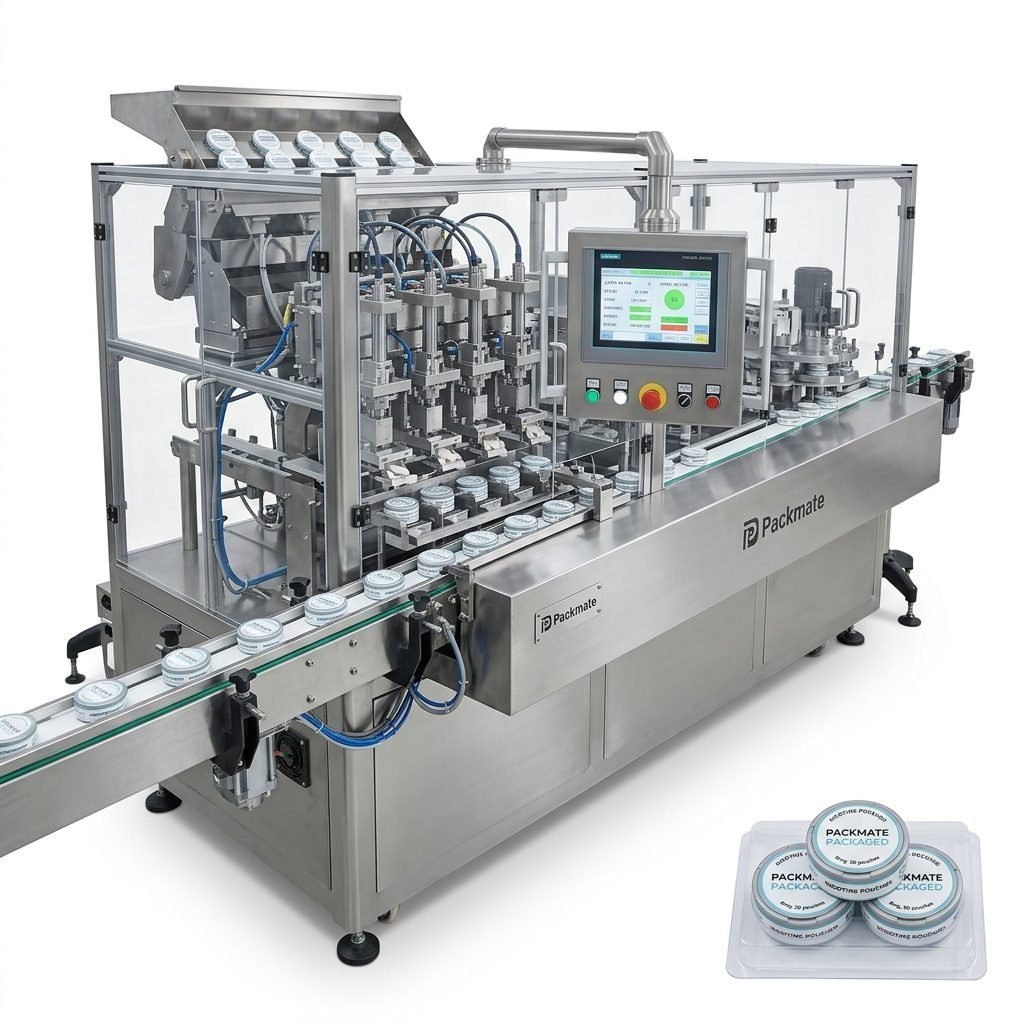
- Niche Expertise: For specialized products like nicotine pouches, a manufacturer like SnusMachinery with focused application knowledge can be invaluable.
Frequently Asked Questions (FAQs)
Q1: What is the main difference between volumetric and net weight filling?
Volumetric filling (using cups or augers) dispenses a consistent volume of product, which is cost-effective for uniform, free-flowing items. Net weight filling (using scales) weighs each portion to a precise target weight, ensuring accuracy for valuable or variable-density products but at a higher machine cost.
Q2: Can one machine handle different bag sizes and products?
Many modern machines are designed for quick changeover. With interchangeable forming tubes, sealing jaws, and filling heads, a single machine can often run a range of similar bag sizes and products. However, switching between vastly different products (e.g., powder to liquid) usually requires significant reconfiguration or a different machine.
Q3: How important is Modified Atmosphere Packaging (MAP)?
MAP, which involves flushing the bag with inert gas (like nitrogen) before sealing, is critical for extending the shelf life of oxygen-sensitive products such as snacks, coffee, and fresh meats. If your product requires MAP, you must choose a machine equipped with a gas flushing system.
Q4: What are the key maintenance requirements?
Regular maintenance is essential for longevity and consistent performance. Key tasks include daily cleaning to prevent product buildup, regular lubrication of moving parts, inspection and replacement of wear parts (like sealing jaws and gaskets), and calibration of weighing systems.
Q5: Is operator training complex?
While advanced machines are sophisticated, reputable suppliers provide comprehensive training. Operators typically learn basic operation, recipe management, routine cleaning, and minor troubleshooting within a few days. The complexity depends on the machine’s automation level and the operator’s prior experience.