Selecting the right packaging machine manufacturer in the Middle East is a strategic decision that can significantly impact your business’s efficiency, product quality, and long-term growth. The region’s diverse and dynamic market, spanning from the food and beverage hubs of the UAE and Saudi Arabia to the growing pharmaceutical sectors in Egypt and Jordan, demands robust and adaptable packaging solutions. Local businesses face unique challenges, including high ambient temperatures, specific regulatory standards, and a need for machinery that can handle both traditional and modern product formats popular across GCC countries and beyond.
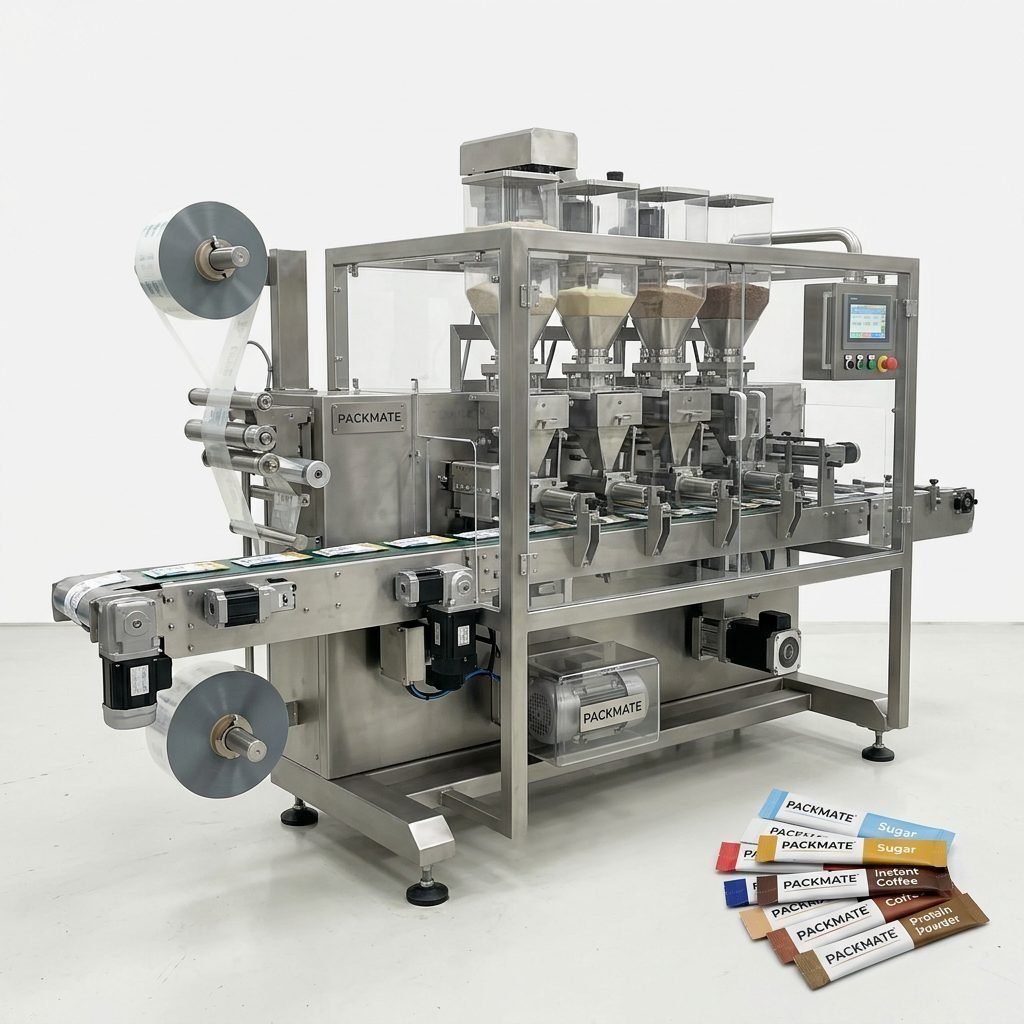
This guide will walk you through the critical factors to consider, ensuring you partner with a manufacturer that not only supplies equipment but also provides the technical support and customization necessary to thrive in the Middle Eastern market.
Understanding Your Production Needs and Local Market Fit
The first step is a thorough internal assessment. You must clearly define what you need the packaging machine to do. Consider the product type: are you packaging fine powders like spices or flour, granules like rice or sugar, viscous pastes like dates paste or hummus, or liquids like oils and sauces? The physical characteristics of your product directly dictate the type of filling, dosing, and sealing technology required.
Key questions for your team:
• What is your current and target production speed (pouches per minute)?
• What packaging materials are you using or planning to use (laminate types, film thickness)?
• Do you require specific certifications for food safety (e.g., HALAL, ISO 22000) or pharmaceutical standards relevant to Middle Eastern regulations?
• How much factory floor space is available for the new equipment?
• What is the skill level of your operational and maintenance staff?
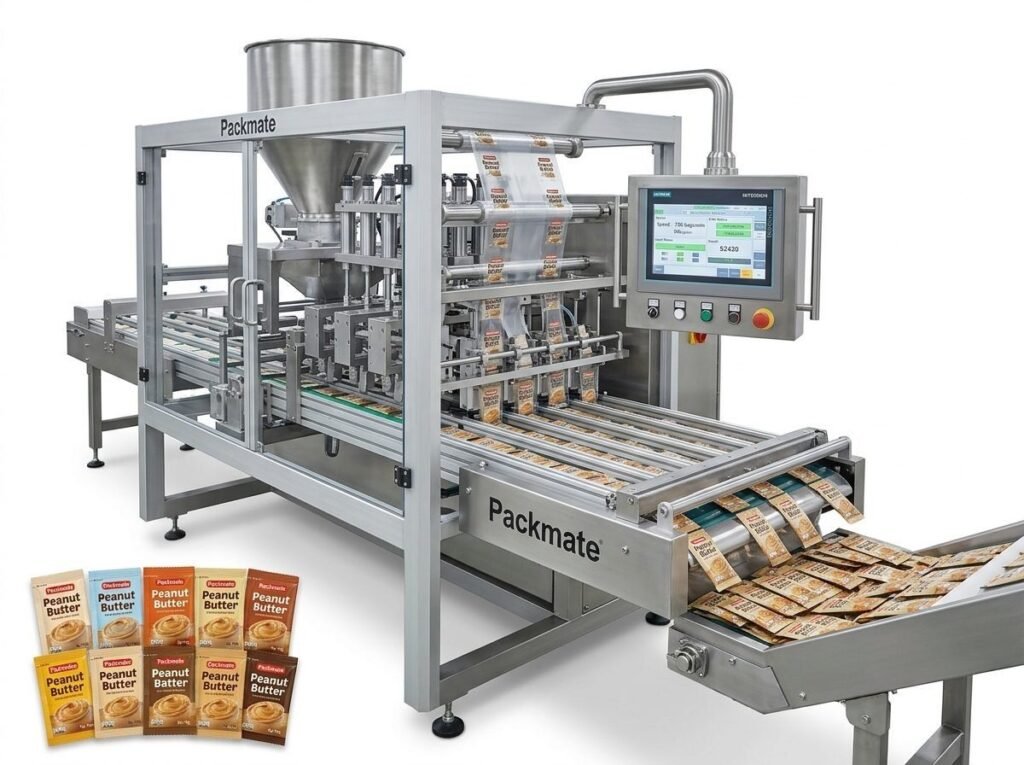
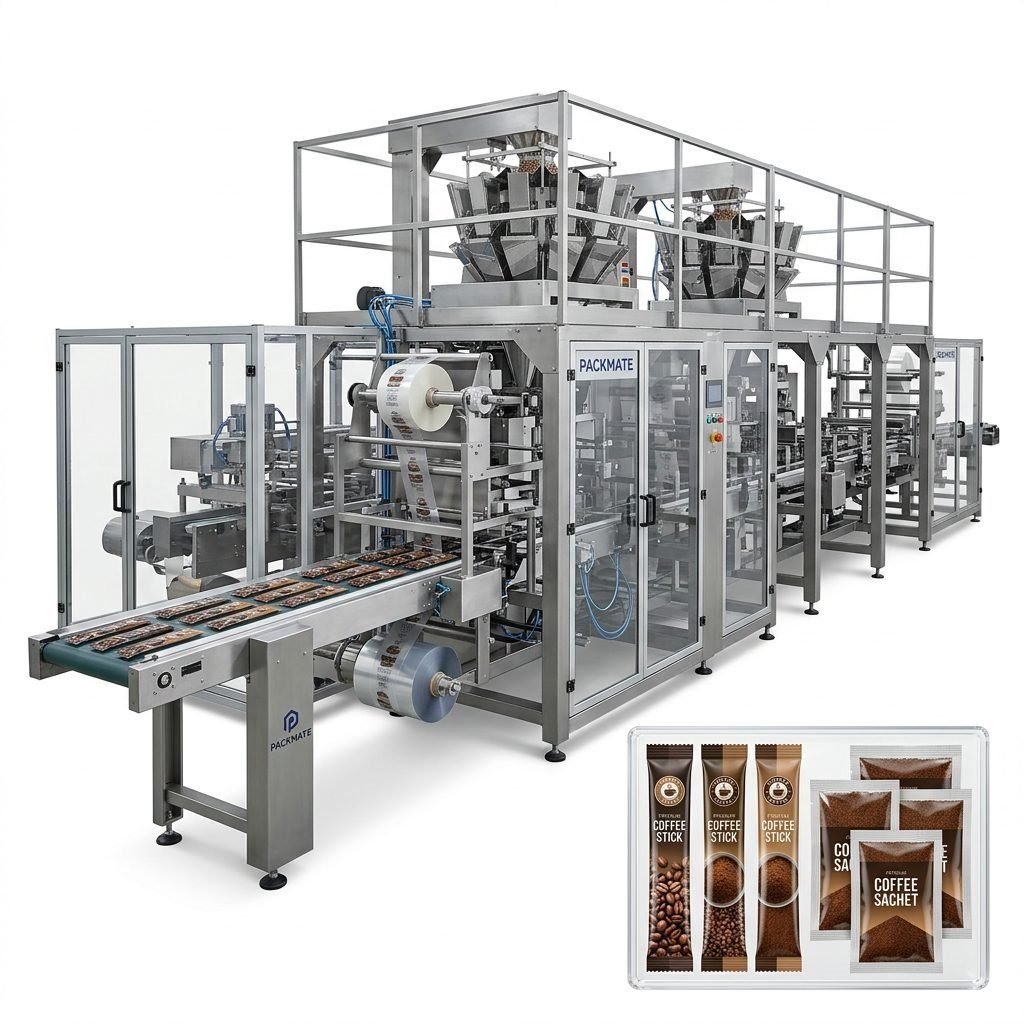
Furthermore, analyze your local market. Consumer preferences in the Middle East can vary; for instance, there is high demand for portion-control sachets (stick packs) for coffee, creamers, and spices, as well as for larger family-sized bags. Your chosen machine should offer the flexibility to adapt to these varying formats to capture market opportunities.
Evaluating Manufacturer Credentials and Regional Experience
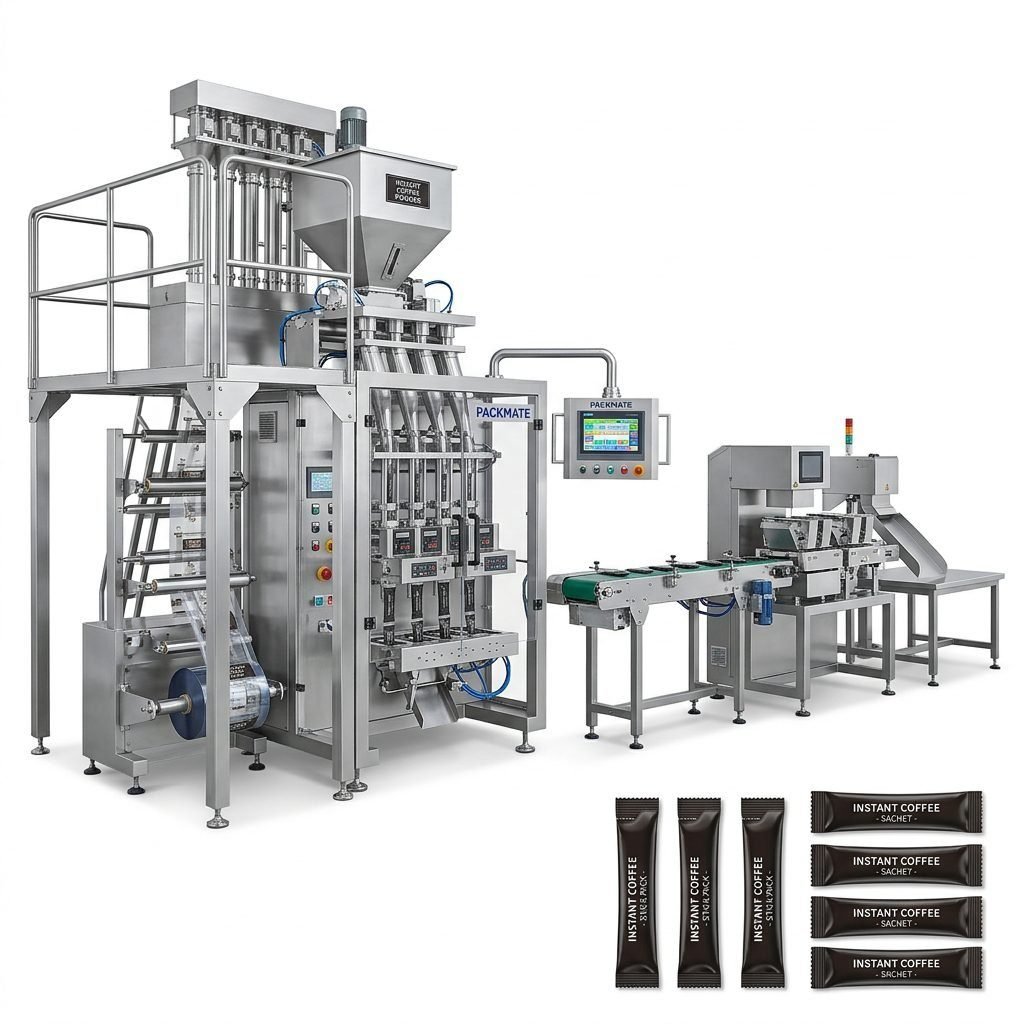
Not all manufacturers are created equal, especially when it comes to supporting clients thousands of kilometers away. Prioritize manufacturers with a proven export track record to the Middle East. A company like Ludyway, with over 30 years of experience and exports to more than 100 countries, demonstrates a deep understanding of international logistics, documentation, and the technical adaptations needed for different climates—a crucial factor for machinery operating in hot, dusty Gulf environments.
Look for tangible evidence of regional experience:
- Client References: Ask for case studies or contact details of existing clients in the Middle East.
- Service Network: Does the manufacturer have local agents, spare parts warehouses, or service engineers in the region? This is vital for minimizing downtime.
- Compliance: Ensure the machinery meets relevant international electrical and safety standards (CE, etc.) and can be configured to meet local regulatory requirements.
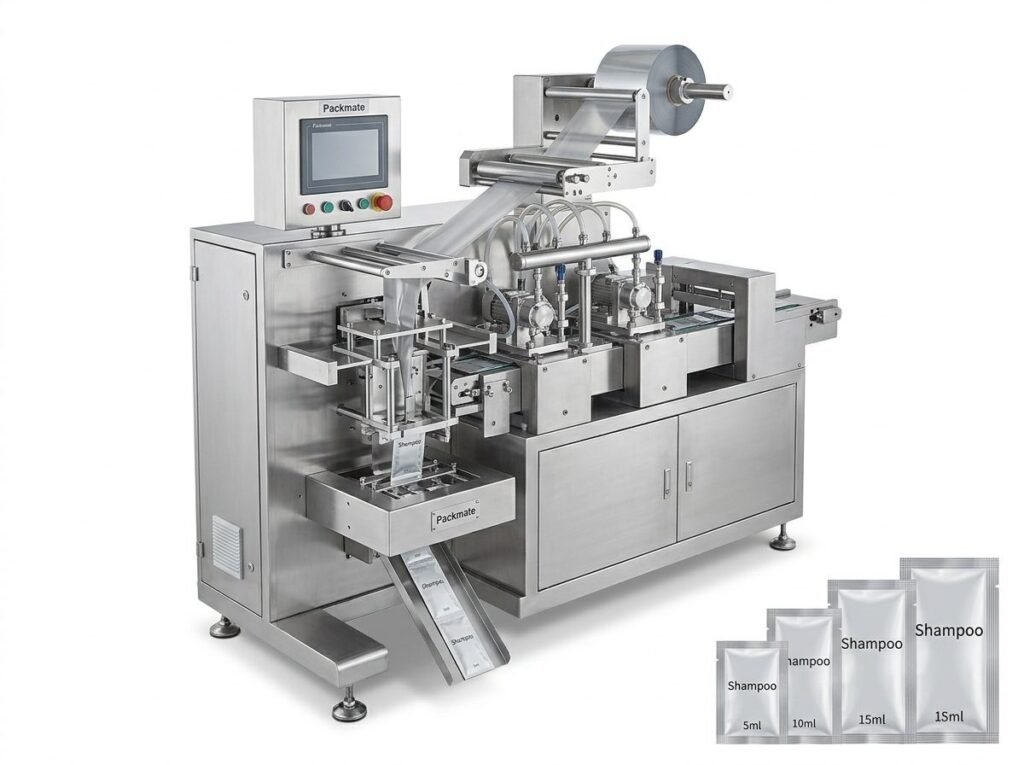
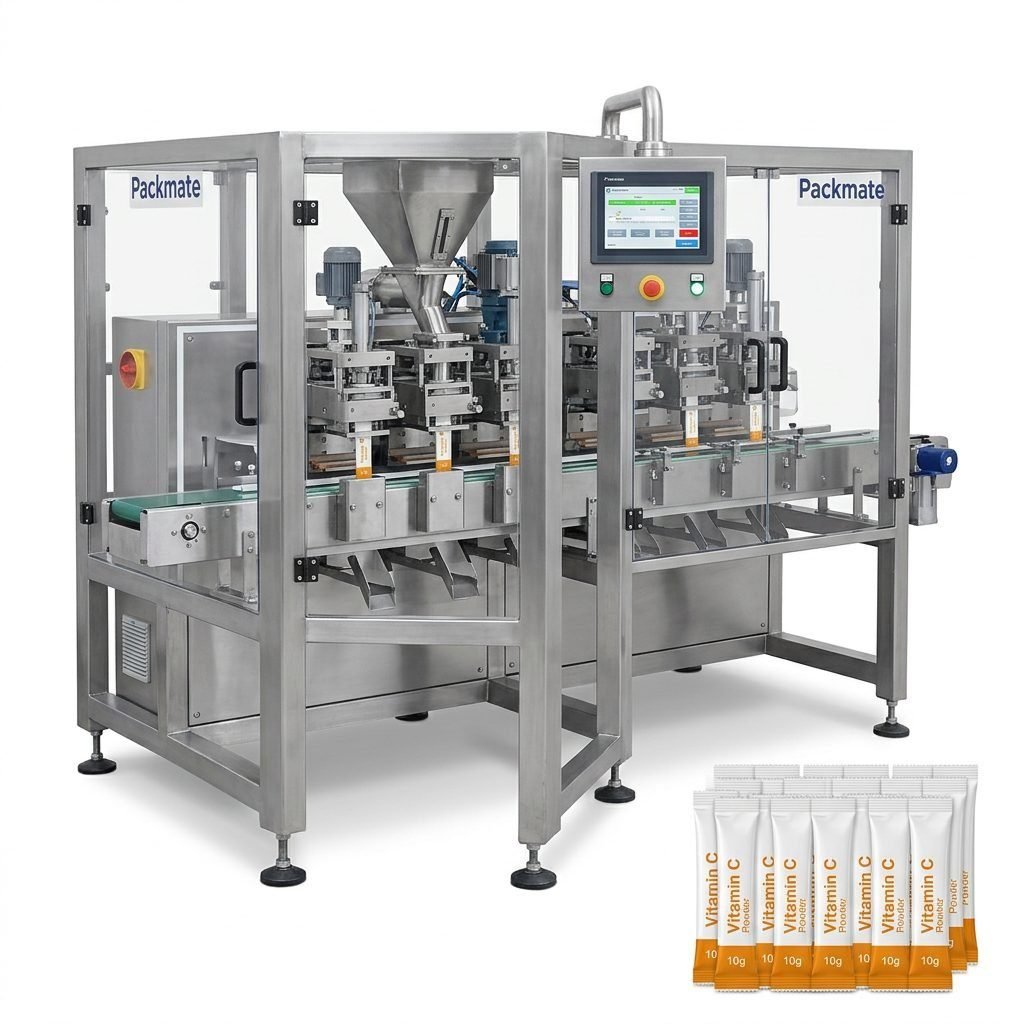
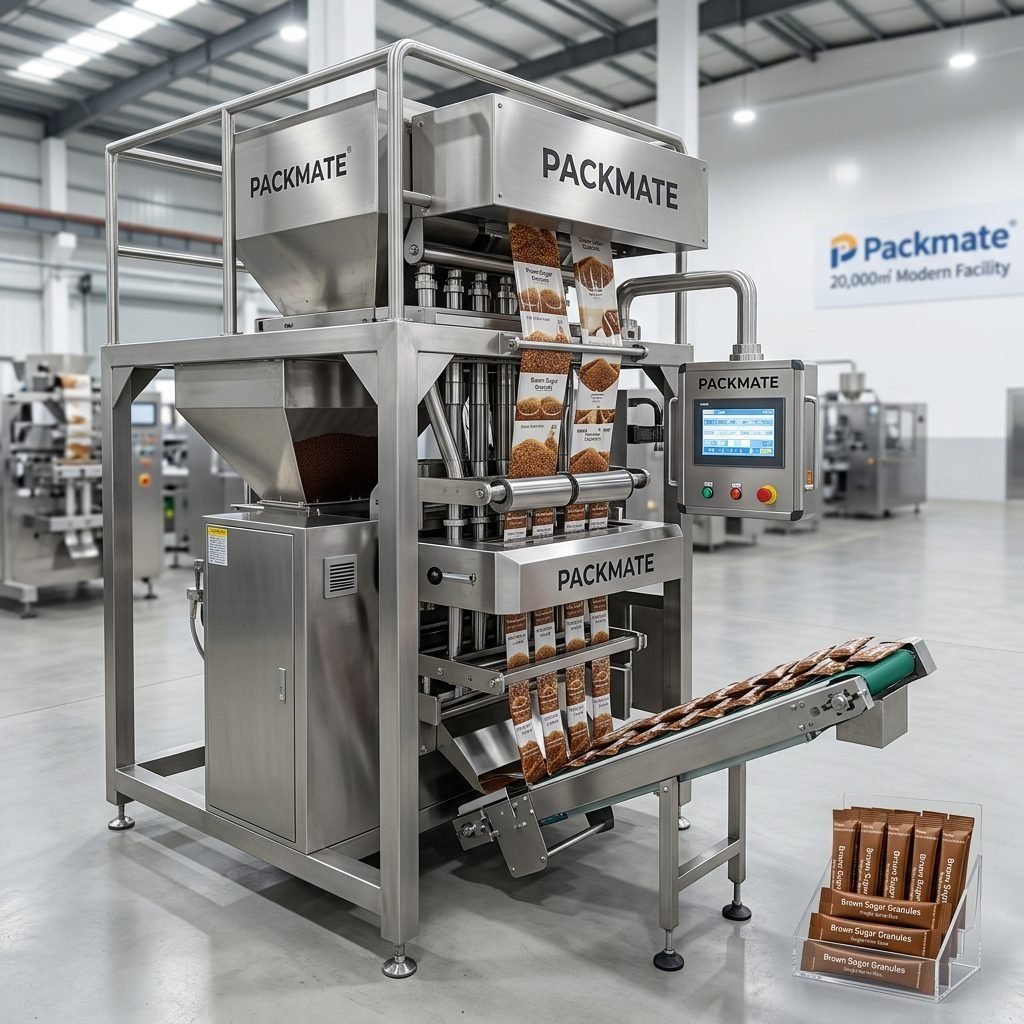
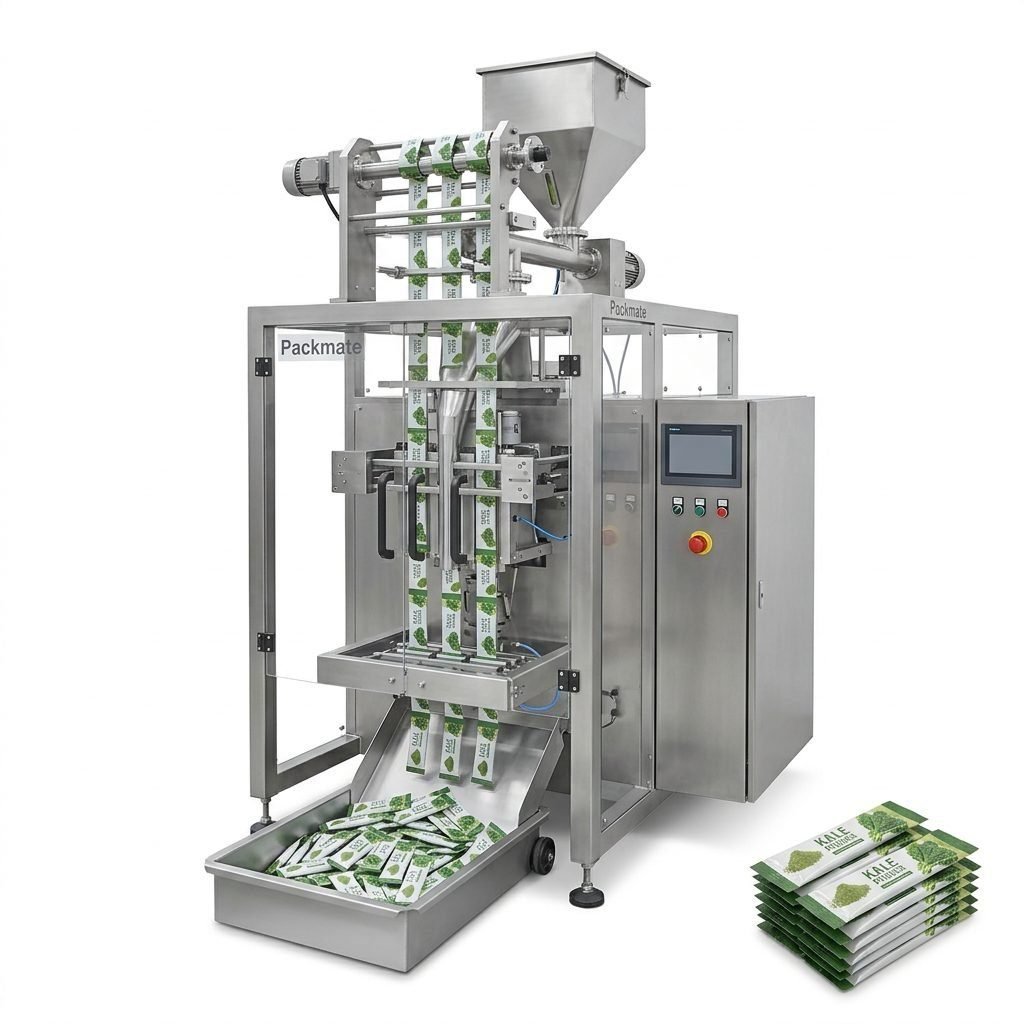
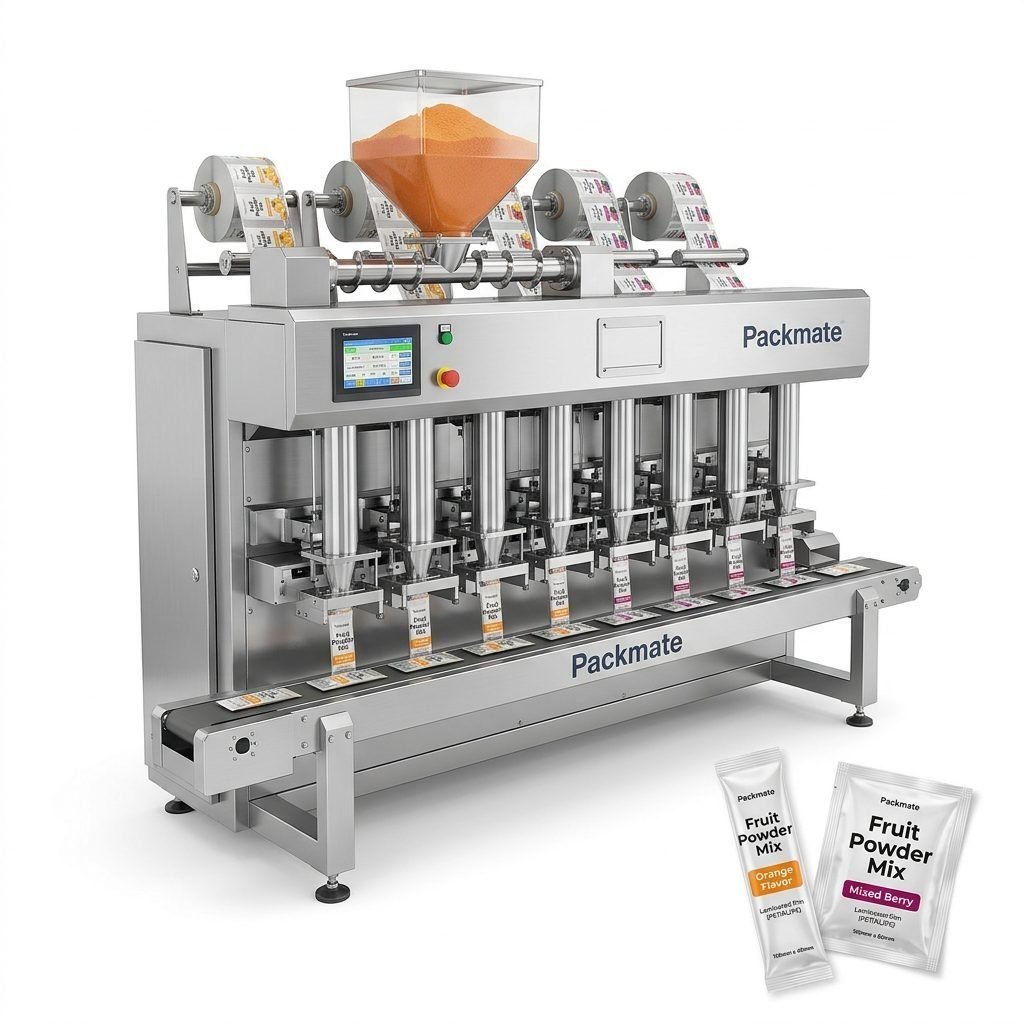
Companies such as Packmate Machinery and PacklineOEM, which list the Middle East as a key export market, have likely already navigated these regional specifics, making them potentially more reliable partners.
Technical Capabilities: From Standard Machines to Turnkey Lines
The core of your decision lies in technical fit. Manufacturers offer a spectrum of solutions, from standalone machines to fully integrated lines.
| Solution Type | Best For | Key Consideration |
|---|---|---|
| Standalone Packaging Machine | Businesses adding a single packaging step or with limited space/budget. | Machine versatility and ease of integration with existing conveyors. |
| Customized / Non-Standard Machine | Unique product shapes, sensitive materials, or specific OEM requirements. | Manufacturer’s engineering flexibility and prototyping capability. |
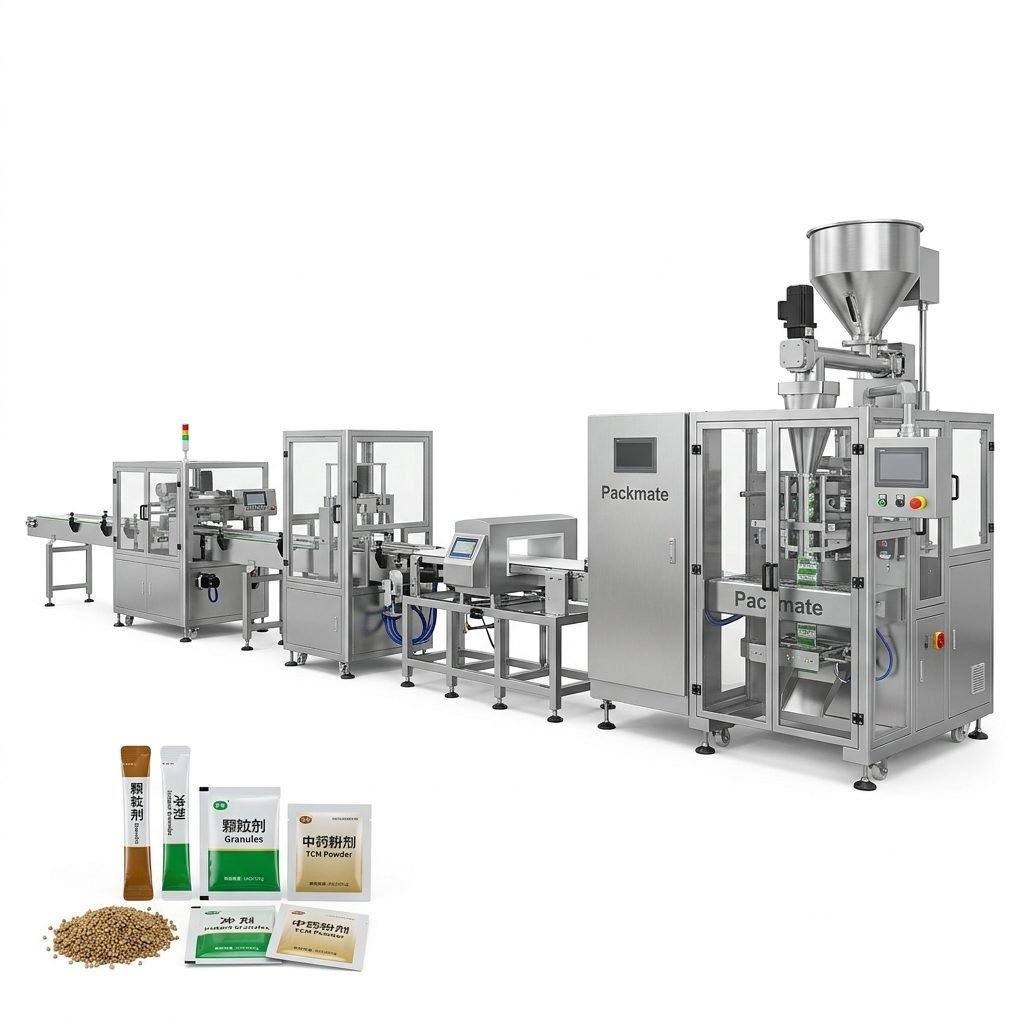
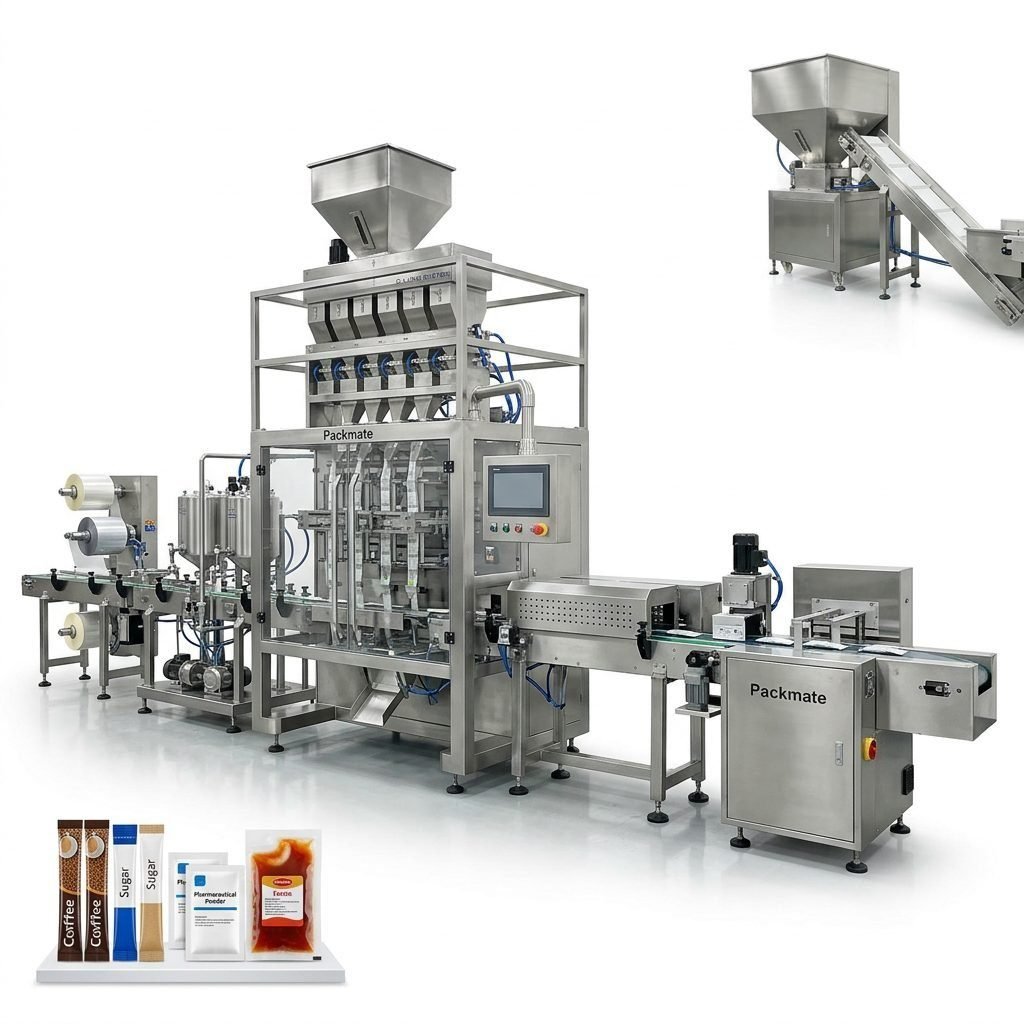
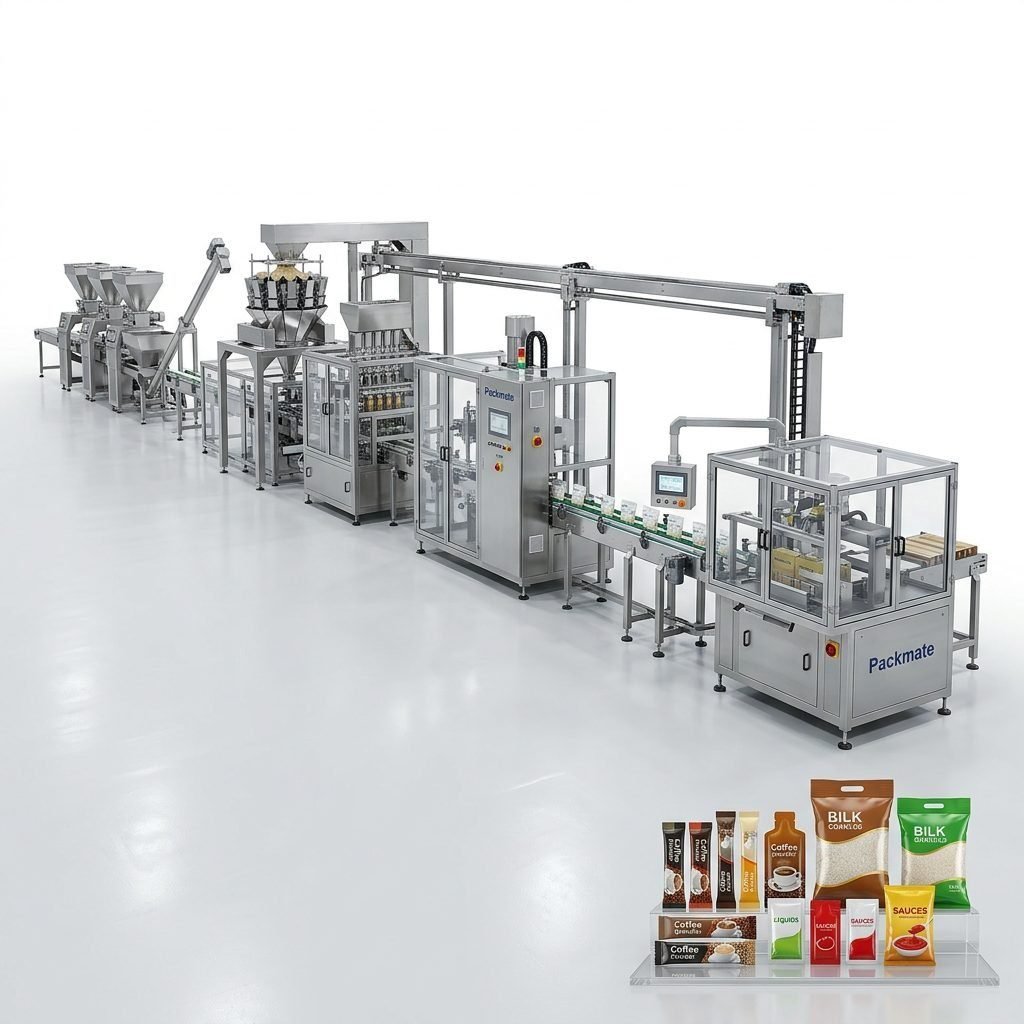
| Complete Turnkey Packaging Line | Greenfield projects or major upgrades seeking full automation from feeding to cartoning. | Project management skill, line synchronization, and single-point accountability. |
For example, if your business is in the rapidly growing nicotine pouch sector, a specialized manufacturer like SnusMachinery offers targeted expertise in high-speed, multi-lane pouch packaging with the precision required for such products. Conversely, if you need a completely hands-off production line for powdered supplements, a turnkey specialist like PacklineOEM would be a strong candidate.
Assessing Quality, Support, and Total Cost of Ownership
The initial machine price is just one part of the financial equation. The Total Cost of Ownership (TCO) includes installation, training, maintenance, spare parts, energy consumption, and potential downtime costs.
Critical Support Questions to Ask:
1. What is the warranty period and what does it cover?
2. What is the typical lead time for critical spare parts to the Middle East?
3. Do you provide comprehensive installation and commissioning supervision, either on-site or remotely?
4. Is operator and maintenance training included, and is it available in English or Arabic?
5. Can you provide remote diagnostic support?
Quality is directly linked to TCO. A machine built with robust components and precision machining, like those from established manufacturers with large factories (e.g., 20,000+ sqm facilities mentioned for Ludyway, Packmate, etc.), will generally have longer lifespan and fewer breakdowns. Request videos of the machine running with a product similar to yours, and if possible, arrange to visit the factory in person or attend a live video demonstration.
The Importance of Customization and Future-Proofing
The Middle Eastern market is not static. Your packaging needs may evolve due to new product launches, changing consumer trends, or scaling production. Partnering with a manufacturer that offers customization is crucial for future-proofing your investment.
This could mean the ability to switch between pouch sizes easily, add a date coder, integrate a checkweigher, or upgrade to a multi-lane system later. Manufacturers like PackingMachineOEM, which position themselves on non-standard and customized solutions, are inherently structured to accommodate such changes. Discuss your 3-5 year business plan with potential suppliers and gauge their ability to support your growth journey with scalable solutions.
Conclusion and Final Decision Framework
Choosing the right partner in the Middle East requires balancing technical specifications with practical support realities. Prioritize manufacturers with demonstrable regional experience, robust after-sales support structures, and the technical flexibility to meet your specific needs both today and tomorrow. By conducting thorough due diligence—evaluating credentials, analyzing TCO, and insisting on product demonstrations—you will secure a packaging solution that enhances your competitiveness and reliability in this fast-paced market.
Frequently Asked Questions (FAQs)
Q1: How important are local spare parts and service for packaging machines in the Middle East?
A: Extremely important. Having local access to spares and technicians can reduce downtime from weeks to days or hours. Always verify the manufacturer’s local support network before purchasing.
Q2: Can packaging machines from China be adapted for the voltage and climate in Gulf countries?
A: Reputable exporters routinely configure machines for the destination market’s voltage (e.g., 220-240V/50Hz in the Middle East) and can recommend appropriate cooling systems or protective finishes for hot, dusty environments.
Q3: What is the typical lead time for receiving a packaging machine in the Middle East?
A: Lead times vary from 30-90 days for standard machines to 4-8 months for complex custom or turnkey lines, depending on the manufacturer’s order book and the complexity of the project. This includes production, testing, and sea freight.
Q4: Is it better to buy a single machine or a full turnkey line?
A: It depends on your automation goals and budget. A single machine is suitable for semi-automation. A turnkey line is better for maximizing efficiency, reducing labor, and ensuring consistency in large-scale, fully automated production. Companies like Ludyway and PacklineOEM offer both options.
Q5: How do I verify a manufacturer’s claims about their experience in the Middle East?
A: Ask for specific project references with contact information, request to see certificates of shipment to Middle Eastern ports, and check if they have participated in regional trade fairs like Gulfood or Saudi Plast. Independent online reviews and B2B platform histories can also provide clues.