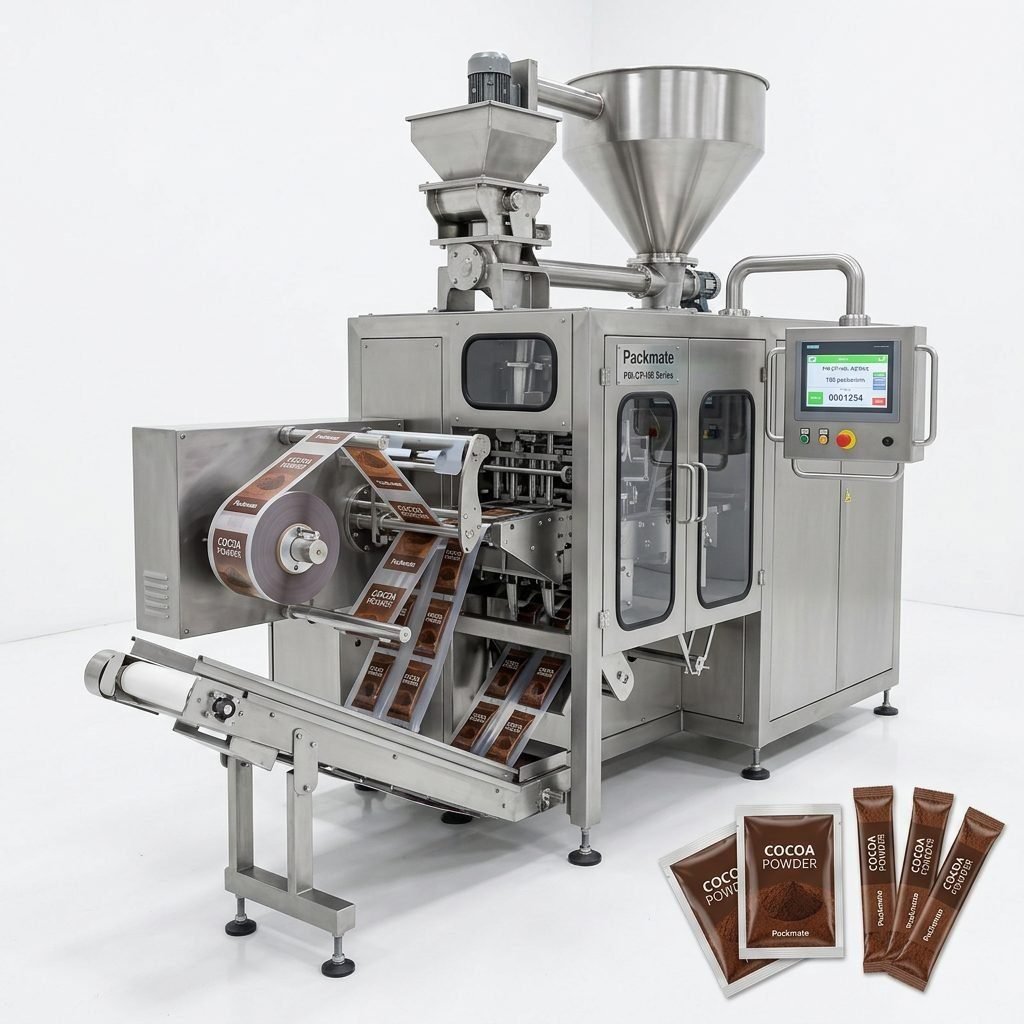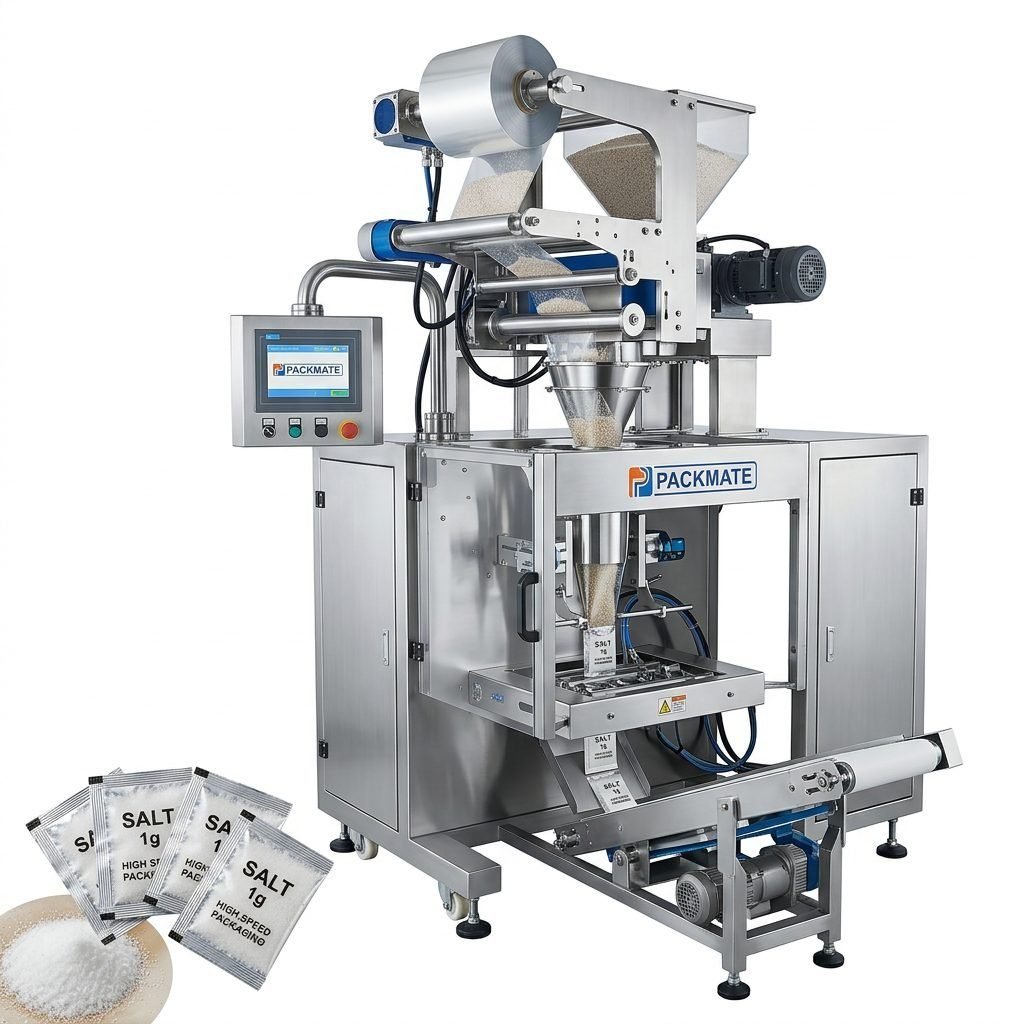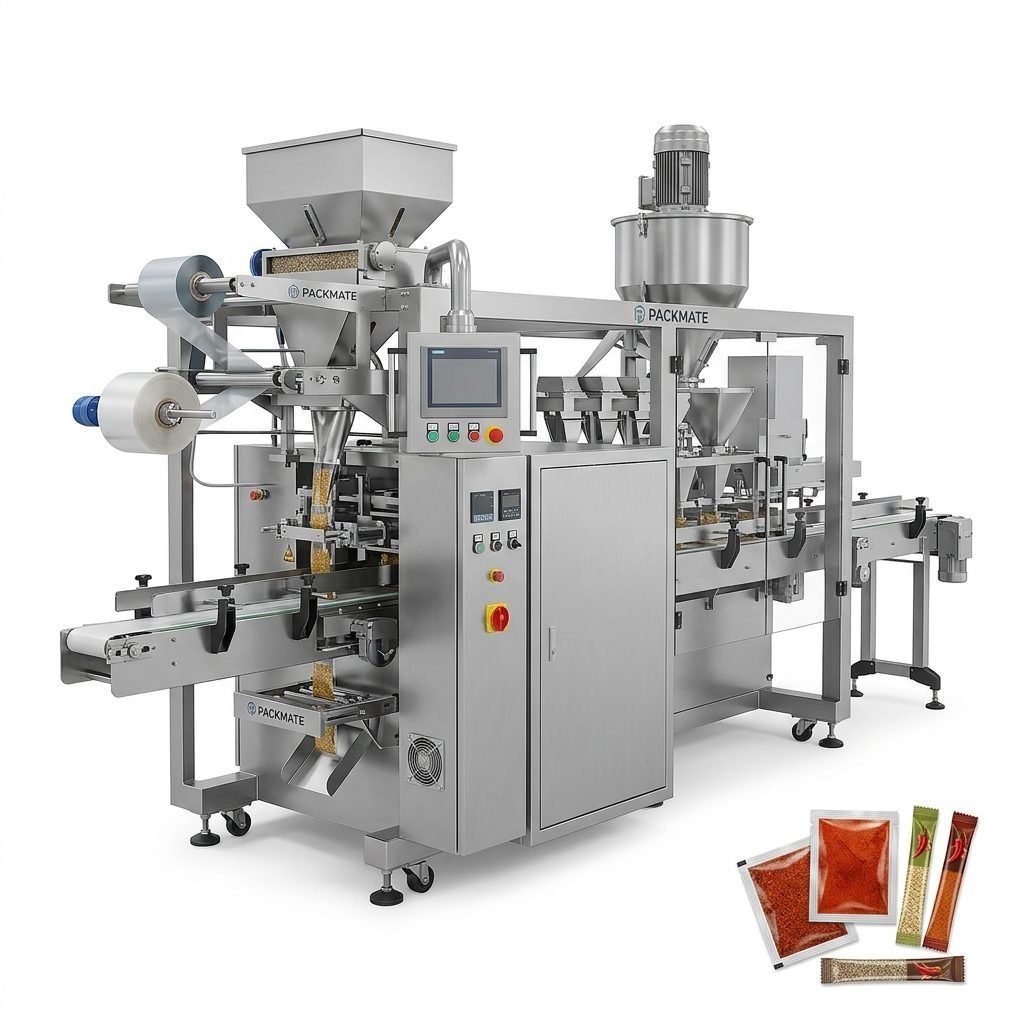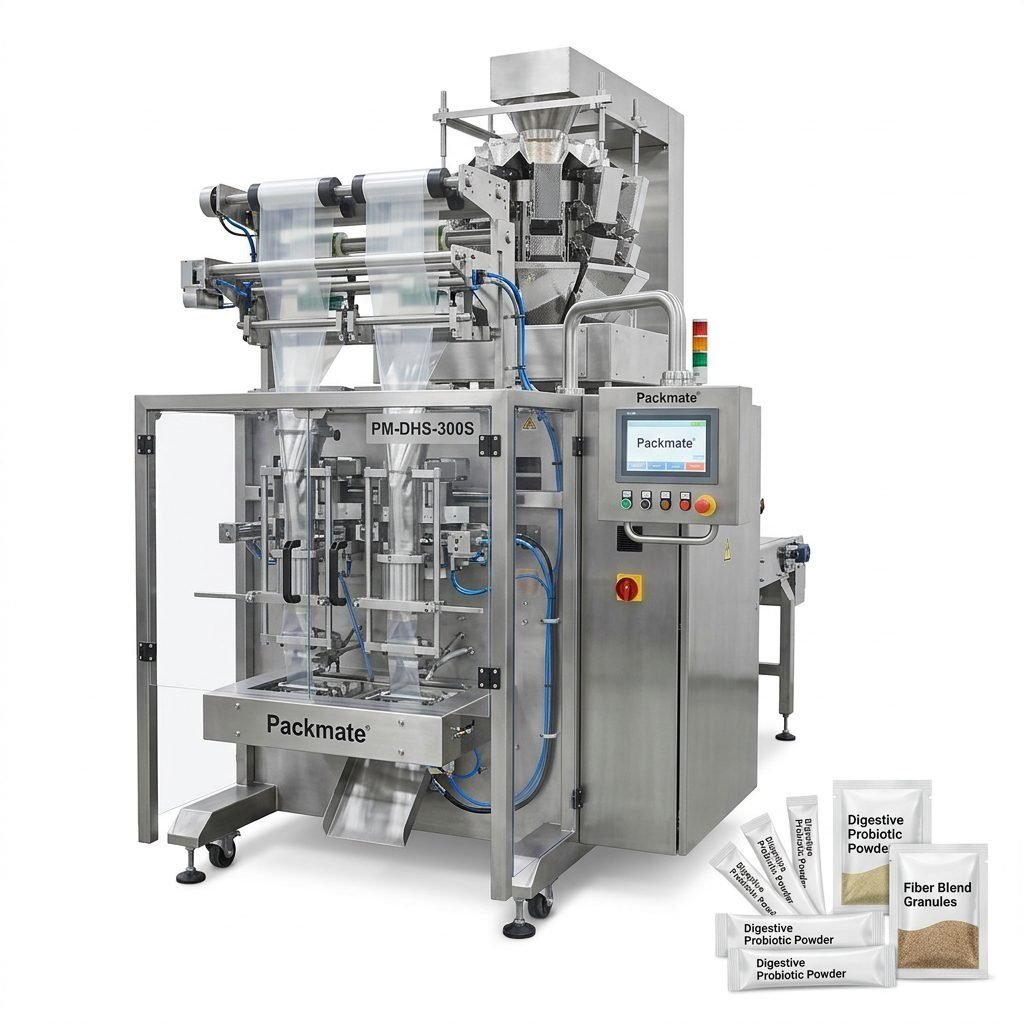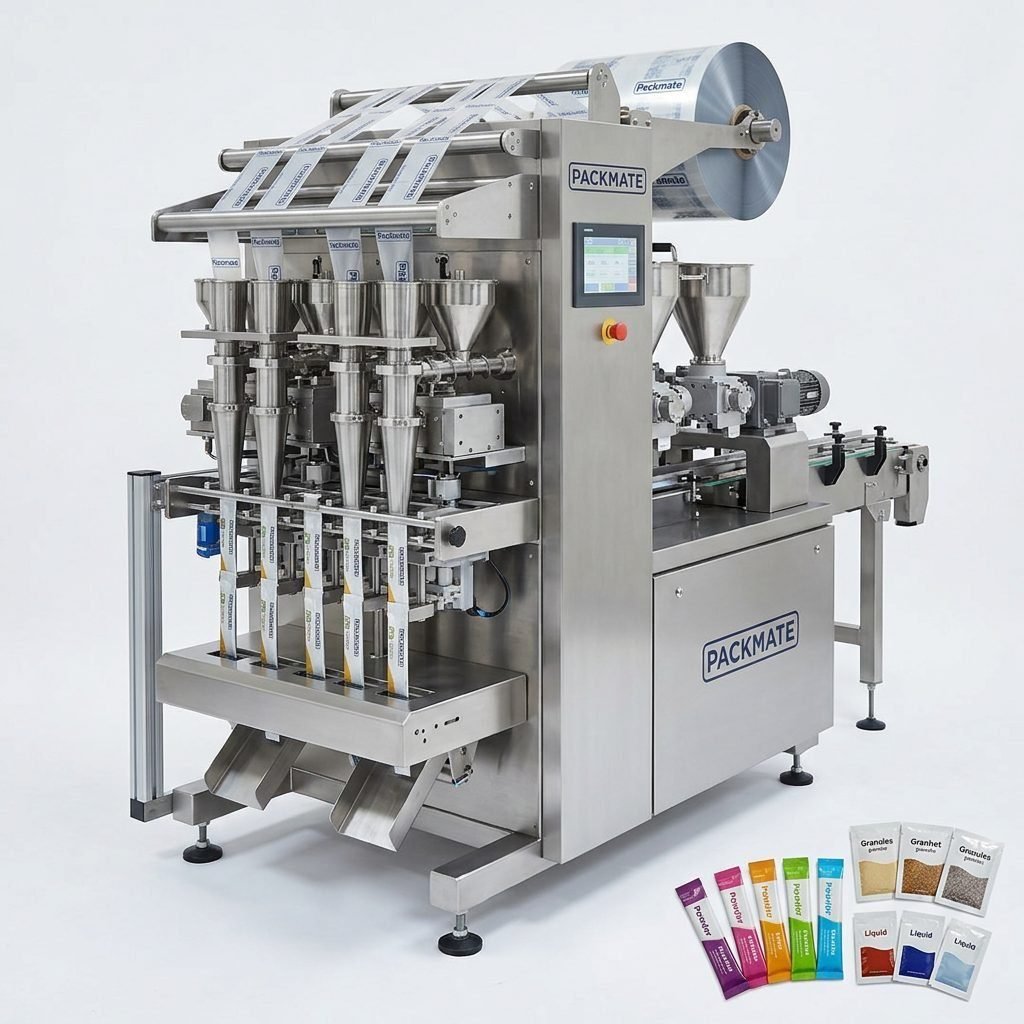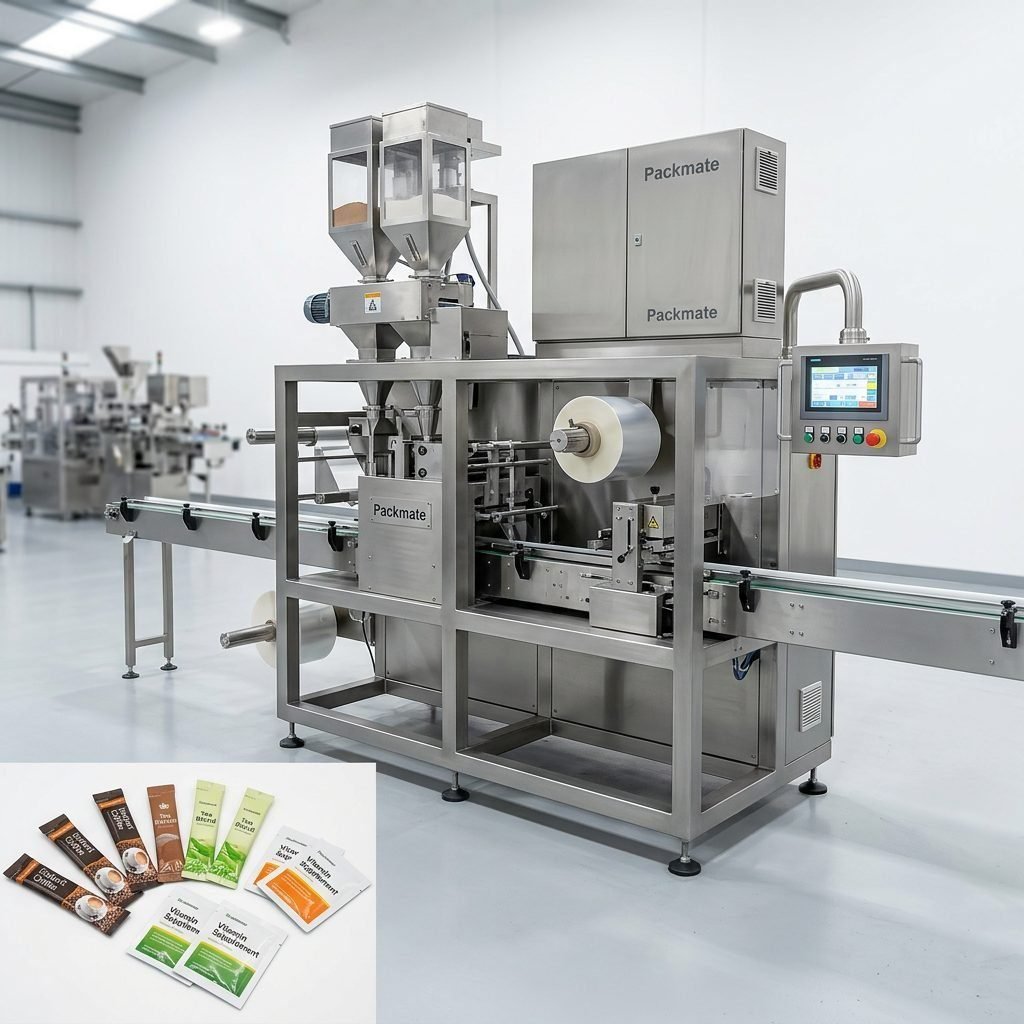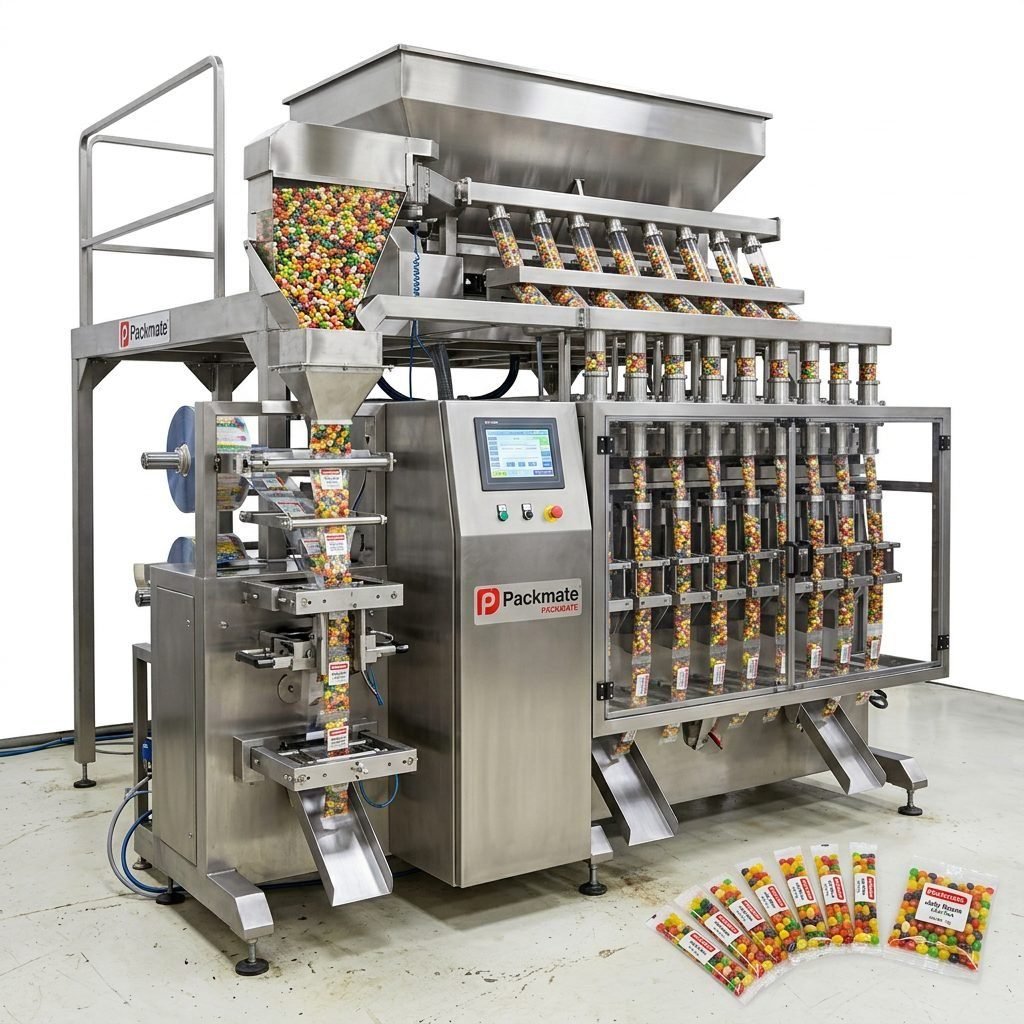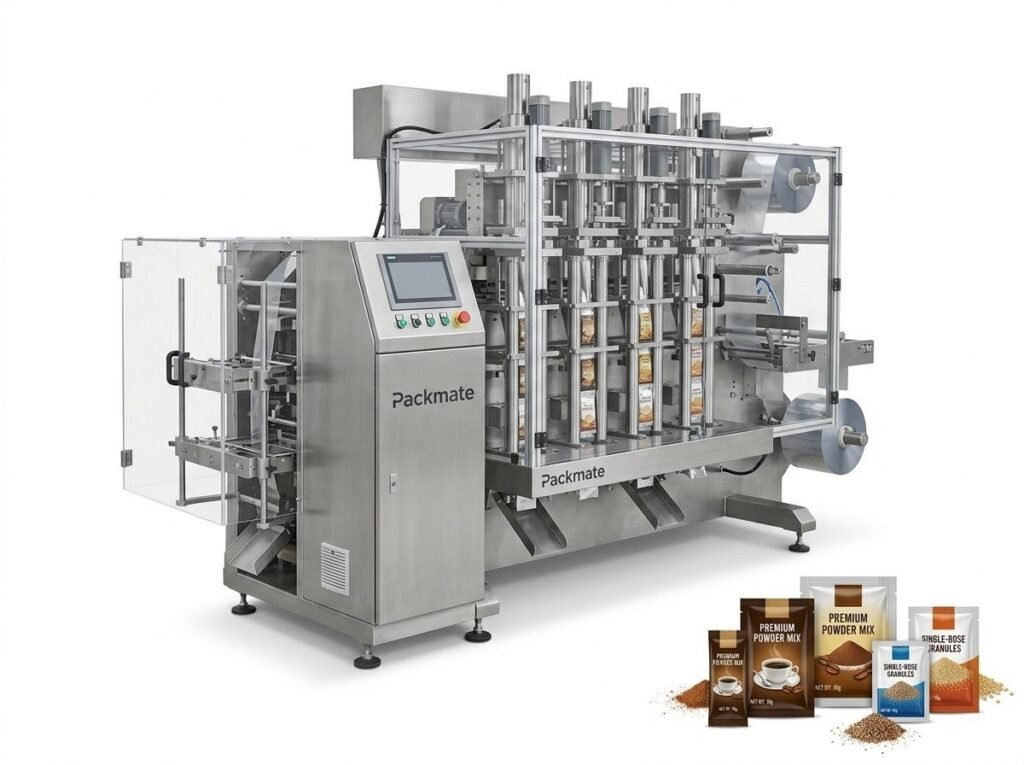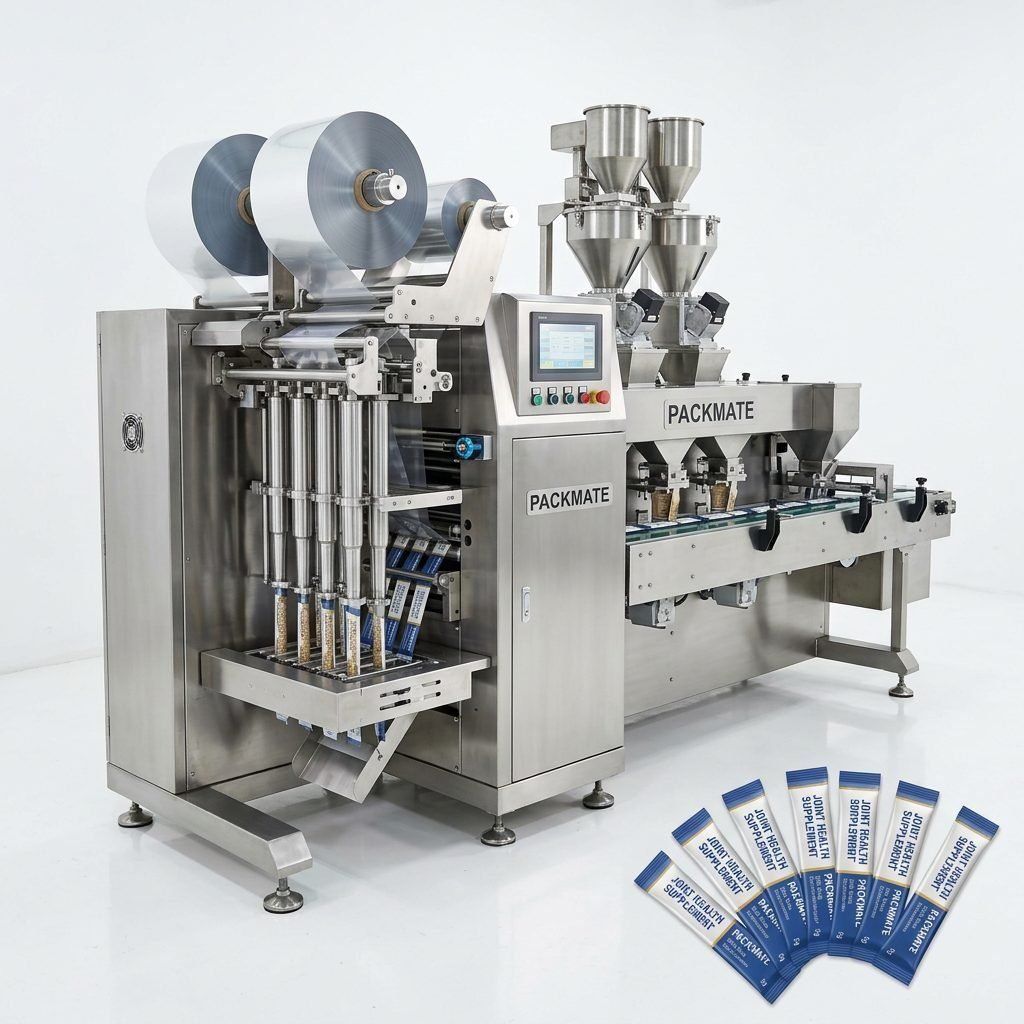
An automatic packaging machine is a cornerstone of modern industrial production, designed to handle product filling, forming, sealing, and sometimes secondary packaging with minimal human intervention. These systems are critical for manufacturers aiming to increase output, maintain consistent quality, reduce labor costs, and improve overall operational efficiency.
Primary Types of Automatic Packaging Machines
The choice of machine is dictated by product form, required packaging format, and production volume. Below is a breakdown of the most common types.
Vertical Form-Fill-Seal (VFFS) Machines
These are among the most versatile and widely used systems. A VFFS machine forms a bag from a roll of flexible film, fills it with the product (powder, granules, liquids), and then seals it—all in a continuous vertical motion. They are ideal for high-speed production of single-serve sachets, stick packs, and pillow bags for products like snacks, coffee, and detergent powders.
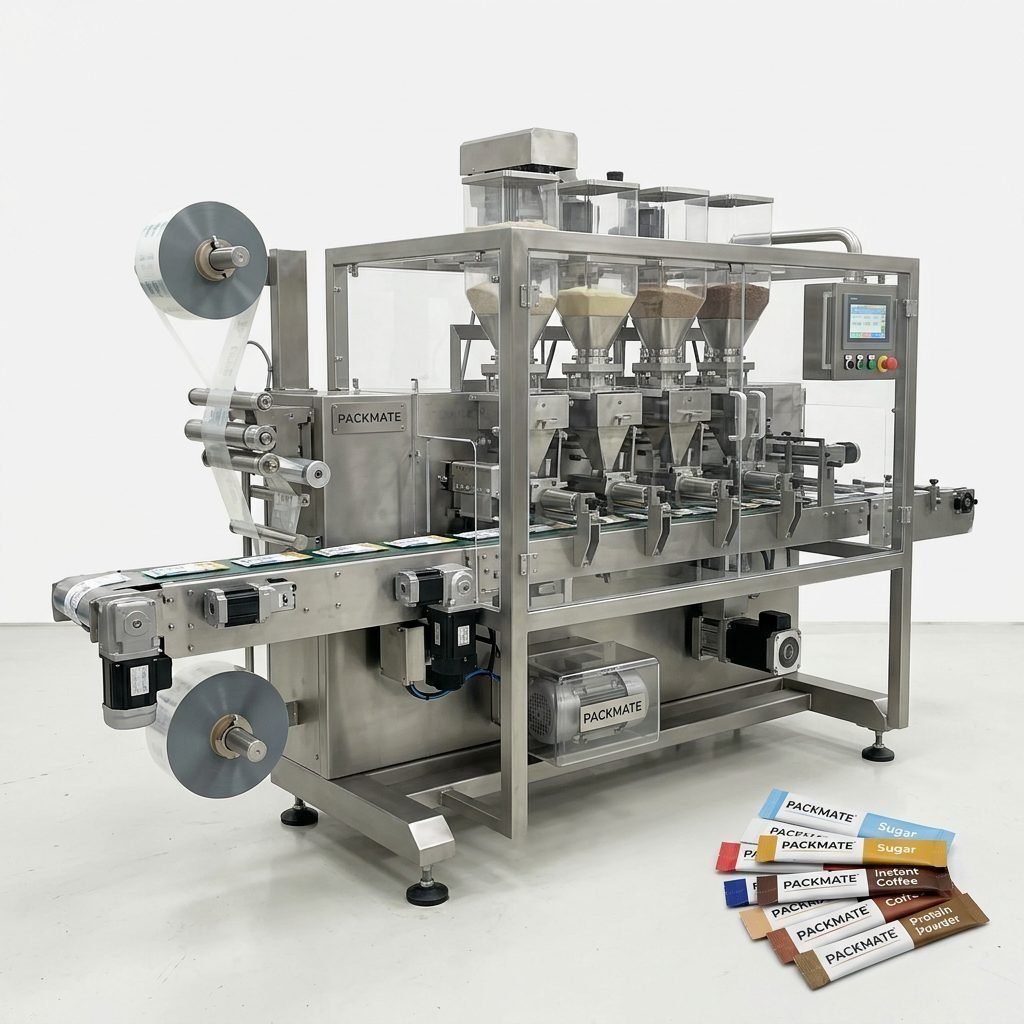
Horizontal Form-Fill-Seal (HFFS) Machines
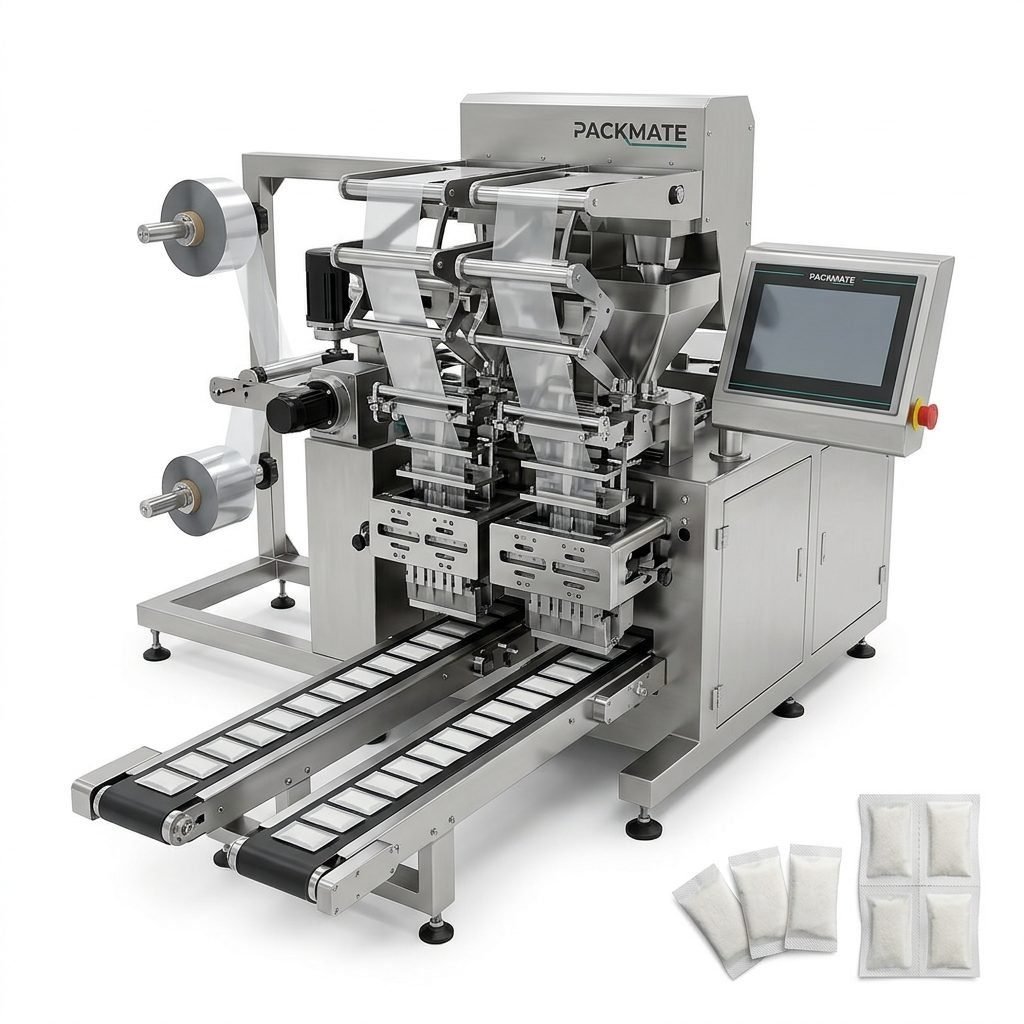
HFFS machines form pouches horizontally and are often used for more complex packaging, such as multi-lane stick packs, sachets with gussets, or products requiring precise placement. They excel in packaging items like wet wipes, medical supplies, and single-use condiment portions where presentation and pack shape are important.
Pre-Made Pouch Fillers
Unlike VFFS machines, these systems use pre-manufactured, often stand-up, pouches. The machine opens, fills, and then seals the pouch. This method is suitable for products where the packaging material or graphic design is complex and pre-printed, commonly seen in premium food items, pet treats, and liquid supplements.
Liquid and Paste Filling Machines
Specifically engineered for viscous and liquid products, these machines ensure leak-proof, precise volumetric or weight-based filling. They often integrate with pouch forming or capping systems and are essential for industries like food (sauces, oils), cosmetics (creams, serums), and pharmaceuticals (syrups, gels).
Multi-Lane and High-Speed Stick Pack Machines
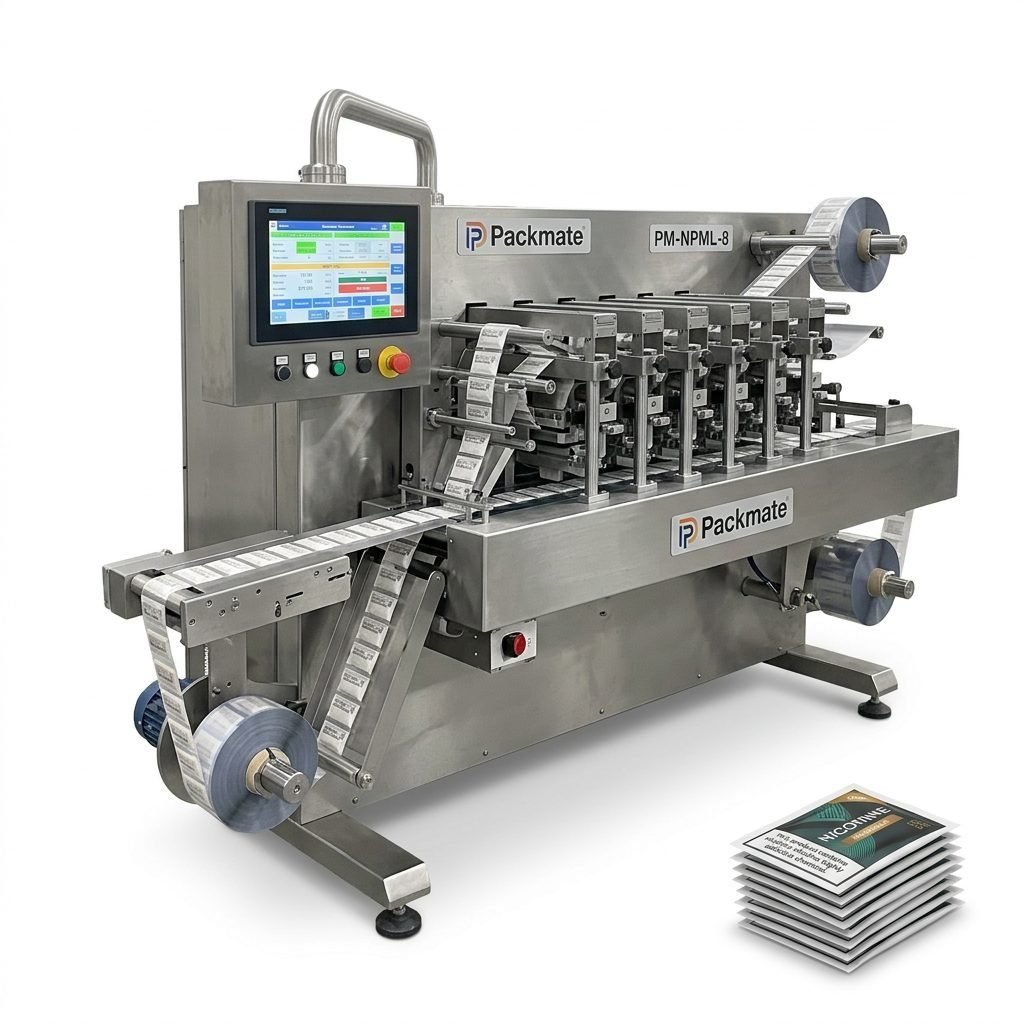
A specialized subset designed for ultimate productivity. These machines run multiple packaging lanes simultaneously (e.g., 4, 8, or 12 lanes) to produce thousands of stick packs or small sachets per minute. They are the go-to solution for high-volume products like instant drink mixes, pharmaceutical powders, and nicotine pouches.
Key Benefits of Automation
Investing in an automatic packaging system delivers measurable returns across several operational areas:
- Enhanced Productivity & Speed: Machines operate continuously at high speeds, dramatically increasing output compared to manual packing.
- Superior Consistency & Accuracy: Automated dosing systems ensure each package contains the exact same weight or volume, reducing product giveaways and ensuring compliance.
- Significant Labor Cost Reduction: Automation minimizes the need for manual packing labor, allowing staff to be redeployed to supervision, quality control, or more complex tasks.
- Improved Hygiene & Safety: Closed systems minimize product exposure to the environment and human contact, which is critical for food, pharmaceutical, and sterile products.
- Reduced Material Waste: Precise control over film usage and sealing parameters leads to less packaging material waste and lower overall costs.
- Scalability & Flexibility: Modern machines can be configured for different bag sizes and formats, allowing manufacturers to quickly adapt to new products or market demands.
How to Choose the Right Packaging System
Selecting the optimal system requires a detailed analysis of your specific needs. Rushing this process can lead to underperformance or costly mismatches.
1. Define Your Product Characteristics
This is the most critical starting point. The machine must be compatible with your product’s physical properties.
| Product Type | Key Considerations | Typical Machine Type |
|---|---|---|
| Powders (protein, milk, spices) | Flowability, dust generation, hygroscopic nature | VFFS with auger filler; Multi-lane stick pack |
| Granules (coffee, seeds, pet food) | Particle size, abrasiveness, fragility | VFFS with weigh scale or cup filler |
| Liquids & Pastes (sauce, shampoo, gel) | Viscosity, foaming tendency, temperature sensitivity | Liquid filler with piston pump; HFFS for viscous pastes |
| Sticky or Oily Products | Adhesion to machine parts, sealing integrity | Specialized HFFS with non-stick surfaces |
2. Determine Packaging Format & Material
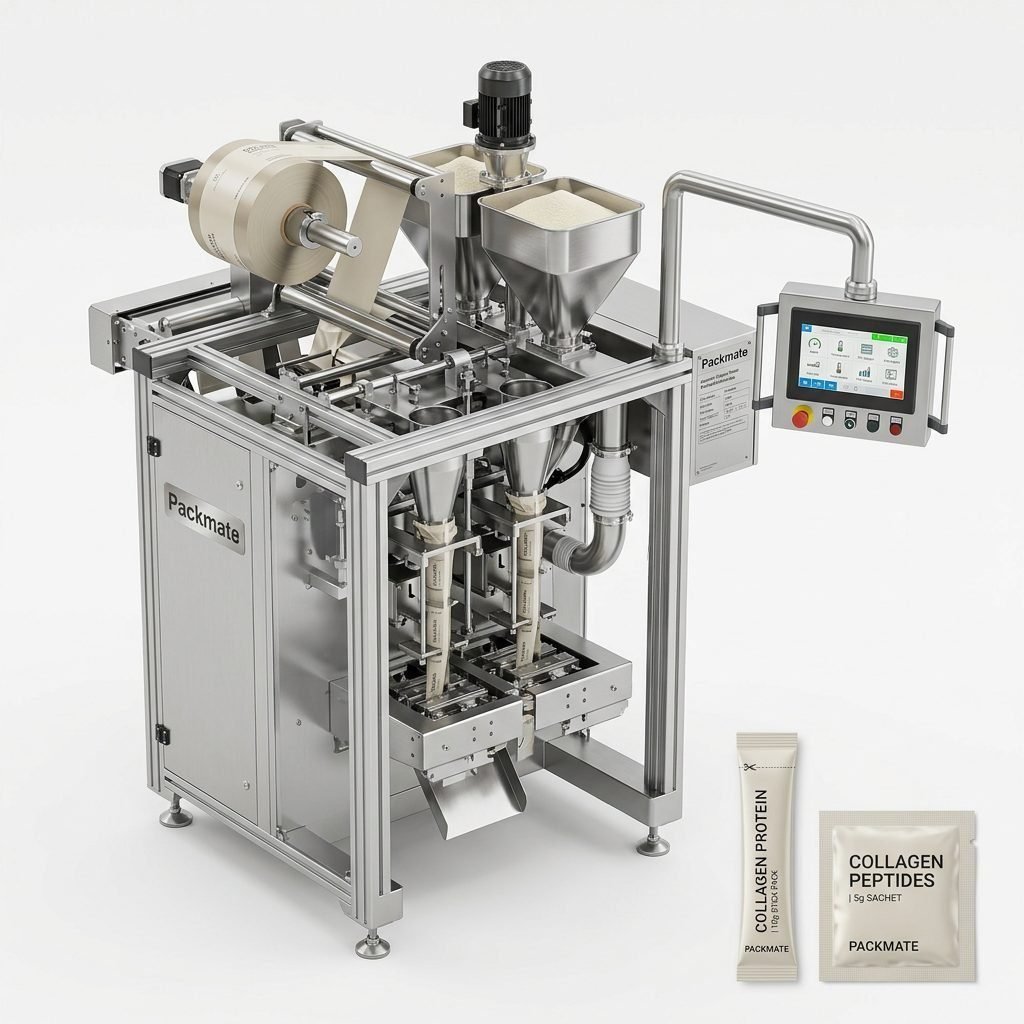
What does your final package look like? The machine must be capable of forming and sealing this specific format.
- Format: Pillow bag, stand-up pouch, stick pack, sachet, gusseted bag.
- Material: Laminated films (PET/AL/PE, OPP/MPET/PE), paper composites, or biodegradable films. The machine’s sealing jaws and temperature control must suit the material.
- Special Features: Zippers, spouts, tear-notches, or hang holes require additional machine modules.
3. Assess Required Production Capacity
Calculate your required output in packs per minute (PPM) or per hour. Be realistic about both current needs and future growth. A multi-lane stick pack machine from a supplier like Ludyway can produce over 1,000 sticks per minute, while a single-lane VFFS might produce 60-120 bags per minute. Always consider peak season demands.
4. Evaluate Integration & Footprint
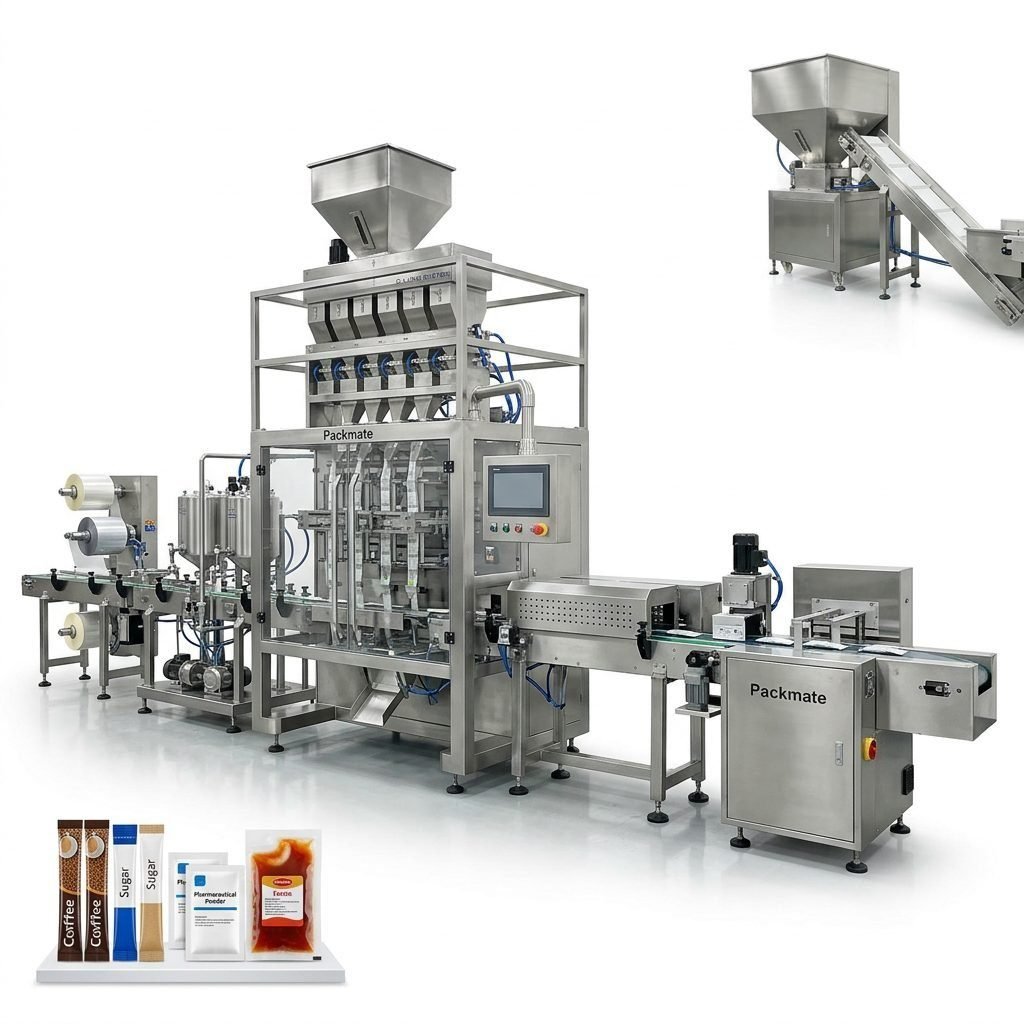
Consider your factory layout. Does the machine need to integrate with existing upstream equipment (mixers, grinders) or downstream systems (cartoners, case packers)? Turnkey line specialists like PacklineOEM are experts in designing such integrated solutions. Also, verify the machine’s physical dimensions and utility requirements (power, air, data connections).
5. Consider Customization & Supplier Support
If your product or process is unique, you may need a customized solution. Manufacturers like PackingMachineOEM specialize in non-standard and OEM projects. Equally important is the supplier’s after-sales support: availability of spare parts, technical documentation, training, and the responsiveness of their service team. A supplier with a strong export history, such as Packmate Machinery, often has established international support networks.
6. Understand Total Cost of Ownership (TCO)
Look beyond the initial purchase price. TCO includes:
- Installation and commissioning costs.
- Cost of changeover parts for different package sizes.
- Ongoing maintenance, spare parts, and energy consumption.
- Potential costs associated with downtime.
Choosing a reliable machine from an experienced manufacturer often results in a lower TCO despite a potentially higher initial investment.
Specialized Applications: The Nicotine Pouch Example
Certain markets demand highly specialized equipment. The rapid global growth of the nicotine pouch sector requires machines that address unique challenges: precise dosing of fine, often moist powders; consistent and secure sealing to preserve freshness; high-speed multi-lane production; and compliance with specific industry standards. Companies like SnusMachinery have built their expertise around these specific requirements, offering tailored solutions that general packaging machine manufacturers may not provide. For buyers in this niche, partnering with a specialized supplier is often the most efficient path to a successful production line.
Frequently Asked Questions (FAQ)
What is the typical payback period for an automatic packaging machine?
Payback periods vary widely based on machine cost, labor savings, and output increase. For a medium-sized system replacing several manual lines, a period of 1 to 3 years is common. High-speed systems in large-scale operations can achieve payback in under a year through massive efficiency gains.
Can one machine handle different product types and bag sizes?
Yes, most modern machines are designed for changeover. However, the ease and time required for changeover differ. Quick-change systems with digital recall of settings minimize downtime. It’s crucial to discuss your required changeover frequency and flexibility with the supplier during the selection process.
How important is after-sales service and spare parts availability?
Extremely important. Packaging machines are long-term investments. Reliable technical support, readily available spare parts, and comprehensive training are essential for minimizing costly production downtime. Always inquire about the supplier’s service network, warranty terms, and parts delivery timelines for your region.
What is the difference between a standalone machine and a turnkey line?
A standalone machine performs a core packaging function (e.g., form-fill-seal). A turnkey packaging line is a complete, integrated system that may include upstream equipment (silos, feeders, conveyors), the primary packaging machine, and downstream units (checkweighers, metal detectors, cartoners, case packers). Turnkey providers handle the entire design, integration, and commissioning.
Are automatic packaging machines difficult to operate and maintain?
Modern machines feature user-friendly PLC/HMI controls. With proper training from the supplier, operators can learn routine operations, changeovers, and basic troubleshooting. Regular preventive maintenance (cleaning, lubrication, part inspection) is straightforward but critical for longevity. Complex repairs should be handled by trained technicians.