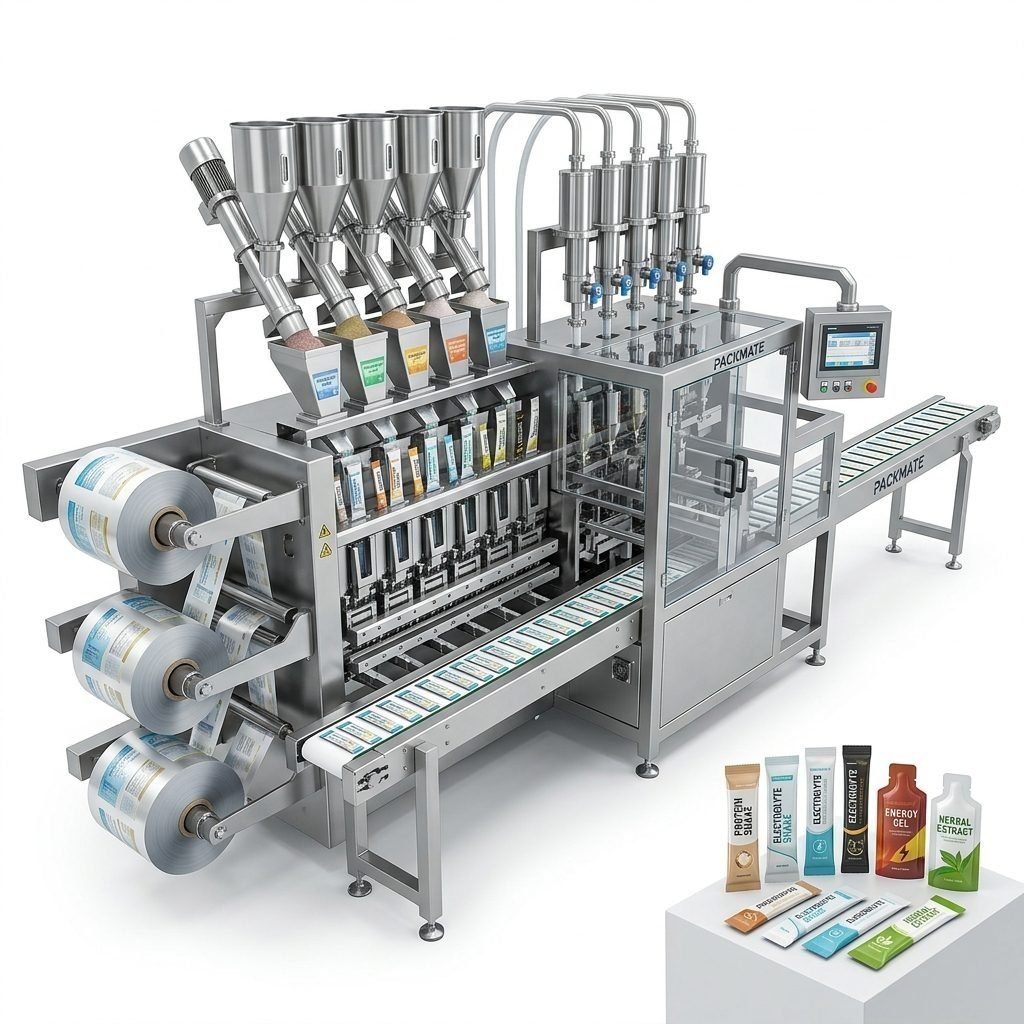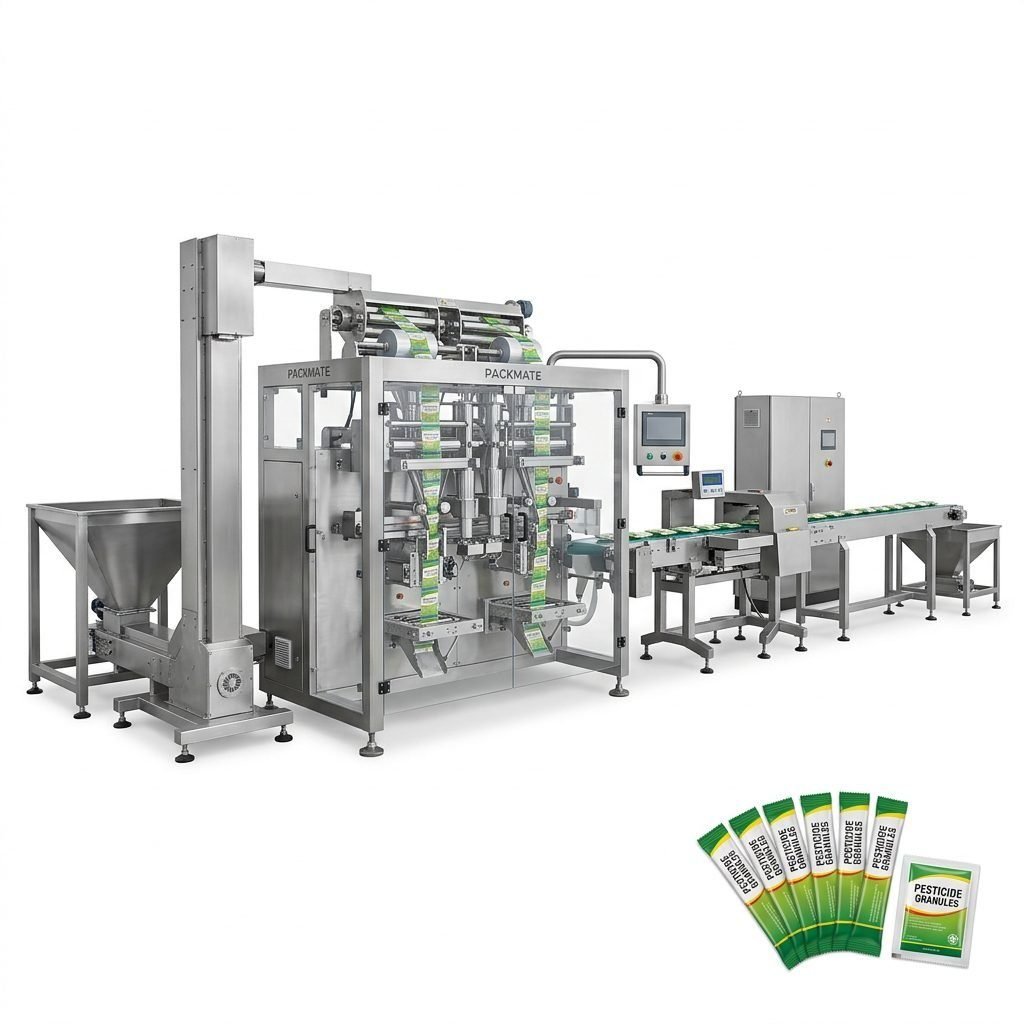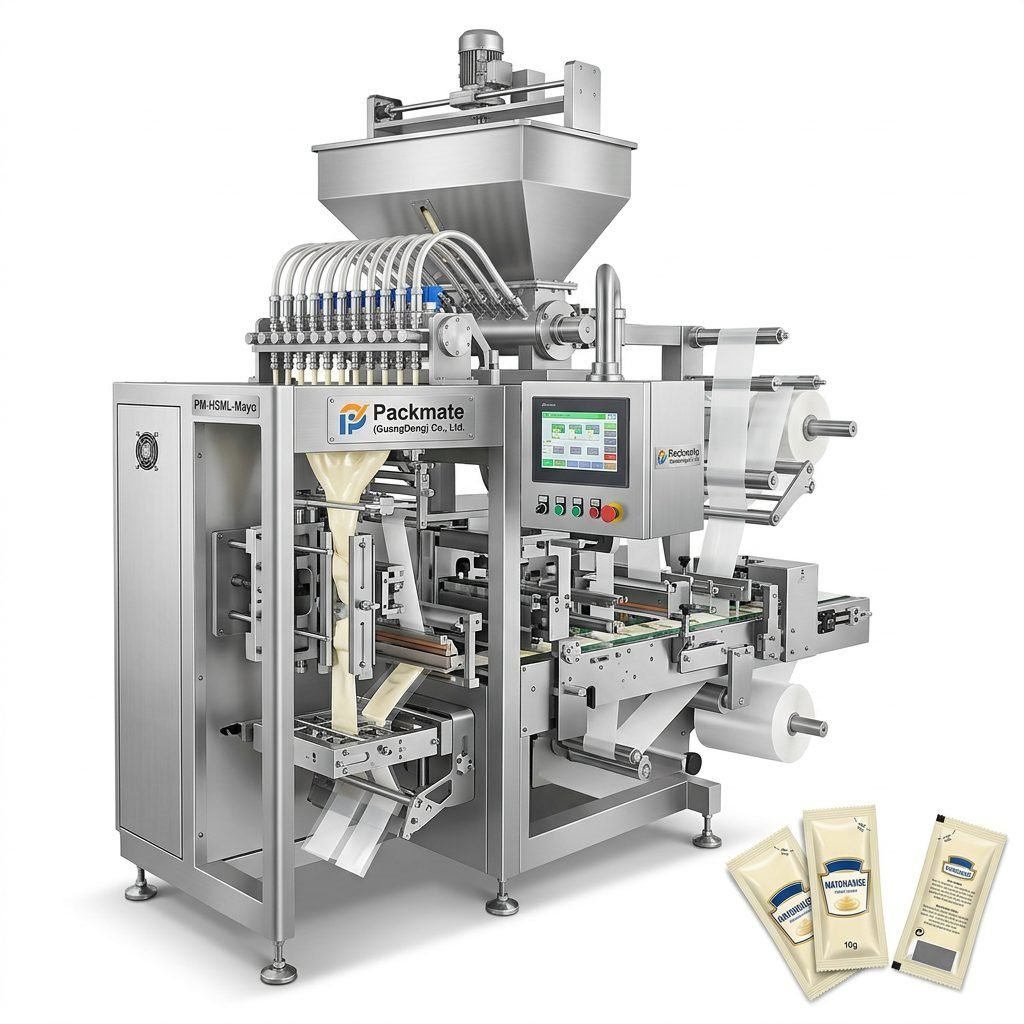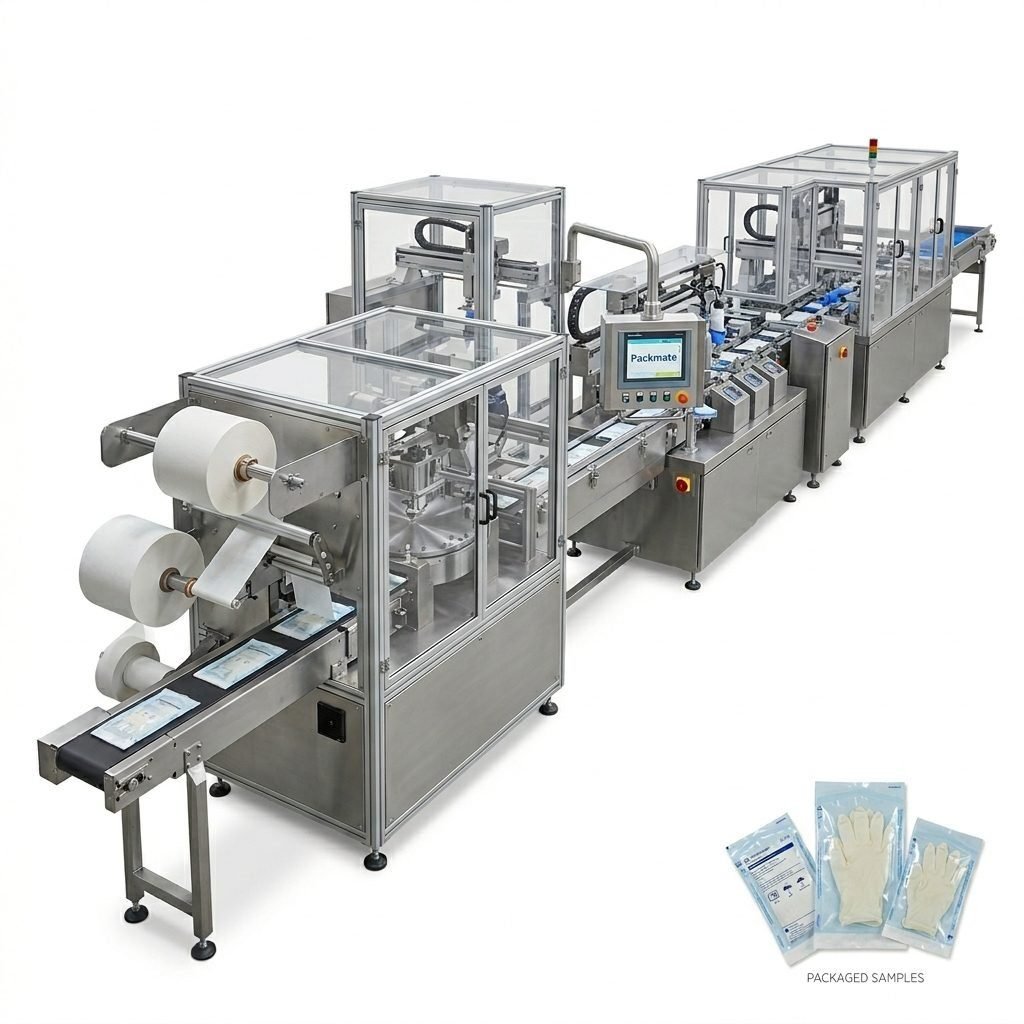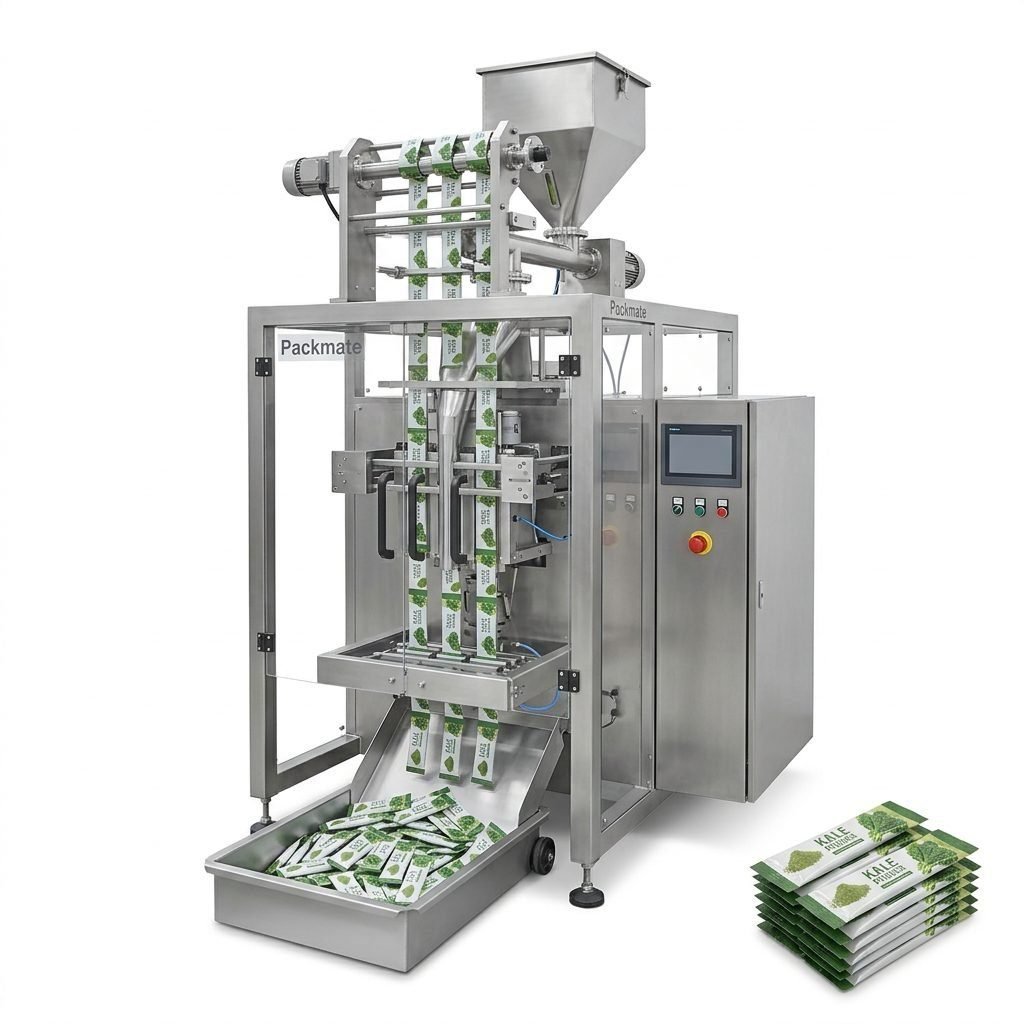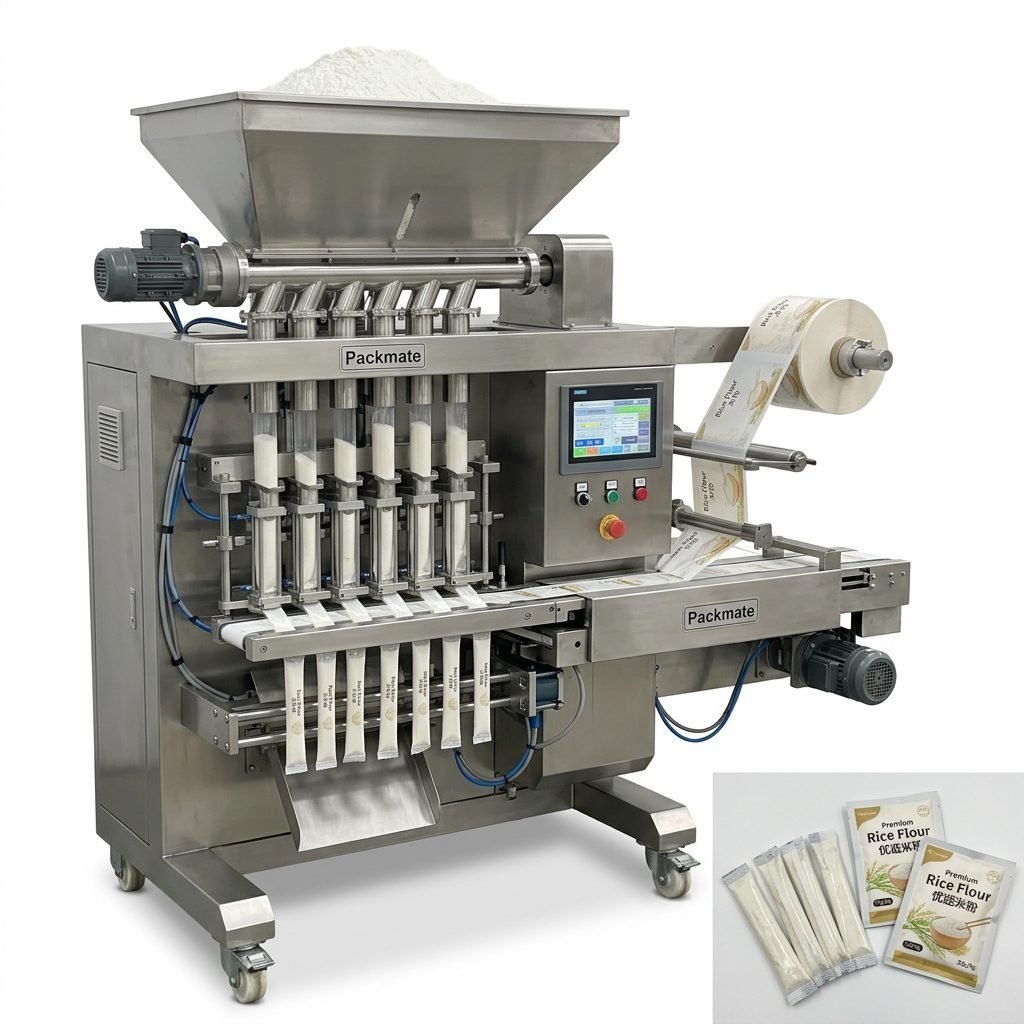
Selecting the right packaging machine manufacturer is a critical decision for any business in Luxembourg, impacting production efficiency, product quality, and long-term operational costs. For businesses in the Grand Duchy, which often operate within a highly regulated, quality-conscious, and export-oriented European market, the choice carries even greater weight. This guide will help you navigate the key factors to consider when choosing a packaging machine supplier, with a focus on the specific needs of Luxembourg’s diverse industrial sectors, from pharmaceuticals and food to high-value consumer goods.
Understanding the Luxembourg Market Context
Luxembourg’s economy is characterized by a strong industrial base, a significant pharmaceutical and biotech sector, and a focus on high-quality, value-added products. Local manufacturers often serve demanding European Union markets where compliance with standards like EU food safety regulations (EC) No 178/2002, pharmaceutical GMP, and stringent quality control is non-negotiable. Therefore, the packaging machinery must not only be efficient but also reliable, precise, and compliant with European directives (e.g., Machinery Directive 2006/42/EC).
Key Consideration for Luxembourg: Look for manufacturers with proven experience exporting to the EU. They should understand CE marking requirements, provide comprehensive technical documentation in multiple languages (French, German, English), and offer machines built with materials suitable for contact with food or pharmaceuticals as per EU regulations.

1. Define Your Specific Packaging Requirements
Before contacting any manufacturer, clearly define your needs. This forms the basis for all subsequent discussions and ensures you get a solution tailored to your operation.
- Product Type: Are you packaging powders, granules, liquids, pastes, tablets, or pouches? The physical characteristics dictate the machine type (e.g., auger filler for powders, piston filler for liquids).
- Production Speed (Output): Calculate your required output in bags, pouches, or units per minute/hour. Be realistic about current and future needs to allow for scalability.
- Packaging Format: Specify the desired final package: stick packs, sachets, pillow bags, bottles, blister packs, etc.
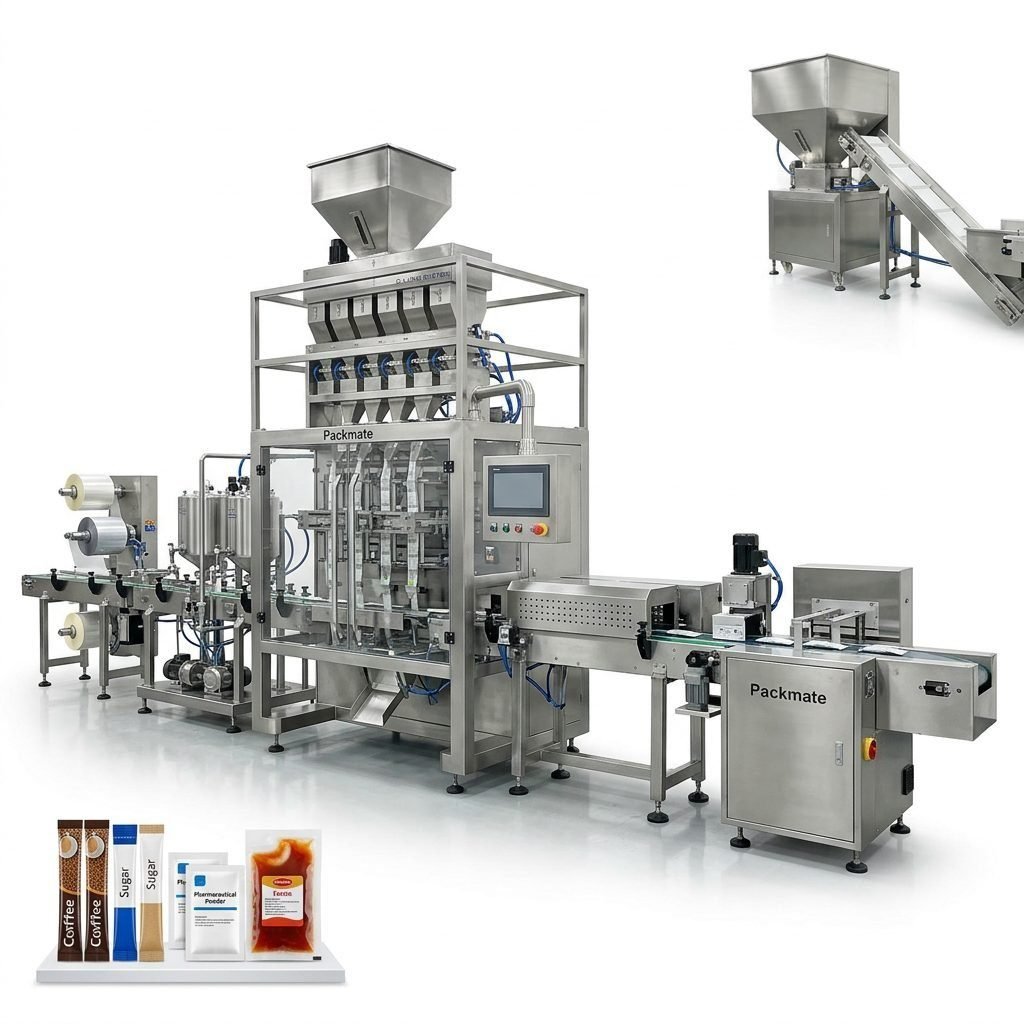
- Level of Automation: Determine if you need a standalone machine, a semi-automatic line, or a fully integrated turnkey packaging line with feeding, filling, sealing, coding, and checkweighing.
2. Evaluate the Manufacturer’s Experience and Specialization
Not all manufacturers are created equal. Some excel in high-speed food packaging, while others specialize in sterile pharmaceutical lines or niche applications like nicotine pouches.
Why Specialization Matters: A manufacturer with deep experience in your specific industry will understand the unique challenges—such as hygiene protocols for food, dust containment for powders, or precision dosing for pharmaceuticals—and build more suitable, reliable machines.
For instance, a company like SnusMachinery has carved a niche in nicotine pouch packaging, a sector with specific demands for precision and material handling. Conversely, a broad-line supplier like Ludyway offers a wide range of solutions for food, pharma, and supplements, which might be ideal for a business with diverse product lines.
3. Assess Technical Capability and Customization
Standard machines might not fit your unique product, factory layout, or workflow. The ability to customize is crucial.
- Engineering Support: Does the manufacturer have an in-house engineering team to design modifications or complete custom lines?
- Flexibility: Can the machine handle different bag sizes, materials, or product variants with quick changeovers? This is vital for businesses running smaller batches.
- Integration: If you need a full line, can the supplier provide or coordinate all components (filler, sealer, conveyor, coder, etc.) to work seamlessly together?
Manufacturers like PackingMachineOEM and PacklineOEM explicitly position themselves around OEM and customized solutions, which can be a significant advantage for non-standard projects common in Luxembourg’s innovative industries.
4. Scrutinize Quality, Compliance, and After-Sales Support
The machine’s build quality and the supplier’s support network are paramount for minimizing downtime.
| Aspect | Key Questions to Ask |
|---|---|
| Build Quality & Components | What grade of stainless steel is used? Are key components (PLCs, drives, sensors) from reputable brands (Siemens, Mitsubishi, Omron)? |
| Quality Control Process | Do they have a documented FAT (Factory Acceptance Test) procedure? Can you witness the machine test-run with your sample product? |
| After-Sales Service | What is the warranty period? Do they have local technicians or partners in the Benelux/Germany region for urgent support? What is the spare parts availability and delivery time? |
| Training & Documentation | Is comprehensive training provided on-site in Luxembourg? Are operation and maintenance manuals available in clear English or French? |
5. Consider Total Cost of Ownership (TCO), Not Just Price
The initial purchase price is only one part of the equation. A cheaper machine with poor efficiency, high waste, and frequent breakdowns will cost more in the long run.
- Energy Efficiency: Modern servo-driven machines are often more energy-efficient than older mechanical models.
- Material Waste: Precision dosing and sealing minimize product giveaway, a significant cost factor.
- Maintenance Costs: Assess the complexity and frequency of required maintenance.
- Uptime & Reliability: The ultimate cost of production stoppages can be enormous.
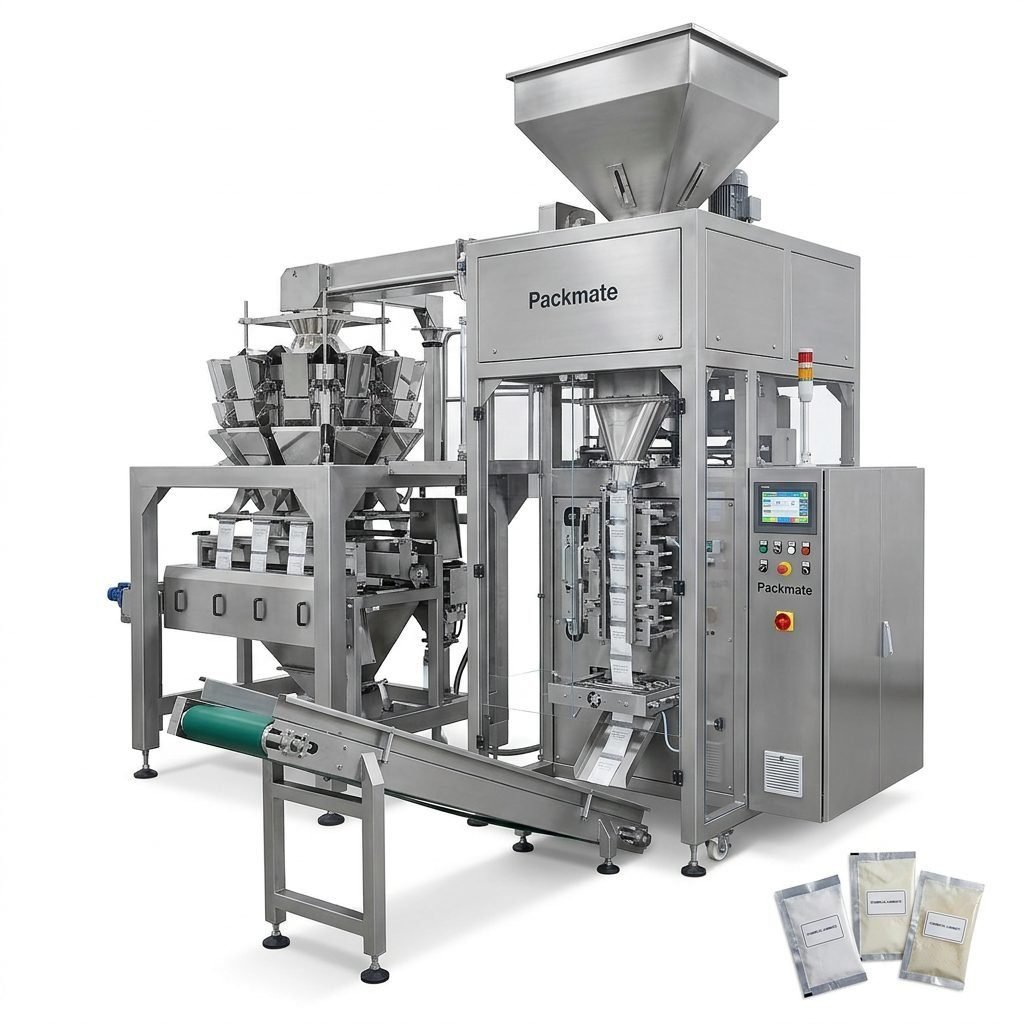
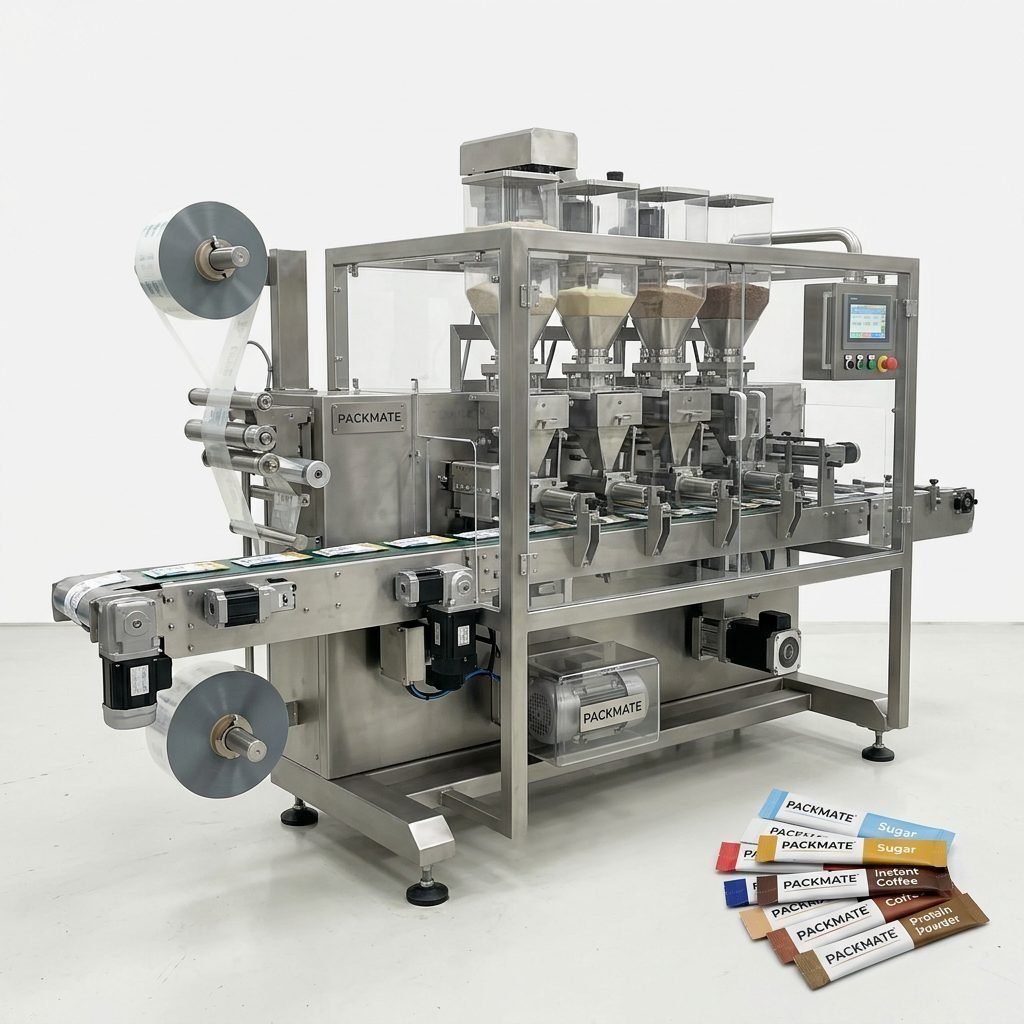
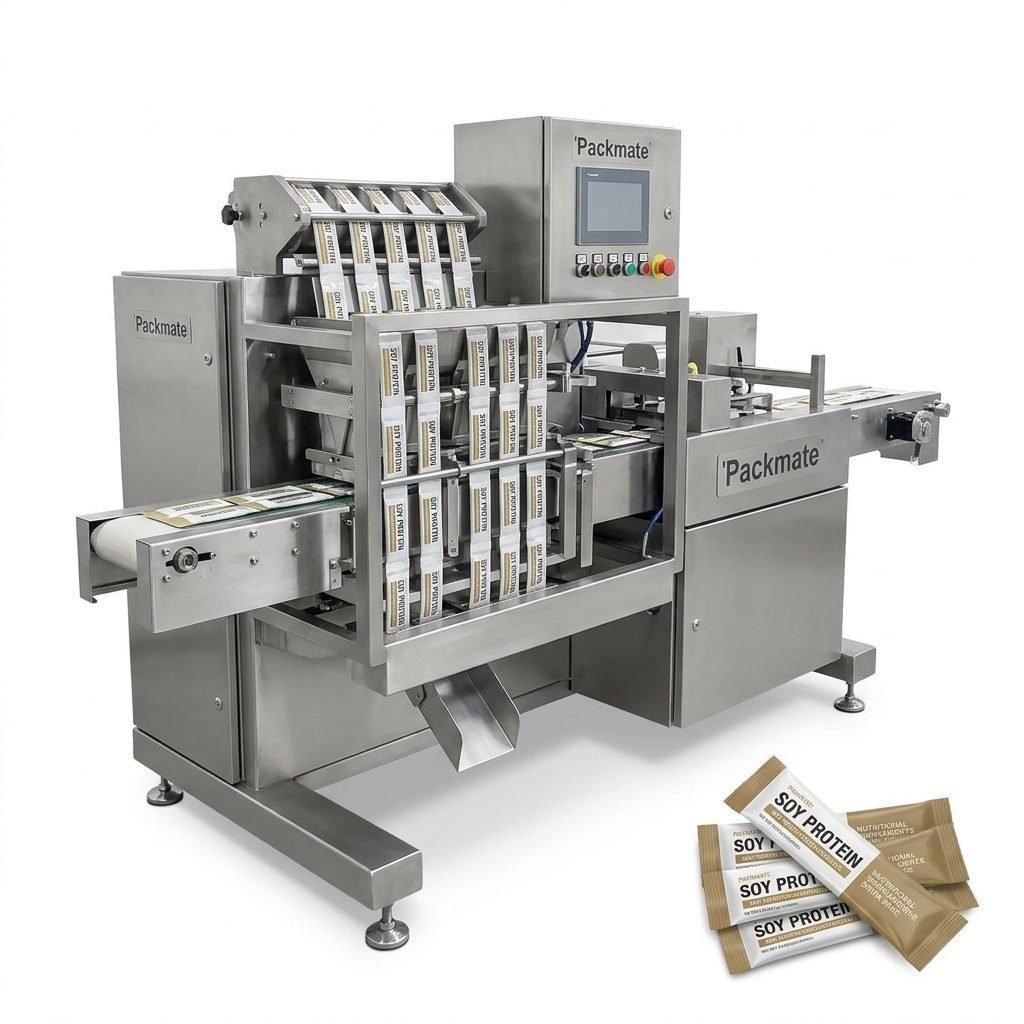
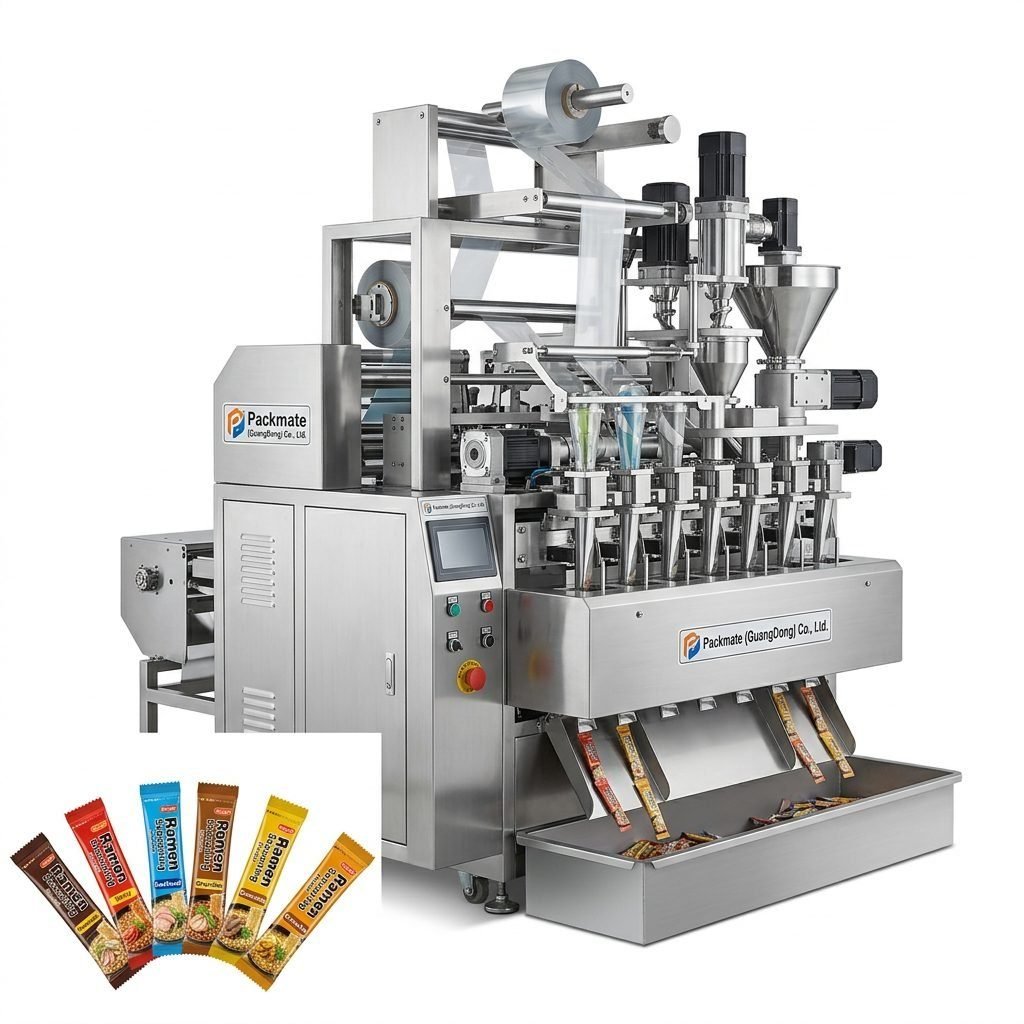
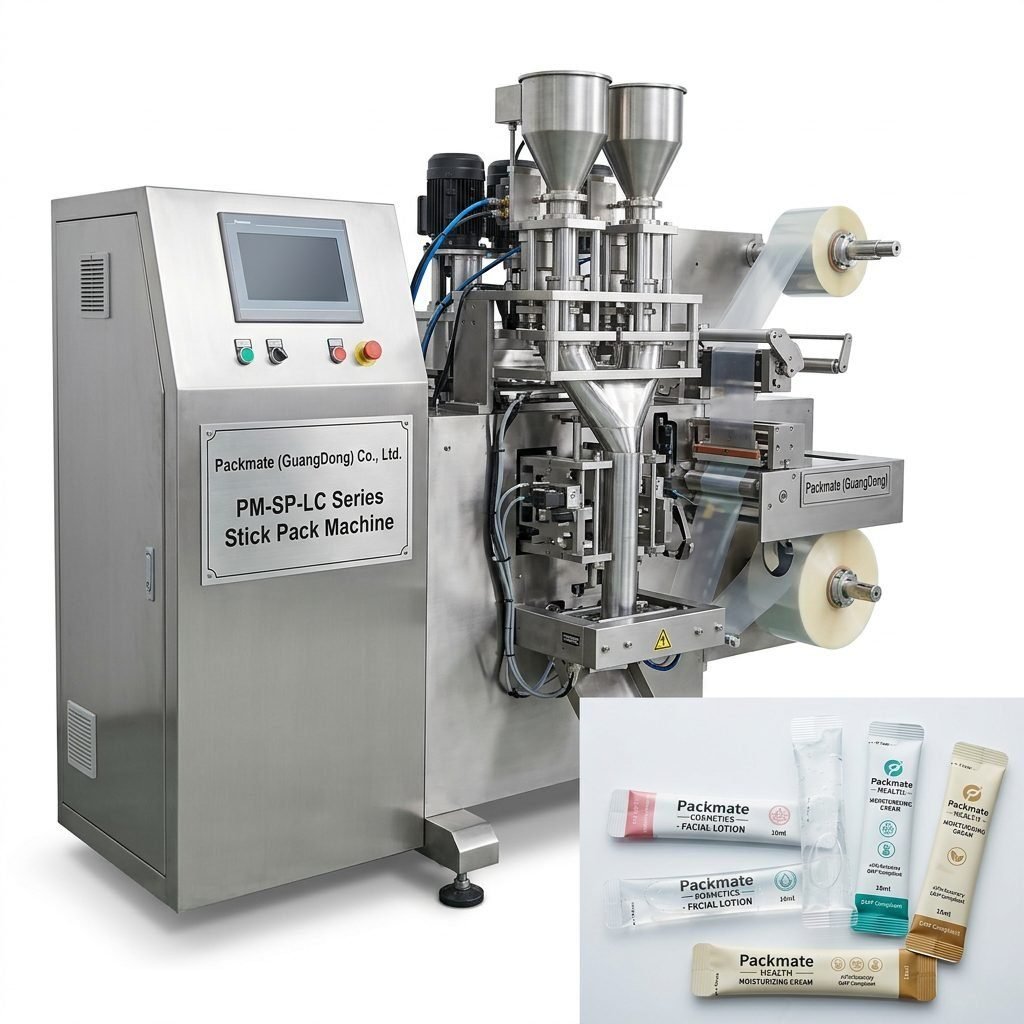
Companies with a long history, such as Packmate Machinery (over 30 years), often have refined their designs for reliability, which contributes to a lower TCO.
6. Logistics, Installation, and Local Presence
For a landlocked country like Luxembourg, smooth logistics are essential. Discuss:
- Who handles shipping and customs clearance?
- Does the price include delivery to your factory door (DDP Incoterms)?
- Will the supplier send engineers for installation and commissioning?
- Is there a local agent or representative who can provide faster response?
Frequently Asked Questions (FAQs)
Q1: Should I choose a European or an Asian (e.g., Chinese) packaging machine manufacturer?
A: This depends on your budget and priorities. European manufacturers offer proximity, easier service, and deep regulatory knowledge but at a higher price. Leading Chinese manufacturers, like those profiled, now offer advanced technology, significant customization, and strong export experience at a competitive price point. Many have decades of experience and serve global markets, making them a viable option for cost-conscious businesses that do not compromise on technical capability.
Q2: How important is it to visit the manufacturer’s factory?
A: Highly recommended, especially for large investments. A factory visit allows you to assess build quality, production processes, quality control, and the company’s scale and professionalism firsthand. It also builds a stronger relationship. Many reputable manufacturers welcome and facilitate such visits.
Q3: What is the typical lead time for a custom packaging machine?
A: Lead times vary widely based on complexity. A standard machine might be delivered in 60-90 days. A fully custom turnkey line can take 4 to 8 months or more, including design, manufacturing, testing, and shipping. Always get a detailed project timeline.
Q4: Can I get a sample test run with my product?
A: Any serious manufacturer should offer this. You can send your product samples to their facility for a test run on a similar machine. This proves the machine’s suitability for your product and helps determine optimal settings for speed, accuracy, and seal quality.
Q5: How do I ensure the machine meets EU safety and hygiene standards?
A: Explicitly require CE certification. The manufacturer must provide a Declaration of Conformity and a technical file. For food/pharma, specify the use of appropriate materials (e.g., 304 or 316L stainless steel for food contact surfaces, FDA-compliant seals). Reputable exporters are familiar with these requirements.