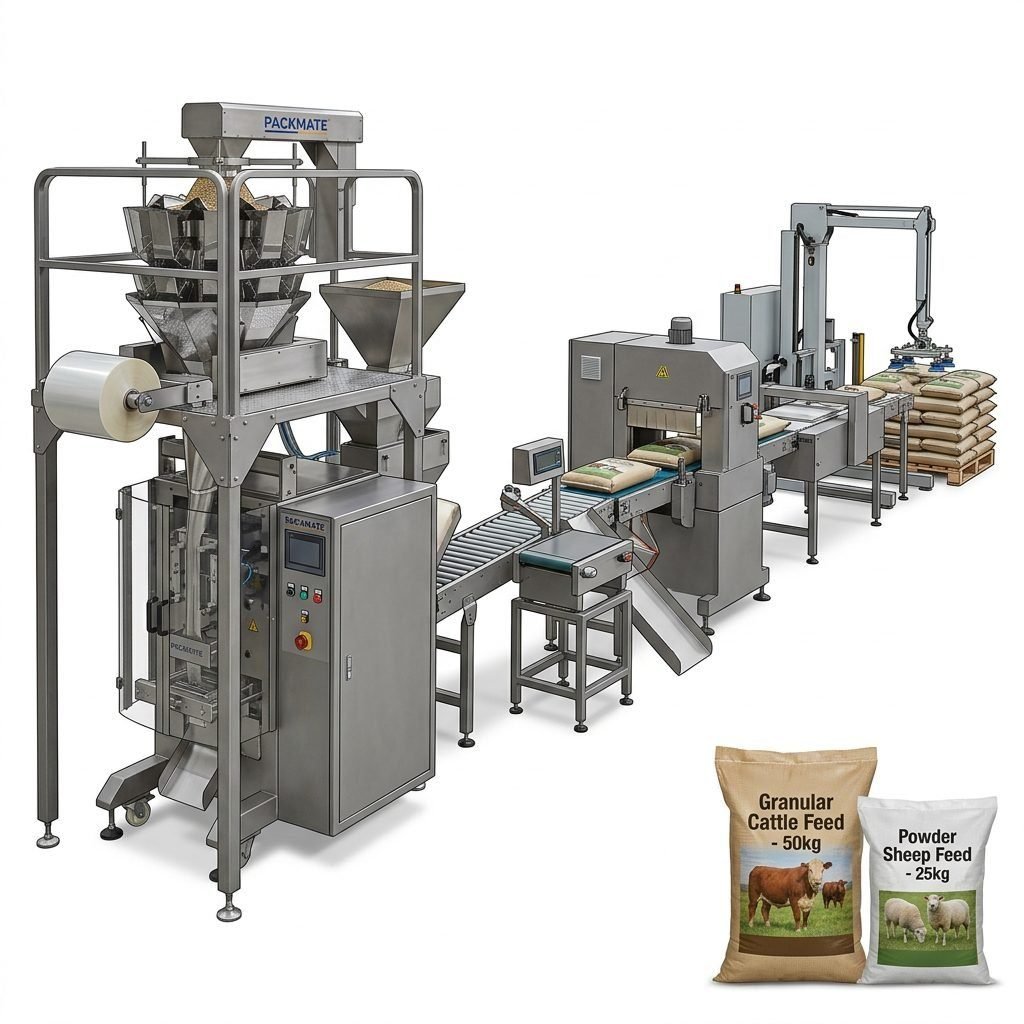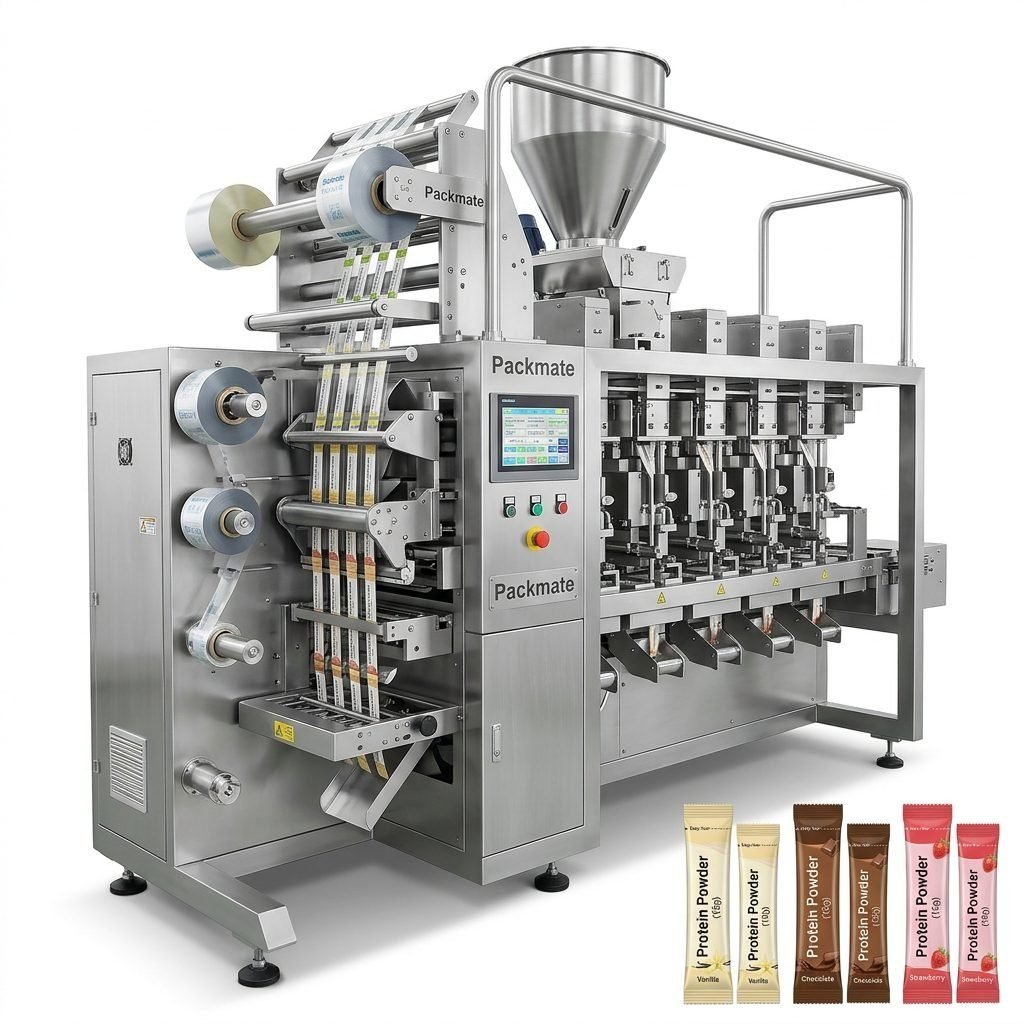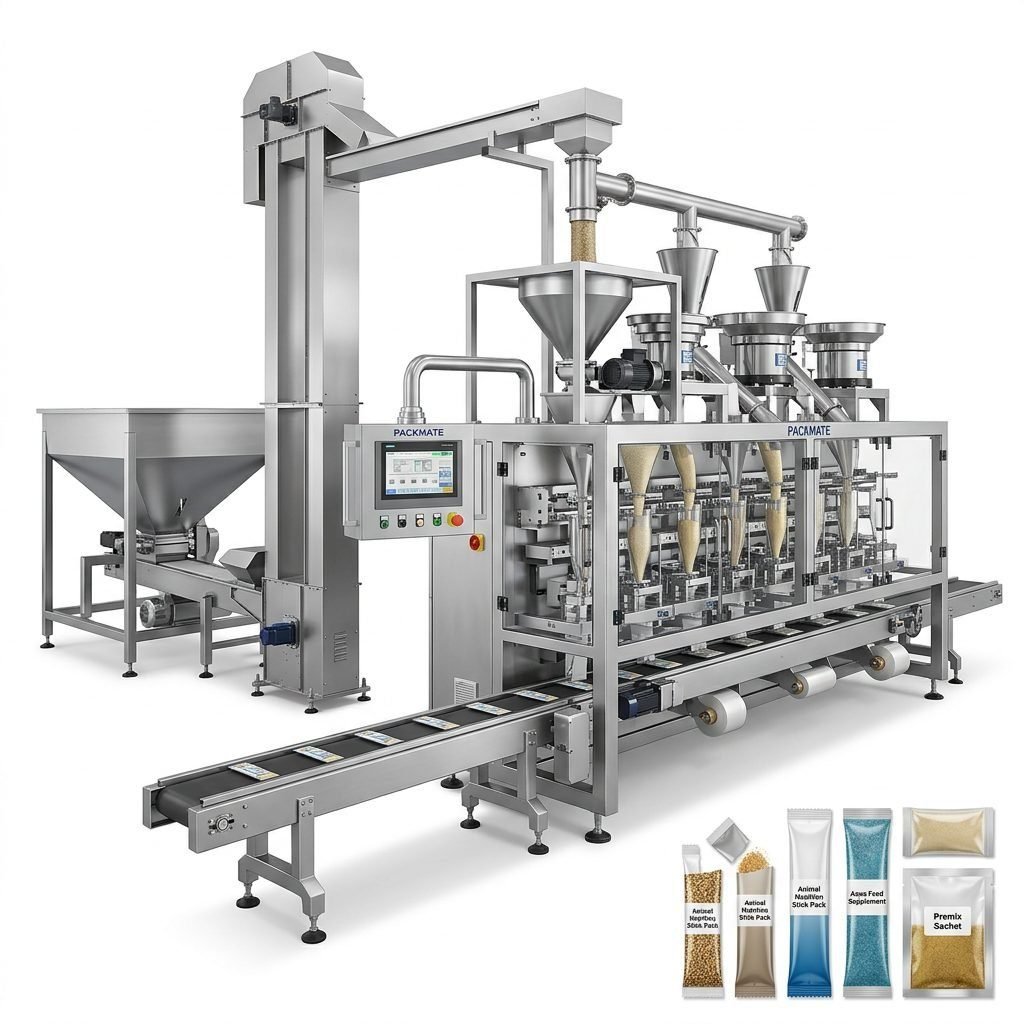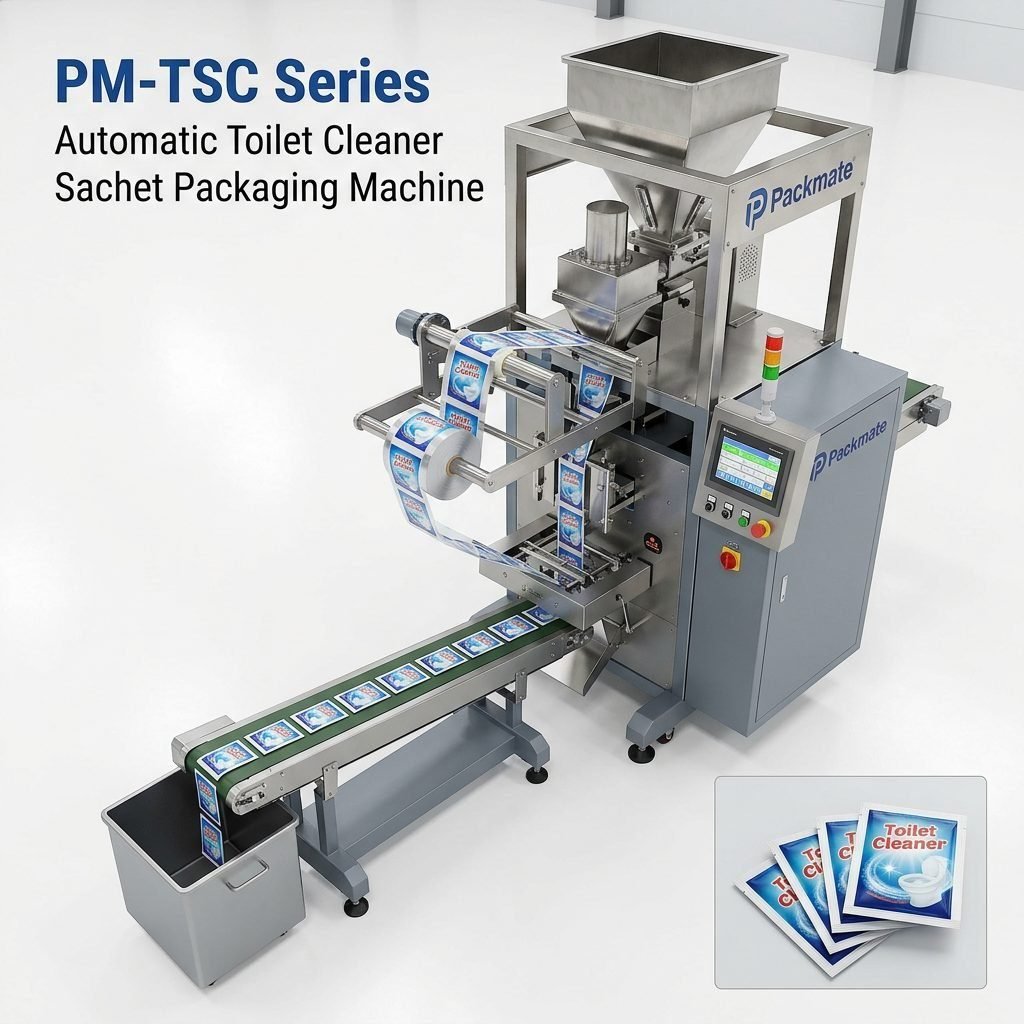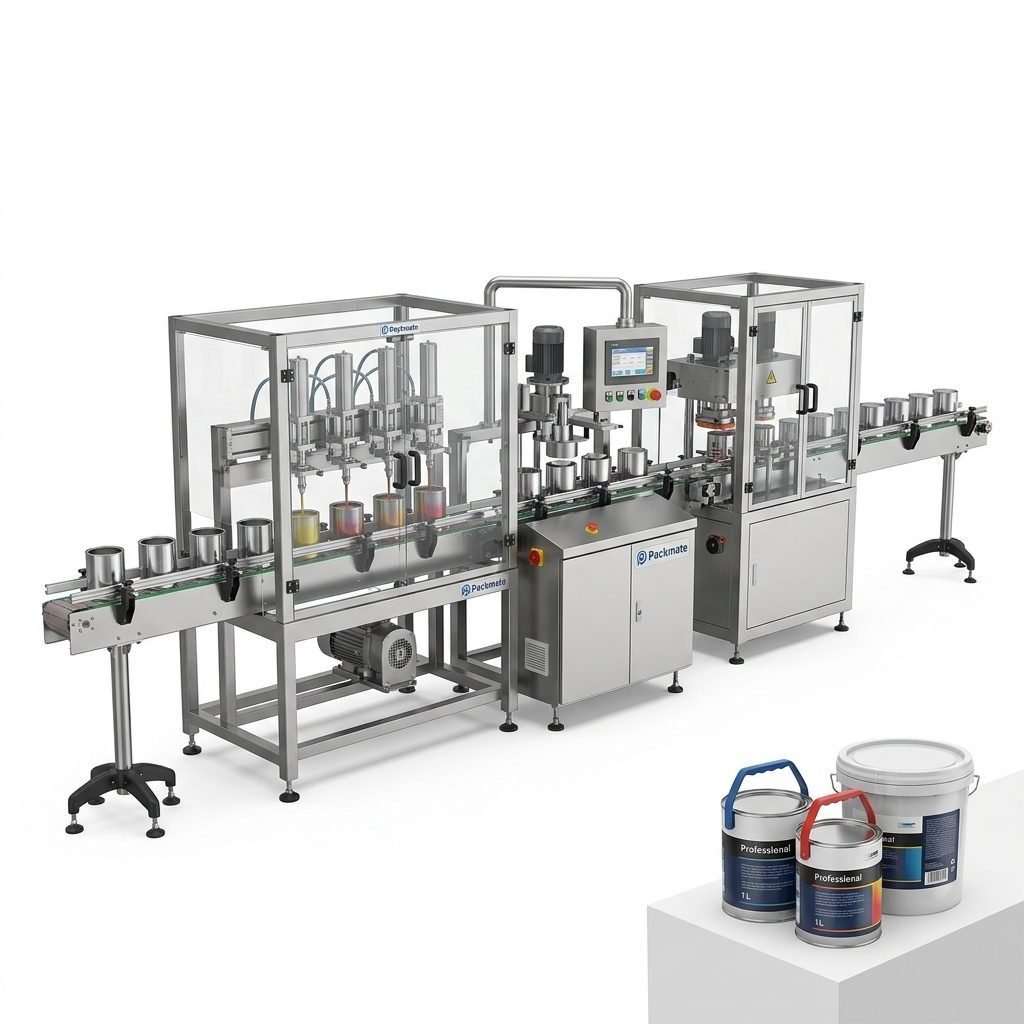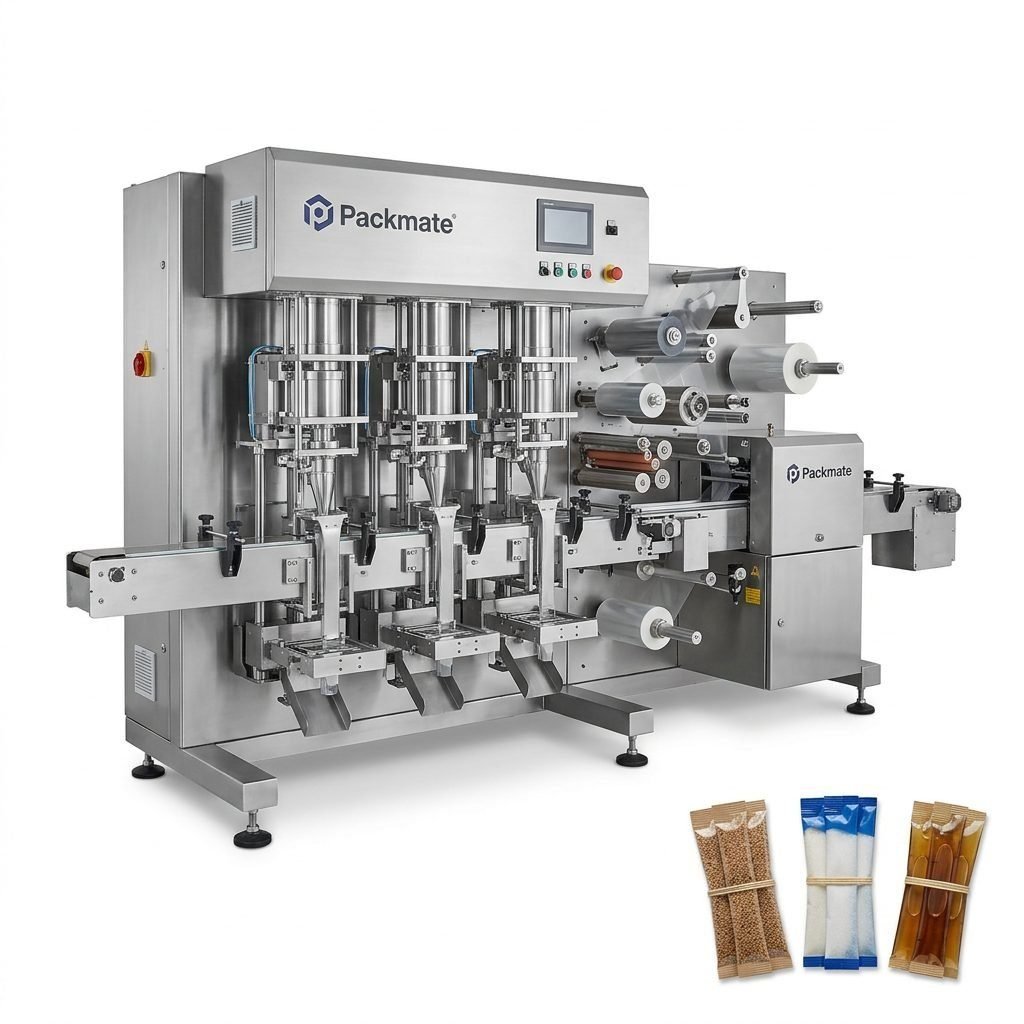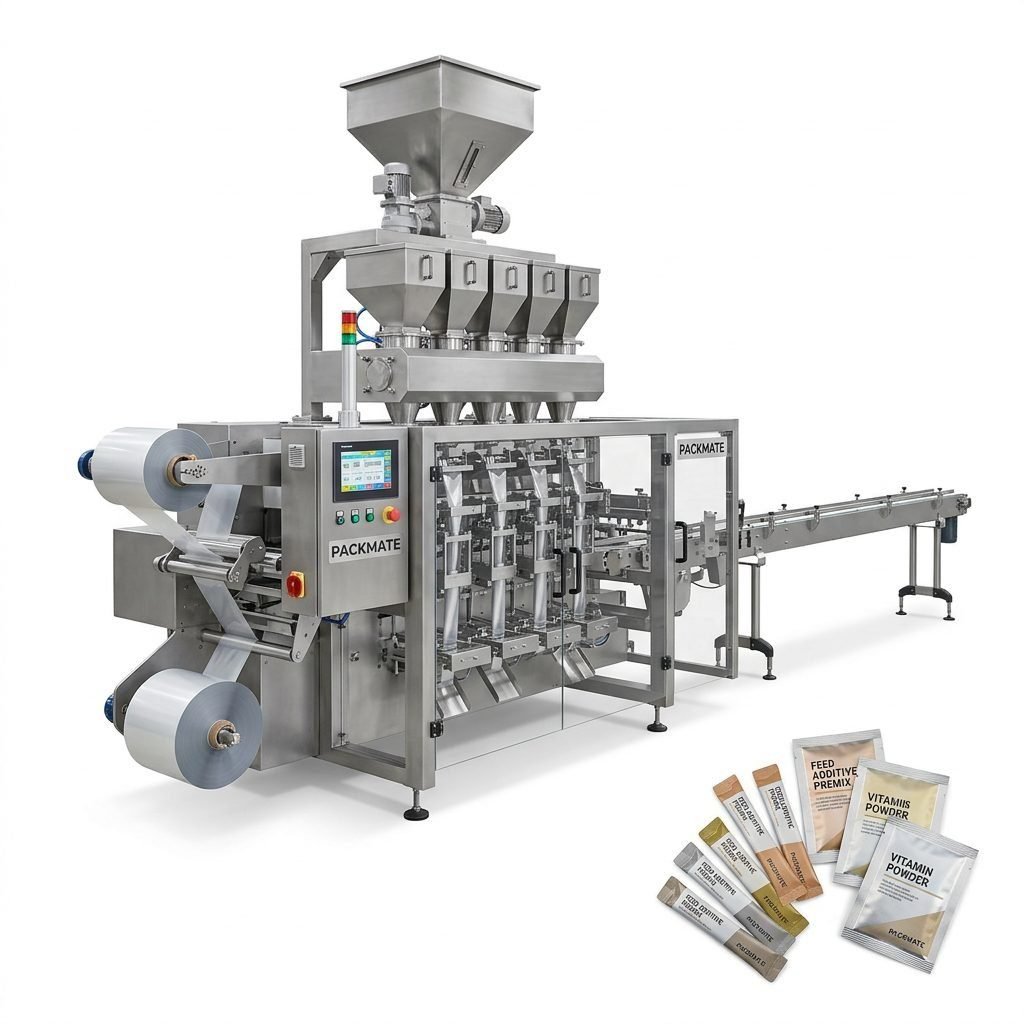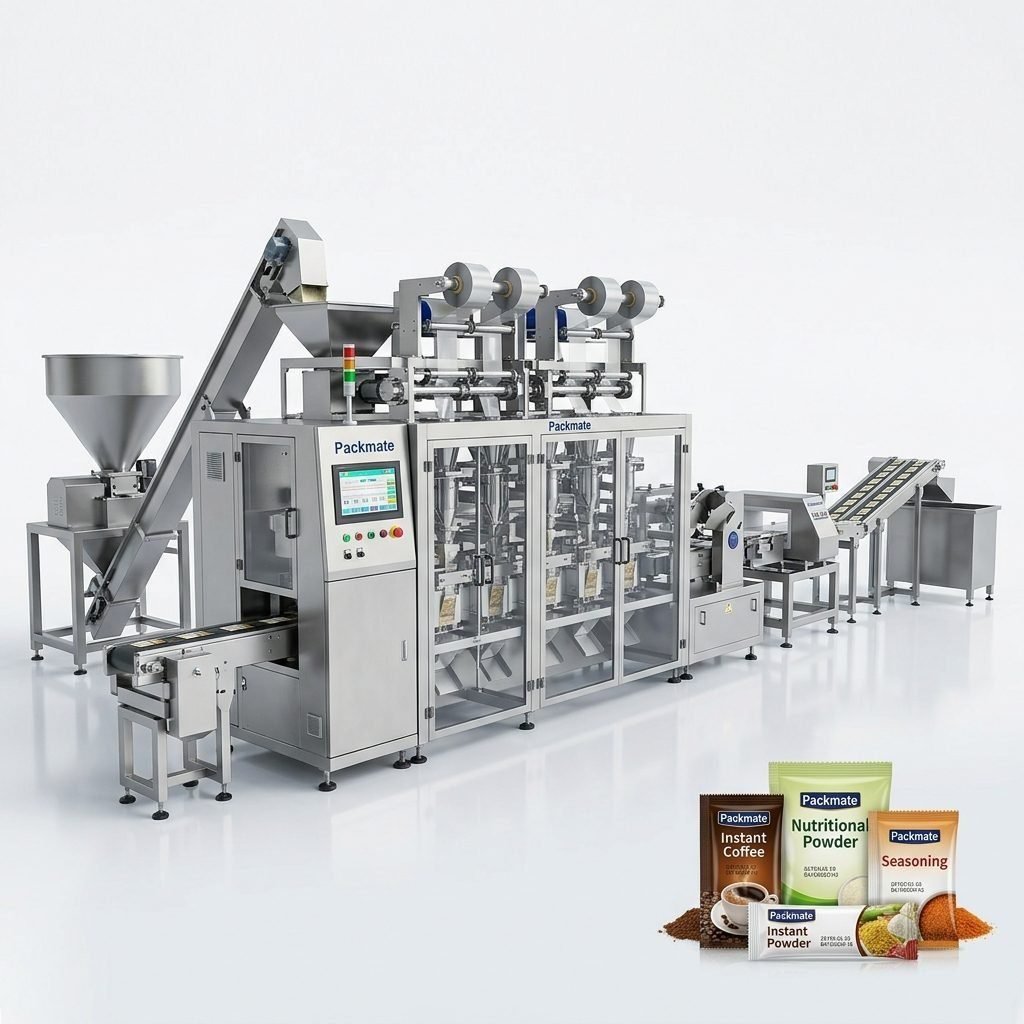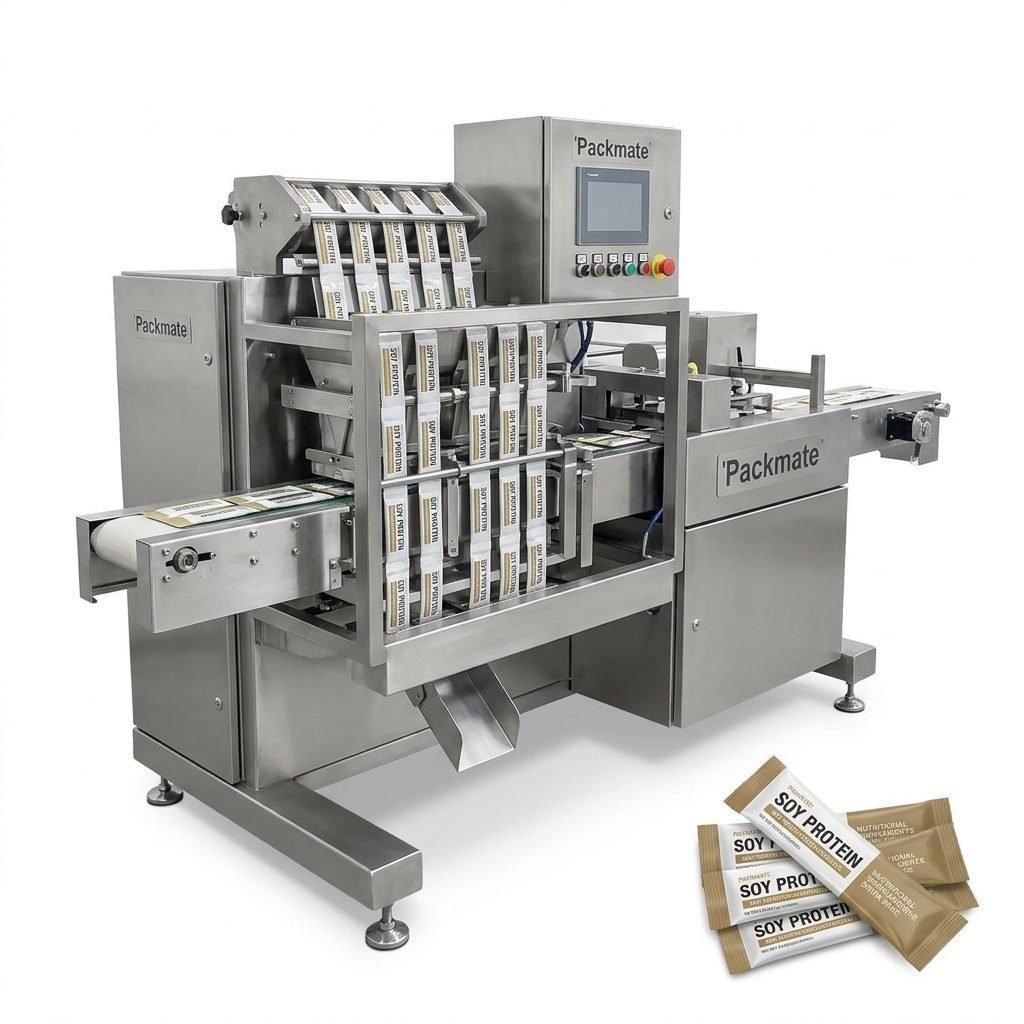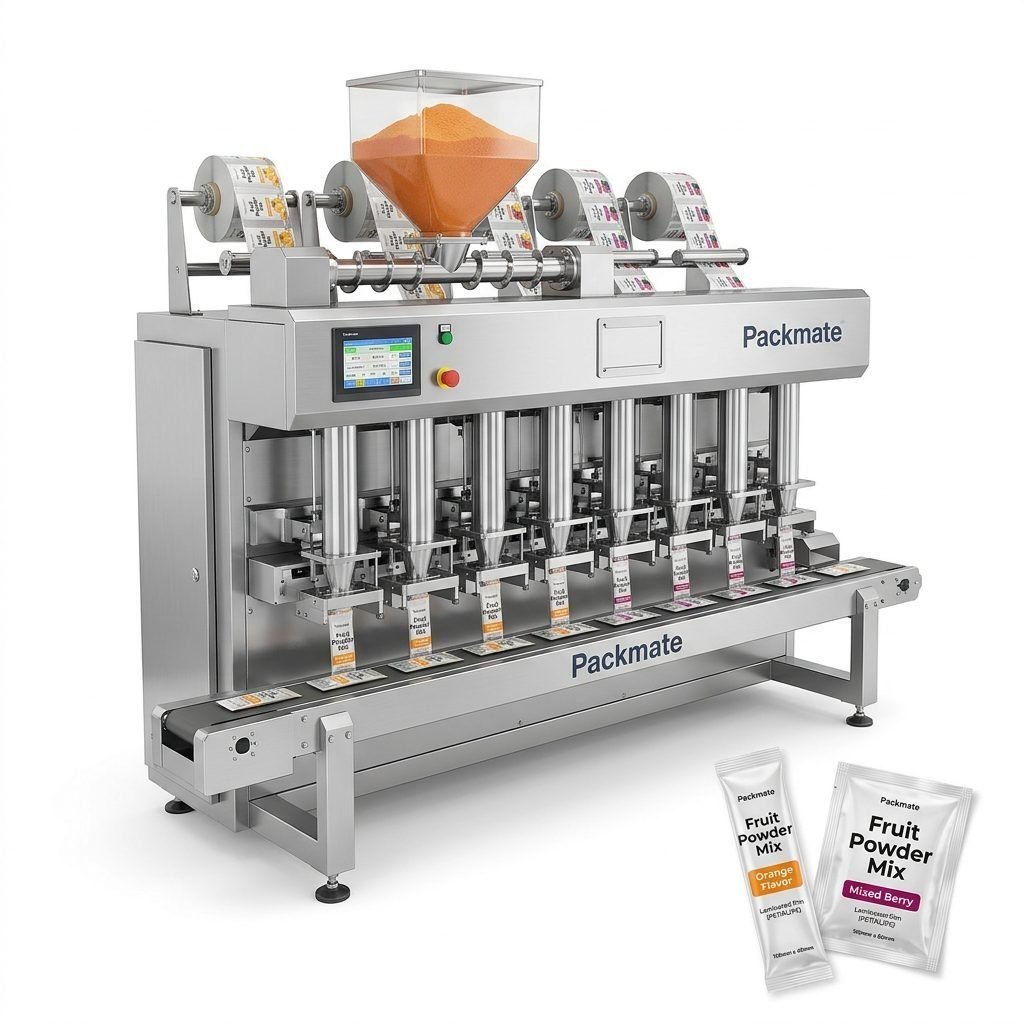
Mini sachet packing machines are versatile, compact packaging systems designed to produce small, single-serve pouches for a wide range of powdered, granular, liquid, and paste products. These machines are essential for industries requiring precise dosing, hygienic packaging, and efficient small-portion production. From food and beverage to pharmaceuticals, cosmetics, and agrochemicals, mini sachet packers enable manufacturers to meet modern consumer demands for convenience, portability, and product freshness.
Key Features of Modern Mini Sachet Packing Machines
Today’s advanced mini sachet packing machines incorporate a range of features that enhance performance, reliability, and ease of operation. Understanding these features is crucial for selecting the right equipment for your production needs.
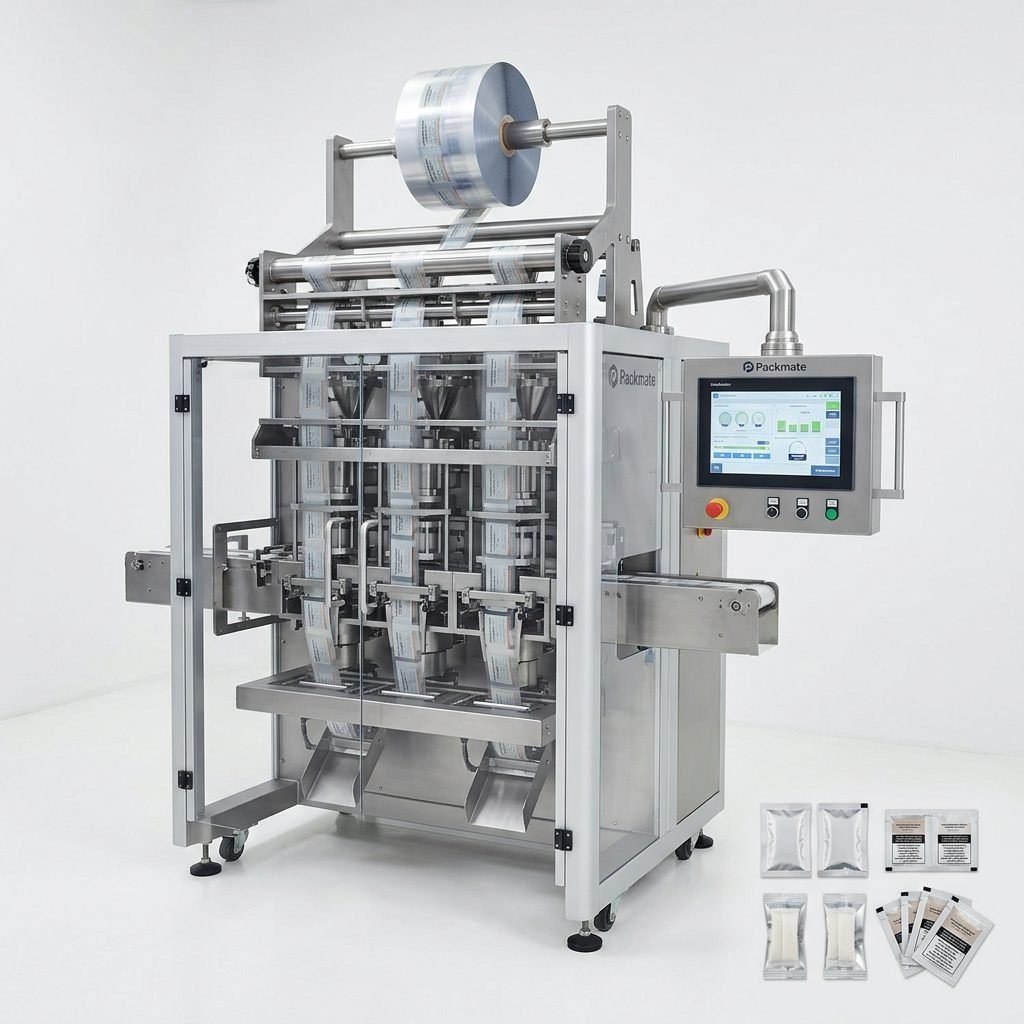
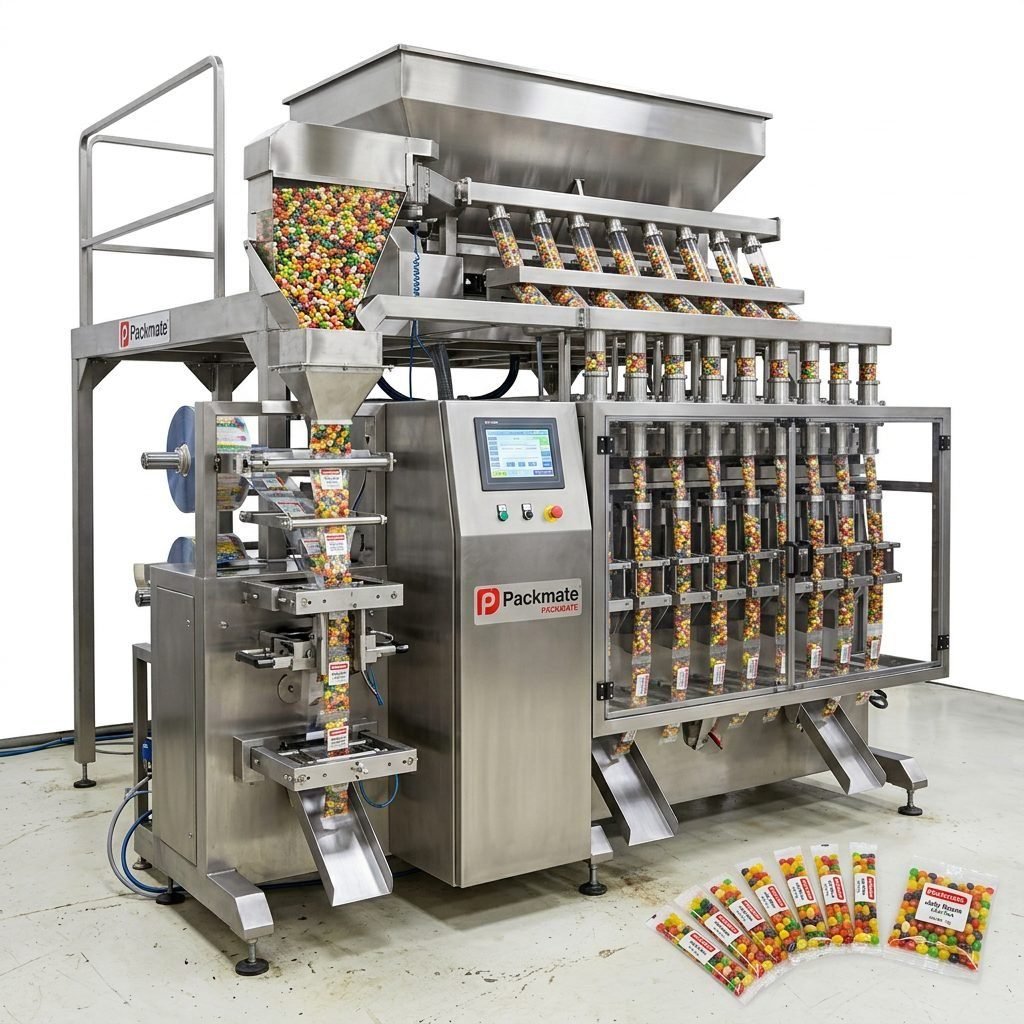
A primary feature is multi-lane operation. Machines with 2, 4, 8, or even more lanes significantly increase output by packaging multiple sachets simultaneously. This is vital for high-volume production of items like instant coffee sticks, sauce packets, or pharmaceutical powders. High-speed models can achieve outputs of 200 to over 1,000 sachets per minute depending on the configuration and product.
Precision is non-negotiable. Modern machines use servo-driven auger fillers, volumetric cup fillers, or liquid piston pumps to ensure accurate and consistent dosing. This minimizes product giveaway and ensures every sachet meets strict weight or volume specifications, which is especially critical in pharmaceutical and high-value food supplement packaging.
The choice of packaging film is supported by versatile forming systems. Machines can handle various laminates, including PET/AL/PE, NY/PE, and biodegradable or compostable films. They often include features for printing registration control (for pre-printed film) and integrated date/batch coding systems, such as inkjet or thermal transfer printers, applied directly on the film or finished sachet.
Control and Hygiene Design
Operational control is managed through user-friendly touch-screen PLC interfaces. These allow operators to store recipes for different products, monitor production data (speed, output, error counts), and perform quick changeovers. Advanced diagnostics help minimize downtime by pinpointing mechanical or sensor issues.
For food, pharmaceutical, and cosmetic applications, hygienic design is paramount. This includes stainless steel (304 or 316) contact parts, smooth surfaces without crevices, and easy-clean layouts. Some models offer CIP (Clean-in-Place) systems or are housed in enclosures with positive air pressure to maintain a sterile environment.
Primary Applications Across Industries
The adaptability of mini sachet packing machines makes them indispensable across diverse global markets. Each region and industry presents unique packaging requirements.
Food & Beverage Industry
This is the largest application sector. Machines package instant coffee, tea, sugar, creamer, soup mixes, spices, and sauce portions. In Europe and North America, there is strong demand for gourmet single-serve coffee sticks and organic seasoning sachets. In Southeast Asia and the Middle East, machines are widely used for milk tea powders, instant noodle seasonings, and liquid flavoring sachets. The trend towards convenience foods and reduced food waste drives this demand.
For liquid products like ketchup, mayonnaise, syrup, and edible oils, machines equipped with precise liquid filling systems and leak-proof sealing are essential. These are common in food service and fast-food chains globally, requiring reliable, portion-controlled packaging.
Pharmaceutical & Nutraceutical Industry
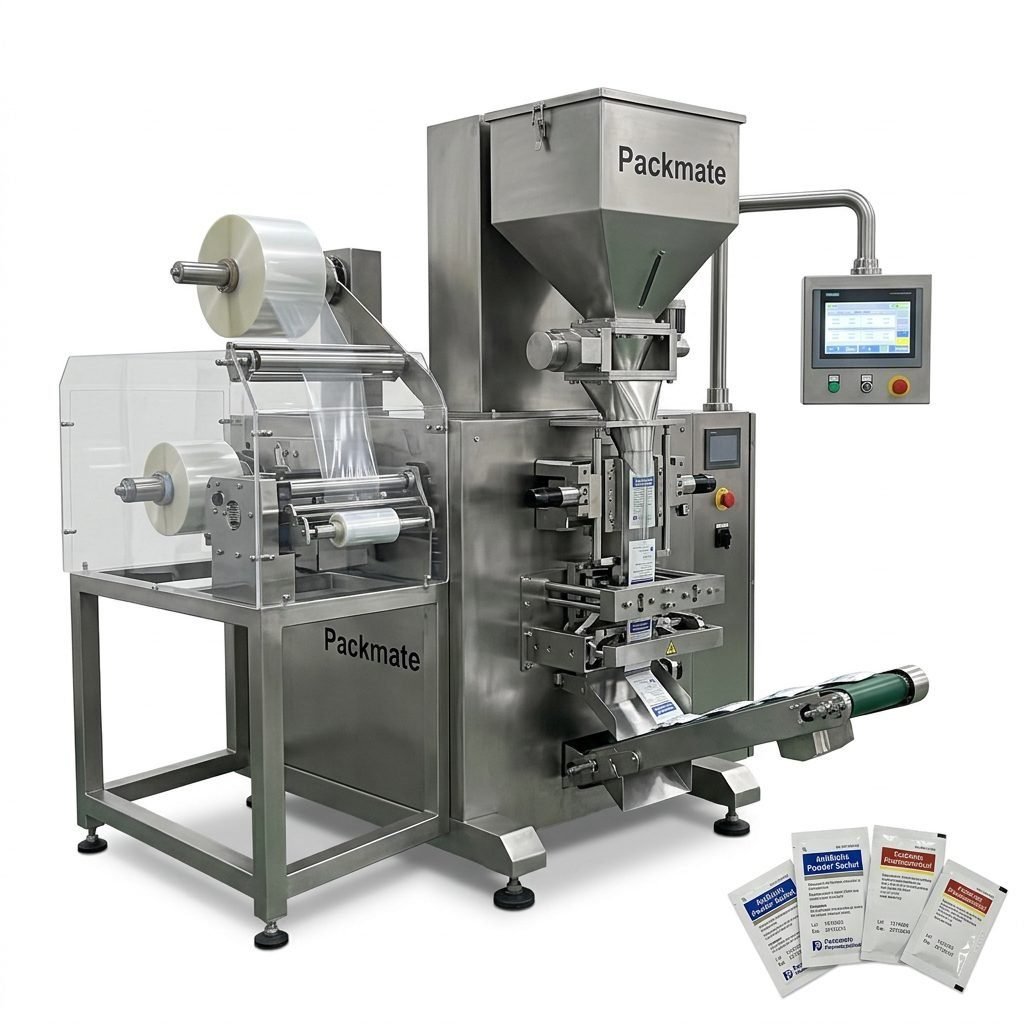
Here, precision and hygiene are critical. Machines package oral rehydration salts (ORS), antibiotic powders, vitamin supplements, protein powders, and herbal extracts. Regulations in Europe (EMA) and North America (FDA) require machines with documentation, validation support, and materials suitable for GMP (Good Manufacturing Practice) environments. The growth of the health supplement market in regions like South America and Africa is increasing the need for reliable sachet packaging of affordable nutraceuticals.
Cosmetics & Personal Care
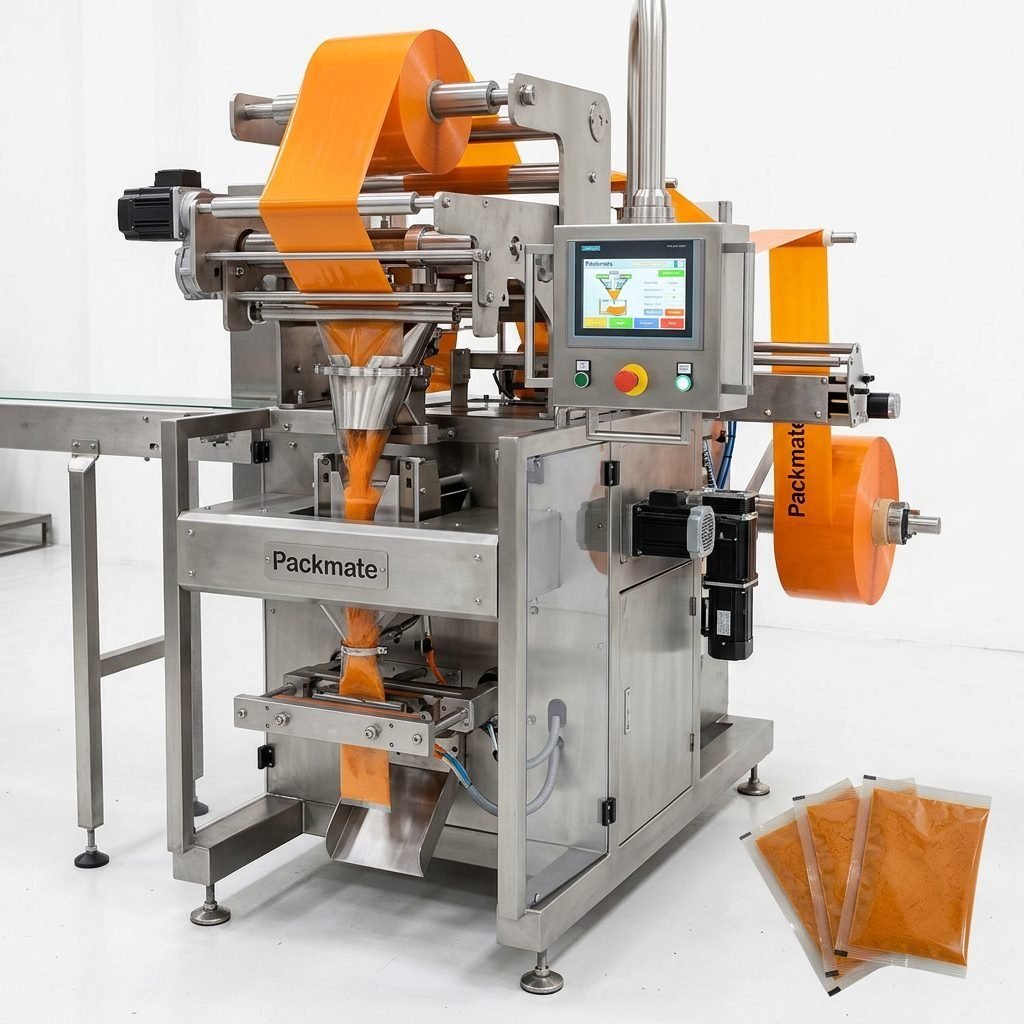
Single-use sachets are popular for shampoo, conditioner, lotion, serum, and face mask samples. The cosmetics industry, particularly in North America, Europe, and East Asia, uses these for product sampling, travel-sized items, and hotel amenities. Machines must handle viscous products effectively and provide aesthetically pleasing, secure seals.
Agrochemicals & Industrial Products
Mini sachets are used for water-soluble fertilizers, pesticides, seeds, lubricants, and adhesives. In agricultural regions like South America, Africa, and parts of Southeast Asia, small, affordable packets of agrochemicals allow for precise application and improve accessibility for small-scale farmers. Industrial sachets provide convenient, mess-free portions of chemicals for maintenance and manufacturing.
Specialty Nicotine Pouch Segment
A rapidly growing niche is the packaging of tobacco-free nicotine pouches and snus</strong. This sector demands high-speed, multi-lane machines capable of precise powder dosing and consistent pouch quality. Leading manufacturers like SnusMachinery have developed specialized expertise for this market, which is prominent in Europe, North America, and the Middle East.
How to Choose the Best Model for Your Needs
Selecting the right mini sachet packing machine requires a careful evaluation of your product, production goals, and operational environment. Here is a structured approach to guide your decision.
1. Define Your Product Characteristics
The product’s physical properties dictate the machine’s filling system. Use the following table as a guide:
| Product Type | Recommended Filling System | Key Considerations |
|---|---|---|
| Fine Powders (e.g., protein, milk powder) | Servo Auger Filler | High precision, dust control, anti-bridging auger design. |
| Granules (e.g., sugar, instant coffee) | Volumetric Cup or Servo Auger | Gentle handling to prevent granule breakage. |
| Liquids (e.g., sauces, oils) | Liquid Piston Pump or Gravity Filler | Viscosity, filling speed, and leak-proof sealing. |
| Pastes & Creams (e.g., ointment, toothpaste) | Piston Filler with Positive Displacement | Ability to handle high viscosity and ensure complete discharge. |
2. Determine Production Capacity Requirements
Calculate your required output in sachets per minute (SPM) or per shift. Consider both current needs and future growth. A multi-lane machine from a supplier like Ludyway is ideal for high-volume production, while a single or dual-lane machine may suffice for smaller batches or R&D. Remember that higher speeds may require additional downstream equipment like cartoners or case packers.
Also, evaluate changeover time. If you produce multiple products on the same line, look for machines with quick-release mechanisms, tool-less adjustments, and saved product recipes on the PLC to minimize downtime between runs.
3. Assess Machine Build Quality and Support
The machine’s construction directly impacts its longevity and maintenance costs. Prioritize manufacturers with a strong track record, like Packmate Machinery, known for robust engineering. Key components to scrutinize include the frame construction, drive systems (servo vs. mechanical), and the quality of the sealing jaws (chromed copper or Teflon-coated for non-stick).
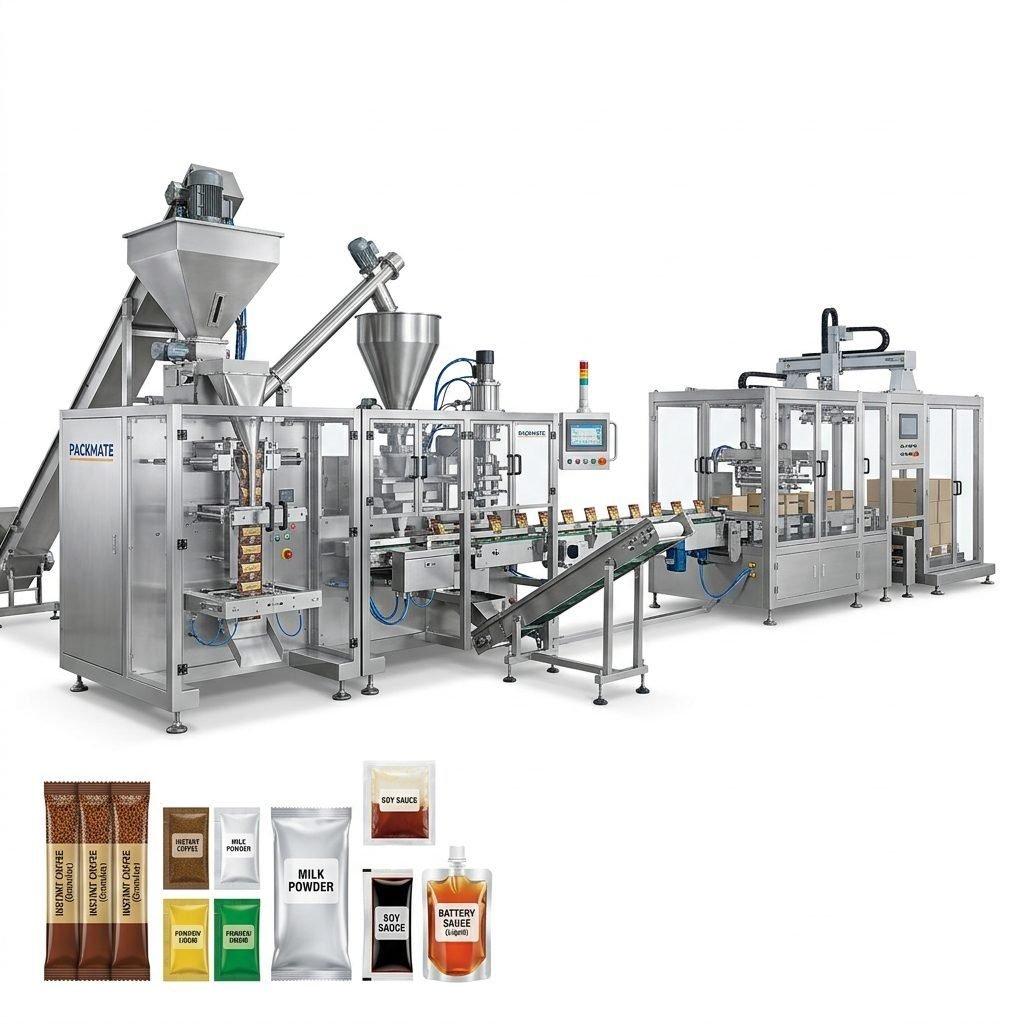
After-sales support is critical. Consider the supplier’s location for spare parts availability, technical support responsiveness, and training offerings. For complex projects involving full production lines, a turnkey specialist like PacklineOEM can provide valuable integration expertise.
4. Consider Customization and Future Flexibility
Your packaging needs may evolve. Discuss customization options with the supplier. Can the machine handle different sachet sizes and shapes (e.g., pillow pouch, gusseted, stick pack)? Is it compatible with various film types? For unique or non-standard projects, partnering with a manufacturer specializing in customized solutions, such as PackingMachineOEM, can ensure the equipment is tailored to your specific product and factory layout.
Also, consider integration capabilities with upstream (e.g., feeding systems) and downstream (e.g., checkweighers, vision inspection, cartoning) equipment for a fully automated line.
Frequently Asked Questions (FAQs)
What is the typical speed range of a mini sachet packing machine?
Speeds vary widely based on the number of lanes, product type, and sachet size. Single-lane machines may produce 40-120 sachets per minute, while high-speed multi-lane systems (e.g., 8 lanes) for dry powders can achieve 800-1,200+ sachets per minute. Liquid filling is generally slower due to flow characteristics.
Can one machine handle both powder and liquid products?
Some versatile models are designed with interchangeable filling systems, allowing a switch between auger fillers for powders and piston pumps for liquids. However, this often requires a significant changeover procedure. For dedicated, high-volume production of different product types, separate machines or dedicated production lines are often more efficient.
How important is the choice of packaging film?
It is crucial. The film must provide the necessary barrier properties (against moisture, oxygen, light) to protect the product, have good sealability with the machine’s sealing jaws, and possess the required mechanical strength. Always conduct trials with your actual product and film to ensure compatibility and seal integrity.
What are the main maintenance requirements?
Daily cleaning, lubrication of moving parts as per the manual, and inspection of sealing jaws for wear are essential. Regularly check sensors and filters. Preventive maintenance schedules provided by the manufacturer should be strictly followed to ensure consistent performance and avoid unplanned downtime.
What safety features should I look for?
Standard safety features include emergency stop buttons, protective guarding around moving parts, and safety interlocks that prevent operation when guards are open. For machines with heat sealing, thermal protection and insulation are important. Always ensure the machine complies with relevant safety standards in your region (e.g., CE, UL).