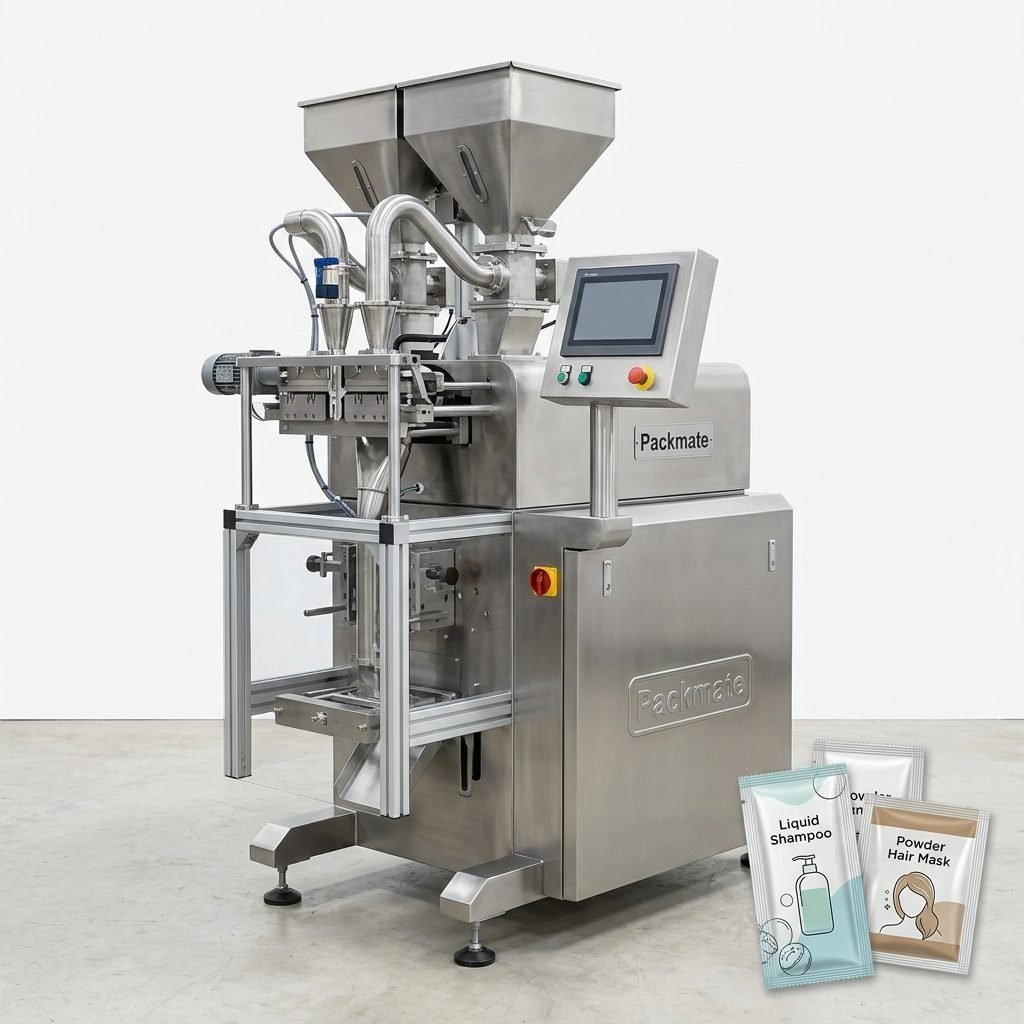
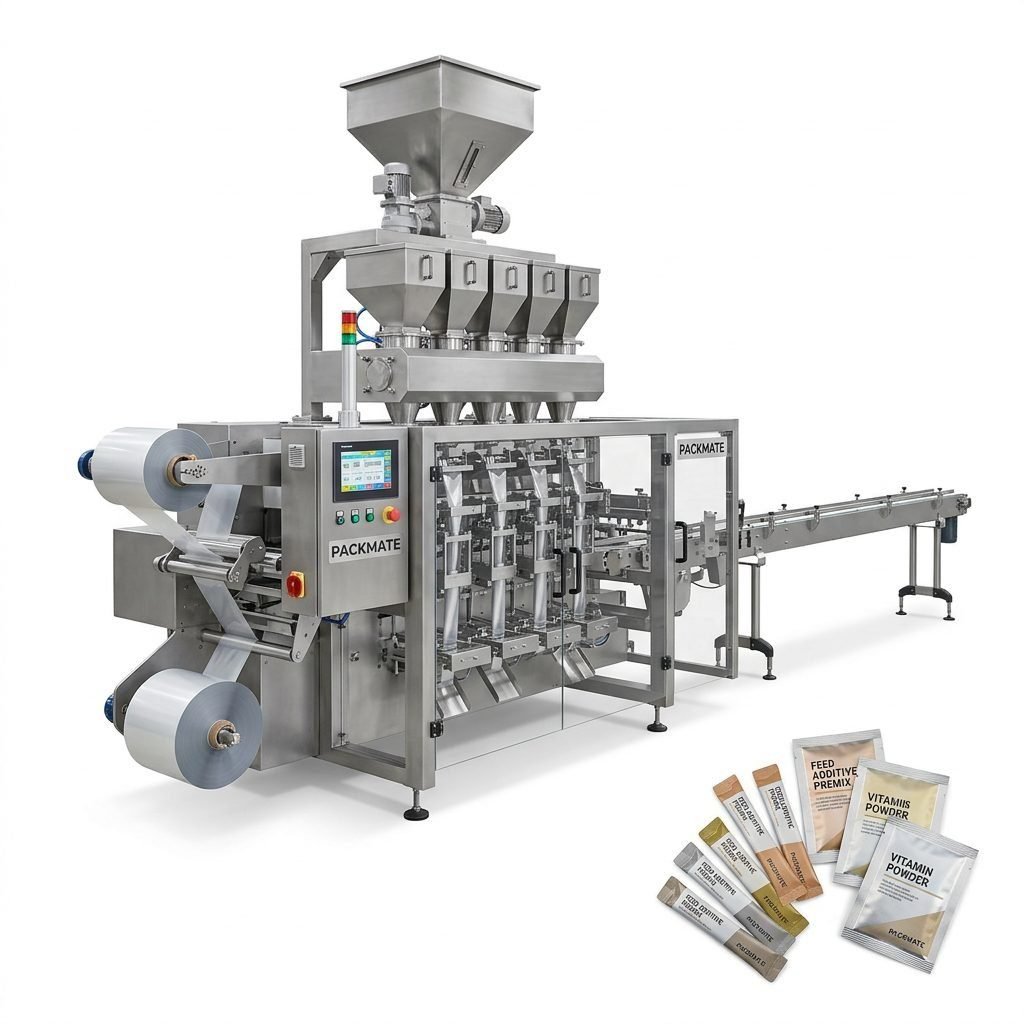
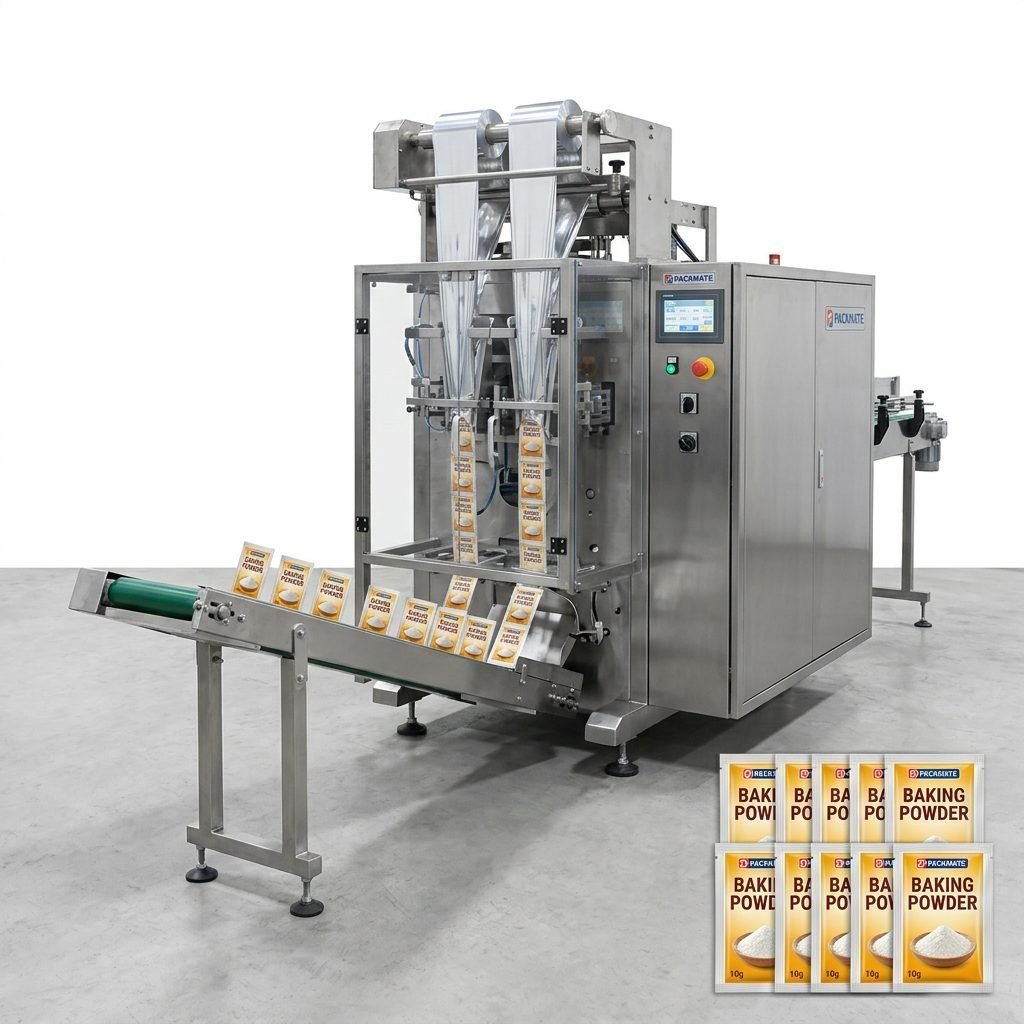
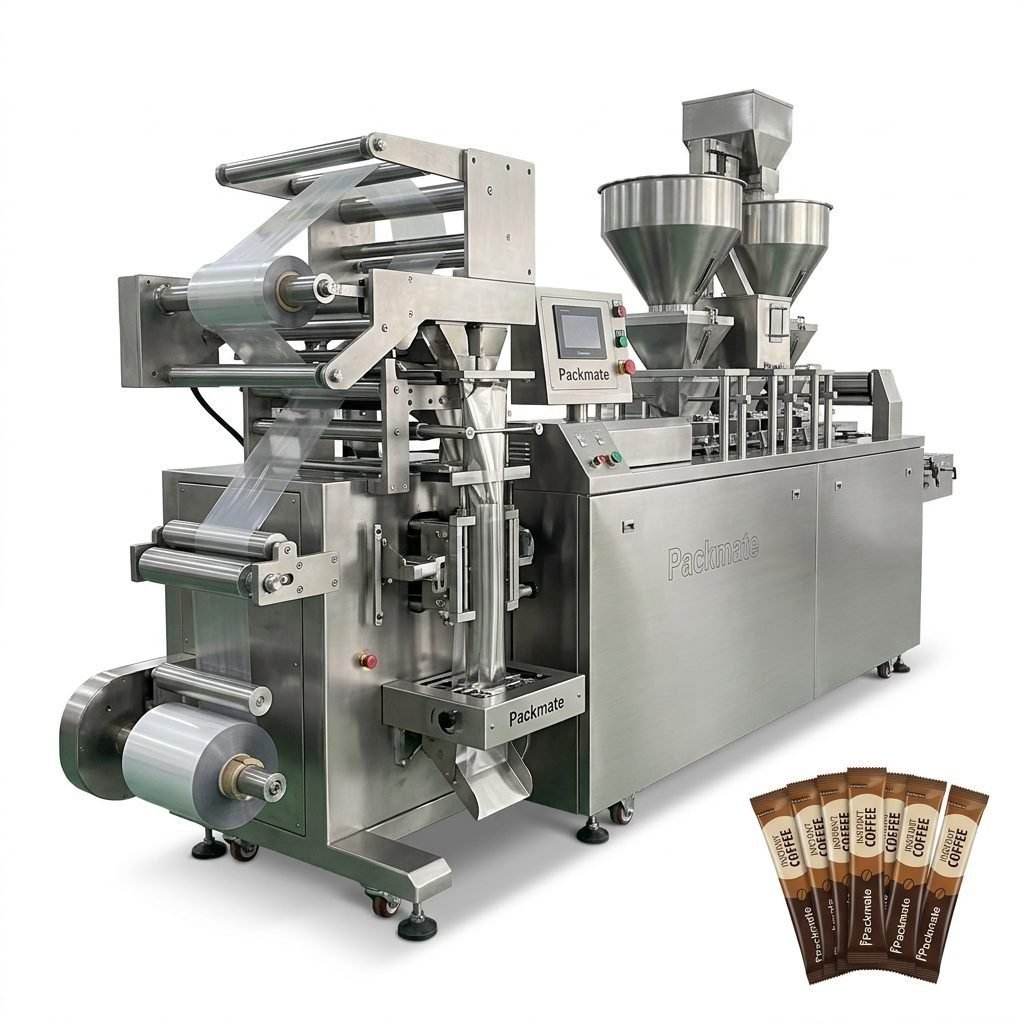
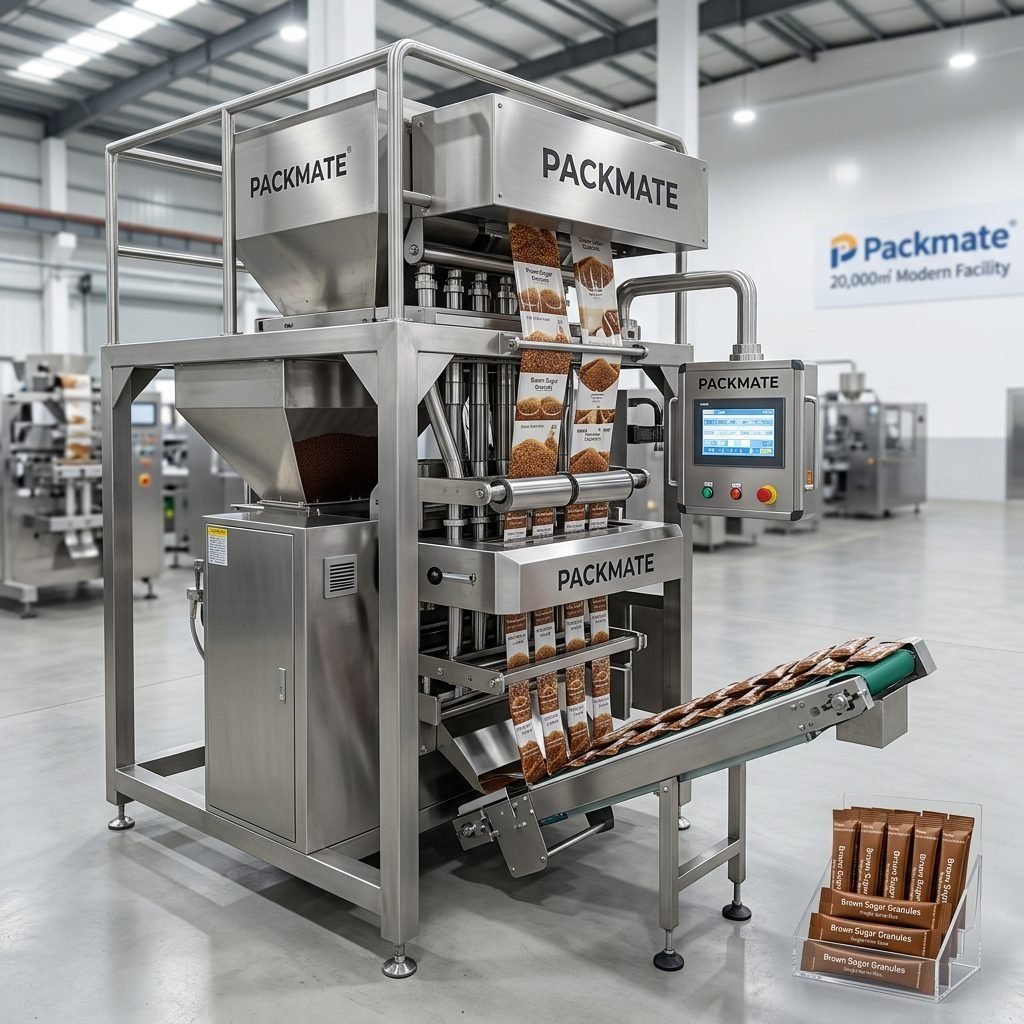
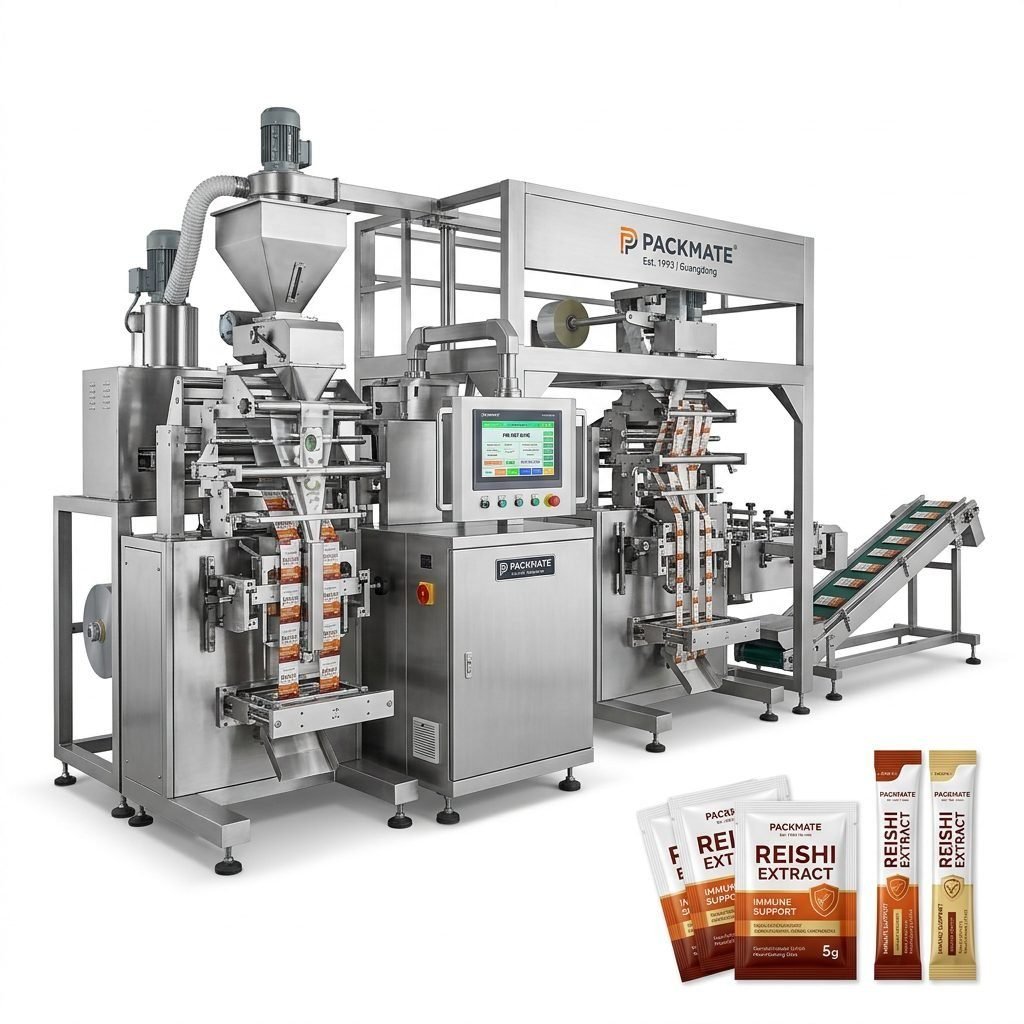
For businesses in El Salvador’s dynamic food processing, pharmaceutical, and consumer goods sectors, investing in reliable and efficient packaging machinery is a critical decision. The right equipment can dramatically improve production efficiency, product consistency, and market competitiveness. While local suppliers exist, many Salvadoran manufacturers and exporters look to international markets for advanced technology and cost-effective solutions. Among these, Chinese manufacturers have become prominent partners, offering a compelling mix of technological capability, customization, and value. Choosing the right supplier, however, requires careful consideration of several key factors.
Key Considerations for Choosing a Packaging Machine Supplier
Selecting a packaging machine manufacturer is not just about the initial purchase price. It’s about forming a partnership that supports your long-term production goals. Here are the essential criteria to evaluate:
1. Industry Experience and Technical Expertise
A supplier’s history is a strong indicator of stability and accumulated knowledge. Look for a manufacturer with extensive experience, particularly in your specific product category (e.g., powders, granules, liquids, pastes). Their engineers should understand the unique challenges of your product, from flow characteristics and hygroscopic nature to dosing precision and sealing requirements.
2. Product Range and Customization Capability
Does the supplier offer a standard machine that fits 80% of your needs, or do you require a heavily customized solution? Assess their portfolio. A broad range covering stick pack, sachet, vertical form-fill-seal (VFFS), and liquid filling machines suggests versatility. More importantly, evaluate their willingness and technical ability to adapt machines for your specific bag size, material, production speed, and factory layout. For Salvadoran companies dealing with local agricultural products like coffee, spices, or powdered supplements, the ability to handle these specific materials is crucial.
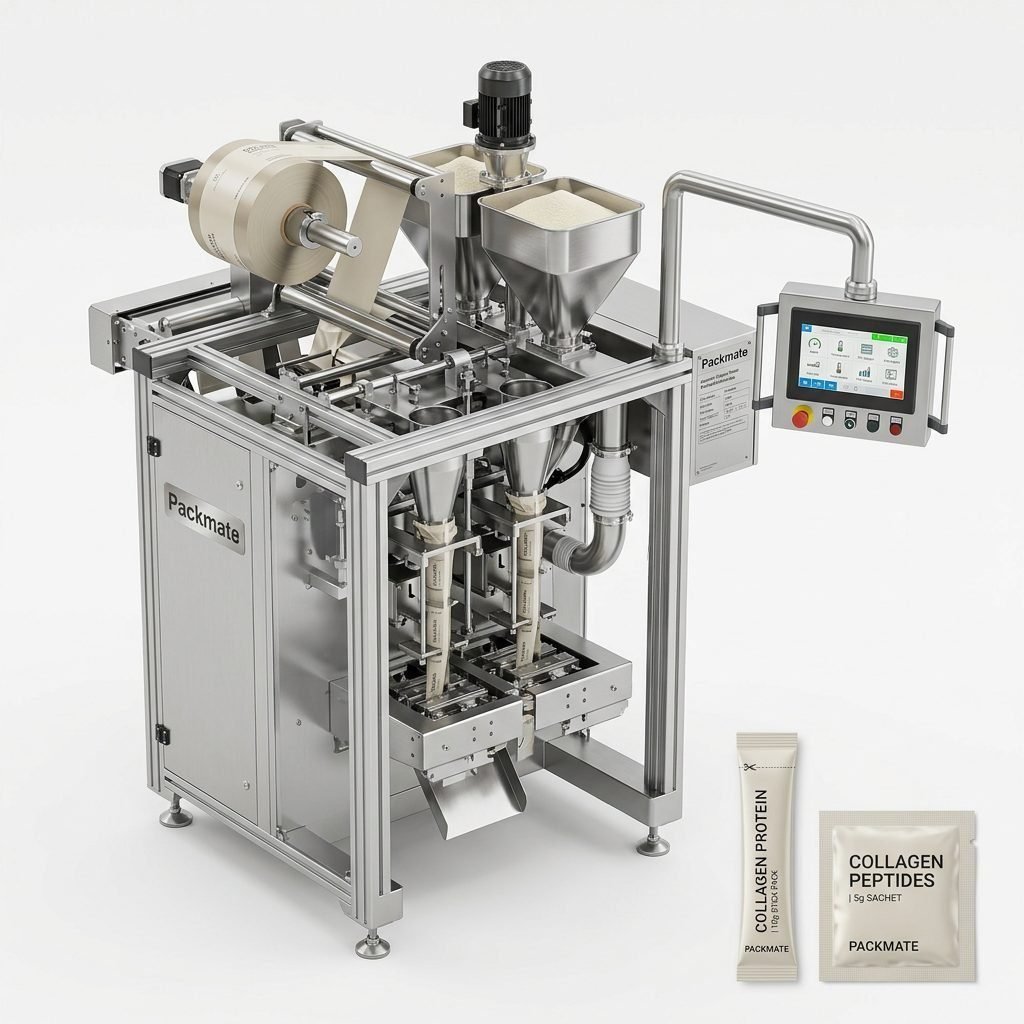
3. Manufacturing Capability and Quality Control
The quality of the machine is directly linked to the supplier’s manufacturing process. Inquire about their factory size, production technology (e.g., use of CNC machinery), assembly procedures, and quality control protocols. A manufacturer with a modern facility and structured QC processes is more likely to deliver durable, reliable equipment that minimizes downtime.
4. After-Sales Support and Service
This is arguably the most critical factor for an international buyer. Reliable technical support can make the difference between a minor hiccup and a prolonged production stoppage. Key questions include: What is the warranty period? Do they provide comprehensive installation and operational training (on-site or remote)? How is spare part availability and delivery to El Salvador handled? Do they offer remote diagnostic support? A supplier with a proven export track record will have systems in place to support clients across different time zones.
5. Understanding of Local & Regional Needs
While not always a requirement, a supplier familiar with the Latin American market, including its voltage standards (commonly 220V/60Hz), common packaging materials, and logistical channels, can provide smoother project execution. They may also have experience working with similar businesses in the region, offering valuable insights.
Profiles of Established Packaging Machine Manufacturers
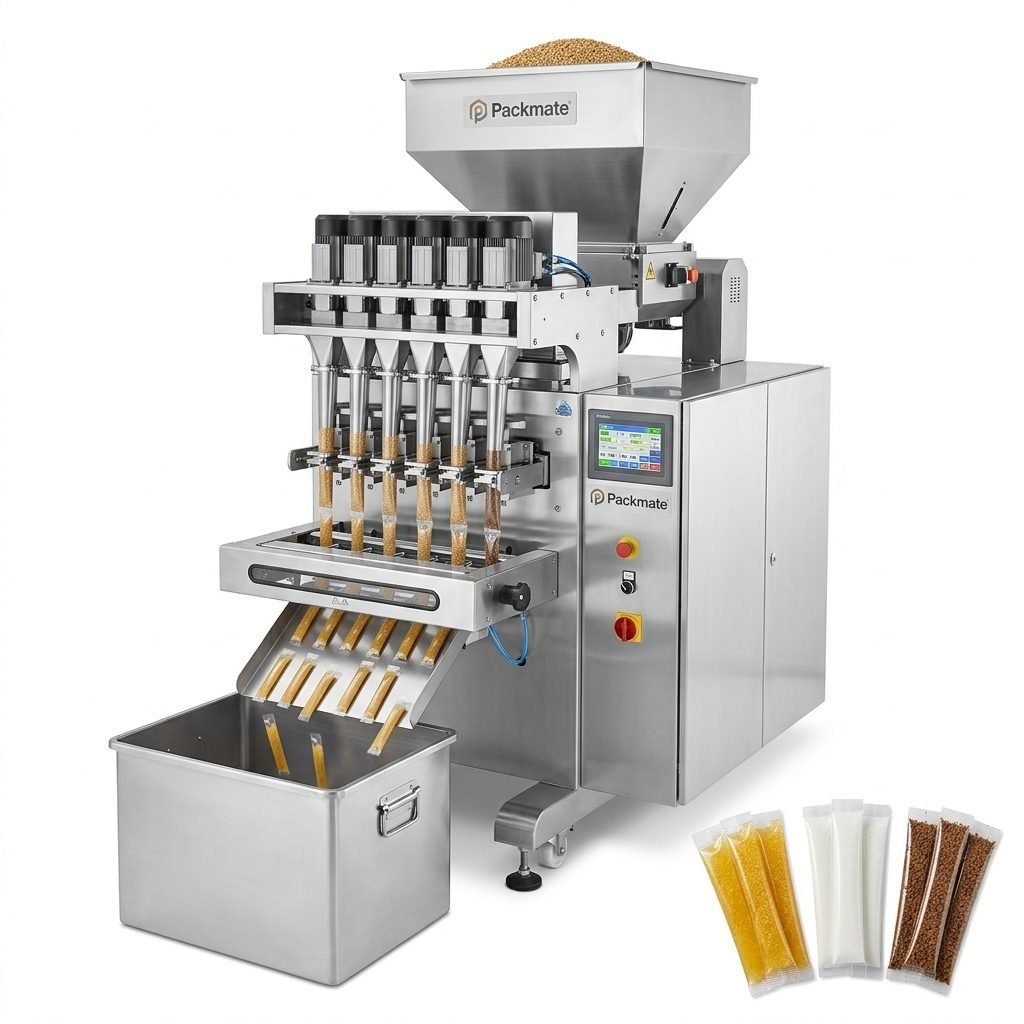
Based on the provided information, here is an overview of several leading Chinese manufacturers that serve the global market, including regions like Latin America. These companies are often considered by Salvadoran importers for their balance of quality, technology, and cost.
| Company | Key Positioning | Why It Stands Out | Ideal For |
|---|---|---|---|
| Ludyway | Leading manufacturer of packaging machines & turnkey lines. | Over 30 years experience, wide product range, strong export footprint, capable of full line solutions. | Businesses seeking scalable, customized automation from single machines to complete lines. |
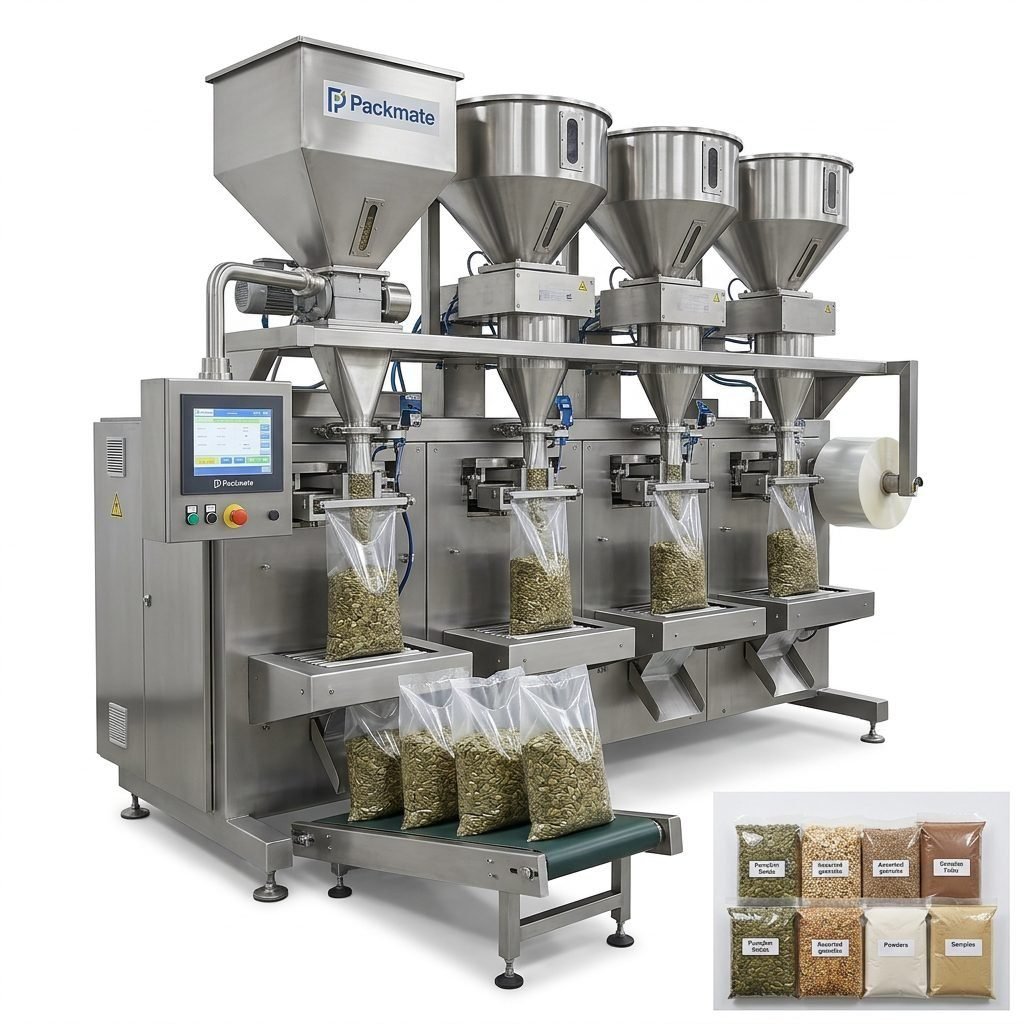
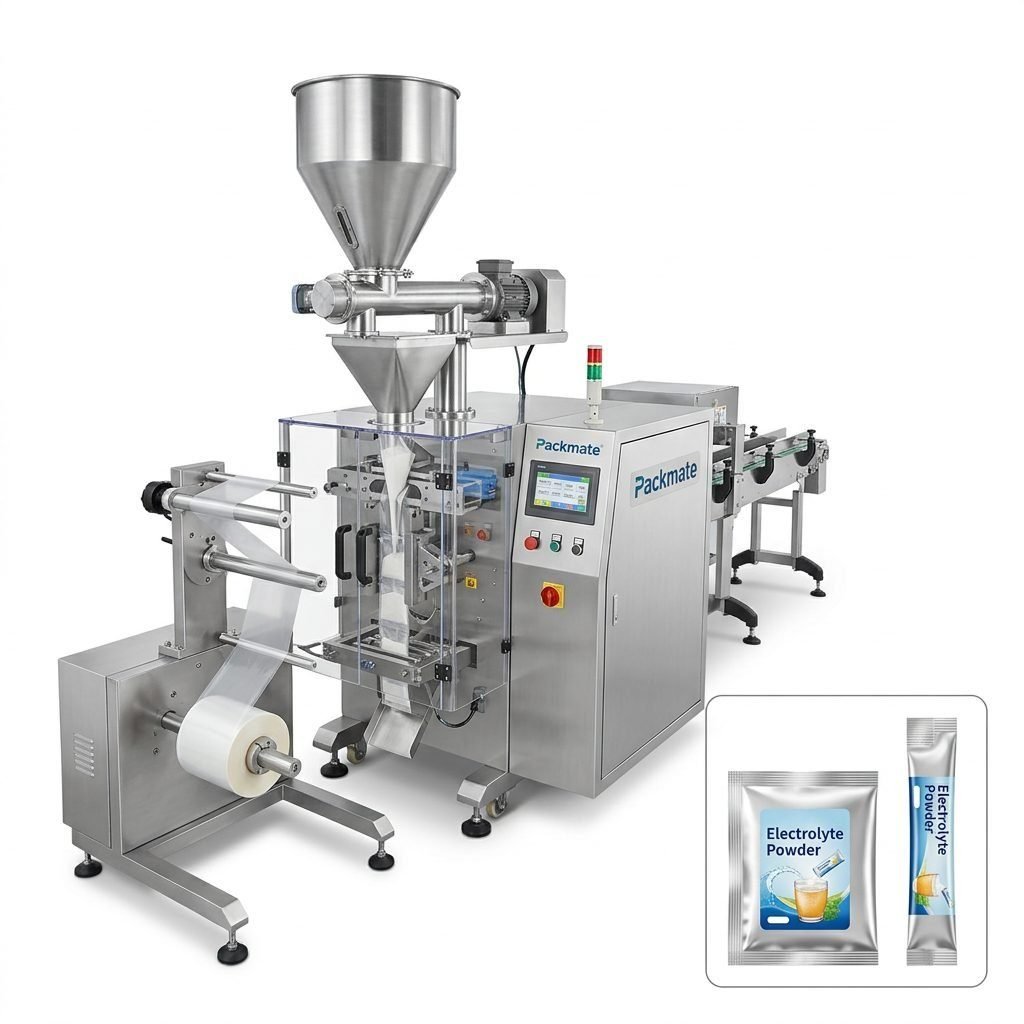
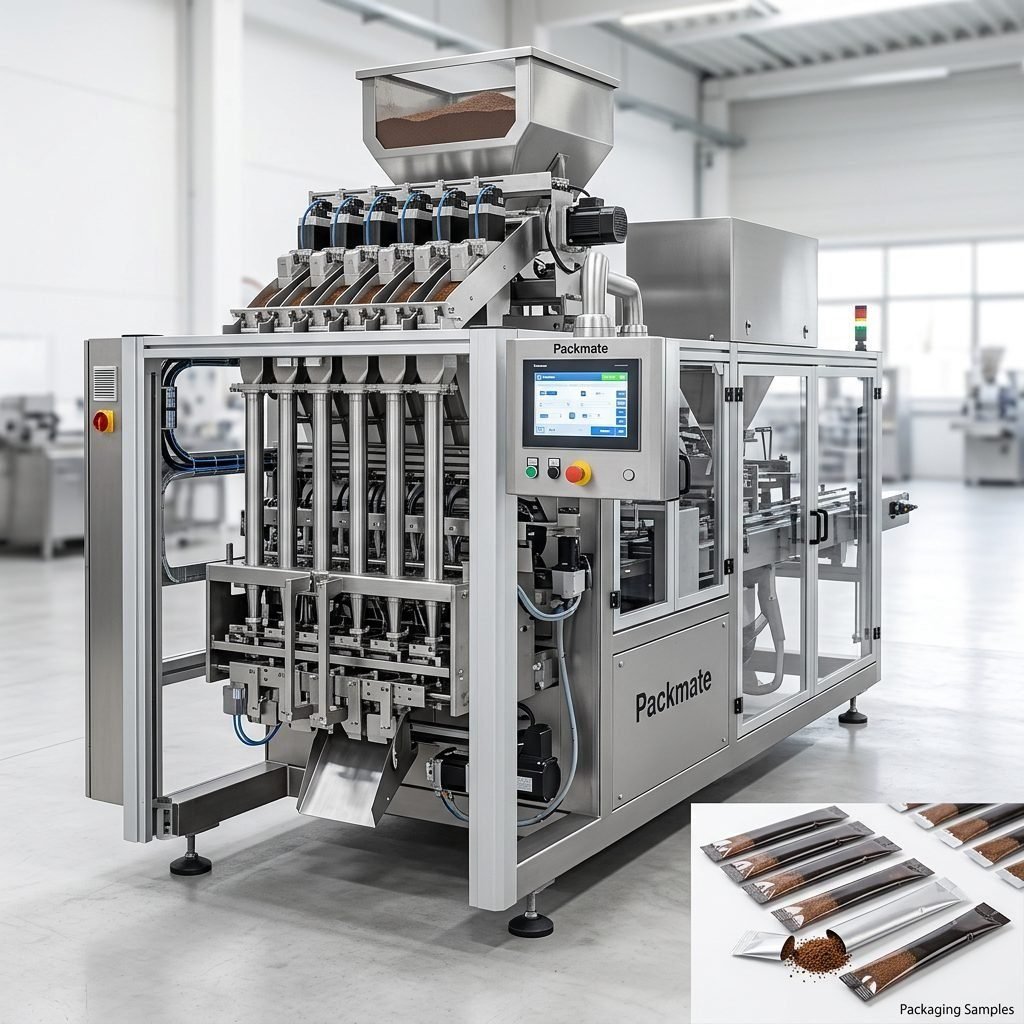
| Packmate Machinery | Intelligent packaging equipment for food, pharma, and supplements. | 30+ years experience, over 80 machine models, good balance of cost performance and technical capability. | Export-oriented buyers needing reliable, practical automation with professional support. |
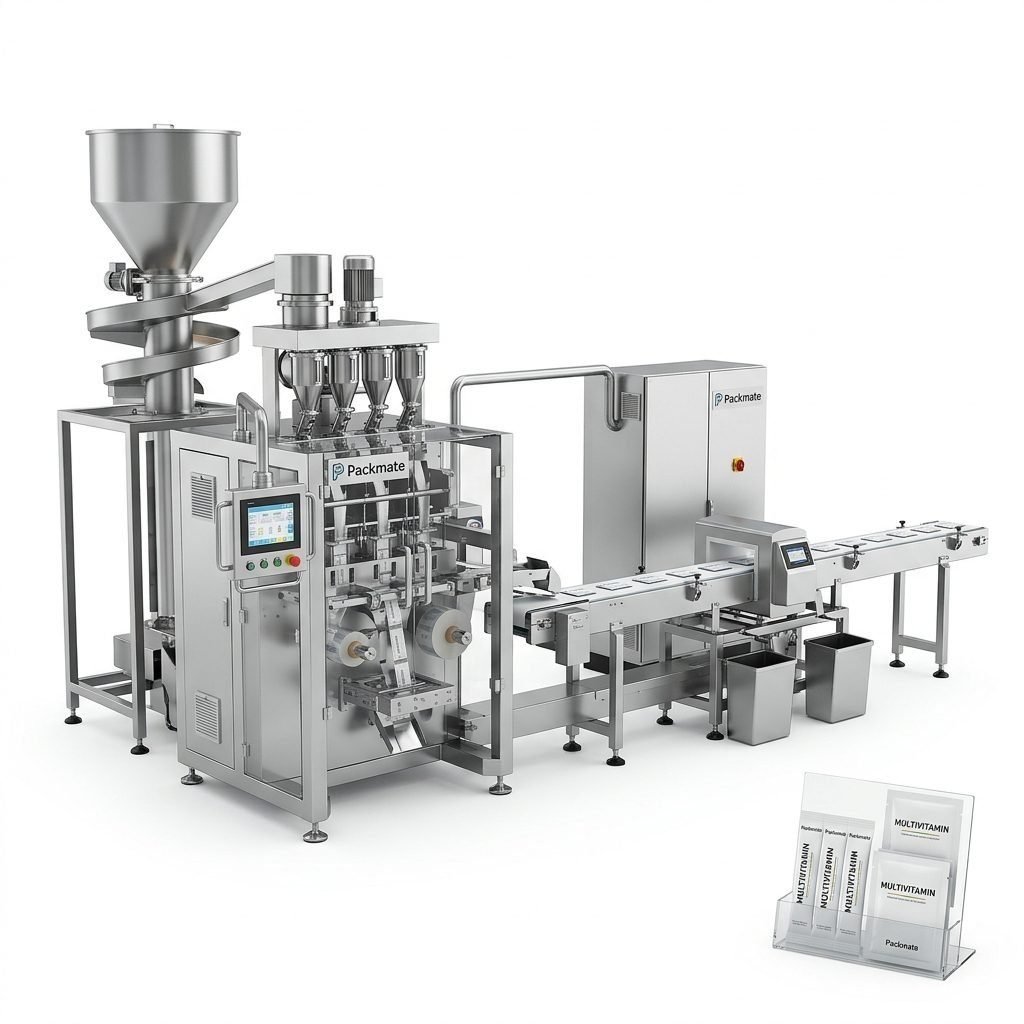
| PacklineOEM | Specialist in intelligent turnkey packaging production lines. | Strong focus on complete line integration (feeding, weighing, filling, sealing, inspection). | Clients prioritizing full-system engineering and automated factory setups over single machines. |
| PackingMachineOEM | Expert in non-standard and customized packaging machines. | Strong capability in bespoke engineering and machine adaptation for unique requirements. | Projects with specialized needs requiring OEM support and flexible, tailored configurations. |
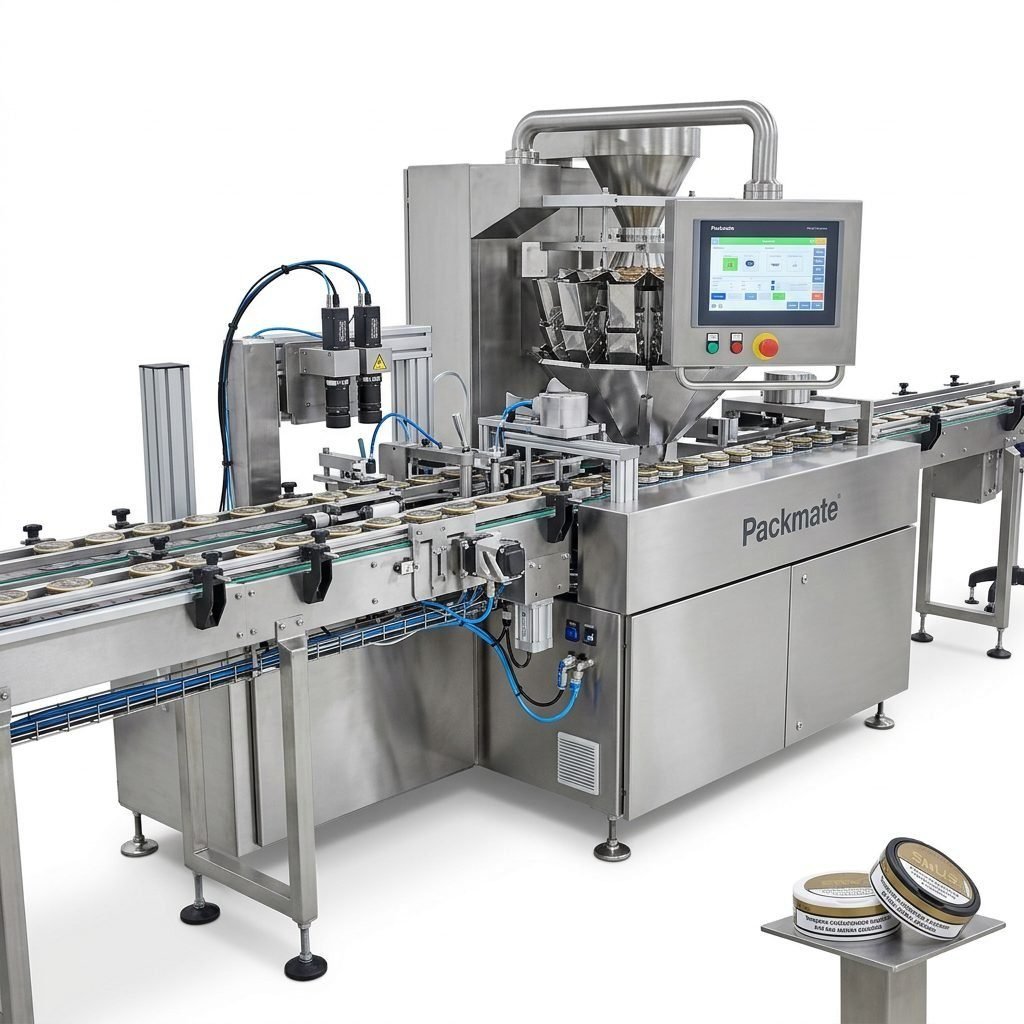
| SnusMachinery | Specialized in nicotine pouch and snus packaging equipment. | Niche expertise in high-precision pouch packaging for smokeless tobacco and similar products. | Companies in the nicotine pouch, snus, or specialty pouch sector seeking dedicated know-how. |
The Procurement Process: Steps for Salvadoran Importers
Navigating an international machinery purchase involves clear steps:
- Define Requirements: Clearly outline your product type, target output (bags/minute), bag specifications, factory space, and budget.
- Supplier Shortlisting: Research and create a list of potential suppliers like those mentioned above. Review their websites, case studies, and client lists.
- Request for Quotation (RFQ): Provide detailed specifications to shortlisted suppliers. Compare not only price but also machine specifications, warranty, delivery terms (e.g., FOB, CIF to Acajutla or Puerto de La Unión), and payment terms.
- Technical Review & References: Hold video conferences with engineers. Ask for client references, preferably in similar industries or regions.
- Factory Audit (Virtual or In-Person): If possible, visit the factory or request a virtual tour to assess manufacturing conditions and quality controls.
- After-Sales Agreement: Finalize the terms for installation support, training, spare parts, and ongoing technical service before signing the contract.
Conclusion
For Salvadoran businesses aiming to enhance their packaging operations, partnering with a reputable international manufacturer can be a strategic move. The key is to conduct thorough due diligence, focusing on the supplier’s experience, customization ability, manufacturing quality, and—most importantly—their commitment to after-sales support. By carefully evaluating suppliers against your specific operational needs and long-term goals, you can secure a packaging solution that drives efficiency, ensures product quality, and supports your growth in the local and export markets.
Frequently Asked Questions (FAQs)
What is the typical lead time for a packaging machine from China to El Salvador?
Lead times vary based on machine complexity and customization. For standard models, expect 30-60 days for production. Custom or turnkey lines may require 60-90 days or more. Sea freight shipping from China to ports in El Salvador typically adds 30-45 days. Always confirm specific timelines with your supplier.
How can I ensure the machine will work with my local power supply and packaging materials?
Reputable manufacturers will configure machines to match El Salvador’s standard voltage (220V, 60Hz). During the RFQ process, provide samples of your specific packaging film or material (laminate structure, thickness) so the supplier can test and adjust sealing parameters to ensure compatibility.
What kind of after-sales support can I expect from an overseas supplier?
Comprehensive support should include detailed machine manuals (in English/Spanish), video tutorials, remote online support via video call, a readily available spare parts list, and training for your operators (either on-site or at their factory). Clarify response time guarantees for technical issues.
Is it better to buy a single machine or a complete turnkey line?
It depends on your scale and automation goals. A single machine suits upgrading one part of your process. A turnkey line is ideal for new production setups or major expansions, as it ensures all components (feeding, filling, sealing, conveying) are integrated and optimized to work together seamlessly, maximizing overall efficiency.
What are the main hidden costs when importing packaging machinery?
Beyond the machine price, factor in international shipping and insurance, import duties and taxes in El Salvador, costs for a local technician for final installation/commissioning (if the supplier’s engineer isn’t traveling), potential electrical modifications, and a budget for essential spare parts to minimize future downtime.