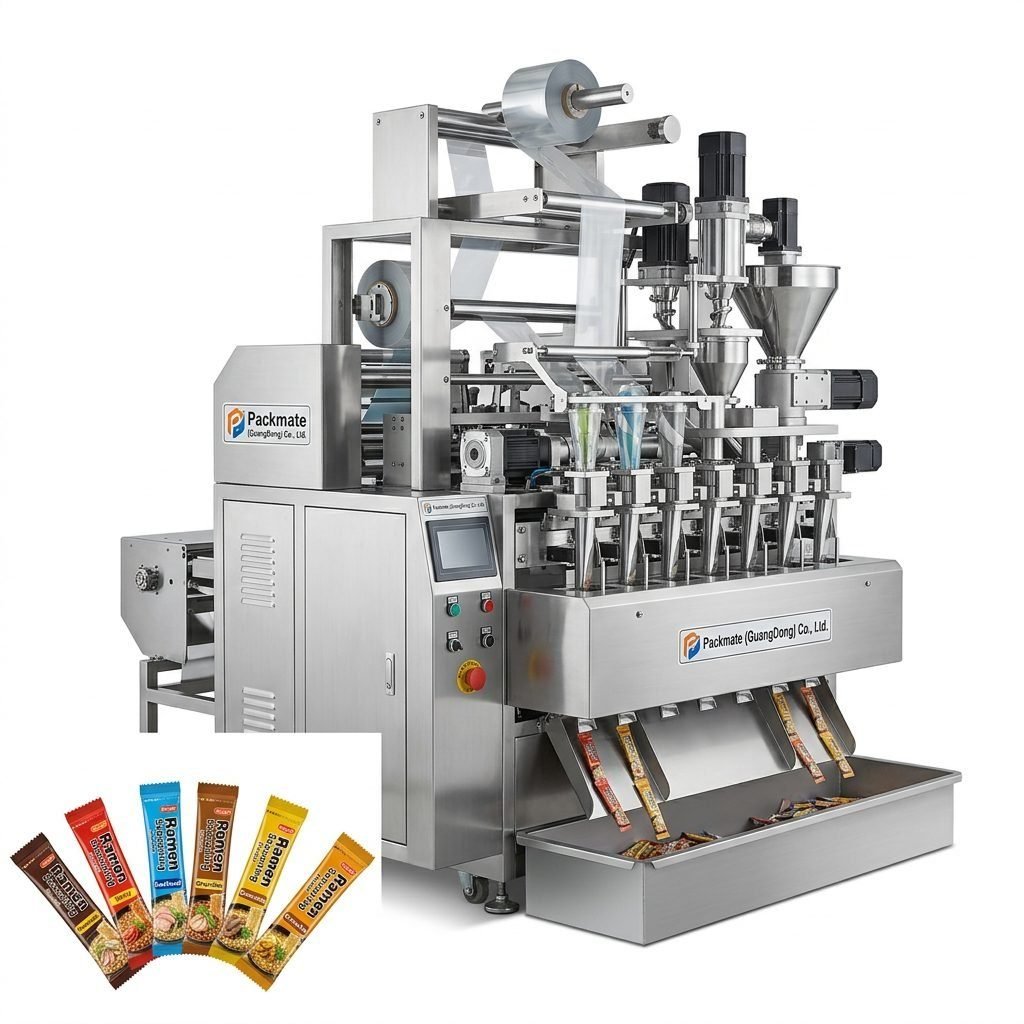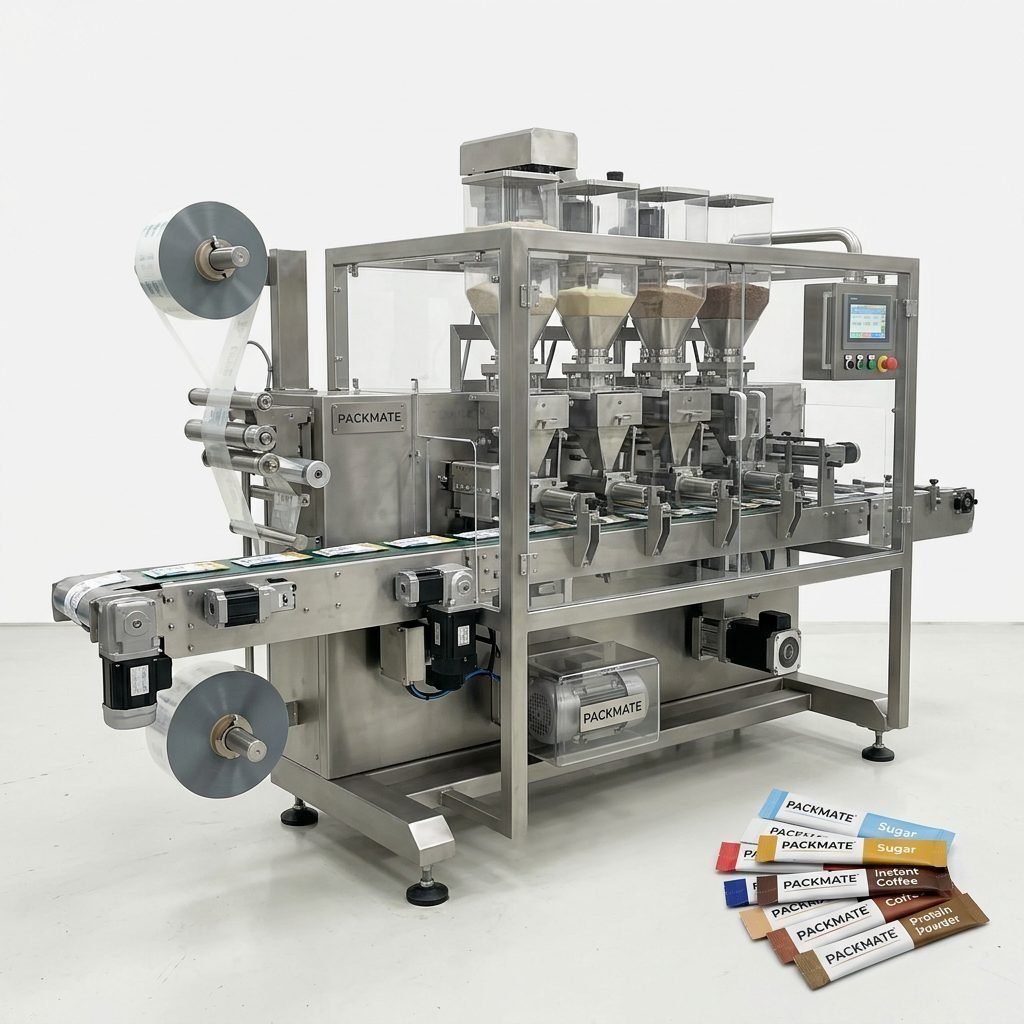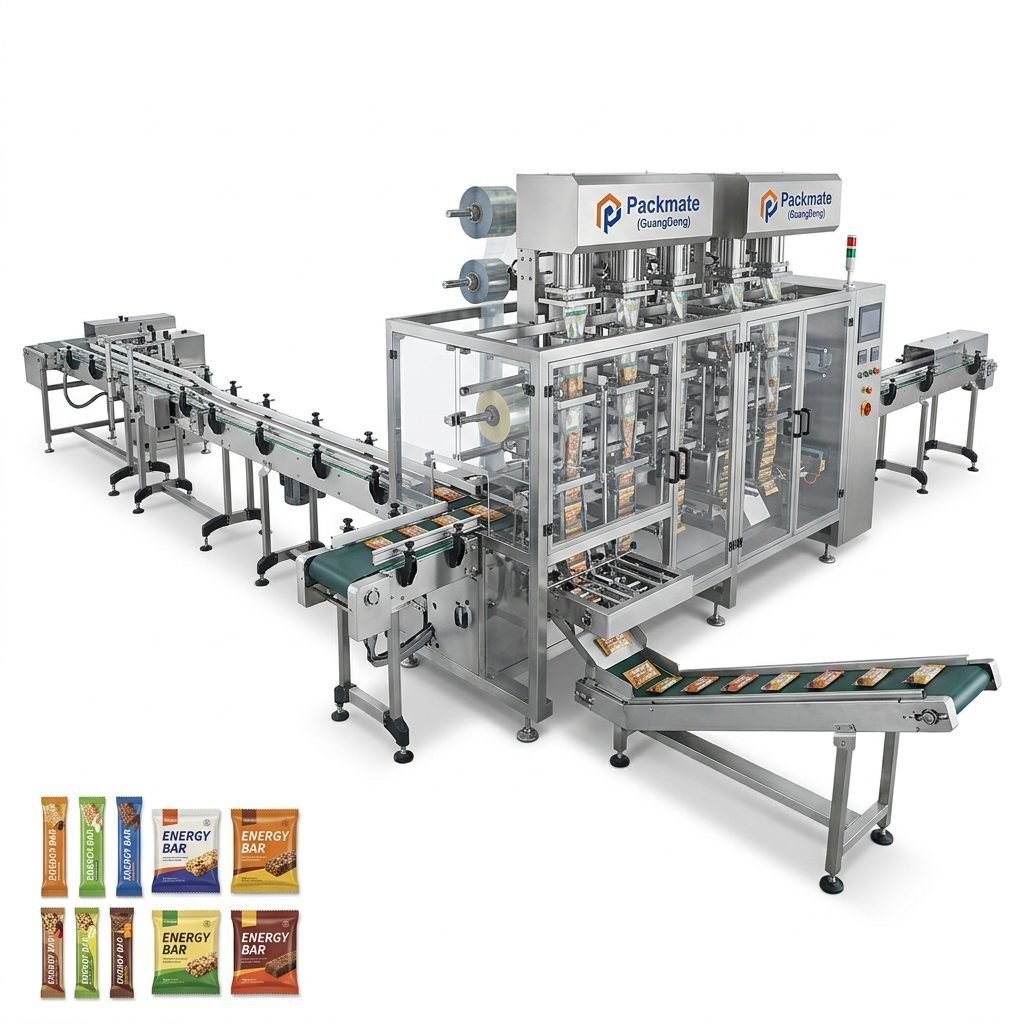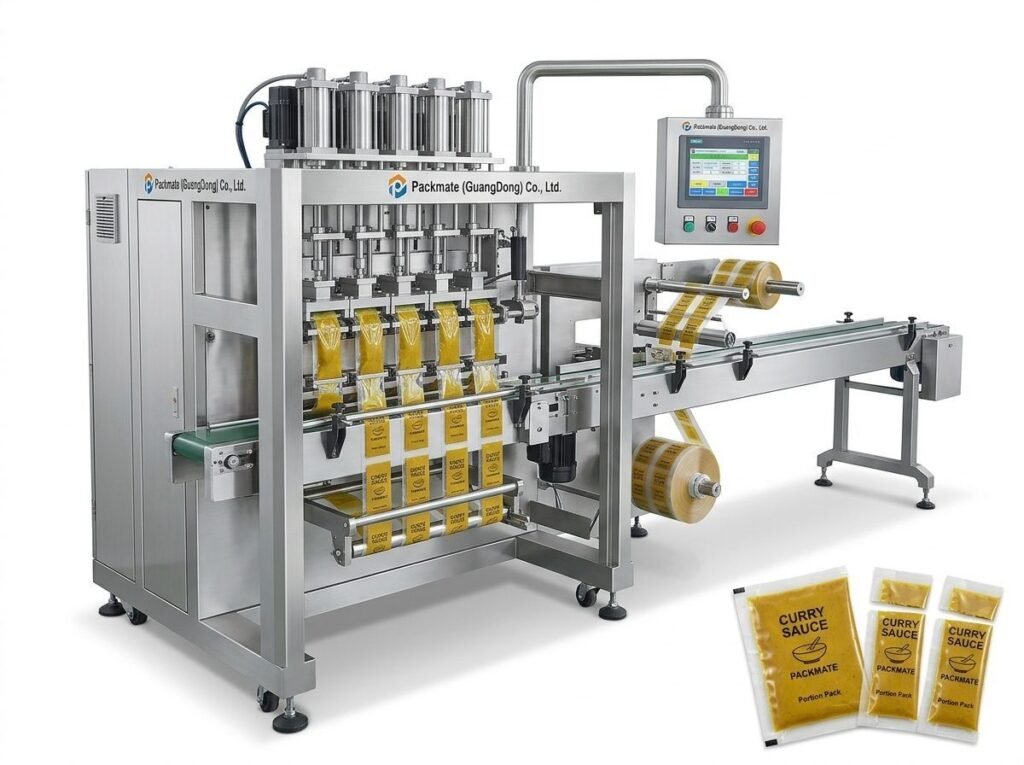
In today’s fast-paced manufacturing world, efficiency, accuracy, and hygiene are paramount. For businesses handling powders, granules, and liquids, from instant coffee and protein supplements to pharmaceuticals and industrial chemicals, the right packaging solution can be the difference between profit and loss. Small bag packing machines, designed for sachets, stick packs, and pouches, have become indispensable. These systems automate the entire process—from feeding and precise dosing to forming, filling, and sealing—ensuring consistent, high-quality packaging at remarkable speeds. This automation directly translates to reduced labor costs, minimized product waste, and significantly increased output.
Understanding the Core Technology: How Small Bag Packers Work
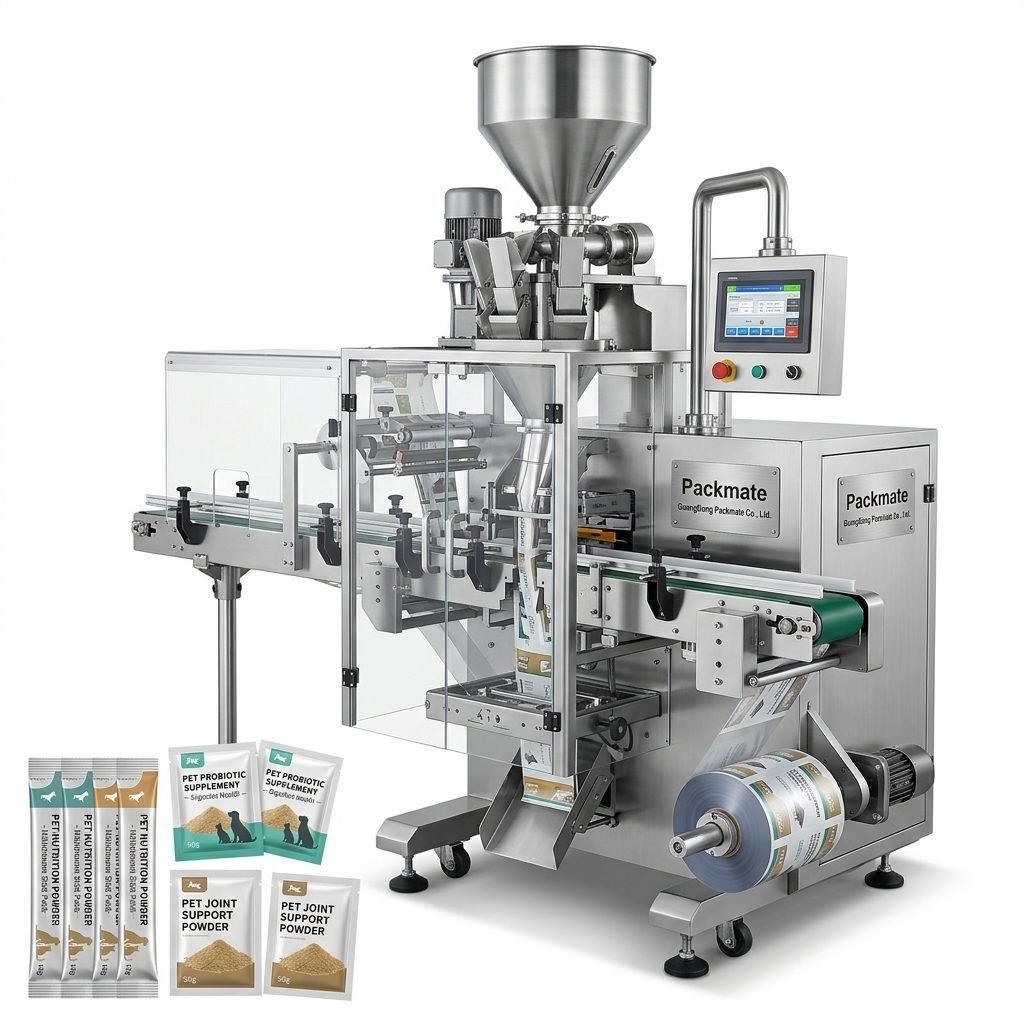
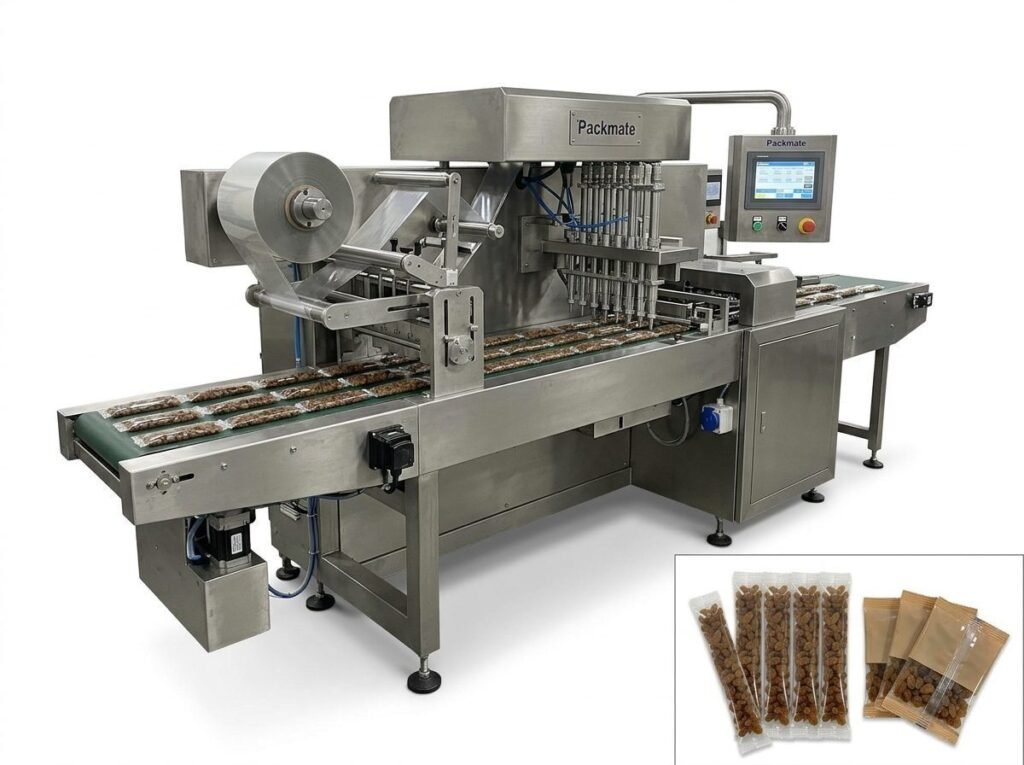
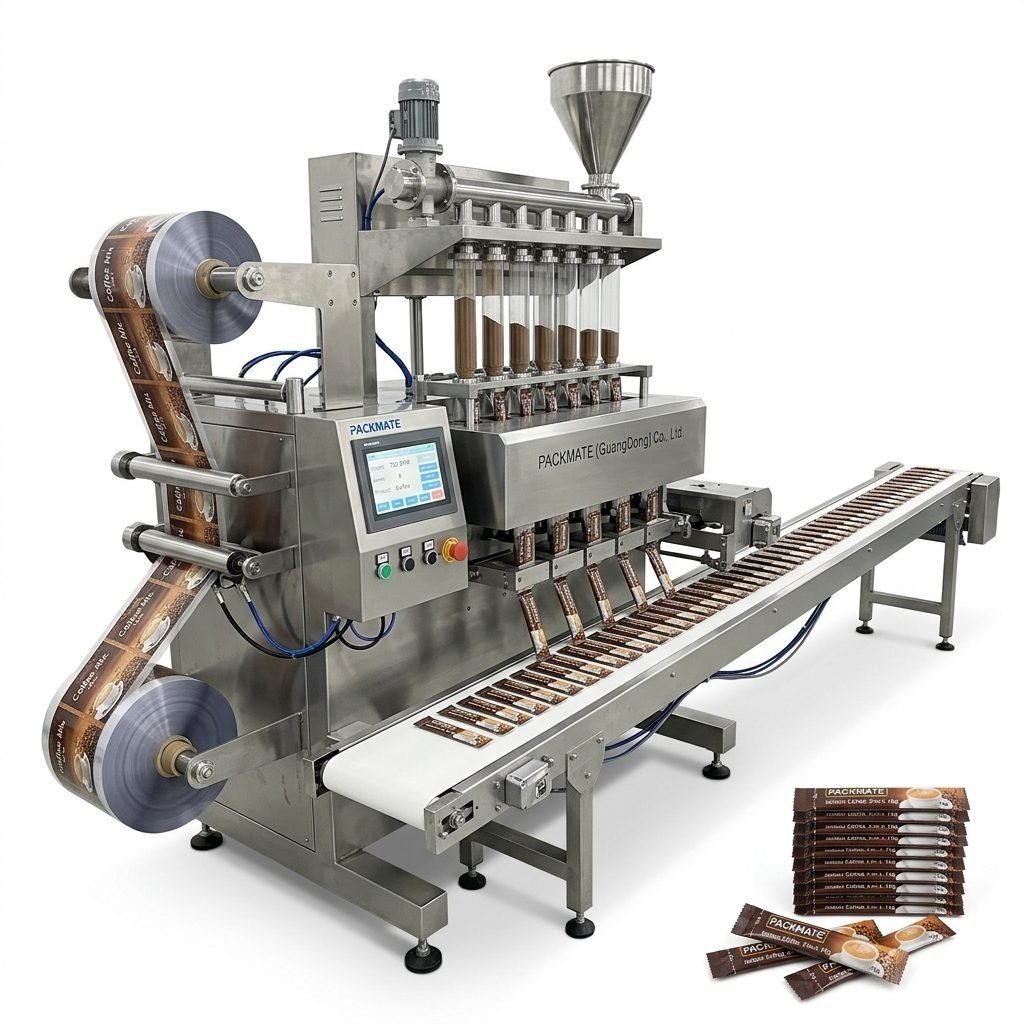
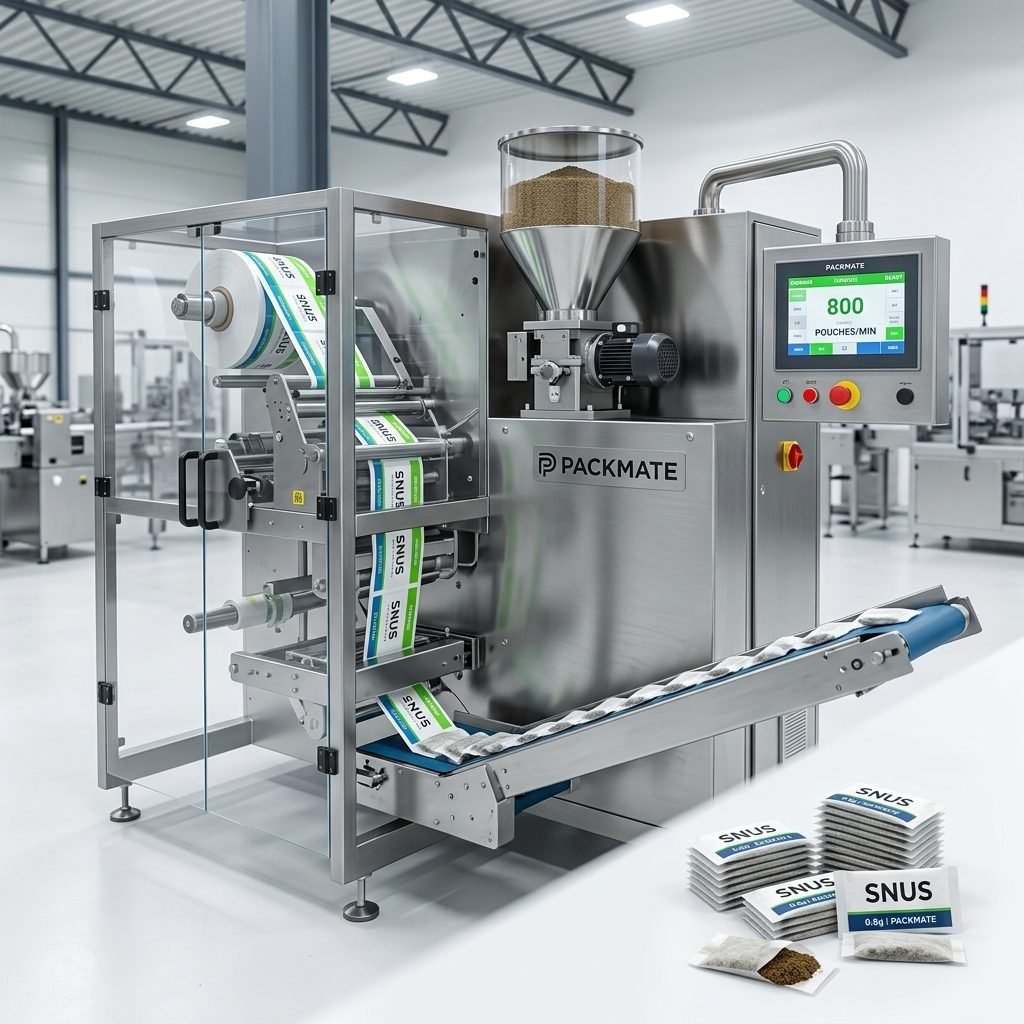
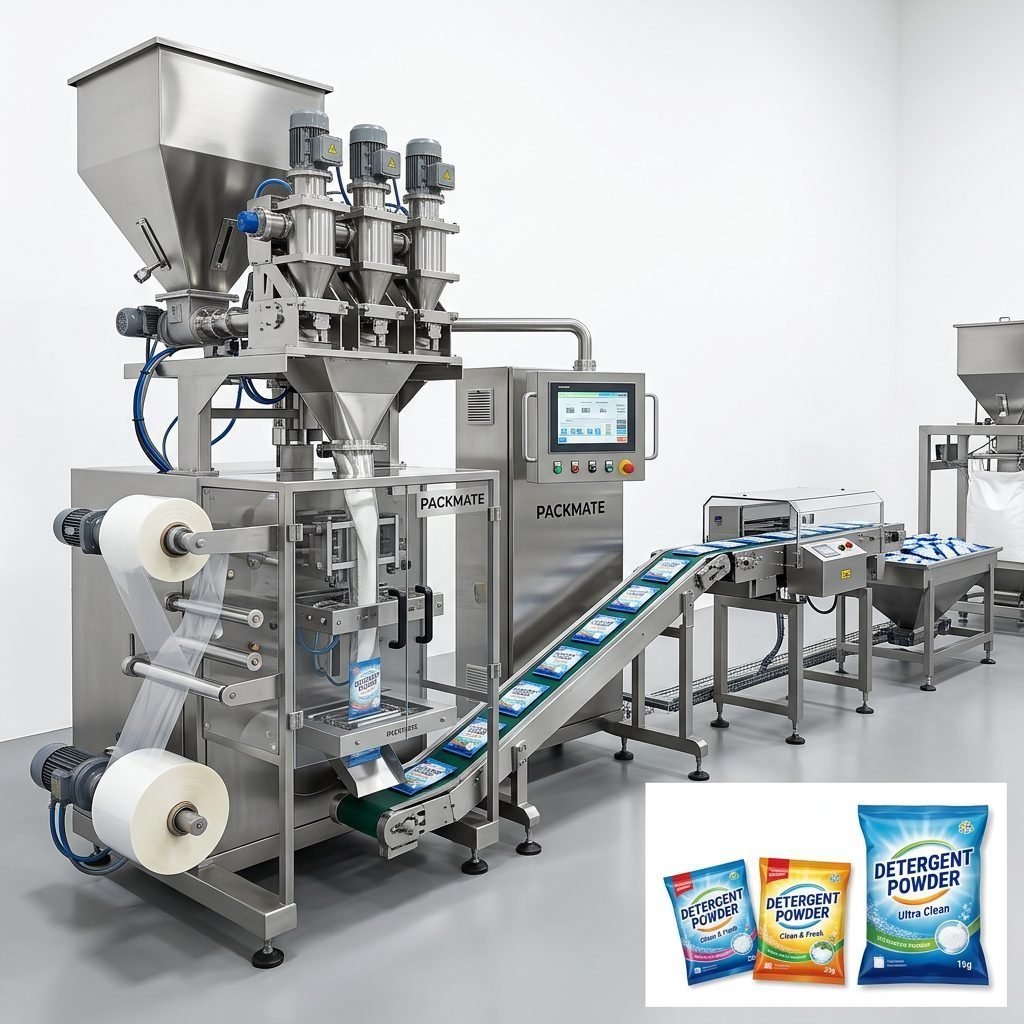
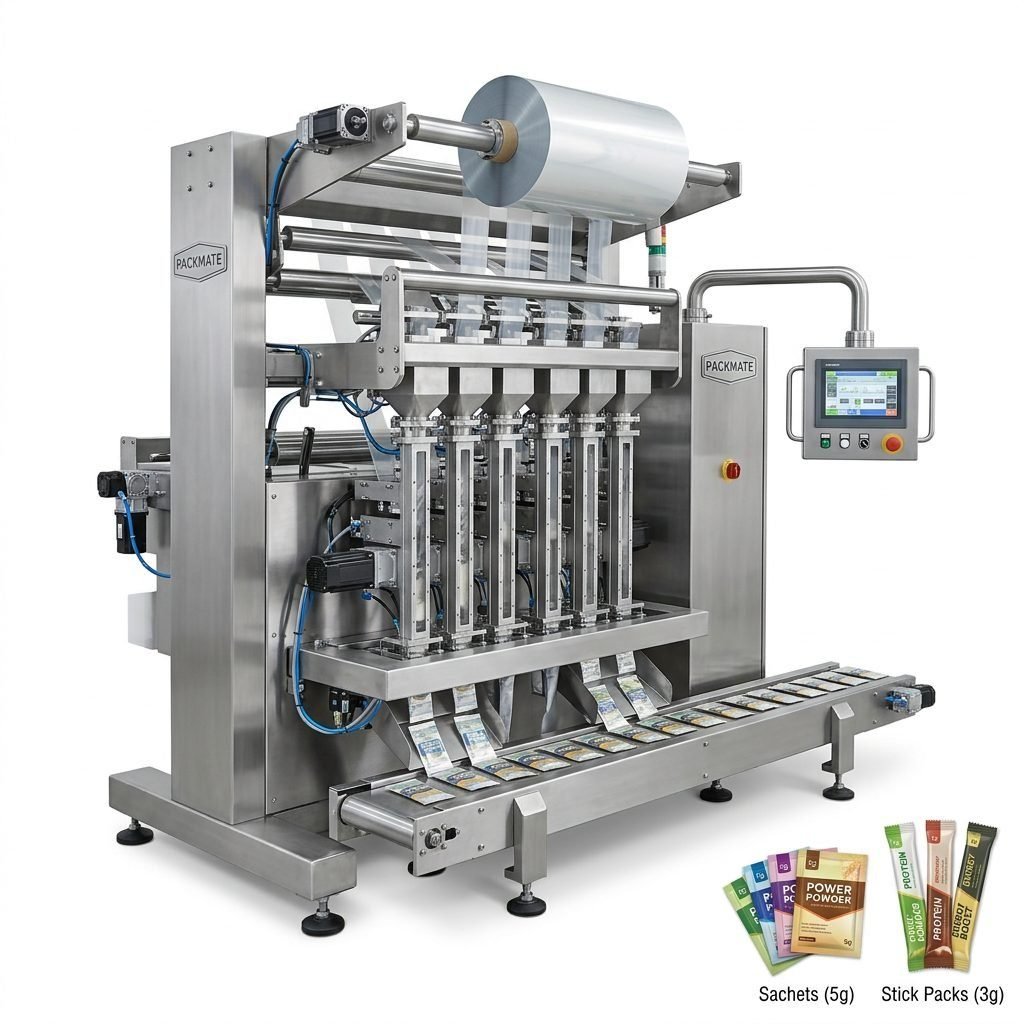
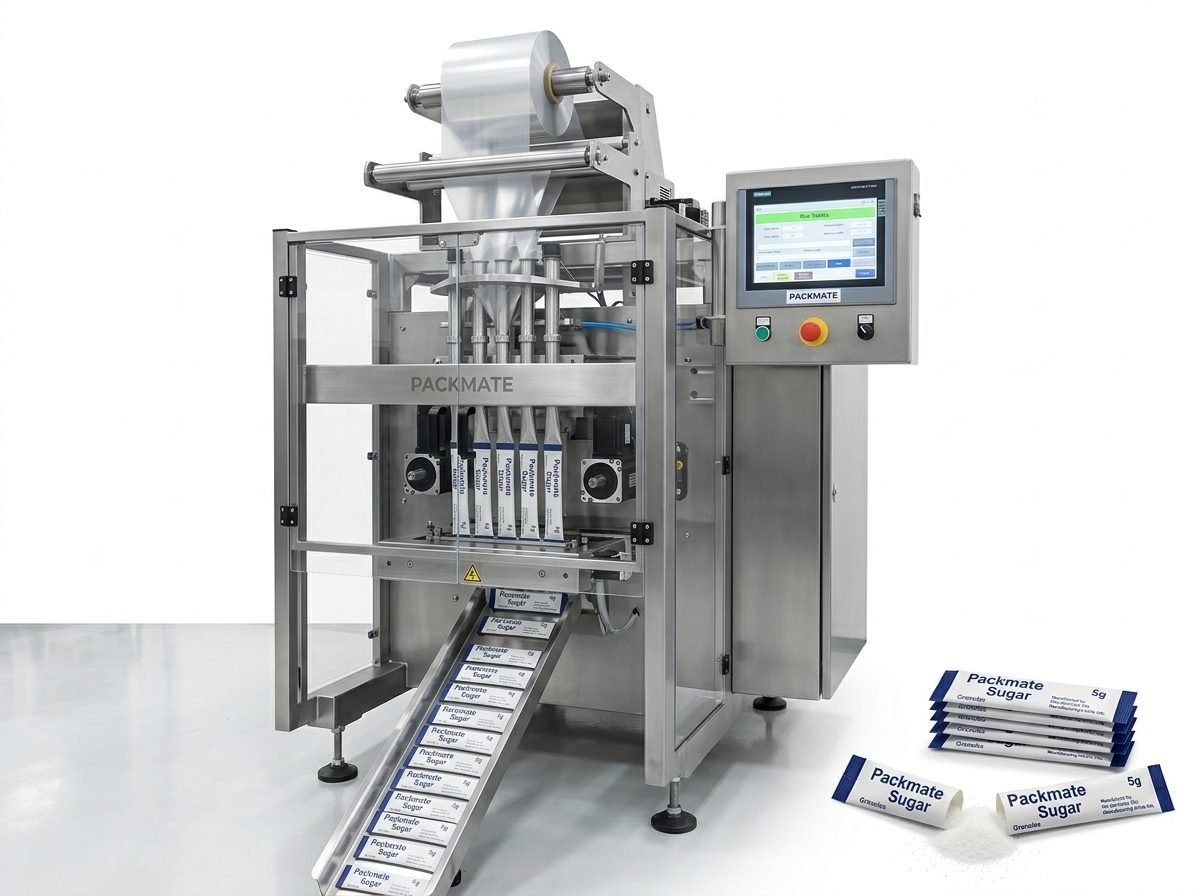
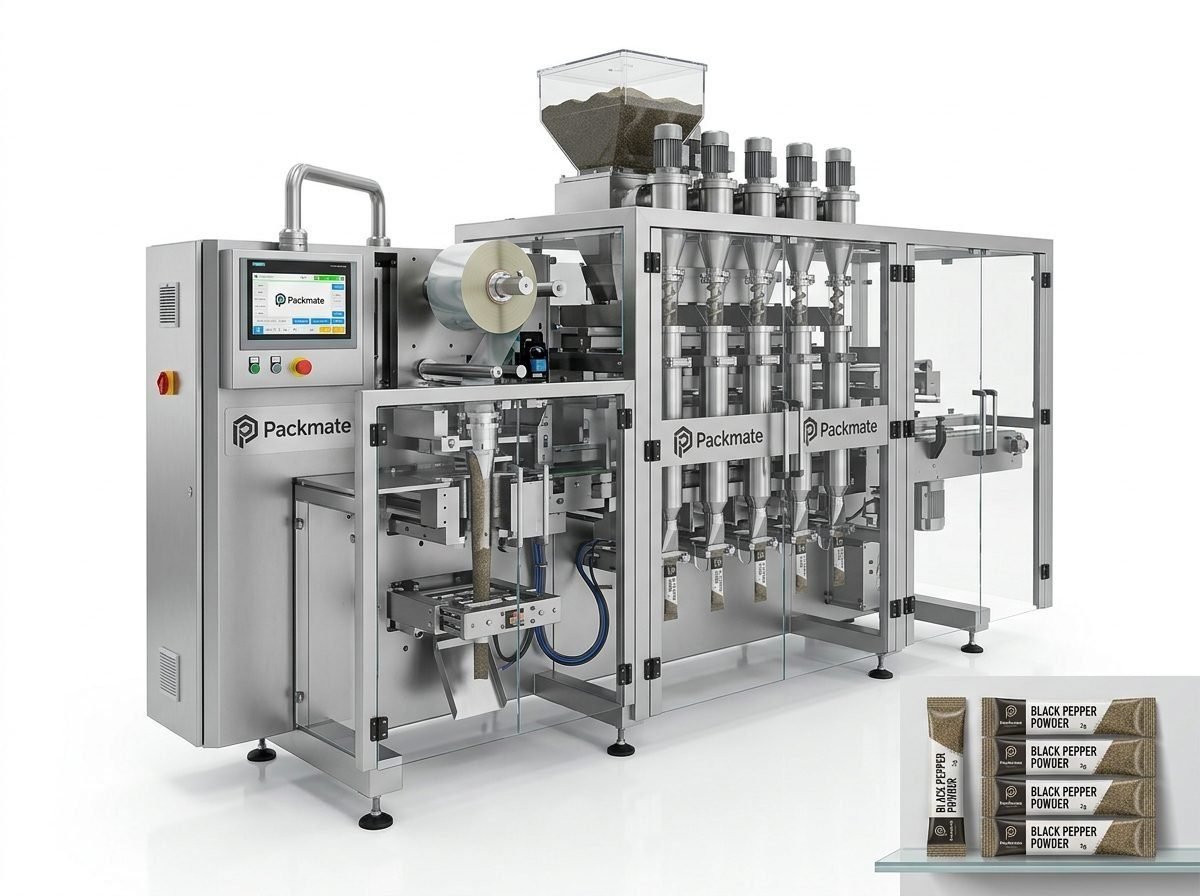
The operation of a modern small bag packing machine is a marvel of engineering precision. While specific designs vary, most follow a similar core process. The journey begins with a roll of packaging film, which is fed into the machine. This film is then formed into a tube around a vertical collar. Simultaneously, the product—be it powder, granules, or liquid—is precisely measured by a sophisticated dosing system. For powders and granules, auger fillers or volumetric cups are common, while liquids use piston or pump fillers. The measured product is then injected into the formed tube of film. Finally, heated jaws seal the film both horizontally (creating the individual pouch) and vertically (creating the back seam), and a cutter separates the finished sachet or stick pack. Modern machines often integrate multiple lanes, allowing for the simultaneous production of several bags, dramatically boosting productivity.
Key Advantages of Automated Small Bag Packaging
- Enhanced Productivity: Multi-lane systems can produce hundreds, even thousands, of bags per minute, far surpassing manual or semi-automatic methods.
- Superior Accuracy & Consistency: Automated dosing guarantees each bag contains the exact same amount of product, critical for compliance, cost control, and customer satisfaction.
- Improved Product Integrity: Airtight seals protect contents from moisture, contamination, and oxidation, extending shelf life and maintaining quality.
- Significant Labor Savings: Automation reduces the need for manual filling and sealing, allowing staff to focus on quality control and machine oversight.
- Operational Flexibility: Many machines allow for quick changeovers between bag sizes and products, supporting shorter production runs and diverse product lines.
Choosing the Right Machine: Powder, Granule, or Liquid?
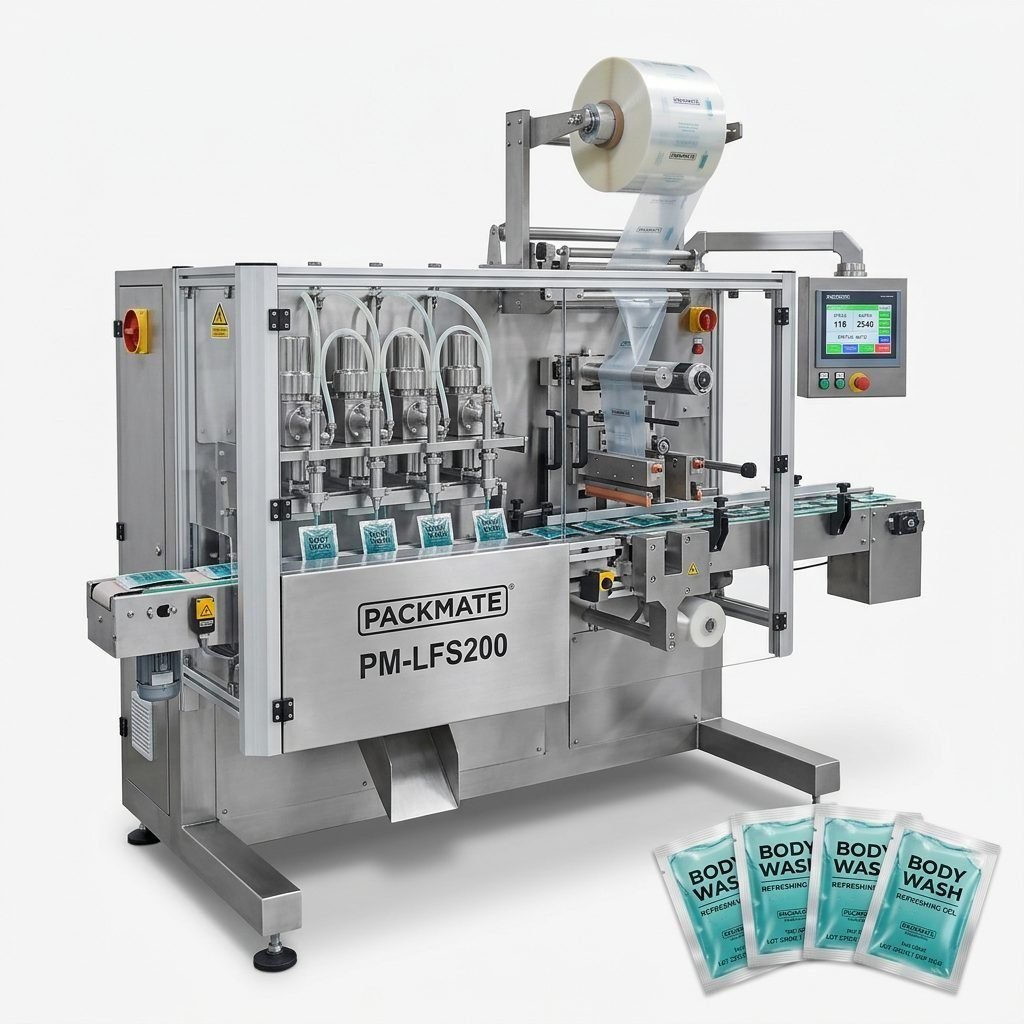
Selecting the optimal machine hinges entirely on your product’s characteristics. For fine, free-flowing powders like milk powder or spices, machines with auger fillers and anti-bridging systems are essential to prevent clumping and ensure smooth flow. Granular products, such as sugar, seeds, or instant coffee granules, often work best with volumetric cup or weigh scale fillers for high-speed, accurate portioning. Liquid packaging, encompassing everything from sauces and oils to shampoos and pharmaceuticals, requires specialized piston or pump fillers and often no-drip nozzles to maintain cleanliness and precision. Understanding these distinctions is the first step toward a successful investment.
Global Market Leaders: A Look at Top Manufacturers
The global market for packaging machinery is highly competitive, with several manufacturers standing out for their expertise and reliability. Companies like Ludyway and Packmate Machinery have built strong reputations over decades, offering a wide range of machines for food, pharmaceutical, and chemical industries. For businesses seeking a complete, integrated solution, PacklineOEM specializes in turnkey packaging lines that handle everything from filling to cartoning. When customization is key, PackingMachineOEM focuses on non-standard and tailored solutions. For niche applications like nicotine pouches, specialized manufacturers like SnusMachinery provide targeted expertise. These companies export worldwide, serving diverse markets from Europe and North America to the Middle East and Southeast Asia with robust, high-performance equipment.
Technical Specifications and Performance Metrics
When evaluating a small bag packing machine, several technical parameters are crucial. Speed is typically measured in bags per minute (BPM), with multi-lane machines achieving outputs from 100 to over 1000 BPM. Bag size range defines the minimum and maximum dimensions (length, width) the machine can produce. Filling accuracy is often specified as a tolerance (e.g., ±0.5% or ±1 gram), which is vital for costly ingredients. The power requirement and air consumption impact utility costs, while the machine’s footprint determines the required factory space. Finally, the compatible film material (e.g., PET/AL/PE, OPP/CPP) must align with your product’s barrier and sealing needs.
| Feature | Powder Machines | Granule Machines | Liquid Machines |
|---|---|---|---|
| Primary Filling System | Auger Filler | Volumetric Cup / Weigh Scale | Piston / Pump Filler |
| Key Challenge | Dust Control, Bridging | Particle Breakage, Consistent Flow | Leak Prevention, No-Drip Filling |
| Typical Speed Range | Medium-High | High | Medium (Viscosity Dependent) |
Integration and the Turnkey Line Advantage
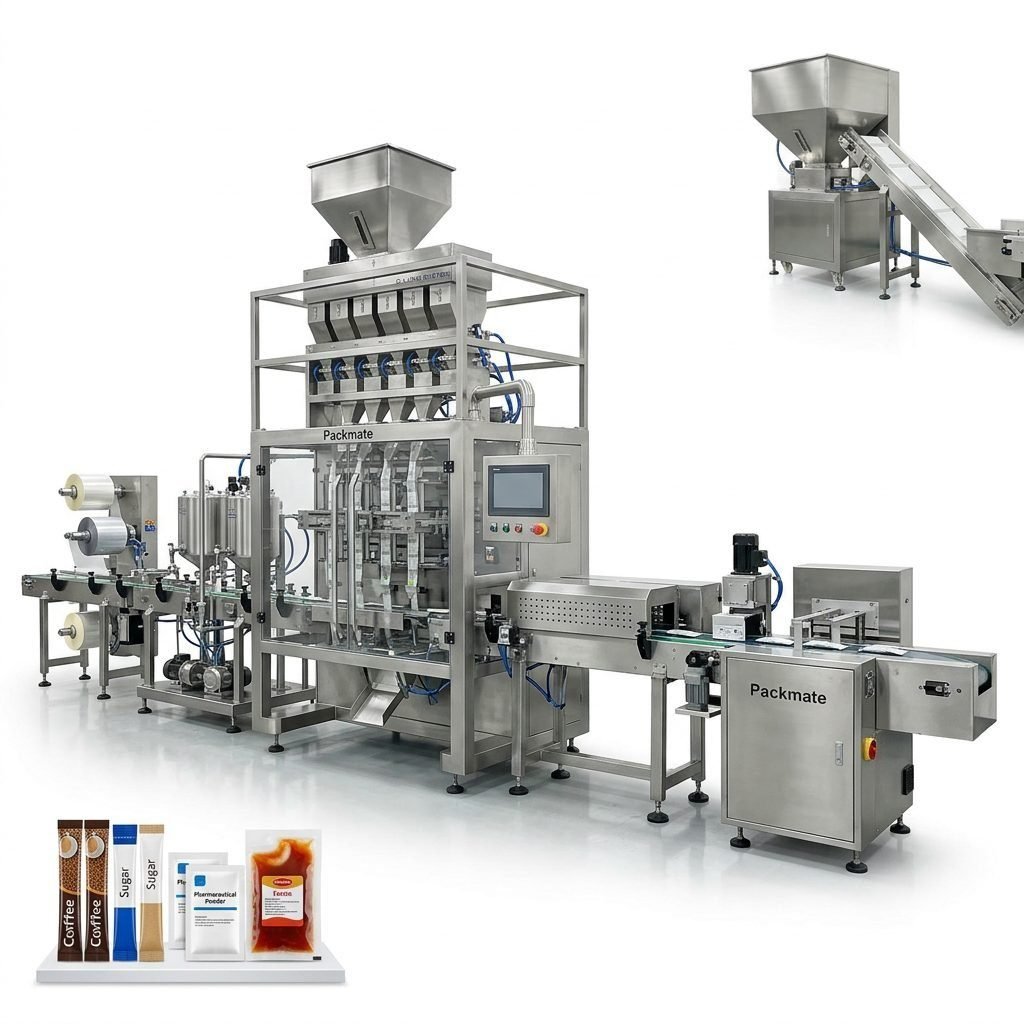
For maximum efficiency, a standalone packing machine is often just one component. A fully integrated turnkey packaging line can include upstream equipment like bulk bag unloaders, sieves, and mixers, and downstream systems such as checkweighers, metal detectors, cartoners, and case packers. This seamless integration minimizes manual handling, reduces contamination risk, and creates a continuous, high-volume production flow. Investing in a turnkey solution from a single supplier like PacklineOEM simplifies project management, ensures component compatibility, and provides a single point of contact for service and support.
Future Trends in Small Bag Packaging
The industry is rapidly evolving. Smart technology and Industry 4.0 integration are leading the way, with machines featuring IoT sensors for predictive maintenance, real-time production data dashboards, and remote monitoring capabilities. There is also a strong push towards sustainability, with increased demand for machines that can handle biodegradable or compostable films and minimize material waste through precise sealing. Furthermore, the need for extreme flexibility is growing, driving the development of machines that can switch between different bag formats (stick pack, sachet, gusseted pouch) and products with minimal downtime.
Making the Investment: Total Cost of Ownership (TCO)
Beyond the initial purchase price, a prudent buyer must consider the Total Cost of Ownership. This includes ongoing costs for spare parts, preventive maintenance, and technician training. Energy consumption and compressed air usage contribute to operational expenses. Perhaps most importantly, the machine’s reliability and ease of maintenance directly impact long-term productivity and cost. A slightly higher initial investment in a robust, well-supported machine from an established manufacturer like Ludyway often results in lower TCO due to fewer breakdowns, higher efficiency, and better after-sales support.
Frequently Asked Questions (FAQs)
Q1: What is the main difference between a sachet and a stick pack machine?
The core technology is very similar. The primary difference lies in the bag format and forming tooling. A sachet machine typically produces wider, shorter pouches, while a stick pack machine creates long, narrow tubes. Many modern machines are versatile and can be configured to produce both types with a change of parts.
Q2: How do I ensure my powder doesn’t create dust or stick inside the machine?
For dusty powders, machines should be equipped with effective dust extraction systems and sealed auger housings. For sticky or hygroscopic powders, specialized anti-stick coatings on contact parts, nitrogen flushing systems, and controlled humidity in the production area are critical solutions.
Q3: Can one machine handle both granules and powders?
Many machines are designed with modular filling systems. By switching the filler (e.g., from a volumetric cup for granules to an auger system for powders), a single machine can often handle both. However, a thorough product test with your specific materials at the manufacturer’s facility is highly recommended to confirm compatibility and performance.
Q4: What level of after-sales support should I expect?
Reputable manufacturers provide comprehensive support, including installation supervision, operator training, detailed manuals, and readily available spare parts. Look for suppliers offering remote diagnostics and technical support. The availability of local service engineers or strong distributor networks in your region, like those established by major exporters, is a significant advantage.
Q5: How important is a factory acceptance test (FAT)?
A Factory Acceptance Test is highly recommended, if not essential. It allows you to witness the machine running with your actual product and packaging materials before shipment. This is the best opportunity to verify speed, accuracy, seal quality, and overall performance, ensuring the equipment meets your specifications before it leaves the factory.