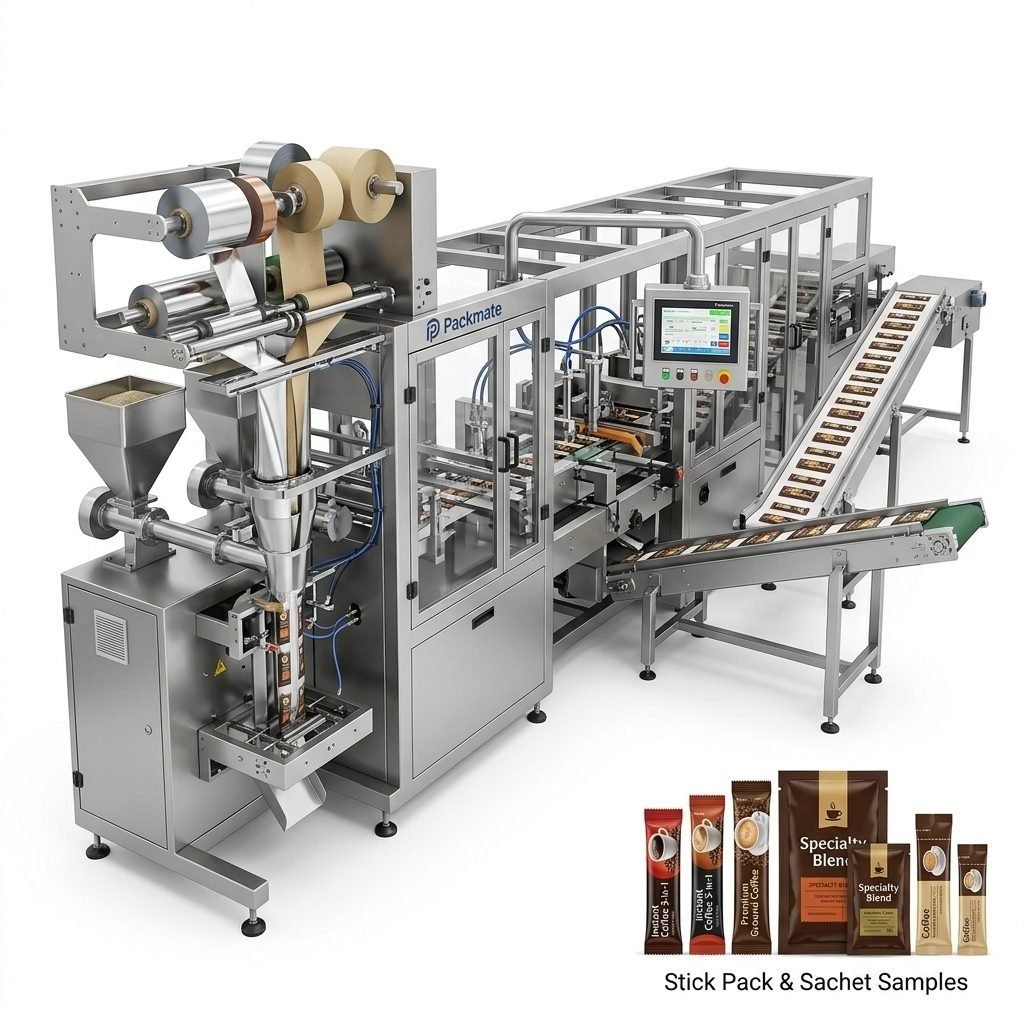
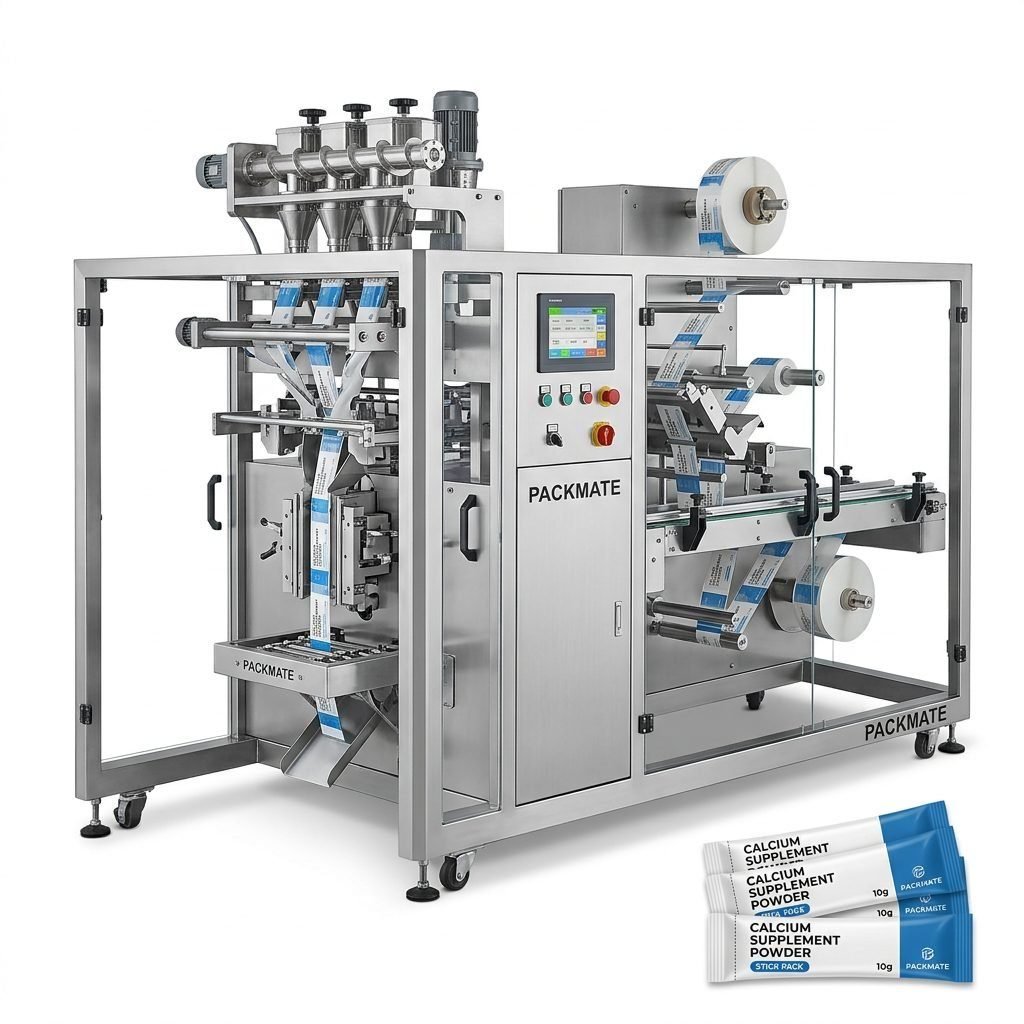
Selecting the right packaging machine manufacturer in Oceania is a critical decision for businesses aiming to enhance production efficiency, ensure product consistency, and expand their market reach. The region, encompassing Australia, New Zealand, and the Pacific Islands, presents unique opportunities and challenges. Local manufacturers, particularly in the food, pharmaceutical, and health supplement sectors, require reliable, automated solutions that can handle high volumes while adapting to strict quality and regulatory standards. For many companies, partnering with an experienced international manufacturer offers the perfect balance of advanced technology, cost-effectiveness, and robust support.
Key Considerations for Oceania-Based Businesses
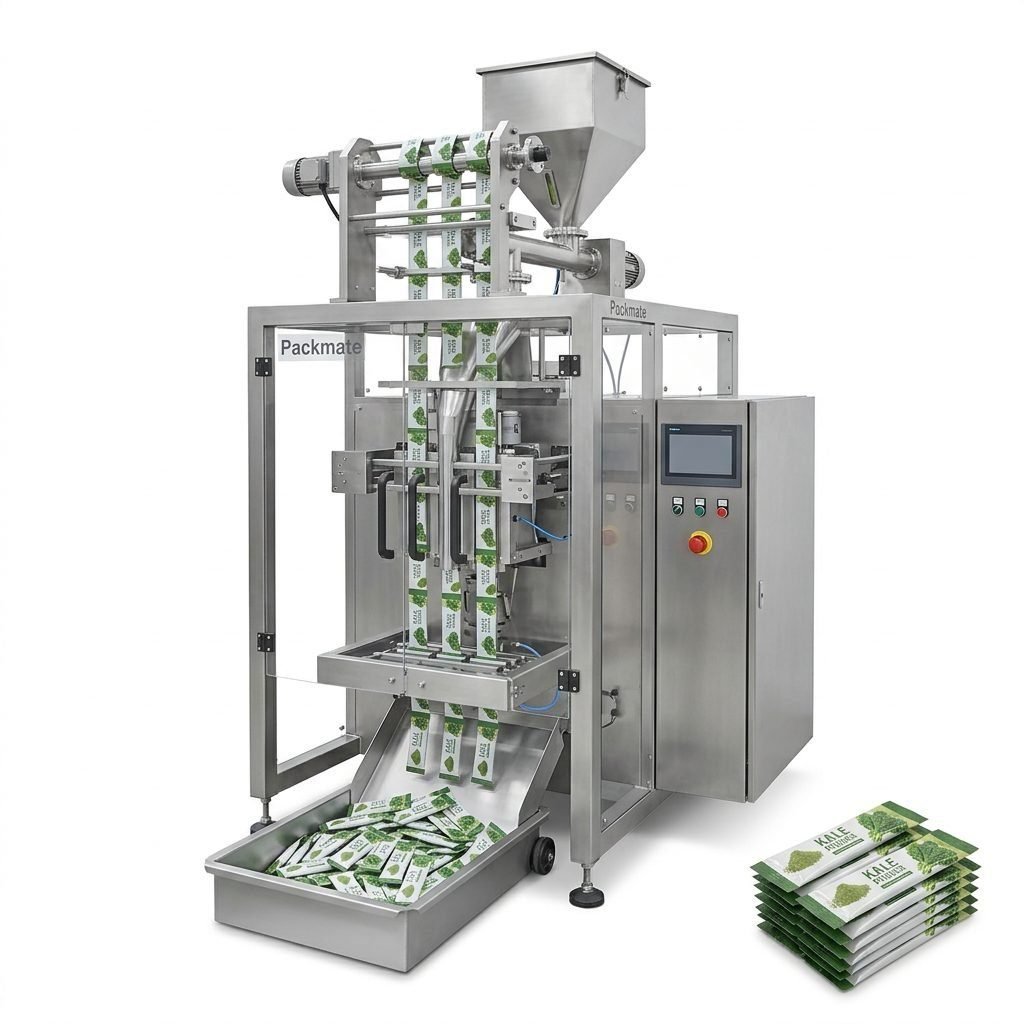
Businesses in Oceania must evaluate several specific factors when sourcing packaging machinery. The geographical isolation of the region makes after-sales support, spare parts availability, and local technical service paramount. Machines need to be durable and capable of running for extended periods with minimal downtime. Furthermore, packaging lines must often be versatile to handle a diverse range of products, from food powders and beverage mixes to pharmaceutical granules and health supplements, catering to both local consumption and export markets.
A primary challenge for Oceania is the distance from major manufacturing hubs. This makes it essential to choose a supplier with a proven export track record, reliable logistics partnerships, and the ability to provide comprehensive remote support and training. Manufacturers with experience in similar markets, such as Ludyway, which exports globally, often have established protocols to ensure smooth delivery and installation.
1. Assessing Your Production Requirements
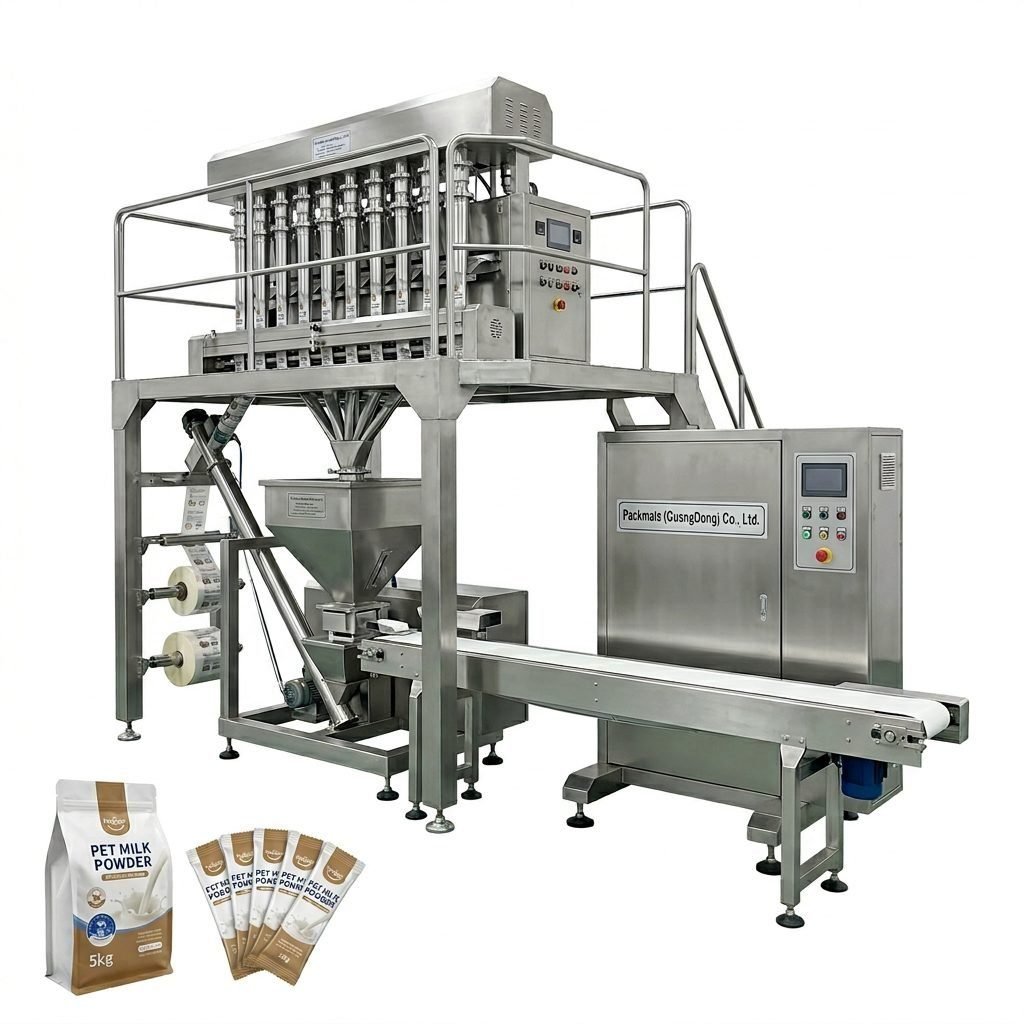
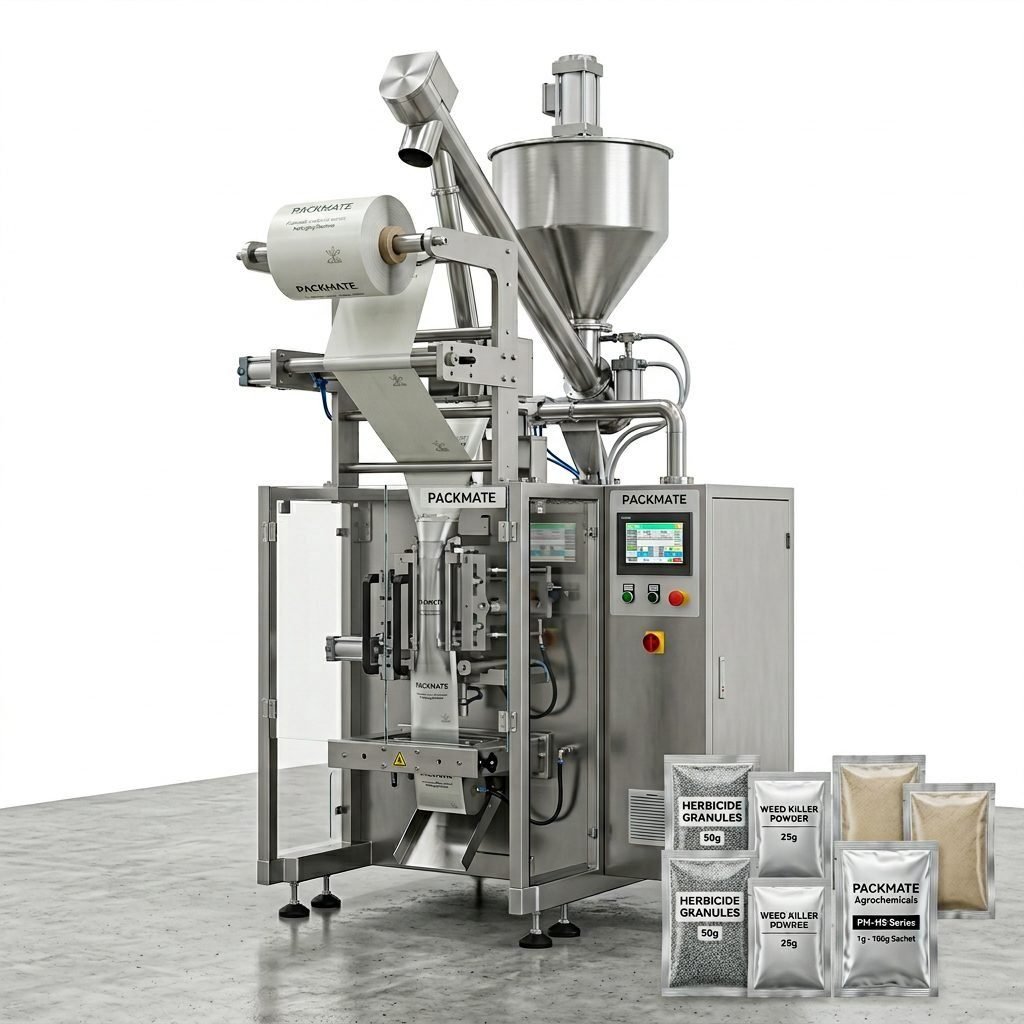
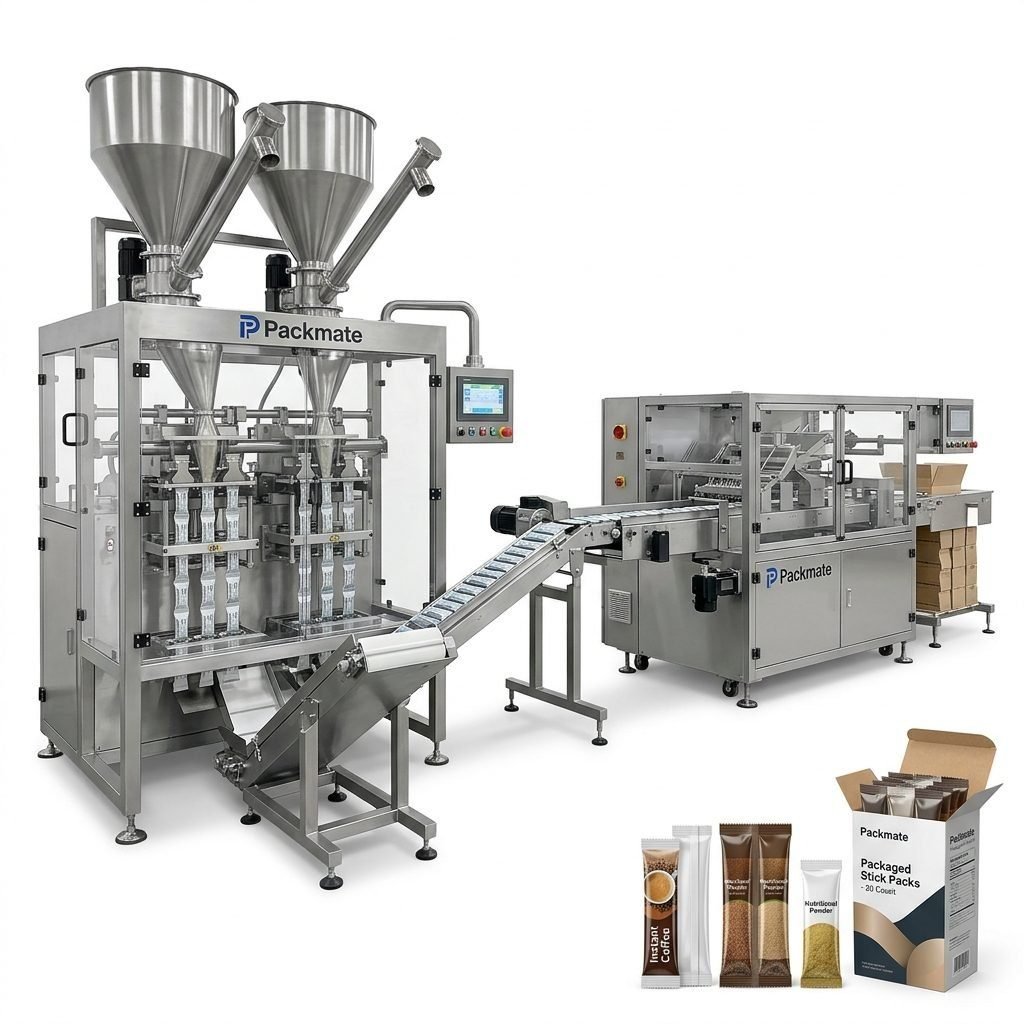
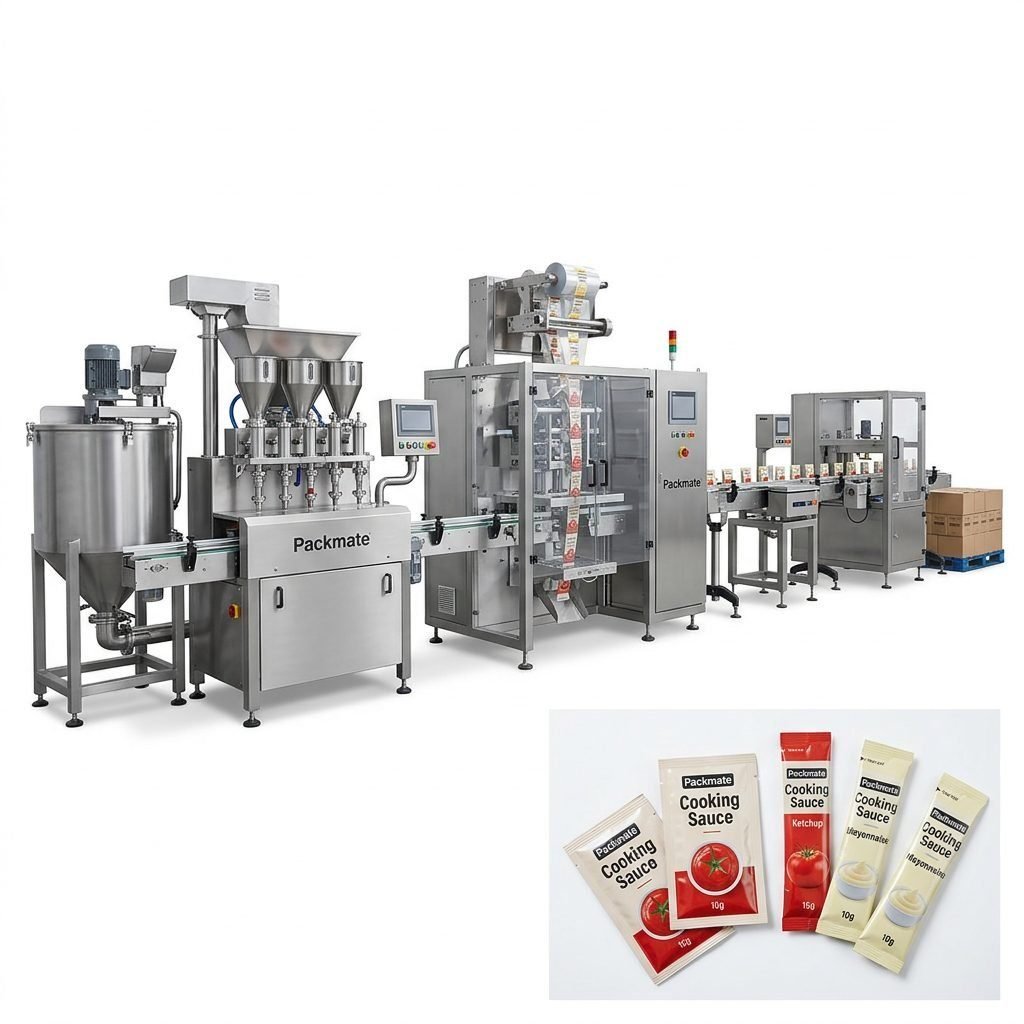
Begin by thoroughly analyzing your current and future production needs. Consider the type of product (powder, granule, liquid, paste), required output speed (bags per minute), bag types (stick packs, sachets, pouches), and the level of automation needed. Will you need standalone machines or a complete turnkey line? For businesses in Australia and New Zealand looking to scale, a modular and scalable packaging solution from a supplier like Packmate Machinery can be a wise investment, allowing for future expansion without complete system overhauls.
2. Manufacturer’s Experience and Specialization
Look for a manufacturer with deep experience in your specific industry. A company that has focused on food packaging for decades will have different expertise than one specializing in pharmaceuticals. For niche sectors like nicotine pouches, which are gaining regulatory attention in Oceania, a specialized manufacturer such as SnusMachinery offers distinct advantages in application know-how and machine design. Review their case studies and ask for references from clients in similar fields.
Why Industry Specialization Matters
Machines for food-grade products require different hygiene standards and material compatibility than those for industrial chemicals. A manufacturer experienced in your sector will understand these nuances, helping you avoid compliance issues and ensuring optimal machine performance for your specific product characteristics.
3. Technical Capability and Customization
Not all production lines fit a standard mold. Your product format, factory layout, or unique packaging material may require custom engineering. Evaluate a manufacturer’s R&D strength and their willingness to provide non-standard or OEM solutions. Companies like PackingMachineOEM are structured to handle such project-based, customized requirements, which can be crucial for businesses with specialized needs across Oceania’s diverse manufacturing landscape.
| Capability | Importance for Oceania | Questions to Ask |
|---|---|---|
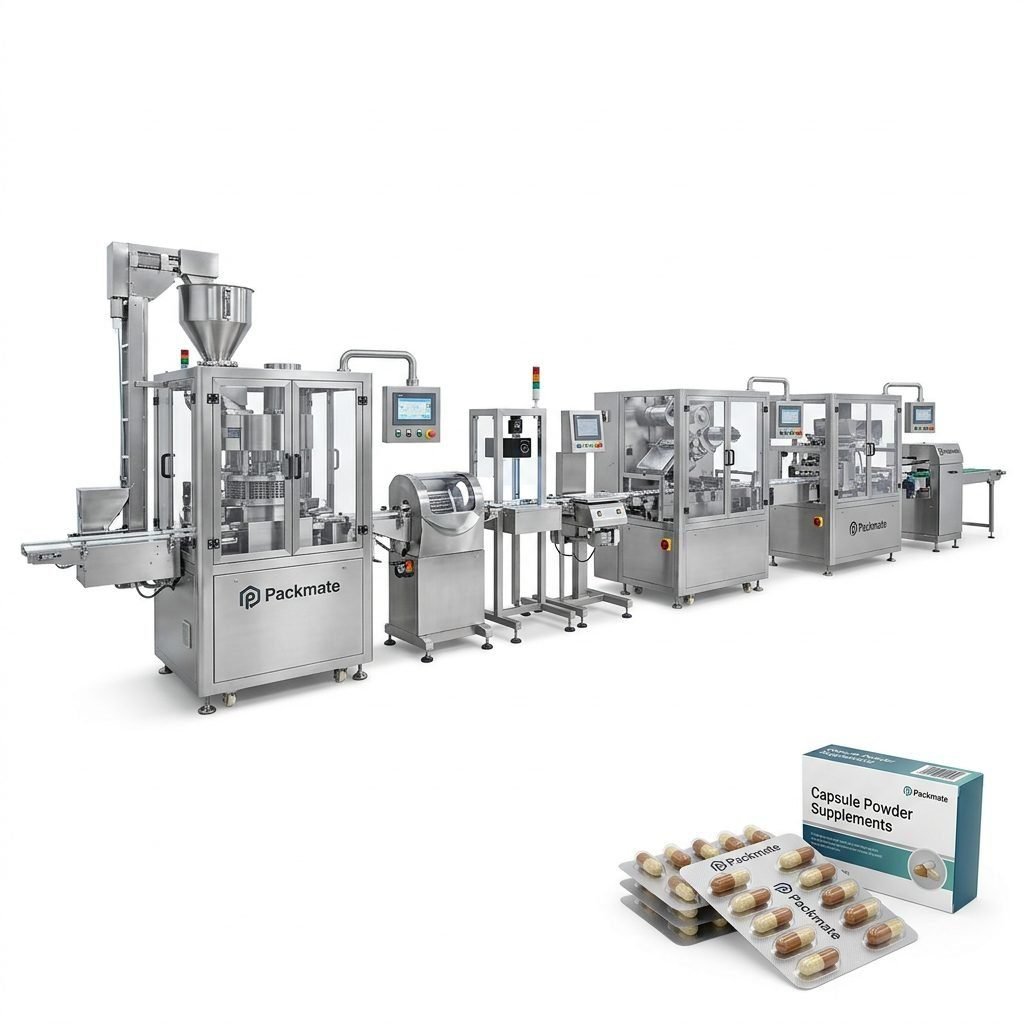
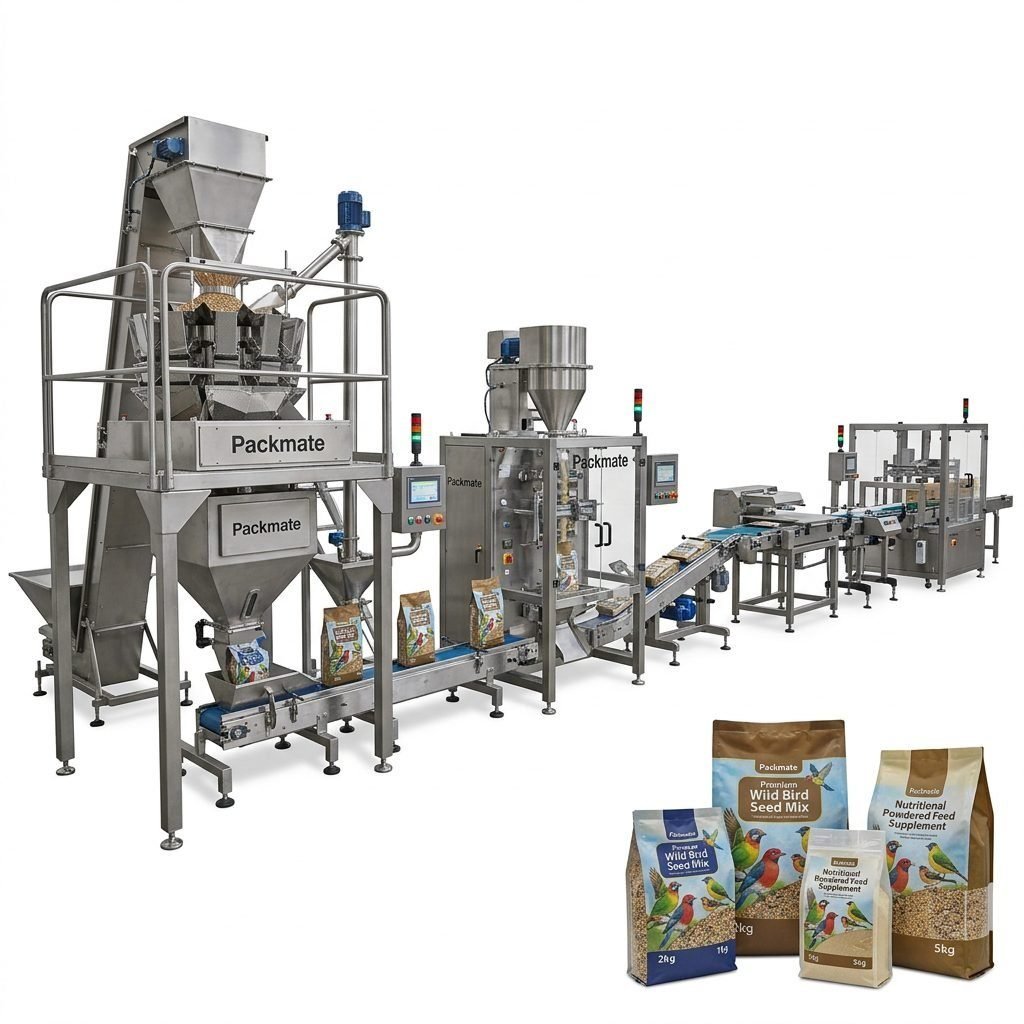
| Turnkey Line Integration | High; reduces coordination with multiple vendors and ensures system compatibility. | Can you supply and integrate feeding, filling, sealing, and cartoning systems? |
| Remote Support & Training | Critical due to geographical distance. | What remote diagnostic tools and online training programs do you offer? |
| Spare Parts Logistics | Essential for minimizing production downtime. | What is your typical spare parts delivery time to Australia or New Zealand? |
4. After-Sales Service and Local Support
This is arguably the most critical factor for Oceania. Inquire about the manufacturer’s service network. Do they have local agents or technicians in Australia or New Zealand? What is their response time for technical queries? A manufacturer with a strong export orientation, like PacklineOEM, often has established procedures for international support, including detailed documentation, video guides, and readily available spare parts inventories to expedite shipments.
5. Compliance and Certification
Ensure the machinery complies with relevant international and local Oceania standards. This may include CE certification for electrical safety, food-grade material certifications (e.g., FDA, EU standards), and potentially specific requirements from bodies like the Therapeutic Goods Administration (TGA) in Australia for pharmaceutical products. A reputable manufacturer will be transparent about the certifications their machines hold.
Pro Tip: Always request a live or recorded video demonstration of the machine running a product similar to yours. This provides a clearer understanding of its actual performance, speed, and finish quality than any brochure can.
The Advantage of Partnering with Established International Manufacturers
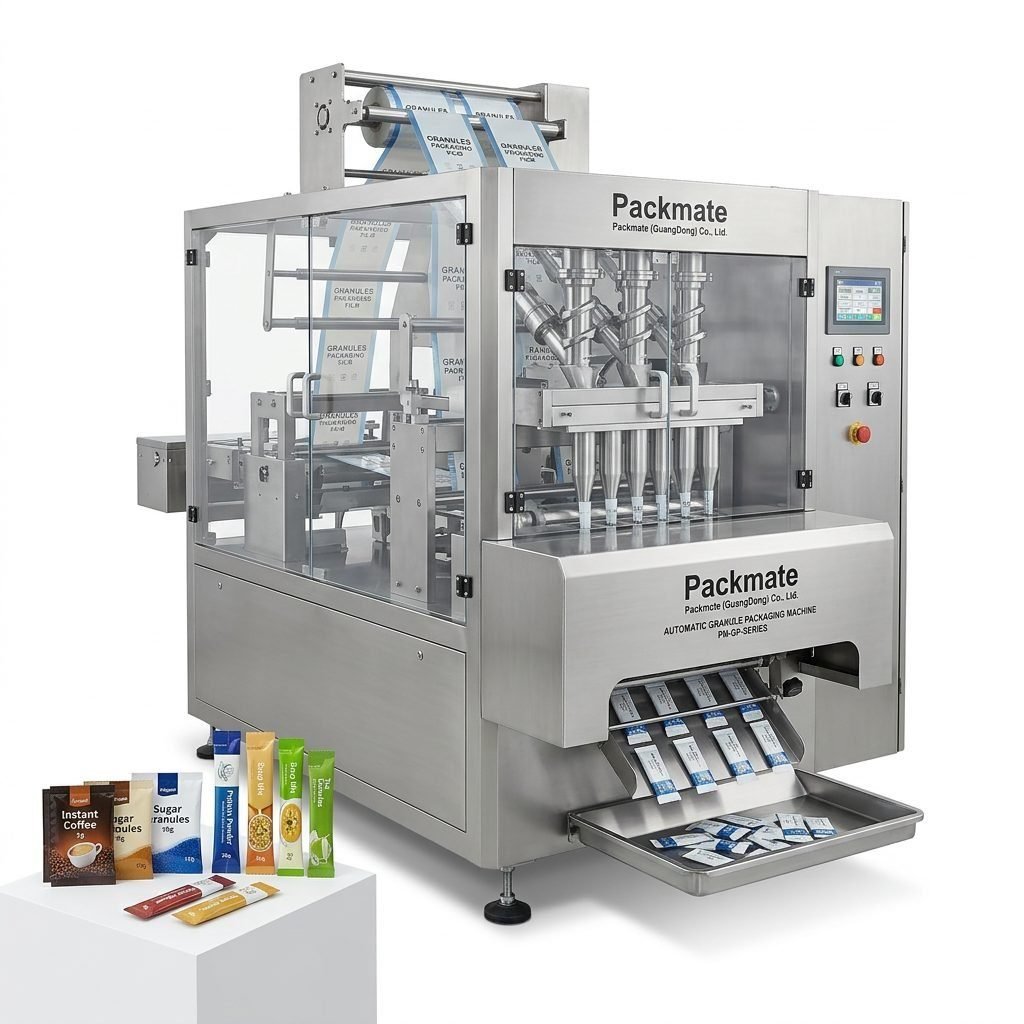
For many businesses in Oceania, partnering with a leading international manufacturer from a global hub like China offers significant benefits. These companies combine extensive engineering experience, competitive pricing, and a focus on export markets. They are accustomed to tailoring solutions for overseas clients and navigating the complexities of international shipping and installation. Their large product portfolios, like those offered by Ludyway with over 100 machine configurations, provide the flexibility to find a solution that fits rather than forcing a compromise.
Making the Final Decision
After shortlisting potential manufacturers, engage in detailed discussions. Provide them with your product samples and specifications. Request a formal quotation that includes not just the machine cost, but also shipping, insurance, installation, training, and warranty terms. Compare the total cost of ownership over the expected lifespan of the equipment. Finally, trust your due diligence—choose a partner that demonstrates technical competence, clear communication, and a long-term commitment to supporting your business growth in the Oceania region.
Frequently Asked Questions (FAQs)
Q1: What is the lead time for receiving a packaging machine in Oceania?
Lead times vary based on machine complexity and customization. For standard models, expect 8-14 weeks from order to shipment, plus 4-6 weeks for sea freight to major ports like Sydney or Auckland. Custom or turnkey lines may take longer. Always confirm timelines with your supplier.
Q2: How can I ensure machine quality without visiting the factory?
Reputable manufacturers offer factory acceptance tests (FAT) conducted via live video stream. You can witness the machine running, inspect build quality, and verify performance data remotely before it is shipped.
Q3: Are Chinese packaging machines reliable for long-term use?
Yes, manufacturers with 30+ years of experience, like those profiled, have invested heavily in precision manufacturing, quality control, and durable component sourcing. Their success in demanding markets like Europe and North America is a testament to their reliability when sourced from an established provider.
Q4: What kind of training is provided for our operators?
Standard packages include detailed operation manuals, video tutorials, and remote training sessions via video call. Some suppliers offer on-site installation and training, though this incurs additional cost for travel to Oceania. Ensure training materials are in English and comprehensive.
Q5: Who handles customs clearance and import duties in Oceania?
This is typically arranged by the buyer (Importer of Record). Most manufacturers will ship CIF (Cost, Insurance, and Freight) to your designated port. You or your appointed freight forwarder will then handle customs clearance, duties, and GST (in Australia and New Zealand). It’s advisable to consult a local customs broker for accurate cost estimates.