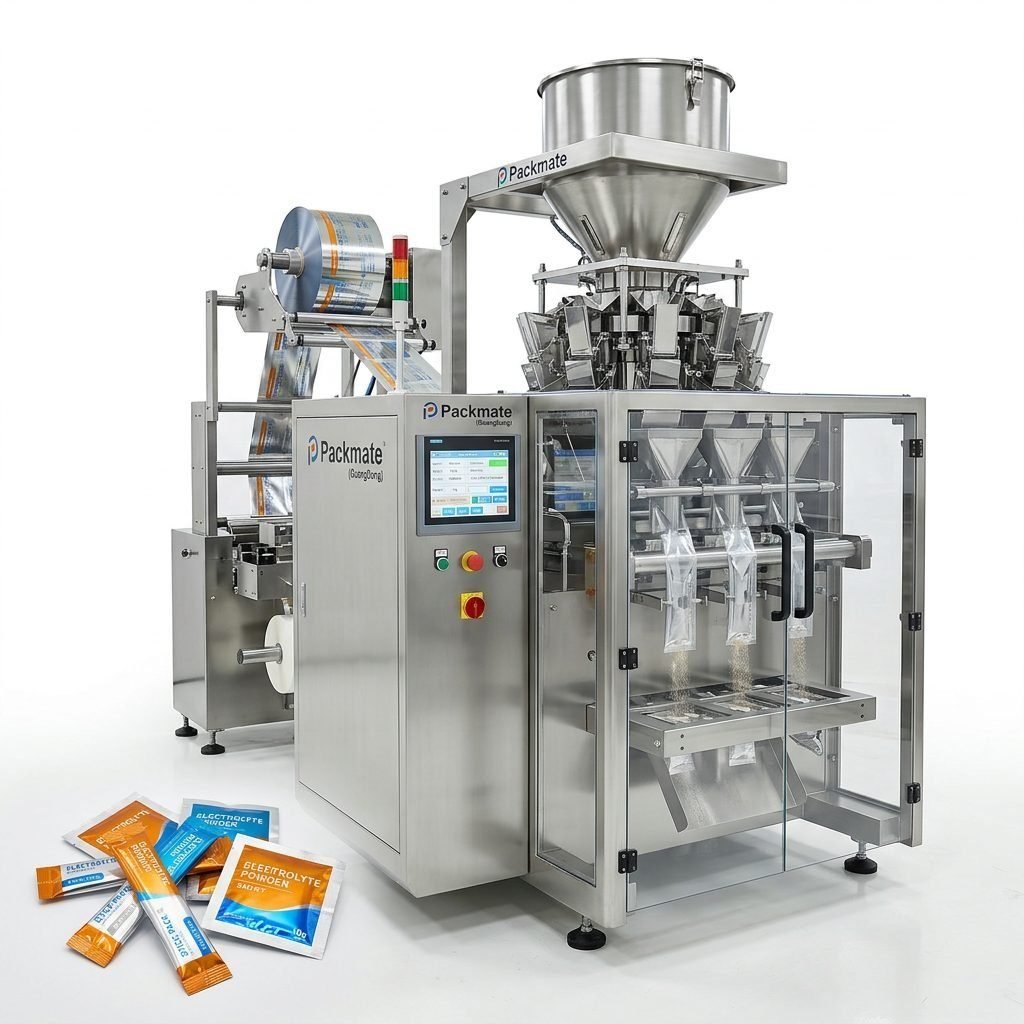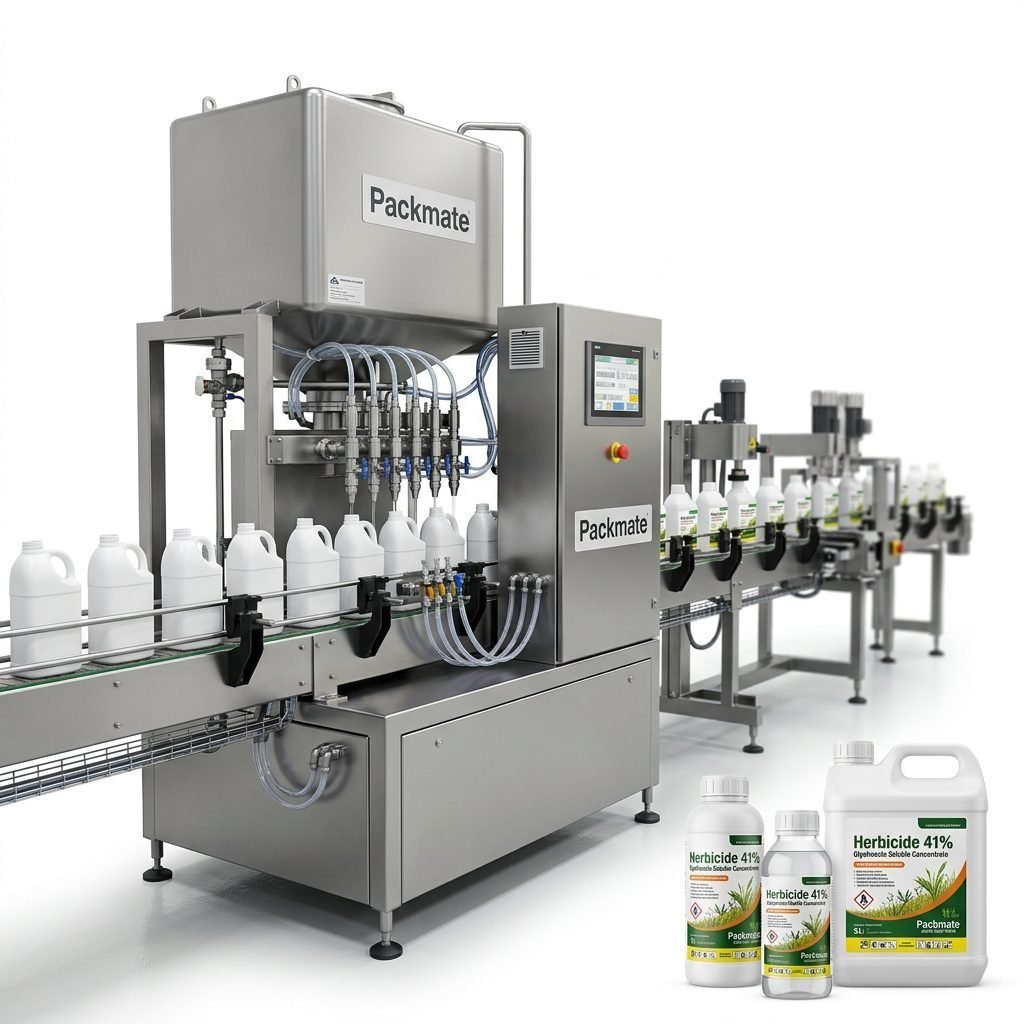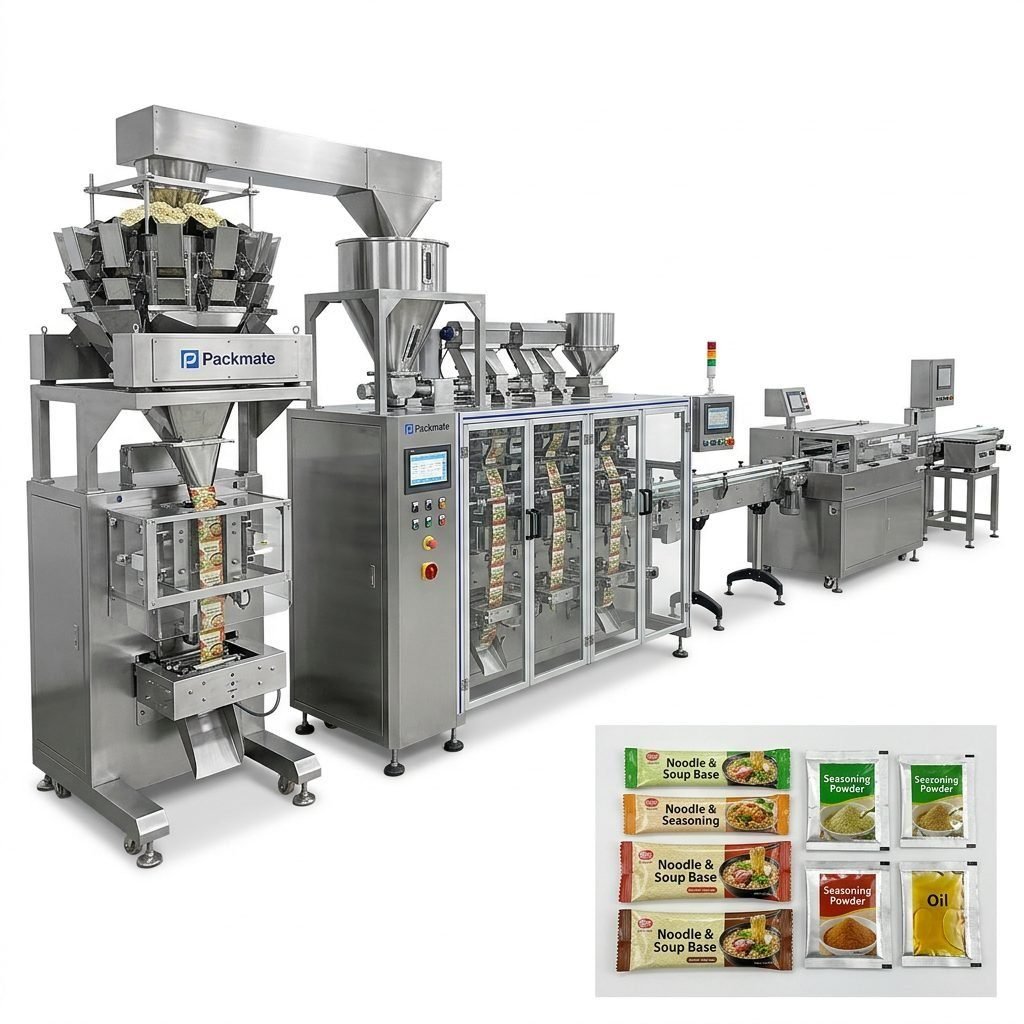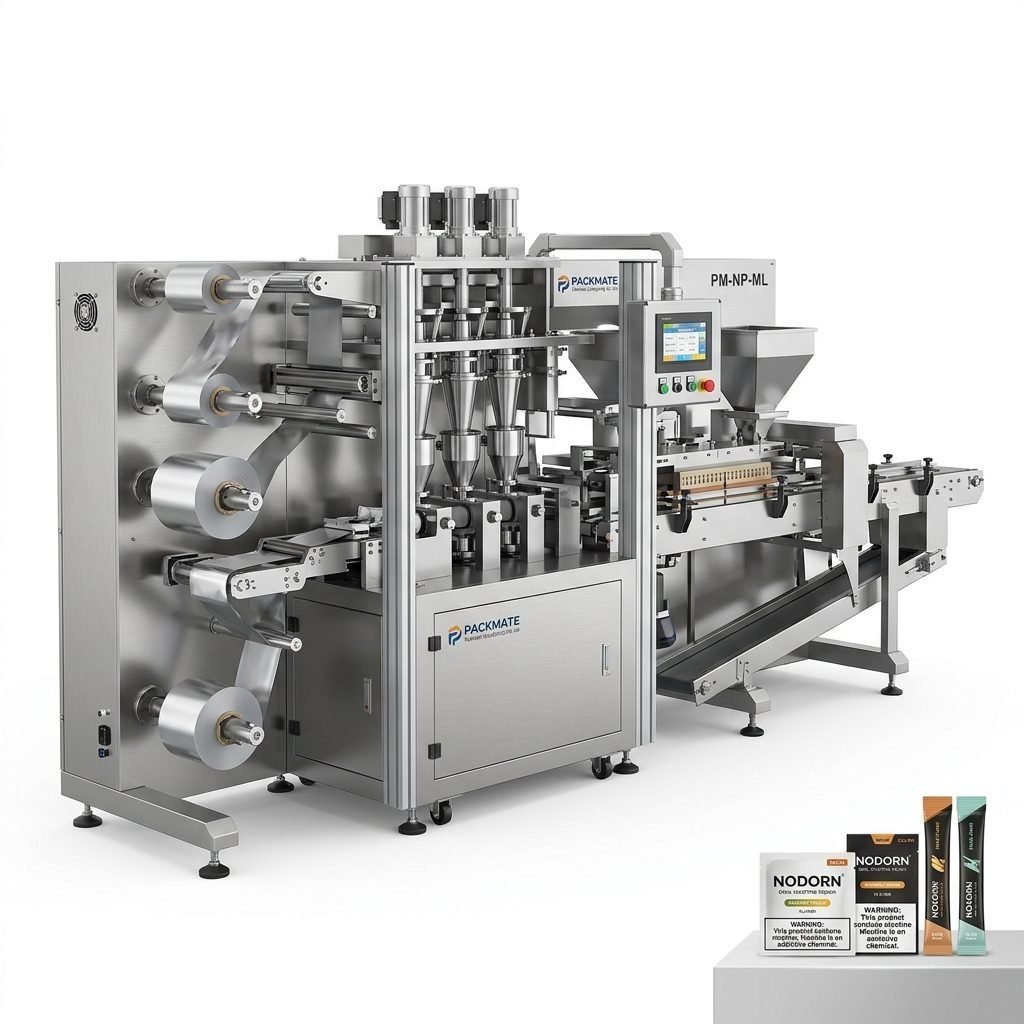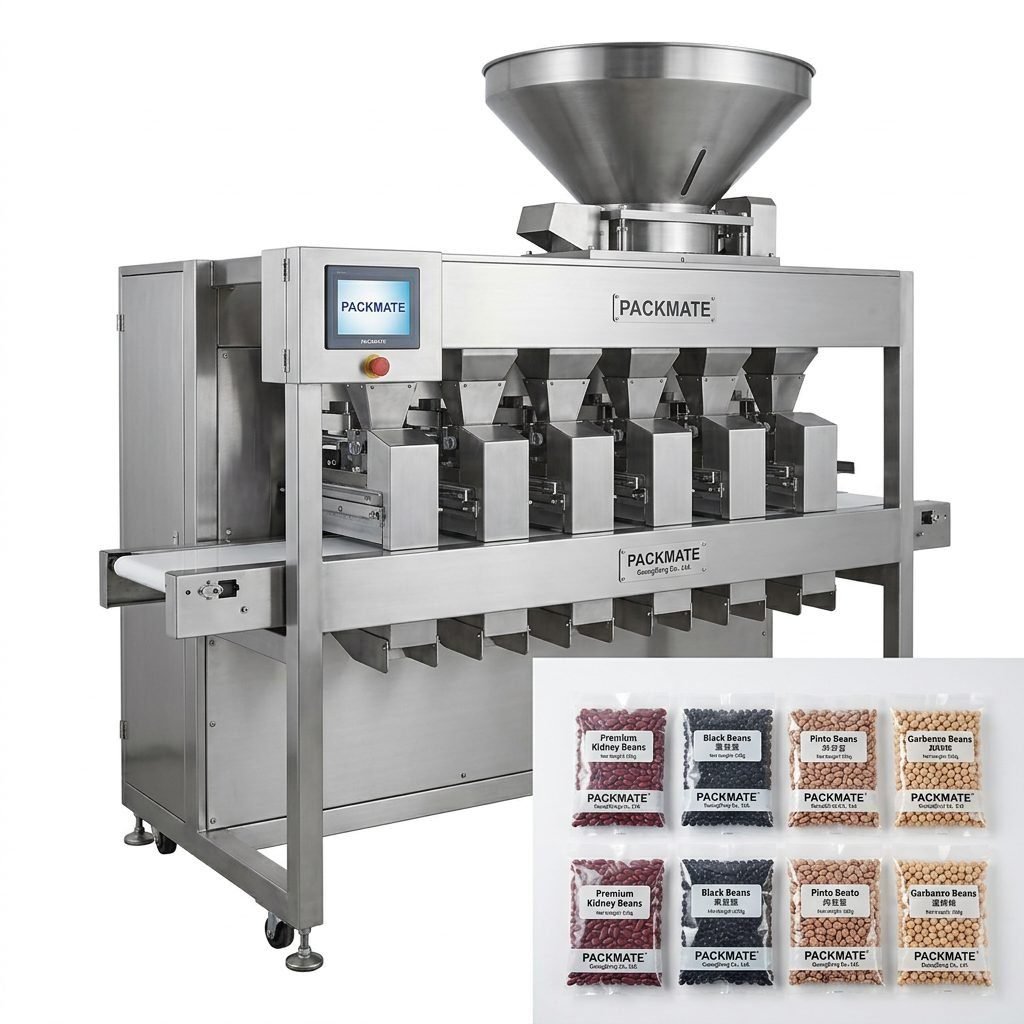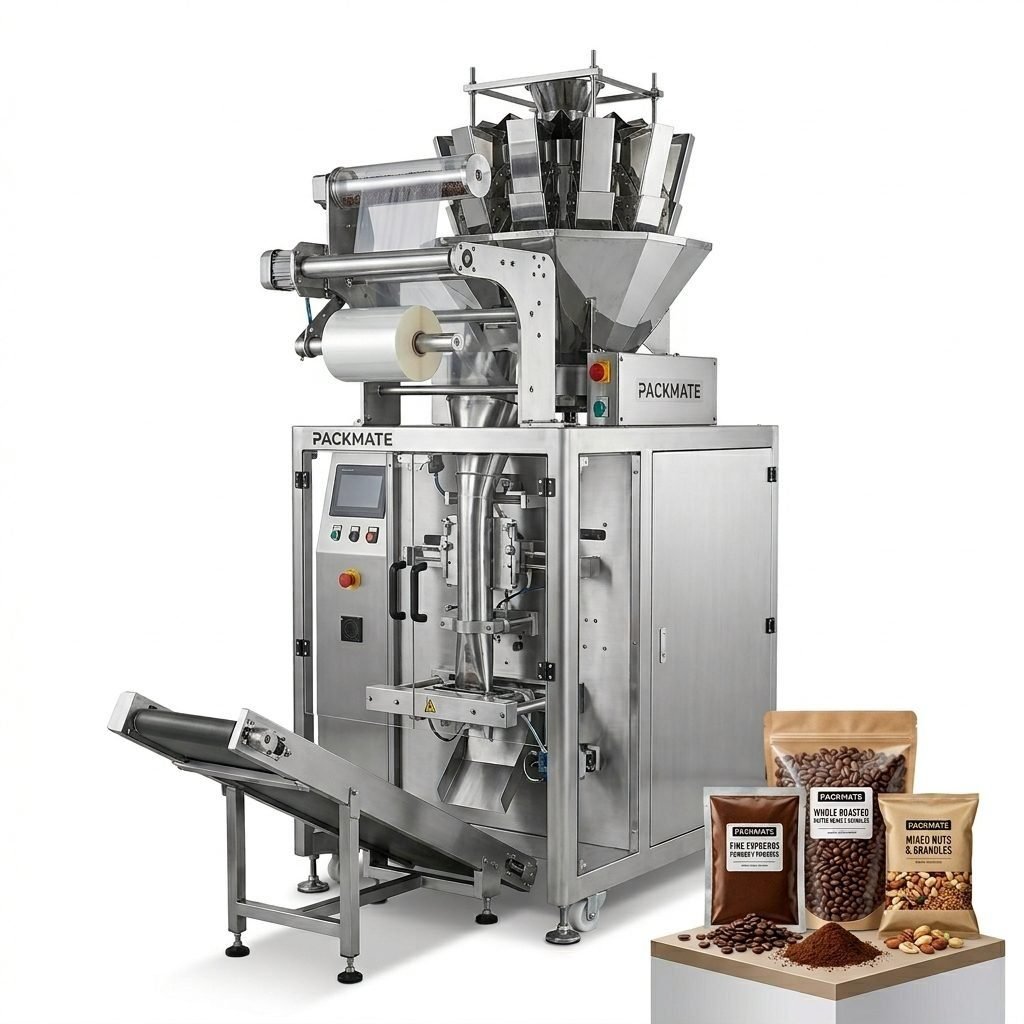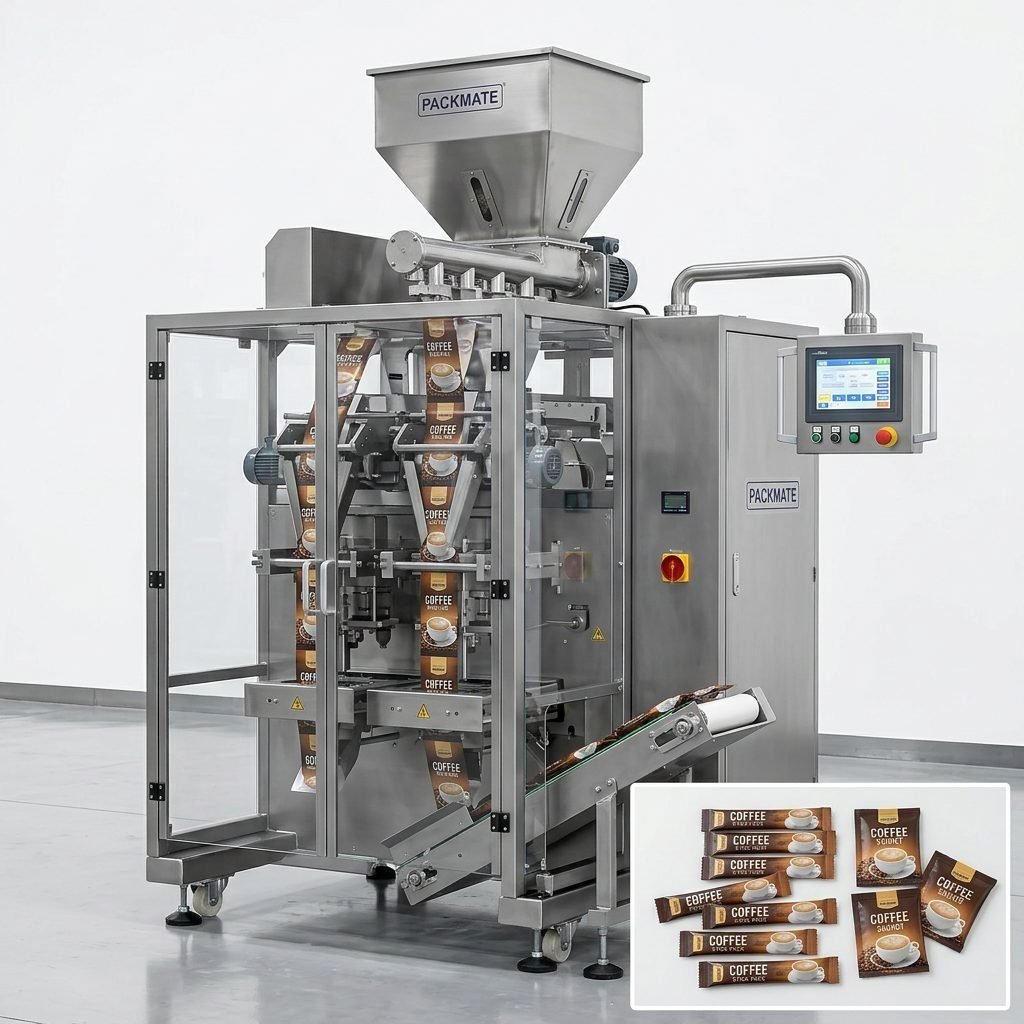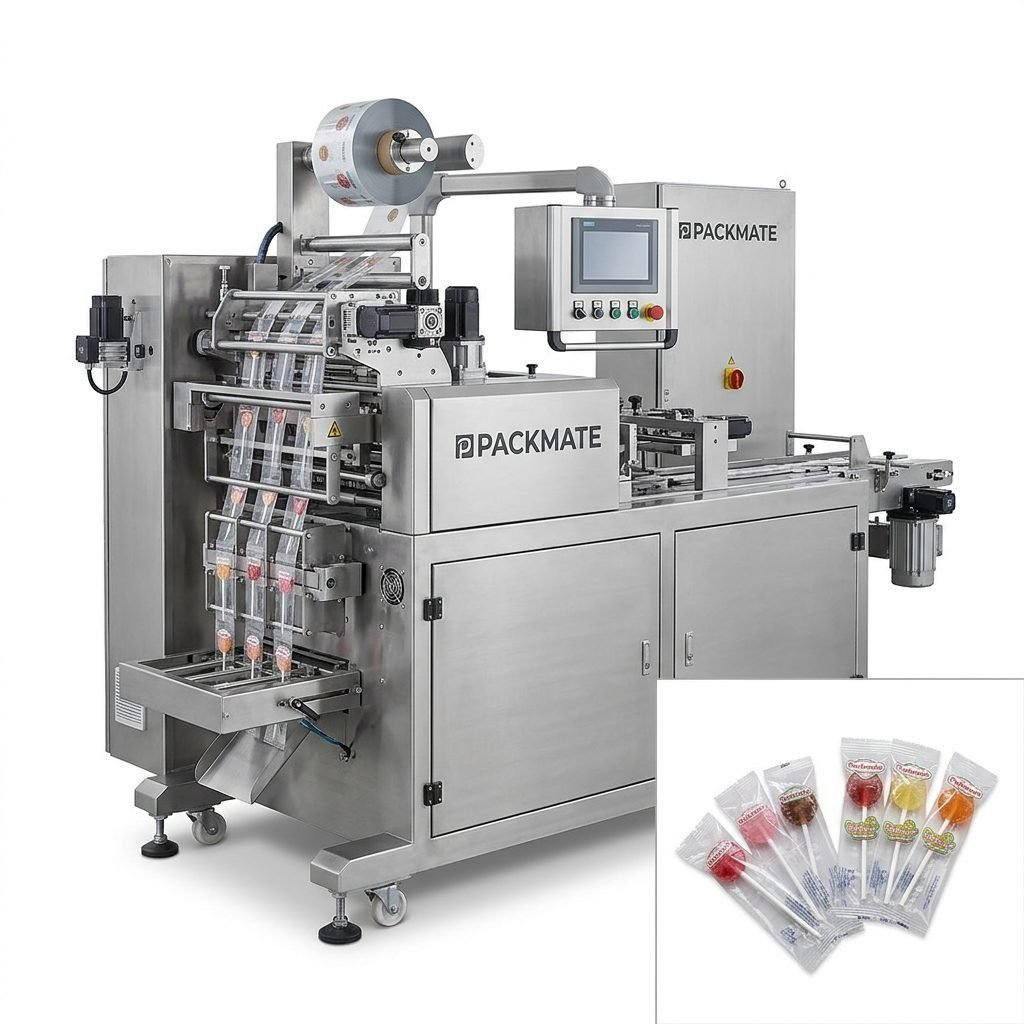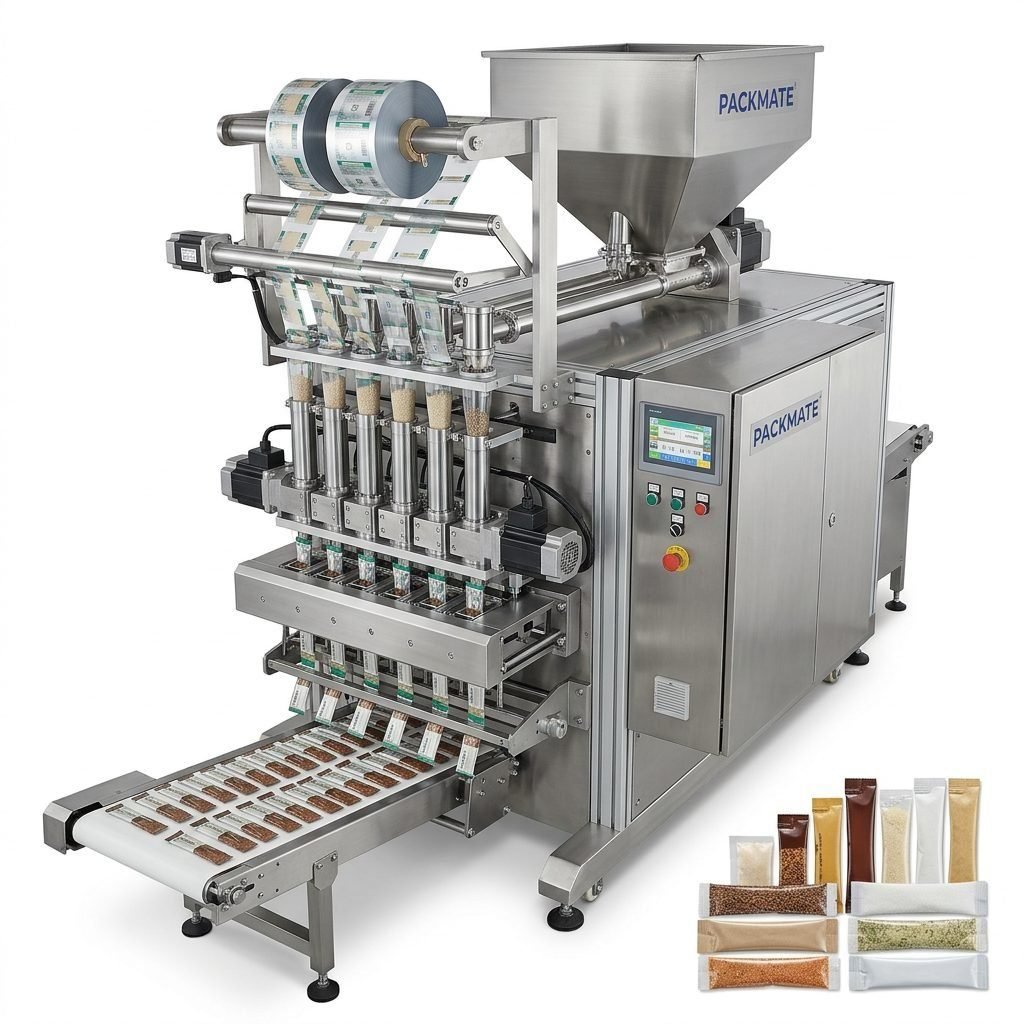
Selecting the right automatic strip pack machine is a critical decision for manufacturers in food, pharmaceuticals, health supplements, cosmetics, and related industries. The right machine can dramatically improve production efficiency, ensure product consistency, reduce labor costs, and enhance overall packaging quality. However, with numerous manufacturers offering a wide range of models and capabilities, making an informed choice requires a clear understanding of your specific needs and the available solutions.
Understanding Your Production Requirements
Before evaluating specific machines, it’s essential to conduct a thorough assessment of your production needs. This foundational step ensures the chosen solution aligns perfectly with your operational goals.
Key factors to consider include:
Product Characteristics: The physical properties of your product are paramount. Is it a free-flowing granule, a fine powder, a viscous paste, or a liquid? Each type requires different filling, handling, and sealing mechanisms. For instance, powders may need auger fillers with de-aeration systems, while liquids require precise volumetric or piston pumps.
Packaging Format & Size: Define your desired strip pack (stick pack) dimensions—length, width, and thickness. Consider if you need single-lane or multi-lane output. The material of the packaging film (e.g., PET/AL/PE, CPP) and its sealing properties also directly influence machine selection.
Required Output Speed: Calculate your required production capacity in packs per minute (PPM). High-volume operations, such as those for instant coffee or beverage mixes, often necessitate multi-lane machines capable of 600-1200+ PPM, while lower-volume or niche products might be served by simpler, single-lane systems.
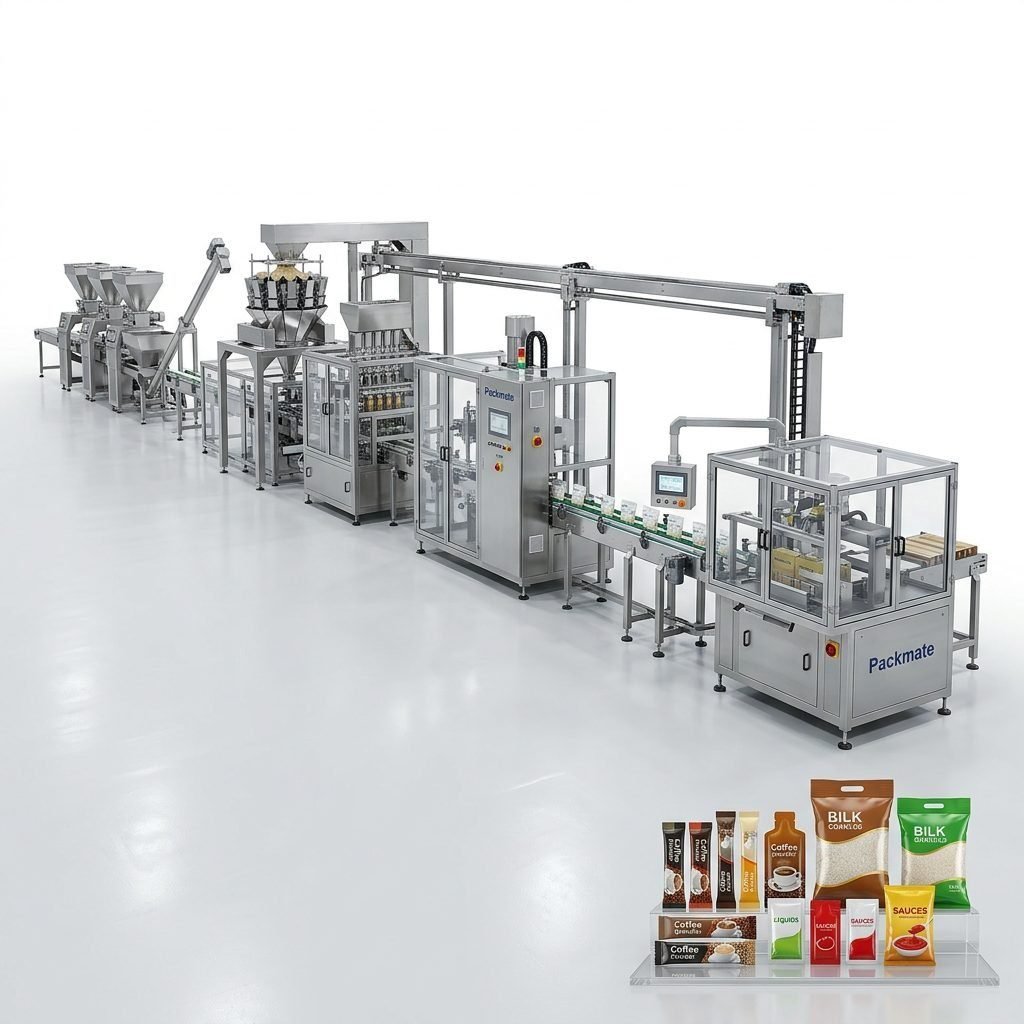
Level of Automation: Determine how integrated the machine needs to be within your line. Options range from standalone strip packers to fully automated turnkey lines that include feeding systems, checkweighers, metal detectors, cartoners, and case packers.
Regulatory & Hygiene Standards: Industries like pharmaceuticals and food require compliance with strict standards (e.g., GMP, FDA, CE). Machines may need specific finishes (e.g., stainless steel 304 or 316), CIP (Clean-in-Place) systems, and dust extraction units.
Core Technical Features of Modern Strip Packers
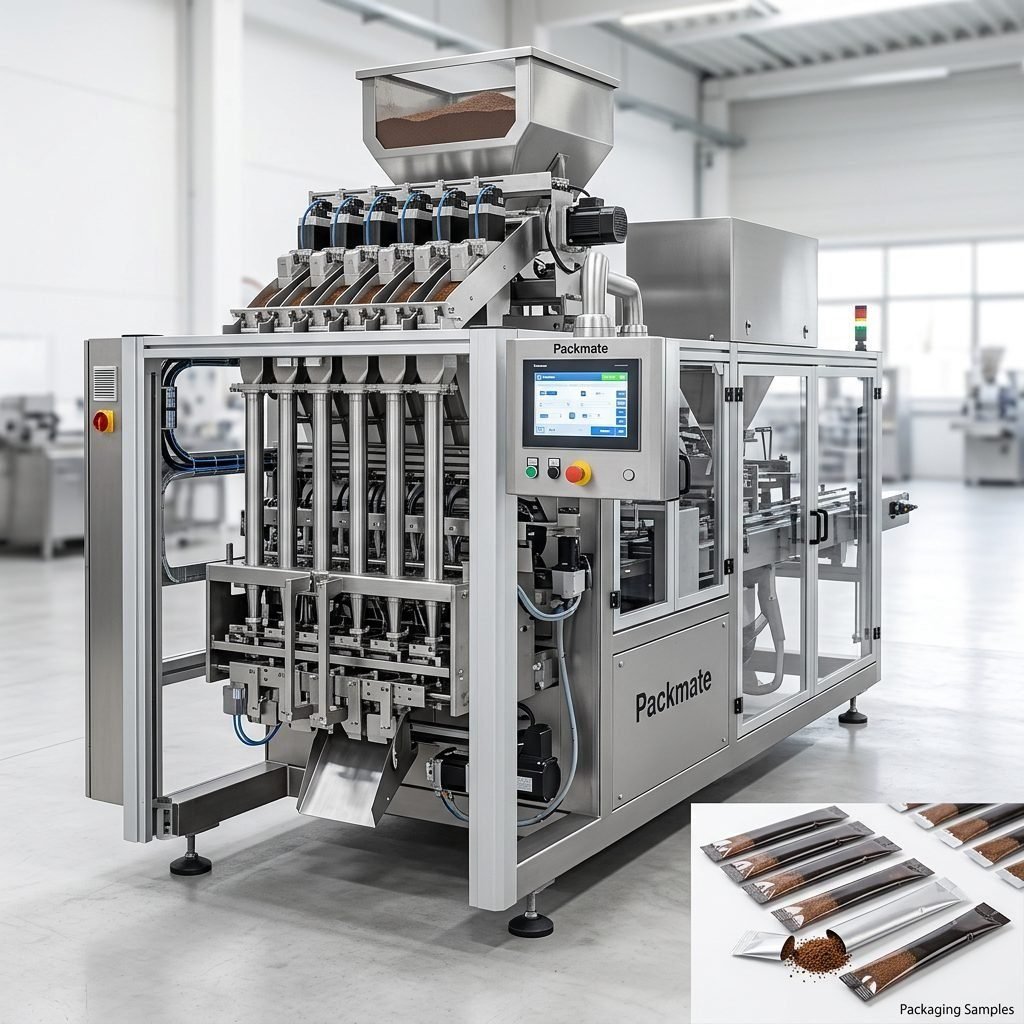
Modern automatic strip pack machines are sophisticated pieces of engineering. Understanding their key components will help you evaluate different models effectively.
1. Film Feeding & Forming System
The system unwinds the roll of laminated film and forms it into a tube around the filling nozzle. Look for precision servo-driven film pullers and forming shoulders that ensure consistent, wrinkle-free tube formation, which is crucial for strong seals.
2. Filling System
This is the heart of the machine. The choice depends on your product:
– Auger Fillers: Ideal for powders and granules. High-precision servo augers provide excellent accuracy.
– Volumetric Cup Fillers: Suitable for uniform granules and small pieces.
– Liquid Piston Pumps: Used for liquids, sauces, and oils, offering precise volumetric dosing.
– Net Weight Scales: For high-value products where weight accuracy is critical, often used in pharmaceutical applications.
3. Sealing System
Creates the longitudinal and cross-seals that form the individual pouches. Look for robust, digitally controlled heat sealing jaws with consistent temperature distribution. Some machines offer cold sealing for heat-sensitive products.
4. Control System
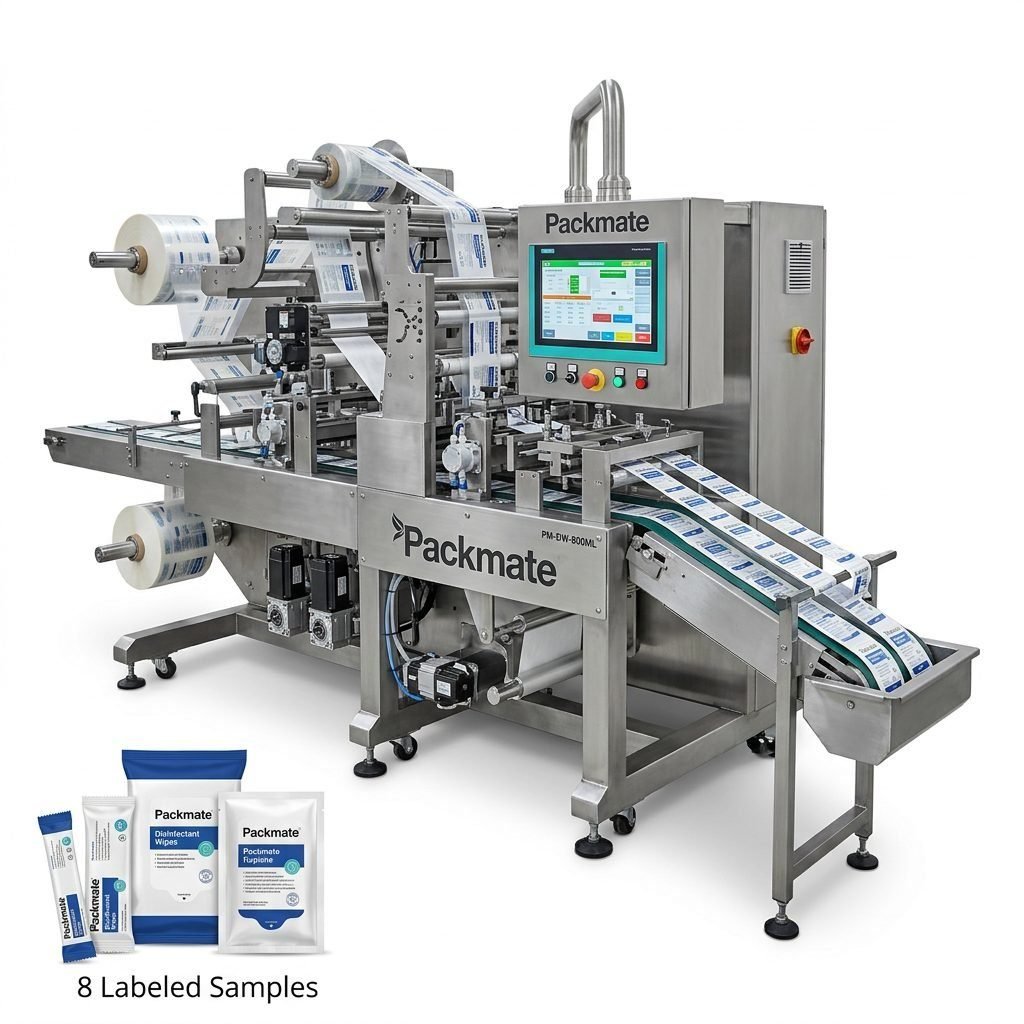
A user-friendly PLC (Programmable Logic Controller) with a touchscreen HMI (Human-Machine Interface) is standard. Advanced systems offer recipe storage, production data tracking, diagnostic alerts, and connectivity for Industry 4.0 integration.
Evaluating Manufacturers: Capability and Support
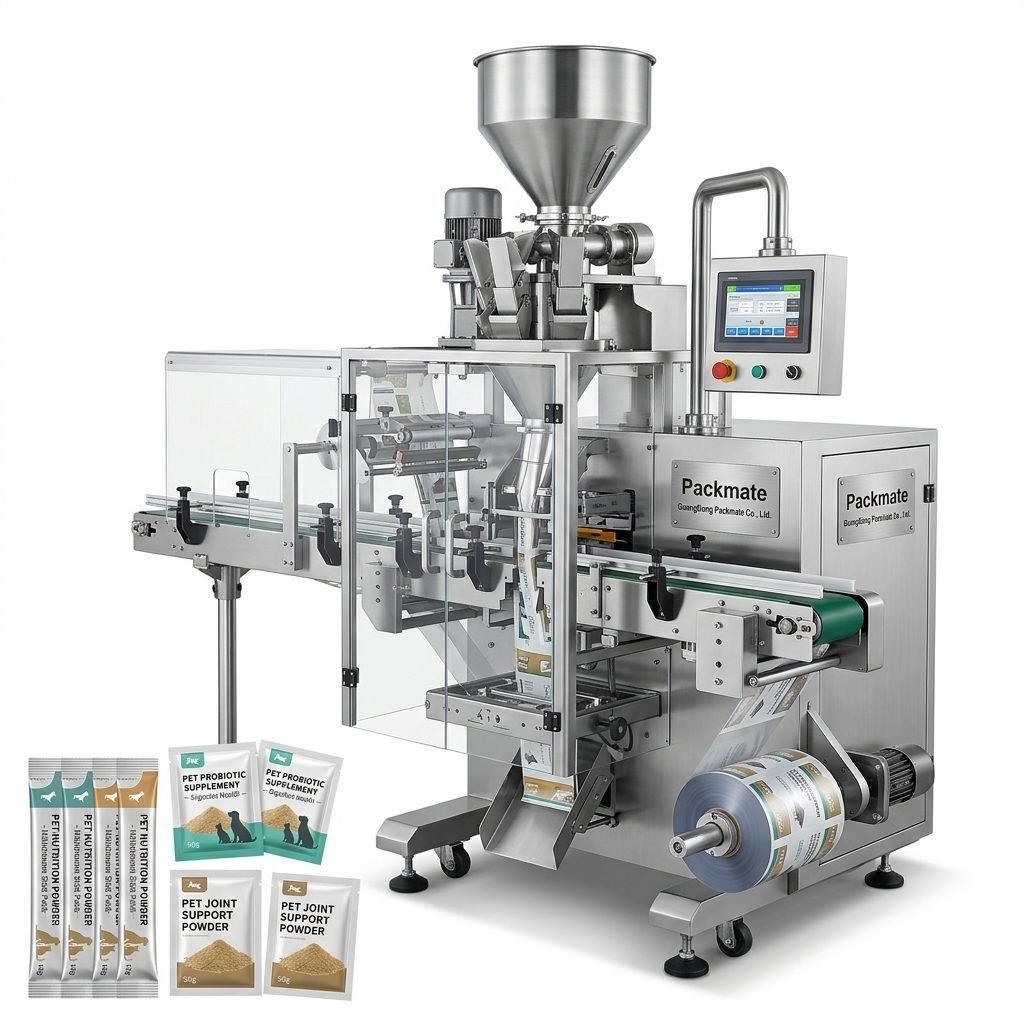
The machine’s performance is only as good as the company behind it. Partnering with a reliable manufacturer is crucial for long-term success, especially for international buyers. Several established Chinese manufacturers have strong export footprints, offering a balance of technology, cost-effectiveness, and support.
For example, Ludyway, with over 30 years of experience, is recognized for its broad product portfolio covering multi-lane stick pack machines, sachet packers, and complete turnkey lines. Their extensive experience in food and pharma packaging and strong export presence across six continents make them a viable option for scalable projects.
Similarly, for buyers with highly specialized or non-standard requirements, manufacturers like PackingMachineOEM focus on customized and OEM solutions. Their flexibility in engineering machines for unique bag formats, materials, and output needs can be a significant advantage for project-based procurement.
When your project demands a fully integrated production line rather than just a standalone machine, a turnkey specialist like PacklineOEM can be a suitable partner. Their focus on complete line integration—from feeding and filling to end-of-line packaging—simplifies project management for complex automation goals.
Making the Final Decision: A Comparative Checklist
Use the following table to systematically compare shortlisted machines and suppliers. This will help move beyond specifications to a practical evaluation.
| Evaluation Criteria | Key Questions to Ask | Why It Matters |
|---|---|---|
| Machine Performance & Fit | Can it run your specific product and film at your target speed with required accuracy? Request a live or video test. | Ensures the machine meets your core production targets before purchase. |
| Build Quality & Components | What is the frame construction? What brands are used for critical parts (servo motors, PLC, sensors)? | High-quality construction and reputable components directly correlate with machine longevity, stability, and minimal downtime. |
| Customization & Flexibility | How easily can bag size be changed? Can the machine be adapted for future products or different filling methods? | Protects your investment by allowing for product line diversification and reduces changeover time. |
| After-Sales Support | What is the warranty period? Is training, installation support, and local spare parts service available? | Comprehensive support is vital for minimizing operational disruptions and ensuring peak machine performance throughout its lifecycle. |
| Total Cost of Ownership (TCO) | Consider not just the purchase price, but also energy consumption, maintenance costs, and potential output losses from downtime. | A slightly higher initial investment in a robust, efficient machine often leads to a lower TCO than a cheaper, less reliable alternative. |
Special Considerations for Niche Markets
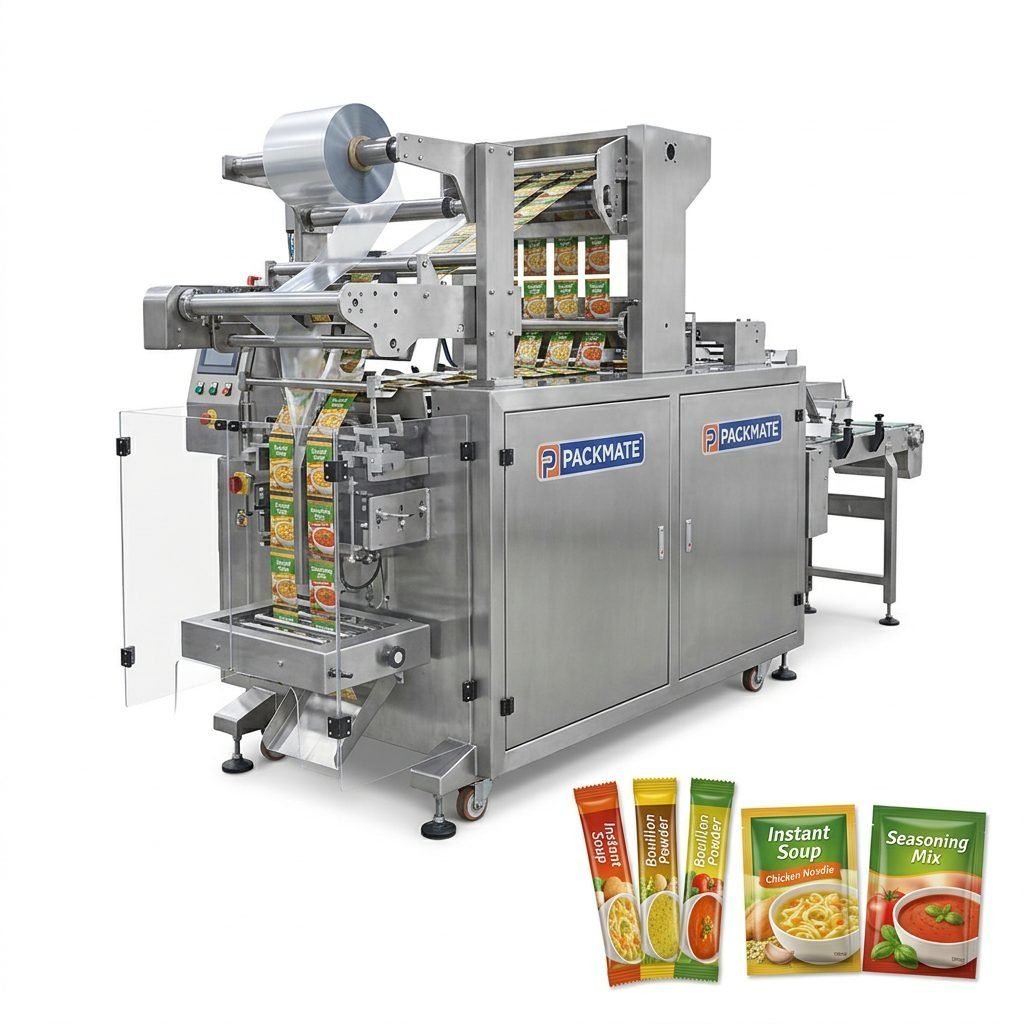
Certain product categories have unique packaging demands that necessitate specialized machinery. For instance, the fast-growing nicotine pouch and snus sector requires extremely precise dosing, consistent sealing to preserve moisture, and often high-speed multi-lane production. Manufacturers like SnusMachinery have developed focused expertise in this niche, offering machines tailored to the specific challenges of pouch integrity and production hygiene for smokeless products.
Similarly, packaging for high-value pharmaceuticals, sterile medical supplies, or hygroscopic food ingredients may demand machines with integrated nitrogen flushing systems, advanced leak detection, or specialized dry air purging capabilities to ensure product shelf-life and safety.
Conclusion and Next Steps
Choosing the right automatic strip pack solution is a strategic investment. By meticulously defining your requirements, understanding machine technology, and thoroughly vetting manufacturers on both technical capability and support structure, you can select a system that delivers reliability, efficiency, and a strong return on investment. The ideal machine should not only meet today’s production needs but also offer the flexibility to adapt to tomorrow’s opportunities.
Begin by requesting detailed quotations and performance data from shortlisted suppliers. Whenever possible, arrange for a product test using your actual materials. Finally, speak to existing customers of the manufacturer, especially those in your region or industry, to get firsthand feedback on machine performance and service quality.
Frequently Asked Questions (FAQs)
Q1: What is the typical speed range of an automatic strip pack machine?
Speeds vary widely based on the number of lanes and product type. Single-lane machines may range from 60 to 150 packs per minute (PPM). High-speed multi-lane machines (4, 8, or more lanes) for simple powders or granules can achieve speeds from 400 to over 1,200 PPM.
Q2: How accurate are the filling systems on these machines?
Accuracy depends on the filling technology and product characteristics. Servo-driven auger fillers for powders can typically achieve accuracies within ±1-2%. High-precision net weight scales used for pharmaceuticals or high-value ingredients can achieve tolerances of ±0.1 grams or better.
Q3: Can one machine handle different types of products (e.g., powder and liquid)?
Most machines are configured for a specific product type (powder, granule, or liquid) due to the different filling systems required. However, some manufacturers offer modular designs where the filling unit can be swapped out for a different type, providing flexibility for producers with diverse product lines.
Q4: What kind of maintenance do these machines require?
Regular maintenance is crucial. Daily cleaning, lubrication of moving parts, and inspection of seals and filters are common. The manufacturer should provide a detailed maintenance schedule. Machines with higher-quality components and accessible designs generally have lower long-term maintenance costs.
Q5: How important is after-sales service when buying from an international manufacturer?
It is critically important. Ensure the supplier offers comprehensive documentation in English, remote video support, readily available spare parts, and preferably, technician dispatch services or has partnered with local service agents in your region. Good after-sales support is the best insurance against prolonged production downtime.